Disclosure: As an Amazon Associate, reviewstook.com earns from qualifying purchases. Links on this page are affiliate links; they cost you nothing extra. Prices and availability change often, so check the current Amazon listing before you buy.
Any honest account of smart water leak detector pros and cons has to start with the asymmetry that defines the category: the pros are measured in disasters that never happen, and the cons are measured in small, recurring acts of attention. A smart water leak detector does one thing — it notices water at a specific spot and raises the alarm — and it does that thing while asking for batteries, tests and a household that knows where its main shutoff valve is. Whether that trade delights you or irritates you depends on your house, your occupancy and your honesty about maintenance. This page lays out both sides at full strength, because a balance sheet you can trust is worth more than a recommendation you cannot. It also refuses the two easy dishonesties of the genre: the advertiser’s version, in which the cons are trivial and the device is a guardian angel, and the cynic’s version, in which a simple product is dismissed for not being a different product. The truth is more useful than either. The device is a watcher with a loud voice and no hands; everything in the pages below follows from accepting that sentence completely, and then asking what a watcher is worth in a house full of pressurised water.
Quick verdict: for homes with the usual risk map — a tank water heater, a washing machine, sinks and toilets on finished floors — the pros outweigh the cons decisively, provided someone can respond to alerts. For homes that stand empty for long stretches, the cons expose a real gap that only an automatic shutoff valve closes. Everything between those two poles is a matter of which cons your own household is willing to carry, and the sections below price each one honestly, in attention rather than in advertising. Best for: occupied homes, landlords with a response plan, anyone with a finished basement. Not suited for: buyers wanting set-and-forget protection for an empty property, or buyers expecting the device to stop water — it never does.
Key Takeaways
- Pro: minutes of warning routinely convert renovation-scale damage into a mop-and-towels event.
- Con: the sensor only alerts — the stopping, drying and repairing remain human jobs.
- Pro: coverage is cheap per spot and needs no wiring, plumbing or installation skills.
- Con: point sensing is literal — water a metre away is invisible until it arrives.
- The balance tips on two household traits: whether alerts reach a responder, and whether testing actually happens, season after season.
In this guide
The Pros
Pro 1: Early Warning Where Damage Actually Starts
Leaks do not begin in the middle of rooms; they begin at water heaters, hose connections, trap joints and appliance inlets — a short, predictable list of spots where a sensor can be waiting. That predictability is the category’s founding advantage. A heater that seeps into its pan, a trap that starts dripping, a hose that splits: each announces itself to a correctly placed sensor at the stage when the remedy is a towel, a bucket and a tightened fitting. The alternative discovery methods — a warped cabinet floor, a ceiling stain, the smell of mould — all arrive weeks later and cost orders of magnitude more to put right. No other smart home category converts so little money and effort into so much avoided damage, which is why insurers and landlords, two groups not known for gadget enthusiasm, take these devices seriously.
Pro 2: The Alert Reaches You Wherever You Are
Connected models collapse the distance between a leak and its owner. The midday alert at work, the push notification on holiday, the hub announcement through the house at night — each replaces the old discovery timeline (whenever someone next entered that room) with minutes. Even the humble local siren transforms the in-home timeline, turning a silent under-sink drip into an event the whole household hears. The value is not the notification itself; it is the compression of the response: water off sooner, drying started sooner, a plumber called with a photograph instead of a catastrophe. For landlords, the alert reaching the owner rather than relying on a tenant’s report is the difference between a maintenance visit and a renovation.
Pro 3: Coverage Is Cheap, Simple and Reversible
There is no wiring, no plumbing, no drilling and nothing to undo. A sensor is placed, tested and forgotten — in the good sense — and a whole-house map of five to eight spots is an afternoon’s work for a non-technical owner. Renters can protect a home they do not own and take the system when they leave. Per spot, this is among the cheapest protection in the house, cheaper than the deductible conversation it helps you avoid, and it scales gracefully: start with the heater and washer, add sinks and toilets as the habit forms. Few home improvements offer a second purchase as painless as “another puck for the spot we missed.”
Pro 4: Freeze Warnings Protect Against the Worst Leak of All
Models with low-temperature sensing add the category’s most underrated benefit. A burst frozen pipe is the heavyweight disaster of home water damage — full pressure, often in a wall or ceiling, frequently while the house is cold and empty. A freeze alert arrives before the burst, while the remedies are still gentle: warm the space, open the cabinet doors, drip a tap, call for help. Owners consistently report valuing this feature more after their first cold snap than at purchase, which is the signature of a pro that marketing undersells and experience does not.
Pro 5: It Makes the Whole Household Water-Aware
An unexpected pro: installing sensors forces the conversations that protect homes even when no sensor is present. Finding the spots means inspecting hoses and connections you have not looked at in years. Testing the alert path means learning — often for the first time — exactly where the main shutoff valve is and whether it still turns. Naming sensors by location builds a shared map of the house’s plumbing in every resident’s head. Owners describe the system as much by this raised awareness as by the devices: the sensor is the excuse, but the household’s knowledge is a permanent upgrade that no battery can drain.
Pro 6: It Complements Every Other Layer of Protection
Sensors argue with nothing. They sit happily alongside pans under heaters, braided hoses in good condition, and — at the serious end — automatic shutoff valves, to which they add the location intelligence a valve lacks: not just “water is flowing wrongly” but “water is under the kitchen sink.” They also join the wider alert layer of the smart home without demanding centre stage, neighbouring the categories covered in security cameras and door and window alarms. A protection strategy built in layers fails one layer at a time; sensors are the layer that notices first.
The Cons
Con 1: It Only Alerts — It Never Stops the Water
The founding limitation, and the one that must never be softened: a point sensor cannot close a valve, cut a supply or call anyone who can. If the alert reaches nobody — empty house, silenced phone, tenant who assumes it is someone else’s alarm — the water runs exactly as if the sensor were not there, and the device becomes a narrator of its owner’s damage. Buyers who need intervention rather than information need the different, plumber-installed category of automatic shutoff valves. Every other con on this list is a footnote to this one, and every pro above is conditional on a human completing the circuit.
Con 2: Point Coverage Is Mercilessly Literal
A sensor guards the few centimetres its probes touch. Water, obedient to slope and seams, may pool a metre away, run along a wall plate, or soak into a subfloor from a pinhole spray that never forms a puddle at floor level. The result is the category’s characteristic failure: a working sensor, a real leak, no alert. Mitigations exist — careful placement at true low points, the pour test, cable sensors for lines, two pucks for wide risks — but they reduce the blind spot rather than abolishing it. Anyone who buys one sensor for a whole appliance wall has purchased a lottery ticket, not coverage.
Con 3: Batteries and Networks Fail Quietly
The system’s enemies are silent ones. A battery fades in a sensor nobody tested. A Wi-Fi model drops off the network when the router or password changes and tells no one. An app falls behind an operating system update. None of these announce themselves at the moment they happen; all of them are discovered, if at all, at test time — or at leak time. The category’s defence is that every architecture offers a warning path: app low-battery notices, check-in monitoring, a chirp. But the defence only works for owners who look, which converts a product question into a character question, and is why the cons list of an honest review must include the owner’s own follow-through.
Con 4: False Alarms Teach the Household to Ignore Real Ones
Condensation under a cold line in humid weather, a freshly mopped floor, a pet’s enthusiastically used water bowl — each can trigger a sensor, and each false alarm spends a little of the household’s responsiveness. The cost is not annoyance; it is the hesitation, months later, when a real alert gets the “probably nothing” treatment for the crucial first minutes. Placement adjustments cure most false alarms, and they are worth doing promptly and permanently, because a leak system lives or dies on whether its voice is believed. A sensor that cries wolf weekly will not be rescued from its own reputation by being right once.
Con 5: Ecosystems and Requirements Can Trap the Unwary
Some sensors are citizens, not independents: they need a base station, a hub or a specific platform, and buying the sensor alone buys an ornament. Others quietly tie their best alerting behaviour to an app or service whose terms and longevity the buyer does not control. None of this is hidden — it is printed on listings — but it is printed in the dialect of requirements sections that buyers skim. The con is real but avoidable: verify the requirement sentence before purchase, prefer systems whose core alerting does not depend on optional extras, and treat any needed hub as part of the product’s true cost and footprint.
Con 6: It Can Manufacture False Confidence
The subtlest con: a sensored home can feel safer than it is. Owners defer the hose replacement because “the sensor will catch it,” skip the visual inspection because “nothing has alarmed,” and forget that the unwatched spots — the wall cavity, the second bathroom, the line behind the refrigerator — remain exactly as exposed as before. Sensors detect; they do not maintain. The households that get the category’s full value treat the system as one layer among several: sound hoses, pans, insulation on cold runs, and eyes on the plumbing a few times a year, with the sensors standing guard over the gaps in human attention rather than replacing it.
What the Trade-Offs Mean for You
For the always-home household, the cons shrink to maintenance and placement discipline, both cheap, while the pros arrive at full strength — this profile gets the category’s best exchange rate, especially with generous alarm coverage under sinks and behind toilets. For the working household with empty weekdays, the alert-path pro becomes the whole purchase and Con 1 becomes the design constraint: connected sensors, multiple alert recipients, and no reliance on sirens. For the frequent traveller and second-home owner, the honest reading of this balance sheet points past sensors alone: keep them for location and slow drips, but let Con 1 push you to a shutoff valve, because your scenario is the one the con was written about. For the landlord, the pros compound across units — early alerts reaching you directly — while the cons concentrate in tenant response, which paperwork and owner-side alerting mitigate. For the cold-climate owner, Pro 4 may outweigh everything else on either list; buy the freeze sensing deliberately and place for the cold runs. For the renter, the balance has a special shape: the pros arrive undiluted — no installation, nothing permanent, protection that moves house with you — while the cons reduce to a single negotiation, agreeing with the landlord who responds and how, since the floors at stake belong to someone else. Renters who make that one agreement get, proportionally, the best deal in the entire category. The fuller value argument, with these profiles priced in attention rather than money, is made in is a smart water leak detector worth it.
The Alternatives in Context
| Option | What It Does | Strength | Limit |
|---|---|---|---|
| Point sensors (this category) | Detect water at spots and alert | Cheap per spot, precise location, no installation | Alert only; literal coverage |
| Automatic shutoff valve system | Detects abnormal flow or linked leaks and closes the main | Intervenes in an empty house | Plumber-installed, higher tier, may miss slow seeps |
| No devices — inspection only | Periodic visual checks of hoses and connections | Free, catches ageing before failure | Discovery is luck-timed; nothing watches at 3 a.m. |
Read the table as layers rather than rivals. The strongest homes in the owner evidence run all three: sound plumbing maintained by inspection, sensors for early and located warning, and — where occupancy demands it — a valve for intervention. The weakest run any one layer and call it the strategy.
Smart Water Leak Detector Pros and Cons: The Products Behind the Balance Sheet
YoLink Water Leak Sensor
The hub-system representative: its long-range radio and battery life soften Con 3 considerably, at the price of the hub commitment named in Con 5. Mid tier; the pro-leaning choice for large homes.
Govee Water Sensor
The loud local alarm, in standalone and gateway forms: Pro 2 at full strength in the room, Con 1 at full strength when the house is empty — unless the gateway form is chosen, which is why the listing’s configuration matters so much here. Entry to mid tier.

Ring Flood & Freeze Sensor
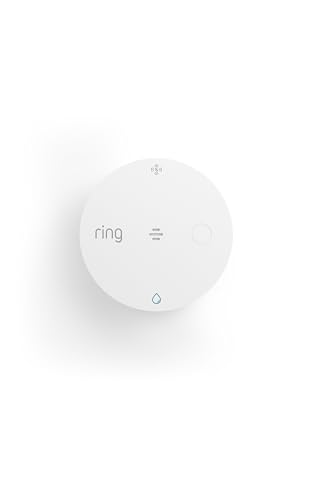
The ecosystem representative and the clearest illustration of Con 5: excellent inside its alarm platform, where Pro 4’s freeze warning joins an alert stream the household already trusts — and not a standalone product outside it. Mid tier as an add-on.
Resideo WiFi Water Leak Detector
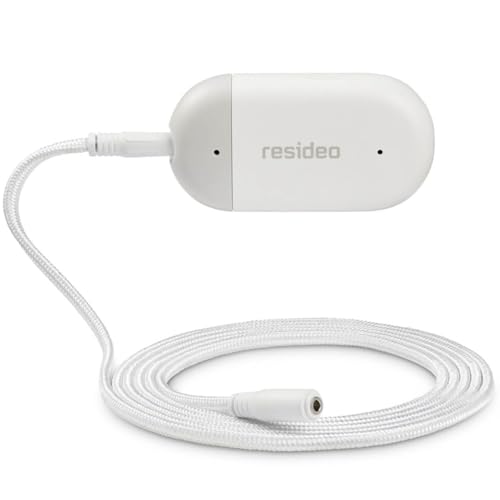
The cable representative, answering Con 2 for linear risks by watching a line instead of a point, with Wi-Fi alerting and freeze sensing. Mid-to-premium tier; its con is the deliberate, single-line focus.
D-Link Wi-Fi Water Sensor
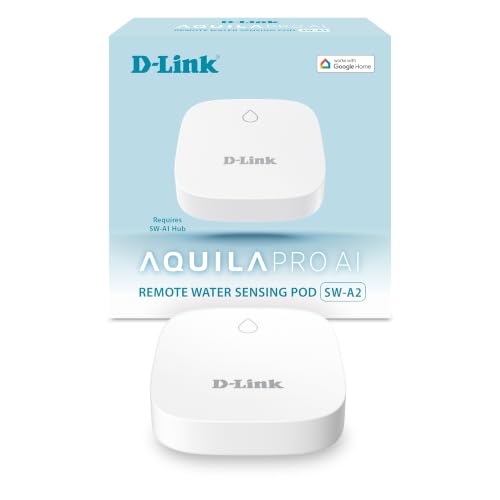
The mains-powered representative, deleting the battery half of Con 3 entirely and accepting outlet-and-lead placement limits in exchange. Mid tier; verify the current model and app on the listing.
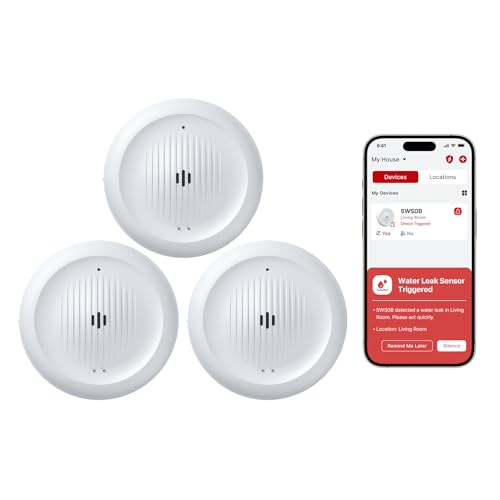
X-Sense Water Leak Sensor Alarm
The coverage representative: entry-tier sets that make Pro 3 undeniable — a sensor at every sink and toilet — while wearing Con 1 openly, since a siren’s audience is whoever is home. The base-station forms relay alarms within the house.
How to Buy Smart
Buying smart in this category means spending on the cons, not just the pros. Spend first on the alert path your household will actually answer — that is Con 1 insurance. Spend second on coverage count, because Con 2 is defeated by sensors, plural, at real low points. Spend third on the power story you will maintain, because Con 3 is defeated by honesty at purchase time. Verify requirements before any ecosystem purchase (Con 5), plan the placement pour test before the boxes arrive (Con 2 again), and write the test rhythm into a calendar while motivation is high (Con 3, permanently). One more buying behaviour belongs on this list, borrowed from the owners who report the least regret: buy the second sensor before you need it. The spot you missed announces itself within a season — during a clean-out, a renovation, a plumber’s visit — and the household that already owns its spare, inside the same system, converts that discovery into protection in five minutes instead of a new research project. Regret in this category is rarely about the product chosen; it is about the coverage postponed. Keep the wider layer in view as budget allows — smart light switches and Wi-Fi smart plugs are the neighbouring upgrades owners pair with leak coverage, plugs occasionally serving as remote power cuts for a suspect appliance — and work the choosing process itself through how to choose a smart water leak detector before committing.
Setup and Care That Reduce the Cons
Nearly every con on this page has a setup or care countermeasure, and together they form the owner’s half of the bargain. Against Con 1: rehearse the response — fixture valve, main valve, towels, airflow, diagnosis — and make sure the main shutoff is findable, labelled and turnable today. Against Con 2: pour-test placements, use cables on lines, double up on wide risks, and re-audit placement whenever an appliance changes. Against Con 3: test every sensor on a fixed seasonal rhythm, replace batteries at the first warning, and re-check connections after every router change. Against Con 4: fix false-alarm placements immediately — a small lift, a few centimetres from the splash zone — so the household’s trust survives intact. Against Con 5: read the requirements sentence twice, before purchase, out loud if necessary. Against Con 6: keep the inspections — hoses, connections, pans — on the same calendar as the tests, so the sensors guard your attention rather than replacing it. Against Con 7: rehearse the alert itself, doors closed, from the furthest bedroom, and treat a weak showing as a design flaw to fix now rather than a surprise to meet later. Do these, and the cons list shrinks to its honest core: the device informs, you act. Skip them, and the pros list becomes theoretical.
Bottom Line
The pros of a smart water leak detector are large, concrete and priced in avoided damage; the cons are real, specific and mostly manageable by the owner’s behaviour. That distribution — big product-side benefits, behaviour-side costs — is why the category satisfies the households that engage with it and disappoints the ones that wanted an appliance to care on their behalf. There is a fairness point buried in that distribution worth stating plainly: most product categories hide their costs inside the product, where you cannot fix them, while this one puts its costs in your calendar and your household’s habits, where you can. A con you control is a different species from a con you endure, and it is why the balance of this category, honestly weighed, tilts further toward the pros than the raw lists suggest — provided the household accepts its side of the contract in writing, on a calendar, where contracts belong. If your home is occupied, your alerts will be answered, and your testing rhythm will survive the year, the balance is not close: buy the coverage. If your home stands empty or your response cannot be arranged, read Con 1 as the verdict and buy intervention instead — then add sensors anyway, as the valve’s eyes. Either way, start from your own map and alert path, with the smart water leak detector buying guide to organise the purchase and smart water leak detector review for the deep dive.
The Pros and Cons Nobody Puts on the Box
Beyond the headline balance sit quieter entries that owners discover slowly. On the pro side: the insurance conversation. Some owners report that documented leak protection — sensors, and especially shutoff systems — features in discussions with insurers and in the documentation of a well-maintained home at sale time; policies and practices vary, so treat this as a question to ask your own insurer rather than a promise, but the direction of the entry is positive. Also on the pro side: the diagnostic dividend. A sensor that names the room turns a plumber’s visit from exploration into repair, and a household that logs its alerts builds a history of its own plumbing that no inspection can match. On the con side: the aesthetic and domestic friction nobody mentions — pucks evicted by cleaners who do not know what they are, sensors unplugged (in mains-powered cases) to free an outlet for a vacuum, teenagers silencing a chirping low-battery warning instead of reporting it. And the subtlest con of all: decision residue. Every architecture choice forecloses others, and the household that scatters three brands across three apps discovers that the meta-system — one alert habit, one battery routine, one place to check health — was the product it actually needed. None of these entries decides a purchase alone; together they explain why experienced owners describe the category less as gadgets and more as a small domestic institution, with all the upkeep and all the quiet value that institutions provide.
Weighing the Balance by Sensor Type
The pros and cons redistribute themselves across the architectures, which is why blanket verdicts mislead. Alarm-only pucks maximise Pro 3 — cost and simplicity — to its limit, and concentrate Con 1 entirely: their protection is exactly the household’s presence. Wi-Fi sensors claim the alert-path pro in its purest form and pay for it in Con 3, the battery-and-network maintenance that their convenience conceals. Hub systems buy down Con 3 with long-range radios and long battery life, and pay in Con 5’s coin: the hub, the ecosystem, the commitment. Ecosystem sensors sharpen both edges at once — the smoothest alerting experience inside their platform, the hardest requirement wall outside it. Cable sensors retire Con 2 along their line and accept a narrower stage: one geometry, done properly. Mains-powered probes retire the battery half of Con 3 and accept the outlet’s geography as their placement map. A buyer reading this page well does not ask which type has the best balance in the abstract; they ask which cons their household is built to carry. The always-home carry Con 1 easily. The organised carry Con 3 without noticing. The large-home owners let a hub carry Con 5 for them. The balance is personal, and the types are how you choose which side of it to live on.
The Long View: How the Balance Shifts by Year Five
Time edits this balance sheet in predictable ways. The pros appreciate: hoses age, heaters corrode, traps loosen, and every year of a home’s life raises the likelihood term that makes early warning valuable — the system you bought for a young house protects an older, leak-proner one. The freeze pro appreciates with every cold snap survived. The awareness pro compounds silently, as the household’s plumbing knowledge stops being new and becomes simply how the house is run. The cons, unmanaged, appreciate too: batteries reach the end of their first life together, the app landscape shifts, the router is replaced, the teenager who knew the system leaves for university. Managed — a seasonal test, a battery rhythm, a reconnection check — the cons stay flat at their trivial day-one level. That divergence is the deepest truth on this page: the five-year balance of a leak detection system is not a property of the product but of the household’s habits, and it is decided less by which sensor was bought than by whether a calendar entry exists. Buyers who understand this buy the architecture their habits can carry, and the pros and cons stop being a debate and become a description of their house working as intended.
A Skeptic’s Cross-Examination
Put the hard questions directly. “Isn’t this just a puck that beeps?” In its local form, yes — and the beep, at the right spot at the right hour, is worth a floor. The category’s claim was never sophistication; it is presence, at the exact coordinates where water misbehaves, during the hours nobody is watching. “Won’t my nose and eyes find leaks anyway?” Eventually, and that word is the entire argument: eyes find leaks at discovery speed, sensors at arrival speed, and water damage is priced by the gap between the two. “Is the smart part worth it over a simple alarm?” Exactly when the house is empty or the listener is far away — which, added across a year of workdays, nights out and holidays, is a larger share of your life than the question assumes. “What if it never alerts in ten years?” Then it cost you a handful of batteries and some seasonal minutes to insure a decade — the same bargain every smoke alarm in the house already offers, and nobody calls the smoke alarm a failure for its silence. The skeptic’s questions are good ones; the category survives them because its promise is modest and its arithmetic is honest. It watches. You act. The floor stays dry.
Pro 7: It Protects the Rooms You Rarely Enter
Every home has blind rooms: the utility closet, the basement corner, the guest bathroom, the space under the stairs where the softener lives. Human inspection, the traditional defence, is rationed by habit — and habit rarely visits the blind rooms until a smell or a stain summons it. A sensor’s defining virtue is that its attention does not decay with familiarity. It watches the guest bathroom’s toilet supply line in month thirty with exactly the vigilance of day one, through holidays, busy seasons and the long stretches when the room’s door never opens. Much of the category’s real-world value is concentrated in these unvisited coordinates, which is why the placement guidance across this cluster keeps steering sensors toward the forgotten spots rather than the convenient ones. A guard that never gets bored is a genuinely new thing in home maintenance, and it is the pro that the other pros quietly depend on.
Con 7: Alert Design Varies, and the Weak Versions Undermine the Strong Idea
Not every alert is created equal, and the differences are a con of the category’s variety. A push notification that arrives silently among forty others, an app that must be opened to reveal which sensor is shouting, a siren pitched where a closed door and a deep sleeper defeat it — each is a small design failure at the exact joint where the product meets the human. Buyers cannot fully audition alert design from a listing, which is why this cluster keeps repeating the rehearsal advice: trigger the full alert path on day one, from the furthest bedroom, with doors closed, and judge the system by what actually reaches you. Where a system’s alerting proves weak in rehearsal, that is a return-or-rethink signal, not a detail — because in this category the alert is not a feature of the product. The alert is the product.
The Balance, Room by Room
Apply the balance sheet locally and it sharpens. In the utility room, the pros dominate absolutely: the highest-consequence appliance in the house, in its least-visited room, is the strongest argument in the category, and the only real con is the discipline of testing a sensor you will rarely see. In the laundry, the balance depends on floor position — a ground-floor laundry on concrete is a moderate win, an upstairs laundry above finished rooms is the room where Con 1 argues loudest for a valve standing behind the sensor. In the kitchen, the pros win on frequency: the slow drip is the most common leak in the house, and the con to manage is geometry, the drip that falls where a bottom-only probe cannot feel it. In bathrooms, the balance favours cheap and many — toilet and vanity leaks are common, quiet and perfectly matched to entry-tier pucks in occupied homes. In the basement as a whole, consequence decides: unfinished concrete forgives, finished floors do not, and the same sensor is a nicety in one basement and close to mandatory in the other. Room by room, the abstract debate dissolves into placements — which is, in the end, the most useful thing a pros-and-cons page can do for you.
Scoring the Balance Yourself: A Five-Line Audit
If the lists above leave you suspended between the columns, score your own household on five lines and let the arithmetic speak. Line one, occupancy: the fewer hours your home stands empty, the heavier the pros weigh — score the pros two points for a nearly always-occupied home, zero for a frequently empty one. Line two, consequence: finished floors, rooms below bathrooms, stored valuables near plumbing — each raises the pros; give them two points if a single bad leak in your house means contractors, zero if it means a mop on concrete. Line three, response: if every adult can find and turn the shutoff today, the pros get two points; if nobody can, give the cons two and fix the valve knowledge before buying anything. Line four, maintenance honesty: a household with working rituals — smoke alarm days, seasonal routines — gives the pros two points; a household that knows it will forget gives the cons two, and should buy its way out with mains power or long-life hub designs. Line five, climate: real winters with plumbing in cold spaces give the pros two points for the freeze entry alone. Most occupied, finished, cold-climate homes score a rout for the pros. Most empty second homes score the honest exception that points to a valve. Everything between is a real decision — and now it is yours, made with your numbers rather than this page’s.
For Fairness: The Cons of the Alternatives
A balance sheet that only audits one product is a sales pitch in disguise, so audit the rivals too. The automatic shutoff valve’s cons are substantial: it needs a plumber and a real budget, it introduces a motorised component into your main line that itself needs power and occasional attention, flow-based versions can miss the slowest seeps or, set sensitively, interrupt innocent high-demand moments, and it tells you the house has a problem without telling you where — the gap sensors exist to fill. Doing nothing has cons that compound silently: hoses and heaters age on a schedule indifferent to your attention, discovery depends on chance and room-visiting habits, and the first symptom of the average serious leak is damage already done. Even the venerable visual inspection, this page’s recommended complement, has its con: it samples. You see the hose on the day you look; the hose fails on a day you do not. Weighed against their own lists, the sensor’s cons — attention, batteries, literal coverage — are the lightest set on the table for an occupied home, which is the quantitative skeleton under this page’s qualitative verdict. The category does not win because it is flawless. It wins because its flaws are the cheapest ones available to carry.
After the First Month: Smart water leak detector Trade-Offs Owners Actually Notice
Every honest list of advantages and drawbacks hides a second list: the trade-offs that only appear after the first month, when the novelty has worn off and the smart water leak detector has become part of the furniture. Those are the ones worth examining before you decide. None of what follows is a reason to buy or avoid on its own; it is the texture of daily ownership that a summary table cannot hold.
Judge a leak detector by its sensing method and its alarm path: a probe that reaches the exact low point where water collects, a sounder loud enough to be heard through a closed door, and alerts that reach your phone when you are away. Battery life and how the detector reports a dying battery decide whether it protects you in year three. Crawl the spaces you fear most, under sinks, behind the washing machine, beside the water heater, and find where water would actually pool first; that low point, not the convenient spot, is where the sensor belongs. Check the network signal in those utility corners, which are often the weakest in the house.
Under a kitchen sink crowded with pipework, a slim probe on a lead reaches the drip point a puck-style sensor cannot touch. Beside a water heater or in a basement, a detector whose alert reaches your phone while you travel turns a disaster into a manageable repair. Near an aquarium, sump or laundry tray, a detector paired with an automatic shutoff valve is the combination that truly limits damage. Notice how few of these points are about the product in isolation. Most trade-offs are really about the match between the smart water leak detector and the household, which is why the same model collects glowing and furious feedback from different homes.
Apply all of this to the listings in front of you. When a listing such as the YoLink Water Leak Sensor, Govee Water Sensor and Ring Flood & Freeze Sensor catches your eye, resist judging it by its headline claim and instead run the checks above against it: does its stated role match the room you measured, does its control path suit your household, and does the maker’s own guidance support the job you have in mind. A model that answers those questions cleanly on paper usually answers them cleanly in the home, and one that dodges them in the listing will dodge them on your wall, shelf or desk as well.
Detectors only sense water that reaches them; a slow leak inside a wall or under a floor may run for a long time before any surface sensor knows. Condensation and mopping splash cause false alarms in bathrooms and utility rooms, and repeated false alarms teach households to ignore the real one. If a detector alarms with no visible water, check for condensation, a damp floor from mopping and a probe resting in a low damp spot. If alerts stop arriving, test the detector with a damp finger on the contacts and check its battery and network status in the app.
- List the drawback most likely to touch your daily routine and test for it first for your smart water leak detector.
- Decide which advantage you will genuinely use every week for your smart water leak detector.
- Check the ongoing chore the product creates and who in the house will own it.
- Confirm the fallback when the smart features or network fail for your smart water leak detector.
- Compare the ownership cost in time, not just the purchase decision for your smart water leak detector.
- Ask whether the same benefit is available from something you already own for your smart water leak detector.
If the sounder seems faint, move the unit out from behind appliances; sound blocked by a cabinet is sound wasted. Test each detector with a little water on its contacts every few months, replace batteries on the maker’s schedule rather than after a failure, wipe contacts clean of dust and corrosion, and re-walk your risk spots after any plumbing work.
Weigh the drawbacks against your specific routine, not against an imaginary average owner. A drawback that never touches your day costs you nothing, and an advantage you will use daily is worth more than three you will use once.
It also helps to think in seasons rather than in days. A smart water leak detector that seems ideal in the week it arrives may face different light, different temperatures, different routines and different demands a few months later, and the models that age well are the ones chosen with that longer view in mind.
Frequently Asked Questions
What is the biggest disadvantage of a smart water leak detector?
That it only alerts. The device cannot stop water, so its protection is exactly as good as the response it triggers. In an occupied home with a rehearsed household, that disadvantage is small. In an empty home, it is decisive, and the correct purchase becomes an automatic shutoff valve — ideally still paired with sensors, which provide the location information and slow-drip detection a valve lacks. It is worth being precise about the shape of this disadvantage, because it is often mis-stated as a product flaw when it is really a category definition. A smoke alarm also only alerts; nobody faults it for not extinguishing. The fault, where it exists, lies in buying an alerter while believing — or half-believing — that you have bought an intervener. Read Con 1 before purchase, buy with your eyes open, and the biggest disadvantage on this page shrinks to a plain fact you have already planned around.
Do leak detectors give false alarms often?
Occasionally, and usually for fixable reasons: condensation bridging probes in humid weather, a sensor sitting in a mop’s path or a pet bowl’s splash zone. A small placement adjustment — a slight lift or a move of a few centimetres — cures most cases. The real risk is not the false alarm itself but the household learning to ignore alerts, which is why fixing the placement promptly matters more than tolerating it. Treat the first false alarm as free information rather than a defect: it has shown you exactly how water — mop water, splash water, condensation — moves across that floor, which is the same knowledge that correct placement of the sensor for real leaks depends on. Owners who log the false alarm, adjust once, and re-test report that the problem rarely returns; owners who simply silence and forget are training themselves, one nuisance at a time, to ignore the night it matters.
What is the most underrated advantage of these detectors?
Freeze warning, on models that offer it. Buyers shop for leak detection and discover, in the first cold snap, that a low-temperature alert near vulnerable pipes can prevent the single most destructive event in the category — a burst pipe — rather than merely reporting it. A close second is the forced familiarity effect: installing sensors makes the household learn its shutoff valve, hoses and plumbing map, which protects the home permanently. A third candidate deserves the podium too: the sensor’s indifference to embarrassment. It reports the leak under your own newly installed dishwasher, the one you fitted yourself and would rather not suspect, with the same neutrality as any other — and households, like all institutions, benefit from one member who always tells the truth early.
Can a leak detector miss a real leak?
Yes, if the water never reaches its probes. Point sensing is literal: a leak that pools away from the sensor, runs along a wall, or sprays inside a cabinet can grow undetected. Careful placement at true low points, the pour test, cable sensors for linear risks and multiple sensors for wide areas all shrink the blind spot — but no placement eliminates it, which is why sensors complement rather than replace periodic visual inspection of hoses and connections. It is worth adding the temporal version of the same honesty: a sensor can also miss a leak by being dead, offline or evicted by a cleaner’s mop at the critical month. The blind spot is therefore managed on two axes — geography, by placement, and time, by testing — and the owners who manage both describe a system whose misses become vanishingly rare, while the owners who manage neither are, in effect, running the control group.
Are the maintenance demands a serious drawback?
They are light but real, and they are the drawback most likely to decide your outcome. The full routine is a seasonal wet test of each sensor, batteries replaced at the first low warning, and a reconnection check after router changes — minutes, a few times a year. Owners who anchor the routine to an existing habit sustain it for years. If your household honestly will not, weight mains-powered and long-life hub options heavily at purchase. It is also fair to put the routine in perspective: the same household already maintains smoke alarms, replaces filters and clears gutters, each on pain of a worse failure mode. Leak sensor care asks less than any of those, and unlike them, it reports its own neglect in advance — a low-battery warning is a con that announces itself while it is still cheap to fix, which is more mercy than a corroding hose ever offers.
Is an alarm-only sensor better than nothing for a holiday home?
Barely — and the honesty matters. A siren in an empty house alerts no one, so for a property that stands vacant for weeks, alarm-only coverage is close to decorative. Connected sensors are the minimum there, because the alert can at least reach you and a local contact; and the configuration the evidence supports for such homes is connected sensors plus an automatic shutoff valve, which can act when no human can. The one exception worth noting: if a neighbour, cleaner or house-sitter is inside the property regularly, the siren regains an audience on those days, and alarm pucks at the catastrophic spots are better than the bare floor they replace. But “better than nothing” is a low bar for the highest-risk occupancy pattern in the category, and this page’s advice stands: empty homes deserve connected alerts and, wherever the budget and the plumbing allow, intervention.
Related Reading
Weigh both columns, score your own household, and the verdict will usually announce itself before the buying starts — most often in favour of the watcher, on the condition that a human agrees to be its hands.
smart water leak detector review
smart water leak detector reviews