Disclosure: As an Amazon Associate, reviewstook.com earns from qualifying purchases. Links on this page are affiliate links; they cost you nothing extra. Prices and availability change often, so check the current Amazon listing before you buy.
Searching for the best cs2 gloves leads to two completely different shopping trips, and this guide refuses to pretend otherwise. In one direction sit the famous in-game glove skins, the Specialist Gloves and Sport Gloves that change how your hands look on screen; those are digital cosmetics traded inside Steam’s marketplace, and no box from any retailer will ever deliver a pair. In the other direction sit real gloves you can actually wear at your desk, thin gaming grip gloves that manage sweaty palms and keep a mouse hand steady through a long match. Both topics deserve honest coverage, so this page covers both, clearly separated: the skin side explained in prose with no invented prices, and a small set of verified real-world gloves for players whose problem is grip, not fashion.
Key Takeaways Before You Spend Anything
- CS2 glove skins exist only inside the game and its marketplaces; they are never physical products.
- This guide attaches no prices to any skin, because market values swing constantly and quoting one would mislead.
- The linked products below are real desk gloves for grip and sweat control, verified against live listings.
- Wearing a desk glove changes nothing inside the game: no skin, no stat, no advantage beyond your own comfort.
- Decide which problem you actually have, appearance or perspiration, before reading another paragraph.
First, the Honest Split: Skins Versus Real Gloves
Glove skins arrived in Counter-Strike as prestige cosmetics, wearable items that replace the default hand models and appear in every inspection animation, knife view and defuse. Families of them exist, including Sport Gloves with their bold colour blocking, Specialist Gloves with a more tactical finish, Hand Wraps for a scrappier look, and rugged options in the Hydra and Broken Fang lines, among others. Patterns, colours and wear states multiply the combinations into the thousands, which is precisely why a tidy ranked list of them would be a fiction. Taste rules this market, float values rule individual examples, and any guide claiming a definitive top five is selling confidence it does not possess.
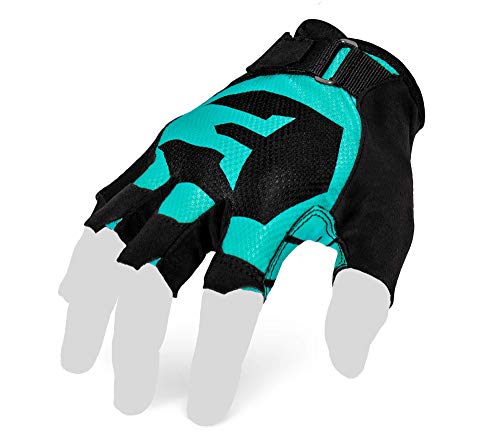
Real gaming gloves live at the opposite pole of practicality. They are thin, usually fingerless or half-finger garments with grip material on the palm, sold by workwear and gaming brands alike, and their entire promise is friction: a mouse that stays where your hand puts it during the third hour of a session when palms turn glossy. The two verified examples in this guide come from Ironclad, a glove maker whose day job is industrial hand protection, which turns out to be a reassuring pedigree for a product whose only task is to grip reliably and survive the washing machine. Everything else on this page flows from keeping those two worlds separate.
Where Can Each Kind Be Bought?
Skins change hands on the Steam Community Market and on third-party marketplaces that operate under their own rules, fees and risks; this guide links to none of them and quotes none of their prices, because a figure printed here would be stale before the season turned and because skin trading carries scam risks that deserve your full attention on the platform itself, not a summary here. Real desk gloves are ordinary retail products. The two Ironclad pairs below are sold through Amazon, where sizing, materials and returns can be checked on the listing in the ordinary way, and where the links in this guide point.
In this guide
Quick Picks: The Verified Real-World Gloves
| Glove | Badge | Coverage | Link |
|---|---|---|---|
| Ironclad Immortals PC Gaming Gloves | Best full precision fit | Full-finger gaming glove with performance grip | Check price on Amazon |
| Ironclad Gaming Gloves for Sweaty Hands | Best for sweaty palms | Half-finger, silicone grip, moisture-wicking build | Check price on Amazon |
Two picks is a short table, and deliberately so. The desk-glove category is full of near-identical unbranded pairs whose listings could not be verified to the standard this guide requires, so rather than pad the table, it presents the two Ironclad models that could be checked properly and explains the choice between them thoroughly. If your hands stay dry and your mouse never wanders, you may need neither, and the skin explainer further down is your section of the page. If August matches turn your aim into a wrestling match with a bar of soap, read on.
How Were the Real Gloves Chosen?
The criteria were functional and short. A desk glove for Counter-Strike must be thin enough that the mouse buttons and side buttons remain unmistakable through the material, grippy on the palm without being tacky on the back, breathable enough for a full best-of-three, and sized honestly so the fit can be chosen by measurement rather than luck. It also had to come from a listing that could be verified as the genuine branded product, in named sizes, with materials described plainly. Ironclad’s two gaming models met those tests from different directions, one prioritising a full precision fit, the other built explicitly around sweaty hands with half-finger coverage and a moisture-wicking construction.
precision seating for tactical shooters

Ironclad Immortals PC Gaming Gloves — Best Full-Finger Precision Fit
Badge: Best overall desk glove. The Immortals are Ironclad’s purpose-built gaming glove, and the verified listing describes a precision fit, performance grip and machine-washable construction, sold in named sizes including the small used for the listing checked here. Full-finger coverage is the defining choice: every fingertip keeps contact with the mouse shell and keyboard through a thin layer, which preserves the consistent friction that flick shots quietly depend on. Players who find bare fingertips slide on a glossy mouse during long sessions will feel the difference most, because the glove replaces a changing surface, skin that grows damper by the hour, with a stable one.
Mini spec box — Immortals PC Gaming Gloves
- Coverage: full finger, sold as a pair
- Fit: precision fit in named sizes
- Grip: performance grip palm treatment
- Care: machine washable per the listing
- Maker: Ironclad, a work-glove specialist brand
There is an adjustment period, and honesty requires naming it. The first sessions in any full glove feel like playing in socks feels to a footballer: the information arriving through the fingertips is slightly muffled, and mouse side buttons take a day to relocate by touch. Most players who persist report the sensation fading within a week, replaced by an appreciation for how unchanging the grip feels between round one and round thirty. Players who cannot abide any layer between skin and shell should skip directly to the half-finger model below, or to the conclusion that desk gloves are not their solution at all, which is a respectable outcome this guide fully supports.
Strengths
- Consistent full-hand friction from the first round to the last.
- Named sizes allow a measured, snug precision fit.
- Machine washable, which sweaty gaming gear must be.
Trade-offs
- Full coverage muffles fingertip feel until you adapt.
- Warm rooms make any full glove feel like a commitment.
- Touchscreen phone checks between rounds need a glove off.
Best for: players with generally clammy hands who want maximum, unchanging mouse control. / Not suited for: players who hate any barrier between fingertip and mouse button.

Ironclad Gaming Gloves for Sweaty Hands — Best When Palms Are the Problem
Badge: Best for sweaty hands. This second Ironclad model states its mission in its name. The verified listing describes half-finger coverage, a precision fit, performance silicone grip and a moisture-wicking construction, in a pair built for gamers whose palms flood. The half-finger design is a thoughtful compromise: the palm and the base of the fingers, where sweat pools and grip is won, get the treatment, while the fingertips stay bare for full mouse-button feel and easy phone use between maps. For the large population of players whose problem is specifically a wet palm on a smooth mouse shell, this targeting is exactly right.
Mini spec box — Ironclad Sweaty Hands Gloves
- Coverage: half finger, fingertips left bare
- Grip: silicone performance grip on the palm
- Build: moisture-wicking construction
- Fit: precision fit, sold as a pair
- Maker: Ironclad
Think of the use case concretely. It is the third map, the room has warmed, and your mouse begins to rotate slightly inside your grip during wide swings, so you compensate by squeezing, which tires the forearm and coarsens the small corrections Counter-Strike aim is made of. A silicone-gripped palm interrupts that spiral at its source. The wicking fabric handles the moisture the grip does not need, and the bare fingertips keep your grenade keys and mouse buttons exactly as familiar as they were in warmup. It will not fix a mouse shape that never suited your hand, and it is not a treatment for any medical sweating condition, but as a targeted answer to a slippery palm it is the most honest product in this small category.
Strengths
- Silicone palm grip attacks the exact failure point for sweaty players.
- Bare fingertips preserve button feel and phone access.
- Wicking build stays more comfortable across a full match.
Trade-offs
- Fingertip slide on glossy mice remains unaddressed by design.
- Half-finger styling will not appeal to everyone aesthetically.
- Sizing still matters; a loose pair bunches under the palm.
Best for: players whose palms sweat while their fingertips stay comfortable bare. / Not suited for: players whose whole hand slides, who are better served by the full-finger model.
The Skin Side, Explained Properly: How Do CS2 Glove Skins Work?
Because the phrase that brought you here most likely meant the digital kind, they deserve a serious explainer rather than a dismissive paragraph. Glove skins are cosmetic items applied to your in-game character’s hands. They appear in first-person view constantly, framing every weapon inspection and every knife animation, which is why players covet them out of proportion to most other cosmetics: few items are on screen as often as your own hands. Each glove exists within a family with its own visual identity, from the loud panels of Sport Gloves to the understated menace of Specialist Gloves, the wrapped cloth of Hand Wraps, and the themed sets released alongside operations over the years.
Every individual glove also carries a wear rating, commonly called its float, which determines how pristine or battle-worn it renders, and a pattern seed that shifts the exact placement of colours and textures. Two gloves with the same name can therefore look meaningfully different and command very different interest from collectors. This is the first reason this guide prints no prices: the value of a named glove is not a number but a distribution, and quoting a single figure for a family would be like quoting the price of a car model without mentioning whether it is new or a write-off. Anyone researching a purchase should study completed listings for the specific pattern and wear range they want, on the marketplace they intend to use, at the moment they intend to act.
The second reason is safety. High-value digital items attract sophisticated scams: fake marketplace links, impersonated trading partners, and offers engineered to rush you. The defences are unglamorous and absolute. Trade only through platforms you navigated to yourself, never through links sent by strangers; treat any unsolicited offer as hostile until proven otherwise; and remember that no glove, however beautiful, is worth an account. Valve’s own marketplace exists inside Steam for a reason, and third-party venues vary in their protections, so the research burden sits with the buyer in a way it never does for a pair of physical gloves with a returns window.
How Should You Choose a Glove Skin Without Overpaying for Hype?
Start from your loadout’s existing colours rather than from rarity tables. A glove that harmonises with the knife and weapon skins you already love will be looked at with pleasure ten thousand times, while a prestigious glove that clashes will quietly irritate you into trading again at a loss. Decide your wear tolerance next: some players adore a clean, factory-fresh appearance, others find a scarred, field-worn glove more characterful and considerably gentler on the budget. Then study how the specific family renders in-game rather than in marketplace thumbnails, because lighting and hand position change the impression, and community videos of inspections are a better guide than a static render.
Finally, set a ceiling and let time do the negotiating. Skin markets breathe; prices surge around majors and new case releases and soften in quiet months. A player who decides what a glove is worth to them, and waits for the market to visit that figure, keeps the hobby pleasurable. A player who chases a rising listing at midnight usually funds someone else’s patience. And keep perspective on what a skin is: a rented-looking arrangement of pixels whose ownership lives inside one game’s ecosystem, delightful, expressive, and absolutely not an investment vehicle, whatever the loudest voices in the trading scene claim this month.
How Do You Choose Between the Two Real Gloves?
| Question | Immortals (full finger) | Sweaty Hands (half finger) |
|---|---|---|
| Where does grip fail for you? | Across the whole hand | Mainly the palm |
| Button feel | Slightly filtered, adapts in days | Unchanged at the fingertips |
| Warm-room comfort | The warmer choice | The cooler choice |
| Phone between maps | Glove comes off | Usable with fingertips free |
| Care routine | Machine washable | Wicking build, wash as directed |
The table reduces to one diagnostic question: where does your grip actually fail? If your whole hand migrates on the mouse during long sessions, the full-finger Immortals address the whole surface. If your fingertips feel fine and only the palm turns treacherous, the half-finger model treats the fault precisely and leaves everything else alone. Players unsure which description fits should play one long session and pay attention, because the answer is usually obvious by the third map and no product page can supply it for you.
How Do You Use Desk Gloves Well?
Fit comes first, and it is chosen with a tape measure, not a guess. Measure around the palm at its widest, compare it with the maker’s size guidance on the listing, and prefer a snug result: a loose gaming glove bunches under the palm and becomes the very instability it was bought to cure. Put the gloves on before warmup rather than mid-match, so your hands learn the day’s friction during deathmatch instead of during a retake. Give the arrangement a full week of sessions before judging it, since the fingertip recalibration described earlier is real and temporary.
Care is simple and non-negotiable. Gaming gloves collect exactly what they were built to absorb, so wash them on the maker’s schedule, machine washable in the Immortals’ case, and let them dry fully before the next session. Own your routine around the desk too: a glove is not a licence to eat crisps at the keyboard, and a clean mouse shell remains half the grip equation. Some players keep a small towel at the desk for breaks and find the glove becomes almost unnecessary; others find the combination of towel, glove and a textured mouse surface finally ends the problem for good. Experiment in that order, cheapest first, and keep what measurably helps your own hands.
keeping wrists supported at the desk
hearing footsteps clearly with the right audio setup
What Mistakes Do Buyers Make in Both Markets?
In the skin market, the expensive mistakes are haste and trust. Buyers fall for a listing screenshot rather than inspecting the actual item, accept trade offers through links they were sent, and purchase at the peak of tournament hype with money they needed elsewhere. Every one of those errors is preventable with the same dull medicine: slow down, navigate to platforms yourself, inspect the specific item’s pattern and wear, and never let a stranger set your deadline. In the physical market, the mistakes are smaller but similar in spirit: guessing a size, expecting a glove to fix a mouse shape that never fitted, and assuming a gaming label guarantees quality when the verified brands in this space are often workwear companies in disguise.
One mistake spans both worlds and deserves its own warning: confusing the two. Every season, players somewhere buy a physical product believing an in-game item is included, or list a digital item expecting a parcel. No desk glove in this guide, or anywhere, carries a CS2 skin inside it, and no skin purchase will warm your hands. The clarity of that sentence is the reason this article exists in its split form, and if it saves one reader one confused purchase, the split has done its job.
Do Desk Gloves Actually Help Your Game?
They help the specific player they are designed for, in the specific way a wrist rest helps: by removing a physical distraction that was consuming attention. A player who stops thinking about a sliding mouse grip returns that attention to crosshair placement and sound cues, and over a long match the reclaimed focus is worth more than any marginal friction statistic. A player with dry, steady hands gains nothing and should spend the money on a mouse pad or nothing at all. Tournament rules, for the record, are not threatened by a pair of thin gloves; they are ordinary apparel, no different in principle from the sleeves many players wear. The honest summary is that desk gloves are a comfort tool with a narrow, genuine use case, and this guide would rather sell you that truth than a fantasy of unlocked performance.
A Closer Look at the Main Skin Families
Sport Gloves are the extroverts of the category, built around bold panels and athletic colourways that read clearly even in a fast inspection flick. Names within the family lean into that energy, and the look pairs naturally with loud knife finishes and colourful rifle skins. Specialist Gloves take the opposite brief: tactical, military, comparatively restrained, the choice of players whose loadouts favour realism and who want their hands to look like equipment rather than apparel. Hand Wraps strip the idea back to cloth and tape, giving a improvised, street-level character that suits worn weapon skins and older, scarred finishes beautifully.
Beyond the big three, operation-era families add their own flavours. Hydra Gloves arrived with a more armoured, adventurous styling, while Broken Fang Gloves brought textured, technical designs that photograph well and inspect even better. Moto Gloves borrow motorcycling’s visual language of reinforced knuckles and stitched panels, and Driver Gloves echo classic driving leather for players who like their cosmetics with a vintage accent. The practical lesson in the catalogue is that family identity matters more than any individual finish: choose the family whose character matches your loadout’s personality, then find the colourway and wear grade inside it that your budget can greet without flinching.
What Do Wear Grades and Float Values Actually Mean?
Every skin’s float is a number between pristine and destroyed, and the game groups it into named bands, from Factory New at the freshest end through Minimal Wear, Field-Tested and Well-Worn to Battle-Scarred. Gloves complicate the picture because their wear shows across knuckles and palms in ways players scrutinise closely, and because some families look handsome worn while others simply look neglected. Two gloves sharing a name and a float band can still differ, since the pattern seed decides where the scuffs land. This is why experienced buyers inspect the actual item, ideally in-game or through the marketplace’s own inspection view, rather than trusting a thumbnail and a hope.
For a first purchase, the middle bands often hold the sensible value: enough wear to soften the price dramatically compared with the freshest examples, not so much that the design’s character is scuffed away. But taste governs here more than arithmetic. Some of the most beloved gloves in community loadouts are heavily worn examples chosen deliberately for their distressed look. Decide which camp you are in before browsing, because browsing without a wear decision is how budgets quietly double at midnight.
What Are the Alternatives to Wearing a Desk Glove?
A glove is one answer to slippery hands, not the only one, and the alternatives deserve a fair hearing before you buy anything. Grip tape applied to the mouse shell adds texture exactly where fingers rest, costs little, and can be removed when tastes change, though it alters the mouse’s feel permanently enough that some players regret it. A simple desk towel, used during every break, solves mild cases entirely and pairs with a textured mouse surface for a glove-free setup many players prefer. Arm sleeves, popular in esports for reducing forearm drag on the desk, address a neighbouring problem and sometimes reduce the wrist friction that players misdiagnose as a hand issue.
Room management is the least glamorous alternative and often the most effective: a small fan aimed at the desk, a cooler room, and drinks kept cold rather than hands kept warm all reduce palm sweat at its source. Players should also check the mouse itself. A shape that forces a tense claw grip will make any hand sweat and slide; a shape that lets the hand rest can retire the whole problem without a single accessory. Work through these options in roughly that order, mouse shape first, room second, towel third, tape fourth, glove last, and you will arrive at the glove, if you arrive at all, with evidence that you actually need it.
How Does the Trading Scene Actually Behave, and How Do You Stay Safe in It?
Newcomers often imagine the skin economy as a shop; it behaves more like a bazaar crossed with a stock ticker. Prices respond to tournament moments, when a star player’s loadout gets screen time, to case and operation news, and to the general mood of a young, excitable market. Listings for the same named glove can sit far apart because sellers are pricing different patterns, different wear and different levels of patience. Understanding that spread is the core trading skill. The buyer who studies fifty examples of the glove they want learns what the design’s colours should look like, where wear typically lands, and what patient money pays; the buyer who studies three listings learns only how to be harvested.
Safety deserves the blunt treatment. The most common losses in this scene do not come from bad taste but from bad links: a message from a supposed friend whose account was hijacked, a marketplace clone with a familiar logo, an offer that expires in ten minutes. The countermeasures never change. Keep Steam Guard active, arrive at every marketplace by typing or bookmarking its address yourself, inspect items inside the real client, and treat urgency as the signature of a scam, because legitimate sellers of digital gloves can always wait a day. If an account or item is ever in doubt, walk away; the glove will exist next week, and your inventory might not.
Can Desk Gloves Help With Anything Beyond Grip?
Players report secondary benefits worth mentioning with appropriate modesty. A thin glove warms cold hands in winter rooms, and cold fingers are genuinely slower fingers, so a player in a chilly house may find the Immortals earn their place from November to February regardless of sweat. Gloves also even out the friction between forearm, sleeve and pad for players who rest their wrist heavily, and they protect a mouse shell’s coating from skin oils over years of use, a small economy that matters to players who sell hardware on. None of these bonuses justifies a purchase alone, and anyone whose hands hurt, tingle or go numb during play should read that as a signal to seek proper advice rather than to shop for accessories, because gloves manage surfaces, not symptoms.
There is also a ritual benefit familiar to anyone who has watched professionals prepare: putting on a glove can become part of the pre-match routine, a small physical signal that warmup is over and the match counts. Rituals are not superstition when they work through attention rather than magic. If a pair of gloves helps a player sit down, breathe and become the person who checks corners properly, the gloves are doing real work, even if the mechanism is psychology rather than friction. Buy them for grip, by all means, but do not be embarrassed if the routine turns out to be half the value.
A Brief History: How Did Gloves Become Counter-Strike’s Prestige Cosmetic?
Gloves entered the Counter-Strike ecosystem later than weapon skins, arriving as rare items tied to specific cases and operations, and their scarcity was structural from the start: they dropped far less often than the rifles everyone chased. Scarcity plus visibility proved a potent recipe. A rifle skin is seen by its owner in first person and by everyone else only briefly; gloves frame the owner’s own view in every single moment of play, including the knife inspections players perform out of pure habit dozens of times a match. The community’s most dedicated collectors therefore treat gloves as the centrepiece of a loadout, the item around which knives and finishes are coordinated, rather than as an accessory chosen last.
That history explains the market’s emotional weather. When a beloved professional appears on a major broadcast wearing a distinctive pair, demand for that family stirs within hours. When new cases introduce fresh finishes, older families are reappraised against them. None of this movement reflects any change in the gloves themselves, which do nothing, gloriously and deliberately nothing, to gameplay. Understanding that the value lives entirely in taste, scarcity and moment is the surest protection against buying in a panic at the top of a hype wave, and it is why this guide’s skin advice is a method rather than a ranking.
How Should Gloves Pair With Knives and Weapon Skins?
Loadout building is a small design exercise, and gloves are its largest canvas. The usual approach starts with the knife, since it is the item most often inspected, then chooses gloves that share a colour temperature with the knife’s finish: cool blues and greys together, warm reds and oranges together, monochrome with monochrome for the disciplined look. Rifle skins follow, echoing one accent colour rather than matching everything slavishly. Players who reverse the order and buy gloves first often find the knife they truly want refuses to sit beside them, and the resulting compromise pleases nobody at inspection time.
Wear coordination is the subtler half of the craft. A pristine knife above heavily scarred gloves can look intentional, like a cared-for tool in working hands, or accidental, depending on whether the rest of the loadout commits to the story. Consistency of intent is what the eye reads as style. Screenshot your candidate combinations in an inspection server or a community loadout tool before spending, live with the images for a day, and only then open the marketplace. The players whose loadouts get complimented in lobbies are rarely the ones who spent the most; they are the ones who decided what their hands should say and bought exactly that, once.
Getting the Fit of a Physical Glove Right, in Detail
Because the two linked products live or die by fit, the subject deserves more than a sentence. Measure both hands; most players discover a small difference, and the mouse hand’s measurement governs. Measure in the evening if your hands swell slightly across the day, since a glove bought to a morning measurement can feel tight by the third map. When the glove arrives, test it at the desk rather than on the sofa: perform your widest mouse swings, your grenade-key reaches and a full pistol round in deathmatch, and feel specifically for bunching at the palm’s base and for seams crossing the fingertips, the two places a gaming glove announces a wrong size.
Expect the material to relax slightly with the first weeks of wear, which is why snug beats roomy at purchase. If the glove feels painted on, with fingertips pressing hard enough to tingle, that is not snug but small, and it should go back while the returns window is open; circulation is not a feature to compromise for friction. Keep the packaging until the verdict is in, play at least three full sessions in them, and judge by the third map of the third session, when novelty has faded and only function remains. That patience converts a guess into a decision, and it is the same patience this guide recommends for the digital market on the other side of the page.
Step by Step: How to Buy a Glove Skin Without Regretting It
Step one happens away from every marketplace: write down the family, the colourway, the wear band you will accept and the maximum you will spend, as a single sentence. That sentence is your contract with yourself, and every later temptation gets measured against it. Step two is research inside the marketplace you reached by your own navigation. Filter to your sentence, sort completed and current listings, and study at least a few dozen examples until the pattern’s variations and the wear’s habits feel familiar. Take screenshots of the three examples you like most and note what distinguishes them, because that noticing is what separates your purchase from a lottery ticket.
Step three is the pause. Leave the shortlist overnight. Skin desire is at its most inflated in the session that discovered the item, and a night’s sleep is the cheapest cooling system in the entire hobby. Step four, if the desire survives, is inspection: open the specific item, examine it from the marketplace’s inspection view, confirm the pattern and wear are the ones in your notes, and confirm the seller’s listing is the item itself rather than a photograph of a cousin. Step five is the purchase, made calmly, inside the platform, with no side channels, no gift arrangements and no friendly intermediaries, however the conversation arrived. Step six is to stop browsing that family for a month and simply play with your gloves, because the surest way to ruin a good purchase is to keep shopping after it.
Step by Step: How to Test a Desk Glove in Its First Week
Day one is measurement and a single deathmatch, nothing more; you are learning where the seams sit and whether the size verdict was right. Days two and three add full matches, with a one-line note after each about where the glove helped and where it annoyed. Day four is a rest day for the experiment, played bare-handed, because the comparison tells you more than another gloved session would: if your grip anxiety returns within a map, the glove is earning its keep, and if you feel nothing but relief, it is not. Days five to seven repeat the full-match test with the notes habit, and by the end of the week the decision makes itself, either the glove has become invisible equipment or it has become a drawer resident, and in the second case the returns window is still your friend if you kept the packaging as advised.
One refinement for players who buy the half-finger model: test it specifically in the conditions that provoked the purchase, a warm room and a long session, because a cool fifteen-minute trial cannot reproduce the palm situation the glove exists to solve. And for both models, wash them once during the trial week if the maker permits it, since a glove that changes character after its first wash is a glove you want to learn about while returning it is still easy. The week’s discipline sounds elaborate for a small purchase, but it converts a gamble into knowledge about your own hands that will serve every future mouse, pad and glove decision you make.
What About Gifting Gloves, Digital or Physical?
Gloves make tempting gifts in both worlds and treacherous ones for the same reason: fit, of taste or of hand, is personal. A physical pair gifted without a measurement is a guess wearing wrapping paper; if you must gift them, gift the decision instead, a note promising the pair once the recipient has measured and chosen between the full and half-finger philosophies in this guide. The sentiment survives intact and the glove actually gets worn, which is more than most gifted accessories achieve. Digital gloves raise the stakes further, because a pattern one player finds gorgeous can leave another cold, and the item’s value makes a miss expensive. Experienced gifters in the skin scene ask, directly or through accomplices, which family the recipient keeps inspecting in other players’ loadouts; desire leaves footprints, and following them beats any amount of tasteful guessing.
There is one more gifting trap unique to the digital side: delivery method. Items should move only through the platform’s own trade system, arranged inside accounts the giver navigated to personally, never through links supplied in chat at the exciting moment. A surprise is not worth an inventory, and any recipient worth gifting will forgive a slightly less theatrical arrival in exchange for a safe one. In both worlds, then, the generous act is the careful act, and the care is most of the gift.
A Word on Looking After Expensive Digital Items
Players who do acquire a valued glove should treat account hygiene as part of the purchase price. Keep the account’s guard features enabled, be suspicious of any message about your items arriving from outside the platform, and remember that no administrator, moderator or tournament organiser will ever ask you to move items for verification. Periodically review which third-party sites your account has authorised and revoke the ones you no longer recognise. These habits sound like they belong in a security leaflet rather than a glove guide, but in a hobby where a pair of virtual gloves can be worth more than the computer rendering them, the leaflet and the guide are the same document, and the players who keep their collections for years are the ones who learned that early.
Why This Guide Contains Only Two Products
A reader skimming for a longer table may wonder whether the category was researched at all, so the reasoning deserves daylight. Desk gloves are a small, strange category where famous workwear brands, gaming labels and anonymous factory pairs compete, and the standard applied here, a verifiable listing for a named product with honest sizing and materials, eliminated most of the field. What survived were two models from one maker with a genuine glove-making heritage, attacking the problem from its two sensible directions. Padding the page with unverifiable alternatives would have made it look more comprehensive while making it less true, and the trade was refused. If your hands need something neither model offers, the alternatives section above, tape, towels, sleeves, room cooling and mouse shape, is a more honest next step than a longer list of strangers.
How the Two Markets Mirror Each Other
Step back far enough and the split at the heart of this guide becomes a single story about Counter-Strike’s relationship with hands. In the digital market, gloves are the ultimate display of taste, the frame around every action the game contains. At the physical desk, gloves are the opposite of display, a humble tool for keeping the actual hands reliable. The same player often wants both, and there is no contradiction in that, provided the two purchases are made with the right expectations in the right places: beauty from the marketplace, friction from the retailer, and no confusion about which box delivers which. Players who keep that ledger straight tend to enjoy both markets more, because each purchase is judged by the standard it can actually meet, and neither is blamed for failing to be the other.
There is also a shared discipline underneath both sides, and it is the one this guide has taught in two dialects: research before money, inspect the specific item, distrust urgency, and let patience do the negotiating. Whether the item is a Specialist Glove with a coveted pattern or a pair of Ironclads in the correct size, the buyer who slows down wins. That is a satisfying symmetry for an article that began by insisting the two topics had nothing in common. They have the most important thing in common: they reward exactly the same kind of buyer.
Final Recommendation
If you came for the digital gloves, leave with a method instead of a shopping list: choose a family that suits your loadout, decide your wear tolerance, study real listings for the exact pattern you want, set a ceiling and trade only through platforms you reached yourself. If you came because your hands betray you in long matches, take the Ironclad Immortals for whole-hand slippage or the Ironclad Sweaty Hands model for a palm-specific problem, size them by measurement, and judge them after a week of honest play. Two different desires brought readers to this page; both deserve to leave with the right one satisfied.
Frequently Asked Questions About CS2 Gloves
Can I buy real CS2 glove skins as physical products?
No. The glove skins are digital items that exist only inside the game and its marketplaces. Physical gaming gloves, like the Ironclad pairs reviewed above, are ordinary desk apparel for grip and sweat control, and they include no in-game item of any kind.
Why does this guide list no prices for skins?
Because a skin’s value depends on its exact pattern, its wear rating and a market that moves weekly. A single printed figure would be wrong for most examples of the same glove and stale within the month. Serious buyers should read live, completed listings for the precise variant they want.
Which glove family should a first-time skin buyer look at?
The one that matches the loadout you already own and enjoy looking at, in a wear grade your budget tolerates comfortably. Prestige families impress other people in lobbies; harmony with your own knife and rifles pleases you every round. Start modest, learn how pattern and wear actually look in-game, and upgrade only if the hobby still delights you.
Will a desk glove make my mouse feel different?
Yes, briefly. Full-finger models soften fingertip feedback for a few days while your hands recalibrate, and half-finger models change almost nothing except palm friction. Most players who need the grip stop noticing the glove within a week; players who never had a grip problem notice it forever, which is the sign to take it off.
How do I size a gaming glove correctly?
Measure around your palm at the widest point, excluding the thumb, and match that figure to the maker’s size guidance on the listing. Choose snug over roomy, because excess material folds under the palm during mouse movements. If you land between sizes and the maker gives no steer, the smaller size usually serves a precision garment better.
Can I wear desk gloves with long sleeves or a watch?
Yes, with minor choreography: put the watch on after the glove if the cuff is snug, and expect a compression sleeve plus a glove to feel warm in summer rooms. Players who combine them usually choose the half-finger model for ventilation. None of these combinations affects the glove’s function, provided nothing bunches at the wrist where the mouse hand pivots.
Do professional players wear physical gloves at their PCs?
Some wear sleeves, some use grip aids, and a minority do use thin gloves, usually for the sweat reasons covered here rather than for any competitive secret. The more useful lesson from professional desks is not the specific garment but the pattern: every recurring physical annoyance at those desks has been systematically removed, because at that level attention is the scarcest resource. Your desk can copy the pattern at any budget.
How long do gaming gloves last?
With weekly washing and ordinary desk use, a well-made pair should serve a season or more before the grip treatment smooths or the fabric thins at the palm. Heavy daily use shortens that, as does tumble-drying against care guidance. Treat the pair like sports kit rather than furniture: rotate a second pair if you play daily, and retire them when the palm starts to feel like the bare mouse problem returning.
Should I match my glove skin to my knife?
Most loadout builders do, because the knife and gloves share the screen during every inspection. Match colour temperature first and specific shades second, and decide whether both items should share a wear character or deliberately contrast. Preview the pairing before buying either piece, since reversing an expensive half of the combination is the costliest way to learn design.
Are desk gloves allowed in competitive play?
Thin gaming gloves are ordinary clothing, comparable to the compression sleeves seen at every level of play, and they provide no electronic or mechanical assistance. Anyone entering an organised event should still read that event’s specific rules, as organisers occasionally publish their own apparel notes, but gloves of this kind are not performance equipment in any meaningful sense.