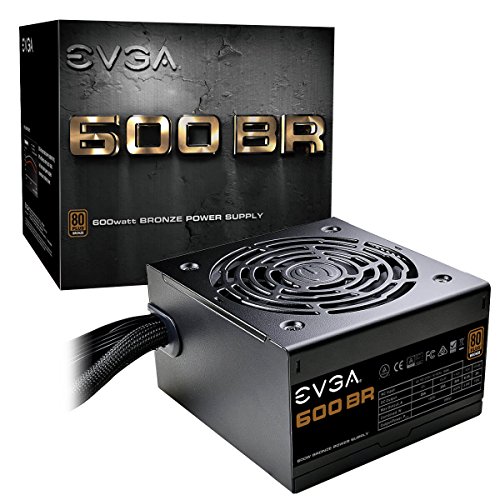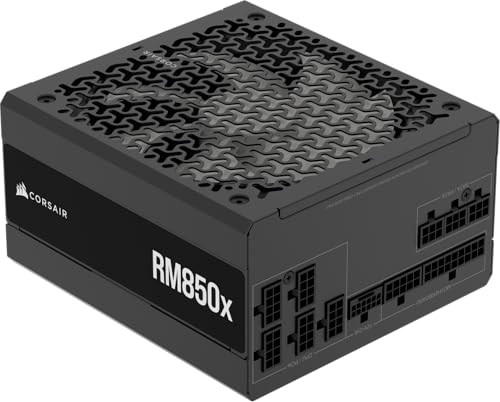
Disclosure: As an Amazon Associate, reviewstook.com earns from qualifying purchases. Links on this page are affiliate links; they cost you nothing extra. Prices and availability change often, so check the current Amazon listing before you buy.
The 80 plus rating explained simply: it is an independent certification that a power supply converts at least 80 percent of the electricity it draws into power your PC uses, at several load levels — with Bronze, Silver, Gold, Platinum, and Titanium tiers certifying progressively higher efficiency. This explainer covers what the tiers actually measure, what they do not, and how much the rating should influence a purchase.
The rating is one of the most misunderstood labels in PC building, routinely treated as a quality badge when it is strictly an efficiency measurement. Both errors — worshipping it and dismissing it — cost builders money, and this guide’s job is to place the rating exactly where it belongs: a useful filter, never a verdict.
Key takeaways
- 80 Plus certifies efficiency at specified loads; it does not certify build quality, safety, or longevity
- The metal tiers are efficiency steps, and the real-world electricity saving between adjacent tiers is small
- Efficiency affects heat and fan noise inside the case as a side benefit
- Buy quality first, then let the rating break ties — Gold is the mainstream sweet spot
In this guide
The short answer before the long one
Start with the situation you actually face, not the spec sheet, when you think about 80 plus rating explained. This is also where expectations need adjusting, because a supply’s efficiency curve peaks near half load, which is why matching wattage to the build flatters the rating. Going in with that understood prevents the most common disappointment with this category. That is not a footnote for 80 plus rating explained; it is the kind of detail that quietly decides whether owners recommend a product or quietly replace it. Decisions about 80 plus rating explained get much easier once this point is settled, and much harder when it is left vague.
When readers ask about 80 plus rating explained, the useful answer almost always depends on context they have not stated yet, so this section builds that context deliberately. The detail that matters here is that dust, heat, and time are the three opponents of every build, and maintenance rhythms answer all three. Readers often skip past it because it is not glamorous, but it is exactly the sort of thing that separates a good outcome from an annoying one. The effect compounds over time, so its importance grows the longer you own or live with the choice. Decisions about 80 plus rating explained get much easier once this point is settled, and much harder when it is left vague.
What is actually confirmed so far
It helps to separate what 80 plus rating explained promises on paper from what changes in practice once it is part of your day. The detail that matters here is that wasted electricity becomes heat inside the case, so efficiency is quietly a thermal feature. Readers often skip past it because it is not glamorous, but it is exactly the sort of thing that separates a good outcome from an annoying one. If you take one practical habit from this section, let it be checking this point before money changes hands. The sections that follow keep returning to this idea from different angles, because it is the one most likely to change what you buy or do.
Most people meet 80 plus rating explained through one specific frustration, and that frustration should drive every later decision. The detail that matters here is that when a specification is stated as an ‘up to’, plan around the sustained figure, because sustained behaviour is daily life. Readers often skip past it because it is not glamorous, but it is exactly the sort of thing that separates a good outcome from an annoying one. Readers who internalise this point about 80 plus rating explained tend to make one purchase and keep it, rather than cycling through alternatives. Decisions about 80 plus rating explained get much easier once this point is settled, and much harder when it is left vague.
What is still unconfirmed or listing-dependent
It helps to separate what 80 plus rating explained promises on paper from what changes in practice once it is part of your day. None of this is obvious from a product photo or a headline, which is why it is worth stating plainly: the certification is measured at set load points; behaviour between and beyond them is the manufacturer’s own story. It also explains why opinions about 80 plus rating explained polarise: people are often reporting different situations as if they were the same one. If that matches your situation, weight it heavily; if it does not, you can safely care about the next section more.
Why this topic matters beyond the headline
When readers ask about 80 plus rating explained, the useful answer almost always depends on context they have not stated yet, so this section builds that context deliberately. Consider how this plays out over months rather than minutes: Titanium adds a low-load efficiency requirement, which matters for machines that idle all day. Long-term behaviour is where cheaper or simpler options quietly win or lose. The effect compounds over time, so its importance grows the longer you own or live with the choice. Hold onto that thought; the FAQ at the end answers the follow-up questions it usually raises.
How to judge new information as it appears
When readers ask about 80 plus rating explained, the useful answer almost always depends on context they have not stated yet, so this section builds that context deliberately. There is a second layer worth naming: the difference in annual electricity cost between Bronze and Gold for a typical gaming PC is real but modest — smaller than forum folklore suggests. Once you see it, several otherwise confusing differences between options start to make sense. It also explains why opinions about 80 plus rating explained polarise: people are often reporting different situations as if they were the same one. Hold onto that thought; the FAQ at the end answers the follow-up questions it usually raises.
How to judge 80 plus rating explained properly
Performance headroom
Performance headroom sounds abstract until you map it onto a real routine, so map it before you rank any option. In the context of 80 plus rating explained, the deciding detail is that a high rating on a poor platform is possible, which is why the label cannot substitute for platform reviews. Once you know to look for it, product pages become much easier to read critically. If a listing cannot tell you this clearly, that vagueness is itself useful information about the option.
Compatibility and standards
When two options look identical on paper, Compatibility and standards is usually where the real difference hides. For 80 plus rating explained specifically, the working detail is this: fan noise often tracks efficiency, because less waste heat means a slower fan. Build your shortlist around whether an option handles that well, and treat everything else as secondary polish. Score each candidate on this before you look at anything else, and be suspicious of any option that is vague about it.
Thermals and noise
Judge Thermals and noise by what it changes in daily use, not by how it reads in a feature list. Here is the version that matters for 80 plus rating explained: the rating says nothing about the connectors provided, so a well-rated supply can still lack the cable your card needs. It is not the most exciting line in any listing, but it is the one your future self will care about. Readers who get this right rarely return products; readers who guess are the ones writing frustrated comments later.
Power and efficiency
Of all the criteria in this guide, Power and efficiency is the one readers most often misjudge in both directions. In the context of 80 plus rating explained, the deciding detail is that regional voltage changes efficiency slightly, and certifications specify the test conditions. Once you know to look for it, product pages become much easier to read critically. Score each candidate on this before you look at anything else, and be suspicious of any option that is vague about it.
Upgrade path
Of all the criteria in this guide, Upgrade path is the one readers most often misjudge in both directions. For 80 plus rating explained specifically, the working detail is this: for always-on machines — home servers, workstations — higher tiers repay their premium fastest. Build your shortlist around whether an option handles that well, and treat everything else as secondary polish. Score each candidate on this before you look at anything else, and be suspicious of any option that is vague about it.
Physical fit and installation
Physical fit and installation sounds abstract until you map it onto a real routine, so map it before you rank any option. In the context of 80 plus rating explained, the deciding detail is that noise is a property of the whole system, and the loudest component sets the floor for all the others. Once you know to look for it, product pages become much easier to read critically. If a listing cannot tell you this clearly, that vagueness is itself useful information about the option.
Value over the product’s life
When two options look identical on paper, Value over the product’s life is usually where the real difference hides. Applied to 80 plus rating explained, that means paying attention to a concrete point: if an upgrade path exists, write the intended order down; plans fade faster than hardware ages. Options that get this right feel effortless; options that miss it create friction you will notice daily. If a listing cannot tell you this clearly, that vagueness is itself useful information about the option.
Real situations, worked through
Consider the reader who writes in most often about this: (‘a gamer choosing between two good supplies’, ‘let the rating break the tie toward Gold and spend no more thought on it’). The failure mode in this scenario is predictable: people optimise for the impressive part and neglect the mundane part, when in reality long-term ownership is shaped by headroom — in power, thermals, and capacity — more than by any peak specification. Getting the mundane part right is the whole game here. That scenario is common enough that it gets its own mention in the mistakes section below as well.
Consider the reader who writes in most often about this: (‘a home-server builder running hardware all day’, ‘higher tiers earn their premium in this duty cycle’). In this case the priority order flips compared with general advice, because standards evolve slowly and then suddenly, so checking the current revision before buying protects the whole system. That is why generic rankings mislead this particular reader so often. That scenario is common enough that it gets its own mention in the mistakes section below as well.
Now a specific situation rather than a general one: (‘a budget builder tempted by a high rating on a no-name unit’, ‘the rating is not a quality guarantee; platform reputation is the filter’). The temptation in this situation is to overbuy, but the better move is to match the option to the actual demand, which is that measurements of your actual space, load, and usage beat every general recommendation, including this guide’s. Anything beyond that is money spent on headroom you may never use. Readers in this position should ignore most of the comparison table and focus on the two rows that map to this scenario.
Now a specific situation rather than a general one: (‘a silence enthusiast’, ‘efficiency is a supporting actor in the noise story, behind fan and curve design’). The failure mode in this scenario is predictable: people optimise for the impressive part and neglect the mundane part, when in reality keeping exact model numbers and purchase records matters, because support and resale both depend on precise identification. Getting the mundane part right is the whole game here. Notice how different the right answer looks once the situation is stated precisely — that is the point of working through scenarios at all.
A practical walkthrough
Work through this in order; each step assumes the previous one is done.
Step 1: Check the tier on the certification database if in doubt
This is the step people rush, and rushing it is expensive later. The substance is that the rating is a public certification, and listings occasionally flatter it. Verify it in the most boring, literal way available before you continue.
Step 2: Size the wattage to your build first
Here the work is mostly observation: efficiency peaks where your load actually lives. If what you observe does not match, stop and fix it now rather than layering the next step on top of a shaky base.
Step 3: Read a platform review for quality
At this stage the goal is simple: the rating cannot tell you about components or protections. Do it slowly the first time, check the result before moving on, and write down anything that behaves unexpectedly so you can compare later.
Step 4: Count connectors separately
Do not treat this as a formality. The point of the step is that watts and cables are different specifications, and skipping the check is how small setup errors turn into weeks of vague dissatisfaction.
Step 5: Do the electricity maths honestly
At this stage the goal is simple: your hours and tariff decide whether a higher tier repays. Do it slowly the first time, check the result before moving on, and write down anything that behaves unexpectedly so you can compare later.
The mistakes that cause most regrets
Nothing wastes money in this category quite like the following pattern. The underlying issue is that treating 80 Plus as a general quality or safety certification. Correcting it takes minutes at the decision stage and is nearly impossible to correct afterwards.
Nothing wastes money in this category quite like the following pattern. The underlying issue is that paying a large premium for a tier jump whose electricity saving is small at your usage. Correcting it takes minutes at the decision stage and is nearly impossible to correct afterwards.
The most common mistake with 80 plus rating explained is also the most avoidable. In concrete terms, ignoring wattage sizing and then blaming the rating for noise. Once you see the pattern, you will spot it in forum advice everywhere — and learn to discount that advice accordingly.
The most common mistake with 80 plus rating explained is also the most avoidable. Specifically: assuming a rated supply includes the connectors your build needs. The fix costs nothing but attention, and it changes the outcome more than spending more usually does.
Start with the situation you actually face, not the spec sheet, when you think about 80 plus rating explained. The practical test is simple to describe and hard to fake: changing one variable at a time is the only reliable diagnostic method when a system misbehaves. If an option handles that well, it usually handles the rest of the routine well too. The effect compounds over time, so its importance grows the longer you own or live with the choice. The sections that follow keep returning to this idea from different angles, because it is the one most likely to change what you buy or do.
Treat 80 plus rating explained as a system of small trade-offs that add up, because no single headline feature decides the experience. The practical test is simple to describe and hard to fake: cable routing and service access decide how painful the next upgrade will be, long before it happens. If an option handles that well, it usually handles the rest of the routine well too. It also explains why opinions about 80 plus rating explained polarise: people are often reporting different situations as if they were the same one. That single clarification removes most of the noise from the decision, leaving a short list that genuinely fits.
Start with the situation you actually face, not the spec sheet, when you think about 80 plus rating explained. In practice, a stable system you understand beats a freshly changed one you do not, especially before important work. That sounds like a small point, yet it shapes comfort, reliability, or cost every single time you use the product or follow the advice. If you take one practical habit from this section, let it be checking this point before money changes hands. That is the lens to carry into the buying guidance below, rather than treating every criterion as equally important.
The honest way to judge 80 plus rating explained is to picture a normal week of use rather than a single exciting first hour. Consider how this plays out over months rather than minutes: noise is a property of the whole system, and the loudest component sets the floor for all the others. Long-term behaviour is where cheaper or simpler options quietly win or lose. None of this appears in a specification table, which is precisely why it belongs in a guide rather than a listing. The sections that follow keep returning to this idea from different angles, because it is the one most likely to change what you buy or do.
Most people meet 80 plus rating explained through one specific frustration, and that frustration should drive every later decision. Consider how this plays out over months rather than minutes: if an upgrade path exists, write the intended order down; plans fade faster than hardware ages. Long-term behaviour is where cheaper or simpler options quietly win or lose. It also explains why opinions about 80 plus rating explained polarise: people are often reporting different situations as if they were the same one. None of this requires expert knowledge — it requires being honest about your own habits for about five minutes.
A useful rule for 80 plus rating explained: the detail you notice every day matters more than the detail that impresses you once. Consider how this plays out over months rather than minutes: long-term ownership is shaped by headroom — in power, thermals, and capacity — more than by any peak specification. Long-term behaviour is where cheaper or simpler options quietly win or lose. That is not a footnote for 80 plus rating explained; it is the kind of detail that quietly decides whether owners recommend a product or quietly replace it. Keep that in mind as the later sections narrow the choice down, because it filters out options that look strong in isolation.
Living with it: care, costs, and the long term
The honest way to judge 80 plus rating explained is to picture a normal week of use rather than a single exciting first hour. There is a second layer worth naming: ownership costs stay predictable when you leave headroom in the power, thermal, and capacity budgets instead of running every component at its limit. Once you see it, several otherwise confusing differences between options start to make sense. The effect compounds over time, so its importance grows the longer you own or live with the choice. Decisions about 80 plus rating explained get much easier once this point is settled, and much harder when it is left vague.
Treat 80 plus rating explained as a system of small trade-offs that add up, because no single headline feature decides the experience. This is also where expectations need adjusting, because standards in this area move slowly but decisively, so checking the current revision of a connector or rating before buying protects the whole build. Going in with that understood prevents the most common disappointment with this category. That is not a footnote for 80 plus rating explained; it is the kind of detail that quietly decides whether owners recommend a product or quietly replace it. If that matches your situation, weight it heavily; if it does not, you can safely care about the next section more.
Start with the situation you actually face, not the spec sheet, when you think about 80 plus rating explained. This is also where expectations need adjusting, because a five-minute measurement of your actual case, desk, or board space prevents the most common compatibility failure in this category. Going in with that understood prevents the most common disappointment with this category. If you take one practical habit from this section, let it be checking this point before money changes hands. Decisions about 80 plus rating explained get much easier once this point is settled, and much harder when it is left vague.
A useful rule for 80 plus rating explained: the detail you notice every day matters more than the detail that impresses you once. None of this is obvious from a product photo or a headline, which is why it is worth stating plainly: keeping the purchase records and the exact model numbers matters, because support and resale both depend on identifying the precise variant. Readers who internalise this point about 80 plus rating explained tend to make one purchase and keep it, rather than cycling through alternatives. Hold onto that thought; the FAQ at the end answers the follow-up questions it usually raises.
It helps to separate what 80 plus rating explained promises on paper from what changes in practice once it is part of your day. This is also where expectations need adjusting, because dust and heat are the two slow enemies of every build; a cleaning rhythm and sane airflow do more for lifespan than any single premium part. Going in with that understood prevents the most common disappointment with this category. Readers who internalise this point about 80 plus rating explained tend to make one purchase and keep it, rather than cycling through alternatives. Keep that in mind as the later sections narrow the choice down, because it filters out options that look strong in isolation.
Treat 80 plus rating explained as a system of small trade-offs that add up, because no single headline feature decides the experience. The detail that matters here is that when a specification is stated as ‘up to’, plan around the sustained figure rather than the peak, because sustained behaviour is what you will live with. Readers often skip past it because it is not glamorous, but it is exactly the sort of thing that separates a good outcome from an annoying one. The effect compounds over time, so its importance grows the longer you own or live with the choice. Hold onto that thought; the FAQ at the end answers the follow-up questions it usually raises.
The honest way to judge 80 plus rating explained is to picture a normal week of use rather than a single exciting first hour. Consider how this plays out over months rather than minutes: the used market in this category is active, which rewards buying recognised models whose variants are easy to identify later. Long-term behaviour is where cheaper or simpler options quietly win or lose. The effect compounds over time, so its importance grows the longer you own or live with the choice. None of this requires expert knowledge — it requires being honest about your own habits for about five minutes.
Start with the situation you actually face, not the spec sheet, when you think about 80 plus rating explained. The detail that matters here is that firmware and driver updates occasionally change performance behaviour, so a stable system you understand beats a freshly updated one you do not. Readers often skip past it because it is not glamorous, but it is exactly the sort of thing that separates a good outcome from an annoying one. None of this appears in a specification table, which is precisely why it belongs in a guide rather than a listing. The sections that follow keep returning to this idea from different angles, because it is the one most likely to change what you buy or do.
The honest way to judge 80 plus rating explained is to picture a normal week of use rather than a single exciting first hour. Consider how this plays out over months rather than minutes: cable management is not cosmetic here; it decides airflow, service access, and how painful the next upgrade becomes. Long-term behaviour is where cheaper or simpler options quietly win or lose. That is not a footnote for 80 plus rating explained; it is the kind of detail that quietly decides whether owners recommend a product or quietly replace it. That is the lens to carry into the buying guidance below, rather than treating every criterion as equally important.
Start with the situation you actually face, not the spec sheet, when you think about 80 plus rating explained. Worth underlining: if a build will be upgraded in stages, write the intended order down now, because memory of a plan fades faster than the hardware does. That one fact explains a surprising amount of the disagreement you will find in owner discussions and review comments. None of this appears in a specification table, which is precisely why it belongs in a guide rather than a listing. Keep that in mind as the later sections narrow the choice down, because it filters out options that look strong in isolation.
When readers ask about 80 plus rating explained, the useful answer almost always depends on context they have not stated yet, so this section builds that context deliberately. This is also where expectations need adjusting, because noise is a system property, not a component property — the quietest part cannot rescue a loud neighbour in the same case. Going in with that understood prevents the most common disappointment with this category. Readers who internalise this point about 80 plus rating explained tend to make one purchase and keep it, rather than cycling through alternatives. Keep that in mind as the later sections narrow the choice down, because it filters out options that look strong in isolation.
The honest way to judge 80 plus rating explained is to picture a normal week of use rather than a single exciting first hour. None of this is obvious from a product photo or a headline, which is why it is worth stating plainly: testing a change one variable at a time is the only reliable way to know what fixed, or broke, a build. That is not a footnote for 80 plus rating explained; it is the kind of detail that quietly decides whether owners recommend a product or quietly replace it. Decisions about 80 plus rating explained get much easier once this point is settled, and much harder when it is left vague.
Beyond the headline specifications
Before any comparison makes sense, pin down what 80 plus rating explained has to do well in your own routine. Worth underlining: a build log — a simple note of parts, settings, and changes — repays its five minutes at every future troubleshooting session. That one fact explains a surprising amount of the disagreement you will find in owner discussions and review comments. It also explains why opinions about 80 plus rating explained polarise: people are often reporting different situations as if they were the same one. That single clarification removes most of the noise from the decision, leaving a short list that genuinely fits.
The honest way to judge 80 plus rating explained is to picture a normal week of use rather than a single exciting first hour. The detail that matters here is that thermal behaviour in summer is the honest test of any cooling decision made in winter. Readers often skip past it because it is not glamorous, but it is exactly the sort of thing that separates a good outcome from an annoying one. That is not a footnote for 80 plus rating explained; it is the kind of detail that quietly decides whether owners recommend a product or quietly replace it. If that matches your situation, weight it heavily; if it does not, you can safely care about the next section more.
The honest way to judge 80 plus rating explained is to picture a normal week of use rather than a single exciting first hour. The practical test is simple to describe and hard to fake: the order of upgrades matters: relieving the true bottleneck first makes every later change feel larger. If an option handles that well, it usually handles the rest of the routine well too. It also explains why opinions about 80 plus rating explained polarise: people are often reporting different situations as if they were the same one. None of this requires expert knowledge — it requires being honest about your own habits for about five minutes.
Most people meet 80 plus rating explained through one specific frustration, and that frustration should drive every later decision. There is a second layer worth naming: cable spares and a small kit of screws and adapters end more build delays than any premium component. Once you see it, several otherwise confusing differences between options start to make sense. If you take one practical habit from this section, let it be checking this point before money changes hands. That is the lens to carry into the buying guidance below, rather than treating every criterion as equally important.
It helps to separate what 80 plus rating explained promises on paper from what changes in practice once it is part of your day. Consider how this plays out over months rather than minutes: when a system will be moved, serviced, or shipped, physical robustness becomes a performance specification. Long-term behaviour is where cheaper or simpler options quietly win or lose. That is not a footnote for 80 plus rating explained; it is the kind of detail that quietly decides whether owners recommend a product or quietly replace it. Decisions about 80 plus rating explained get much easier once this point is settled, and much harder when it is left vague.
Most people meet 80 plus rating explained through one specific frustration, and that frustration should drive every later decision. In practice, benchmarks measure a moment; your workload over a month is the dataset that should steer money. That sounds like a small point, yet it shapes comfort, reliability, or cost every single time you use the product or follow the advice. It also explains why opinions about 80 plus rating explained polarise: people are often reporting different situations as if they were the same one. The sections that follow keep returning to this idea from different angles, because it is the one most likely to change what you buy or do.
Start with the situation you actually face, not the spec sheet, when you think about 80 plus rating explained. The practical test is simple to describe and hard to fake: a quiet system at idle and a capable system at load are both achievable, but only when curves and components are chosen together. If an option handles that well, it usually handles the rest of the routine well too. The effect compounds over time, so its importance grows the longer you own or live with the choice. The sections that follow keep returning to this idea from different angles, because it is the one most likely to change what you buy or do.
When readers ask about 80 plus rating explained, the useful answer almost always depends on context they have not stated yet, so this section builds that context deliberately. None of this is obvious from a product photo or a headline, which is why it is worth stating plainly: keeping one known-good spare of the cheapest critical parts turns potential downtime into an inconvenience. It also explains why opinions about 80 plus rating explained polarise: people are often reporting different situations as if they were the same one. Hold onto that thought; the FAQ at the end answers the follow-up questions it usually raises.
The honest way to judge 80 plus rating explained is to picture a normal week of use rather than a single exciting first hour. The detail that matters here is that documentation from the manufacturer, read once, prevents the majority of installation errors in this category. Readers often skip past it because it is not glamorous, but it is exactly the sort of thing that separates a good outcome from an annoying one. None of this appears in a specification table, which is precisely why it belongs in a guide rather than a listing. None of this requires expert knowledge — it requires being honest about your own habits for about five minutes.
Most people meet 80 plus rating explained through one specific frustration, and that frustration should drive every later decision. The practical test is simple to describe and hard to fake: if a part will outlive the rest of the build, its warranty and support deserve weight beyond its price. If an option handles that well, it usually handles the rest of the routine well too. None of this appears in a specification table, which is precisely why it belongs in a guide rather than a listing. That single clarification removes most of the noise from the decision, leaving a short list that genuinely fits.
Treat 80 plus rating explained as a system of small trade-offs that add up, because no single headline feature decides the experience. Worth underlining: second-hand components are rational when the model is recognised, testable, and priced for its age. That one fact explains a surprising amount of the disagreement you will find in owner discussions and review comments. None of this appears in a specification table, which is precisely why it belongs in a guide rather than a listing. Decisions about 80 plus rating explained get much easier once this point is settled, and much harder when it is left vague.
It helps to separate what 80 plus rating explained promises on paper from what changes in practice once it is part of your day. None of this is obvious from a product photo or a headline, which is why it is worth stating plainly: power, cooling, and acoustics form a triangle: improving one corner by ignoring the others moves the problem rather than solving it. That is not a footnote for 80 plus rating explained; it is the kind of detail that quietly decides whether owners recommend a product or quietly replace it. Decisions about 80 plus rating explained get much easier once this point is settled, and much harder when it is left vague.
Start with the situation you actually face, not the spec sheet, when you think about 80 plus rating explained. The detail that matters here is that the best time to record your settings is the day they work, not the day they stop working. Readers often skip past it because it is not glamorous, but it is exactly the sort of thing that separates a good outcome from an annoying one. The effect compounds over time, so its importance grows the longer you own or live with the choice. That is the lens to carry into the buying guidance below, rather than treating every criterion as equally important.
When readers ask about 80 plus rating explained, the useful answer almost always depends on context they have not stated yet, so this section builds that context deliberately. Consider how this plays out over months rather than minutes: a build that serves for years is usually the one whose owner resisted one unnecessary change. Long-term behaviour is where cheaper or simpler options quietly win or lose. That is not a footnote for 80 plus rating explained; it is the kind of detail that quietly decides whether owners recommend a product or quietly replace it. Keep that in mind as the later sections narrow the choice down, because it filters out options that look strong in isolation.
Start with the situation you actually face, not the spec sheet, when you think about 80 plus rating explained. In practice, measuring before and after a change, however roughly, converts opinion into knowledge. That sounds like a small point, yet it shapes comfort, reliability, or cost every single time you use the product or follow the advice. Readers who internalise this point about 80 plus rating explained tend to make one purchase and keep it, rather than cycling through alternatives. Decisions about 80 plus rating explained get much easier once this point is settled, and much harder when it is left vague.
The honest way to judge 80 plus rating explained is to picture a normal week of use rather than a single exciting first hour. None of this is obvious from a product photo or a headline, which is why it is worth stating plainly: compatibility lists exist because combinations fail in ways individual specifications never predict. If you take one practical habit from this section, let it be checking this point before money changes hands. Hold onto that thought; the FAQ at the end answers the follow-up questions it usually raises.
Start with the situation you actually face, not the spec sheet, when you think about 80 plus rating explained. None of this is obvious from a product photo or a headline, which is why it is worth stating plainly: standards evolve slowly and then suddenly, so checking the current revision before buying protects the whole system. That is not a footnote for 80 plus rating explained; it is the kind of detail that quietly decides whether owners recommend a product or quietly replace it. If that matches your situation, weight it heavily; if it does not, you can safely care about the next section more.
Before any comparison makes sense, pin down what 80 plus rating explained has to do well in your own routine. This is also where expectations need adjusting, because a system’s behaviour under its worst realistic load, in its warmest realistic room, is the specification that matters. Going in with that understood prevents the most common disappointment with this category. The effect compounds over time, so its importance grows the longer you own or live with the choice. That single clarification removes most of the noise from the decision, leaving a short list that genuinely fits.
Before any comparison makes sense, pin down what 80 plus rating explained has to do well in your own routine. There is a second layer worth naming: upgrade decisions compound: today’s compromise becomes the constraint inside tomorrow’s plan. Once you see it, several otherwise confusing differences between options start to make sense. Readers who internalise this point about 80 plus rating explained tend to make one purchase and keep it, rather than cycling through alternatives. If that matches your situation, weight it heavily; if it does not, you can safely care about the next section more.
Treat 80 plus rating explained as a system of small trade-offs that add up, because no single headline feature decides the experience. The detail that matters here is that the cheapest diagnostic tool in this category is patience — observing a system over days rather than minutes. Readers often skip past it because it is not glamorous, but it is exactly the sort of thing that separates a good outcome from an annoying one. Readers who internalise this point about 80 plus rating explained tend to make one purchase and keep it, rather than cycling through alternatives. That single clarification removes most of the noise from the decision, leaving a short list that genuinely fits.
Frequently asked questions
What does 80 Plus actually certify?
Only in a specific sense. What is true is that conversion efficiency of at least 80 percent at specified loads, with higher tiers certifying more. That is narrower than the marketing version of the claim, but it is the version you can actually rely on when deciding.
Is Gold worth it over Bronze?
Only in a specific sense. What is true is that for most builders, yes as a tiebreaker — the saving is modest and the platforms at Gold are generally stronger. That is narrower than the marketing version of the claim, but it is the version you can actually rely on when deciding.
Does a higher rating mean a better supply?
It can, but only if you set it up the way described in the how-to section. The reason is that not by itself; it measures efficiency only, and quality must be judged separately. Rushed setups are the single biggest cause of the complaints attached to this topic.
Does efficiency affect noise?
It can, but only if you set it up the way described in the how-to section. The reason is that indirectly — less waste heat lets the fan run slower. Rushed setups are the single biggest cause of the complaints attached to this topic.
Which tier should an always-on machine buy?
For most people, yes — with one condition worth stating. The condition is that higher tiers repay fastest there, because the hours multiply the saving. Meet it and the answer stays yes; ignore it and even the best-regarded option in the category will disappoint you in a predictable way.
Can the rating be faked on listings?
Plan on it being a gradual difference rather than a dramatic one. Because occasionally flattered; the certification is publicly checkable, the improvement shows up as fewer small annoyances across a week, not as a single obvious moment — which is exactly why it is worth having.
Final verdict: 80 Plus Rating Explained
Use 80 Plus as it was designed: a verified efficiency filter that breaks ties between good supplies. Size your wattage honestly, judge quality by platform and reputation, count your connectors, and then — only then — let Bronze, Gold, or Platinum settle the final choice. Builders who keep the rating in its place almost never regret a power supply purchase.