Disclosure: As an Amazon Associate, reviewstook.com earns from qualifying purchases. Links on this page are affiliate links; they cost you nothing extra. Prices and availability change often, so check the current Amazon listing before you buy.
This sony linkbuds fit review starts with a problem most earbud reviews quietly skip: a brilliant-sounding bud that will not stay in your ear is not brilliant for you at all. Sony built the LinkBuds Fit around that uncomfortable truth. Instead of asking your ear canal alone to hold the bud, the design adds soft Air Fitting Supporters that brace gently against the outer ear, spreading the job of retention across a larger, less sensitive area. The result is a small, light noise cancelling earbud aimed squarely at commuters who walk briskly, runners who have given up on buds that creep loose, office workers who wear earbuds for hours, and anyone whose ears have rejected the deep, sealed fit of conventional tips.
That focus shapes everything that follows. The LinkBuds Fit is not trying to be the most isolating earbud Sony sells, nor the one with the longest list of audiophile codecs, nor a status object with a jewel-like case. It is trying to disappear comfortably, stay put without constant pushing and twisting, let in the world when you need awareness, shut it out when you need concentration, and handle calls and connections without friction. Judged on those terms it makes a coherent case. Judged only on maximum noise cancelling depth or maximum bass weight, larger and more expensive rivals will look stronger on paper, which is exactly why fit-first buyers need a review that separates the two questions.
Key Takeaways From This Sony LinkBuds Fit Review
- Retention is the headline: Air Fitting Supporters brace against the outer ear so the bud relies less on a deep canal seal.
- Noise cancelling, ambient sound, multipoint connection and IPX4 water resistance are all present, so the comfort story does not come at the cost of everyday features.
- Small ears, glasses wearers, runners and long-session listeners are the natural audience; bass-first listeners and silence absolutists are not.
- The Soundcore Liberty 5, covered below as an alternative, counters with Dolby Audio branding, adaptive cancelling and a six-microphone call array.
- Fit is personal in a way specifications cannot settle, so the buying advice here centres on your ear shape, your commute and your tolerance for awareness modes.
What Is the Sony LinkBuds Fit, in Plain Terms?
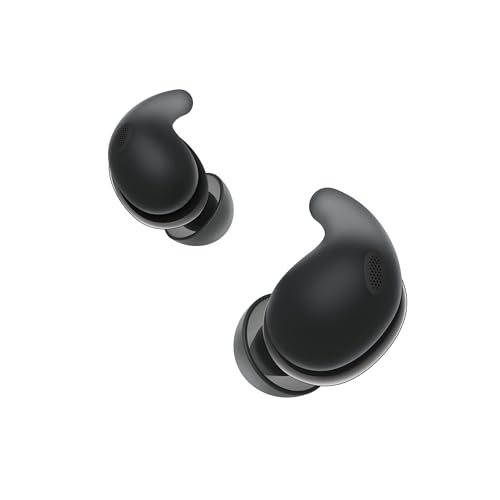
Think of the LinkBuds Fit as Sony taking the open, lifestyle-leaning spirit of the original LinkBuds idea and giving it a proper sealed tip and active noise cancelling. The listing describes truly wireless noise cancelling earbud headphones in black, small and light, with newly developed Air Fitting Supporters, multipoint connection, IPX4 water resistance and an ambient sound mode. Each part of that description earns its place. Small and light matters because weight is what drags a bud downward over a long walk. The supporters matter because they change where the holding force is applied. Multipoint matters because modern listeners hop between a laptop and a phone several times a day. Water resistance at the IPX4 level matters because rain and workout sweat should not be an emergency. Ambient sound matters because a bud designed for moving through the world must let that world back in on demand.
Where many earbuds treat fit as a matter of including three tip sizes and hoping, this model treats fit as the product. That distinction will decide whether it suits you. If every bud you have owned felt secure, the supporters are a pleasant extra and other models may tempt you with bigger drivers or longer headline battery claims. If you have a drawer of almost-right earbuds, each abandoned for creeping, aching or falling, then a design that attacks the retention problem directly deserves to be first on your shortlist, even before sound tuning enters the conversation.
how earbud fit affects sound leakage
In this guide
Quick Picks: Which Earbud Should You Look at First?
| Pick | Best suited to | Defining idea | Where to check |
|---|---|---|---|
| Sony LinkBuds Fit | Fit-frustrated listeners, runners, long wear sessions | Air Fitting Supporters, small and light body, ambient mode | Check price on Amazon |
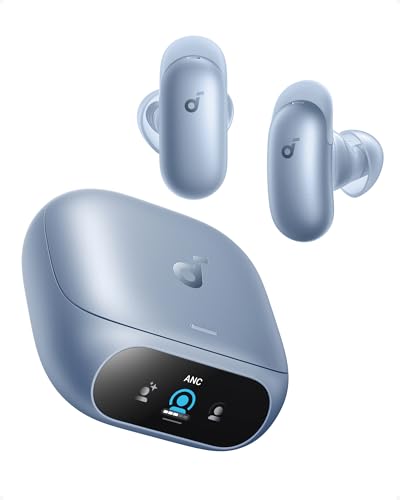
| Soundcore Liberty 5 | Call-heavy users who want adaptive cancelling and Dolby Audio | Six-microphone call system, real-time adaptive ANC, fast charging | Check price on Amazon |
Read the table as a fork rather than a ranking. Choose the Sony path if your buying history says fit is your recurring failure point. Choose the Soundcore path if your days are built around calls in noisy places and you value an adaptive system that reacts as your surroundings change. Neither answer embarrasses the other product; they simply begin from different frustrations, and honest buying advice should preserve that difference instead of flattening both buds into a single score.

Sony LinkBuds Fit Review: The Fit-First Flagship Idea
Badge: Best for ears that reject ordinary buds
Mini spec box
- Form: truly wireless earbuds with charging case
- Colour of verified listing: black
- Fit system: Air Fitting Supporters
- Noise control: active noise cancelling plus ambient sound mode
- Connection: multipoint connection
- Water resistance: IPX4
Start with the supporters, because everything else hangs off them. A conventional bud is a plug: push the tip into the canal, rely on friction and the seal, and accept that jaw movement, sweat and walking gradually work it loose. The LinkBuds Fit adds a soft supporting structure that sits against the outer ear, so small movements are caught by the brace rather than translated directly into the tip sliding. In practical terms that should mean fewer mid-song reseats, less of the slow creep that makes one channel feel thinner than the other, and less temptation to jam the bud deeper than comfort allows just to keep it secure.
Comfort over time is the second half of the same story. Pressure concentrated at one small contact patch is what turns a pleasant first ten minutes into an ache at minute ninety. Spreading contact, keeping the body small and keeping weight low all push in the opposite direction. Listeners who wear buds through a full work morning, a long train ride or an afternoon of errands stand to gain the most, because their problem was never the first-fit impression in a shop; it was hour three. Glasses wearers may also appreciate a design that does not depend on a large wing competing for space around the ear.
Sound character, in a fit-led design, has an underappreciated advantage: consistency. A bud that stays where it was placed keeps its seal, and a stable seal keeps bass response stable. Many complaints about weak low end in small earbuds are really complaints about a seal that breaks whenever the wearer smiles, talks or turns their head. By stabilising position, the supporters indirectly stabilise the sound. Expect a presentation tuned for broad appeal rather than studio analysis, with ambient mode available when sealed-in listening would feel isolating or unsafe outdoors.
Noise cancelling on a bud built for movement should be judged differently from cancelling on a large over-ear. The goal here is to soften the bus, the train carriage and the office hum enough that music and podcasts sit comfortably at sensible volumes, while the ambient mode restores traffic, announcements and conversation when you need them. That partnership, cancelling plus a genuinely usable transparency option, fits the commuter brief better than chasing total silence. Walkers and cyclists in particular should treat ambient awareness as a safety feature, not a novelty.
Strengths
- Retention system addresses the most common reason earbuds get returned or abandoned.
- Small, light build reduces the downward drag that loosens buds during walking and running.
- Multipoint, ambient sound and IPX4 resistance cover the daily-use checklist without gaps.
Trade-offs
- Listeners who already get a perfect seal from ordinary tips gain less from the headline feature.
- An over-ear flagship will still suit buyers whose sole priority is the deepest possible quiet.
- Fit remains individual, so an unusual ear shape can still defeat a clever supporter design.
Best for: runners, commuters, small-eared listeners and anyone whose previous buds crept loose or ached. Not suited for: buyers who want maximum isolation above all else or who prefer the weight and theatre of a large premium case.

Soundcore Liberty 5: The Call-Focused Alternative
Badge: Strongest alternative for noisy-call days
Mini spec box
- Form: truly wireless noise cancelling earbuds
- Audio feature named in listing: Dolby Audio
- Noise control: real-time adaptive ANC with stronger voice reduction
- Calls: six-microphone AI clear call system
- Charging: fast charging
- Battery positioning: long battery life
The Liberty 5 argues a different brief. Its listing leads with Dolby Audio, stronger voice reduction, real-time adaptive noise cancelling, fast charging, a six-microphone AI clear call arrangement and long battery life. Where the Sony spends its design budget on the ear interface, the Soundcore spends its on the environment interface: sensing changing noise, targeting voices in particular, and making your own voice clearer to the person at the other end of a call. If your earbuds double as your work headset in cafés, shared offices and windy streets, that emphasis is not marketing garnish; it maps directly onto your day.
Adaptive cancelling deserves a plain explanation. Fixed cancelling applies one level of effort regardless of surroundings, which wastes battery in quiet rooms and can feel insufficient on a platform. An adaptive system raises and lowers its effort as conditions shift. Voice reduction as a named target also matters, because nearby conversation is the sound most likely to break concentration in an office, and it sits in a frequency region where generic cancelling often disappoints. None of that guarantees a particular result in your workplace, but the design intent is clear and relevant.
Fit, by contrast, follows the conventional tip-led route here. Plenty of ears will find that perfectly secure, and for those listeners the Liberty 5 may be the simpler recommendation. The fork in this review is therefore unusually honest: if standard buds stay in your ears, weigh calls, adaptive behaviour and charging speed heavily; if standard buds migrate, no call feature compensates for a bud you are pushing back in every few minutes.
Strengths
- Adaptive cancelling aims squarely at changing environments rather than one fixed setting.
- Six microphones dedicated to call clarity suit hybrid workers and frequent callers.
- Fast charging reduces the penalty for forgetting to charge before leaving.
Trade-offs
- No equivalent outer-ear supporter system for listeners with chronic retention trouble.
- Dolby Audio value depends on the content and device you pair it with.
- Buyers wanting the smallest, lightest feel should compare case and bud size carefully.
Best for: call-heavy commuters, shared-office workers and listeners happy with conventional tips. Not suited for: anyone whose main complaint about earbuds has always been that they fall out.
choosing between earbuds and over-ears
How Did We Choose What to Compare in This Review?
A single-product review earns trust by naming its comparison logic. The LinkBuds Fit was assessed first on the problem it claims to solve, retention and long-wear comfort, because a review that buried that under generic sound commentary would miss the product entirely. The Liberty 5 was chosen as the counterpoint because it is a current, mainstream noise cancelling earbud whose listing emphasises almost the opposite strengths: adaptive cancelling, voice handling and calls. Comparing across philosophies teaches a buyer more than comparing two near-identical buds and declaring a narrow winner.
Specifications were kept to what the verified listings themselves state, plus widely understood category facts such as what IPX4 splash resistance means in ordinary use. No hands-on testing is claimed here, no laboratory measurements are invented, and no fixed scores are printed, because a score without a described method behind it is decoration. Instead, each section ties a feature to the situation where it would actually change your experience, and names the listener for whom it would not matter.
Which Listeners Gain Most From the Air Fitting Supporters?
Runners first. Running multiplies every fit weakness: impact, sweat, head movement and, for many people, earbuds worked loose by a bouncing cable-free bud with nothing else to hold it. A supporter that braces externally gives the bud a second chance to stay seated when the tip alone would surrender. Trail and road runners who have settled for one-ear listening, because keeping both buds in felt like a second workout, are exactly the audience Sony appears to have pictured.
Commuters second. A train commute combines walking pace changes, stairs, platform jostling and frequent removal and reinsertion when announcements or ticket checks demand attention. Each reinsertion is a chance for a mediocre fit to get worse, with a tip not quite seated and cancelling quietly undermined. A design that returns to a stable position more forgivingly makes the whole routine less fiddly, and the ambient mode means you may not need to remove a bud at all just to hear a platform announcement.
Long-session listeners third. Podcast marathons, audiobook chapters and back-to-back meetings punish pressure points. If your ears ache before your playlist ends, the question is not which bud has the most features but which bud you can still stand to wear when the feature would be used. Small size and low weight are unglamorous specifications that decide real-world satisfaction more often than exotic codecs do.
Finally, consider glasses and headwear. Anything that occupies space around the ear, spectacle arms, a cycle helmet strap, a winter hat, can interfere with bulky wings or large buds. A compact body with a soft supporter stands a better chance of coexisting peacefully with the rest of what you wear, though only your own combination of gear can settle that completely.
How Does Noise Cancelling Behave in a Fit-Led Earbud?
Cancelling quality begins before any electronics switch on, with the passive seal. A tip that seals consistently gives the active system a stable starting point; a tip that leaks lets irregular noise through in a way microphones struggle to tidy. This is another route by which the supporters influence sound: not by processing, but by placement. When you read any earbud cancelling claim, translate it into your own loudest regular environment. A library, a suburban train and a building site are three different tests, and a bud that delights in the first two may merely help in the third.
Ambient sound mode deserves equal billing. It uses the external microphones to feed the outside world back in, so you can hold a brief conversation, hear a crossing signal or catch your name being called without fishing a bud out with awkward fingers. For parents listening while a child sleeps in the next room, for dog walkers near traffic, and for office workers who must stay reachable, that mode can be the difference between wearing buds and leaving them in the case.
fixing headphones that stop working
How to Get the Fit Right on Your First Day?
Begin unhurried, at home, not on a platform with a train approaching. Wash and dry your hands, then try the fitted tips first and walk around the room, talk, smile broadly and turn your head. Talking moves your jaw and changes the canal shape slightly, which is why a bud that feels locked while you sit silently can loosen mid-conversation. If one side feels less secure, experiment with a different tip size on that side alone; ears are frequently asymmetric, and matching sizes on both sides is a habit, not a rule.
Seat the supporter gently rather than forcing it. The idea is a brace, not a clamp, and discomfort at this stage usually means the bud is rotated too far or seated too aggressively. Once positioned, play a familiar voice recording and check that both channels sound centred and equally full. A thin, distant quality on one side almost always means that side is under-sealed, so reseat before you blame the tuning.
Then test the modes deliberately. Switch cancelling on in front of a steady household sound such as a fan or extractor, and notice what recedes; steady low noise is where cancelling shows itself most clearly. Switch to ambient and hold a short conversation. Pair the second device you intend to use with multipoint straight away, while you are calm, rather than discovering the process during a work call. Finally, walk a short outdoor route you know well, with ambient awareness on near roads, and confirm the buds stay put through kerbs, stairs and a brisk pace.
How to Choose Between the LinkBuds Fit and the Liberty 5?
Write down your last three earbud frustrations before you compare any specifications. If the list reads fell out, crept loose, hurt after an hour, the Sony answers your actual history. If it reads could not hear me on calls, office chatter broke through, battery died before the trip home, the Soundcore answers yours. This simple exercise prevents the most common buying error in audio: purchasing the product that solves a stranger’s problem beautifully.
Next, weigh your primary listening place. Predominantly outdoors and on the move favours retention and ambient control. Predominantly seated, in calls and shared indoor spaces, favours adaptive cancelling and microphone quality. Mixed use is common, of course, but most people can name the setting where a failure annoys them most, and that setting should break the tie.
Consider your phone and laptop habits too. Multipoint removes a small but repeated friction for people who genuinely use two devices daily; for a phone-only listener it is a line on a box. Fast charging matters most to forgetful chargers with short windows between outings. Dolby Audio matters most if your viewing habits and devices actually feed it suitable content. Strip away the features your life will not use and the remaining comparison usually becomes clear and surprisingly short.
live translation through ordinary headphones
What Mistakes Do Buyers Make With Fit-Focused Earbuds?
The first mistake is judging fit in thirty seconds. Almost any bud can feel fine for half a minute; the supporters exist for minute forty, kilometre three and the second hour of a journey. If you can, assess over a realistic session length, and pay attention to the slow signals: a growing awareness of one bud, a hand drifting up to reseat it, a subtle ache you start negotiating with. Those signals predict abandonment far better than a first impression does.
The second mistake is forcing a deeper seal to chase bass or cancelling. Pushing a bud harder rarely fixes an underlying size mismatch, and it can turn a comfort-led design into the very pressure problem it was built to avoid. Work through tip sizes methodically, accept different sizes per ear if needed, and let the supporter do its share of the holding. If no combination sits comfortably, believe your ears rather than the product description; anatomy outranks marketing, and returning a poor fit is smarter than enduring it.
The third mistake is treating IPX4 as a licence for abuse. Splash resistance covers rain, sweat and the odd spray, not immersion, not a shower, and not charging a damp case. Wipe buds dry after workouts, let everything air before it goes back in the case, and keep charging contacts clean. Sweat left to sit is unkind to contacts and finishes, and most charging complaints that appear months in are really housekeeping complaints in disguise.
The fourth mistake is leaving ambient awareness off by habit in places where it protects you. Near traffic, on a station platform, cycling where local rules allow headphones at all, or supervising children, awareness is part of the product you paid for. Build the mode switch into muscle memory before you need it in a hurry.
The fifth mistake is buying solely on a headline feature you will rarely trigger. A listener who never takes calls outdoors gains less from an elaborate call array; a listener who never leaves one device gains less from multipoint. Features are only value when your routine activates them, which is why this review keeps returning to routine as the deciding evidence.
How Should You Care for the LinkBuds Fit Week to Week?
Make a tiny routine and the buds will repay it. After exercise, wipe the buds and supporters with a dry soft cloth and inspect the tips for wax or dust, removing debris gently without pushing anything deeper into the mesh. Check that the supporters sit as they should and have not twisted out of position. Return the buds to the case dry, and once in a while wipe the case contacts and the bud contacts so charging stays reliable.
Store the case away from extreme heat, such as a car dashboard in summer, because batteries age fastest when hot. Charge in ordinary room conditions, avoid leaving the case on a charger indefinitely as a permanent home, and if you will not use the buds for a long stretch, leave them partly charged rather than completely empty. Keep a spare set of tips in the size you settled on; tips soften and tear with use, and a tired tip quietly undoes the fit you worked to achieve.
Firmware and app updates, when offered through Sony’s ecosystem, are worth applying in a calm moment with the buds charged, not in the five minutes before a flight. Updates can refine connection behaviour and mode handling, and doing them deliberately avoids the half-finished state that causes so much mysterious earbud behaviour.
What Is the Final Recommendation in This Sony LinkBuds Fit Review?
Buy the LinkBuds Fit if fit has been your recurring earbud failure. That sentence is deliberately narrow, because the product is deliberately focused. Its supporters, small body and light weight form one argument, and its cancelling, ambient mode, multipoint and splash resistance complete a package that does not ask you to sacrifice everyday features for comfort. For runners, commuters and long-session listeners whose previous buds crept, ached or fell, it is the most logically targeted option in this comparison.
Choose the Liberty 5 instead if your ears have never caused you trouble and your frustrations live in calls, changing noise and charging windows. Choose neither in a hurry if you have not yet identified which frustration is actually yours; a week of noticing when you reach for, adjust or abandon your current buds will tell you more than any specification table.
Whichever you pick, judge it over real sessions, in your real places, doing your real listening. Earbuds are worn against the body for hours, and the body gets the final vote.
Frequently Asked Questions
Do the Air Fitting Supporters work for running?
They are designed to brace the bud against the outer ear so it depends less on the tip alone, which addresses the loosening that impact and sweat cause while running. Individual anatomy still decides the outcome, so test at an easy pace first, confirm both sides stay seated through head turns, and keep ambient awareness on near traffic.
Is the LinkBuds Fit waterproof enough for workouts?
The verified listing states IPX4 water resistance, which covers splashes, sweat and light rain. It does not cover swimming, showering or immersion, and buds should be dried before charging. For gym sessions, rainy walks and outdoor training in ordinary weather, that level matches the intended use.
Can the LinkBuds Fit connect to a phone and laptop together?
Yes, multipoint connection is listed, which means the buds can stay connected to two devices and switch attention between them, for example from laptop video to an incoming phone call. Set the pairing up in advance and test the handover once at home so the behaviour is familiar during work.
How does ambient sound mode help commuters?
It feeds outside sound through the microphones so announcements, traffic and brief conversations remain audible without removing a bud. That suits platforms, crossings and ticket gates, and it is also useful at home when you need to hear a doorbell or a child while still listening.
What if one bud still feels loose?
Try a different tip size on that ear only, reseat the supporter gently rather than pushing the bud deeper, and test while talking, since jaw movement changes fit. If no combination stays comfortable, treat that as useful information about your ear shape rather than a personal failure, and consider the alternative style instead.
Is the Liberty 5 a better choice for calls?
Its listing emphasises a six-microphone AI clear call system and adaptive cancelling with stronger voice reduction, which suits people whose earbuds double as a work headset in noisy places. If calls dominate your use and ordinary tips already fit you well, that emphasis may outweigh the Sony fit system for your needs.
driver size and what it really changes
a studio-leaning over-ear alternative
pairing help for Bluetooth headphones
the newer Sony flagship compared
the next Sony earbud generation considered
How Does the Sound Suit Different Kinds of Listening?
Music first. A small, comfort-led bud lives or dies on whether its tuning pleases without demanding attention, because its owners listen while doing something else: walking, working, training, travelling. Expect the LinkBuds Fit to present familiar tracks in a friendly, complete way when the seal is right, with spoken content especially well served, since voices sit where a stable fit and clear midrange matter most. If a track suddenly sounds thin, treat that as a fit alarm before treating it as a tuning verdict. Reseat, recheck both sides for balance, and listen again; in earbuds of this style, placement is part of the instrument.
Podcasts and audiobooks reward a different quality: freedom from fatigue. A presentation that shouts for the first five minutes can grate by chapter three, and a bud that physically aches compounds the problem. Here the Sony proposition compounds in its favour, modest physical presence plus a tuning intended for long, ordinary listening. Commuters working through a series, students revising with spoken material, and anyone whose listening day is measured in hours rather than tracks should weight that absence of fatigue as heavily as any peak moment of excitement.
Film and video add lip-sync and dialogue clarity to the checklist. A stable Bluetooth connection and a presentation that keeps voices intelligible at modest volume matter more on a train than cinematic bass heroics. Ambient mode also earns a place in home viewing: a partner’s comment, a delivery at the door or a child calling out can arrive without the scramble to pause and pull a bud free. These are domestic details, unglamorous and decisive.
Gaming on a phone or handheld is the use case to approach with modest expectations for any mainstream Bluetooth bud. Casual play is fine and convenient, while rhythm or competitive play that punishes delay belongs to wired or dedicated low-latency gear. Saying so plainly protects the Sony from an unfair test and protects buyers from a mismatched purchase.
What Are Calls Like on a Bud Built for Movement?
Call quality in earbuds is a chain: microphone placement, wind handling, the processing that separates your voice from the street, and the fit that keeps the bud where its microphones expect it to be. A bud that migrates mid-call moves its own microphones, which is one more reason retention is not merely a comfort topic. The LinkBuds Fit should be judged on calls the way its owners will actually make them: walking between platforms, stepping out of an office, pacing at home. Stand still indoors and almost anything sounds acceptable; add footsteps, a breeze and traffic, and design differences appear.
Help the system help you. Face away from direct wind when you can, keep the bud seated properly before dialling, and remember that a hand cupped near the ear in a sudden gust is not a failure but a sensible assist. For planned long calls at a desk, also consider whether earbuds are the right tool at all; an over-ear headset can be kinder over an hour. The honest guide admits the boundary of the category instead of pretending one product erases it.
How Does the Case Shape Daily Habits?
The case is the part of an earbud system you handle most and read about least. A compact case disappears into a pocket, a small bag or a gym kit, and that disappearance decides whether the buds are with you when a delay, a call or a free half hour appears. Build the habit of returning buds to the case every time rather than setting them on desks or coat pockets; most lost-bud stories begin with a temporary resting place. The case is also the charging system, so its contacts and hinges deserve the same gentle treatment as the buds themselves.
Travel sharpens every case habit. Keep the case in hand luggage, charge before departure rather than trusting an unfamiliar socket at a gate, and learn how the buds behave when one is returned to the case mid-listening, because travellers constantly listen one-eared through announcements and then restore the second bud. Practising that small choreography at home prevents fumbling it in a crowded aisle.
Which Controls and Habits Should You Learn in Week One?
Spend ten deliberate minutes learning the touch or press controls for play, pause, mode switching and calls, whichever gestures this model assigns, by performing each one several times while looking, then several times without looking. Controls learned by drill disappear; controls left vague produce accidental pauses and declined calls for months. Decide in advance which mode you will default to in each place you frequent: cancelling on the train, ambient on the pavement, off or ambient in a quiet home. Deciding by place is faster and safer than deciding by mood in the moment.
Also decide your one-ear rules. One bud in and one in the case is a legitimate pattern for awareness, calls and giving one ear a rest, provided you alternate ears across the day rather than always favouring the same side. Alternate, and both your comfort and the wear on each bud stay better balanced.
How Does the LinkBuds Fit Handle a Working Day, Hour by Hour?
Picture the morning commute: ambient on for the walk to the station, cancelling once seated, a podcast at a volume that does not need to fight the carriage. At the office the buds come out for a greeting, go back in for a focus block, and switch to ambient when a colleague approaches, without the small social awkwardness of talking to someone while visibly sealed away. A lunchtime walk tests retention again, a call on the way back tests the microphones against street noise, and the evening train tests whether your ears still tolerate the fit after a day of intermittent wear. That composite day, not any single specification, is the review scenario this product was designed around, and it is the scenario to replay mentally against your own routine before buying.
Now picture the same day with chronic fit trouble as your history. Every stage above contains a reseat, a wobble or a worry. Removing those micro-frustrations is a genuine quality-of-life purchase, even though it photographs badly and resists measurement. Conversely, picture the day with perfect conventional fit and a diary full of calls; the Liberty 5’s priorities map onto it stage by stage. The hour-by-hour method converts an abstract comparison into a personal verdict, which is what buying guidance ought to do.
What Should You Check in the First Week of Ownership?
Keep a short, honest trial diary. Note where the buds felt secure and where they did not, which tip sizes each ear settled on, how your ears felt after your longest session, and whether mode switching became automatic or stayed fiddly. Note call feedback too: if two different people on two different days say you sounded distant, that pattern is evidence; a single comment from a bad connection is not. A diary sounds excessive for earbuds until you realise it replaces months of vague dissatisfaction with a clear answer while a return window is still open.
Test the extremes of your own routine deliberately. Your longest walk, your noisiest journey, your longest call, your rainiest errand within reason. Products bought for a life should be trialled inside that life, not on a quiet sofa. If the LinkBuds Fit passes your extremes comfortably, the ordinary days will look after themselves. If it fails one extreme that occurs weekly, weigh that failure honestly rather than hoping repetition will soften it.
How Does Value Work Without a Headline Discount?
Value in a fit-led product is measured in use, not in the gap between two prices. A bud worn daily for years because it never hurts is inexpensive in the only currency that matters, cost per comfortable hour, while a technically richer bud abandoned in a drawer is expensive at any figure. Before buying, check the current listing calmly, confirm the colour and model are the ones you intend, and read what is included so a missing cable or tip assumption does not sour arrival day. Avoid urgency theatre; a product designed around your anatomy will still suit your anatomy next week, so the decision can be made on evidence rather than countdown pressure.
Also consider the cost of staying with a bad fit: replacement tips bought in hope, a second pair bought in frustration, listening abandoned on the journeys where it would have helped most. Against that background, paying for a design that directly addresses your known problem is not indulgence. It is the first purchase in the sequence that was aimed at the right target.
Who Should Wait, and What Should They Watch For?
Wait if you have not yet established whether your current discomfort comes from tip size, insertion depth or bud weight, because a free experiment with the tips already in your current case may solve the problem without any purchase. Wait if your listening is almost entirely at a desk, where an over-ear may serve you better for the same outlay. Wait if you need the strongest cancelling for frequent long flights as your first priority; a travel-first shortlist would be built differently. Waiting with a reason is good buying. Waiting while enduring a known, daily fit failure that this design directly addresses is simply postponing the fix.
Watch, meanwhile, for your own patterns: which ear misbehaves, at what minute the ache starts, in which places you stop wearing buds altogether. That self-knowledge transfers to any future purchase, including this one, and it is the closest thing audio buying has to a fitting service. Bring it to the decision and the LinkBuds Fit either clearly earns its place or clearly does not, with no lingering guesswork either way.
How Do the LinkBuds Fit Compare With Ordinary Earbuds You May Already Own?
Most owners are not choosing in a vacuum; they are choosing against a pair already in a pocket or a drawer. Compare honestly across five experiences rather than five specifications. First, the walk test: does your current pair survive a brisk twenty minutes without a reseat, and how many times did your hand rise without you deciding to raise it? Second, the talk test: have a real conversation with buds in and ambient on, and notice whether jaw movement disturbs the seal. Third, the long test: wear your current pair for your longest typical session and mark the minute discomfort first appears. Fourth, the call test: ring someone from your noisiest regular place and ask directly how you sound. Fifth, the case test: count how often your current buds are actually with you when you want them, because a pair left at home scores zero on every feature.
If your current pair passes those five tests, keep it and spend nothing; loyalty to a working fit is wisdom, not inertia. If it fails the walk, talk or long tests, the LinkBuds Fit is aimed at precisely your failures, and upgrading is rational even if your current pair is newer or costlier. If it fails mainly the call test, the Liberty 5’s microphone emphasis deserves the closer look. This self-audit takes an afternoon and prevents the two classic errors: replacing a good fit for a shinier feature list, and enduring a bad fit because the specification sheet says the product should be fine.
What About Ears That Are Sensitive, Small or Asymmetric?
Sensitive ears should approach any new bud gently: short sessions first, building duration over days, and immediate attention to any soreness rather than pushing through it. A supporter design spreads contact, which many sensitive listeners will welcome, but skin and cartilage vary enough that patience is the only universal advice. Small ears benefit most obviously from a compact, light body, yet small ears also vary in where a brace can sit comfortably, so the trial diary matters doubly. Asymmetric ears, which are more common than matching ones, should be fitted as two separate problems with two separate tip choices, and the temptation to force symmetry for tidiness should be resisted. Comfort is not a symmetry contest.
If you have a history of ear discomfort, infections or medical concerns with in-ear devices, take advice appropriate to your situation before adopting any earbud as an all-day companion, and favour shorter sessions with breaks regardless of model. No convenience feature outranks ear health, and a comfort-led design is a reason for optimism, not a guarantee that replaces care.
Put together, the picture is consistent from every angle this review has tried: anatomy first, environment second, features third. Hold that order while you decide and the LinkBuds Fit will be bought, or passed over, for the right reasons.
How Should You Think About Battery Habits With Small Earbuds?
Small buds carry small batteries, and the case is therefore part of the listening system rather than an accessory. The practical habit is simple: buds live in the case whenever they leave your ears, the case gets charged during a predictable anchor in your week, and a short top-up before a long journey becomes as automatic as taking keys. Listeners who adopt that rhythm rarely think about battery at all, while listeners who scatter buds across pockets and surfaces meet empty cases at the worst moments. Neither the Sony nor the Soundcore can repeal that arithmetic, though the Liberty 5’s fast charging softens the consequences of a forgotten night.
Be sceptical of your own estimates here. People routinely overstate how long they listen continuously and understate how often they listen in fragments, and fragments are exactly what case-topped systems handle gracefully. Judge endurance by whether the system survives your longest day without anxiety, not by comparing laboratory totals gathered under conditions your life never repeats. If your longest day is a long-haul travel day, plan it explicitly: charge everything the night before, keep the case accessible, and use one bud at a time during quiet stretches to stretch the system further while staying aware of announcements.
That is the mature way to read every specification in this category. A number matters only as a promise about a day you actually live, and the LinkBuds Fit’s whole design, from supporters to ambient mode, is best understood as a set of promises about ordinary days spent moving, working and listening without fuss. Keep the promises that match your days, discount the rest, and the decision makes itself.
A Last Word on Trying Before You Commit
If a friend, colleague or family member owns a supporter-style or similarly compact bud, borrow ten supervised minutes before ordering anything. Even a different model teaches your ears something about whether bracing against the outer ear feels natural or intrusive to you personally, and that single sensation can confirm or overturn pages of reading. Where borrowing is impossible, order from a listing whose return arrangements you have actually read, keep every tip and accessory together during the trial, and keep packaging intact until your longest-session test is done. Treat the trial as part of the purchase rather than an admission of defeat. Ears are not standardised, retailers know it, and a careful trial followed by a confident keep is the best outcome for everyone involved in the transaction, including the next listener who buys the design that truly fits them.
One More Consideration: Earbuds as Part of a Larger Kit
Few listeners own only one way of hearing. The LinkBuds Fit will likely share your life with an over-ear for desks and flights, a speaker for kitchens and gardens, and the wired pair in a drawer that rescues dead-battery days. Judged as a member of that ensemble rather than as a soloist, its specialism makes even more sense: it is the member built for movement, for the hours when you are upright, outdoors, in transit and in weather, while the over-ear covers the seated marathons and the speaker covers the shared rooms. Buying an ensemble member for its specialism, instead of demanding that every member do everything, produces a kit where each piece is reached for gladly and none is resented for failing at a job it never auditioned for. If your ensemble lacks a movement specialist and your drawer holds the evidence of buds that would not stay in, the vacancy this Sony was designed to fill is probably yours.
One last encouragement belongs to the reader who has tried many earbuds and begun to suspect their own ears are simply uncooperative. Ears are not uncooperative; they are specific, and specificity is exactly what a fit-led design respects. The LinkBuds Fit may be the first bud that treats your specificity as the brief rather than as the obstacle, and if it is, the discovery will feel less like buying a product and more like being correctly measured for something at last. Give it the honest trial this review prescribed, in your places, at your pace, across your longest days, and let your own anatomy, finally consulted properly, deliver the verdict it has been waiting to give.