Disclosure: As an Amazon Associate, reviewstook.com earns from qualifying purchases. Links to Amazon on this page are affiliate links; they cost you nothing extra.
A smartwatch that is too big sits awkwardly and can hurt over time; one that is too small can be hard to read. Case size and strap fit make the difference, and a few measurements help.
This guide is based on product listings and general knowledge rather than our own testing. Features vary by model and year, so confirm the details on the product page. Smartwatch health readings are estimates and are not medical advice.
By the Reviewstook Editorial Team. Last updated: November 1, 2026.
Measure Your Wrist
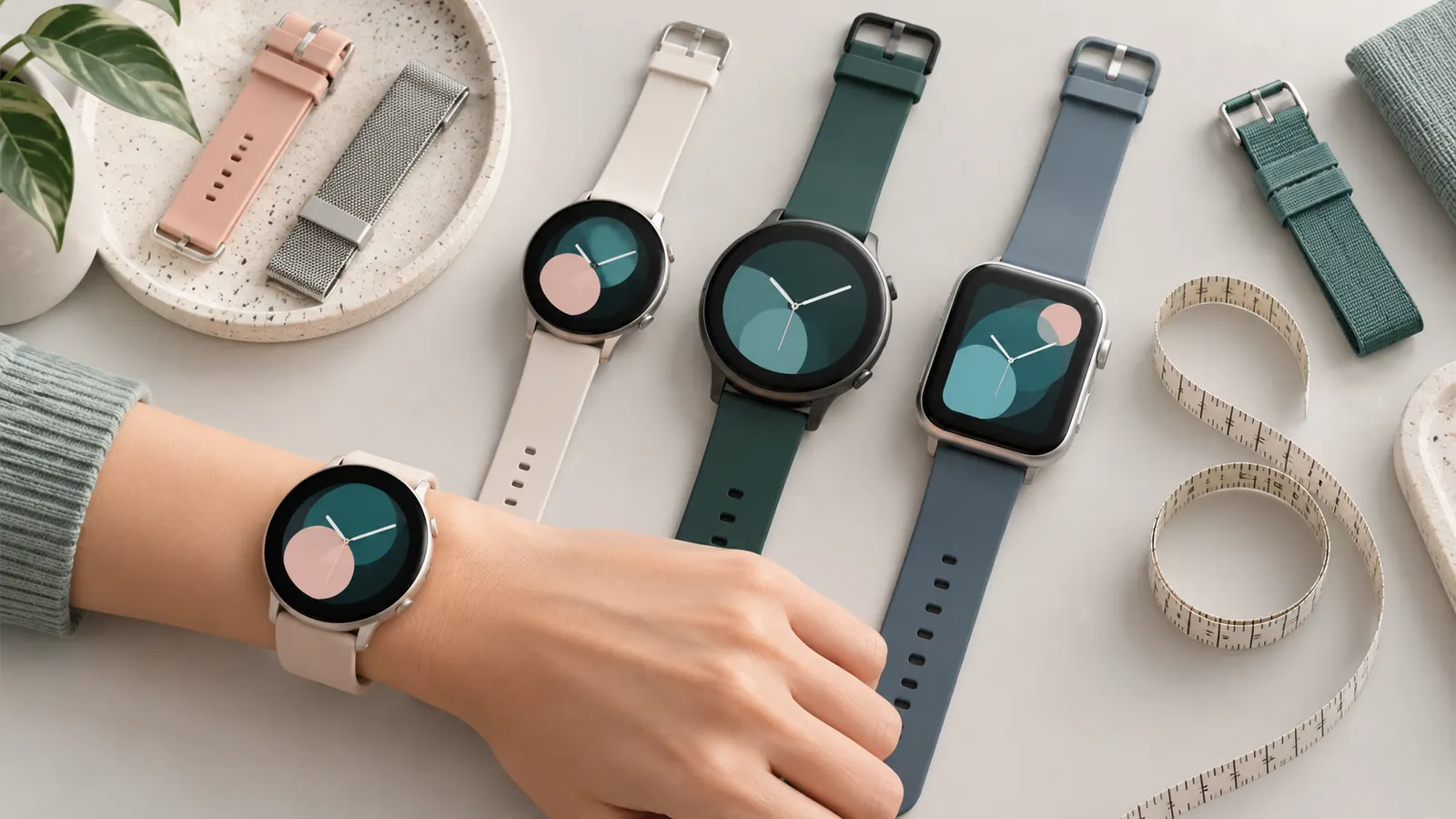
Wrap a soft tape or a strip of paper around your wrist just behind the bone, mark where it meets, and measure. Compare the result with the strap range on the product page. Straps list a range in millimeters or inches.
In this guide
Understand Case Size
Case size is usually listed in millimeters, such as 40 mm or 45 mm. It is the width or height of the watch case, not the strap. A smaller wrist usually suits a smaller case, but a larger display can be easier to read.
Thickness and Weight
A thick watch can catch on sleeves, and a heavy one is less comfortable at night. Check the thickness and weight, especially if you want sleep tracking. Titanium and aluminum are lighter than stainless steel.
Strap Choice
Silicone suits workouts, while fabric and leather suit daily wear. Many watches use standard quick-release straps, so you can change styles later. Check the lug width if you want a third-party strap.
Try Before You Commit
If possible, compare the sizes in a store. Online, check the return policy and read reviews from people with similar wrists. Remember that sensors work best when the watch sits snugly but not tight.
Quick Size Reference
- Wrist under about 5.5 inches: look at the smallest case sizes and slim straps.
- Wrist about 5.5 to 7 inches: most standard sizes fit.
- Wrist over about 7 inches: larger cases look balanced, and check the strap length.
These are rough guides. Always check the strap range stated on the product page.
Common Fit Problems
- The watch slides: tighten the strap or choose a smaller case.
- The sensor loses contact: wear it a finger-width above the wrist bone and snug.
- Skin irritation: clean the band and the back of the watch, and try a different material.
- The watch hits the desk: choose a thinner case or a different wearing position.
Sizing for Kids and Teens
Kids’ watches use smaller cases and adjustable straps. Check the age range and whether the strap can be replaced as your child grows. Our kids smartwatch list compares options.
Display Size Versus Case Size
Case size and screen size are related but not the same thing, and mixing them up leads to disappointing purchases. The case is the body of the watch, including the bezel around the screen. The display is the visible area inside. Two watches with the same case size can have different screen sizes if one has thick bezels and the other has thin ones. A watch with a rounded display and a square case can seem to have more usable room than the numbers suggest.
Look at how the listing describes the screen. A larger display makes text easier to read, shows more of a message and gives workout data more space, which helps if your eyesight is not perfect or if you glance at the watch while running. A smaller display is more discreet and usually lighter, but you may have to scroll more and tap smaller buttons. If you plan to type quick replies or use apps, a larger display will feel easier. If you mostly check the time and notifications, a smaller one may be perfectly adequate.
Display shape matters as well. Round displays look like traditional watches but can crop some content at the edges. Square or rectangular displays make better use of space for lists and text. Check the product images to see how apps and watch faces fill the screen. Also compare brightness and outdoor readability, if stated, and note whether the display has a protective glass or a coating. A larger display does not help if the screen is dim in sunlight. When possible, compare the sizes against your own wrist using a printable template or by holding a ruler to the case dimensions listed on the product page.
Wrist Shape, Bone Position and Where You Wear It
Wrist circumference tells you the strap range you need, but the shape and bone position decide how a case sits. Some wrists are flat and wide, others are narrow and tall. A large round case on a narrow wrist can overhang the edges and tip when you move your hand, which loosens contact with the skin. A small case on a broad, flat wrist can look lost but feel comfortable and secure.
Wear the watch where it is comfortable and where the sensors can read well. Most makers suggest placing it a finger-width or so above the wrist bone, but check the manual for your model. If the case is too long from lug to lug, it may extend beyond the flat part of the wrist and tilt. Compare the case length with the width of your wrist, and see whether the product page lists lug-to-lug length or just the case diameter.
Think about which arm you wear it on, too. Left-handed and right-handed users often wear it on the non-dominant arm, but you can wear it on either arm and adjust the orientation in the settings. If you type a lot, a slim case sits better under the wrist rest. If you wear long sleeves or a jacket, a thick watch may snag. If you do heavy lifting or push-ups, a slimmer watch may be more comfortable. Try on the watch while bending your wrist and moving your hand to see if it digs in or slides before you decide that it fits.
Strap Materials, Closures and Skin Comfort
A well-fitted strap does as much for comfort as the case size, and the material and closure make a difference. Silicone and fluoroelastomer straps are flexible, easy to clean and good for workouts and swimming. Nylon and woven fabric straps are breathable and adjustable but can hold sweat and take longer to dry. Leather looks smart and suits office wear, but it should not be soaked and is not ideal for hard exercise. Metal links and mesh bands are durable and dressy, but they can be heavier and need correct sizing, which may involve removing links.
- Buckle: offers fine adjustment and a secure fit, though the tail needs a keeper.
- Hook and loop: very adjustable and comfortable for different wrist sizes, but may wear over time.
- Magnetic or clasp: quick to put on and take off, but check the length range and how secure the closure is when active.
- Pin-and-tuck or sliding: simple and light but may offer fewer adjustment steps.
If you have sensitive skin, look for hypoallergenic materials and clean the strap and the back of the watch regularly. Sweat, soap and moisture can irritate the skin if they get trapped. Take the watch off from time to time, and let your skin breathe. If you notice redness, itching or a rash, stop wearing the watch and consider a different material, a looser fit or a break. If the reaction persists, speak with a health professional. Check what the listing says about materials in the case back, since this is what touches the skin all day.
Fit, Sensors and Workout Use
Size and fit affect how well the watch measures heart rate and other readings. Optical sensors on the back of the watch shine light into the skin and read how it changes. A watch that slides around, lifts away from the skin or sits on the bone gives noisier readings. For everyday wear, a comfortably snug fit is enough. For workouts, especially intense intervals, you may need to tighten the strap a notch, then loosen it afterwards to let your skin recover.
Different activities pose different fit challenges. Running involves repetitive arm movement, so a lighter case and a secure strap help avoid bouncing. Strength training and cycling involve wrist flexion and grip, so a low-profile case that does not dig into the wrist is helpful. Swimming requires a strap that stays on in water and a case with the right water rating, so check what the listing says. Yoga and floor exercises may be uncomfortable with a thick case on the underside of the wrist. In such cases, try wearing the watch slightly higher on the arm or choose a thinner model.
Consider using a separate sports strap for exercise and a more refined strap for daily use. A spare strap is a modest cost compared with replacing a watch that was uncomfortable. Remember that sensor readings are estimates and are not medical advice, and many things beyond size affect accuracy, including skin tone, tattoos, hair, cold hands and movement. Compare readings across several days rather than relying on a single measurement.
Buying Checklist and Return Planning
Before you order, use this short checklist to avoid common sizing mistakes.
- Measure your wrist circumference and compare it with the strap range stated for the exact size you are considering.
- Check the case diameter and, if available, the thickness and weight.
- Look at the strap attachment type and the lug width if you want to change straps.
- Confirm that the version you pick is the right size, strap and color, because many listings cover multiple variants.
- Check the return window and whether returns are free or cost a fee.
When the watch arrives, try it on right away. Wear it for a full day, including sleep if you plan to use sleep tracking, and note any pressure marks, sliding or irritation. Open and close the strap several times to see how easy it is. Try typing, washing your hands and doing something active to test it. If you find the watch too big, go for a smaller case before concluding that smartwatches are not for you; most fit problems are solved by a different size or strap.
Keep the packaging, film and accessories during the return window. Do not remove protective stickers until you are sure you want to keep it, and do not pair or customize a lot until you decide. If you decide to keep the watch, take a moment to set up health profile details such as height and weight accurately, since these affect estimates. Signs it is time to change to a different size include a strap that is always at its last hole, constant sliding, skin marks that last into the next day and a watch you leave in a drawer because it is uncomfortable.
A Quick Checklist Before You Order a Smartwatch
Sizing a smartwatch is mostly about your wrist and your habits, and a few minutes of preparation prevents most returns. Work through this list before you click buy.
- Measure your wrist with a flexible tape or a strip of paper, and note the measurement in millimeters or inches.
- Check the strap range stated on the listing and compare it with your measurement.
- Look at the case diameter and thickness in the specification table, not just the screen size.
- Decide how you will wear it: all day, during workouts, or at night.
- Consider the clothing you wear most. A bulky watch can catch on long sleeves.
- Check which strap types are compatible and whether you can swap them.
- Read the return policy so you can send it back if the fit disappoints.
Choosing by Situation
| Situation | What to prioritize | What to watch for |
|---|---|---|
| Small wrist | A compact case and a strap with a short minimum length | Lugs that overhang the edge of the wrist |
| Large wrist | A bigger case and a longer strap | A case that looks proportionate and a strap that is not stretched |
| Frequent exercise | A secure strap and a case that does not shift | Sweat, friction and comfort during long sessions |
| Office and formal wear | A slim case and a neat strap | Whether the watch slides under a cuff |
| Everyday and night wear | Light weight and soft materials | Comfort for long periods |
Terms You Will See on a Listing
- Case size: the diameter or height of the watch body, usually in millimeters.
- Lug to lug: the distance across the case from one strap attachment point to the other. It decides whether the watch overhangs your wrist.
- Strap width: the width where the strap meets the case, which determines which replacement straps fit.
- Band range: the wrist circumference a strap is made to fit.
- Lug width: the gap that holds the strap pins.
- Bezel: the border around the screen. Thinner bezels allow a larger screen in a smaller case.
How Brands Describe Fit, and What to Check
Different makers use different words for sizes, so compare numbers rather than names. A small, medium or large strap may fit a different range on each brand, and the same case size can come with several strap lengths. Read the strap range for each option, and choose a size that places you in the middle of the range, not at the edge. This leaves room for swelling in warm weather and for adjusting as needed.
Photographs on a listing are usually taken on average-sized wrists, and the watch may look different on yours. Look for customer photos that show the watch on a wrist similar to yours in size. If you are between sizes, think about whether you prefer a snug fit for tracking or a looser fit for comfort.
It also helps to print a size guide, if the maker offers one, and cut it out to wrap around your wrist. A paper template cannot show thickness, so compare the thickness figure with a familiar object, such as a watch you already own.
When to Ask a Professional
For metal bands, links often need removal to fit properly, and a jeweler or watch repair shop can do this without damaging the band. Many retailers offer this service. For leather or fabric straps, a replacement strap in a different length is usually simpler. If you have wrist pain, skin sensitivity, an injury or a medical device, ask a qualified professional before choosing a watch or strap, and rely on the maker’s guidance for materials.
Keep the packaging and receipt until you are sure the watch is right, and wear it around the house for a day or two to see how it feels during normal activity. A watch that looks good but feels irritating will not be worn.

Ready to Buy? Start Here
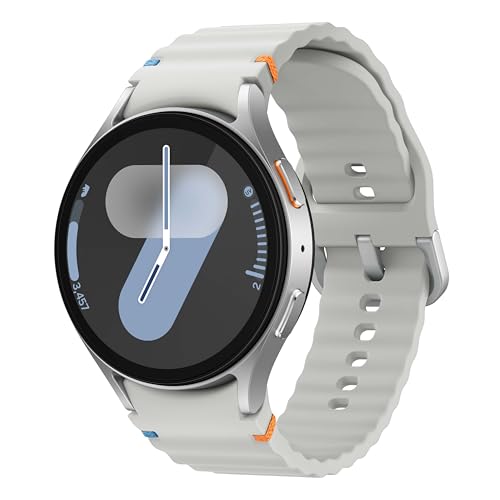
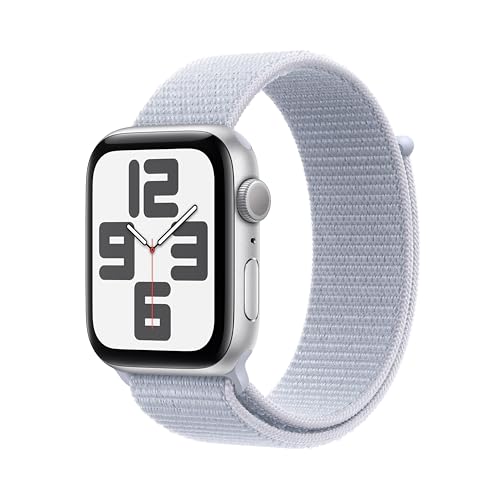
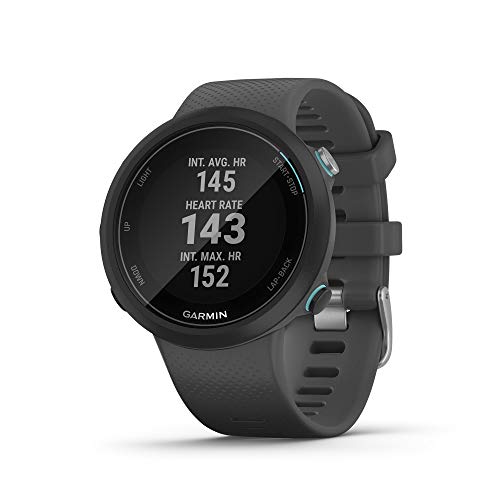
If this guide helped you decide what to look for, these products are a place to start.

As an Amazon Associate we earn from qualifying purchases. Prices and availability are shown on Amazon.
Sizing in Real Life: Scenarios the Charts Do Not Cover
You are between sizes
Being between sizes is the most common sizing problem, and the chart alone cannot solve it because two people with the same wrist measurement can prefer different cases. If you sit between two sizes, decide by how you will use the watch most. For all-day wear at a desk, the smaller case usually wins: it catches less on cuffs and keyboards, feels lighter by the afternoon, and is easier to sleep in if you track sleep. For sport-first use, the larger case earns its size through a bigger, easier-to-read display at arm’s length and, on many models, a larger battery. If you genuinely split your time, choose the smaller case and a strap with fine adjustment; an oversized watch that slides and spins is annoying in every context, while a slightly small watch is only a minor compromise during workouts.
Sizing for swollen, changing or sensitive wrists
Wrists are not a fixed measurement. They swell in heat, after exercise, during long flights and across the day, and they can change with training, medication or health conditions. Measure in the morning and again in the evening before deciding, and favour straps with a wide adjustment range and fine steps between holes or a continuously adjustable closure. If your wrist size fluctuates a lot, a case at the smaller end of your range with an elastic or hook-and-loop strap will stay comfortable across those changes, while a large case on a fixed metal bracelet will swing between too tight and too loose. For sensitive skin, case size interacts with strap material: a heavier watch concentrates pressure in a smaller area, so lighter cases and breathable straps reduce the red marks and itching that make people abandon a watch they otherwise like.
Left wrist, right wrist, and dominant-hand wear
Most people wear a watch on their non-dominant wrist, but smartwatches complicate the tradition because you interact with them. Wearing the watch on your dominant wrist makes taps and crown or button use feel natural, yet exposes the case to more knocks, more desk contact and more interference when writing or using a mouse. Wearing it on the non-dominant wrist protects it and suits workout tracking, but you will reach across with your dominant hand for every interaction. There is no wrong answer; there is a sizing implication. A watch worn on the dominant wrist benefits from the lower-profile, smaller case because it is in harm’s way more often, while the non-dominant wrist tolerates a larger case comfortably. Whichever you choose, set the watch’s wrist and crown orientation settings correctly during setup, because activity and gesture features assume the watch knows which arm it is on.
How Case Size Changes the Features You Bought the Watch For
Case size is not only about looks. The optical heart sensor needs stable skin contact, and a case that is too large for a slim wrist can rock on the wrist bone, lifting the sensor during exactly the arm-swinging activities you want to track. Too small is rarely a sensor problem, but a small case can mean a smaller battery, which changes how often you charge and whether always-on display or overnight sleep tracking fits your routine. Typing and tapping also scale with size: larger displays make message replies, map glances and workout data fields genuinely easier, while smaller displays reward people who mostly let the watch notify and record rather than interact.
A two-week test to run after any smartwatch arrives
However carefully you measure, the honest test happens on your wrist, so protect yourself with a retailer return window and actually use it as a trial. In week one, wear the watch for your longest normal day, one workout of each type you do, and two nights of sleep if you plan to track it. Note three things each evening: any skin irritation, any moment the size annoyed you, and whether the battery forced a change of plan. In week two, try the strap one notch looser and one notch tighter than your instinct, because many fit complaints are strap-setting problems wearing a case-size costume. If annoyance moments cluster around catching, spinning or weight, exchange down a size. If they cluster around squinting, mis-taps and mid-day charging, exchange up. A size that passes two ordinary weeks will almost certainly serve you for years.
Measuring Properly: Avoiding the Errors That Skew Every Chart
Most sizing mistakes happen before the chart is even consulted, at the measuring stage. Use a flexible tailor’s tape if you have one; if not, wrap a strip of paper or a piece of string around your wrist, mark where it meets, and measure the strip flat against a ruler. Measure at the exact place the watch will sit, which for sensor accuracy is just above the wrist bone on the forearm side, not on top of the bone and not down toward the hand where dress watches often rest. Keep the tape snug but not compressing the skin, and read the result without adding a comfort allowance, because strap sizing guidance already builds ease into its ranges. Adding your own extra allowance on top is the single most common reason people end up with a strap that only fits on its tightest hole and a case that wanders.
Measure both wrists, even if you are certain which one you will use. Most people have a measurable difference between dominant and non-dominant arms, and if you later switch wrists for comfort, sport or a skin reaction, you will want to know whether the same strap range still works. Record the measurement in both centimetres and inches, because brands and strap sellers mix units freely and conversion slips are a quiet source of wrong orders. Finally, measure at a normal time of day in a normal temperature. A wrist measured after a hot shower or a hard workout can read noticeably larger than the same wrist at your desk, and sizing to the swollen extreme leaves the watch loose for the other twenty-two hours of the day.
What lug width and strap compatibility mean for size
Case size describes the watch body, but strap fit depends on the lug width or the proprietary connector, and the two do not always move together across a range. Before ordering extra straps, confirm the connector type and width for your exact case size, because the smaller and larger cases in the same family sometimes take different strap widths, and straps bought for one will not transfer if you exchange sizes. This matters most for people who plan to build a small strap rotation for work, exercise and evenings. It is also worth checking how the strap attaches: quick-release spring bars and tool-free sliders make swaps a ten-second job, while fiddly connectors discourage the very swapping that makes one watch suit many situations. A slightly plainer watch with straps you actually change will look better across your week than a statement case permanently stuck on the strap it shipped with.
Children, smaller wrists and shared devices
For children and teenagers, prioritise the lightest case and the softest strap over screen size, because a heavy watch on a small wrist gets taken off, and a tracker that lives in a school bag records nothing. Check that the strap’s minimum length genuinely reaches a child’s wrist; many straps fit the case but run out of holes. For adults with very slim wrists, look beyond the headline case diameter to lug-to-lug length, the measurement that decides whether the case overhangs the wrist. A compact diameter with long, straight lugs can wear larger than a bigger diameter with short, curved lugs that hug the wrist. When product photos show the watch on a wrist, judge the lug overhang rather than the dial, and if the ends of the case extend past both sides of the wrist in the photo, expect that model to feel oversized on you whatever the diameter number says.
Fit Troubleshooting After the Watch Arrives
If heart readings drop out during exercise, resist the urge to blame the sensor first. Move the watch a finger’s width further up the arm, tighten the strap one step beyond your all-day setting, and clean the sensor window; this fixes the majority of dropouts because the underlying cause is the case rocking as your forearm muscles work. If the watch leaves a deep imprint or your hand tingles, it is too tight for all-day wear even if workouts need that setting, so adopt two settings deliberately: snug for exercise, relaxed for the desk, and switch as part of your routine like tying shoes before a run. Persistent redness under the case is more often trapped moisture and soap residue than a material allergy, so rinse the strap, dry both strap and wrist fully, and give the skin a watch-free hour each day. If irritation survives clean, dry, looser wear, change strap material before changing watches, since the strap touches far more skin than the case does.
Size regret is real but usually fixable. A watch that feels big in week one often feels normal by week three as your eye adjusts, provided it is not catching, spinning or hurting. Give any new size a fair fortnight unless it causes pain or skin problems, use the return window as a safety net rather than a deadline to panic, and remember that straps change perceived size dramatically: a thick padded strap makes a modest case feel chunky, while a slim strap can make a large case wear neatly. Judge the case with the strap you will actually live in, not the one that happened to be in the box.
Choosing a Size for Specific Activities
Running, gym work and racket sports
For running, lighter is better and stability is everything. A mid-size or compact case on a breathable strap stays put through arm swing and sweat, and a screen you can read in one glance beats a bigger screen you have to study. In the gym, consider what your wrist does: barbell work, kettlebells and push-up positions all flex the wrist into the case, and a tall, large case can dig into the back of the hand during exactly those movements. Many lifters slide the watch further up the forearm for sessions, which is another reason to choose a strap with generous length and fine adjustment. Racket sports add vibration and sudden stops; a secure strap matters more than case choice, but a lighter case reduces the slapping sensation on off-centre hits. Across all three, the test is simple: if you notice the watch during the activity, something about the size or strap is wrong, because good fit disappears from attention entirely.
Sleep tracking and overnight comfort
A watch you cannot sleep in cannot track your sleep, so overnight comfort deserves the same attention as workout fit if sleep data matters to you. Smaller, thinner cases disturb sleep less, especially for side sleepers whose wrist ends up under a pillow or a cheek. Strap choice matters even more at night: soft, flexible straps without metal edges, worn a notch looser than daytime, prevent the pressure marks and numbness that make people abandon overnight wear within a week. If you love a large watch for daytime, a realistic compromise is to accept slightly less precise positioning at night rather than forcing daytime snugness, since consistent wear with decent contact produces more useful trends than perfect contact for three nights followed by giving up. And if every size feels intrusive overnight, that is useful information about yourself: choose the daytime watch you love and let sleep tracking be occasional rather than a nightly obligation you resent.
Office wear, formal settings and first impressions
Proportion is the whole game in smart-casual and formal settings. A case that disappears under a cuff, sits flat, and roughly matches the visual weight of the watches around you will read as a deliberate accessory; a tall, wide case that fights the cuff reads as sports equipment whatever strap you fit. If your work involves fitted shirts or tailored jackets, measure your cuff clearance as honestly as your wrist: slide your hand through the cuff with the watch on during any try-on. Colour interacts with size too, because dark cases look smaller than pale or bright cases of identical dimensions, and polished finishes draw the eye more than matte ones. When in doubt for professional wear, choose the smaller, darker, flatter combination; you can add presence with a strap, but you cannot subtract bulk from a case. None of this is about hiding the watch — it is about the watch looking chosen rather than accidental, which is what good sizing achieves in every setting.
Final Sizing Checklist
Before you order, run through this sequence once. Measure both wrists at the wearing position, morning and evening, and write the numbers down. Match the measurement to the maker’s strap range and aim for the middle holes, not the ends. Compare case diameter, thickness and lug-to-lug together rather than diameter alone. Decide your priority context — desk, sport or sleep — and let it break any tie between sizes. Confirm strap connector and width for the exact case you chose. Order from a seller with a genuine return window, then run the two-week test with your longest day, your hardest workout and two nights of sleep. If the watch passes unnoticed, you have your size, and you can stop thinking about millimetres and start getting value from the thing you bought.
How Sizing Choices Play Out Over Years of Ownership
A case size decision lasts longer than most buyers expect, because the watch it belongs to may stay in service for years and the strap collection you build around it assumes that size. Think ahead one step: if you expect your training to change — more lifting, a first marathon, a job move from desk to field — size for the life you are entering rather than the month you are in. Wrist size itself can shift with sustained training, weight change or age, which is another argument for straps with adjustment range to spare and for cases in the middle of your comfort zone rather than at its edge. Owners at the extremes of a size range feel every change; owners in the middle absorb them unnoticed.
There is also a resale and hand-me-down angle worth a moment. Mid-range case sizes in neutral colours are the easiest watches to pass to a partner, a teenager or a buyer later, while very large or very small cases in bright colours narrow the audience. That should never override your own fit — a watch that suits someone else’s wrist is useless on yours — but when two sizes genuinely tie on your wrist, the more standard size is the safer long-term asset. Keep the box, the spare strap links and the original strap; a complete, well-kept watch in a common size holds its value and its usefulness far better than a bare watch in an unusual one.
When the numbers disagree with your wrist
Occasionally every measurement says a size should fit and your wrist disagrees. Trust the wrist. Charts assume an average wrist shape, and real wrists vary in flatness, bone prominence and taper in ways no diameter table captures. A flatter wrist carries larger cases gracefully; a rounder wrist can find the same case tippy and prone to spinning. If you fall into this gap, use the return window without guilt, describe the fit problem in terms of behaviour — spins during runs, digs in during typing, gaps at the lugs — and choose the size that behaves, even if it contradicts the chart you started from. The chart’s job is to get you to the right neighbourhood; your wrist makes the final call.
Extra Sizing Questions, Answered
Does case size affect battery life?
Often, yes, though the relationship runs through the specific model rather than the millimetres themselves. Within a single watch family, the larger case frequently houses a larger battery and can offer noticeably longer endurance, while the smaller case trades some of that reserve for its lighter, neater fit. Across different families the comparison breaks down, because screen technology, features and efficiency matter as much as physical volume. If battery life is a deciding factor for you, compare the stated endurance for the exact case sizes you are choosing between, in the mode you will actually use, rather than assuming the bigger watch always wins. Then weigh what you find against fit: a watch with a day more endurance that slides around your wrist is not the better instrument, while a watch that fits perfectly and charges during your existing morning routine may never make its smaller battery your problem.
Should I size up for sports and down for the office?
You can, but most people should not build their decision around owning the perfect size for two lives unless they genuinely intend to own two watches. A single well-chosen middle size, helped by two straps — a breathable sport strap and a smarter strap for work — covers both contexts for the great majority of owners, and the money saved versus a second watch buys the strap rotation that makes the compromise invisible. The exception is the owner whose sport is serious and whose workplace is formal: a large, rugged sports watch and a slim dress-compatible watch is a legitimate two-watch wardrobe, and each will be better at its job than any compromise. Decide which owner you are by your calendar rather than your aspirations, and remember that the watch bought for a life you do not lead is the one that ends up unworn, whatever its size.
What if my wrist measurement falls outside the strap range?
Treat it as a solvable problem rather than a verdict on the watch. Many makers and third-party sellers offer extended or shorter straps for exactly this situation, and standard lug fittings widen the choice further where your model uses them. Confirm the connector and width for your case size, order the strap length that places your wrist in the middle of its adjustment rather than at its last hole, and re-run the fit checks in this guide once it arrives. If no strap solution places the watch comfortably and securely on your wrist, believe that evidence and choose a different model, because a watch that cannot be strapped correctly cannot track correctly either — fit is not a cosmetic preference in a device that reads your body through its contact with your skin.
Frequently Asked Questions
What size smartwatch is best for a small wrist?
Often a case near 38 to 42 mm, but check the strap range and the thickness.
Does a bigger watch track better?
Not necessarily. Fit and skin contact matter more than size.
Can I change the strap?
Many watches use standard bands, but check each model’s fitting.
How tight should a smartwatch be?
Snug enough not to slide, but loose enough to be comfortable.
Should I buy the biggest watch for the biggest screen?
Only if it fits comfortably. Many people find a medium size easier to wear.
Do all watches use the same strap size?
No. Check the lug width and the quick-release type before buying third-party straps.
Is a smaller smartwatch less accurate?
Not necessarily. Accuracy depends more on the sensor, the fit and your skin contact than on the case size. A snug small watch can read better than a loose large one.
How do I measure my wrist without a tape measure?
Wrap a strip of paper or string around your wrist, mark where it overlaps, then lay it flat and measure it with a ruler. Compare the result with the strap range on the product page.
What if my wrist is between two strap sizes?
Check which size has an adjustable range that covers your wrist, and choose the one where you land near the middle of the range rather than at the end. Some watches sell straps in separate sizes.
Can I wear a smartwatch to bed?
Many people do for sleep tracking. Choose a light, slim case, a soft strap and a comfortable fit, and charge the watch at another time of day.
Do thicker watches get in the way?
They can catch on sleeves and desks and may feel bulky when typing. Check the thickness on the product page and try to compare it with a watch you already own.
Are metal bands suitable for workouts?
They are durable but can be heavy and uncomfortable when you sweat or flex your wrist. Many people swap to a silicone or woven strap for exercise.
Should I take my watch off sometimes to rest my skin?
Yes, an occasional break helps, especially after sweaty workouts or if your skin gets red. Rinse and dry the strap and the back of the watch before putting it on again.
Bottom Line
Measure your wrist, choose a case size that suits it, and prioritize comfort, weight and strap fit. A watch that fits well gets worn and tracks more reliably.
Related Reading
- Best Smartwatches for Women
- Best Smartwatches for Men
- Smartwatch Buying Guide: Compatibility, Features, Battery
- Apple Watch vs Galaxy Watch: Which Should You Choose?
- All Smartwatch guides