Disclosure: As an Amazon Associate, reviewstook.com earns from qualifying purchases. Links on this page are affiliate links; they cost you nothing extra. Prices and availability change often, so check the current Amazon listing before you buy.
The lumix s5 iix is Panasonic’s video-first full-frame mirrorless camera: a 24.2-megapixel body with phase hybrid autofocus, the company’s Active I.S. stabilisation, and a professional video toolkit that includes 5.8K ProRes recording, RAW video output over HDMI, and IP streaming. This review examines the S5IIX on its own terms, explains exactly how it differs from the standard S5II that shares its sensor and its body, and helps the two audiences who actually shop for it, hybrid shooters who need cinema-grade video without a cinema camera’s bulk, and stills photographers wondering whether the X premium buys them anything at all.
Panasonic built its full-frame reputation the hard way, winning video professionals with features the larger brands rationed, while its contrast-based autofocus held stills shooters at arm’s length. The S5II generation answered the autofocus objection with phase detection, and the X variant then asked a sharper question: how much professional video can be fitted into a body a wedding shooter can carry all day? The answer, examined below, is most of it, provided your workflow speaks the languages the X was built to translate.
Key takeaways
- The S5IIX is the video specialist: ProRes internal recording, RAW over HDMI, and streaming separate it from the S5II.
- Both bodies share the 24.2MP sensor, phase hybrid AF, and Active I.S., so stills quality is a tie.
- Buy the X for professional video delivery; buy the standard S5II if your video is capable but conventional.
- L-mount lens choice is broad and shared with Leica and Sigma, softening the system’s historical lens objection.
In this guide
The two bodies in this review
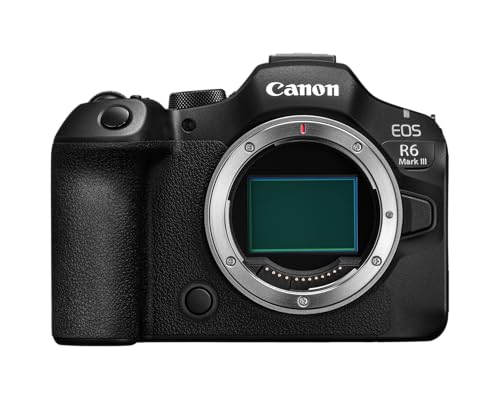
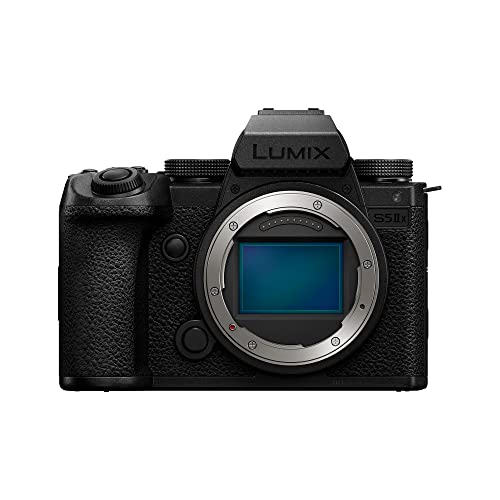
- Panasonic LUMIX S5IIX — the review subject: 24.2MP full frame, phase hybrid AF, Active I.S., 5.8K ProRes, RAW over HDMI, IP streaming, blacked-out X styling as listed.
- Panasonic LUMIX S5II — the standard sibling alternative: same sensor and AF generation, unlimited 4:2:2 10-bit recording as listed, without the X’s professional codec and streaming extras.

Panasonic LUMIX S5IIX review: the video specialist, examined
Badge: Review subject — best hybrid video value here
- Sensor: 24.2MP full frame as listed
- Autofocus: phase hybrid AF as listed
- Stabilisation: Active I.S. technology as listed
- Video: 5.8K ProRes, RAW over HDMI as listed
- Streaming: IP streaming as listed
- Model: DC-S5M2X body, black as listed
The X’s case rests on its codec and delivery toolkit, so begin there. Internal ProRes recording at 5.8K gives editors a file that behaves like a developed negative: heavy, robust, and forgiving of the colour grading that professional delivery demands, without an external recorder bolted to the rig. RAW output over HDMI extends the same philosophy to productions that record externally by choice. Unlimited recording in its high-quality modes, a discipline Panasonic treats as a birthright while rivals still ration by the clock, means a concert, a ceremony, or a conference talk can be captured whole, and IP streaming turns the camera into a broadcast source for the lecture and event work that now pays many hybrid shooters’ rents.
Autofocus is the generation’s headline and it deserves its paragraph. Phase hybrid AF transforms the Panasonic full-frame experience from careful to confident: faces and eyes are found and held with the stickiness modern hybrid work requires, subject detection behaves in the same conversation as the class leaders, and the old ritual of apologising for a Panasonic’s focus belongs to the previous decade. It is not magically infallible, no system is, and video shooters should still learn its menus and its limits, but the honest summary is that autofocus has left the list of reasons to avoid this system, which reorders the entire buying conversation around the things the X does uniquely well.
Stabilisation completes the handheld proposition. Active I.S. combines the body’s sensor-shift system with electronic correction tuned for walking shots, and the result is gimbal-adjacent footage for the run-and-gun work where a gimbal is impractical: processions, property tours, documentary pursuit. Still photographers benefit equally at the other end of the shutter dial, hand-holding exposures that would have demanded a tripod a generation ago. As with all stabilisation, technique multiplies the technology, and the camera rewards a practiced glide rather than rescuing a careless one, but the ceiling it offers a careful operator is genuinely high.
The body itself is a working tool’s body: weather-sealed, sensibly gripped, with the X’s blacked-out livery replacing the standard model’s red accents for buyers who prefer their professional kit inconspicuous. Heat management, the tax every high-end video body pays, is handled with an internal fan arrangement that lets the recording specifications exist without the asterisk of a thermal shutdown in ordinary professional conditions. Menus remain Panasonic-deep, which veterans read as customisable and newcomers read as a weekend’s homework; both readings are correct, and the homework pays rent for years.
Strengths
- Professional codec toolkit: internal ProRes and RAW over HDMI
- Phase hybrid AF removes the system’s historical objection
- Active I.S. and unlimited recording suit real event work
Trade-offs
- The X premium buys video features stills shooters will never open
- Menus are deep and reward study rather than intuition
- ProRes files demand serious storage and computer muscle
Best for: hybrid professionals delivering graded, streamed, or long-form video. / Not suited for: stills-first buyers and casual video users, who should buy the S5II.

Panasonic LUMIX S5II: the standard sibling, and when it is enough
Badge: Alternative — the sensible hybrid for most buyers
- Sensor: 24.2MP full frame as listed
- Autofocus: phase hybrid AF as listed
- Stabilisation: Active I.S. technology as listed
- Video: unlimited 4:2:2 10-bit recording as listed
- Model: DC-S5M2 body, black as listed
The standard S5II is not the X’s poorer relation; it is the same camera with the professional delivery layer removed, and for the majority of hybrid shooters that layer is the part they would never invoice for. Its unlimited 4:2:2 10-bit recording already exceeds what most client video, wedding films, and content production actually deliver in, its autofocus and stabilisation are the same generation’s systems, and its stills are indistinguishable, because the sensor never changed. A buyer whose video ends on social platforms and client galleries in conventional codecs loses nothing here except a line on a specification sheet they were never going to use.
The decision between the siblings is therefore a workflow audit rather than a quality ranking. If your delivery chain names ProRes, if an external recorder waits in your kit for RAW, if you stream productions from the camera itself, the X is not an upsell but the tool the job specifies. If none of those sentences describes your last twelve months of paid or passionate work, the standard body plus the lens the savings liberate is the more professional purchase, because glass outlives bodies and a faster lens improves every frame while an unused codec improves none.
Strengths
- Same sensor, autofocus, and stabilisation as the X
- Unlimited high-quality recording for conventional delivery
- Savings convert directly into lenses, where they compound
Trade-offs
- No internal ProRes or RAW-over-HDMI professional path
- No built-in IP streaming for broadcast-style work
- Shares the line’s deep menu system
Best for: hybrid shooters delivering conventional codecs and stills. / Not suited for: productions whose delivery specifications name ProRes or RAW.
Buying guide: auditing your workflow before choosing the X
Write down your last ten video jobs or projects and mark each with the codec it was delivered in and the codec it was edited in. If ProRes or RAW appear in the delivered column, or if clients’ specifications have ever named them, the X has already justified itself and the audit can end. If the columns read as conventional delivery throughout, ask the harder question: is that because your market does not ask, or because your current camera cannot offer? Shooters growing into commercial work sometimes buy the X as the capability that lets them say yes to the next class of brief, which is a legitimate business investment when the briefs are visibly approaching.
Lenses deserve the larger share of the budget conversation, because the L-mount alliance has quietly become one of the system’s strengths. Panasonic’s own S lenses, Sigma’s broad and keenly priced catalogue, and Leica’s aspirational glass all mount natively, which means the body decision no longer carries the lens poverty that once argued against this system. Price a body with the two lenses your work actually uses, a fast standard zoom and one prime that flatters your favourite focal length being the classic professional pair, and let that total, not the body alone, arbitrate between the X and the standard model.
Storage and computing complete the honest audit, because ProRes is a hungry codec and its files will tax cards, drives, and edit machines in proportion to their quality. A shooter whose archive and workstation are already built for heavy files will absorb the X’s appetite without noticing; a shooter editing on an ageing laptop should price the storage and possibly the computer upgrade into the X decision, where they belong, rather than discovering them as a surprise in the first month of professional delivery.
How to set up the S5IIX for its first production
Begin with the unglamorous foundations: update the firmware, format cards in camera, and set the file and folder discipline before the first paying frame depends on it. Configure two custom modes as your professional defaults, one for your standard delivery codec and frame rate, one for the X’s ProRes path, so the camera’s personality can be swapped at a dial rather than rebuilt in menus under a client’s gaze. Set autofocus behaviour per mode, continuous with face and eye priority for people work, and learn where the camera’s confidence ends so your manual focus skills are rehearsed before they are needed in public.
Audio deserves the same first-day seriousness, because hybrid shooters lose more productions to sound than to picture. Set recording levels manually for your usual microphone arrangement, enable the safety behaviours your workflow prefers, and record a minute of your own voice in your usual room as a reference you can return to when a location sounds wrong. Finally, run a thermal and duration rehearsal: record your longest typical take in your warmest typical room, because a camera whose limits you have met in rehearsal will never introduce them to you during a ceremony.
Common mistakes S5IIX buyers make
The first is buying the X for a specification the buyer’s clients will never request, financed by the lens the buyer needed weekly, an error the buying guide’s audit exists to prevent. The second is the mirror image: buying the standard body while actively pitching work whose briefs name ProRes, then renting or apologising through the gap. The third is underestimating the file sizes, arriving at a production with cards sized for a conventional codec and a ProRes appetite, a logistics failure that no sensor quality can redeem after the fact.
A fourth mistake is neglecting the autofocus menus, leaving the camera on defaults tuned for a different kind of subject and then reviewing the system harshly for behaviour it was never configured to attempt. A fifth is treating stabilisation as a gimbal replacement in all conditions rather than as the superb walking-and-handheld system it is; processions yes, choreographed cinema movement still belongs to the gimbal’s patience. Each mistake is a version of the same one, buying or judging the camera as a badge rather than as a workflow, and the X, more than most cameras, is a workflow wearing a badge.
Final recommendation
The lumix s5 iix earns its X for the shooter whose delivery chain speaks ProRes, RAW, or broadcast streaming, and for that shooter it is one of the most rational professional purchases in full-frame video: cinema manners without cinema bulk, on a lens mount with real choice. Everyone else should buy the standard S5II with a clear conscience and spend the difference on glass. What neither buyer should do is apologise for the system any longer; with phase autofocus fitted and the alliance’s lenses multiplying, Panasonic’s full-frame line has finished its argument and started its tenure.
Frequently asked questions
What exactly does the X add over the S5II?
The professional video layer: internal ProRes recording up to 5.8K, RAW video output over HDMI for external recorders, IP streaming for broadcast-style delivery, and the X’s blacked-out styling. Sensor, autofocus generation, stabilisation, and stills capability are shared with the standard model. That is why this review frames the choice as a workflow audit: the X is not a better camera in the abstract, it is the same excellent camera with a professional delivery department the standard model does not employ.
Is 24.2 megapixels enough for professional stills?
For the overwhelming majority of professional stills work, yes: prints at gallery sizes, commercial web and editorial delivery, and wedding albums are all comfortably within a modern 24-megapixel sensor’s gift, and its low-light behaviour and file manageability are advantages working photographers cite weekly. Specialists in heavy cropping, wildlife reach, and vast landscape prints are the legitimate exceptions, and they know who they are; everyone else is buying resolution their clients will never request at the cost of speed and storage they use daily.
How good is the autofocus really?
Good enough to retire the old conversation. The phase hybrid system finds and tracks faces, eyes, and subjects with the confidence modern hybrid work assumes, across both stills and video, and it behaves as a peer of the class leaders in ordinary professional conditions. No system is infallible in chaos, low light, and occlusion, and a professional should still learn its modes and its manual overrides, but autofocus is no longer a reason to choose against this camera, which for Panasonic’s full-frame line is a generational change in itself.
Which lenses should a first S5IIX owner buy?
Start with the two your work photographs most: for most hybrid professionals that is a fast standard zoom for events and general production, and one bright prime at the focal length their eye naturally sees, for portraits and low light. The L-mount catalogue lets you mix Panasonic, Sigma, and Leica glass freely, so buy by focal length and character rather than by badge. Resist the third lens until the first two have taught you what your work actually reaches for; bodies tempt collectors, but assignments reward the disciplined.
Can the S5IIX really record without time limits?
Its high-quality modes are built for unlimited recording in ordinary professional conditions, supported by active cooling, which is why the camera is trusted for ceremonies, concerts, and conferences where a rival’s thermal or arbitrary limit would be a genuine risk. Unlimited is always subject to physics and to card capacity, so the rehearsal advice in the setup section stands: meet your individual unit’s behaviour in your own rooms before a client’s unrepeatable hour depends on it. Within that professional discipline, the camera’s stamina is one of its defining virtues.
Is the S5IIX good for streaming and live events?
It is one of the few hybrid cameras designed with that work in mind, offering IP streaming from the body alongside its recording toolkit, which collapses the usual chain of capture cards and workarounds into the camera itself. Event producers, lecturers, houses of worship, and conference shooters are the audience, and for them the feature can justify the X alone. As with all live work, test the full chain, network included, in the venue before the audience arrives, because streaming forgives preparation and punishes improvisation in equal measure.
Stills, taken seriously
Video headlines bury this camera’s stills life, so exhume it for a section. The 24.2-megapixel sensor delivers the clean, colour-honest files Panasonic’s colour science is known for, skin tones that flatter without cosmetic exaggeration being the house speciality that wedding and portrait shooters cite when they defend the system. The phase autofocus transforms the stills experience as surely as the video one: children, dancers, and conference speakers are tracked with a confidence the previous generation’s owners can only describe as emancipation, and the burst and buffer manners are those of a modern professional body rather than a video camera moonlighting.
Ergonomics serve the long stills day as faithfully as the video one. The grip fills the hand without bulk, the viewfinder is bright and honest, and the control layout keeps the professional trio of dials where trained fingers expect them. Weather sealing means the ceremony in the rain and the coastal portrait session are assignments rather than anxieties. A stills-first buyer is still advised, by this review’s own audit, to buy the standard body and spend the difference on glass, but they should know that in doing so they are buying one of the most capable hybrid stills cameras of its generation, not a video camera’s consolation prize.
The L-mount alliance as a buying argument
A camera body is a ten-year lens commitment wearing a two-year product cycle, so the mount deserves its own examination. The L-mount’s founding wager was cooperation: Panasonic, Leica, and Sigma sharing one full-frame mount, so a body buyer inherits three manufacturers’ catalogues instead of one. The wager has paid. Sigma’s contemporary line supplies fast zooms and primes at prices that reset the system’s value arithmetic, Panasonic’s S lenses cover the professional staples with video-friendly manners like restrained focus breathing, and Leica’s glass waits at the top for the buyer whose work or pleasure justifies it. No other young mount offers that spread, and it converts the S5IIX from a brave choice into a portfolio decision.
Practical consequences follow for the working shooter. A second-hand market with three brands’ worth of lenses is deeper and kinder than a single-brand pool, rental houses stock the alliance’s staples in the cities where productions happen, and a future body from any of the three partners keeps the whole kit employed. Buyers migrating from another system should price the migration as a portfolio swap rather than as a body purchase, selling into their old mount’s market while it is liquid and buying into the alliance’s staples first. The camera in this review is the occasion for that decision; the mount is the decision itself, and it is a good one.
Three productions and how the X serves each
Take the wedding film first, the hybrid shooter’s bread and butter. The ceremony is unrepeatable and long, which is where unlimited recording and the fan’s thermal composure stop being specifications and become insurance; the vows cannot be restaged because a camera grew warm. Stabilisation carries the procession and the dance floor without a gimbal’s footprint in a crowded room, phase autofocus holds the couple through confetti and low light, and ProRes, where the couple’s package justifies it, gives the edit a grade that makes the film look expensive in the way clients mean when they forward it to friends. This is the X’s home fixture, and it plays it superbly.
Take the commercial short next: a product film, a venue showcase, a founder’s interview series for a growing company. Here the codec conversation is the client’s, increasingly conducted in the vocabulary of delivery specifications, and the X lets a one-person production company answer in that vocabulary without renting a cinema body. RAW over HDMI serves the hero shots where the grade will be pushed hardest, internal ProRes serves everything else, and the same body shoots the campaign stills between setups, which is the hybrid promise fulfilled in a single bag rather than in a hire invoice.
Take the live event last: the conference, the lecture series, the streamed performance. IP streaming from the body collapses the technical chain, stabilisation and autofocus keep a single operator credible across a long programme, and unlimited recording archives the whole event as a by-product of broadcasting it. Productions like these are where hybrid cameras earn their keep in the modern market, and the X was quite obviously specified by people who had run them. A buyer whose diary contains all three productions across a season does not need this review’s audit; their workflow has already voted, and it voted X.
Colour science and the grade: why video shooters stay
Ask long-term Panasonic shooters why they stay and the answer is rarely a specification; it is the colour. The company’s V-Log profile and its stills colour science share a philosophy of honest, pliable files: skin that looks like skin under mixed wedding light, highlights that roll off rather than clip into white, and a grade that accepts direction without falling into the plastic saturation that marks amateur footage. ProRes on the X serves that philosophy by preserving the file’s pliability all the way to the edit, which is why the codec matters to this camera’s owners out of proportion to its fame among specification readers. A codec is a promise about what the editor will be allowed to do, and this camera keeps the promise at a level its price class rarely attempts.
Monitoring completes the professional picture. Tools for exposure and focus judgement, waveforms, zebras, focus peaking, and the rest of the cinema camera’s dashboard have been Panasonic’s home territory for a decade, and the S5IIX inherits that dashboard whole rather than in the rationed form rival hybrids sometimes offer. A shooter can therefore run a disciplined production, exposed and focused by instruments rather than by hope, from a body that fits in a wedding bag. That inheritance, unglamorous and decisive, is the deeper reason the X convinces professionals who cross-shop it against larger, louder cinema systems.
Ownership: batteries, cards, and the production bag
A professional body earns its keep in logistics, so inventory the S5IIX’s working kit honestly. Batteries enough for the longest day in your diary, because hybrid shooting drinks power through its screens and its fan; cards sized and speed-rated for the heaviest codec you actually use, with the ProRes arithmetic done before the production rather than during it; a cage or grip only if your rig genuinely needs the mounting points, because the body’s own ergonomics are good enough that accessorius should have to argue its way into the bag. Every gram in a wedding kit is carried for ten hours, and the X’s virtue is delivering its toolkit without demanding a cinema rig’s supporting cast.
Maintenance is the usual professional liturgy, performed with unusual ease because the body is sealed and sensibly built: sensor inspection before big jobs, firmware kept current on a schedule rather than on a rumour, and a bag audit after each production that replaces the card wallet and counts the batteries back into their charger. Owners who run that liturgy describe the camera the way they describe a good car, in terms of seasons without incident. That reputation, accumulated across a working community, is part of what a buyer purchases with a mature professional line, and the S5II generation has accumulated it quickly.
The competition, and why the X survives the comparison
Every full-frame system now fields a hybrid champion, and the S5IIX’s rivals beat it in individual columns: one offers higher stills resolution, another a larger native lens catalogue by inheritance, a third a more famous badge for resale. The X’s defence is the shape of the whole: no rival at its tier combines internal ProRes, RAW output, streaming, unlimited recording manners, this stabilisation, and a three-brand lens mount in one body, because the combination is a philosophy rather than a feature list, Panasonic’s long-standing belief that video professionals should not be rationed. Buyers whose work touches several of those columns at once will find the X has no direct substitute, only neighbours, and neighbours are what the cross-shop is for.
That philosophy has a cost side the review should not hide. Panasonic’s full-frame installed base is smaller than the giants’, which thins the second-hand body market and the rental shelf in smaller cities, and its menu depth remains a rite of passage. A buyer embedded in a local community of shooters who all run one rival system should weigh that community, its loanable lenses and its shared knowledge, as a genuine asset on the other side of the ledger. Cameras are bought individually and used socially, and the social ledger sometimes outvotes the specification ledger without being wrong to do so.
Value and the professional arithmetic
Price the X the way its buyers do, against the work it unlocks rather than against its sibling. A single streamed conference series, a season of weddings delivered in a codec clients remark on, a commercial client retained because the delivery specification could finally be met: each of these repays the X premium in the currency professionals actually bank. Against that ledger, the standard body’s saving is equally real for the shooter whose work never invoices those capabilities, and it converts into the lens that will be mounted for a decade. Both decisions are businesslike; the unbusinesslike decision is the one made from a forum’s enthusiasm rather than from a diary of one’s own assignments, which is why this review kept returning to the audit as its central ritual.
Resale follows the professional logic. Video-forward bodies hold a devoted second-hand audience because productions standardise on toolkits, and the X’s distinctive capabilities make it the alliance’s most recognisable body on the used shelf. Keep the box, the body cap, and the purchase records, maintain the firmware, and the camera will retain the orderly value of professional equipment rather than the sliding value of a consumer gadget. None of that should drive the purchase, but it closes the financial case for buyers whose accountants ask the question this section exists to answer.
Learning the camera: a first month curriculum
Week one belongs to stills, because the camera’s photographic manners are the foundation its video life is built on: learn the autofocus modes on moving people, set the custom buttons where your fingers vote for them, and shoot enough ordinary life that the files teach you the sensor’s colour in your own light. Week two belongs to conventional video, your standard codec at your standard frame rates, with audio discipline as the week’s real subject. Week three is the X’s own territory, a ProRes project shot and edited end to end at small scale, so the file sizes, the storage, and the grade are all met in practice rather than in a client’s presence. Week four is a rehearsal production, a friend’s event or a community shoot run at full professional discipline, from which the camera should emerge configured, customised, and boringly reliable.
That curriculum sounds slow and is actually the fastest route to competence, because it sequences the camera’s personalities instead of colliding them. Owners who skip it tend to meet the ProRes storage arithmetic, the streaming chain, and the autofocus modes all on the same pressured morning, and then blame the body for an education they declined to schedule. The S5IIX is a professional instrument, and professional instruments are not difficult so much as they are unsentimental about preparation; give it the month, and it will give you back years of uneventful, excellent service.
Inspection checklist for a body in this class
On arrival, treat the camera as the production asset it is. Confirm the model on the body and the box agree, X against standard being the one confusion this entire review exists to prevent, then run the entrance examination: a burst of stills for shutter and autofocus sanity, a minute of video in your heaviest intended codec for thermal and card behaviour, a stabilisation walk around the room, and a full read of the sensor at a plain wall for spots that a cleaning or an exchange should address now rather than at the first wedding. Register the warranty, update the firmware before your customisations make updating a chore, and photograph your receipt into the same archive that will hold the camera’s files.
Then build the bag deliberately, as the ownership section prescribed, and resist the accessory avalanche that camera launches are designed to trigger. The body, two lenses, batteries, cards, one microphone solution you have tested, and a cleaning kit will cover the overwhelming majority of professional hybrid work; everything else should have to audition against a real assignment before it earns bag space. A lean kit is not minimalism for its own sake, it is the difference between a shooter who arrives rested and one who arrives as their own roadie, and clients can tell the difference in the work by the second hour.
Closing: the camera as a business partner
Hybrid cameras are often reviewed as gadgets and bought as businesses, and the S5IIX is unusually honest about which of the two it is. Its headline features are invoice features, codecs a client can name, streaming a venue can book, stamina a ceremony can depend on, and its pleasures, the colour, the stabilisation, the confident focus, are the kind that show up in delivered work rather than in unboxing videos. A buyer whose diary is filling with the work this camera was specified for will not find a more willing partner at its tier, and a buyer whose diary is not should take the standard body and the lens, with this review’s blessing and with the audit’s evidence on their side.
Either way, the purchase deserves the month of learning the curriculum described, because a professional body repays configuration the way a musical instrument repays practice, completely and for years. Set it up once, properly, and the S5IIX will do the thing professional tools exist to do: it will stop being the subject of your attention and become the means by which your attention reaches the work, which is the highest state a camera, like a keyboard or a mouse elsewhere in this series, can ever achieve in a working life.
A note on the blacked-out design and working invisibility
The X’s all-black livery, with even its badges subdued, is easy to dismiss as styling and wrong to dismiss at all. Working photographers and videographers are often paid to be unnoticed, at ceremonies, in theatres, behind the scenes of other people’s productions, and a camera that does not advertise itself in reflective logos is a small professional courtesy to the event being documented. There is also a plainer pleasure in it: the body looks like what it is, a serious instrument, and clients read that seriousness in the first handshake of an assignment. Design that communicates competence to the people paying for the work is not vanity; it is part of the service being sold, and Panasonic, to its credit, seems to understand its customers’ customers.
For the upgrader: coming from the original S5 or from another system
Owners of the original S5 will find the IIX a generational answer to their two standing requests, autofocus confidence and a deeper video toolkit, delivered in a body whose manners will feel like a dialect of their own camera rather than a foreign language. Their lenses, batteries’ successors, and hard-won menu knowledge all transfer, which makes the upgrade arithmetic unusually kind. Owners arriving from rival systems face the fuller migration the mount section described, and for them the advice is sequencing: body and the standard zoom first, the beloved prime second, and the old system sold while its market is warm, rather than a two-system limbo that splits every assignment’s preparation in half.
Both upgraders should resist one temptation, which is judging the new body by its first assignment. Autofocus modes, colour defaults, and the stabilisation’s character all reward the month-long curriculum over the single pressured day, and a camera evaluated during its owner’s least fluent hours with it will be underrated by exactly the margin that practice would have supplied. Rent or borrow for a weekend if the migration is expensive and the doubt is real; a weekend’s evidence is worth a month of forum arithmetic, in cameras as in keyboards and in nearly everything else this series has examined.
The shortest honest summary
For the reader who scrolled to the end for the sentence: the S5IIX is the S5II’s sensor, focus, and stabilisation wearing a professional video department, internal ProRes, RAW output, streaming, and stamina, and it is worth its premium exactly when your delivered work speaks those languages. Otherwise its sibling and a lens are the smarter professional purchase. Both bodies sit on a lens mount with three manufacturers feeding it, both focus the way modern work requires, and neither will embarrass a serious shooter in any company. That is the whole story, and the preceding pages are simply its evidence, arranged for the readers who prefer their verdicts earned rather than announced.
Postscript on firmware and the camera that improves
Modern professional bodies are unfinished at launch in the best sense, and Panasonic has a respectable record of extending its cameras’ capabilities through firmware across their working lives, autofocus refinements and feature additions arriving as the line matures. A buyer should purchase the camera that exists today, never a roadmap, but can reasonably count the maker’s update culture as a soft asset on the ledger, the likelihood that the body in the bag in year three is subtly better than the body that was unboxed. Keep the firmware current on a calm schedule, read the release notes like the professional documents they are, and let the camera’s quiet self-improvement be one more reason the audit, the curriculum, and the bag discipline were worth establishing properly at the start.
Envoi: tools that disappear into the work
There is a moment in every well-run production, usually somewhere in the second hour, when the camera stops being equipment and becomes simply the way the room is being remembered. The S5IIX was designed, with unusual single-mindedness, to reach that moment quickly and stay there for years: its codecs remove negotiations, its stamina removes clocks, its focus removes apologies, and its stabilisation removes the machinery that usually stands between a lone operator and a moving shot. What remains is the work itself, which was always the point. Buy the body your workflow names, learn it for a month, and then let it disappear, in black, at the edge of other people’s best days.
One more audience: the one-person production company
The defining customer of this camera generation is the one-person production company, the shooter who is also the sound recordist, the stream engineer, the editor, and the accounts department, and the S5IIX reads as if it were specified from that person’s diary. Every feature that collapses a crew role into the body, the streaming that replaces a broadcast chain, the stabilisation that replaces a grip, the autofocus that replaces a focus puller, the codecs that replace a recorder and its wrangler, is a salary the one-person company does not have to pay on the next job. Priced against that diary rather than against a hobbyist’s wishlist, the X is not the expensive version of the camera; it is the cheap version of a crew, and that is the comparison its true audience will make instinctively.
And the stills-only reader, addressed directly
If you have read this far as a photographer who never shoots video, the review owes you a direct paragraph rather than another audit. The camera you want is the standard S5II, or, if the L-mount’s lens arithmetic does not suit your existing kit, another system’s stills champion entirely, and there is no failure of discernment in either answer. The X’s premium is a video department’s salary, and paying a department you will never employ is not thoroughness but waste. What you can take from this review is the reassurance that the shared foundations, sensor, focus, stabilisation, mount, are excellent, so whichever body your own audit names, the photography underneath it will not be the thing that limits your next portfolio.
Final practicalities: insurance, records, and the working archive
Professional bodies deserve professional paperwork, and the last section of this review is deliberately unglamorous. Insure the kit if it earns money, record serial numbers with the purchase documents, and back up the archive the camera creates with the same seriousness the camera itself was bought with, because a ProRes production lost to a single drive is a failure no codec can redeem. The shooters who sustain long careers on bodies like this one are rarely the ones with the most talent for gear; they are the ones whose logistics never give their talent a chance to be wasted, and logistics, as this review has argued from its setup section onward, is a feature of the owner that the camera can only reward, never supply.
The verdict, restated without the evidence
Buy the S5IIX if your delivered work, or the work you are visibly growing into, names ProRes, RAW, or streamed production. Buy the S5II if it does not, and put the difference into the lens your portfolio has been asking for. Respect the month of learning either body deserves, keep the bag lean and the paperwork complete, and the L-mount system will repay you with the rarest experience in modern camera buying: a tool that stops being debated and starts being used, season after season, while the arguments move on to newer badges without you.
A closing image
Picture the camera where it will spend its life: not on a reviewer’s bench under measurement lights, but at a wedding’s edge in low light, on a conference lectern’s shelf, in a one-person company’s single bag in the boot of a car between venues. In each of those places the questions are the same and they are not the questions specification sheets ask. Will it keep recording? Will it keep focus? Will the file survive the grade? Will it be ready again tomorrow? The S5IIX was built, deliberately and at a fair price for its class, to answer yes to all four, and a review can offer no more useful closing than to say so plainly and stop.
Keep the audit you performed before buying, the one-page record of your workflow’s codecs and clients, and revisit it annually. If the work grows into the camera, the record will show the moment the X earned its keep; if it does not, the record will defend the standard body’s wisdom with equal clarity. Either way the decision stays an examined one, which is all that professional buying, in cameras as in everything else this series has covered, has ever really required of anyone.
Last word on patience and timing
Camera bodies follow a pricing rhythm as reliable as their release cycle, and a buyer whose current kit still delivers can often let a season pass and buy this body at a gentler tier, particularly once its successor is rumoured and retailers grow competitive. A buyer whose work is actively losing briefs to a codec gap should ignore the rhythm entirely, because a single retained client outweighs any plausible saving. Timing, like the X decision itself, is a workflow question wearing a price tag, and the diary that answered the first question answers this one in the same sitting, which is the final reason this review kept insisting that the audit, not the advertisement, is where a professional camera purchase properly begins.
Buy when the diary says buy, learn the body for a month without judging it, and then go and make the work the whole apparatus exists for. The camera will keep its side of the bargain quietly, in focus, in colour, and without a time limit, for as many seasons as you care to ask of it.
A coda for the reader comparing spec sheets at midnight
If you are reading this at the end of a long evening of comparison tables, close them and answer the audit’s three questions in a notebook instead: what did my last ten projects deliver in, what will the next ten plausibly ask for, and which lens would the price difference buy me? Those three answers, written in your own hand, contain the verdict this entire review was built to reach, and they will still be true when the next generation of bodies arrives to restart the argument. The S5IIX does not need your midnight anxiety; it needs your diary, and so, in the end, do you.
Write the answers tonight, sleep on them once, and order in the morning with the calm of someone who has already made the decision and is merely signing it. Cameras bought in that calm tend to be kept, learned, and loved; cameras bought in midnight urgency tend to be re-argued at the next midnight, and the work, which was the point all along, waits patiently for the argument to end.
The work, when it comes, will not ask which body you bought with what anxiety; it will ask whether the person holding it prepared. Prepare, and either of these two bodies will honour the preparation, the X with its professional department open for business, the standard with its savings already at work in the glass at the front of it.
That is the last word this review has to offer, and it is deliberately about the owner rather than the camera, because at this level of equipment the owner was always the variable that mattered most.
Related guides
mirrorless cameras for beginners at an accessible tier
the LED and Mini LED screens you will grade footage on
Mini LED displays for the editing desk
a flagship laptop that can edit ProRes comfortably