Disclosure: As an Amazon Associate, reviewstook.com earns from qualifying purchases. Links to Amazon on this page are affiliate links; they cost you nothing extra. Listing details such as price and availability change often, so check the current Amazon listing before you buy.
If you share your home with a dog, a cat or both, hair is not an occasional mess, it is the background condition of every room. The best robot vacuums for pet hair do not just pick up what they can see. They keep brushes from wrapping up, they cope with fur woven into rugs, and they spare you from emptying a tiny bin three times a week.
This guide is written for pet owners who want a robot to handle the daily shedding on hardwood, tile and carpet. We look at five current models from iRobot, Roborock, Shark and eufy, compare how they handle hair and what that means for upkeep, and spell out who should skip each one. Where a feature depends on your floors, we say so plainly rather than promise results.
Quick Comparison
| Product | Best for | Main point | Link |
|---|---|---|---|
| iRobot Roomba j7+ j755020 | Homes where pets leave surprises | Camera-based obstacle avoidance and a bagged dock | Check on Amazon |
| Roborock S8 Pro Ultra | Heavy shedders and mixed floors | Twin rubber rollers and a wash-and-empty dock | Check on Amazon |
| Shark AI Robot Vacuum RV2001 | Long hair and plenty of fur | Brushroll built to shed hair, no dock |  Check on Amazon |
| eufy Clean X10 Pro Omni T2351 | Hard floors plus area rugs | Station that empties, washes and dries | Check on Amazon |
| iRobot Roomba 694 | Light shedding on a tight plan | Basic, app-connected, no dock | Check on Amazon |
In this guide
How These Options Were Chosen
This list comes from manufacturer listings and published specifications, not from our own use. We have not used these products ourselves. We favoured brushes made to resist tangles, bins or docks that reduce emptying, and brands with an app and spare parts that are easy to find. Because the five picks cover different tiers of convenience, you can match one to the amount of fur your household produces.
The Best Robot Vacuums for Pet Hair You Can Buy Now
iRobot Roomba j7+ j755020
The Roomba j7+ is built around a front camera that iRobot says recognises obstacles, including pet waste, and steers around them. For anyone with a puppy or a nervous cat, that is the feature to pay attention to, because the worst robot-vacuum story is a run through an accident.
It also comes with the Clean Base, which empties the dustbin into a sealed bag. Rubber brushes replace bristles, so long hair tends to be easier to remove from the roller than from a traditional brush. The iRobot app lets you mark keep-out zones around food and water bowls.
The cost of this design is the bag supply and a higher entry cost than a basic Roomba. If you do not worry about obstacles and just want fur removal, you may not need the camera. Skip it if you want mopping as well.
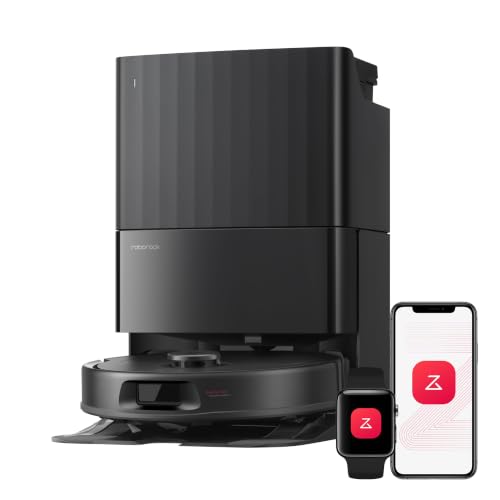
Roborock S8 Pro Ultra
Roborock pairs a twin-roller brush system with a lidar-guided robot, and its dock empties, washes and dries. The two rubber rollers are meant to pull in hair and reduce wrapping, which Roborock lists as a main feature for pet homes.
For a house with tile or hardwood in the kitchen and rugs elsewhere, the vacuum-and-mop routine means paw prints and fur can be handled in one scheduled cycle. The app supports room maps, no-go zones and cleaning order.
The trade-offs are size and upkeep: the dock takes up a real patch of floor, the water tanks need attention and the mop pads wear. Skip it if your home is mostly carpet, where the mop hardware sits unused.
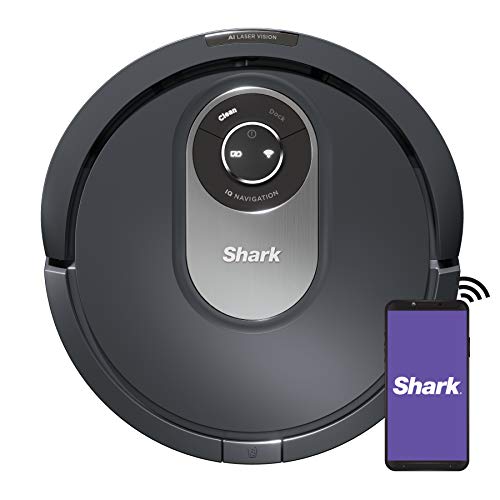
Shark AI Robot Vacuum RV2001
Shark’s RV2001 puts the focus on the brushroll. It is designed to cut down on hair wrap as it spins, so a long-haired dog or a cat that sheds all year should leave you with less to cut away from the roller.
It maps rooms, lets you choose where to clean and works with the SharkClean app. There is no emptying dock, so you take the bin to the trash yourself after runs. That is the trade for a lower entry point and a smaller body that can slip under low furniture.
It suits owners who want a capable hair-focused robot without the bulk of a station. Skip it if emptying the bin daily would drive you mad, or if your pet sheds heavily enough to fill the bin every run.
eufy Clean X10 Pro Omni T2351
The X10 Pro Omni combines a robot vacuum with a roller mop and a station that empties the bin, washes the mop and dries it with warm air. In a house where dogs track in mud and shed fur, one cycle can take care of both.
The maker says the mop lifts when the robot moves onto carpet, which helps if you have a mix of hard floor and area rugs. The app offers maps, scheduling and zone control.
It is a big unit and needs space for the station and the water tanks. If your pets mostly live on carpet and you do not mop, a simpler self-emptying model is a better use of the same money.
iRobot Roomba 694
The Roomba 694 is the plain, dependable member of the family. It cleans in a pattern, has an edge-sweeping brush for baseboards and connects to the iRobot app for scheduling. It has no dock and no mapping features.
For a small flat with one short-haired cat, that is enough. You will empty the little bin often and clean the brushes by hand, but you also avoid the cost and size of a station.
It is a poor match for a long-haired dog in a large house. Skip it if you need targeted room cleaning or a bin that lasts more than a run or two.
Best for Cat Owners
The Roomba 694 works for a single short-haired cat in a small space, while the Roomba j7+ is the better pick if litter scatter and the odd accident are what worry you. The camera-based avoidance and the sealed bag are the reasons.
Best for Big Dogs and Heavy Shedding
The Roborock S8 Pro Ultra and its twin rollers are made for homes where a large dog sheds across several rooms. The dock also means you rarely touch the dustbin between runs.
Best for Mixed Hardwood and Carpet
The eufy X10 Pro Omni is the model to look at if you switch between hardwood and rugs in a single pass. Its mop adjustment for carpet is built for that transition, though thick rug fringes may still need clearing first.
Best for Low Furniture
The Shark RV2001 has a compact body for getting under sofas and beds, where pet hair gathers in drifts. Check your furniture clearance against the listed height before ordering.
How to Choose a Robot Vacuum for Pet Hair
Begin with the brush, since that is where hair causes trouble. Rubber rollers and brushes made to shed hair are easier to maintain than bristle brushes. Even so, expect to cut hair from the roller occasionally.
Dog hair, cat hair and the bin
Fine cat fur packs tightly, while dog hair comes in volume. A larger bin or a self-emptying dock cuts the daily chore. If you have two dogs, a dock is nearly essential.
Carpet, high-pile rugs and thresholds
Robots handle low-pile and medium carpet best. For high-pile, shag or berber, check whether the maker lists climbing height and carpet detection, and be ready to move fringe out of the path. A transition from hardwood to carpet is usually fine, but a tall threshold may stop a small robot.
Corners, edges and furniture
Round robots miss tight corners. Look for an edge brush and use the app to map furniture. Under-furniture clearance matters too, as pet hair gathers in those gaps.
Allergies and filtration
Makers list filters and sealed bins, but we cannot make health claims. If allergies are a concern, ask your doctor and follow the maker’s guidance on filters and bag changes.
Noise, schedules and daily habits
A robot that runs while you are out of the house is one your pets will not chase. Cats in particular may take a few days to accept a moving machine, so run it briefly at first, with the doors open and the food bowls out of its path. Most apps let you set a quiet schedule, and a mid-morning run tends to suit homes where the animals nap.
Where the dust goes
Think about how you will handle what the robot collects. A bagged dock keeps fur sealed and out of your hands, a bagless dock saves on supplies, and a plain bin means carrying it to the trash yourself. None is wrong, but the dirtiest job in the cycle is emptying, so pick the method you will actually keep doing.
Finally, avoid common mistakes: skipping the roller cleaning, ignoring the dock footprint and expecting a robot to replace deep cleaning. A robot handles daily upkeep, not a weekend of heavy work.
Installation, Safety and Legal Notes
Follow the maker’s instructions for setup and charging. Place the dock on a flat surface near an outlet and clear of stairs. Pick up charging cables, pet toys and loose items before each run so the robot does not drag them.
Do not run a robot where an unattended pet could get tangled, and block off any area with fragile items. If a dock needs a new outlet or any wiring, call a licensed electrician. Robots with cameras record your home, so check your local rules and the privacy options in the app, especially in shared or rented buildings.
Care and Troubleshooting
| Problem | Likely cause | What to do |
|---|---|---|
| Brush stops or slows | Hair wrapped around the roller | Remove the roller and cut away the hair |
| Robot leaves fur behind | Full bin or clogged filter | Empty the bin and rinse or replace the filter |
| Cannot return to dock | Blocked path or dirty contacts | Clear clutter and wipe the contacts |
With pets, check the roller weekly and the filter monthly. A neglected brush works against the whole point of the purchase.
A few habits keep a pet-hair robot working well. Brush the animals regularly so less fur reaches the floor, run the robot daily rather than weekly so the bin never overloads, and check the roller after every few runs. Replace filters and side brushes on the maker’s schedule, because worn parts leave hair behind.
Brushes, Rollers and Suction: How Hair Gets Picked Up
Pet hair is a different problem from dust. It is long, static-prone and happy to wrap around anything that spins. Robot vacuums attack it with three parts working together. Agitators loosen hair from the floor or carpet fibers, suction carries it toward the bin, and side brushes sweep it in from edges. Design choices in each part decide how well a robot copes with fur.
Rubber rollers and flexible fins tend to resist tangling better than stiff bristle brushes, because hair has less to grip. Bristles can dig deeper into carpet, though, so many robots pair a central roller with a bristled side brush. Single-brush layouts are simpler to clean. Dual-roller layouts feed hair into the middle and often give a wider pickup path, but have more parts to inspect. Whichever you choose, expect to trim hair from the roller ends every so often, as even a good design is not immune.
The Lifecycle of a Hair Pile: Bin, Bag and Dock
Think about where the hair goes after pickup. A small onboard bin fills quickly in a home with heavy shedding, and a robot that stops mid-run because the bin is full cleans less than you planned. Self-emptying docks move debris into a larger bag or bin, which reduces how often you handle it. This is one reason pet owners often favor docked models, such as the Roomba j7+ and the stations that come with the Roborock and eufy models in this guide.
Docks bring trade-offs. They take floor space, need power and add replacement bags or bins to the running cost. Bagged systems trap dust when you remove the bag, which can help people sensitive to allergens. Bagless designs avoid the ongoing cost of bags but ask you to empty a larger container. A robot without a dock, like the Roomba 694, keeps the price and footprint down in exchange for emptying the small bin yourself.
Preparing a Pet Home for a Robot
A little preparation prevents most problems and makes any robot more effective.
- Pick up cables, chewed toys, socks and loose cords, which are the usual causes of tangles and stuck wheels.
- Keep pet bowls, beds and water dishes in a consistent place and set no-go zones in the app if the model supports them.
- Brush your pet regularly. Less loose fur on the animal means less on the floor and a longer interval between bin emptying.
- Check for pet accidents before a scheduled run, particularly with young animals or older pets. A robot that rolls through a mess will spread it, and cleaning it up is harder than avoiding it.
Scheduling around your pet’s routine also helps. Some animals are afraid of the sound or movement of a robot. Introduce it gradually, let your pet sniff it while it is switched off, and run it first when you are home. Most pets adapt over time, but individual reactions vary.
Budget Versus Premium: Where the Money Goes
Price differences in this category come from four areas. Navigation and mapping separate robots that clean in neat lines and remember rooms from those that bump around. Obstacle detection, whether with cameras or sensors, improves how a robot treats cords and small items. Docks, with emptying and washing, add convenience. Finally, suction and brush design affect how well fur lifts out of carpet.
If your floors are mostly hard and your pet sheds lightly, a simpler robot may do the job well. If you have thick carpet, long-haired animals or several pets, spending more on a docked model with a strong roller design is likely to save effort over time. Whichever tier you consider, look at replacement parts. Filters, brushes and side brushes wear out, and their price and availability from the maker count toward the true cost.
Noise, Privacy and App Considerations
Robots with higher suction are louder, which matters for pets that startle easily and for homes with work-from-home calls. Look for quiet or eco modes and a scheduling feature that lets you run the robot while you are out. If the robot has a camera, read how the maker handles images and what permissions the app requests, and decide whether you are comfortable with that in rooms where you spend time. Many models offer local-only options or let you disable features, so check the settings before you finish setup.
Common Mistakes Pet Owners Make
The most common error is expecting a robot to replace all manual cleaning. It handles daily upkeep, but corners, stairs, upholstery and deep carpet still need a full-size vacuum from time to time. Another mistake is ignoring maintenance. A roller wrapped in hair loses pickup, strains the motor and may leave odors, so build a weekly check into your routine.
Owners also buy for suction numbers alone, though brush design, bin size and obstacle handling matter as much for fur. Finally, some forget to protect the robot from hazards. Cords, pet accident areas and thick fringe on rugs cause stuck runs. A bit of tidying and a few no-go zones go a long way toward making the machine reliable.
Living With a Pet-Hair Robot, Week by Week
The first week with any robot in a pet home is an adjustment period, not a verdict. Floors that have not been vacuumed daily for a while hold more hair than one pass can lift, especially along baseboards, under sofas and in the corners where pets actually sleep. Expect the bin or the dock to fill faster at first, expect to find hair in places you did not know it collected, and expect the robot to seem busier than you planned. That early fullness is not a failure of the machine. It is the backlog leaving the house. After several regular runs the amount collected on each pass usually settles into a steadier pattern, and that steadier pattern is the right basis for judging whether the model you chose fits your animals.
Shedding also changes across the year, and a routine that feels generous in a quiet month can feel thin when coats change with the seasons. Rather than buying for the worst week and resenting the machine for the rest of the year, plan a flexible schedule. Run the high-traffic rooms more often, let quieter rooms wait a little longer, and add extra passes around feeding areas, litter areas and favourite sleeping spots when shedding peaks. The Roomba j7+, the Roborock S8 Pro Ultra, the Shark AI Robot Vacuum RV2001, the eufy Clean X10 Pro Omni and the Roomba 694 can all work inside that kind of routine, but they ask different amounts of you to keep it going. The docked models ask for bag and tank attention on a slower cycle. The undocked models ask for a quick bin empty far more often. Choose according to which chore you would rather do.
Making peace with a robot in a pet’s territory
Pets do not read schedules. A dog will choose the freshly cleaned rug for a nap, a cat will watch the robot from the exact doorway it needs to use, and both will leave toys, bowls and bedding in its path. A little cooperation from the household makes the machine look much smarter than it is. Lift loose toys before a scheduled run, keep bowls in a consistent place you can mark or tidy around, and give the robot a clear run at the rooms that collect the most hair. If your pet is unsettled by the noise or movement, start with short supervised runs in one room, let the animal leave freely, and build up from there. Forcing closeness rarely helps, and a pet that can retreat will usually accept the machine as furniture that happens to move.
How the Five Picks Compare on the Jobs That Matter
Comparing these five models by their headline features alone misses the real differences, which show up in daily chores. The Roomba j7+ is centred on obstacle avoidance and a bagged Clean Base, so its strength is confidence: you can schedule it in a home where a puppy or an older pet might leave a surprise, and you empty a sealed bag rather than shaking out a bin. The Roborock S8 Pro Ultra is centred on thoroughness across mixed floors, pairing twin rubber rollers with a dock that empties, washes and dries, so its strength is covering a larger, varied home with less day-to-day handling. The eufy Clean X10 Pro Omni leans in a similar direction, combining vacuuming with a roller mop and a station that empties, washes and dries, which suits homes where tracked-in dirt arrives together with the hair.
At the other end of the range, the Shark RV2001 puts its effort into the brushroll itself and skips the dock, so its strength is hair handling without the footprint or upkeep of a station, at the cost of emptying the bin yourself. The Roomba 694 is simpler still, with no dock and no mapping, and its strength is plain daily upkeep in a small space with light shedding. None of those trade-offs is a flaw in isolation. A dock you do not need is wasted floor space and wasted upkeep, while a simple robot in a heavy-shedding house becomes a chore you resent. Read the list as a ladder of involvement: the more the station does for you, the more the station itself needs from you in bags, tanks, pads and cleaning.
Choosing between mopping stations and vacuum-only simplicity
The S8 Pro Ultra and the X10 Pro Omni both promise to handle paw prints as well as hair, and that matters in homes where pets come in from a yard or a wet pavement. Mopping, though, only earns its place if your floors are mostly hard and your rugs are limited or easy to work around. In a mostly carpeted home the mop hardware, water tanks and pad washing become overhead you carry for a benefit you rarely use. In that case a vacuum-focused pick such as the j7+ with its dock, or the RV2001 without one, directs the whole purchase at the problem you actually have. Conversely, if you already mop hard floors by hand every week, a washing station can genuinely return time, provided you accept rinsing tanks and replacing pads as part of the routine.
Room by Room: Where Hair Actually Collects
Kitchens collect a different mix from bedrooms. Around food bowls you get hair plus crumbs and scattered kibble, which is heavier and more abrasive in a brush than hair alone. A mat under the bowls, shaken outside regularly, reduces what the robot has to swallow, and a scheduled kitchen pass after feeding keeps the scatter from being tracked through the house. Bedrooms collect hair in fabric: bedding, laundry piles and the floor beside the bed where pets wait. Keep laundry off the floor before a run, and let the robot work while bedding is being washed so the room is as clear as it ever gets. Living rooms collect hair where people and animals sit together, so the important ground is around sofas, under coffee tables and along the routes between doors. Moving a light side table for a weekly deeper pass does more than raising suction ever will.
Hallways and entryways are the distribution system for the whole house. Hair and grit arrive there first and get carried everywhere else on feet and paws, so a frequent short pass in the hall often improves every other room. Litter areas deserve their own thinking. Loose litter on a hard floor is usually within a robot’s ability, but the area right around the box is better served by a mat and by emptying the bin more often, because tracked litter fills space that hair would otherwise use. Bathrooms are usually best left to a quick manual clean, since damp floors, bath mats and cables make them awkward territory for a robot that is designed for dry, open ground.
Thresholds, rug edges and the places robots miss
No robot on this list cleans the last few millimetres against a wall as well as a crevice tool does, and none of them cleans stairs, sofas or pet beds. Plan on a short manual session for edges, upholstery and the pet’s own furniture, and treat the robot as the machine that keeps the open floor from ever getting bad. That division of labour is not a disappointment to hide; it is how these products are meant to be used. Homes that accept it tend to be happy with a mid-range pick, while homes that expect total coverage from one device tend to keep upgrading and still feel let down.
Maintenance That Keeps Hair Pickup Strong
Hair attacks a robot in predictable places. It wraps on rollers, packs around side brushes, mats over filters and winds around wheel axles, and each of those quietly reduces cleaning long before anything breaks. A simple rhythm prevents most of it. Empty or check the bin and dock on the maker’s cycle, pull hair from the rollers when you can see it building rather than when the robot complains, and turn the machine over periodically to check wheels and casters spin freely. Rubber rollers, as used on the j7+ and in twin form on the S8 Pro Ultra, generally release hair more easily than older bristle designs, but easier does not mean never, and long hair in particular will still collect at the ends of a roller where it meets the housing.
Filters and dock bags deserve the same calm attention. A clogged filter makes the motor work harder for less pickup, and an overfull bag or bin does the same, so replacing or cleaning them on schedule is performance care, not fussiness. Filtration is best understood at a simple level here: a well-maintained filter and a sealed emptying path mean the dust you collected is more likely to stay collected when you empty the machine, which is a housekeeping benefit worth having in a home full of hair. Keep spare bags, filters and pads for whichever model you own in the same cupboard as the dock supplies, because a robot paused for a week waiting for a part quickly turns back into a floor you are cleaning yourself.
Dock care for the washing stations
Owners of the S8 Pro Ultra and the X10 Pro Omni have extra, straightforward jobs: rinse water tanks rather than leaving dirty water standing, let mop pads dry properly between uses, and wipe the dock area where hair and damp dust gather together. That combination of hair and moisture is the one place a pet robot can start to smell, and it is prevented by drying and rinsing rather than by any special product. Follow the maker’s guidance for cleaning solutions, if any are approved at all, and keep the dock on a hard, level surface where a small spill is easy to spot.
Battery, Charging and Dock Placement in Plain Terms
Place any dock against a wall on a hard floor, with clear space around it so the robot can find its way home, and away from direct heat and from water sources. Use only the charger and battery arrangement the maker supplies for that model, keep charging contacts clean and dry, and do not run a robot with a damaged cord or a dock that has taken a hard knock without checking it first. If a machine will sit unused for a long stretch, follow the maker’s storage guidance rather than leaving it in a hot garage or a damp room. These are general habits for rechargeable household appliances, and they protect both the battery’s working life and the reliability of the return-to-dock behaviour you depend on for scheduled cleaning.
Finally, judge the purchase over a season, not a weekend. A pet-hair robot earns its money by preventing the slow build-up that makes a home feel furry despite regular effort, and that benefit is invisible on day one and obvious by month two. Pick the model whose chores you will still be doing happily in month six — bags and tanks for the station models, frequent bin emptying for the RV2001 and the Roomba 694, roller checks for all of them — and the choice will look after itself.
A Deeper Look at Hair Pickup: Rollers, Side Brushes and Edges
It helps to picture the path hair takes through a robot, because each stage can fail in its own way and each failure looks different on the floor. The side brush arrives first, sweeping loose hair and litter from edges and corners into the path of the main roller. If the side brush is splayed, matted with hair or missing strands, edges stay furry even when the middle of the room looks clean. The main roller then has to lift hair that may be lying flat, woven into rug fibres or clinging with static to a hard floor. Rubber rollers grip and pull, and their smooth surface lets hair travel toward the bin rather than winding tightly, which is why the j7+ and the twin-roller S8 Pro Ultra are built that way. A brushroll designed to shed hair, as on the Shark RV2001, approaches the same stage differently, working to keep hair moving instead of accumulating. Finally the airflow has to carry what the roller loosened into the bin or the dock, and that stage depends on a filter and a bin that are not already full. When a room looks half cleaned, work backwards along that path before blaming the whole machine: edges point to the side brush, stripes in the middle point to the roller, and a general loss of pickup across the whole room points to airflow.
Static deserves a mention in heated or air-conditioned homes, where dry air lets fine hair cling to hard floors and to the robot itself. A single pass may leave a surprising amount behind, not because suction is weak but because the hair is holding on. A second pass, a slightly slower routine, or running the robot when the home is less dry will often collect what the first pass loosened. This is also why judging a pet robot on one demonstration run is misleading. The second and third scheduled runs, on hair that has already been disturbed, usually look much better than the first, and the steady state after a week is the performance you actually bought.
Rug fibres add one more complication, because hair does not sit on a rug the way it sits on a board. It works downward, especially where pets lie, and a robot’s roller has less agitation to offer than a full-size upright head. Expect a robot to keep a rug looking clean at the surface while a periodic upright clean still removes the deeper load, and plan that pairing from the start in homes with thick rugs and heavy shedding. On low-pile rugs and runners the robot comes much closer to doing the whole job, which is why the same model can delight one pet home and disappoint another with different rugs.
Schedules That Survive Real Households
A schedule only works if the house is ready when it fires, so design schedules around readiness rather than around the clock. The best time for a pet home is usually just after the morning routine, when bowls are washed, animals have been outside, toys from the night can be lifted in one pass, and the floors are as clear as they will be all day. A second, shorter run in the rooms where animals spend the evening can be more useful than one long whole-home run, because it collects the day’s hair before it is walked into bedrooms. The mapping models in this list make that kind of split routine easy, while the Roomba 694, without mapping, is better used for a simple whole-area run in a smaller space where splitting rooms matters less.
Weekends deserve a different pattern from weekdays. A longer, supervised run at the weekend lets you move the light furniture, open the doors that stay shut during the week, and notice the places the weekday routine misses. That is also the natural moment for the small maintenance jobs: shaking mats, checking rollers, wiping sensors and dealing with the dock. Building those jobs into the weekend run, rather than treating them as separate chores to remember, is what keeps a pet robot reliable for years instead of months.
Visitors, holidays and new pets all disturb a routine, and it is sensible to simplify rather than abandon it. When the house is full, run the robot in the rooms that are empty, at hours when nobody is sleeping in the next room, and accept a lighter week. When a new animal arrives, go back to supervised short runs until you know how it reacts and where it sleeps and eats, then rebuild the zones around the new reality. A routine that bends is worth far more than a perfect routine that collapses at the first change and is never restarted.
Reading the Signs That a Pick Does Not Fit
Finally, learn the difference between a robot that needs maintenance and a robot that is wrong for the home, because the remedies are opposites. A robot that cleans well after its rollers and filter are attended to, then fades over a fortnight, is a maintenance rhythm problem and a perfectly good purchase. A robot whose bin fills before it finishes the main rooms, every run, however clean its brushes are, is undersized for the shedding load, and the fix is a docked model such as the j7+, the S8 Pro Ultra or the X10 Pro Omni rather than more effort. A robot that repeatedly fails in one cluttered room is telling you about the room. A robot that is constantly rescued from pet toys and bowls is asking for zones or a tidier floor, not for replacement.
The opposite signs are just as informative. If you find yourself emptying an undocked model without thinking about it, the simplicity of the RV2001 or the Roomba 694 is genuinely suiting you, and a large station would be furniture you do not need. If you mop hard floors by hand and enjoy doing it, the washing stations are solving a problem you do not have. The best outcome of reading a guide like this one is not a ranking but a fit, and fit shows itself in a home that stays ahead of the hair with a routine nobody in the house has to think about.
Frequently Asked Questions
Can a robot vacuum replace a regular vacuum in a pet home?
For daily upkeep, often yes. For deep carpet cleaning or stairs, you will still want a full-size vacuum.
Which is better for long dog hair, rubber rollers or bristles?
Rubber designs are generally easier to clear, though you will still trim hair from them.
Will a robot cope with a pet accident?
Some models use cameras to avoid obstacles, but no robot is perfect. Pick up known mess spots and use no-go zones.
Do I need a self-emptying dock for two dogs?
It makes life far easier, since small bins fill quickly with heavy shedding.
Will it work on berber or shag?
Results vary. Check the maker’s carpet guidance and be ready to try it on a small area first.
How often should I run it?
Many pet owners run a robot daily. Adjust to the amount of fur you see.
Does pet hair damage the motor or battery?
Hair wraps around rollers and bearings if left alone, which can strain the motor. Cleaning the brush on the maker’s schedule is the best protection. Battery care should follow the manual.
Should I choose a mopping model if my pets go outside?
If muddy paws cross hard floors, a mop-capable station saves a second chore. If you have mostly carpet, a vacuum-only model is simpler.
How often should I replace the brush and filter on a pet-hair robot?
Follow the maker’s schedule, which is usually given in months of normal use. Homes with heavy shedding tend to wear parts faster. Inspect the roller and filter regularly, and replace them sooner if they look worn, matted or no longer pick up well.
Will my dog or cat be scared of a robot vacuum?
Reactions vary. Some pets ignore it, while others are curious or wary. Let your pet sniff it while it is off, then run it briefly while you are home. Quiet modes can help. If your pet remains stressed, schedule runs for when it is out of the room.
Can a robot vacuum pick up cat litter tracked from the box?
Often it can pick up loose litter on hard floors, but clumping litter can be heavy and get stuck in brushes. Check the maker’s guidance. A mat outside the box reduces how much gets tracked, and you should empty the bin more often.
Do robot vacuums get stuck on pet hair in the wheels?
Hair can wrap around wheels and axles over time, which strains the drive. Turn the robot over every few weeks, remove tangles with scissors or a small tool and check that wheels spin freely. Doing so protects the motor and keeps navigation steady.
Bottom Line
For a pet household, the right robot depends on how much hair it must handle and how little emptying you can tolerate. The Roomba j7+ stands out for obstacle avoidance, the Roborock S8 Pro Ultra and eufy X10 Pro Omni add mopping stations, the Shark RV2001 offers a hair-focused brushroll, and the Roomba 694 keeps things simple. Choose by your floors and your tolerance for upkeep.