Disclosure: As an Amazon Associate, reviewstook.com earns from qualifying purchases. Links to Amazon on this page are affiliate links; they cost you nothing extra. Listing details such as price and availability change often, so check the current Amazon listing before you buy.
Hard floors show every crumb, but they are also the easiest surface for a robot to work on. Without deep fibres to fight, a good machine glides across the whole floor, collects dust from the open space and, with the right design, wipes the surface afterwards. The best robot vacuums for hardwood floors still differ a lot, though, in brush type, mop quality, edge reach and how gently they treat a finish.
This guide is for people with wood, laminate, tile, vinyl or sealed stone who want an automatic floor vacuum that keeps things tidy without scratching. We look at five models from Narwal, Ecovacs, Dreame, eufy and Roborock, covering both mopping stations and a simple vacuum-only machine. We also explain which features matter on bare floors, so you can pick for your own home.
Quick Comparison
| Product | Best for | Main point | Link |
|---|---|---|---|
| Narwal Freo X Ultra | Frequent mopping on tile and wood | Self-washing, self-drying dock | Check on Amazon |
| Ecovacs Deebot X2 Omni | Corners and edges | Squared-off front and all-in-one station | Check on Amazon |
| Dreame L10s Ultra | Mapped, multi-room hard floors | Lidar navigation with a washing dock |  Check on Amazon |
| eufy RoboVac 11S Max | Plain, quiet daily dusting | Slim body, vacuum only | Check on Amazon |
| Roborock Q5 Pro | Vacuum plus light mopping in one robot | Mop plate with a lidar-guided body | Check on Amazon |
In this guide
How These Options Were Chosen
We chose these models from manufacturer listings and published specifications. We have not used these products ourselves, so treat our comments as a reading of what the makers state. We looked for designs that suit bare floors: soft or rubber brush options, mopping that cleans itself, a clear way to keep the robot out of areas you do not want it to cross, and a mix of stations and simple machines for different homes.
Because hard floors are so varied, we also kept the group spread across different levels of effort: one machine that mops and washes itself, one with a shaped body for corners, one mapped robot, one plain vacuum and one middle option. That way, whichever way your home leans, at least one entry will fit your routine, and you can see what each step up in convenience adds.
The Best Robot Vacuums for Hardwood Floors and Tile
Narwal Freo X Ultra
The Freo X Ultra is a mopping-first robot. Its dock washes the mop pads, dries them and empties the dustbin, so the machine can keep tackling a long stretch of tile or wood without you stepping in. The pads spin against the floor rather than dragging a flat cloth.
That approach suits kitchens and entry halls, where sticky spills and footprints show. The app lets you build a map, set no-go areas and decide which rooms get mopped and which only get vacuumed.
The trade-off is the amount of floor and counter space the dock claims. It also needs tanks to be refilled and drained, as the manual explains. Skip it if your floors are mostly carpet or if you only want a dust-only sweep.
Ecovacs Deebot X2 Omni
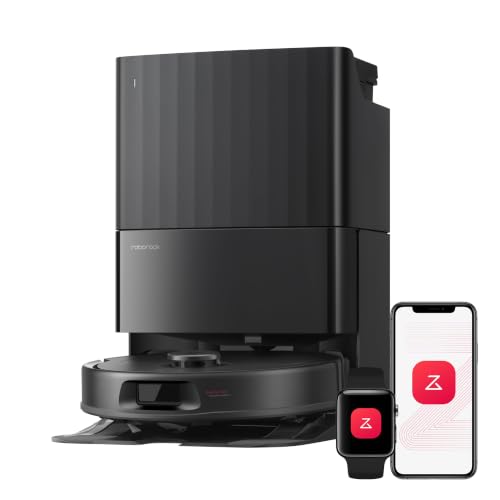
Round robots leave small crescents of dirt in square corners. The Deebot X2 Omni takes a different shape, with a squared-off front, which is intended to reach farther into corners and along baseboards on hardwood and tile.
Its Omni station empties the bin, washes the mop and dries it, and the Ecovacs Home app supports mapping, zones and voice control. This is a fine match for an open-plan hard-floor space where corners and edges collect most of the dust.
It is a premium machine with a large station, so be sure you have a good spot for it. If your home has plush carpet in most rooms, you will not use the mop features.
Dreame L10s Ultra
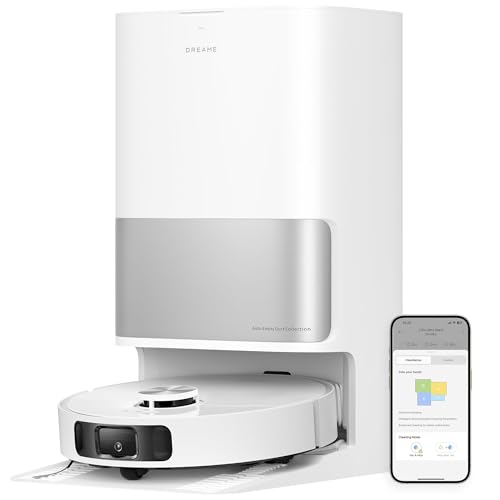
The L10s Ultra uses lidar to map a home accurately, which is useful on hard floors because it can drive in clean, parallel lines and avoid the zigzags that leave streaks of missed dust. Its dock empties the bin, washes the mops and dries them.
It handles a house with several hard-floor rooms well, and the app lets you set the order, the suction and the water level per room. That control matters if you have delicate hardwood in one room and sealed tile in another.
The cautions are standard for stations: the dock is bulky, the pads need replacing over time and thresholds can stop the robot. If you only need light dusting, a simpler robot costs less to run.
eufy RoboVac 11S Max
Not every hard-floor home needs a mopping station. The RoboVac 11S Max is a slim, vacuum-only robot that has long been a popular choice for bare floors and low-pile rugs. Its low profile helps it slide under beds and couches.
It has no map and no dock, so it wanders in a pattern, and you empty the bin yourself. For a flat with wood or laminate flooring and no wish to manage an app, that simplicity can be a plus. Check the listing for what controls are included.
Skip it if you want room-by-room control, mopping or a robot that stays out of designated spaces. Its main appeal is that it is easy to understand: place it down, press the button and let it work, then check the bin and brush as the manual describes.
Roborock Q5 Pro
The Q5 Pro sits between the plain robot and the full station. It vacuums and carries a mop plate, so you can dust the floor and then give it a light damp wipe in the same run, without a washing dock.
It navigates with a lidar-guided system and a map in the Roborock app, which lets you separate kitchen from living room. For a smaller home with tile or sealed wood, it is a sensible middle step.
Because there is no self-washing dock, you will rinse the pad and refill the tank by hand. Skip it if you want a fully hands-off mop cycle.
Best for Wood Floors With a Delicate Finish
The Dreame L10s Ultra and its per-room settings let you lower the water on wood and raise it on tile. Always check your flooring maker’s guidance on moisture before you mop, since wood finishes vary.
Best for Tile and Grout Lines
The Narwal Freo X Ultra and its spinning pads suit tile kitchens, where sticky spots appear. Deep grout lines may still need a manual scrub.
Best for Open Plans With Many Corners
The Ecovacs Deebot X2 Omni is the one to look at for square rooms and long baseboards, because of its flat-fronted shape.
Best for Simple Daily Dusting
The eufy RoboVac 11S Max keeps things simple. It is a sweep-and-go choice for a small place with wood or laminate floors.
How to Choose a Robot Vacuum for Hard Floors
Think about what the floor needs. If the main problem is dust, hair and crumbs, a vacuum-only robot works. If you want to remove footprints, sticky drips and general film, add mopping, and decide whether you want a washing dock.
Floor types and finishes
Hardwood, laminate, vinyl plank and tile each react differently to moisture. Read your flooring maker’s care advice before using a wet mop, and use a dry-only or low-water setting where it is recommended. Sealed tile is the most forgiving.
Brush and wheel design
On bare floors, soft rubber brushes and smooth wheels protect the surface. Look for a design that does not drag debris across the floor, and wipe the wheels and brushes regularly, since a trapped pebble can leave a mark.
Edges, corners and thresholds
Dust collects along baseboards. Check for an edge brush or a squared shape, and see whether the maker lists a climb height for thresholds between rooms. Virtual boundaries and mapped zones help keep the robot from entering rooms you want to avoid.
Mapping and tips for a full floor
A mapped robot can clean the entire floor in neat lines and return to the dock on its own. Clear cables, rug fringe and small objects first, and run the robot while you are out so doors and pets do not interrupt.
Suction, mopping and what bare floors really need
On a smooth surface, high suction numbers matter less than people think. Dust and crumbs sit on top, so a steady pass with a well-sealed brush chamber does most of the work. Makers publish suction figures in different ways, so compare features such as brush design and mop type rather than chasing one headline number.
Noise and timing
Hard floors reflect sound, so a robot can seem louder than it would on carpet. Many apps offer a quiet mode and scheduling, which is handy if you work from home. Plan the mop run for when nobody needs to cross the wet floor.
Rugs on hard floors
Most hard-floor homes still have a few rugs. Look for carpet detection, which lifts or pauses the mop, and secure loose rug edges with a grip pad so the robot does not push them around.
Common mistakes include using a mopping robot on unsealed wood, ignoring the dock footprint and forgetting to dry the pads, which can lead to odours.
Installation, Safety and Legal Notes
Set up the dock according to the maker’s manual and keep it away from stairs, where the robot could fall. Use only the chargers and batteries the maker approves, and do not leave a charging robot in a wet area. If the dock needs a new outlet, use a licensed electrician.
Map data and camera images, where present, are stored by the app, so review the privacy settings. In rented homes, check your lease before drilling or fixing anything to a floor or wall.
Care and Troubleshooting
| Problem | Likely cause | What to do |
|---|---|---|
| Streaks after mopping | Dirty pad or too much water | Wash or replace the pad and lower the water setting |
| Scratch marks | Debris stuck in a wheel or brush | Clear the wheels and brush before the next run |
| Robot stops at a doorway | Threshold too high | Add a small ramp or block the room off |
Clean the dock tray and tanks on the maker’s schedule, and let pads dry fully between uses.
Where Robots Struggle on Bare Floors
Smooth floors are easier for a robot than carpet, but they bring their own set of problems. Knowing them helps you judge which features are worth paying for.
Debris that scatters
On hard surfaces, rice, cereal and pet food bounce and roll instead of sinking into a pile. A robot with a strong side brush can flick pieces out of reach. Models with a wide roller opening and a tight seal between the roller and the floor tend to pick up coarse debris more cleanly, though no design catches everything on every pass.
Fine dust and pet hair
Fine dust settles along baseboards and under furniture, and static clings hair to the floor. Regular runs matter more than raw suction here, since dust builds up faster than most people notice.
Slip and spin
Wet or waxed floors can cause wheel slip, which makes a robot’s map drift. Smooth wheels with decent tread help, and so do models that rely on lidar or cameras instead of wheel counting alone.
Glare and dark floors
Some sensors read very shiny or very dark flooring as a drop. This is a common cause of a robot refusing to cross a dark tile border or a black threshold. Check the maker’s guidance on cliff sensors and dark surfaces, and look at how the unit handles sudden changes in floor color.
Safe Mopping: Water, Wood and Grout
Mopping robots can be useful on sealed tile and vinyl, but they deserve more caution on wood. Standing water can damage finishes, seep through seams, and cause cupping or swelling in some flooring types. Before turning on any wet cleaning, check what the floor manufacturer recommends and test in an out-of-sight spot.
- Look for adjustable water flow. A lower setting leaves a thin film that dries fast.
- A lift feature that raises the mop pads over rugs prevents wet spots on fabric.
- Pads and cloths need washing. A dirty pad spreads grime, and a damp one left in the dock can smell.
- Use only the cleaning solution the manufacturer approves. Harsh or soapy products may leave residue, harm seals, or damage the pump.
- Waxed or oiled floors may react to some cleaners, so follow the floor maker’s care guide.
If your floors are mostly wood, a dry-only vacuum on regular runs plus an occasional hand-held damp mop is a lower risk plan than running wet cycles every day.
Everyday Habits That Make Any Robot Work Better
A robot can only clean what it can reach and run into without trouble. A little preparation each week often does more than moving up a price tier.
- Pick up loose cords, socks, toys and pet bowls before runs. Cables are the most common reason for tangles and stops.
- Raise lightweight furniture such as chair stools onto a rack or buy risers so the robot can pass beneath.
- Set no-go zones around pet feeding areas, plant stands and delicate items.
- Empty the bin often. A full bin cuts suction and can cause missed dust.
- Clean the brush and wheels. Hair wraps around axles and brush ends and slows the robot over time.
- Replace filters and brushes on the maker’s schedule, not when you remember.
If you have pets, schedule runs after the morning feeding, and consider a model that avoids pet accidents with object recognition. Even then, an accident on the floor is a good reason to check before leaving the robot to run while you are out.
Smart Features: What Helps and What Is Marketing
Many robots now list long feature sets. A few make a real difference on hard floors.
- Room-by-room cleaning lets you send the robot to a kitchen after dinner without covering the whole level.
- Scheduling means it cleans while you are out. Hard-floor homes often benefit from daily light cycles.
- No-go lines and virtual walls keep it away from cables, pet dishes and fragile pieces.
- Obstacle recognition reduces the chance of running into socks or pet waste, though accuracy varies by model and lighting.
- App updates and voice assistant support matter if you will use them, but they will not clean any better.
Think about the long term as well. Robots rely on firmware and cloud services, so check the manufacturer’s support policy, replacement part availability and how the unit behaves without an internet connection. Privacy is worth a glance too: cameras and microphones inside a home deserve a look at the data policy and the options to turn features off.
Sizing the Robot to Your Home
A small apartment may be well served by a simple robot without a dock. A larger home with stairs, multiple levels or lots of furniture gains more from mapping, a self-emptying base and a long battery. Measure the gap beneath your sofa and bed, and the height of door thresholds, and compare those to the robot’s height and climbing ability. A robot that cannot get under the furniture or over the threshold will leave hidden zones dirty regardless of how strong it is.
Hardwood Floors Ask Different Questions of a Robot Vacuum
Carpet rewards power. Hardwood rewards manners. The five machines in this guide — the Narwal Freo X Ultra, the Ecovacs Deebot X2 Omni, the Dreame L10s Ultra, the eufy RoboVac 11S Max and the Roborock Q5 Pro — work on surfaces that show every scratch, swirl and missed corner, in homes where the floor is often a design feature rather than a covering. The risks are different here: a trapped piece of grit dragged under a wheel or brush, a mop that leaves too much water sitting on boards, a robot that bumps skirting and chair legs hundreds of times a month. The virtues are different too: gentle brushes, controlled mopping, precise navigation and quiet running matter more on wood than headline suction ever will.
That is why this category splits so cleanly by philosophy. The Narwal Freo X Ultra, Deebot X2 Omni and Dreame L10s Ultra are vacuum-and-mop flagships with self-maintaining docks, built for homes where hard floors dominate and washed floors are the goal. The eufy RoboVac 11S Max and Roborock Q5 Pro are vacuum-led machines — one deliberately simple and slim, one a strong mid-range navigator — for homes where dusting the floor daily matters more than mopping it automatically. Neither philosophy is better; they answer different definitions of a clean wood floor.
Water, wood and the mopping question
Wood and standing water are poor companions, so the mopping systems in the flagship trio are built around control: pads dampened rather than soaked, pressure applied evenly, and dirty pads washed at the dock so the robot is never simply pushing grey water around. Used as directed on sealed hardwood and tile, that controlled approach is the safe, sensible version of mopping — the risk profile of a well-wrung hand mop, not a bucket. The care points are household ones: keep the dock’s clean tank filled with fresh water, cycle the dirty tank promptly, let pads dry properly between sessions so they stay fresh, and follow your floor maker’s own guidance where a finish is delicate, oiled or very old. On unsealed or damaged boards where even hand mopping is discouraged, vacuum-only running is the right mode, and every flagship here can be set to respect that.
Scratch anxiety deserves a calm word. A maintained robot — brush checked, wheels clean, no grit trapped under the body — is gentle on sealed floors, and the far more common source of floor damage is the grit itself, walked in and ground under shoes. A robot that removes grit daily is, on balance, a wood floor’s friend. The maintenance is minutes: tip the robot over weekly, check the brush and side brush, spin the wheels and caster, and clear anything wrapped or embedded before it can drag.
How the Five Picks Suit Different Hard-Floor Homes
The Narwal Freo X Ultra is the mop-led choice, designed from the wash outward, and it earns its place in homes with large, continuous areas of wood, stone or tile where the visible difference between vacuumed and freshly washed floors is the whole point. The Ecovacs Deebot X2 Omni answers with shape: its squarer front and compact dock suit homes broken into many rooms, corners and alcoves, where coverage of edges and under furniture decides whether the clean looks complete. The Dreame L10s Ultra is the polished all-rounder of the trio, balancing strong vacuuming, capable mopping and a dock that washes and dries pads, for the open-plan ground floor that is kitchen, diner and living space in one sweep of boards and tile.
The eufy RoboVac 11S Max strips the idea back to something almost refreshing: a slim, quiet, vacuum-only robot that slips under low furniture, keeps dust and crumbs from ever settling, and asks for nothing but an emptied bin. It is the pick for smaller homes, for bedrooms and studies, and for anyone who finds docks and apps more burden than blessing. The Roborock Q5 Pro occupies the thoughtful middle — modern navigation and strong, orderly vacuuming, with light mopping ability, at a commitment well below the flagship docks — and suits the household that wants a mapped, methodical daily clean and is happy to hand-mop occasionally for the deep shine.
Layouts, light and the daily run
Hard-floor homes reward a daily rhythm because there is nowhere for dust to hide: a run each morning leaves boards and tiles visibly fresher than a weekly marathon ever does. Set the schedule for when the house is empty or settled, keep chair legs and cables in a robot-friendly arrangement as the normal state of the room rather than a special preparation, and let the map mature over the first week as the robot learns the furniture. Strong low sunlight can dazzle sensors on any brand and dark boards can confuse cliff detection on some, so if a particular room misbehaves at a particular hour, shifting the schedule is usually the whole fix. Keep the dock on the floor the robot serves, with clearance to come and go, and the system settles into the background of the house.
Making the Final Choice for Wood and Tile
Decide first whether mopping is a headline or a footnote in your home. If washed floors are the dream and hard surfaces dominate, choose among the three flagships by layout: Narwal for big open areas, Ecovacs for many-cornered rooms, Dreame for the balanced open-plan all-rounder. If the honest need is daily dust, crumb and pet-hair control with an occasional hand mop by a human, the eufy and the Roborock deliver that for far less commitment, and the money saved buys years of contentment with simpler machines. Either way, the measure of success on hardwood is not a specification; it is walking barefoot across the kitchen a month after purchase and feeling nothing underfoot but clean wood. All five picks, matched to the right home, get you there.
Setting Up a Hard-Floor Robot for a Barefoot-Clean Home
The first fortnight decides whether a hard-floor robot becomes infrastructure or a novelty, and it follows a calm pattern. Place the dock — or, for the dockless pair in this guide, the charging home — on the floor the robot will serve, with clearance to leave and return, and let the first mapping run happen in good light with the rooms in their normal arrangement. Walk the map afterwards, name the rooms, and mark the known disagreements: the dark rug the sensors distrust, the threshold at the climbing limit, the glass doors that flood a room with low sun at the scheduled hour. Each fix is small and permanent, and a week of these small fixes is the true setup cost of the category.
Then set the rhythm generously. Hard floors show everything, so the schedule should assume daily vacuuming as the default and mopping — on the three flagship models — as often as your floors and your water routine happily support. Observe the first runs at floor level, literally: get down and look along the boards in raking light, which reveals the missed edge, the dusty corner and the grit line along the skirting with unforgiving clarity. Adjust zones and furniture by inches where the evidence asks for it. A robot tuned this way in week one will still be running the same successful pattern in year three, because hard-floor homes change slowly and the robot’s map, once honest, stays honest.
Furniture, feet and the physics of daily cleaning
Hard-floor cleaning is a game of access. The robot cleans the floor it can reach, so the household’s furniture choices quietly set the ceiling on results: sofas and beds with clearance invite the robot under, where dust gathers undisturbed by any other cleaning method, while floor-sitting furniture draws a border the robot polishes around. Neither is wrong, but the difference is worth knowing when you wonder why one home’s robot seems to achieve more. Chair legs are the other constant: dining sets present a forest of narrow obstacles, and the orderly navigators in this guide — the Roborock and the flagship trio — thread them methodically, while the simpler eufy treats them as a pinball problem it solves by persistence. Both arrive; one arrives more elegantly.
Protect the floor’s side of the bargain. Felt pads under furniture feet stop the scratches that actually happen in hard-floor homes, which come from chairs, not robots. Keep the robot’s own contact points clean, as covered in the care guidance, and deal promptly with the one genuine hazard: a stone or screw picked up and trapped. A weekly minute with the robot inverted is the whole insurance policy, and it is cheaper than any floor repair.
The Ownership Ledger: What Each Tier Costs You in Attention
Every tier in this guide charges for its cleaning in a different currency. The flagship dock systems — Narwal, Ecovacs, Dreame — charge in consumables and dock care: pads, bags or filters on their cycles, tanks to refresh, a washing bay to keep sweet. In exchange they ask almost nothing daily. The Roborock Q5 Pro charges in bin emptyings and the occasional hand mop, and repays with simplicity and a lower cost of entry. The eufy 11S Max charges the most frequent bin emptying of the five and repays with the least complexity of any robot here: no app to speak of, no dock to maintain, nothing to configure — a machine that treats robot vacuuming as an appliance rather than a system.
None of these ledgers is hidden, and choosing well is mostly choosing which currency your household pays most gladly. Busy households with large hard floors pay in consumables without blinking and should buy the dock. Households that value simplicity, smaller homes, second-floor and bedroom postings, and anyone buying a first robot to learn what they actually want, are often happiest starting with the vacuum-led pair. There is no shame in either direction, and considerable evidence in this guide for both; the only poor purchase is the tier whose daily demands the household will quietly stop meeting, because an unmaintained flagship and an unemptied simple robot converge on the same dusty outcome.
The two-robot household, and other happy endings
Many hard-floor homes end, happily, with a division of labour: a flagship dock system on the main floor, doing the daily vacuum-and-mop of the kitchen, halls and living space, and a simple vacuum-only robot upstairs or in the bedrooms, keeping dust from settling where feet are bare in the morning. The eufy in this guide is practically designed for that second posting. Others end with one robot and a clear-eyed acceptance of its tier. Both endings share the same beginning — a fortnight of honest setup, a schedule set generously, a minute of weekly care — and the same result that defines success in this category: floors that stay at their barefoot best, maintained by a machine the household has almost stopped noticing, which is the highest compliment any cleaning tool can earn.
A Final Walk Around the Hard-Floor Home
Before choosing, take one slow walk around your home at floor level, because the five machines in this guide will live at that height and their success will be decided there. Count the rooms and the corners between them. Notice where the grit gathers — the entrance, the kitchen’s working triangle, the path from the garden door. Look at the thresholds with a robot’s eyes, at the rug edges, at the forest of chair legs in the dining room and the dark patch of boards the afternoon sun never reaches. Check where a dock could live permanently, and where a simple robot could charge if the dockless life suits you better. This walk, honestly taken, contains the whole decision: open areas point one way, many corners another, mopping ambition a third, simplicity a fourth.
Then buy the machine your walk described, set it up with the patience the first fortnight asks, and let the daily rhythm begin. A month later, take the same walk barefoot. The difference underfoot — boards and tiles that feel freshly kept on an ordinary morning, without anyone having cleaned that day — is the entire case for this category, stated better than any review can state it. The five picks here each deliver that difference to the home they match, and matching, as this guide has argued from its first page, is a matter of floors, layout and temperament rather than of chasing the longest specification list.
Hard Floors Across the Seasons
A hard-floor home changes its demands with the calendar, and a robot’s schedule should change with it. Spring and autumn bring the grit peaks: mud at the entrances, leaves ground to fragments, the general traffic of gardens being opened and closed. That is when daily runs earn their keep most visibly and when the brush check matters most, because grit is the one passenger a floor would rather the robot never carried. Summer adds dust and open-door debris, and rewards the mopping flagships, whose washed floors feel coolest and cleanest under bare feet. Winter is the quiet season for floors that stay shut against the weather, though entranceways still collect the meltwater line and the boot-room scatter that a daily pass erases without comment.
Let the app’s schedule breathe with those rhythms rather than setting it once and forgetting it: an extra run in the muddy months, a mop cycle added when the house goes barefoot, a gentler programme when the house is full of guests and the robot would only be underfoot. The machines in this guide make such adjustments a minute’s work, and a household that treats the schedule as a living thing gets a visibly better-kept floor for exactly the same machine. It is the last refinement of robot ownership, and the easiest: the cleaning follows the year, so the year never gets ahead of the cleaning.
The Barefoot Standard, Kept
Every guide in this series ends somewhere, and this one ends at floor level, where it began: with the feeling of clean boards under bare feet on an ordinary morning. That feeling is a system, not an event — a robot matched to its floors, a schedule set generously, a minute of weekly care, a dock or charger in its settled place. The five machines here deliver it by different philosophies: the flagships by washing as well as vacuuming and maintaining themselves, the Roborock by methodical strength, the little eufy by tireless simplicity. Choose the philosophy your household will sustain, because sustained is the whole secret. A robot run daily for three years beats a superior robot run weekly for three months, every time, on every floor in this guide. Set yours running, keep its small routines, and let the barefoot standard become the background of the house — noticed only, as all the best housekeeping is, when you stay somewhere it is missing.
The guest-room standard
There is a simple external test of a hard-floor home: the unexpected guest. Not the planned visit, for which anyone can clean, but the friend at the door on a wet Thursday, shoes off in the hall, padding through to the kitchen in socks. In a robot household that moment has lost its sting, because the floors were cleaned that morning by a machine that did not know guests were coming either — it simply always cleans. That unembarrassed readiness is, in the end, what all five machines in this guide are selling beneath their specifications: not cleanliness as an achievement, renewed weekly by effort, but cleanliness as a condition, maintained daily by a system. Set the system up honestly, feed it its small routines, and the Thursday-evening test stops being a test at all.
A short note on second rooms and borrowed robots
Finally, expect the robot’s success to create its own demand. A machine that transforms the ground floor will be eyed, within the year, by the bedrooms; a neighbour who watches yours dock itself after the school run will ask the make’s name; a parent visiting for a week may go home quietly converted. This is how the category spreads — not by advertising, but by the evidence of other people’s floors. When it happens in your house, the second purchase is easier than the first, because the household already knows its own answers: which tier it sustains gladly, which routine it actually keeps, which corners of the map matter. Buy the second machine with that self-knowledge, and it will fit the house like the first one learned to.
Frequently Asked Questions
Can a robot vacuum scratch hardwood?
A clean robot with soft brushes is unlikely to, but trapped grit can. Keep wheels and brushes clean.
Is a mopping robot safe for all wood floors?
Not always. Check the flooring maker’s guidance on water, and use dry or low-water settings if in doubt.
Do I need mapping on a small flat?
Not strictly, but it helps with keep-out zones and efficient lines.
What about luxury vinyl and laminate?
They are generally easy for robots, though laminate edges can be sensitive to moisture, so keep mopping light.
How often should I run it?
Daily or every other day keeps dust from building up on bare floors.
Does tile need special settings?
Sealed tile tolerates more water. Grout lines may still need hand scrubbing now and then.
What should I clear from the floor before a run?
Remove cables, socks and anything small enough to jam a brush. A quick sweep of the floor takes a minute and avoids most stuck-robot alerts.
Do squared-off robots really reach corners better?
A flat front can get closer to a right angle than a round body, though a side brush still does much of the work. Expect improvement rather than perfection.
Will a robot cope with a whole level of the house?
Mapped robots can plan a route across a full floor and resume after charging. Smaller models without maps may need to be moved from room to room, so think about the size of your space.
Will a robot vacuum leave streaks on hardwood or tile?
A dry vacuum does not, but a mopping model can leave streaks if the pad is dirty, the water flow is too high or the wrong cleaner is used. Wash pads after each run, use only approved solution and check the floor for residue.
Why does my robot vacuum avoid dark floors or rugs?
Cliff sensors can read very dark or black surfaces as a drop and stop the robot at the edge. Check the maker’s guidance for adjusting or covering the area, and avoid blocking sensors with tape unless the manual allows it.
Do robot vacuums work in homes with pets?
Yes, they are helpful for hair, but expect to clean brushes often. Look for a tangle-resistant brush, a bin that is easy to empty and, if accidents are a risk, obstacle detection. Even so, check the floor before each run.
How long does a robot vacuum battery last?
Run time varies by model and cleaning mode, and lithium batteries lose capacity over years. Hard floors are easier on the battery than carpet. Check whether the unit can resume cleaning after charging, and whether the battery can be replaced.
Bottom Line
For hard floors, the choice comes down to how much you want the robot to mop. The Narwal Freo X Ultra, Ecovacs Deebot X2 Omni and Dreame L10s Ultra give you wash-and-dry stations, the Roborock Q5 Pro offers a lighter middle option and the eufy RoboVac 11S Max keeps dusting simple. Pick the one that matches your floors and your patience for upkeep.