reviewstook.com is reader-supported. When you buy through links on our site, we may earn an affiliate commission.
Where to Buy a Camera a Ten-Year-Old Will Actually Use
The best cameras for boys age 10 are chosen by a brutal selection process no laboratory can replicate: a ten-year-old’s actual life. The best cameras for boys age 10 survive being dropped on playground concrete, soaked at the beach, buried under sports kit and operated with hands sticky from lunch — and they reward their owner with footage of bike jumps, photographs of the dog mid-leap and a school project that looks suspiciously professional. A camera that needs careful handling will not be handled carefully; it will be left at home, which is the only true failure mode this guide exists to prevent.
Three picks below link to rugged, real cameras in our verified pool — an action camera, a waterproof compact and a budget action model — while three child-designed favourites outside the pool are covered prose-only. The audience for this guide is mostly gift-buyers: parents, grandparents, aunts and uncles choosing for a boy whose interests may span skateboarding, nature, gaming-adjacent video making and the universal ten-year-old desire to film something going down a ramp. We rank by survival first, fun second and image quality third, because at age ten that is the order in which cameras succeed or fail — while noting where each pick leads if the hobby catches fire.
Safety and privacy get their own honest treatment below. Cameras for children sit differently from cameras for adults: some of these picks connect to apps and Wi-Fi, some deliberately do not, and the right choice depends on your family’s rules. We flag connectivity plainly in every review rather than burying it, because a camera gift should never smuggle in a decision the parents have not made.
Key Takeaways
- Durability is the first specification at age ten: waterproof and drop-proof beat delicate and excellent.
- Action cameras suit boys who film movement; instant cameras suit boys who love showing people the picture immediately.
- Child-designed cameras trade image quality for safety — no internet, simple menus, bodies built for small hands.
- Check connectivity before gifting: Wi-Fi and app features should match the family’s screen rules, not surprise them.
- Every pick here works without a phone, so the hobby does not depend on borrowing a parent’s device.
- Budget for the memory card and the case; at this age the accessories decide whether the camera survives September.
In this guide
Quick Picks
| Pick | Badge | Why it fits a ten-year-old boy |
|---|---|---|
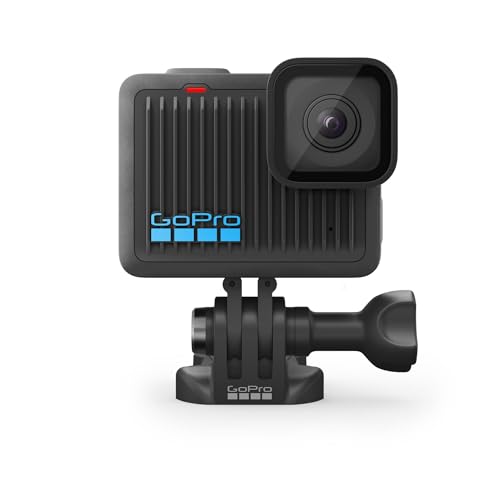
| GoPro Hero | Best for action and sport | Waterproof, stabilised and mountable on bikes and helmets — the camera for filming the jump, not just landing it. |
| OM SYSTEM Tough TG-7 | Best for explorers | A real camera that survives drops, dives and frost, with a microscope mode for pond life and garden discoveries. |
| AKASO EK7000 | Best budget action pick | GoPro-style filming with a waterproof case and mounts included, at a price that forgives beginner accidents. |
| Fujifilm Instax Mini 12 | Best for instant sharing | Prints the photograph on the spot — party tricks, trading with friends and bedroom-wall galleries included. |
| Kidamento Model C | Best screen-free choice | A child-designed digital camera with no games, no internet and a lanyard instead of a fragile grip. |
| VTech Kidizoom Duo | Best for younger-feeling ten | Two lenses for selfies, silly effects and games, in a body built to be dropped by experts in dropping things. |
How Did We Choose the Best Cameras for Boys Age 10?
Survival testing was the gate, judged by design rather than by throwing cameras downstairs: waterproof specifications, drop resistance, lens protection and whether the camera’s important parts hide behind doors and caps a child will actually close. Models with exposed extending lenses and delicate screens were marked down hard, because the first month of ownership at age ten includes at least one fall onto something harder than carpet, and a camera that survives it becomes a companion while one that does not becomes a lesson in the price of things.
Operation came next. A ten-year-old’s camera must start fast, shoot with one obvious button, and review pictures on a screen big enough to share with a friend leaning in. Menus should be pictures and plain words, settings should reset themselves forgivingly, and charging should use the same cable as everything else in the house. We also weighed the output path: photographs should reach a family computer easily, because a camera whose pictures cannot escape it will be abandoned for one whose can — usually a parent’s phone, which defeats the entire purchase.
Finally, growth. Some boys will film for a summer and move on; others are meeting their life’s hobby. The GoPro and TG-7 picks serve a teenager and even an adult without embarrassment, while the child-designed picks serve the present perfectly and hand down to younger siblings gracefully. Neither is the wrong answer; the reviews say plainly which future each camera is buying.
What Does a Ten-Year-Old Actually Photograph?
Movement, mostly: bikes, scooters, skateboards, football, the dog, a sibling on a swing, and any vehicle with an engine within earshot. Second, evidence: the enormous spider, the fish before release, the Lego city before its scheduled demolition, the wave that got Dad. Third, performance — ten is the age of the homemade stunt video, the magic trick filmed for grandparents, the gaming-adjacent commentary recorded at a desk. A camera for this age is therefore part sports equipment, part nature journal and part television studio, and the picks divide those jobs deliberately: action cameras for the first, the TG-7 for the second, and everything here contributing to the third.
Notice what is absent: posed portraits and careful landscapes, the staples of adult photography, barely feature at ten. Sharpness charts matter less than whether the camera was on the helmet when the jump finally landed. Buy for the boy’s actual archive and the camera will be loved; buy for the archive you wish he had and it will be respected, briefly, in a drawer.

GoPro Hero — Best for action and sport
The smallest GoPro is the camera a ten-year-old’s imagination orders: waterproof straight out of the box, stabilised so running footage looks like a film, and mountable on the helmet, handlebars, chest and skateboard that constitute his world. One button starts recording, the wide lens forgives aim entirely — point it roughly at the action and the action is in the frame — and the clips transfer to a family phone or tablet through the app when a parent is ready to supervise the sharing. For the boy filming bike jumps, swimming races and ski trips, nothing else here is even playing the same sport.
It is also a genuine camera to grow with: teenagers film with these, adults mount them on everything, and the skills transfer — framing wide, thinking in sequences, editing clips into a story. The honest cautions are battery appetite on long days, a screen small enough that reviewing is a group huddle, and the app’s role in setup, which makes this a pick for families comfortable with a parent-managed account. Mounted, charged and let loose, it turns an active boy’s ordinary Saturday into footage the family will keep for decades.
- Format: waterproof action camera
- Video: stabilised 4K with wide-angle lens
- Mounts: helmet, bike, chest and more (sold in bundles)
- Controls: one-button recording, touchscreen, voice control
- Connectivity: app transfer, parent-managed
Strengths
- Stabilisation makes a child’s shaky filming look like a sports broadcast.
- Waterproof and tough enough for the pool, the beach and the bike park.
- Mounting ecosystem turns every hobby he owns into a film set.
Trade-offs
- Battery life suits sessions, not whole days; a spare is a wise gift addition.
- The app is part of the workflow, so families avoiding accounts should look below.
- Stills are wide and simple — a video camera first, a photo camera second.
Best for: sporty, active boys who film movement and live outdoors.
Not suited for: families wanting a completely offline, account-free camera.

OM SYSTEM Tough TG-7 — Best for explorers
The TG-7 is the serious camera on this list — a real zoom compact sealed against water, drops, crushing and freezing — and for the boy whose world is rock pools, rivers, dens and winter, it is the gift that treats him like the explorer he believes he is. Its party piece is a microscope mode that focuses almost on the lens itself: pond water erupts into monsters, a coin reveals its engraving, a feather becomes architecture. No other pick turns a garden into a documentary location quite like it, and its underwater mode keeps snorkelling photographs blue-free and honest.
Because it is a proper camera — the same one adults buy for kayaking and site work — it carries a teenager and beyond without a replacement purchase, and its photographs are recognisably a class above the child-designed picks. The cautions are price and preciousness: it costs more than the others, and while it survives accidents superbly, losing it in a river is a more expensive sorrow. For the nature-mad ten-year-old whose grandparents ask what the serious gift is this year, this is the answer that gets unwrapped with awe and used for a decade.
- Format: rugged compact with optical zoom
- Survival: waterproof, drop-proof, crush-proof, freeze-proof
- Special modes: microscope macro, underwater, focus stacking
- Video: 4K recording
- Connectivity: Wi-Fi transfer options for family sharing
Strengths
- Macro mode turns gardens and rock pools into documentary subjects.
- Genuine camera quality grows with him into his teens and beyond.
- Survives the drops, dunks and frosts that end other cameras.
Trade-offs
- The highest price here — a considered gift, not a stocking filler.
- Menus are a real camera’s menus; younger-feeling tens may need help at first.
- No silly effects or games, which some ten-year-olds will count as a feature missing.
Best for: nature-loving, exploring boys ready for a real camera that can take punishment.
Not suited for: boys who mainly want effects, games and instant novelty.

AKASO EK7000 — Best budget action pick
The EK7000 is the action camera for families who like the GoPro idea at a fraction of the commitment. It films in 4K, wears a waterproof case for pool and beach duty, arrives with the mounts and accessories that other brands sell separately, and connects over Wi-Fi to an app for framing and transfer. Image quality is a clear step below the GoPro’s — stabilisation is more basic, colours need kinder light — but for a ten-year-old’s first season of stunt filming, the gap matters far less than the fact that the camera exists, is charged, and is his.
Its strategic role in this guide is risk management: boys lose and break things at a rate no insurance fully tames, and a first action camera at this tier teaches the whole workflow — mounting, filming, reviewing, editing — with the financial stakes set to “annoying” rather than “devastating” if the worst happens at the skate park. Many families will graduate to the GoPro in a year or two with the mounts habit and the editing skills already installed, and the AKASO hands down to a younger sibling as the house action camera. As an entry ticket to filming movement, it is honestly hard to beat.
- Format: action camera with waterproof case
- Video: 4K with electronic stabilisation
- Included: mounts and accessories in the box
- Connectivity: Wi-Fi app for framing and transfer
- Extras: remote control included in many bundles
Strengths
- The complete kit in the box means filming starts on gift day, not after accessories arrive.
- Low stakes make it the right first action camera for accident-prone beginners.
- Waterproof case handles pool, beach and rain without extra purchases.
Trade-offs
- Stabilisation and low-light quality trail the GoPro noticeably.
- The case must be on for waterproofing — an extra step a child can forget.
- App polish and battery life are a tier below the headline brand.
Best for: first-time action filming on a sensible gift budget.
Not suited for: families who want the best stabilisation and simplest waterproofing now.
Fujifilm Instax Mini 12 — Best for instant sharing
The Instax Mini 12 produces the only photographs in this guide that a ten-year-old can hand to a friend: real prints, developed in minutes, traded like cards, pinned above beds and stuck inside school books. For the social side of being ten — parties, teams, cousins, the class trip — that physical magic outweighs every specification. Operation is a twist of the lens and a press of the button, exposure is automatic, a selfie mirror handles the group shot, and the prints’ small size and soft look are not flaws but the aesthetic his generation has adopted wholesale.
Covered prose-only here, it carries two honest costs: film is a continuing expense that gift-buyers should seed with extra packs, and there is no digital copy unless you scan the print. It also teaches a quiet discipline no other pick does — when every photograph costs film, a boy starts looking before pressing, which is the first lesson of photography arriving disguised as economics. As a companion to a phone-free childhood it is superb; as a party and friendship camera it has no rival on this page.
- Format: instant film camera
- Output: physical prints in minutes
- Exposure: fully automatic with selfie mode
- Power: AA batteries
- Connectivity: none — deliberately offline
Strengths
- Prints create a social magic screens cannot replicate at this age.
- Zero setup and zero connectivity make it the simplest gift here.
- Film costs teach looking-before-shooting better than any lecture.
Trade-offs
- Film is an ongoing cost that needs budgeting by the gift-buyer.
- No video, no zoom, no digital file — it does one thing completely.
- Prints are small and soft by design, which grandparents may squint at.
Best for: parties, friends, class trips and boys who love showing the picture now.
Not suited for: filming sport or building a digital archive.
Kidamento Model C — Best screen-free choice
Kidamento designed the Model C around a philosophy some families will recognise as their own: a real digital camera for children, with no games, no internet, no video calls from strangers — just photography. It is light enough to hang on its lanyard all day, simple enough that the shutter is the main event, and its photographs save to a memory card that parents transfer to the family computer on their own schedule. For a ten-year-old whose family is deliberately delaying connected devices, it is the pick that respects the policy instead of arguing with it.
Image quality is modest — this is a child’s camera, not a small adult one — and there is no video worth the name, which is precisely the trade its buyers are choosing. What it returns is independence: a boy can photograph his world, review his pictures on its small screen, and own the whole process without a parent’s phone, a parent’s account or a parent’s permission dialogues. Prose-only in this guide, it is the connoisseur’s choice for the screen-free household, and it hands down through siblings like a good bicycle.
- Format: child-designed digital camera
- Connectivity: none — no Wi-Fi, no apps, no accounts
- Carry: lanyard design for all-day wearing
- Storage: memory card transferred by parents
- Extras: deliberately free of games and distractions
Strengths
- Complete independence from phones and accounts suits screen-free family rules.
- Lanyard carry means the camera is present for the moments that matter.
- Simple operation keeps the focus on looking, not on menus.
Trade-offs
- Image quality is the most modest of the digital picks here.
- No video, which movement-mad boys will notice immediately.
- Reviewing and sharing waits for a parent’s computer session.
Best for: screen-free households and independent boys who roam with a lanyard.
Not suited for: filming action or sharing pictures instantly.
VTech Kidizoom Duo — Best for younger-feeling ten
Ten is not one age but a range, and the Kidizoom Duo serves the younger end of it joyfully: a chunky, drop-resistant body with two lenses — one for the world, one for selfies — plus photo effects, frames, voice recording and games built in. Where the TG-7 treats its owner as a young explorer, the Kidizoom treats him as a young entertainer, and for boys who love performing, pranking and decorating their pictures with hats and stamps, it will be used to exhaustion while a serious camera gathers dust. Being used is the first virtue at this age; everything else is commentary.
Its limits are equally plain: image quality is toy-grade, the effects that delight at ten may embarrass at eleven, and it is the pick most likely to be outgrown within a couple of years. Prose-only here, it earns its place as the correct gift for the boy whose camera is a toy in the honourable sense — a machine for play — with the GoPro or TG-7 waiting in this guide for the birthday when play turns into craft. Buy it for the child in front of you, not the photographer you hope he becomes, and it will be a triumph.
- Format: child-designed camera with dual lenses
- Features: effects, frames, voice recorder, games
- Build: chunky and drop-resistant for small hands
- Storage: internal plus card options by model
- Connectivity: computer transfer by cable
Strengths
- Effects and games guarantee the camera gets played with daily.
- Dual lenses make selfies and group shots easy for small arms.
- The body is built by people who understand how children treat objects.
Trade-offs
- Toy-grade image quality will not satisfy a budding photographer.
- The novelty features date quickly as he approaches eleven and twelve.
- Video is basic compared with the action cameras above.
Best for: younger-feeling tens who want fun, effects and performing.
Not suited for: boys already serious about photography or filming sport.
How Do the Best Cameras for Boys Age 10 Compare?
| Camera | Survival skills | Video | Connectivity | Grows with him? |
|---|---|---|---|---|
| GoPro Hero | Waterproof, very tough | Excellent, stabilised | App-based | Into adulthood |
| OM SYSTEM Tough TG-7 | Water, drop, crush, freeze | Good 4K | Wi-Fi options | Into adulthood |
| AKASO EK7000 | Waterproof case | Good for the tier | App-based | A season or two |
| Fujifilm Instax Mini 12 | Simple, few failure points | None | None | Timeless party trick |
| Kidamento Model C | Light, lanyard-carried | None | None | Hands down to siblings |
| VTech Kidizoom Duo | Chunky, drop-resistant | Basic clips | Cable transfer | A year or two |
The table’s honest divide is between cameras bought for the boy he is becoming — GoPro and TG-7 — and cameras bought for the boy he is this birthday. Both are legitimate gifts; confusing them is the only error available.
What Should Gift-Buyers Check Before Ordering?
Three practical checks prevent the classic gift-day disappointments. First, the memory card: several picks need one and not all bundles include it, so add a reputable card to the order or the camera stays a ornament until shops reopen. Second, the charging story — a camera that arrives charged is luck, not a plan, so gift-buyers presenting on the day should charge it the night before and pre-load a card with a few example shots or a note photographed on the family camera. Third, the mounts and case question for action cameras: a helmet mount and a floating grip for pool use are the two accessories a ten-year-old will ask for by name within a fortnight, and including one of them marks the difference between a good gift and a legendary one.
Check the family’s connectivity rules with the same care. If the household is delaying apps and accounts, the GoPro and AKASO’s app workflows need a parent’s involvement from day one — perfectly workable, but it should be a decision, not a discovery. The Instax and Kidamento sidestep the question entirely, which is part of their gift appeal to grandparents who would rather not referee it.
How Can Parents Keep a Young Photographer Safe and Sensible?
Agree the sharing rules before the first upload: photographs of friends need their okay, school and club rules about cameras apply even to fun ones, and nothing goes online from a child’s camera without a parent seeing it first. The offline picks make this effortless; the connected picks make it a workflow — footage lands on a parent’s device, gets watched together, and sharing becomes a family editorial decision. That shared review is not just safety; it is the moment a parent sees the world at one metre tall, which most describe as the gift’s unexpected dividend.
Care habits are the other curriculum: the camera lives in its case or on its lanyard, charges on the family charging shelf, and its card gets emptied to the family computer monthly, with the best shots printed for the bedroom wall. A ten-year-old who learns to keep, charge and back up a camera is learning the stewardship every future device will demand — one more reason the gift earns its place beyond the photographs themselves.
Which Mistakes Do Adults Make Buying Cameras for Ten-Year-Olds?
Buying a delicate camera because the specifications impressed an adult
A slim compact with a extending lens is a beautiful object and a poor gift for a boy whose pockets contain conkers and whose bag travels by being thrown. Survival is the specification at this age. If the camera cannot be dropped, soaked and sat on, it will be — once — and the story ends there.
Buying for the hobby they hope he will take up
The serious birdwatching camera for a boy who lives for football, the studio-style camera for a stunt filmer — gifts chosen for an imagined child are received politely and used rarely. Read the Quick Picks table against the boy’s actual weekends and the match usually announces itself.
Forgetting that film, cards and mounts are part of the gift
An Instax without spare film is a one-afternoon present; an action camera without a card is a paperweight with a lens. The complete gift includes the consumables for the first month, after which a boy who loves the camera will happily spend pocket money keeping it fed.
Handing over a connected camera without a sharing agreement
The time to set the family’s rules about posting, friends’ faces and school policies is before the first video exists, not after the first awkward conversation. Five minutes of agreement on gift day protects the child, his friends and the camera’s welcome in every house he visits.
Final Recommendation
For the active, outdoors boy, the GoPro Hero is the gift that defines a summer; for the explorer, the TG-7 is the serious instrument he will still be using at sixteen. Budget-conscious buyers should take the AKASO and spend the savings on mounts, while families keeping childhood offline will find the Instax and the Kidamento respect that choice beautifully. Match the camera to the boy’s actual weekends, include the card, and charge it before you wrap it — the photographs start on day one that way.
Related guides
- Best Cameras for Philmont: Survive the Trek, Honour the Summit, Weigh Almost Nothing
- Best Cameras for Lifestyle Family Photography: Real Life, Beautifully Kept
- Best Cameras for Hunting and Fishing Videos Com: Field Picks That Survive the Boat and the Blind
- Best Cameras for High Quality Photos — Dynamic Range, Lenses and Focus That Survive Enlargement
- Best Cameras for Fitness — Form Checks, Classes and the Athletic Life
Frequently Asked Questions
Is a ten-year-old old enough for a real camera like the TG-7?
For the right boy, absolutely — ten is when careful ownership becomes possible, and the TG-7’s toughness forgives the learning curve. The honest test is how he treats his current prized possessions; the camera will be treated exactly the same way.
GoPro or AKASO for a first action camera?
The GoPro if budget allows and the hobby looks serious — stabilisation, simplicity and waterproofing without a case. The AKASO if this is a trial season or the loss risk is high; its complete kit teaches the same skills at gentler stakes.
Are instant cameras a waste of money compared with digital?
They buy a different thing: physical prints and social magic, at a per-photo cost. For parties and friendships that value is real and immediate. Pair one with a digital pick if the budget stretches and the boy gets both archives — the wall and the hard drive.
How do I stop the camera being lost in the first month?
A lanyard or strap habit from day one, a bright case that shows up in grass and under car seats, and a home spot where the camera always sleeps. Label it with a phone number; ten-year-olds’ cameras are lost in friendly places, and friendly finders return labelled property.
What memory card size suits a child’s camera?
Generous enough that a holiday never forces deletions — for video-shooting picks that means one of the larger common sizes from a reputable brand. Counterfeit cards corrupt a child’s irreplaceable footage exactly as efficiently as an adult’s, so buy from proper retailers.
What Filming and Photography Projects Suit a Ten-Year-Old?
The camera earns its keep when it has assignments, and ten-year-olds respond to projects the way adults respond to deadlines. The stunt reel is the classic: one trick, filmed from three angles across a week, edited into thirty seconds of glory — the GoPro and AKASO exist for this, and the editing teaches sequencing better than any lesson. The nature log is the TG-7’s and Kidamento’s project: the same garden corner photographed weekly across a season, pond life in macro, the tree’s year assembled into a flip-through album that a school will happily exhibit. The family documentary is everyone’s project: interview a grandparent with three questions, film the dog’s day from the dog’s height, record the making of the family recipe from first ingredient to first bite.
Build in an audience. A Friday-evening premiere of the week’s best clip, a printed photograph of the month on the fridge, a slideshow for visiting grandparents — small ceremonies that tell a young creator his work lands somewhere. Boys abandon cameras that produce files nobody sees; they maintain, charge and protect cameras that produce applause. The gift-buyer who schedules the first premiere has quietly doubled the camera’s working life, whichever pick they chose.
How Does a Camera Help at School Without Becoming a Problem?
Schools divide on cameras, so the first rule is to ask: many welcome them for projects and trips, many ban them in corridors and changing areas for reasons every parent can guess, and a boy who knows his school’s position avoids the confiscation that sours the whole gift. Where cameras are welcome, they are academic gold — the science fair documented properly, the field trip recorded for the class presentation, the design project photographed at every stage for the portfolio that teachers increasingly request. The TG-7’s macro and the Kidamento’s simplicity both shine in that setting, and the instant prints of the Instax have decorated more classroom walls than any digital file.
The second rule is about other children: photographs of classmates stay in the family unless the school’s project says otherwise, and a boy who learns that rule with his first camera carries a photographer’s ethics into the phone years, when the stakes rise sharply. Parents consistently report that the camera conversation at ten — consent, sharing, school rules — is the easiest version of that conversation they will ever have, and one more reason the gift pays for itself in a currency beyond photographs.
What Does the First Month With Each Pick Look Like?
The GoPro’s first month is measured in mounts: helmet for the bike week, chest for the climbing wall, floating grip for the pool, and a hard drive filling with attempts at the perfect jump. The TG-7’s month is measured in discoveries — the pond skater in macro, the frost on the den, the fish photographed and released — and in a growing reputation among his friends as the boy whose camera goes anywhere. The AKASO’s month looks like the GoPro’s at a gentler budget, often ending with the whole family borrowing it for the holiday.
The Instax’s month is social: prints accumulate on walls and inside lockers, and its owner becomes the unofficial photographer of every gathering. The Kidamento’s month is independent — a lanyard-worn archive of a world at one metre tall, reviewed with a parent on Sunday evenings. The Kidizoom’s month is theatrical: effects, frames, performances and a great deal of laughter, with photography smuggled inside the play. None of these months is the wrong one; they are six different childhoods, and the gift-buyer’s job is simply to recognise which childhood is theirs.
How Should a Young Creator Learn Simple Editing?
Start with deletion, the editor’s first and bravest skill: watch the week’s footage together, keep the best ten percent without mercy, and notice how the story sharpens when the waiting and the wobbling leave. Then sequence — three clips in the order they happened, then in a funnier order — and let him discover that editing is mostly choosing. Free, simple editors on the family computer or tablet handle everything a ten-year-old’s projects need; the GoPro’s own app assembles automatic highlight reels that teach pacing by example, provided a parent supervises the account side as this guide keeps recommending.
Resist the professional software temptation. A boy defeated by a timeline with forty tracks learns that editing is hard; a boy who finishes a thirty-second film every fortnight on a simple tool learns that editing is power. The same restraint applies to effects and music: one title, one track, finished by tea. Finished is the curriculum at ten — finished films get watched, watched films get sequels, and sequels are how a gift becomes a hobby and a hobby becomes the skill his school projects, and eventually his work, will quietly rely on.
Why Print a Child’s Photographs?
Because a ten-year-old’s relationship with a printed photograph is different from an adult’s: it is proof, trophy and currency in one object. The Instax builds this in, but every digital pick benefits from a monthly printing ritual — a handful of small prints from an online service or a home printer, chosen by the photographer, displayed where the family lives. Prints teach selection (the wall has room for six, the card holds six hundred), they survive the card corruptions and forgotten passwords that eat digital childhoods, and they give grandparents the artefact they actually wanted from the gift all along.
Keep a simple album as well — one page per month, captioned in his handwriting. It will look modest now. In fifteen years it will be the single most fought-over object at family gatherings, and the camera that made it, whichever pick from this guide it was, will be remembered as the best gift of that year. That is the real specification sheet at age ten, and every camera above was chosen to be capable of earning it.
Which Camera Suits Each Kind of Ten-Year-Old Boy?
The athlete — football boots by the door, a bike with battle scars — belongs on the GoPro, or the AKASO while the family tests the water, because his archive is motion and his camera must be equipment, not an object of care. The naturalist — pockets full of interesting stones, a magnifier, strong opinions about frogs — belongs on the TG-7, whose macro mode will consume his weekends, or the Kidamento if the family’s screen rules point that way. The performer — voices, impressions, a captive audience of cousins — belongs on the Kidizoom now or the GoPro on a desk mount, depending on whether the performance is play or the beginning of a channel his parents will supervise.
The social organiser — the one who knows everyone’s birthday and documents every gathering — belongs on the Instax, whose prints are his native language. The independent roamer, trusted with a lanyard and a postcode-sized territory, belongs on the Kidamento, reviewing his world with the family on Sundays. Most boys are two of these at once, which is why so many households end up with a rugged main camera and an Instax for parties — a pairing this guide endorses without reservation, at a combined cost below the delicate compact an adult might have chosen instead.
How Long Will Each Pick Stay Relevant as He Grows?
The GoPro and TG-7 have no expiry date written on them: both are adult tools that a sixteen-year-old will use without a flicker of embarrassment, and both teach skills — mounting, framing, exposure to weather and water — that compound. The AKASO typically serves one to three seasons before a keen filmer graduates and a sibling inherits. The Instax never expires either, though its role migrates from main camera to party camera as digital skills grow. The Kidamento serves until the phone question is settled in the family’s own time, and the Kidizoom is the honest sprinter of the group — a glorious year or two, then the drawer or a younger cousin.
None of that makes the short-lived picks mistakes. A camera perfectly matched to age ten and outgrown at twelve has done its job exactly as a pair of football boots does, and the hand-me-down chain in most families means its working life continues regardless. Buy for the boy and the year in front of you; the guide’s longer-lived picks are there for the families who can already see the teenager forming, and both strategies are represented honestly above.
What Accessories Will a Ten-Year-Old Ask for Next?
Predict the requests and you can birthday-proof the year. The action filmer will ask for a chest mount after the helmet mount, a floating grip before the beach holiday and a small tripod for the desk-based commentary videos — each inexpensive, each genuinely useful. The explorer will ask for a proper case, a head torch for the evening pond sessions his TG-7 photographs begin to demand, and a field guide to go with the macro discoveries. The instant photographer’s requests are simply film, albums and frames, in endless and mercifully predictable rotation.
The universal request, whatever the pick, is more storage and more prints — evidence the hobby is alive. Gift-buyers who tuck a note into the box promising the first accessory for the next occasion have solved two birthdays with one purchase, and parents who keep a small stock of film and a spare card in the house have removed the two commonest causes of a camera sitting idle on the weekend it was wanted most.
Is a second-hand action camera a sensible gift instead?
It can be, for the GoPro class especially: previous generations film beautifully, mounts are universal, and a used camera lowers the loss stakes further. Check the battery health, the lens for scratches and the waterproof seals, and buy from a seller who accepts returns. Wrap it with a new mount and a new card and the gift reads as a kit, not a compromise — ten-year-olds judge presents by what they can do on the day, not by model years.
How Do You Choose Between This Guide and a First Phone?
Many families meet this purchase at the exact crossroads where a phone is also being requested, and the two devices answer different hungers. A phone is a communications and internet device that also photographs; every camera here is a photograph device that does nothing else — which is precisely its advantage at ten. It carries no messages, no feeds, no stranger contact and no homework-dodging games beyond the Kidizoom’s harmless built-ins, and it can go to the pool, the woods and the bike park without a parent calculating replacement cost with every splash.
The camera also postpones nothing that matters: the photography and filming skills, the editing, the consent and sharing ethics all transfer intact to the phone years, arriving there pre-installed rather than learned under pressure. Families who choose the camera first consistently report an easier phone negotiation later, because the boy already owns the fun part and the phone becomes a tool to discuss rather than a universe to beg for. Whichever way your family decides, decide deliberately — and if the answer is the camera, this guide’s six picks cover every version of ten we have ever met.
What Photography Habits Can a Ten-Year-Old Learn That Last?
Three habits, taught by the camera rather than by lectures, will still be serving him at thirty. The first is looking before shooting — the Instax teaches it through film costs, the Kidamento through its simplicity, and every digital pick through the monthly cull, where a boy who reviews his own work starts seeing the cluttered background and the cut-off feet before he presses, not after. The second is backing up without being asked: the monthly card-emptying ritual, done together until it is his routine, becomes the file discipline that later protects school projects, work and a lifetime of family photographs.
The third is the photographer’s courtesy: asking before photographing people, accepting no gracefully, and never posting a friend in a moment the friend would not choose. Cameras at ten are where that courtesy is cheapest to learn and most warmly taught, because the subjects are cousins rather than strangers and the lessons arrive as family culture rather than as rules. A boy who absorbs those three habits owns something no camera shop sells — and the parents who chose his first camera from this guide will recognise, in the photographer he becomes, the gift’s real contents.
A closing word to the gift-buyer still torn between two rows of the comparison table: choose the one that matches the next school holiday, not the next decade. The coming weeks — the trip, the tournament, the cousins visiting — will decide whether this camera becomes his constant companion or his shelf ornament, and a companion camera can be upgraded later with his own enthusiasm driving the choice. Charge it, card it, wrap it with the mount or the film that completes it, and put it in his hands while the holiday is still ahead of him. The first jump, spider or birthday he captures with it will settle every argument this guide could not. And when, years from now, the family watches that first shaky, joyful footage together — the jump finally landed, the dog mid-leap, the wave that got Dad — nobody will ask what it cost or what its specifications were. They will ask who had the sense to put a camera in a ten-year-old’s hands at exactly the moment his world became filmable. Let that be you, and let it be this holiday.
How Does Each Pick Behave on a Family Holiday?
Holidays are where gift cameras justify themselves in bulk, and the picks divide by destination. Beach and pool holidays belong to the waterproof trio — the GoPro filming the underwater chaos, the TG-7 photographing rock pools at dawn before the crowds, the AKASO riding the bodyboard — while the Instax becomes the holiday’s social secretary, printing the new friends and the ridiculous hats before the week scatters everyone home. City holidays suit the Kidamento’s lanyard independence and the TG-7’s zoom for rooftops and river traffic, and every pick benefits from the family’s evening ritual: cards copied to a parent’s laptop, batteries charged, the day’s best shot chosen together for the holiday album.
The holiday also reveals the one accessory nobody regrets: the small hard case that lets the camera travel in the family bag rather than in a pocket full of sand and shells. Gift-buyers sending a camera on a known upcoming trip should include the case and say so on the tag — it is the difference between a camera that comes home with a film of the holiday and a camera that stayed in the hotel drawer for safety, which is the saddest sentence in this entire guide’s vocabulary.
What if he breaks it anyway?
Then the family learns the lesson this guide priced in from the start: choose the tier whose loss is a story, not a catastrophe. Check the warranty and any accidental-damage cover at purchase, keep the receipt with the family’s documents, and remember that manufacturers of the rugged picks built them for exactly this owner — many “broken” action cameras turn out to need a door, a lens cover or a battery rather than a replacement. A boy who is honest about an accident and part of the repair conversation has learned more from the camera than photography alone could teach, and a replacement bought together, perhaps with his contribution, tends to be the most carefully treated object he owns.
One more reassurance for the buyer hovering between the sensible and the splendid: at ten, enthusiasm is the perishable ingredient, not money. The camera that matches his current obsession — however muddy, splashy or theatrical that obsession is — will be charged, carried and loved, and a loved camera at any tier out-photographs a superior camera that bored him. You know the boy; this guide knows the cameras. Put the two together with confidence, include the card, and let the first weekend make the introductions. If the first weekend produces a film of the dog, a macro of a beetle and a print already curling on the fridge door, the gift has done everything a gift can do — the rest belongs to the boy, the camera and the years of Saturdays ahead of them both. Saturdays of jumps and beetles, parties and pond water, filmed and printed and pinned — the raw material of a childhood that can be watched back, which is a thing no previous generation of ten-year-olds ever had. That is worth a camera. It is worth the right camera, chosen the way this guide has tried to choose it: for the boy, for the life, for the drop onto concrete it will certainly survive. Wrap it well, hand it over, and then — the hardest part for the adult who did all this research — let him run outside with it before you have finished explaining the menus. He will figure out the button that matters in about four seconds. They always do.
Related Guides
More family-friendly reading: best cameras for 11 year old, best cameras for biginners and best cameras for capturing movement.


