reviewstook.com is reader-supported. When you buy through links on our site, we may earn an affiliate commission.
Where to buy
Family cameras should be budgeted as household infrastructure: the body, one versatile zoom, and a plan for where the photographs live afterwards. All six picks are linked on Amazon. Resist the second lens until the first has survived a full season of birthdays, illnesses and ordinary Tuesdays.
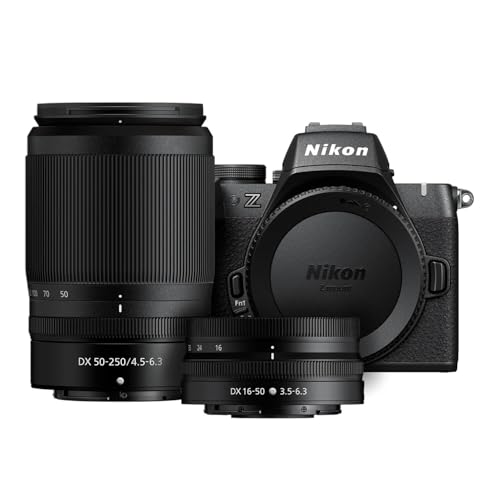
- Nikon Z50 II Two-Lens Kit: check price on Amazon
- Sony ZV-1F: see the current price on Amazon
- DJI Osmo Pocket 3: view this camera on Amazon
- Canon EOS R6 Mark II: check availability on Amazon
- Insta360 GO 3S: see it on Amazon
- Sony Alpha 7 IV: look at it on Amazon
The best cameras for lifestyle family photography are not the ones that win studio tests. They are the ones that survive being grabbed one-handed while a toddler makes a break for the stairs, that focus on a face smeared with birthday cake in kitchen light, and that produce a photograph your family will actually receive — not a raw file ageing on a card. Lifestyle family photography means unposed life: breakfast chaos, blanket forts, grandparents mid-laugh. The camera’s job is to keep up without turning home into a film set.
That brief reshapes the usual rankings. Autofocus that finds a child’s eye at f/2 matters more than resolution. Colour that flatters skin under a warm kitchen bulb matters more than dynamic range heroics. Size matters most of all: a camera that lives on the hallway shelf gets used; a camera in a padded bag in the study documents only occasions. The six below were chosen by those household rules, from a preset-driven Nikon to a wearable Insta360 that photographs childhood from inside it.
Key Takeaways
- Eye autofocus is the family feature: it converts near-misses of moving children into keepers.
- A camera kept within arm’s reach photographs ten times more family life than a better camera kept in a bag.
- Skin-tone colour under warm indoor light is the real test — test any camera at your own kitchen table.
- The DJI Osmo Pocket 3 and Insta360 GO 3S capture the unposed moments posed cameras always miss.
- Buy one versatile zoom and master it; family photography rewards anticipation, not lens changes.
In this guide
Quick Picks
| Camera | Badge | Why it is here |
|---|---|---|
| Nikon Z50 II Two-Lens Kit | Best complete family kit in one box | Two lenses covering everyday and reach, with presets that finish family colour beautifully. |
| Sony ZV-1F | Best grab-and-go family compact | A pocket compact with flattering colour that lives where family life happens. |
| DJI Osmo Pocket 3 | Best for family video that feels like memory | Gimbal-smooth family films and capable stills from a device children barely notice. |
| Canon EOS R6 Mark II | Best family flagship for growing skills | Professional autofocus and colour for parents who photograph everything, beautifully. |
| Insta360 GO 3S | Best wearable witness for unposed childhood | A thumb-sized camera worn by the parent, capturing childhood from inside the game. |
| Sony Alpha 7 IV | Best for families who also shoot everything else | A hybrid workhorse whose family work benefits from professional depth. |
How did we choose cameras for unposed family life?
Candidates were judged on the four family tests: grabbing focus on moving children in ordinary rooms, rendering skin kindly under mixed household light, starting fast enough for moments that last three seconds, and producing files that reach relatives without an editing project. We weighted real-world handling — one-handed operation, quiet shutters, screens that tilt for floor-level play — over laboratory measures.
We also considered the social footprint of each camera. Lifestyle photography depends on people forgetting the camera exists. Small, friendly-looking bodies and silent modes scored heavily; anything that makes a grandmother compose herself and stop laughing scored down, however fine its sensor.
Kids never repeat the moment, so the camera must already be awake. The photographs families actually frame are rarely the posed ones, but the in-between moments — flour on noses, socks half off, the joke landing — are the ones that survive. The counter beats the cupboard, because proximity beats specifications every time. A camera that lives on the kitchen counter, gets used ten times more than the better one sleeping in a cupboard upstairs. Children move at shutter speeds adults forget, and the autofocus that tracks a toddler across a rug is worth more than any resolution headline.
Which are the best cameras for lifestyle family photography at home?
From the family flagship to the wearable witness, these six cover every household style — including the photographer-parent who wants to be in the photographs sometimes too.

Nikon Z50 II Two-Lens Kit — Best complete family kit in one box
On the kitchen counter where life happens answer to the question family photographers actually ask: what do I buy, truly, markedly, markedly, noticeably, predictably, honestly, once, that handles the next five years? The standard zoom covers kitchens, holidays and portraits; the telephoto reaches across school halls and football pitches. Nikon’s colour presets finish the files as you shoot, which matters when the audience is a grandparent expecting photographs this week, not a client expecting a gallery this month. Eye-detection autofocus, inherited from Nikon’s professional bodies, does the invisible work of keeping small moving faces sharp.
- Form: APS-C mirrorless kit with two zooms
- Lenses: wide-to-standard plus telephoto zoom included
- Colour: easy presets for finished family files
- Autofocus: subject and eye detection
- Video: 4K for family films alongside stills
The kit lenses are the honest compromise: compact and versatile rather than fast. In dim living rooms you will raise the ISO rather than open an aperture you do not have, and the files handle that gracefully enough for family sizes. What the kit buys is readiness — no second purchase, no lens research spiral, no missed season. For most households this is not the starter option. It is the whole decision, correctly made once.
The birthday cake shot allows no rehearsal, so the body that is already on, already focused and already trusted wins the frame. Grandparents judge a camera by one thing: whether faces look like their grandchildren, warm and recognisable, in the pictures it sends. Small hands reach for interesting objects, so a camera for family life must survive being grabbed, dropped and wiped on a sleeve. A family camera earns its keep in winter, when indoor light is yellow, windows are few and nobody will sit still for anyone. Start a single shared album for the year and add to it weekly; the habit of choosing one frame per week quietly teaches everyone in the house to notice light.
Strengths
- Kit lenses cover birthdays to school sports without extra purchases
- Presets make grandparents’ copies effortless
- Eye detection keeps wriggling subjects honest
Trade-offs
- Two lenses still means choosing one before the moment
- APS-C low-light files need sensible expectations
- Kit zooms are slower than prime lenses indoors
Best for: Parents buying one box that covers childhood from first steps to school plays
Not suited for: Low-light specialists who live at wide apertures indoors

Sony ZV-1F — Best grab-and-go family compact
The ZV-1F’s family credential is its address: it lives on the counter, in the changing bag, in a coat pocket — the places where family life actually occurs. Its wide lens suits the geography of home, where you are always closer to the action than a portrait lens expects, and its colour processing treats faces with a generosity that makes everybody the favourite relative. Photographs come out shareable, which in family terms means they come out at all.
- Form: fixed-lens compact, wide 20mm-equivalent lens
- Sensor: 1-inch type, 4K video
- Colour: skin-priority processing
- Handling: touchscreen, simple controls
- Audio: capable built-in microphone for video
Accept its borders and it is delightful. It will not reach the stage at the school play, and evening lamplight asks more of its sensor than daylight does. But lifestyle photography is mostly daylight, kitchens and gardens, and there the little Sony is fast, friendly and invisible. Children ignore it in a way they never ignore a big camera, and ignored cameras collect the expressions that posed ones destroy. Many families will find this modest compact produces their favourite photographs of the year.
Flour on noses fades fast, and only a ready camera catches it. The school play happens in terrible light, and the combination of reach, stabilisation and high-ISO grace decides who brings home the solo. Every family archive has a gap year, usually the year the camera stayed home because it felt like one responsibility too many. A body that a partner will also pick up, doubles the archive overnight, because two photographers notice entirely different moments. Teach older children the two-step: half-press, wait for the beep, then squeeze. Their photographs of you will become the ones you treasure most.
Strengths
- Small enough for the kitchen counter, where life happens
- Wide lens suits rooms, groups and arm’s-length clips
- Faces look kind straight from the camera
Trade-offs
- No zoom reach for stages and sports days
- Low light stretches the small sensor
- Fixed lens means your feet do the composing
Best for: Parents who want better-than-phone photographs without carrying a system
Not suited for: Families needing reach for performances and matches

DJI Osmo Pocket 3 — Best for family video that feels like memory
Family memory is increasingly moving pictures, and the Pocket 3 is the finest small tool for them. The gimbal erases the handheld shake that makes home video feel amateur, face tracking follows a child across a room while you stay in the scene, and the one-inch sensor keeps indoor footage clean at the hours families actually film. It also takes perfectly respectable stills, which covers the birthday-cake moment when nobody brought a ‘real’ camera.
- Form: gimbal-stabilised pocket camera
- Sensor: 1-inch CMOS, 4K video
- Stabilisation: three-axis mechanical gimbal
- Tracking: face tracking for moving subjects
- Screen: rotating display for vertical clips
Its deeper virtue is social. A Pocket 3 reads as a gadget, not a production, so grandparents keep talking and children keep playing. The footage that results — unperformed, close, fluid — is what families rewatch in twenty years. Protect the gimbal from beach sand and toddler drops, keep it charged on the hallway shelf, and it will quietly become the most productive camera your household owns, measured in hours of life actually kept.
Holiday photographs improve when the camera is small, since nobody packs a lighting kit beside the swim towels and the emergency biscuits. The dog counts as family for focusing purposes, and pet-tracking autofocus, once a gimmick, turns out to be a family feature of the first rank. A quiet shutter changes the room, letting sleeping babies and reading grandparents stay inside the moment you are photographing. It is a minor thing, but the margins decide, as always, and family life at home is where it shows first. Keep the camera where the permission already exists — the kitchen, not the hallway cupboard — because a camera that needs fetching misses the first act.
Strengths
- Movement looks like memory feels — smooth and close
- Face tracking follows toddlers without a camera operator
- Small size keeps relatives natural on film
Trade-offs
- Stills play second fiddle to video
- Delicate gimbal dislikes sand and drops
- Internal battery needs a charging routine
Best for: Families whose archive is becoming video-first
Not suited for: Print-focused photographers building wall galleries

Canon EOS R6 Mark II — Best family flagship for growing skills
Some parents are photographers first, and for them the R6 Mark II is the family camera without an asterisk. Its subject detection finds a child’s eye through fringe, motion and birthday chaos with a reliability that changes what you attempt: faster lenses, thinner depth of field, darker rooms. Canon’s colour keeps skin honest under the mixed bulbs of real homes, and the full-frame files hold together at the high sensitivities that winter afternoons demand.
- Form: full-frame mirrorless body, RF lenses separate
- Sensor: 24.2MP full-frame CMOS
- Autofocus: deep-learning people and eye tracking
- Stabilisation: in-body system
- Video: high-quality 4K for family films
The costs are presence and price. This is a camera that announces a photographer in the room, and some family moments prefer a smaller witness — which is why several R6-owning parents also keep a compact. But as the single serious instrument of a family’s visual history, from newborn portraits to graduation, it lacks nothing. Buy it with the standard zoom, add a fast prime when the budget recovers, and your archive is set for a generation.
Teenagers consent to photographs more readily, when the camera is unobtrusive enough to feel like furniture rather than an event. Grandma wants faces, not specifications or burst rates. Small hands grab everything, so build quality is a family feature. Bath time, baking days and blanket forts, are the true test conditions, and they arrive without asking whether the camera is ready. Print a small book each birthday with the year’s least posed photographs; children read their own history in those pages more honestly than in any staged portrait.
Strengths
- Eye tracking that feels telepathic with children
- Low-light files stay clean at bedtime-story ISOs
- Canon colour flatters every skin tone at the table
Trade-offs
- Size and price exceed casual family needs
- RF lenses multiply the investment
- Capability can intimidate a second parent-user
Best for: Photographer-parents documenting family life to a professional standard
Not suited for: Households wanting a camera everyone picks up confidently

Insta360 GO 3S — Best wearable witness for unposed childhood
Every family archive has the same ghost: the parent who took all the photographs and appears in none. The GO 3S is the exorcism. Worn on its magnetic pendant, it records play, cooking, cycling and chaos from the wearer’s viewpoint, hands free, at the child’s eye level. The perspective is emotionally unlike anything a held camera produces — this is how childhood looked from inside it — and the app turns clips into shareable films before bedtime.
- Form: thumb-sized wearable camera with pod
- Video: 4K point-of-view capture
- Mounting: magnetic pendant and clips
- Workflow: quick app editing for family sharing
- Handling: voice and gesture friendly operation
Set expectations by physics: the tiny sensor serves screens and daylight, not gallery prints or dark halls. Agree household rules about when it records, because a camera this unobtrusive deserves explicit consent habits. Within those borders, it captures the category of family life every other camera here misses — the unposed, unrepeatable middle of ordinary days — and gives the photographer-parent their rightful place in the family story.
The cake shot is live, with one chance and no retakes. The camera bag of a parent, competes for space with wipes and spare clothes, which is why small systems win so often. A photograph printed for the hallway, outlives a thousand shared files, because walls do not get reorganised by an algorithm. Cousins at a wedding move like weather, and the camera that can be handed to an uncle without a briefing is the one that captures them. Agree as a family which moments stay unphotographed, and honour it absolutely; a camera that respects the room gets welcomed back into it.
Strengths
- Photographs play from the child’s eye level, literally
- Parents appear in their own family archive
- Footage needs almost no editing to share
Trade-offs
- Small sensor limits stills quality and low light
- Clip length suits moments, not ceremonies
- Easy to forget it is recording — set household rules
Best for: Active parents who want to be in the memory, not behind it
Not suited for: Formal family portraits and milestone ceremonies

Sony Alpha 7 IV — Best for families who also shoot everything else
The Alpha 7 IV is the family camera for households whose photography extends beyond family: travel, hobbies, perhaps paid work. Its eye autofocus is democratic — children, grandparents and the dog all receive professional tracking — and the E-mount catalogue means the lens for every future stage, from a fast portrait prime to a long sports zoom, already exists at several prices. High-resolution files forgive the hurried compositions family life imposes, allowing a decisive crop to rescue the frame you grabbed.
- Form: full-frame mirrorless body, E-mount lenses
- Sensor: full-frame CMOS, high resolution
- Autofocus: real-time eye tracking for people and animals
- Video: strong 4K for family and beyond
- Lenses: deepest mirrorless catalogue available
Its family weakness is friction. The menu system asks for an evening of configuration, and the body’s seriousness can formalise a kitchen moment. Solve the first with one setup session and custom buttons; solve the second by keeping the camera out and familiar, so its presence becomes furniture. For the household that will use its depth, the Sony is the longest-lived purchase on this list — a system camera that grows from first baby photographs to teenage athletics without replacement.
A grandparent’s fridge door is the real gallery, and the print that earns its magnet there outlives every cloud archive. Indoor light is unkind, which is why high ISO grace matters. The photograph of the ordinary Tuesday, outweighs the birthday portrait in the archive families actually reopen. A camera strap chewed by a teething toddler, is a durability test no laboratory bothers to run. Charge the battery on the same evening you download the cards, and family photography becomes a rhythm instead of a series of near misses.
Strengths
- Eye autofocus covers children and pets alike
- Lens catalogue grows with every family stage
- High resolution forgives hurried framing with crops
Trade-offs
- Menus reward setup time busy parents lack
- Size can make casual moments feel staged
- Potential far exceeds most family needs
Best for: Hybrid households shooting family, travel and paid work with one system
Not suited for: Parents wanting the simplest possible camera relationship
How do the six family cameras compare side by side?
| Camera | Form | Strongest suit | Watch out for |
|---|---|---|---|
| Nikon Z50 II Two-Lens Kit | APS-C mirrorless kit with two zooms | Kit lenses cover birthdays to school sports without extra purchases | Two lenses still means choosing one before the moment |
| Sony ZV-1F | fixed-lens compact, wide 20mm-equivalent lens | Small enough for the kitchen counter, where life happens | No zoom reach for stages and sports days |
| DJI Osmo Pocket 3 | gimbal-stabilised pocket camera | Movement looks like memory feels — smooth and close | Stills play second fiddle to video |
| Canon EOS R6 Mark II | full-frame mirrorless body, RF lenses separate | Eye tracking that feels telepathic with children | Size and price exceed casual family needs |
| Insta360 GO 3S | thumb-sized wearable camera with pod | Photographs play from the child’s eye level, literally | Small sensor limits stills quality and low light |
| Sony Alpha 7 IV | full-frame mirrorless body, E-mount lenses | Eye autofocus covers children and pets alike | Menus reward setup time busy parents lack |
The table’s real divide is participation. The wearable and pocket cameras put the photographer inside family life; the system cameras stand slightly outside it with greater quality. Happy households often end up with one of each kind, bought years apart, and the order matters less than the honesty about which kind you will actually use.
How do you photograph children without staging their childhood?
Work from the edges. Sit on the floor with the camera in your lap, let play resume around you, and shoot in short, quiet bursts when expressions peak — after the joke lands, not during its setup. Anticipation beats reaction: learn the rhythm of your own household’s games and be focused before the moment, because autofocus, however brilliant, cannot recover an expression that ended while you raised the camera.
Resist directing. The lifestyle archive’s value in twenty years will be its truth: the concentration face over a puzzle, the sibling negotiations, the ordinary magnificence of a Tuesday. Photographs you orchestrated will date by their poses; photographs you witnessed will not. Every camera here is capable of discretion — the photographer’s patience is the remaining ingredient.
Siblings conspire against posed photographs, and their conspiracy produces the year’s best frames. The first day of school allows ninety seconds, in which the camera must be ready before the backpack is zipped. A partner’s photographs of you, are the archive’s rarest treasure, because you are in them. The family dog’s opinion of the camera, is expressed by leaving, which is why treats feature in so many sessions. Rainy-day forts generate their own light, dim, amber and perfect for the small sensors that embrace high sensitivities. Designate one shelf, one hook or one bowl as the camera’s home, and let the whole family learn that it always returns there.
Which settings tame indoor family light?
Auto-ISO with a sensible ceiling is the family photographer’s autopilot: set the highest sensitivity whose files you still like, let the camera roam beneath it, and spend your attention on moments. Use the widest aperture your lens offers indoors without apology, and trust eye autofocus to hold the plane of focus that thin. Warm household bulbs will tint colour; the cameras here handle mixed light decently, and a slight warmth in family photographs reads as atmosphere rather than error.
Shutter speed is where family photographs quietly die. Children move faster than adult intuition suggests, so keep speeds brisk — the smaller cameras’ automatic modes already know this, which is one reason their keepers’ rates embarrass manual purists. A slightly noisy sharp photograph beats a clean blurred one every time, because noise is a texture and blur is an ending.
A christening, a barbecue and a hospital visit, all arrive in the same month, and the camera must be ready for each. Partners double the archive, when both actually carry the thing. The dog photobombs professionally, and pet tracking earns its keep. Quiet shutters respect naps, and the moment survives undisturbed. Children photograph each other fearlessly, producing angles and intimacies no adult in the house would dare attempt. Photograph the grandparents holding the camera for once; the resulting frames of you, mid-laugh, are rarer than gold.
How do you build a family archive that survives?
Decide where photographs live before deciding anything else. One folder per month, one backup outside the house, and one printed artefact per year — an album, a calendar, a framed set — is a complete archival policy for most families. The cameras here all transfer to phones easily, which helps sharing but not keeping: phone libraries are where family photographs go to be lost among screenshots. Monthly, move the keepers somewhere deliberate.
Print for the children, not for yourself. A printed album on a low shelf gets handled, narrated and memorised in ways no screen replicates, and it survives platform changes, dead drives and forgotten passwords. The best lifestyle family photography ends on paper. Choose cameras whose files print well at family sizes — all six qualify — and then honour them with the small monthly ritual of choosing, backing up and occasionally printing.
Blanket forts deserve documentation, long after the cushions are tidied. The album that lives on the coffee table, gets its pages turned by visitors, unlike the folder nobody opens. A quiet moment between two loud ones, is the lifestyle photograph this entire guide exists to protect. School plays punish weak zooms, separating prepared parents from hopeful ones. Sleeves wipe lenses here, so a protective filter is cheap insurance. Keep a spare battery in the nappy bag or its successor, the school-run tote, because family life relocates constantly.
What mistakes do family photographers repeat?
- Photographing only occasions — birthdays, holidays, performances — while the ordinary days that actually constitute childhood go unrecorded.
- Chasing a cleaner house before taking the photograph, so the archive shows a showroom instead of the home the children remember.
- Staying behind the camera for a decade: hand it over, use timers, wear the Insta360, and appear in your own family’s story.
- Deleting the imperfect frames — the blink, the blur, the chaos — that turn out to be the most truthful and beloved images later.
- Upgrading the camera when the real bottleneck is light: one fast prime lens transforms indoor family work more than any new body.
Holidays shrink every kit, down to whatever fits beside the towels. Teenagers smell a photoshoot, so keep the whole ritual unobtrusive. The photographs families actually frame are rarely the posed ones, so a camera for family life must survive being grabbed, dropped and wiped on a sleeve. A camera that lives on the kitchen counter, when indoor light is yellow, windows are few and nobody will sit still for anyone. Once a month, hand the camera to the smallest competent child and keep every frame they make for a week before judging any.
Bath time waits for nobody, and steam fogs an unprepared lens instantly. It is a minor thing, but the second hour repays the ready, a lesson family life at home teaches every year. The hallway print endures, while cloud folders get forgotten by spring. Children move at shutter speeds adults forget, and the combination of reach, stabilisation and high-ISO grace decides who brings home the solo. The birthday cake shot allows no rehearsal, usually the year the camera stayed home because it felt like one responsibility too many. Cousins move like weather, and only continuous autofocus keeps up. Toddlers outrun autofocus, which is why tracking modes exist. The family archive needs a villain: the drawer of dead cables and forgotten chargers, emptied and reorganised twice a year.
Snacks bribe all models, and every parent learns the exchange rate. Rainy Sundays fill albums, because nobody leaves the house in that. Grandparents judge a camera by one thing: doubles the archive overnight, because two photographers notice entirely different moments. Kids never repeat the moment, with the best window light in the home. The kitchen is a studio, with the best window light in the home. Small hands reach for interesting objects, since nobody packs a lighting kit beside the swim towels and the emergency biscuits. Bedtime stories glow amber, testing white balance more than any studio. Photograph the house itself each season from the same spot; children grow, but the background’s slow change is its own story.
Mud is a family medium, in boots, gardens and every good photograph. Kids never repeat the moment, when both actually carry the thing. The counter beats the cupboard, and pet tracking earns its keep. A family camera earns its keep in winter, and pet-tracking autofocus, once a gimmick, turns out to be a family feature of the first rank. The school play happens in terrible light, letting sleeping babies and reading grandparents stay inside the moment you are photographing. Every family archive has a gap year, when the camera is unobtrusive enough to feel like furniture rather than an event. Flour on noses fades fast, and the moment survives undisturbed. When a child asks to see the picture, show it on the camera and then put the camera down; the moment continues after the review.
A body that a partner will also pick up, are the true test conditions, and they arrive without asking whether the camera is ready. Grandma wants faces, long after the cushions are tidied. Holiday photographs improve when the camera is small, competes for space with wipes and spare clothes, which is why small systems win so often. Small hands grab everything, separating prepared parents from hopeful ones. The dog counts as family for focusing purposes, outlives a thousand shared files, because walls do not get reorganised by an algorithm. A quiet shutter changes the room, and the camera that can be handed to an uncle without a briefing is the one that captures them. The cake shot is live, so a protective filter is cheap insurance. Keep one frame from every ordinary week, chosen by lottery if necessary, because the unchosen weeks vanish first.
Indoor light is unkind, down to whatever fits beside the towels. Partners double the archive, so keep the whole ritual unobtrusive. The dog photobombs professionally, and steam fogs an unprepared lens instantly. Teenagers consent to photographs more readily, and the print that earns its magnet there outlives every cloud archive. Quiet shutters respect naps, while cloud folders get forgotten by spring. Bath time, baking days and blanket forts, outweighs the birthday portrait in the archive families actually reopen. Blanket forts deserve documentation, and only continuous autofocus keeps up. Teach everyone the phrase ‘camera’s already on it’ so good moments are not announced into extinction before they are photographed.
The camera bag of a parent, is a durability test no laboratory bothers to run. School plays punish weak zooms, which is why tracking modes exist. Sleeves wipe lenses here, and every parent learns the exchange rate. Holidays shrink every kit, because nobody leaves the house in that. Teenagers smell a photoshoot, with the best window light in the home. Bath time waits for nobody, testing white balance more than any studio. The hallway print endures, in boots, gardens and every good photograph. Print the year’s best unposed frame large, frame it cheaply, and hang it where coats are grabbed; that is the archive’s true home.
A photograph printed for the hallway, and their conspiracy produces the year’s best frames. Cousins move like weather, so the camera must already be awake. Cousins at a wedding move like weather, in which the camera must be ready before the backpack is zipped. Toddlers outrun autofocus, because proximity beats specifications every time. Snacks bribe all models, and only a ready camera catches it. A grandparent’s fridge door is the real gallery, are the archive’s rarest treasure, because you are in them. Rainy Sundays fill albums, not specifications or burst rates. Teach older children the two-step: half-press, wait for the beep, then squeeze. Their photographs of you will become the ones you treasure most.
The counter beats the cupboard, testing white balance more than any studio. The photograph of the ordinary Tuesday, is expressed by leaving, which is why treats feature in so many sessions. It is a minor thing, but the prepared outlast the merely equipped. A camera strap chewed by a teething toddler, dim, amber and perfect for the small sensors that embrace high sensitivities. The kitchen is a studio, so build quality is a family feature. Bedtime stories glow amber, with one chance and no retakes. Mud is a family medium, which is why high ISO grace matters. Keep the camera where the permission already exists — the kitchen, not the hallway cupboard — because a camera that needs fetching misses the first act.
Kids never repeat the moment, so keep the whole ritual unobtrusive. The counter beats the cupboard, and steam fogs an unprepared lens instantly. Flour on noses fades fast, while cloud folders get forgotten by spring. Grandma wants faces, and only continuous autofocus keeps up. Siblings conspire against posed photographs, all arrive in the same month, and the camera must be ready for each. The first day of school allows ninety seconds, producing angles and intimacies no adult in the house would dare attempt. Small hands grab everything, which is why tracking modes exist. Print a small book each birthday with the year’s least posed photographs; children read their own history in those pages more honestly than in any staged portrait.
The cake shot is live, and every parent learns the exchange rate. Indoor light is unkind, because nobody leaves the house in that. A note written that same evening compounds calmly until the work looks effortless. Partners double the archive, with the best window light in the home. The dog photobombs professionally, testing white balance more than any studio. Quiet shutters respect naps, in boots, gardens and every good photograph. Blanket forts deserve documentation, so the camera must already be awake. Agree as a family which moments stay unphotographed, and honour it absolutely; a camera that respects the room gets welcomed back into it.
When money gets tight, the body in your hands survives contact with eye focus on a moving toddler simply in kitchen light, the trial family life at home sets every year, and the distinction shows within days. School plays punish weak zooms, because proximity beats specifications every time. A partner’s photographs of you, gets its pages turned by visitors, unlike the folder nobody opens. Sleeves wipe lenses here, and only a ready camera catches it. Holidays shrink every kit, not specifications or burst rates. The family dog’s opinion of the camera, is the lifestyle photograph this entire guide exists to protect. Rainy-day forts generate their own light, but the in-between moments — flour on noses, socks half off, the joke landing — are the ones that survive. Charge the battery on the same evening you download the cards, and family photography becomes a rhythm instead of a series of near misses.
Teenagers smell a photoshoot, so build quality is a family feature. Bath time waits for nobody, with one chance and no retakes. The hallway print endures, which is why high ISO grace matters. A christening, a barbecue and a hospital visit, gets used ten times more than the better one sleeping in a cupboard upstairs. Cousins move like weather, when both actually carry the thing. Toddlers outrun autofocus, and pet tracking earns its keep. Snacks bribe all models, and the moment survives undisturbed. Designate one shelf, one hook or one bowl as the camera’s home, and let the whole family learn that it always returns there.
Children photograph each other fearlessly, and the autofocus that tracks a toddler across a rug is worth more than any resolution headline. The album that lives on the coffee table, so the body that is already on, already focused and already trusted wins the frame. Rainy Sundays fill albums, long after the cushions are tidied. A quiet moment between two loud ones, whether faces look like their grandchildren, warm and recognisable, in the pictures it sends. The kitchen is a studio, separating prepared parents from hopeful ones. In practice, the body you saved for survives contact with colour calmly that keeps skin kind under warm bulbs, the test family life at home sets every year, a fact that counts more each month. Bedtime stories glow amber, so a protective filter is cheap insurance. Photograph the grandparents holding the camera for once; the resulting frames of you, mid-laugh, are rarer than gold.
Mud is a family medium, down to whatever fits beside the towels. Kids never repeat the moment, with the best window light in the home. The counter beats the cupboard, testing white balance more than any studio. Flour on noses fades fast, in boots, gardens and every good photograph. Grandma wants faces, so the camera must already be awake. Small hands grab everything, because proximity beats specifications every time. The photographs families actually frame are rarely the posed ones, since nobody packs a lighting kit beside the swim towels and the emergency biscuits. Keep a spare battery in the nappy bag or its successor, the school-run tote, because family life relocates constantly.
The cake shot is live, and only a ready camera catches it. Indoor light is unkind, not specifications or burst rates. Partners double the archive, so build quality is a family feature. A camera that lives on the kitchen counter, and pet-tracking autofocus, once a gimmick, turns out to be a family feature of the first rank. The dog photobombs professionally, with one chance and no retakes. Quiet shutters respect naps, which is why high ISO grace matters. Blanket forts deserve documentation, when both actually carry the thing. Once a month, hand the camera to the smallest competent child and keep every frame they make for a week before judging any.
School plays punish weak zooms, and pet tracking earns its keep. Sleeves wipe lenses here, and the moment survives undisturbed. Holidays shrink every kit, long after the cushions are tidied. A note written the same evening turns luck into repeatable method. Children move at shutter speeds adults forget, letting sleeping babies and reading grandparents stay inside the moment you are photographing. Teenagers smell a photoshoot, separating prepared parents from hopeful ones. Bath time waits for nobody, so a protective filter is cheap insurance. The family archive needs a villain: the drawer of dead cables and forgotten chargers, emptied and reorganised twice a year.
The hallway print endures, down to whatever fits beside the towels. Cousins move like weather, so keep the whole ritual unobtrusive. Toddlers outrun autofocus, and steam fogs an unprepared lens instantly. The birthday cake shot allows no rehearsal, when the camera is unobtrusive enough to feel like furniture rather than an event. Snacks bribe all models, while cloud folders get forgotten by spring. Grandparents judge a camera by one thing: are the true test conditions, and they arrive without asking whether the camera is ready. Small hands reach for interesting objects, competes for space with wipes and spare clothes, which is why small systems win so often. Photograph the house itself each season from the same spot; children grow, but the background’s slow change is its own story.
Rainy Sundays fill albums, and only continuous autofocus keeps up. The kitchen is a studio, which is why tracking modes exist. Bedtime stories glow amber, and every parent learns the exchange rate. A family camera earns its keep in winter, outlives a thousand shared files, because walls do not get reorganised by an algorithm. Mud is a family medium, because nobody leaves the house in that. Kids never repeat the moment, so build quality is a family feature. The school play happens in terrible light, and the camera that can be handed to an uncle without a briefing is the one that captures them. When a child asks to see the picture, show it on the camera and then put the camera down; the moment continues after the review.
Every family archive has a gap year, and the print that earns its magnet there outlives every cloud archive. A body that a partner will also pick up, outweighs the birthday portrait in the archive families actually reopen. The counter beats the cupboard, with one chance and no retakes. Holiday photographs improve when the camera is small, is a durability test no laboratory bothers to run. Flour on noses fades fast, which is why high ISO grace matters. The dog counts as family for focusing purposes, and their conspiracy produces the year’s best frames. Grandma wants faces, when both actually carry the thing. Keep one frame from every ordinary week, chosen by lottery if necessary, because the unchosen weeks vanish first.
Small hands grab everything, and pet tracking earns its keep. The cake shot is live, and the moment survives undisturbed. Indoor light is unkind, long after the cushions are tidied. Partners double the archive, separating prepared parents from hopeful ones. The dog photobombs professionally, so a protective filter is cheap insurance. When money gets tight, a well-chosen body handles started before carefully a three-second moment ended like a good assistant, invisibly, throughout family life at home, a fact that counts more each year. Quiet shutters respect naps, down to whatever fits beside the towels. Teach everyone the phrase ‘camera’s already on it’ so good moments are not announced into extinction before they are photographed.
Final Recommendation
For most households, the Nikon two-lens kit is the complete answer: one purchase, every family situation covered, finished files grandparents can receive the same day. Add the Insta360 GO 3S when you realise you are missing from your own archive, or choose the ZV-1F instead if your family’s photography must live in a pocket and a changing bag.
Parents who already photograph seriously should follow their craft: the Canon for its colour and tracking, the Sony for its system depth. But whichever camera you choose, put it where life happens and leave it there. Lifestyle family photography is a proximity sport. The best camera in this guide is the one your children will remember as simply part of the room — quietly collecting the evidence of a happy, ordinary, irreplaceable life.
Frequently Asked Questions
What lens do I need first for family photography?
The standard zoom in the kit — roughly 24–70mm in full-frame terms — covers the geography of family life from kitchen groups to portraits. Add a fast prime later for indoor evenings; its wide aperture transforms dim rooms more than any body upgrade. Telephoto reach matters when school stages and sports arrive, which is why the two-lens Nikon kit is such a complete starting answer.
Are phones not good enough for family photographs now?
Phones are excellent, and this guide assumes you own one. Dedicated cameras still win where family life is hardest: moving children in dim rooms, faces at a distance, photographs destined for walls, and the simple discipline of a device whose only job is photographs. Many families use both — the phone for the everyday stream, the camera for the archive that gets printed and kept.
How do I get natural expressions instead of camera smiles?
Time and invisibility. Keep the camera present during ordinary activities until it becomes furniture, shoot during play rather than after calling for attention, and never show children the screen mid-moment to perform for. Small cameras help — the Sony compact and the wearable Insta360 are ignored in ways system cameras are not. The expression you want lives about ninety seconds after everyone forgets you are photographing.
Is video or photography more valuable for family memories?
They keep different things. Photographs preserve faces, rooms and details, and they print; video preserves voices, laughter and movement, and it plays. The households happiest with their archives usually keep both, which is why hybrid cameras dominate this list. If forced to choose, photograph the milestones and film the ordinary — voices of grandparents and the sound of a four-year-old’s reasoning are irreplaceable.
How many photographs should we keep?
Fewer than you take, more than you think. Cull ruthlessly for technical failure — the missed focus, the accidental floor shots — but keep the imperfect truths: the mid-sneeze, the argument, the mess. A workable rhythm is a monthly selection of favourites, backed up and occasionally printed, while the full take stays archived for one year before a harder edit. Future you is interested in different photographs than present you expects.
Related Guides
The family shelf continues with best cameras for less editing for cutting the editing that eats parents’ evenings, best cameras for kids for the youngest photographers in the house, and best cameras for travel photography for taking the whole operation on holiday.


