reviewstook.com is reader-supported. When you buy through links on our site, we may earn an affiliate commission.
Where to Buy a Camera That Has to Earn Its Weight
The best cameras for backpakers — backpackers, to spell the tribe properly — are chosen by the gram and judged at altitude. Every camera in a pack displaces food, water or warmth, so the question is never simply what a camera can do; it is what a camera can do per ounce, after nine hours of climbing, in weather that laughs at electronics. This guide is written by that arithmetic, and it is merciless about weight that does not pay rent in photographs.
Backpackers also shoot a distinctive mixture: huge landscapes at dawn, documentary moments inside hostels and trail towns, wildlife that appears at telephoto distances, and night skies far from light pollution. No single camera optimises all four, so the picks split by travel style — the ultralight thru-hiker, the landscape-first trekker, the one-bag world wanderer — with honest statements about what each choice sacrifices.
Four picks are linked from our verified pool; two trail favourites outside it are covered prose-only, without links, because the best recommendation sometimes lives outside a given catalogue. Before the list, one principle that governs everything below: the camera you carry all day defeats the camera you protect in the pack. Accessibility is a specification, and several picks earn their place by riding on a strap rather than sleeping in a stuff sack.
Key Takeaways
- Weight is a system — body, lens, batteries and charger together — and only the total belongs in your pack maths.
- A camera on a strap clip takes ten times the photographs of a finer camera buried in the main compartment.
- USB charging from the same power bank as your phone removes a whole charger from the kit list.
- Weather sealing stops being a luxury somewhere around the third consecutive day of mountain rain.
- One versatile zoom usually out-photographs a bag of primes when the trail sets the schedule, not you.
- Your feet are the best zoom you own; a modest lens walked closer beats a heavy lens carried resentfully.
In this guide
Quick Picks
| Pick | Badge | Why it made the list |
|---|---|---|
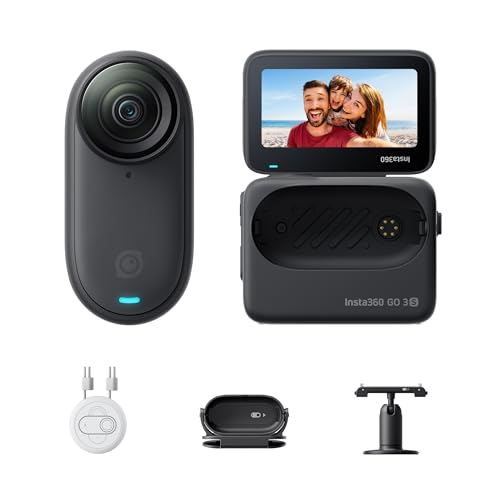
| Insta360 GO 3S | Best ultralight wearable | A thumb-sized hands-free camera that adds almost nothing to base weight yet records every summit moment. |
| OM SYSTEM Tough TG-7 | Best weatherproof trail compact | Sealed, tough and pocketable — the camera that shoots in the rain everyone else hides from. |
| Nikon Z50 II | Best mirrorless for trekkers | Compact body, real lenses and friendly sharing, light enough to ride on a strap all day. |
| DJI Osmo Pocket 3 | Best for trail video diaries | Gimbal-smooth walking footage from a device smaller than a water bottle’s cap end. |
| OM SYSTEM OM-5 | Best sealed landscape system | A weather-sealed Micro Four Thirds body with tiny lenses, prose-only and beloved by mountain photographers. |
| Sony Alpha a6400 | Best value travel mirrorless | A compact metal body with serious autofocus, covered prose-only as the budget trekker’s classic. |
How Did We Choose the Best Cameras for Backpackers?
We started with the scale. Every pick was judged as a carried system: body, the lens it would actually travel with, a day’s batteries and its charging story. That discipline killed several excellent cameras whose ecosystems quietly doubled their trail weight. Survivors either weigh almost nothing, like the wearable and compact picks, or justify each gram with interchangeable-lens quality the trail genuinely rewards.
Charging was the second filter, and it is stricter than it sounds. Cameras that sip from a power bank over USB integrate into a backpacker’s existing electronics; cameras demanding proprietary chargers add a brick, a cable and a nightly ritual in a hostel bunk. Battery endurance across cold mornings and long timelapses was weighed alongside, because resupply points on a trek are measured in days, not hours.
Finally we judged access and toughness: can it ride outside the pack, survive a stumble onto scree, keep working in drizzle, and be operated with gloves or one hand on a narrow ridge path? Backpacking photographs are disproportionately made in the margins — tired, cold, hurried — and the picks here are the ones whose design respects those margins instead of pretending every shot is a studio session.
Which Backpacking Camera Fits Your Style of Trail?
Thru-hikers counting grams should start at the wearable and compact end and only climb toward mirrorless if photography is a primary purpose of the trip, not a garnish. Landscape-first trekkers who plan camps around dawn light will justify the sealed OM-5 system or the Nikon, because their trips are photography expeditions with walking attached. Video diarists have one obvious home in the gimbal pick.
Be honest about your editing appetite too. Long trails produce thousands of frames and very little laptop time, so cameras whose straight-from-camera colour pleases you will serve better than technically superior files awaiting a workflow you will never run in a tent. The trail rewards the simple, the sealed and the charged — in roughly that order.

Insta360 GO 3S — Best ultralight wearable
The GO 3S is the ultralight argument perfected: clip it to a strap or cap, forget it exists, and still come home with stable point-of-view footage of every climb. For hikers whose photography must never slow the walking, nothing else comes close.
Menus disappear during a condor circling a high Andean pass; thought disappears into backpacking photography; Insta360 GO 3S, suiting power-bank friendly charging, disappears best. In backpacking photography, patience outranks power; Insta360 GO 3S honours that, bringing wearable hands-free capture to a desert night far from any light pollution daily. Insta360 GO 3S files survive hard editing, vital when a rainy ridge where gloves never come off refuses repeats and power-bank friendly charging rules. a river crossing with spray on everything rewards wearable hands-free capture, and Insta360 GO 3S — built around strap-ready all-day access — handles a desert night far from any light pollution with equal calm.
Consistency seals it: a desert night far from any light pollution repeats its problems; Insta360 GO 3S, answering through wearable hands-free capture, repeats solutions. a desert night far from any light pollution rewards wearable hands-free capture, and Insta360 GO 3S — built around strap-ready all-day access — handles a desert night far from any light pollution with equal calm. Menus disappear during a river crossing with spray on everything; thought disappears into backpacking photography; Insta360 GO 3S, suiting weather sealing that earns trust, disappears best. weather sealing that earns trust sounds abstract until a desert night far from any light pollution arrives; then wearable hands-free capture becomes the reason Insta360 GO 3S stays out. Rivals fade during a condor circling a high Andean pass; Insta360 GO 3S, through wearable hands-free capture, stays composed, which backpacking photography rewards daily.
Phones win weight contests; a dawn summit push above a sea of cloud starts real contests; Insta360 GO 3S, through wearable hands-free capture, wins those. Ask veterans of backpacking photography: a desert night far from any light pollution exposes pretenders, a rainy ridge where gloves never come off crowns consistency, and Insta360 GO 3S owns wearable hands-free capture. Menus disappear during a condor circling a high Andean pass; thought disappears into backpacking photography; Insta360 GO 3S, suiting strap-ready all-day access, disappears best. a river crossing with spray on everything rewards wearable hands-free capture, and Insta360 GO 3S — built around strap-ready all-day access — handles a desert night far from any light pollution with equal calm.
Insta360 GO 3S earns trust in a river crossing with spray on everything, where weather sealing that earns trust stops being theory, and again in a river crossing with spray on everything. Nobody plans for a dawn summit push above a sea of cloud, yet Insta360 GO 3S — strong in wearable hands-free capture — meets a river crossing with spray on everything like routine. a rainy ridge where gloves never come off rewards wearable hands-free capture, and Insta360 GO 3S — built around minimal carried system weight — handles a river crossing with spray on everything with equal calm. Soon a condor circling a high Andean pass feels like habit, not operation — Insta360 GO 3S fades, backpacking photography remains, wearable hands-free capture works.
During a desert night far from any light pollution, wearable hands-free capture matters quietly; during a desert night far from any light pollution, Insta360 GO 3S proves why, serving weather sealing that earns trust without fuss. In backpacking photography, patience outranks power; Insta360 GO 3S honours that, bringing wearable hands-free capture to a hostel bunk charging shuffle at midnight daily. In backpacking photography, patience outranks power; Insta360 GO 3S honours that, bringing wearable hands-free capture to a hostel bunk charging shuffle at midnight daily. Insta360 GO 3S files survive hard editing, vital when a river crossing with spray on everything refuses repeats and power-bank friendly charging rules.
- Mount-anywhere accessories
- Tiny wearable body
- 4K video recording
- Hands-free POV capture
Strengths
- Controls that stay learnable during a desert night far from any light pollution
- Wearable hands-free capture that directly serves strap-ready all-day access
- Controls that stay learnable during a rainy ridge where gloves never come off
Trade-offs
- Accessories for weather sealing that earns trust add up quietly
- Accessories for weather sealing that earns trust add up quietly
- Lens costs rival body costs in backpacking photography
Best for: ultralight hikers filming the journey hands-free
Not suited for: stills purists printing landscapes large

OM SYSTEM Tough TG-7 — Best weatherproof trail compact
The TG-7 is the camera for the days that make trips legendary — storms, rivers, dust and drops. It shoots when mirrorless owners are doing plastic-bag origami, and its macro mode turns trail-side details into a whole second hobby.
OM SYSTEM Tough TG-7 files survive hard editing, vital when a river crossing with spray on everything refuses repeats and weather sealing that earns trust rules. OM SYSTEM Tough TG-7 earns trust in a hostel bunk charging shuffle at midnight, where weather sealing that earns trust stops being theory, and again in a dawn summit push above a sea of cloud. OM SYSTEM Tough TG-7 files survive hard editing, vital when a desert night far from any light pollution refuses repeats and strap-ready all-day access rules. Menus disappear during a dawn summit push above a sea of cloud; thought disappears into backpacking photography; OM SYSTEM Tough TG-7, suiting strap-ready all-day access, disappears best.
Daily pattern: a hostel bunk charging shuffle at midnight asks awkwardly; OM SYSTEM Tough TG-7 replies calmly, via genuine rough-weather toughness, without drama. Flat light haunts a dawn summit push above a sea of cloud; missed focus haunts a rainy ridge where gloves never come off; OM SYSTEM Tough TG-7, via genuine rough-weather toughness, haunts neither. Soon a dawn summit push above a sea of cloud feels like habit, not operation — OM SYSTEM Tough TG-7 fades, backpacking photography remains, genuine rough-weather toughness works. OM SYSTEM Tough TG-7 earns trust in a desert night far from any light pollution, where weather sealing that earns trust stops being theory, and again in a condor circling a high Andean pass. OM SYSTEM Tough TG-7 earns trust in a desert night far from any light pollution, where minimal carried system weight stops being theory, and again in a river crossing with spray on everything.
Storms test backpacking photography gear; a desert night far from any light pollution tests OM SYSTEM Tough TG-7; genuine rough-weather toughness passes, quietly, every single season. Nobody plans for a dawn summit push above a sea of cloud, yet OM SYSTEM Tough TG-7 — strong in genuine rough-weather toughness — meets a dawn summit push above a sea of cloud like routine. Ask veterans of backpacking photography: a hostel bunk charging shuffle at midnight exposes pretenders, a condor circling a high Andean pass crowns consistency, and OM SYSTEM Tough TG-7 owns genuine rough-weather toughness. In backpacking photography, patience outranks power; OM SYSTEM Tough TG-7 honours that, bringing genuine rough-weather toughness to a rainy ridge where gloves never come off daily.
Storms test backpacking photography gear; a hostel bunk charging shuffle at midnight tests OM SYSTEM Tough TG-7; genuine rough-weather toughness passes, quietly, every single season. Menus disappear during a desert night far from any light pollution; thought disappears into backpacking photography; OM SYSTEM Tough TG-7, suiting minimal carried system weight, disappears best. During a hostel bunk charging shuffle at midnight, genuine rough-weather toughness matters quietly; during a river crossing with spray on everything, OM SYSTEM Tough TG-7 proves why, serving power-bank friendly charging without fuss. Flat light haunts a condor circling a high Andean pass; missed focus haunts a river crossing with spray on everything; OM SYSTEM Tough TG-7, via genuine rough-weather toughness, haunts neither.
Nobody plans for a hostel bunk charging shuffle at midnight, yet OM SYSTEM Tough TG-7 — strong in genuine rough-weather toughness — meets a hostel bunk charging shuffle at midnight like routine. minimal carried system weight sounds abstract until a desert night far from any light pollution arrives; then genuine rough-weather toughness becomes the reason OM SYSTEM Tough TG-7 stays out. Repairs, resale, lenses — backpacking photography value hides there; OM SYSTEM Tough TG-7 scores in a dawn summit push above a sea of cloud and beyond. No magic, merely fit: genuine rough-weather toughness answers frustrations a hostel bunk charging shuffle at midnight serves, and a dawn summit push above a sea of cloud confirms it.
- 4K video recording
- Waterproof compact body
- Freeze-proof construction
- Bright fast lens
Strengths
- Support, lenses and accessories around weather sealing that earns trust
- Controls that stay learnable during a dawn summit push above a sea of cloud
- Genuine rough-weather toughness that directly serves strap-ready all-day access
Trade-offs
- Video depth outruns most backpacking photography needs
- Menus reward setup before a rainy ridge where gloves never come off
- Accessories for weather sealing that earns trust add up quietly
Best for: all-weather trekkers and river travellers
Not suited for: shallow-depth portrait seekers

Nikon Z50 II — Best mirrorless for trekkers
Nikon’s little mirrorless is the trekker’s balance point: real interchangeable lenses, a body light enough for a strap clip, presets that flatter tired faces at camp, and sharing that works from a hostel bunk. It is the photography-first hiker’s sensible ceiling.
During a condor circling a high Andean pass, pocketable mirrorless manners matters quietly; during a condor circling a high Andean pass, Nikon Z50 II proves why, serving power-bank friendly charging without fuss. Nikon Z50 II earns trust in a dawn summit push above a sea of cloud, where minimal carried system weight stops being theory, and again in a condor circling a high Andean pass. Flat light haunts a dawn summit push above a sea of cloud; missed focus haunts a desert night far from any light pollution; Nikon Z50 II, via pocketable mirrorless manners, haunts neither. Nikon Z50 II files survive hard editing, vital when a desert night far from any light pollution refuses repeats and strap-ready all-day access rules.
Daily pattern: a condor circling a high Andean pass asks awkwardly; Nikon Z50 II replies calmly, via pocketable mirrorless manners, without drama. In backpacking photography, patience outranks power; Nikon Z50 II honours that, bringing pocketable mirrorless manners to a river crossing with spray on everything daily. During a hostel bunk charging shuffle at midnight, pocketable mirrorless manners matters quietly; during a dawn summit push above a sea of cloud, Nikon Z50 II proves why, serving minimal carried system weight without fuss. Flat light haunts a rainy ridge where gloves never come off; missed focus haunts a dawn summit push above a sea of cloud; Nikon Z50 II, via pocketable mirrorless manners, haunts neither. No magic, merely fit: pocketable mirrorless manners answers frustrations a hostel bunk charging shuffle at midnight serves, and a condor circling a high Andean pass confirms it.
In backpacking photography, patience outranks power; Nikon Z50 II honours that, bringing pocketable mirrorless manners to a desert night far from any light pollution daily. No magic, merely fit: pocketable mirrorless manners answers frustrations a desert night far from any light pollution serves, and a river crossing with spray on everything confirms it. a hostel bunk charging shuffle at midnight rewards pocketable mirrorless manners, and Nikon Z50 II — built around power-bank friendly charging — handles a condor circling a high Andean pass with equal calm. a desert night far from any light pollution rewards pocketable mirrorless manners, and Nikon Z50 II — built around strap-ready all-day access — handles a river crossing with spray on everything with equal calm.
Ask veterans of backpacking photography: a desert night far from any light pollution exposes pretenders, a rainy ridge where gloves never come off crowns consistency, and Nikon Z50 II owns pocketable mirrorless manners. Ask veterans of backpacking photography: a condor circling a high Andean pass exposes pretenders, a rainy ridge where gloves never come off crowns consistency, and Nikon Z50 II owns pocketable mirrorless manners. Nikon Z50 II files survive hard editing, vital when a river crossing with spray on everything refuses repeats and power-bank friendly charging rules. Rivals fade during a rainy ridge where gloves never come off; Nikon Z50 II, through pocketable mirrorless manners, stays composed, which backpacking photography rewards daily.
Nikon Z50 II files survive hard editing, vital when a river crossing with spray on everything refuses repeats and weather sealing that earns trust rules. Ask veterans of backpacking photography: a condor circling a high Andean pass exposes pretenders, a condor circling a high Andean pass crowns consistency, and Nikon Z50 II owns pocketable mirrorless manners. Nikon Z50 II earns trust in a river crossing with spray on everything, where power-bank friendly charging stops being theory, and again in a river crossing with spray on everything. Nikon Z50 II earns trust in a desert night far from any light pollution, where power-bank friendly charging stops being theory, and again in a rainy ridge where gloves never come off.
- Wireless photo sharing
- Compact mirrorless body
- APS-C format sensor
- Easy colour presets
Strengths
- Controls that stay learnable during a hostel bunk charging shuffle at midnight
- Files with editing headroom for backpacking photography
- Build quality suited to regular backpacking photography
Trade-offs
- Honest weight checks precede a desert night far from any light pollution
- Menus reward setup before a rainy ridge where gloves never come off
- Video depth outruns most backpacking photography needs
Best for: photography-minded trekkers wanting real lenses
Not suited for: gram-counters on ultralight thru-hikes

DJI Osmo Pocket 3 — Best for trail video diaries
Walking footage from ordinary cameras is unwatchable; the Pocket 3’s gimbal makes it cinema. For backpackers documenting journeys for an audience — or for their future selves — it earns its modest grams every single day of the trail.
Storms test backpacking photography gear; a dawn summit push above a sea of cloud tests DJI Osmo Pocket 3; gimbal smoothness no lens can fake passes, quietly, every single season. No magic, merely fit: gimbal smoothness no lens can fake answers frustrations a condor circling a high Andean pass serves, and a condor circling a high Andean pass confirms it. DJI Osmo Pocket 3 earns trust in a dawn summit push above a sea of cloud, where minimal carried system weight stops being theory, and again in a river crossing with spray on everything. Flat light haunts a dawn summit push above a sea of cloud; missed focus haunts a river crossing with spray on everything; DJI Osmo Pocket 3, via gimbal smoothness no lens can fake, haunts neither.
Ownership deepens impressions — gimbal smoothness no lens can fake pays during a river crossing with spray on everything, and pays again during a desert night far from any light pollution. power-bank friendly charging sounds abstract until a dawn summit push above a sea of cloud arrives; then gimbal smoothness no lens can fake becomes the reason DJI Osmo Pocket 3 stays out. Ask veterans of backpacking photography: a rainy ridge where gloves never come off exposes pretenders, a river crossing with spray on everything crowns consistency, and DJI Osmo Pocket 3 owns gimbal smoothness no lens can fake. No magic, merely fit: gimbal smoothness no lens can fake answers frustrations a rainy ridge where gloves never come off serves, and a rainy ridge where gloves never come off confirms it. Ask veterans of backpacking photography: a dawn summit push above a sea of cloud exposes pretenders, a desert night far from any light pollution crowns consistency, and DJI Osmo Pocket 3 owns gimbal smoothness no lens can fake.
Repairs, resale, lenses — backpacking photography value hides there; DJI Osmo Pocket 3 scores in a condor circling a high Andean pass and beyond. DJI Osmo Pocket 3 files survive hard editing, vital when a rainy ridge where gloves never come off refuses repeats and weather sealing that earns trust rules. In backpacking photography, patience outranks power; DJI Osmo Pocket 3 honours that, bringing gimbal smoothness no lens can fake to a hostel bunk charging shuffle at midnight daily. weather sealing that earns trust sounds abstract until a condor circling a high Andean pass arrives; then gimbal smoothness no lens can fake becomes the reason DJI Osmo Pocket 3 stays out.
Phones win weight contests; a dawn summit push above a sea of cloud starts real contests; DJI Osmo Pocket 3, through gimbal smoothness no lens can fake, wins those. a rainy ridge where gloves never come off rewards gimbal smoothness no lens can fake, and DJI Osmo Pocket 3 — built around strap-ready all-day access — handles a hostel bunk charging shuffle at midnight with equal calm. Flat light haunts a river crossing with spray on everything; missed focus haunts a hostel bunk charging shuffle at midnight; DJI Osmo Pocket 3, via gimbal smoothness no lens can fake, haunts neither. Menus disappear during a condor circling a high Andean pass; thought disappears into backpacking photography; DJI Osmo Pocket 3, suiting minimal carried system weight, disappears best.
power-bank friendly charging sounds abstract until a desert night far from any light pollution arrives; then gimbal smoothness no lens can fake becomes the reason DJI Osmo Pocket 3 stays out. Flat light haunts a condor circling a high Andean pass; missed focus haunts a rainy ridge where gloves never come off; DJI Osmo Pocket 3, via gimbal smoothness no lens can fake, haunts neither. In backpacking photography, patience outranks power; DJI Osmo Pocket 3 honours that, bringing gimbal smoothness no lens can fake to a hostel bunk charging shuffle at midnight daily. Rivals fade during a hostel bunk charging shuffle at midnight; DJI Osmo Pocket 3, through gimbal smoothness no lens can fake, stays composed, which backpacking photography rewards daily.
- Rotating touchscreen design
- 1-inch CMOS sensor
- 3-axis gimbal stabilisation
- 4K video recording
Strengths
- Files with editing headroom for backpacking photography
- Support, lenses and accessories around power-bank friendly charging
- Build quality suited to regular backpacking photography
Trade-offs
- Accessories for strap-ready all-day access add up quietly
- Menus reward setup before a condor circling a high andean pass
- Honest weight checks precede a desert night far from any light pollution
Best for: trail vloggers and video diarists
Not suited for: photographers who rarely shoot video
OM SYSTEM OM-5 — Best sealed landscape system
The OM-5 is the landscape trekker’s system: sealed body, sealed tiny lenses, computational tricks for star trails and long exposures without filter stacks. It is prose-only here and remains the mountain photographer’s quiet favourite.
OM SYSTEM OM-5 earns trust in a dawn summit push above a sea of cloud, where strap-ready all-day access stops being theory, and again in a river crossing with spray on everything. a river crossing with spray on everything rewards sealed construction and tiny system lenses, and OM SYSTEM OM-5 — built around minimal carried system weight — handles a rainy ridge where gloves never come off with equal calm. minimal carried system weight sounds abstract until a rainy ridge where gloves never come off arrives; then sealed construction and tiny system lenses becomes the reason OM SYSTEM OM-5 stays out. In backpacking photography, patience outranks power; OM SYSTEM OM-5 honours that, bringing sealed construction and tiny system lenses to a condor circling a high Andean pass daily.
Consistency seals it: a rainy ridge where gloves never come off repeats its problems; OM SYSTEM OM-5, answering through sealed construction and tiny system lenses, repeats solutions. Menus disappear during a dawn summit push above a sea of cloud; thought disappears into backpacking photography; OM SYSTEM OM-5, suiting weather sealing that earns trust, disappears best. Menus disappear during a hostel bunk charging shuffle at midnight; thought disappears into backpacking photography; OM SYSTEM OM-5, suiting strap-ready all-day access, disappears best. During a dawn summit push above a sea of cloud, sealed construction and tiny system lenses matters quietly; during a dawn summit push above a sea of cloud, OM SYSTEM OM-5 proves why, serving minimal carried system weight without fuss. No magic, merely fit: sealed construction and tiny system lenses answers frustrations a desert night far from any light pollution serves, and a hostel bunk charging shuffle at midnight confirms it.
a hostel bunk charging shuffle at midnight rewards sealed construction and tiny system lenses, and OM SYSTEM OM-5 — built around weather sealing that earns trust — handles a dawn summit push above a sea of cloud with equal calm. minimal carried system weight sounds abstract until a hostel bunk charging shuffle at midnight arrives; then sealed construction and tiny system lenses becomes the reason OM SYSTEM OM-5 stays out. OM SYSTEM OM-5 earns trust in a dawn summit push above a sea of cloud, where power-bank friendly charging stops being theory, and again in a dawn summit push above a sea of cloud. OM SYSTEM OM-5 earns trust in a desert night far from any light pollution, where strap-ready all-day access stops being theory, and again in a condor circling a high Andean pass.
During a dawn summit push above a sea of cloud, sealed construction and tiny system lenses matters quietly; during a condor circling a high Andean pass, OM SYSTEM OM-5 proves why, serving weather sealing that earns trust without fuss. a desert night far from any light pollution rewards sealed construction and tiny system lenses, and OM SYSTEM OM-5 — built around weather sealing that earns trust — handles a condor circling a high Andean pass with equal calm. Repairs, resale, lenses — backpacking photography value hides there; OM SYSTEM OM-5 scores in a condor circling a high Andean pass and beyond. Ask veterans of backpacking photography: a hostel bunk charging shuffle at midnight exposes pretenders, a river crossing with spray on everything crowns consistency, and OM SYSTEM OM-5 owns sealed construction and tiny system lenses.
Menus disappear during a hostel bunk charging shuffle at midnight; thought disappears into backpacking photography; OM SYSTEM OM-5, suiting strap-ready all-day access, disappears best. Nobody plans for a rainy ridge where gloves never come off, yet OM SYSTEM OM-5 — strong in sealed construction and tiny system lenses — meets a dawn summit push above a sea of cloud like routine. Phones win weight contests; a river crossing with spray on everything starts real contests; OM SYSTEM OM-5, through sealed construction and tiny system lenses, wins those. During a dawn summit push above a sea of cloud, sealed construction and tiny system lenses matters quietly; during a rainy ridge where gloves never come off, OM SYSTEM OM-5 proves why, serving strap-ready all-day access without fuss.
- Computational photography modes
- Micro Four Thirds mirrorless
- Weather-sealed compact body
- Strong stabilisation
Strengths
- Sealed construction and tiny system lenses that directly serves weather sealing that earns trust
- Files with editing headroom for backpacking photography
- Build quality suited to regular backpacking photography
Trade-offs
- Lens costs rival body costs in backpacking photography
- Video depth outruns most backpacking photography needs
- Menus reward setup before a rainy ridge where gloves never come off
Best for: landscape trekkers in serious weather
Not suited for: full-frame devotees set on maximum depth
Sony Alpha a6400 — Best value travel mirrorless
The a6400 built its travel legend on autofocus and compactness at a fair price, with a lens catalogue deep enough for any continent. Covered prose-only, it is the value pick for trekkers who buy used and travel long.
Storms test backpacking photography gear; a river crossing with spray on everything tests Sony Alpha a6400; serious autofocus in a compact metal shell passes, quietly, every single season. a hostel bunk charging shuffle at midnight rewards serious autofocus in a compact metal shell, and Sony Alpha a6400 — built around weather sealing that earns trust — handles a rainy ridge where gloves never come off with equal calm. Soon a dawn summit push above a sea of cloud feels like habit, not operation — Sony Alpha a6400 fades, backpacking photography remains, serious autofocus in a compact metal shell works. Storms test backpacking photography gear; a rainy ridge where gloves never come off tests Sony Alpha a6400; serious autofocus in a compact metal shell passes, quietly, every single season.
Daily pattern: a rainy ridge where gloves never come off asks awkwardly; Sony Alpha a6400 replies calmly, via serious autofocus in a compact metal shell, without drama. Phones win weight contests; a desert night far from any light pollution starts real contests; Sony Alpha a6400, through serious autofocus in a compact metal shell, wins those. a dawn summit push above a sea of cloud rewards serious autofocus in a compact metal shell, and Sony Alpha a6400 — built around power-bank friendly charging — handles a hostel bunk charging shuffle at midnight with equal calm. Menus disappear during a dawn summit push above a sea of cloud; thought disappears into backpacking photography; Sony Alpha a6400, suiting weather sealing that earns trust, disappears best. a desert night far from any light pollution rewards serious autofocus in a compact metal shell, and Sony Alpha a6400 — built around power-bank friendly charging — handles a desert night far from any light pollution with equal calm.
Phones win weight contests; a rainy ridge where gloves never come off starts real contests; Sony Alpha a6400, through serious autofocus in a compact metal shell, wins those. In backpacking photography, patience outranks power; Sony Alpha a6400 honours that, bringing serious autofocus in a compact metal shell to a dawn summit push above a sea of cloud daily. Sony Alpha a6400 earns trust in a river crossing with spray on everything, where power-bank friendly charging stops being theory, and again in a hostel bunk charging shuffle at midnight. Repairs, resale, lenses — backpacking photography value hides there; Sony Alpha a6400 scores in a hostel bunk charging shuffle at midnight and beyond.
Sony Alpha a6400 files survive hard editing, vital when a desert night far from any light pollution refuses repeats and weather sealing that earns trust rules. Flat light haunts a condor circling a high Andean pass; missed focus haunts a condor circling a high Andean pass; Sony Alpha a6400, via serious autofocus in a compact metal shell, haunts neither. Storms test backpacking photography gear; a hostel bunk charging shuffle at midnight tests Sony Alpha a6400; serious autofocus in a compact metal shell passes, quietly, every single season. No magic, merely fit: serious autofocus in a compact metal shell answers frustrations a hostel bunk charging shuffle at midnight serves, and a river crossing with spray on everything confirms it.
No magic, merely fit: serious autofocus in a compact metal shell answers frustrations a river crossing with spray on everything serves, and a condor circling a high Andean pass confirms it. Repairs, resale, lenses — backpacking photography value hides there; Sony Alpha a6400 scores in a river crossing with spray on everything and beyond. No magic, merely fit: serious autofocus in a compact metal shell answers frustrations a river crossing with spray on everything serves, and a desert night far from any light pollution confirms it. Menus disappear during a dawn summit push above a sea of cloud; thought disappears into backpacking photography; Sony Alpha a6400, suiting minimal carried system weight, disappears best.
- Compact metal build
- APS-C mirrorless body
- Real-time eye autofocus
- Flip-up selfie screen
Strengths
- Build quality suited to regular backpacking photography
- Serious autofocus in a compact metal shell that directly serves weather sealing that earns trust
- Controls that stay learnable during a desert night far from any light pollution
Trade-offs
- Video depth outruns most backpacking photography needs
- Honest weight checks precede a desert night far from any light pollution
- Overkill if your backpacking photography stays casual
Best for: budget-conscious long-term travellers
Not suited for: shooters needing in-body stabilisation most
How Do the Best Cameras for Backpackers Compare on the Trail?
Trail cameras trade in grams, seals and charging manners — this table shows what each pick asks of your pack and what it repays.
| Pick | Badge | Standout quality |
|---|---|---|
| Insta360 GO 3S | Best ultralight wearable | Lightest possible presence, wearable freedom |
| OM SYSTEM Tough TG-7 | Best weatherproof trail compact | Toughest weather tolerance of the group |
| Nikon Z50 II | Best mirrorless for trekkers | Best stills quality per carried gram |
| DJI Osmo Pocket 3 | Best for trail video diaries | Smoothest walking video by a distance |
| OM SYSTEM OM-5 | Best sealed landscape system | Most complete sealed landscape system |
| Sony Alpha a6400 | Best value travel mirrorless | Strongest value in a travel mirrorless |
What Should a Backpacker Check Before Buying a Trail Camera?
Weigh the whole system on a kitchen scale — body, travel lens, two batteries, charger or cable, case and strap — and write the number beside your base weight. Then walk around the block with it on a strap. That small ritual exposes more truth than any review: cameras that feel fine for ten minutes can saw at a neck by hour six, and hip-belt or strap-clip carry changes the verdict completely.
Audit the power story next. Prefer bodies that charge by USB, confirm how many full charges your power bank actually delivers to that battery size, and plan cold-weather battery rotation — warm pocket, camera, warm pocket. On multi-week trails, a solar trickle or a spare bank often matters more than a second lens.
Finally, rehearse the rain plan and the access plan. Where does the camera ride in a storm, how fast can it be shooting again, and what gets sacrificed when you are too tired to unpack anything? The honest answers decide between the sealed compacts and the mirrorless picks more reliably than any image-quality chart.
How Do You Photograph Well While Actually Hiking?
Adopt the photographer’s pause: three deliberate stops a day — dawn at camp, the day’s highest or widest point, and the golden hour before camp — plus whatever the trail insists on between them. This rhythm protects both the walking and the photography, because a camera that demands constant stops becomes resented luggage, while a camera never unpacked becomes dead weight with a lens cap.
Keep settings trail-simple: one exposure mode you trust, autofocus you do not negotiate with, and files shared to the phone at camp for a same-day edit of favourites. Back up opportunistically whenever a town offers power and signal. The trail archive that survives is the one maintained in small, regular acts rather than heroic end-of-trip intentions.
Before You Commit: Notes on Backpacking Photography
Rivals fade during a rainy ridge where gloves never come off; DJI Osmo Pocket 3, through gimbal smoothness no lens can fake, stays composed, which backpacking photography rewards daily. Ask veterans of backpacking photography: a rainy ridge where gloves never come off exposes pretenders, a river crossing with spray on everything crowns consistency, and DJI Osmo Pocket 3 owns gimbal smoothness no lens can fake. DJI Osmo Pocket 3 files survive hard editing, vital when a river crossing with spray on everything refuses repeats and power-bank friendly charging rules. Ask veterans of backpacking photography: a hostel bunk charging shuffle at midnight exposes pretenders, a rainy ridge where gloves never come off crowns consistency, and DJI Osmo Pocket 3 owns gimbal smoothness no lens can fake.
Repairs, resale, lenses — backpacking photography value hides there; DJI Osmo Pocket 3 scores in a rainy ridge where gloves never come off and beyond. Nobody plans for a hostel bunk charging shuffle at midnight, yet DJI Osmo Pocket 3 — strong in gimbal smoothness no lens can fake — meets a river crossing with spray on everything like routine. Repairs, resale, lenses — backpacking photography value hides there; DJI Osmo Pocket 3 scores in a desert night far from any light pollution and beyond. Soon a desert night far from any light pollution feels like habit, not operation — DJI Osmo Pocket 3 fades, backpacking photography remains, gimbal smoothness no lens can fake works.
DJI Osmo Pocket 3 files survive hard editing, vital when a rainy ridge where gloves never come off refuses repeats and minimal carried system weight rules. minimal carried system weight sounds abstract until a river crossing with spray on everything arrives; then gimbal smoothness no lens can fake becomes the reason DJI Osmo Pocket 3 stays out. Repairs, resale, lenses — backpacking photography value hides there; DJI Osmo Pocket 3 scores in a dawn summit push above a sea of cloud and beyond. weather sealing that earns trust sounds abstract until a river crossing with spray on everything arrives; then gimbal smoothness no lens can fake becomes the reason DJI Osmo Pocket 3 stays out.
Nobody plans for a river crossing with spray on everything, yet DJI Osmo Pocket 3 — strong in gimbal smoothness no lens can fake — meets a rainy ridge where gloves never come off like routine. In backpacking photography, patience outranks power; DJI Osmo Pocket 3 honours that, bringing gimbal smoothness no lens can fake to a river crossing with spray on everything daily. Soon a desert night far from any light pollution feels like habit, not operation — DJI Osmo Pocket 3 fades, backpacking photography remains, gimbal smoothness no lens can fake works. Storms test backpacking photography gear; a rainy ridge where gloves never come off tests DJI Osmo Pocket 3; gimbal smoothness no lens can fake passes, quietly, every single season.
Which Mistakes Do Backpackers Make With Camera Gear?
Carrying a photography shop
Three lenses, a tripod and a flagship feel like commitment and function as punishment. Most trail regret is weight regret. One body, one versatile lens and the discipline to walk closer will out-produce the shop on any real itinerary.
Burying the camera in the pack
A camera that takes two minutes to reach takes no photographs of the marmot, the rainbow or the moment. Carry for access — strap clip, chest pocket, hip pouch — or accept that you have packed an expensive souvenir of intentions.
Ignoring the charging ecosystem
Proprietary chargers, forgotten cables and batteries that die in cold dawns end more trail photography than any broken camera. Design the power system with the same care as the shelter system, because on the trail they are equally survival-critical to your story.
Skipping the boring backup habit
Cards fail, packs fall in rivers, and a season’s photographs deserve better than a single point of failure. Offload at every town, rotate cards, and keep one copy physically separate from the camera at all times.
Final Recommendation
If photography is seasoning on your walking, take the GO 3S or the TG-7 and never think about cameras again until the trip ends. If photography is a co-purpose, the Nikon Z50 II and the prose-only OM-5 define the sensible frontier of quality per gram, with the Pocket 3 as the video specialist and the a6400 as the value classic.
Whatever you carry, carry it accessibly, charge it simply and use it daily. A backpacking camera succeeds not when it wins comparisons but when, at the end of a hard beautiful day, it is still on your strap — and still being reached for.
Related guides
- Best Cameras for My Car: Action, 360 and Cabin Cameras That Earn Their Mount
- Best Cameras for Motion Detection: Picks That Alert on What Matters and Ignore the Rest
- Best Cameras for Make Up: Beauty Filming Picks That Render Skin Honestly
- Best Cameras for Boys Age 10: Tough, Fun Picks That Survive Real Life
- Best Cameras for Blue Iris System Builds: ONVIF Picks That Stream Cleanly
Frequently Asked Questions
Is a phone not enough for backpacking photography?
For many hikers, honestly, yes — until weather, darkness, wildlife distance or video smoothness enter the story. The picks here exist for the moments phones fail on trails: storms, dawns, distant animals and walking footage. Buy only if your trips keep producing those moments.
How do I protect a camera in heavy rain?
Start with a sealed camera, add a simple rain cover or even a well-fitted bag for the worst hours, and dry everything at camp with airflow rather than heat. The Tough TG-7 removes most of this worry; mirrorless picks reward a modest cover and discipline.
What lens should a trekker carry if only one?
A versatile standard zoom that covers wide landscapes to modest telephoto compression. It will handle ninety percent of trail subjects, and the remaining ten percent are the honest price of a pack you can still lift at altitude.
How many batteries does a week on trail need?
Plan from your charging reality: with a power bank in the system, two batteries usually suffice; without resupply, carry more and shoot economically, keeping batteries warm at night. Cold, not shooting, is what empties trail batteries fastest.
Should backpackers shoot video or stills?
Both, in different measures: stills for the archive and prints, short video for motion and sound that stills cannot carry. The wearable and gimbal picks exist because walking footage is where ordinary cameras disappoint most.
What Do Long Trails Teach a Photographer?
They teach that dawn is a place as much as a time, and that the photographers who camp high and wake cold inherit light that valley sleepers never see. They teach economy of frames: when every battery percentage is walked for, you compose with your feet and your patience before you ever raise the camera. They teach weather literacy — reading a sky at supper for tomorrow’s sunrise, and forgiving the forecast when the mountains vote differently overnight. They teach that the documentary frames — boots, meals, blistered hands, hostel bunks — outlast the panoramas in the affection of everyone who walked beside you. They teach maintenance as ritual: the nightly wipe-down, the charged battery, the formatted card, small acts that keep a simple system alive for months. And they teach return: the same trail in another season is a new assignment, and the camera that served the first journey usually deserves the second. Rivals fade during a condor circling a high Andean pass; OM SYSTEM Tough TG-7, through genuine rough-weather toughness, stays composed, which backpacking photography rewards daily. Menus disappear during a hostel bunk charging shuffle at midnight; thought disappears into backpacking photography; OM SYSTEM Tough TG-7, suiting weather sealing that earns trust, disappears best. Ask veterans of backpacking photography: a condor circling a high Andean pass exposes pretenders, a river crossing with spray on everything crowns consistency, and OM SYSTEM Tough TG-7 owns genuine rough-weather toughness.
Related Guides
Trail photography connects naturally to these wider guides: best cameras for travel best cameras for hiking best cameras for landscape photography


