reviewstook.com is reader-supported. When you buy through links on our site, we may earn an affiliate commission.
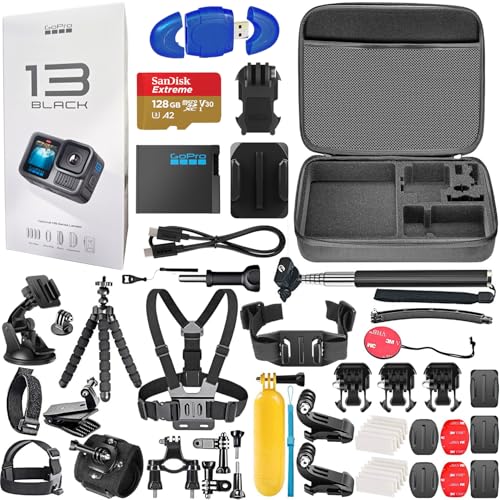
Where to buy
Shoppers who type best cameras for hunting and fishing videos com into a search box land here, and every linked pick below is sold on Amazon, and the honest way to shop this category is to price the whole field kit at once: the camera, a waterproof case or housing where one is needed, two spare batteries, a fast card and the mount that matches your boat rail, bow stabiliser or hat brim. A camera that is cheap alone and expensive to make waterproof is not cheap.
- GoPro HERO13 Black: check price on Amazon
- DJI Osmo Action 5 Pro: check price on Amazon
- Insta360 Ace Pro 2: check price on Amazon
- Insta360 X4: check price on Amazon
- OM SYSTEM Olympus Tough TG-7: check price on Amazon
- AKASO EK7000: check price on Amazon
The phrase people actually type is some version of best cameras for hunting and fishing videos com, the trailing fragment a leftover of a half-copied web address, but the need underneath it is precise: a camera that films a hunt or a fishing trip without being babied. That means surviving a dunking at the boat ramp, shrugging off sleet in a November tree stand, starting instantly when a fish surfaces or a buck steps into a lane, and running for hours on batteries you can swap with cold, wet or fish-slimed hands.
Two filming jobs hide inside this one search. The first is the wide, mounted record: a camera clamped to a gunwale, a rod holder or a tree arm that captures the strike, the shot and the celebration without anyone touching it. The second is the close storytelling shot: hands releasing a fish at the surface, a dog working a retrieve, the quiet interview at the tailgate afterwards. No single camera does both jobs equally well, which is why this list mixes action cameras with different mounting personalities, one sealed compact stills camera and one genuinely cheap spare.
Judgement here is weighted toward the failures that actually end fishing and hunting footage: fogged housings, dead batteries at first light, mounts that vibrate loose on a washboard lake, and screens nobody can read in glare. Resolution matters, but it ranks below sealing, battery discipline and one-button starting, because the moment you are filming never repeats and never waits for a menu.
Key Takeaways
- Sealing beats specifications outdoors: every linked pick here is waterproof as sold or in its included combo, because the best hunting and fishing footage happens in weather other cameras sit out.
- Film the moment twice when you can: a mounted wide camera that nobody operates plus a second angle for the release or the retrieve turns one event into an edit instead of a single shaky clip.
- Battery swaps are the real runtime limit, so favour cameras with removable batteries and carry them warm in an inside pocket during cold sits.
- Mount to the boat, the blind or your chest, not to the rod or the firearm itself, unless local rules and safety practice clearly allow it and the recoil or flex will not ruin the shot.
- Slow motion earns its keep on strikes and shots on goal-line moments like a surface take, so a strong high-frame-rate mode matters more here than headline resolution.
In this guide
Quick Picks
| Pick | Badge | Why it earns its place |
|---|---|---|
| GoPro HERO13 Black | Best mounted record | The widest accessory and mount ecosystem in the field, with slow motion strong enough to replay a surface strike frame by frame. |
| DJI Osmo Action 5 Pro | Best for low light at first and last light | A large sensor and confident dusk performance for the dawn and evening hours when fish feed and game moves. |
| Insta360 Ace Pro 2 | Best flip-screen field camera | A big flip-up screen and a large sensor make it the easiest action camera to frame storytelling shots with outdoors. |
| Insta360 X4 | Best for never missing the moment | It records in every direction at once, so the strike behind you is captured even when the camera was aimed at the cast in front. |
| OM SYSTEM Olympus Tough TG-7 | Best tough stills and macro camera | A sealed compact that shrugs off immersion, freezing and drops, with a macro mode made for flies, lures and small details. |
| AKASO EK7000 | Best budget spare | Cheap enough to mount where you would never risk a flagship: on the dog’s harness, the decoy sled or the kayak bow. |
How did we choose cameras for the boat, the blind and the bank?
We started from the two environments rather than from a spec sheet. Salt and fresh water, fish slime, blood, mud, decoy-bag abrasion and pre-dawn condensation destroy more outdoor cameras than any drop does, so the first filter was sealing: a pick had to be waterproof in the form it is sold, or a recognised tough camera built for immersion. Anything needing a separate housing purchase to survive a dunking was pushed down the order.
The second filter was start-up honesty. In a tree stand or a flats skiff, the interval between seeing the animal and pressing record decides whether the clip exists, so we favoured cameras with voice control, one-press recording from off, or a wake behaviour that does not demand a screen unlock and a mode check. Cameras that boot like small computers were marked down however good their sensors are.
Finally we weighted mounting ecosystems and battery behaviour. A camera that fits the mounts already on your boat and swaps batteries in seconds will film more of your season than a technically better camera that lives in a padded case. Price was treated qualitatively throughout: the list runs from a budget spare to a flagship, and the verdicts say plainly which tier each job actually needs.
Best cameras for hunting and fishing videos com: the picks that film a trip without being babied
Six picks, six different field jobs: two flagships that split the mounted-record role, a 360 camera that removes aiming from the equation, a tough stills compact for the hero shots, a chest-friendly outdoor combo, and a budget camera cheap enough to risk on the worst mount you own.

GoPro HERO13 Black — Best mounted record
The HERO13 Black is the camera to bolt down and forget. Its mounting ecosystem is the deepest in this category, which matters because hunting and fishing filming is mostly a mounting problem: rod-holder mounts, rail clamps, suction cups for a console, hat clips and chest harnesses all exist for this body, and the folding fingers mean the same camera moves between them in seconds. The 5.3K recording and strong slow-motion modes cover the two shots that define a trip film, the wide establishing record and the replay of the take or the shot, and the camera is waterproof as sold, so a wave over the bow is an inconvenience rather than an ending.
- Form: flagship action camera, waterproof as sold
- Video: 5.3K recording with high-frame-rate slow motion
- Mounting: folding fingers plus the largest accessory range here
- Power: removable battery, swap in seconds
- Control: voice commands and one-press recording
In the blind, the habit that makes this camera pay is pre-framing before legal light. Clamp it to the tree arm or the blind frame while you can still see what you are doing, run a ten-second test clip, check the lane edges on the rear screen, then leave it entirely alone; a camera adjusted at the moment of the shot films the adjustment, not the shot. On the boat the same discipline applies at the ramp: mount, test, and let the day happen inside a frame you have already approved, reaching only for the voice command or the top button when the action starts.
Strengths
- Mounts for every boat, blind and body position you own
- Slow motion turns strikes and hits into replays
- Waterproof body needs no housing for surface filming
Trade-offs
- Flagship tier pricing once mounts are added
- Small rear screen is hard to judge in hard glare
- Runs warm on long high-resolution recordings
Best for: Anglers and hunters who want one dependable mounted camera that captures the moment hands-free.
Not suited for: Filming long, quiet interviews at the tailgate, where a bigger-screen camera tells the story better.

DJI Osmo Action 5 Pro — Best for low light at first and last light
The Osmo Action 5 Pro earns its place on the hours that decide outdoor filming: the first forty minutes after dawn and the last forty before dark, when fish rise, ducks commit and deer move, and when lesser action cameras smear detail into noise. Its large sensor holds colour and texture in that flat, dim light noticeably better than the budget end of this list, and the front screen lets a solo angler frame a release shot or a piece to camera without walking around the tripod. It is waterproof as sold and built around quick magnetic mounting, so moving it from a chest harness to a boat rail takes one hand.
- Form: flagship action camera, waterproof as sold
- Sensor: large 1/1.3-inch class sensor for low light
- Screens: front and rear touchscreens
- Mounting: magnetic quick-release system
- Power: long-life removable battery
The field habit this camera rewards is fishing the light rather than the clock. Set it up during the bright, dead middle of the day, when nothing is happening anyway: white balance locked for open water, the horizon level checked, a test clip reviewed at full brightness. Then, when the evening rise begins, you are pressing one button instead of configuring a camera while fish feed around you. Its magnetic mounts encourage a second habit worth stealing: move the camera at every stop. Two minutes of repositioning between the bow, the console and your chest turns one flat trip log into footage with a point of view.
Strengths
- Strongest dim-light picture on this list
- Front screen makes solo framing honest
- Quick-release mounts encourage varied angles
Trade-offs
- Accessory range still smaller than GoPro’s
- Magnetic mounts need a tether over water
- Premium tier, especially with spare batteries
Best for: Dawn-and-dusk anglers and waterfowlers whose best action happens in poor light.
Not suited for: Anyone who wants the absolute widest choice of third-party mounts on day one.

Insta360 Ace Pro 2 — Best flip-screen field camera
The Ace Pro 2 is the storyteller of this group. Its large flip-up touchscreen solves the action camera’s oldest framing problem: stand in front of it to talk through the morning plan, the lure choice or the dog’s first retrieve, and you can see yourself exactly as the lens does. The large sensor, co-engineered optics and 8K headline mode give it stills and video quality a step beyond the budget bodies, while the flip screen folds flat and protected for the ride in the boat. Waterproofing as sold and a fast quick-release mount keep it honest as a field tool rather than a studio toy.
- Form: action camera with large flip touchscreen
- Video: up to 8K recording, strong slow motion
- Sensor: large 1/1.3-inch class sensor
- Mounting: quick-release magnetic system
- Power: removable battery, fast charging
Outdoors, this camera changes how a solo creator works the bank. The flip screen makes the walk-and-talk honest: hold it at arm’s length on a short grip while you pick through the decoys or along the shoreline, and your framing stays composed instead of hopeful. The habit to build is the thirty-second debrief: after every fish, every bird, every miss, flip the screen, say what happened while it is still true, and put the camera away. Trip films are made of those small truthful pieces far more than of the hero shot, and this is the only action camera here that makes collecting them effortless.
Strengths
- Flip screen transforms solo pieces to camera
- Excellent image quality for an action body
- Screen folds away protected for transport
Trade-offs
- Flip mechanism deserves respect in grit and sand
- Larger and heavier than the simplest action cams
- 8K mode is a sometimes tool, not an all-day setting
Best for: Solo hunters and anglers who narrate their trips and want composed, front-facing footage.
Not suited for: Mount-and-forget recording on a vibrating rail, where a simpler fixed body is happier.

Insta360 X4 — Best for never missing the moment
The X4 answers the oldest frustration in fishing footage: the fish that rose behind the boat while the camera faced forward. As a 360 camera it records the whole sphere, and the shot is chosen afterwards in the app, which means a camera mounted on the console or a short pole captures the cast, the hook-up, the net job and the celebration in a single continuous take. The 8K 360 recording holds up well when reframed to a normal wide shot, the body is waterproof as sold, and the invisible-selfie-stick effect lets a pole mount vanish from the frame for a drone-like view of a wading angler.
- Form: 360 action camera, waterproof as sold
- Video: 8K 360 capture, reframed afterwards
- Mounting: standard action mount plus pole options
- Workflow: choose angles in the app after filming
- Power: removable battery
The habit the X4 teaches is placement over aiming. Put it high and central, on a raised console mount or a short pole in a rod holder, before the fishing starts, and then genuinely forget it; the footage improves the moment everyone stops performing for a lens they cannot locate. Review the day on the app that evening and pull the angles that matter, because 360 files are heavy and an unreviewed week of them becomes an archive nobody opens. Treat it as the insurance camera of the kit: it rarely makes the prettiest single shot, but it is the one that never misses the story.
Strengths
- Captures action in every direction simultaneously
- Reframing afterwards rescues unrepeatable moments
- Pole mount disappears for floating third-person views
Trade-offs
- Editing is app work after the trip, not optional
- Large files demand card and storage discipline
- Reframed footage is softer than a flagship’s native shot
Best for: Boat crews and guides who cannot afford to miss a client’s fish or a once-a-season moment.
Not suited for: Filmmakers who want finished, framed footage straight from the card with no app step.

OM SYSTEM Olympus Tough TG-7 — Best tough stills and macro camera
The TG-7 is the still photographer’s field camera and the detail camera of the whole list. It is waterproof, freezeproof and crushproof in the maker tradition of the Tough line, shoots raw stills, and carries a macro system that focuses almost at the front element, which makes it the natural tool for the shots that give a trip film texture: a tied fly on a thumbnail, a lure’s hooks, a scale pattern, frost on a duck call. Its 4K video is a supporting act rather than the headline, but as the camera that lives loose in a vest pocket or a boat glove box for years, nothing else here competes.
- Form: sealed tough compact, waterproof and freezeproof
- Stills: raw capture with a bright zoom lens
- Macro: microscope-style close focus for detail work
- Video: 4K recording for supporting clips
- Build: rated for drops, immersion and cold
The TG-7 habit is keeping it where the action is instead of where it is safe. A flagship action camera lives on its mount; this one lives in the top pocket of the waders or the front of the blind bag, hauled out one-handed for the still that anchors the story: the fish in the net before release, the dog shaking off, the sunrise over the decoys. Because it tolerates being dropped in the shallows and fished back out, you will carry it into positions you would never risk a phone or a mirrorless body, and over a season that willingness quietly produces the best stills file of the whole kit.
Strengths
- Survives immersion, freezing and genuine abuse
- Macro mode is unmatched here for tackle details
- Raw stills reward a proper edit afterwards
Trade-offs
- Video is competent rather than class-leading
- Small sensor shows its limits in deep dusk
- Fixed screen limits low and high angles
Best for: Anglers and hunters who want durable stills and close detail shots alongside the video cameras.
Not suited for: Being the only video camera on a trip built around filming.

AKASO EK7000 — Best budget spare
The EK7000 is the expendable camera, and expendable is a genuine filming strategy outdoors. At its budget tier you can own two, mount one somewhere reckless, a kayak bow, a decoy sled, a post at the bait site, and treat the flagship’s safety as somebody else’s problem. It records 4K video, ships in most bundles with a waterproof case and a pile of mounts, and its remote control suits starting a shot from the other end of the boat. The picture is a clear step below the flagships in dim light and stabilisation, but for bright midday angles and second views it is honestly sufficient, which is all a spare is ever asked to be.
- Form: budget action camera with waterproof case
- Video: 4K recording at everyday frame rates
- Control: wrist remote included in most bundles
- Mounting: large bundle of basic mounts included
- Power: removable batteries, usually two in the box
Use this camera the way its price invites: as the angle you would otherwise never get. Clip it low on the net handle for the underwater release, strap it to the dog vest for the retrieve’s-eye view, or leave it running on the bait-site post while you film the main action on something better. The discipline it demands in return is modest: check the case seal every time, because the body relies on its housing for waterproofing, and keep expectations calibrated at dawn and dusk, where its small sensor works hardest. Reviewed the same evening, its clips cut happily into a film carried by stronger cameras.
Strengths
- Cheap enough to risk on reckless mounts
- Bundles usually include case, mounts and spares
- Remote start suits unattended angles
Trade-offs
- Needs its case for waterproofing
- Dim-light footage is visibly weaker
- Stabilisation trails the flagships clearly
Best for: A second or third angle, youth hunters’ kits, and mounts you would never trust with a flagship.
Not suited for: Being the main camera for a once-a-year trip in low light.
How do the six field picks compare side by side?
| Pick | Form | Strongest suit | Watch out |
|---|---|---|---|
| GoPro HERO13 Black | Action camera | Hands-free mounted record | Add mount costs to the real price |
| DJI Osmo Action 5 Pro | Action camera | Dawn and dusk filming | Tether the magnetic mount over water |
| Insta360 Ace Pro 2 | Action camera | Solo narration and storytelling | Keep grit away from the flip hinge |
| Insta360 X4 | 360 camera | Whole-scene insurance coverage | Budget time for reframing in the app |
| OM SYSTEM Olympus Tough TG-7 | Tough compact | Stills, macro and abuse-proof carry | Video plays a supporting role |
| AKASO EK7000 | Budget action camera | Risky second angles | Seal the case carefully every time |
Read the table by job rather than by rank. The two flagships split the mounted record between mounting depth and low-light quality; the 360 camera is insurance rather than a primary; the TG-7 is a stills tool that happens to film; and the budget AKASO is a strategy, not a compromise, because the angles it risks are the ones a flagship owner never shoots. Most complete trip kits on this list are pairs: one flagship action camera plus either the TG-7 for stills or the EK7000 for reckless angles.
One honest cross-cutting note: every camera here leans on removable batteries except where a long internal runtime is the design, and in cold weather the battery plan matters more than the camera plan. Whatever you choose, the second battery and a warm inside pocket will add more finished footage to your season than any specification on the box.
What actually ruins hunting and fishing footage, and how do you prevent it?
The biggest killer is not water but condensation. A camera sealed in a warm truck cab and carried into cold dawn air fogs inside its case or behind its lens, and the first hour, the best hour, films through a soft white veil. Prevent it by acclimatising the kit: keep cameras in the boat or the blind bag overnight rather than in heated rooms, and let a fogged camera sit open in the field air rather than wiping the inner element, which smears the moisture into a worse haze.
The second killer is vibration. A camera hard-mounted to a boat console or an aluminium blind frame inherits every buzz of the engine and every bump of a knee, and stabilisation software cannot fully rescue a frame that never sits still. A short flexible arm, a foam pad under the mount, or moving the camera to a chest harness removes most of it. The third killer is simpler: full cards and flat batteries at the moment of the season. Format cards the night before, charge everything on one cable run, and make the check part of the same routine as licences and shells.
How should you set up a two-camera shoot for a hunt or a fishing trip?
Assign each camera a job and forbid overlap. The mounted camera owns the wide truth: the whole scene, running before the action starts and stopping after it ends. The second camera owns the human detail: hands, faces, the release, the retrieve, and it is allowed to be picked up, moved and narrated into. When both cameras try to film the same wide shot you get two mediocre records and no story; when they split the jobs, a ten-minute edit almost assembles itself.
Sound deserves one decision in advance. Action cameras hear the world through small membranes dulled by wind and waterproofing, so for any trip where voices matter, the tailgate interview, the guide explaining the rig, film those pieces close to the camera in a sheltered spot rather than shouting across a windy deck. Wind noise is the flaw viewers forgive least, and it is the cheapest flaw to avoid by simply stepping behind the truck or the blind wall for the talking pieces.
What settings earn their keep outdoors, and which can you ignore?
Frame rate is the setting that matters most in this genre. A strong slow-motion mode turns a striking fish, a flushing bird or an arrow’s flight into a replay the viewer can actually follow, so choose your recording mode by asking which moments you will want to slow down, and accept the storage cost on those clips only. Filming everything at the highest rate fills cards with unremarkable cruising footage and shortens battery life exactly when you need it.
Stabilisation should be on for anything handheld or body-mounted and can be eased for a locked-off tripod shot, where electronic correction sometimes adds a faint swim to a static frame. Colour profiles are a taste decision with one practical edge: flat profiles reward editing afterwards and punish anyone who will not edit, so if your footage goes from card to family group chat untouched, choose the camera’s standard vivid look and let the water and sky look the way the day felt.
How do you keep cameras alive through a wet, cold season?
Rinse discipline is the difference between a camera that lasts five seasons and one that dies in the second. Salt water is the urgent case: rinse the sealed body in fresh water after every salt day, work the buttons under the rinse so grit leaves the seals, and dry the camera before it goes into a sealed bag, because a damp camera stored airtight grows the fog and corrosion you were trying to prevent. Freshwater kit gets the lighter version, a wipe, a dry, and an open bag overnight in a room with moving air.
Cold is the second season-killer, and it attacks through batteries and condensation rather than electronics. Batteries live against your body, rotated like hand warmers, and the camera itself stays cold with the weather rather than commuting between a heated cab and a frozen blind, because every warm-to-cold journey breathes moist air onto cold glass. At home, store the whole kit in a dry box or a cupboard with a desiccant pack, and give every mount’s threads and every case’s seal a fingertip of inspection before the season opens, not after the first failure.
Finally, treat mounts as consumables with a service life. Suction cups lose their grip as the rubber ages, adhesive pads let go in heat, and a strap mount’s elastic relaxes until the camera nods at the worst moment. The cheap insurance is a tether on everything mounted over water or at height: a short cord from camera to rail, to branch, to your own wrist, so that when a mount eventually fails, and one eventually will, the story is an inconvenience you laugh about at the ramp rather than a camera sleeping with the fishes.
What does a good day of filming actually look like, hour by hour?
Dawn is for the mounted camera and silence. It is mounted before first light, framed on the lane or the flat, tested with a short clip reviewed at full screen brightness, and then ignored with religious discipline while the hunting or fishing happens. The filmmaker’s only jobs in this hour are the voice command or the single button press, and the restraint not to check footage while the light and the animals are doing their best work. Reviewing clips at dawn is how the shot of the season gets missed while watching a lesser one.
Midday, when the action sleeps, is production time. Swap batteries before they demand it, offload or at least verify the morning’s cards, film the texture the edit will need: the decoys from water level, hands tying a rig, the dog asleep in the sun, the shoreline from the boat. Interview yourselves while the details are fresh, because the story of the morning told at noon, tired and honest, is worth more than the polished version reconstructed in the truck a week later when half the truth has evaporated.
Evening reverses the morning: the storytelling camera leads while the light is kind, the mounted camera takes the last-light vigil, and the day’s final job happens at the table, cards copied to two places before anyone sleeps. That two-copy rule is the whole of field data management, and it is why professionals’ seasons survive lost bags and drowned boats. The footage of a hunting or fishing life is irreplaceable in the strictest sense; treat the copies accordingly and the cameras on this page will build you an archive worth growing old with.
How should you film the release and the retrieve, the moments viewers remember?
The release is fishing film’s signature shot, and it is won at water level. A camera on a short mount at the gunwale, or the tough TG-7 held just at the surface, puts the viewer inside the moment as the fish gathers itself and kicks away, and that low angle is worth more than any resolution. Keep the fish supported and wet, keep the shot under a few seconds of handling, and let the mounted wide camera carry the human reaction while the close camera carries the animal’s departure; cut together, the two make the sequence every fishing film is remembered by.
The retrieve is the hunting equivalent, and its camera belongs on the dog’s world rather than the hunter’s. A chest-mounted or blind-mounted camera at dog height catches the work, the marking, the swim, the delivery, at the angle the story actually happens, while the wide camera holds the scene. Film the training days too, with the budget camera risked on the dog’s own harness once your dog is steady with it, because a season’s arc, puppy chaos to finished work, is the film your family will watch in twenty years, long after the bag limits are forgotten.
Both moments share one rule: the animal’s welfare outranks the shot, always, and visibly. Viewers who hunt and fish can read handling the way musicians read timing, and a film that subordinates the release to a pose loses the very audience it was made for. The cameras here were chosen partly because they start fast and work mounted, which is to say they let the animal’s moment stay the animal’s, with the filming arranged respectfully around it.
What should you buy second, after the camera itself?
A second angle, before any upgrade. The single highest-value addition to any kit on this page is the cheap second camera, the EK7000 pattern, because two angles turn records into films: the wide truth and the close truth, cut together, hold a viewer’s attention in a way no single perfect shot can. Buy it with its mounts, place it where the main camera is not, and let it run; its footage will rescue edits whose main angle was blocked, fogged or pointed at history’s least interesting square metre of water.
Power and storage come next, bought as a system rather than as spares: batteries enough to film a full day without rationing, a charger that runs from the truck or the boat, and cards enough that formatting a full one is never a decision made under pressure. Then a proper bag or hard case that the kit actually lives in, because cameras die in transport more than in use, and a kit that travels organised is a kit that gets carried, which is the first virtue from which all the others follow.
Last, and only when the films have earned it, comes sound: a way of recording voices cleanly for the storytelling pieces, and the small light that makes a tailgate interview at dusk look intentional. Notice what is not on this list: a bigger camera. The upgrade path in outdoor filming runs through angles, power and sound long before it reaches resolution, and the shooters whose films you admire online are, almost without exception, two-camera, well-powered storytellers using bodies no better than these.
How do you edit a trip film without losing the story?
Edit for the day’s shape, not for the highlight reel. A trip film that is all strikes and shots exhausts a viewer in ninety seconds, because excitement without context becomes noise; the films that hold are built like the day itself, quiet water at dawn, the long middle patience, the eruption, the release, the ride home in kind light. Your B-roll, the texture filmed at midday when nothing was biting, is what lets the eruption land, so the edit begins by protecting the quiet footage from the delete key’s enthusiasm.
Sound carries the story’s spine. Lay the voices first, the morning plan, the midday debrief, the evening verdict, and cut the action to them, rather than muting the day into a music montage that could be anyone’s trip anywhere. Natural sound under the action, water, wings, the reel’s drag, should survive at low level beneath everything, because it is the difference between a film of your season and a slideshow with ambitions. The cameras here record that sound adequately when the wind is managed, which is one more reason the sheltered interview habit matters.
Keep the archive honest as you go: name the files by date and place while the memory is fresh, keep the unedited masters beside the finished film, and resist re-editing old trips into modern styles every year. The archive’s value compounds across decades, and its currency is authenticity; the shaky dawn shot of a grandfather’s hands on a rod will outvalue every polished production in the folder, and it exists only if the mounted camera was running, charged and already framed, which is where this guide came in.
What changes when you film in salt water rather than fresh?
Salt is the patient destroyer: it creeps into seams, crystallises in mount threads and turns small neglect into corrosion with a chemist’s persistence. The rinse discipline described earlier stops being advice and becomes liturgy, fresh water after every outing, seals inspected with a fingertip, and the kit dried before storage rather than after the smell announces the mistake. Cameras sealed as sold, which is most of this list, tolerate the routine indefinitely; the budget camera in its case demands the case’s seal be perfect every single time, because salt water inside a housing is worse than no housing at all.
Light behaves differently on salt water too: the glare off a flat is a photographic force of nature, bright enough to defeat screens and bleach the surface detail where fish move. Film the flats early and late where the trip allows, position the boat so the mounted camera looks across the light rather than into it, and accept the polarising truth that some midday surface action will read as silhouette and sparkle. The fish do not schedule themselves around your exposure, which is why the camera that starts instantly and exposes honestly earns its flagship status on the flats.
Finally, salt-country filming is a two-handed war against spray: every lens cloth you own will be damp by ten o’clock, so carry them in sealed bags in numbers that feel excessive at the dock and inadequate by noon. A dry cloth is a production tool of the first rank on a skiff, and the shooter who guards one for the day’s last light, when the redfish tail and the camera both deserve clarity, understands the genre’s real economics.
How do you film in genuinely bad weather and keep going?
Bad weather is this genre’s home advantage, because fish feed and game moves in it while other filmmakers stay indoors. The sealed bodies on this list treat rain as a working condition rather than an emergency, so the craft shifts to the peripherals: a lens cloth staged somewhere dry, a hat brim or a small hood sheltering the front element from direct hits, and the discipline of wiping the lens only between sequences, since a half-wiped lens during the moment films the wiping. Accept a certain amount of weather in the frame; a few raindrops at the edge of a dawn shot are not a flaw but a testimony.
Sleet and cold rain attack the operator before the camera. Fingers that cannot feel a record button miss moments no specification can recover, so dress for the filming as seriously as for the hunting: thin liner gloves that keep button feel, a spare dry pair sealed in the bag, and camera controls rehearsed by touch at home until the top button, the voice command and the battery door are all findable blind. The cameras with voice control earn their keep precisely here, starting and stopping from inside a collar’s worth of clothing.
Wind is the third weather, and it is a sound problem wearing a picture’s clothes. It shakes high mounts, roars across microphones and turns a beautiful evening rise into unusable audio. Lower the mount, shelter the camera behind the boat’s console or the blind’s wall where the framing allows, and film the talking pieces in the lee of anything solid. A trip film that respects the wind in its planning sounds like the weather felt; one that ignores it sounds like a helicopter, and no viewer has ever finished one of those.
What do you do with a season of footage once it exists?
Make the short film while the season is warm in memory, and make it for the people who were there. Twenty honest minutes, the dawns, the misses, the one great moment and the ride home, will be watched for decades; the four-hour unedited archive will be watched never, by anyone, including you. The edit is where the season becomes a story, and the cameras’ contribution, the mounted wide record, the close truth, the texture, was all gathered with this hour in mind, which is why the filming habits in this guide keep returning to coverage rather than highlights.
Then share it in the circles that understand it: the camp, the club, the family group, the local shop’s wall where such films quietly recruit the next generation into the sport. Hunting and fishing survive as traditions because their stories travel, and a well-made season film is now the most persuasive travelling those stories do. Credit the places carefully, keep the sensitive locations as vague as your community’s ethics require, and let the film argue for the life without ever lecturing about it.
Keep the masters, always, in two places, with the season’s name on them. Storage is the cheapest immortality ever sold, and the footage you are gathering, of dogs in their prime, of fathers still wading strong, of a shoreline before it changed, appreciates in exactly the currency that cannot be bought back. The best camera work in this genre is finally an act of family and community record-keeping, and it deserves an archive built with the same care as the shooting.
What mistakes do first-time outdoor filmmakers keep making?
- Mounting the only camera to the rod or the firearm, where flex, recoil and safety rules conspire to ruin both the shot and the moment.
- Sealing a warm camera into its case at the truck and filming the whole dawn through condensation fog.
- Testing a new mount for the first time on the water, and watching the day’s only fish happen outside a badly guessed frame.
- Recording everything at maximum resolution and frame rate, then meeting the best action of the trip with a full card.
- Talking to the camera across a windy deck and discovering at home that every word dissolved into roar.
- Leaving spare batteries in the cold outer pocket, where they deliver a fraction of their charge, instead of warm against the body.
Underneath most of these sits one habit worth naming: treating the camera as cargo rather than as kit. Rods get rigged the night before, dogs get fed, licences get checked, and the camera gets thrown in the truck with a hopeful battery. Give the filming kit the same five minutes of preparation as the fishing or hunting kit, charge, format, mount, test, and the footage improves more than any upgrade on this page could make it.
Final Recommendation
If one camera must be chosen, make it the GoPro HERO13 Black for the mounted record or the DJI Osmo Action 5 Pro if your action lives at dawn and dusk; both will film a whole season without complaint. Add the TG-7 when stills matter, the X4 when missing the moment is the one unacceptable outcome, the Ace Pro 2 when you narrate alone, and the EK7000 whenever the best angle is one you are afraid to use. The best camera for hunting and fishing videos is ultimately the one mounted, charged and already running when the water breaks or the lane fills, so buy for that moment and practise for it at home.
Related guides
- Best Cameras for Making Music Videos: Production Picks from Bedroom Singles to Band Shoots
- Best Cameras for Making Guitar Videos: Picks for Lessons, Covers and Performances
Frequently Asked Questions
Can one camera really cover both hunting and fishing filming?
Yes, if it is a waterproof action camera from the flagship pair on this list. Hunting adds cold, concealment and long motionless waits; fishing adds immersion, slime and glare. A sealed action body with strong mounts handles both, while the stills and storytelling roles are where a second, specialised camera earns its space in the bag.
Is it legal and safe to mount a camera on a firearm or a bow?
Rules vary by jurisdiction and season, and some places restrict electronics attached to hunting equipment, so check your local regulations before any hunt. On safety grounds this guide recommends mounting to the blind, the stand or your body instead: the footage is steadier, the weapon stays unencumbered, and no rulebook needs consulting at dawn.
How do you film a catch and release without hurting the fish?
Keep the fish in the water or the net while the mounted camera runs, wet your hands before any handling, and make the close shot quick: the TG-7’s fast macro and the action cameras’ wide view both work at the surface without lifting the fish for a long pose. A camera that is already mounted and running is itself a fish-welfare tool, because nobody fumbles with gear while the fish waits.
Why does my footage fog up inside the waterproof case?
Warm, moist air sealed inside the case condenses on the coldest surface, which is the lens port, as soon as the camera meets cold water or dawn air. Acclimatise the camera to outdoor temperature before sealing it, use anti-fog inserts where the case allows them, and never open a cold case in a warm cabin until the camera has warmed up, or the fog simply moves inside.
How much slow motion do hunting and fishing films really need?
Enough to replay three moments: a strike or a flush, the shot or the hook-set, and the release or the retrieve. Those are seconds of footage in a whole day, so a camera with a strong high-frame-rate mode used selectively beats a camera run at maximum settings all day, which trades away battery and card space you will want later.
What is the cheapest sensible way into filming trips?
Start with the EK7000 as a mounted second angle and your phone, protected, for the talking pieces, then add a flagship action camera when you know which shots you actually chase. Buying in that order teaches you your own style before the expensive purchase, and the budget camera stays useful forever as the reckless-angle spare.
How do I stop my action camera batteries dying in the cold?
Carry them warm. Batteries deliver far less charge when cold-soaked, so rotate spares from an inside pocket, keep the camera’s own battery warm by keeping the camera close to the body between setups where the filming allows, and expect a cold day to consume half again the power of a mild one. The cameras here with removable batteries make that rotation a ten-second job, which is precisely why they were favoured.
Should I film in the highest resolution for wildlife moments?
Only if your editing and storage genuinely use it. Higher resolution costs battery, card space and heat, and for most trip films the delivery is a phone or a television at ordinary sizes. A strong frame rate for the moments you will slow down, on a resolution your system handles happily, produces better finished films than maximum settings endured resentfully.
Related Guides
Keep reading with best cameras for hiking and camping and best cameras for game film and best cameras for helmets.


