Disclosure: As an Amazon Associate, reviewstook.com earns from qualifying purchases. Links on this page are affiliate links; they cost you nothing extra. Prices and availability change often, so check the current Amazon listing before you buy.
The logitech vs razer which is better argument has run for two decades because it is really two arguments wearing one title: a contest between specific products, which can be settled category by category, and a contest between philosophies, Logitech’s broad, reliability-first engineering against Razer’s esports-first, specification-forward identity. This comparison settles the first argument with six current products, three from each camp across mice, keyboards, and headsets, and then answers the second honestly: the better brand is the one whose philosophy matches the desk, the games, and the temperament of the player sitting in front of them.
Brand loyalty in gaming gear is unusually sticky because ecosystems compound: a mouse teaches your hand a shape, software teaches your habits a layout, and soon the rival brand’s equivalent product feels wrong for reasons that are really familiarity wearing the mask of quality. This comparison tries to strip that mask away wherever it can, grading each product on what it does for a player who owns nothing from either camp, and reserving the ecosystem discussion for the end, where it belongs, as a tiebreaker rather than a premise.
Key takeaways
- Razer’s flagship mouse edges the pure esports contest; Logitech’s answers with battery, support, and ubiquity.
- Keyboards split by taste: Logitech’s slim aluminium against Razer’s feature-rich, macro-friendly boards.
- Headsets are the closest category, decided by microphone needs and platform habits.
- Most players should choose per category, not per logo; mixed desks are normal and rational.
In this guide
The six products in this comparison
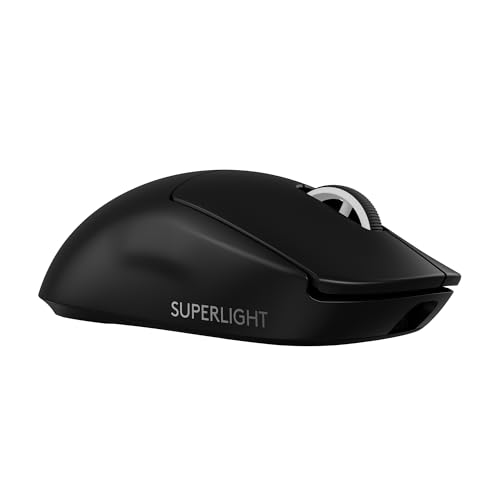
- Logitech G Pro X Superlight 2 — Logitech’s flagship wireless mouse: HERO 2 sensor, LIGHTFORCE hybrid switches.
- Razer Viper V3 Pro — Razer’s flagship wireless mouse: Focus Pro sensor generation, optical switches, high polling.
- Logitech G915 X LIGHTSPEED TKL — Logitech’s slim flagship keyboard: low profile, PBT keycaps, aluminium finish.
- Razer BlackWidow V4 — Razer’s full-size mechanical flagship: tactile and clicky green switches, macro keys, wrist rest.
- Logitech G PRO X 2 Lightspeed — Logitech’s flagship headset: graphene drivers, detachable boom microphone.
- Razer BlackShark V2 Pro — Razer’s flagship headset: long battery, pro-tuned FPS profiles, detachable microphone.
Mice: Superlight 2 against Viper V3 Pro

Logitech G Pro X Superlight 2
Badge: Logitech’s mouse champion
- Sensor: HERO 2, 32,000 DPI as listed
- Switches: LIGHTFORCE hybrid optical-mechanical
- Buttons: 5 programmable as listed
- Charging: USB-C as listed
- Platforms: PC and Mac as listed
Logitech’s flagship mouse is the category’s consensus made physical: a neutral symmetrical shape that offends almost no grip, hybrid switches that keep a mechanical soul inside an optical lifespan, and a wireless link with a decade of tournament trust behind it. Its genius is the absence of argument; teammates, coaches, and borrowed setups at events all speak its language. Against the Razer it concedes the last gram and the highest polling theatre, and wins on familiarity, support, and a click feel many veterans describe simply as correct.
Strengths
- Neutral shape fits the widest range of hands
- Hybrid switches blend tactility with optical longevity
- Support and spares are the easiest in the industry to find
Trade-offs
- Five buttons is lean for macro-heavy games
- Not the lightest or highest-polling mouse in its class
- Design is deliberately understated beside Razer’s
Best for: players who want the proven flagship with the fewest surprises. / Not suited for: specification maximalists and many-button gamers.

Razer Viper V3 Pro
Badge: Razer’s mouse champion
- Weight: 54 grams in black as listed
- Sensor: Razer Focus Pro optical, 35K DPI as listed
- Switches: third-generation optical as listed
- Battery: up to 95 hours as listed
- Polling: up to 8000 Hz capability as listed
The Viper V3 Pro is the esports specialist’s answer: light, long-lived between charges, and tuned with a seriousness about polling and sensor behaviour that treats competitive play as the whole brief rather than a marketing segment. Its shape is a fraction more committed than Logitech’s, flatter and more tapered, rewarding the claw grips that dominate its intended arena. For a player whose evenings are ranked ladders, the Viper’s combination of endurance and specification headroom is the strongest single-mouse argument either brand makes in this entire comparison.
Strengths
- Exceptional battery endurance for a flagship mouse
- Specification headroom aimed squarely at competitive play
- Shape refined across generations of the Viper line
Trade-offs
- Software ecosystem asks more of the user than Logitech’s
- Shape’s commitment suits fewer casual grips
- Highest polling modes shorten the famous battery quickly
Best for: competitive players who grind long sessions. / Not suited for: buyers who want the simplest possible software life.
Mouse verdict: Razer takes the category on specification and endurance; Logitech takes it on universality. A tournament-focused player should buy the Viper; a player buying one mouse for every game and every machine should buy the Superlight. The margin is small enough that hand fit should cast the deciding vote, as it should in every flagship mouse contest ever staged.
Keyboards: G915 X against BlackWidow V4

Logitech G915 X LIGHTSPEED TKL
Badge: Logitech’s keyboard champion
- Layout: tenkeyless, low profile as listed
- Switches: low-profile mechanical, clicky variant as listed
- Keycaps: double-shot PBT as listed
- Finish: aluminium as listed
- Platforms: PC and Mac as listed
Logitech’s keyboard philosophy is subtraction: remove the cable, remove the height, remove the number pad, and polish what remains until it feels like furniture from a design studio. The G915 X is that philosophy’s current flagship, all slim aluminium and low-profile speed, with PBT keycaps answering the original’s one famous flaw. It suits the desk that games hard and then hosts a working day without changing its clothes, and its wireless manners remain the benchmark the rest of the industry quietly measures itself against.
Strengths
- Slim aluminium design suits gaming and office alike
- PBT keycaps promise long cosmetic life
- Wireless architecture is best in class
Trade-offs
- Low-profile feel divides traditional typists
- No dedicated macro column or number pad
- Premium tier for a deliberately minimalist object
Best for: minimalist desks and two-machine households. / Not suited for: macro lovers and deep-travel typing romantics.

Razer BlackWidow V4
Badge: Razer’s keyboard champion
- Switches: Razer green, tactile and clicky as listed
- Extras: 6 dedicated macro keys as listed
- Comfort: magnetic wrist rest as listed
- Keycaps: doubleshot ABS as listed
- Features: Chroma RGB and Snap Tap as listed
Razer’s keyboard philosophy is addition, and the BlackWidow V4 is its manifesto: a full-size board with a dedicated macro column, a magnetic wrist rest in the box, Chroma lighting woven through every key, and switches with an unapologetically mechanical voice. Where the Logitech whispers, the BlackWidow declares, and for players whose games and macros genuinely use the extra keys, the declaration is functionality rather than noise. Snap Tap and the modern feature set show Razer feeding its competitive community’s obsessions directly into hardware, a pipeline Logitech operates more conservatively.
Strengths
- Dedicated macro keys and a proper wrist rest included
- Full-size layout serves work and play without compromise
- Feature pipeline follows competitive players closely
Trade-offs
- Large footprint claims serious desk territory
- Clicky voice will negotiate with your household
- Wired flagship in a comparison where Logitech is wireless
Best for: macro users and full-size traditionalists. / Not suited for: small desks and wireless purists.
Keyboard verdict: this category is a genuine philosophical split with no overall winner. Choose the Logitech for slimness, wireless freedom, and dual-machine grace; choose the Razer for macros, full-size completeness, and feature enthusiasm. Your desk’s size and your games’ macro appetite know the answer even if your brand loyalty pretends not to.
Headsets: G PRO X 2 against BlackShark V2 Pro

Logitech G PRO X 2 Lightspeed
Badge: Logitech’s headset champion
- Drivers: 50mm graphene as listed
- Connections: Bluetooth, USB, and 3.5mm as listed
- Microphone: detachable boom as listed
- Surround: DTS Headphone:X 2.0 as listed
- Finish: black as listed
Logitech’s headset flagship competes on versatility and driver technology. Graphene drivers promise stiffness and lightness in the diaphragm, which translates to clean, controlled sound that serves music and film as faithfully as footsteps, while the triple connection menu, wireless for the desk, Bluetooth for the phone, a cable for everything else, makes it the headset most likely to be worn for the whole day rather than only for the match. Its microphone is competent and detachable, suiting the player who streams casually and works on calls professionally with the same piece of equipment.
Strengths
- Connection versatility covers desk, phone, and console
- Graphene drivers deliver clean, controlled audio
- Professional looks suit calls as well as games
Trade-offs
- Esports-specific tuning is less specialised than Razer’s
- Premium tier against strong mid-range competition
- Fit runs secure, which some long-session users feel
Best for: all-day wearers who game, work, and listen on one headset. / Not suited for: pure FPS specialists chasing tuned profiles.

Razer BlackShark V2 Pro
Badge: Razer’s headset champion
- Battery: up to 70 hours as listed
- Drivers: 50mm as listed
- Microphone: detachable as listed
- Tuning: pro-tuned FPS profiles as listed
- Platforms: PC, PS5, Switch 2, Bluetooth 5.2 as listed
The BlackShark is the headset competitive players actually wear in photographs, and its design explains why: light on the head, serious about positional audio, tuned with profiles built for the shooters its audience plays, and blessed with battery endurance that turns charging into a monthly errand. Its microphone has a broadcast clarity that streamers and shot-callers notice immediately. Against the Logitech it trades some all-round versatility for a sharper competitive focus, and that trade, like every trade in this comparison, is a mirror held up to the buyer’s own evenings.
Strengths
- Excellent battery endurance for a wireless headset
- FPS-tuned profiles serve competitive players directly
- Clear detachable microphone for callouts and streaming
Trade-offs
- Less of an all-purpose music and work headset
- Platform breadth still leans PC-first in spirit
- Styling is unmistakably gaming equipment
Best for: competitive players and streamers. / Not suited for: buyers wanting one discreet headset for office and play.
Headset verdict: the closest category in this comparison. Razer wins the competitive brief, Logitech wins the all-day brief, and a buyer who cannot decide should ask whether the headset’s second job, calls, music, travel, matters; if it does, Logitech, and if the headset has only one job, Razer.
The philosophy layer: software, support, and identity
Beneath the products sit the ecosystems. Logitech’s G Hub and Razer’s Synapse both configure, light, and update their gear, and both have passionate critics; the fair summary is that Logitech’s software aims at stability and breadth across a huge catalogue, while Razer’s aims at depth of customisation for the committed. Support follows the same geometry: Logitech’s scale means parts, replacements, and answers are everywhere, while Razer’s support is strongest inside its enthusiast community, where knowledge is deep and fast. Neither is a reason to buy a worse-fitting product; both are legitimate tiebreakers between equals.
Identity is the layer nobody admits to and everybody buys. Razer sells belonging to the competitive tribe, green-lit and unapologetic, and for many players that belonging is a real pleasure worth real money. Logitech sells the confidence of the default choice, the gear that simply works in every room it enters, and that too is a real pleasure, quieter and longer-lived. A mature buyer names which pleasure they are purchasing and pays for it without apology; an immature argument insists one of the pleasures is objectively fake, and it is that argument, not either brand, that this comparison declares the loser.
Buying guide: building a mixed desk without guilt
The rational desk is usually a mixed desk. Choose the mouse by hand fit, the keyboard by layout and switch taste, and the headset by its second job, and let the logos fall where they may; the products in this comparison interoperate perfectly well across brands because gaming peripherals, unlike phones, still speak universal languages. Ecosystem benefits are real but modest, a single software suite to learn, lighting that can synchronise, and they should break ties rather than overturn verdicts earned on fit and function.
Budget allocation matters more than brand allocation. Across a whole desk, the wisest spend usually puts the mouse first, because it is touched constantly and fit is unforgiving, the headset second if voice matters to your games, and the keyboard third, where even mid-tier boards are excellent and the flagship money buys luxury more than capability. Both brands sell honourable mid-tiers beneath these flagships, and a mixed desk of one flagship and two mid-tiers, chosen by that priority order, will out-serve a logo-pure flagship desk bought by spreading the same money evenly and thinly.
How to test a brand switch honestly
If you are considering defecting, defect scientifically. Change one category at a time, keep the old device for a full month, and judge the new one after adaptation rather than during it, because every flagship in this comparison feels wrong for the first three days to a hand trained by its rival. Note what you actually miss at day thirty; if the list is empty, the defection is complete and the old device can be sold while its value holds. If the list names a specific feature, you have learned something precise about your own priorities that no brand argument could have taught you.
Common mistakes in the brand wars
The first mistake is buying a whole ecosystem in one afternoon to earn a loyalty that pays out in nothing but matched lighting. The second is judging a rival’s product by its first hour in a hand trained for years by its competitor. The third is treating specification sheets as verdicts, when the differences that survive a month of ownership are fit, software manners, and support, in that order. The fourth, and the most expensive, is replacing working gear to settle an argument; arguments are free, and gear is not, and no forum thread has ever reimbursed a reader for winning it.
Final recommendation
So, logitech vs razer which is better? Razer is better at the sharp end of competition: its mouse and headset are the specialist’s instruments, tuned by and for the ranked grind. Logitech is better at the whole of life around the competition: the universality, the support, the gear that walks from the tournament to the office without changing its shoes. Choose per category, by fit and by second jobs, and let your desk be a coalition rather than a monarchy. The players who win the brand war are the ones who refuse to fight it on anyone’s terms but their own hands’.
Frequently asked questions
Is one brand more reliable than the other?
Both build flagships that serve for years, and both have produced individual models with known quirks, as every large manufacturer has. Logitech’s scale gives it an edge in replacement logistics and the sheer availability of help, while Razer’s enthusiast community often surfaces fixes and settings faster than official channels. Reliability at the flagship tier is best judged model by model, which is why this comparison named products rather than asking you to trust a logo with your whole desk.
Should I keep all my gear from one brand for the lighting?
Only if synchronised lighting genuinely delights you, because that is the ecosystem benefit with daily visibility. Software consolidation is the second benefit, one suite to learn instead of two, and it is worth something real but not a worse-fitting mouse. Buy the products that fit, then enjoy whatever synchronisation your choices happen to allow; a desk that serves your hands will please you long after a perfectly matched light show has become wallpaper.
Which brand is better for a beginner’s first setup?
Logitech, by a nose, for the first desk: broader retail availability, simpler software expectations, and shapes that fit the widest range of untrained hands reduce the beginner’s chances of an early mismatch. Razer becomes the more interesting answer the moment the beginner knows their games and their grip, because its specialisation rewards knowledge. There is no shame in graduating between brands as your play sharpens; most long-term players’ desks tell exactly that story if you read their purchase history honestly.
Do professionals use Logitech or Razer?
Both, visibly, at the highest level, which is the strongest evidence that the flagship contest is a genuine tie broken by fit and sponsorship as much as by merit. The Viper and the Superlight lines both appear on tournament desks; BlackSharks and PRO X headsets both appear on stage. A beginner who copies a professional’s brand without copying their hand size, grip, and game is buying a jersey rather than equipment, and the equipment decision deserves the fit-first method this comparison has used throughout.
Which brand holds its value better second-hand?
Logitech’s flagships tend to hold a steadier floor because their buyer pool is broader, while Razer’s specialist models can command strong prices inside their niche and softer ones outside it. Condition and completeness matter more than brand in both cases: a boxed, clean flagship with its receiver and cables is a liquid asset, and a scuffed one is a negotiation. Buy the product you will enjoy, keep its packaging, and let resale be a pleasant surprise rather than a purchase criterion.
Can I mix brands without problems?
Yes, completely. Mice, keyboards, and headsets connect by universal standards and neither brand’s gear requires the other’s permission to work. You will run two software suites if you want both brands’ deepest settings, which is a minor tax, and your lighting will not synchronise across the divide without third-party help, which is a minor aesthetic. Against those two minors, weigh the major: every device on the desk is the one that won its own category. Most experienced players consider that a bargain.
Category by category through the rest of the catalogue
The six flagships above headline the argument, but the brands meet across the whole catalogue, and the pattern repeats instructively. In webcams and streaming gear, Logitech’s breadth, inherited from its office empire, gives it a depth Razer’s gaming-first catalogue does not chase. In controller and simulation niches, each has territories the other barely contests. In budget tiers, both sell deceptively capable gear beneath their famous names, and the honest budget advice is identical for both: buy last generation’s flagship design at its matured price rather than this season’s entry model, because the older flagship’s shape and switches were engineered without the cost ceiling that defines the entry tier.
Chairs, desks, and the lifestyle perimeter are where the philosophies diverge most visibly. Razer has pursued the gaming room as a total environment, furniture and lighting included, with an enthusiasm Logitech mostly declines, preferring to dominate the devices and leave the room to others. Neither strategy is a quality signal for the gear in this comparison; they are signals about what each company believes a gamer is, a citizen of a branded world or a person with a desk. Buyers who enjoy the world-building will find Razer’s catalogue a pleasure to browse; buyers who find it faintly exhausting are Logitech’s natural constituency, and self-knowledge, again, is the whole decision.
Software in daily life: the honest comparison
Both suites will, at some point in a long ownership, annoy you: an update that resets a profile, a lighting service that grows hungry, a firmware prompt before a match. The differences are of degree and of failure style. Logitech’s G Hub fails towards blandness, occasionally forgetting the exotic while keeping the essential paired and working. Razer’s Synapse fails towards ambition, its deeper feature set presenting more surface area for the occasional tangle, in exchange for macros and lighting choreography of a sophistication G Hub does not attempt. Players who configure once and never return should choose Logitech’s temperament; players who treat their setup as a hobby in itself will find Synapse the richer playground, and neither temperament is a defect.
The professional habit that dissolves most software arguments is onboard memory, offered across both brands’ flagships in varying depth. Configure the device, store the profile in the hardware, and the suite becomes optional for daily life on any machine. Buyers who travel between computers, or who simply dislike background processes, should weight onboard storage heavily in their per-category choices, because it converts the software war from a life sentence into a one-afternoon setup task. On that criterion the contest is closer than the forums suggest, and the individual model’s implementation matters more than the logo above it.
Support stories and what they actually prove
Every brand accumulates support horror stories and support love letters in proportion to its sales, which makes anecdote a nearly useless metric between two giants. The measurable differences are structural: Logitech’s retail footprint means a failed device can often be exchanged across a counter in your own town, while Razer’s direct model means shipping and waiting, balanced by a community that troubleshoots at forum speed. Warranty terms vary by product and region more than by brand, so the actionable advice is unglamorous: read the terms for the specific model in your country, register the purchase, and keep the receipt somewhere your future self can find during a bad week.
There is also the question of longevity of support, the years for which firmware, software compatibility, and spare parts persist. Both brands support their flagships for respectable spans, and both eventually orphan their oldest soldiers, as every manufacturer does. The flagships in this comparison sit early in their support lives, which is one more argument for buying current models in categories you use daily rather than stretching a beloved device past the point where its software has stopped recognising the operating system it runs on.
Three complete desks, built three ways
Consider the ranked specialist’s desk first: a Viper for the grind, a BlackShark for the callouts, and a keyboard chosen on switch taste alone, which for this player often means whichever board their game rewards, regardless of the logo the other two carry. This desk is Razer-leaning not from loyalty but from job description, and its owner should resist completing the set for symmetry’s sake if the keyboard contest points the other way. Specialisation is a series of individual verdicts, and a specialist who buys a worse keyboard to match a headset has misunderstood their own method.
Consider the hybrid professional’s desk: a Superlight that serves the evening and a G915 X that serves the whole day, with a PRO X 2 headset walking between the standup call and the ranked queue without a costume change. This desk is Logitech-leaning for the same structural reason, the second jobs dominate its hours, and its owner should feel equally free to defect in the mouse category if a Viper fits their hand better. Ecosystems serve schedules, and the schedule, not the catalogue, is the authority both of these desks obey when they are built well.
Consider finally the household desk, shared between a competitive teenager, a working parent, and a younger sibling’s homework. This desk’s correct brand is whichever survives the negotiation: durable shapes, replaceable parts, prices that allow a spare mouse in a drawer, and headsets whose microphones detach before they are sat on. Both brands sell into this reality, Logitech with its breadth and Razer with its toughness in the specialist lines, and the household that chooses per category, with a drawer of spares and no theology, will outlast every logo-pure desk on the street.
The next five years of the rivalry
The rivalry’s future is easy to sketch because both companies have shown their hands. Razer will keep pushing the competitive frontier, higher polling, lighter shells, features born in pro players’ feedback sessions, and will keep dressing the results in the tribe’s colours. Logitech will keep absorbing the frontier into the mainstream a season later, at broader prices, with broader support, and will keep winning the desks where gaming is one citizen among several. That rhythm, frontier and absorption, is not a flaw in the market; it is the market working, and it means the correct brand for a given player may alternate across their career as their own centre of gravity moves between the ladder and the rest of life.
Buyers should therefore hold their loyalty loosely and their receipts carefully. The desk is a portfolio, rebalanced as games, jobs, and hands change, and the two brands in this comparison are its two most reliable asset classes. A player who understands that will never lose the brand war, because they will have stopped fighting it and started managing it, which was the comparison’s destination from its first paragraph.
Price tiers and the shape of each catalogue
Both catalogues are pyramids, and their shapes differ in a way that matters to budget buyers. Logitech’s pyramid has a broad, honourable middle: the G305-class mice and G213-class boards that equip school esports clubs and first gaming rooms by the container-load, built down to a price without being built cheaply. Razer’s pyramid is narrower at the base and taller at the peak, its entry tier thinner and its flagship tier denser, reflecting a catalogue aimed at players who already know they are players. A household equipping a first desk on a strict budget will usually find Logitech’s middle the easier terrain; a player upgrading one beloved category at a time will find Razer’s peak the more exciting catalogue to climb.
The flagship tier, where this comparison lives, converges in price more than the brands’ images suggest, which is why the verdicts above were decided on fit and philosophy rather than on cost. When two flagships cost alike, the money stops arguing and the hand starts, and that is the healthiest state a comparison can reach. Beneath the flagships, last-generation models from both camps form the smart money’s hunting ground, and the rivalry’s history guarantees a deep bench of proven designs at matured prices for buyers patient enough to shop a season behind the frontier.
What tournament footage can and cannot teach a buyer
Watching professional play is the worst research method that feels like the best one. The gear on stage is filtered through sponsorship, through the players’ own long-formed habits, and through the simple fact that a professional would perform with either brand’s flagship at a level no amateur purchase can approach. What the footage can teach is durability of preference: when the same mouse shapes and headset silhouettes appear across seasons and across teams, you are watching fit and trust compound in public. What it cannot teach is which of those shapes belongs on your hand, and a buyer who outsources that question to a broadcast will own a famous mouse that fits somebody else.
The healthier research is embarrassingly local. Borrow where you can, visit a shop that lets hands meet shells, and read comparisons, this one included, for the questions rather than the answers. The questions are portable across every generation of this rivalry: Which shape disappears in your grip? Which software temperament matches your patience? Which second job must the headset perform? Which support geography do you live in? A buyer armed with those four questions can walk into any future season of Logitech against Razer and reach a correct verdict in an afternoon, which is a more valuable outcome than any single verdict this article could hand down.
Gifts, households, and other people’s hands
Brand questions change character when the hands are not yours. A headset bought for a teenager who streams, a keyboard bought for a partner who works from the same desk, a mouse bought for a parent whose gaming is a weekend ritual: each of these purchases should be made inside the recipient’s category verdicts rather than the giver’s brand identity. Logitech’s breadth makes it the safer gift when the recipient’s tastes are unknown, because its shapes and software ask the fewest questions; Razer is the better gift when the recipient’s competitive identity is known and fervent, because the tribe’s colours are part of the present. Either way, include the receipt, because fit is a fact no giver can guarantee from the outside.
Household fleets, the multi-desk reality behind many brand debates, reward the same pragmatism at scale. A family that standardises on one brand for the children’s desks and lets the competitive desk defect where it likes has not failed at loyalty; it has succeeded at administration. Support knowledge consolidates, spare cables interchange, and the one specialist device stands out as the exception that proves the household’s rule. Brand purity is a luxury of single-desk lives, and there is no honour lost in admitting that a household’s logistics outrank a logo’s symmetry.
The environmental and longevity ledger
A comparison in this decade owes the reader a paragraph on what happens after the unboxing. Both brands have moved, at different speeds, towards recycled materials, repairable designs in select lines, and packaging that wastes less, and both still sell sealed devices whose batteries will end their service lives. The longevity that matters most environmentally is the unglamorous kind: a flagship that serves six years beats a virtuous mid-tier replaced three times, which returns the advantage to fit and build quality, the very criteria this comparison has ranked highest all along. Buy the device your hand will keep, keep it longer than fashion suggests, and the greenest choice in the whole rivalry turns out to be satisfaction itself.
Second-hand circulation extends the ledger. Both brands’ flagships enjoy liquid used markets, Logitech’s through breadth and Razer’s through niche devotion, and a device sold onward is a device manufactured once and used twice. Keeping boxes, receivers, and cables together, the small administrative habits earlier sections recommended for warranty reasons, pays out here as well, in resale value and in the next owner’s complete experience. Stewardship of gear is a quiet virtue the brand wars never mention, because it cannot be won, only practised, one well-kept flagship at a time.
A scoring card for readers who insist on one
For readers who reached this page wanting a table to settle a bet, here is the honest version, with the understanding that every row is a tendency rather than a law. Mice for pure competition: Razer. Mice for universal fit and support: Logitech. Keyboards for slim wireless minimalism: Logitech. Keyboards for macros and full-size tradition: Razer. Headsets for tournament focus: Razer. Headsets for the whole day’s work and listening: Logitech. Software for the configure-once temperament: Logitech. Software for the tinkering temperament: Razer. Support geography and spares: Logitech. Tribe, identity, and the pleasure of belonging: Razer, unapologetically.
Count the rows and the bet ends level, which is the correct result and the reason this comparison refused to crown a brand. What the card actually measures is the reader: count which column your own life keeps voting for, category after category, and the pattern that emerges is your answer, valid for your desk and transferable to nobody else’s. That is not a cop-out; it is the precise shape the truth takes in a mature market where both contestants are excellent and the variables that remain are the buyer’s own.
Closing argument, addressed to the undecided
If you are still undecided after six products and a scoring card, the indecision itself is information: it means your desk has no strong second jobs, no macro appetite, no tribal pull, and no support geography to speak of, and in that happy condition the tiebreakers should be the oldest ones in retail. Buy the mouse that fits your hand in the shop, the keyboard whose switches please your fingers in the first minute, and the headset you forget you are wearing during a long call. Those three sensations, gathered in person, outweigh every paragraph in this comparison, including the careful ones, because they are the sensations you will actually live with while the arguments fade into the forum archives where they belong.
And if no shop will let your hands do that research, order from sellers whose returns respect experiments, change one category at a time, and keep the receipts in a single folder labelled with the year. A year from now that folder will describe a desk assembled by evidence, and the brand question that brought you here will have dissolved into a set of smaller, answered questions, which is the only way it has ever truly been settled by anyone.
Postscript: what this comparison deliberately did not do
It did not rank the brands by revenue, by review averages harvested from marketplaces, or by the volume of their social followings, because none of those numbers will sit on your desk at midnight when a final round begins. It did not declare a winner by counting categories, because categories are not weighted equally in any real life: for one reader the mouse is ninety percent of the question, for another the headset’s microphone pays their rent. And it did not pretend the contest ends with this generation, because both companies will ship new flagships before the ink on this page is metaphorically dry, and the method, fit first, second jobs second, ecosystem as tiebreaker, is designed to survive their arrival unchanged.
What it did do, it hopes, is convert a tribal question into a set of answerable ones, and leave the reader with six excellent products, three desks imagined honestly, and a scoring card whose columns matter less than the self-knowledge required to fill it in. That conversion is the whole service a comparison can perform in a market this mature. The rest, as ever, is in your hands, which is where both brands, at their best, have always intended it to be.
One more category whispered: the mouse pad and the rest of the surface
It is fitting that the brands’ quietest contest happens under everything else. Both sell surfaces, pads, and desk mats whose differences are measured in stitching and glide rather than in revolutions, and both understand that the surface is where their flagship mice either shine or stumble. A buyer deep in either ecosystem will find the matching pad a harmless pleasure; a buyer building by evidence will buy the pad by its friction against their game and its size against their desk, and let the logo be whatever it happens to be. Even here, at the rivalry’s most trivial frontier, the method holds: the surface serves the hand, the hand outranks the brand, and the desk that results is yours rather than a catalogue’s.
The verdict, compressed for the reader in a hurry
Pressed for a single paragraph, the comparison says this. If your life is the ladder, buy Razer’s mouse and headset and choose your keyboard by switch feel. If your life is the whole day, buy Logitech’s keyboard and headset and choose your mouse by hand fit. If your life is both, which is most lives, build the coalition desk this article described and spend the money you saved on theology on the games themselves. There is no fourth answer hiding in a footnote, and any source that offers you one is selling certainty the market has not manufactured, at any price, under either logo.
Envoi: on rivalries that make products better
It is worth ending by thanking the rivalry itself. Nearly every virtue praised in this comparison exists because the other brand was watching: the battery wars, the weight wars, the switch longevity wars, and the quiet war over whose software respects the user more were all prosecuted in public, at the consumer’s benefit, for twenty years. A market with one of these companies alone would be a poorer market in the most literal sense, its flagships lazier and its prices prouder. So choose freely between them, defect without guilt, mix without apology, and know that the contest you are declining to settle has already paid you its dividend in the quality of the gear on both sides of it.
A practical appendix: switching costs, itemised
Defection has a price list, and honesty requires itemising it before the envoi’s warmth cools. A new mouse costs its purchase price plus a week of aim recalibration. A new keyboard costs its price plus the retraining of every shortcut your fingers had automated. A new headset costs its price plus the re-equalisation of every game and the re-testing of your voice in every call. None of these costs is prohibitive, and all of them argue for defecting one category at a time, in the order of your dissatisfaction, rather than in a single theatrical afternoon of ecosystem replacement whose adaptation curves stack into a month of playing and working below your own standard.
There is also a credit side to the ledger. The replaced gear, if it is flagship and complete, sells into a liquid market that refunds a meaningful share of the defection’s cost, and the knowledge gained, the precise map of your own preferences, is an asset that appreciates across every future purchase. Players who have defected once, carefully, rarely fear the question again, because they have converted a tribal anxiety into a personal method. That conversion, more than any single product verdict, is what this long comparison was written to deliver.
Final note on confidence
Whichever coalition you assemble, assemble it completely: register the warranties, store the profiles onboard, keep the boxes until every device has survived its adaptation, and then stop reading brand comparisons for a year. The gear in this article, from either camp, is good enough to disappear beneath the games it serves, and disappearing gear is the entire point of the money. Confidence is not believing you bought the best brand; it is no longer needing to ask, because the desk in front of you answers every evening, in the only language that was ever going to convince you.
And one small mercy for the reader’s wallet
Both brands discount their flagships on a rhythm the patient can set a calendar by: the seasons turn, new models are rumoured, and last season’s champions soften. A buyer whose current gear still serves can harvest that rhythm in either camp without compromising the verdicts above, because a Viper bought patiently is still a Viper and a Superlight bought patiently is still the consensus mouse of its generation. Patience is the only loyalty programme that pays out in both ecosystems simultaneously, and it asks for nothing but a working desk and the discipline to let a launch cycle pass unchased.
The last word belongs to the desk
Six months after the purchase, nobody remembers the argument; they remember whether the mouse still fits at midnight, whether the headset’s microphone still flatters their voice in the morning call, whether the keyboard’s switches still feel like the ones they chose. Those memories are the real verdicts of this comparison, delivered slowly by furniture rather than quickly by forums. Build the desk that will deliver kind memories, from either camp or both, and the question in this article’s title will take its proper place in your life: as the entertaining trivia that once occupied an afternoon, settled, like all good gear questions, by the evidence of your own hands.
Keep the receipts folder, revisit it in a year, and notice how little of it you would change. That small, satisfied audit, repeated across a playing life, is worth more than any verdict a comparison can issue, because it means the desk has become a settled country rather than a contested border, and the games, which were the point of every product in this article, finally have your whole attention.
A coda on teaching the next player
Sooner or later someone younger, a sibling, a child, a friend’s kid with their first gaming room, will ask you the title question of this article, and the kindest answer you can give is the method rather than your own verdict. Show them how to hold a mouse before telling them which mouse, ask what their headset must do besides game, and let them discover that their hands have opinions independent of yours. The rivalry will supply their generation with flagships as excellent as yours, and the self-knowledge you pass on will outlast every one of them, which is the only victory in the brand war that compounds.
And when that younger player inevitably declares a loyalty louder than yours ever was, smile and let them, because the declaration is part of the hobby’s joy at that age, and the desk will teach them the coalition lesson in its own good time, one well-fitting defection at a time, exactly as it taught you.
The desk, meanwhile, sits ready either way: six flagships argued over, three categories settled by fit, and a player whose attention is finally free for the only contest that was ever really theirs to win, the one on the screen, where neither logo can help or hinder them any longer.
That freedom, attention returned to the game, is the dividend every section of this comparison was quietly compounding towards, and it is available under either logo, in any coalition, at any tier the budget honestly supports.
Collect it, then, and close the catalogue. The next season’s flagships will reopen the argument on schedule, and you will meet them with a method instead of a mood, which is the closest thing to a permanent victory this rivalry offers anyone.
Related guides
the G915 X and its predecessor reviewed in depth
the Superlight’s ultralight rivals compared
a second angle on the same flagship mouse field
Logitech’s trackball line for the working day