Disclosure: As an Amazon Associate, reviewstook.com earns from qualifying purchases. Links to Amazon on this page are affiliate links; they cost you nothing extra.
$600 buys better screens, 8GB RAM and Chromebook Plus models.
Each laptop below sits in the under-$600 budget tier on Amazon.com; check price on Amazon to confirm the current price. This guide is built from product listings, not our own testing, so configurations change often, so confirm the exact processor, RAM and storage on the product page.
By the Reviewstook Editorial Team. Last updated: October 31, 2026.
In this guide
Quick Picks
| Product | Type | Best for |
|---|---|---|
| ASUS Vivobook Go 15 | Budget 15.6-inch laptop | Intel N150, 4GB RAM, 128GB SSD |
| Lenovo IdeaPad 3i Chromebook 15.6-inch | Chromebook with 8GB RAM | Celeron N4500, 8GB RAM, 128GB |
| Acer Aspire Go 15 | Budget 15.6-inch laptop | AMD Ryzen 3, FHD IPS |
| Samsung 12.2-inch 2-in-1 Chromebook Plus | Touchscreen 2-in-1 Chromebook | FHD touch, 4GB RAM, 224GB storage |
| Lenovo Chromebook Plus 15.3-inch | Large Chromebook Plus | Intel N355, 15.3-inch WUXGA |
| Lenovo Chromebook Plus 2-in-1 (14-inch) | Touchscreen 2-in-1 Chromebook | Intel N355, WUXGA touch |
Our Picks

Top pickBest for basic documents and browsing
1. ASUS Vivobook Go 15
A 15.6-inch FHD Vivobook Go 15 with an Intel N150 processor, 4GB of RAM and a 128GB SSD, per the listing. Check price on Amazon.
Good for: basic documents and browsing. Strengths: known brand and low price. Weaknesses: 4GB RAM and 128GB storage are limited. Skip it if you multitask heavily.


Best for chromebook users who want more RAM
2. Lenovo IdeaPad 3i Chromebook 15.6-inch
A 15.6-inch FHD IdeaPad 3i Chromebook with an Intel Celeron N4500, 8GB of RAM and 128GB of storage, per the listing (a seller listing marked New). Check price on Amazon.
Good for: Chromebook users who want more RAM. Strengths: 8GB RAM and 15.6-inch FHD. Weaknesses: ChromeOS only. Skip it if you need Windows software.

Best for students on a budget who want Windows
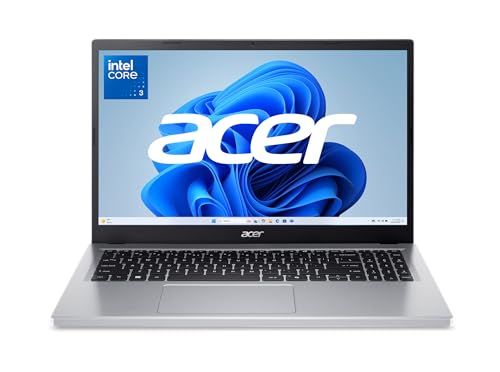
3. Acer Aspire Go 15
A 15.6-inch FHD IPS Aspire Go 15 with an AMD Ryzen 3 processor, per the listing. Check price on Amazon.
Good for: students on a budget who want Windows. Strengths: FHD IPS screen at a low price. Weaknesses: basic performance. Skip it if you edit video.


Best for note-taking and sketching
4. Samsung 12.2-inch 2-in-1 Chromebook Plus
A 12.2-inch FHD 2-in-1 touchscreen Samsung Chromebook Plus with an Intel dual-core processor, 4GB of RAM and 224GB of storage, per the listing. Check price on Amazon.
Good for: note-taking and sketching. Strengths: 2-in-1 touch design. Weaknesses: 4GB RAM. Skip it if you want a big screen.


Best for a larger Chromebook screen
5. Lenovo Chromebook Plus 15.3-inch
A 15.3-inch WUXGA IPS Lenovo Chromebook Plus with an Intel N355 and Google Gemini, per the listing. Check price on Amazon.
Good for: a larger Chromebook screen. Strengths: large WUXGA screen. Weaknesses: ChromeOS only. Skip it if you need Windows software.


Best for touch and tablet use
6. Lenovo Chromebook Plus 2-in-1 (14-inch)
A 14-inch WUXGA IPS touchscreen Lenovo Chromebook Plus 2-in-1 with an Intel N355 and Google Gemini, per the listing. Check price on Amazon.
Good for: touch and tablet use. Strengths: 2-in-1 design and WUXGA screen. Weaknesses: higher price tier. Skip it if you want the cheapest.

Best Picks by Category
They summarize listing data and are not hands-on test results.
- Highest listed rating (limited feedback): This is not an independent product-quality award.
Price, Rating and Review Comparison
The table sorts the picks by price and adds the star rating and the number of ratings, which shows how much feedback sits behind each average. Prices change often, so confirm the current price on Amazon.
| Product | Price | Rating | Ratings | Price tier |
|---|---|---|---|---|
| ASUS Vivobook Go 15 | Check price on Amazon | — | — | Mid-range |
| Samsung 12.2-inch 2-in-1 Chromebook Plus | Check price on Amazon | — | — | Mid-range |
| Acer Aspire Go 15 | Check price on Amazon | — | — | Mid-range |
| Lenovo Chromebook Plus 15.3-inch | Check price on Amazon | — | — | Mid-range |
| Lenovo IdeaPad 3i Chromebook 15.6-inch | n/a | n/a | n/a | n/a |
| Lenovo Chromebook Plus 2-in-1 (14-inch) | n/a | — | — | n/a |
How Much Feedback Backs Each Rating
A high average from a handful of ratings is weaker evidence than a slightly lower average from thousands. Here is how the sample size looks for each pick.
- Lenovo IdeaPad 3i Chromebook 15.6-inch: Amazon did not show a rating count.
How to Choose
Windows or ChromeOS
Match your classes and software.
RAM
8GB or more helps with many tabs.
Touch
2-in-1 models suit notes and sketching.
How We Chose These Products
We start from products sold on Amazon with a full product name and clear specifications, and we skip results that show only a brand name or a vague title. We then read the listing and any manufacturer information for each one and note the features that matter for laptops and laptop accessories: processor and memory, display, battery and ports. We do not run our own lab tests, and this guide contains no hands-on measurements. Use it to build a shortlist, then check current prices, dimensions and return terms on the Amazon page before you buy.
Buying Guide: What to Check Before You Choose
What students and creators need
Prioritize battery life, weight, keyboard comfort and a reliable display. For art or engineering, check screen accuracy and processing power; for writing, comfort and battery. Check the warranty and what the school requires.
What changes with price
At lower prices, check memory (aim for at least 8 GB for general use), storage type (an SSD is much faster than a hard drive) and the display resolution. Avoid models with obsolete chips or very small storage.
Graphics, cooling and refresh rate
Gaming laptops depend on the graphics chip and how well the cooling lets it run. Check the graphics model, power limit, display refresh rate and the cooling design. Thin models often run slower than thick ones with the same chip. Battery life during gaming is short, so plan on staying plugged in.
Quick Reference: Which Pick Suits Whom
- ASUS Vivobook Go 15: suits basic documents and browsing
- Lenovo IdeaPad 3i Chromebook 15.6-inch: suits chromebook users who want more RAM
- Acer Aspire Go 15: suits students on a budget who want Windows
- Samsung 12.2-inch 2-in-1 Chromebook Plus: suits note-taking and sketching
- Lenovo Chromebook Plus 15.3-inch: suits a larger Chromebook screen
- Lenovo Chromebook Plus 2-in-1 (14-inch): suits touch and tablet use
Common Mistakes to Avoid
- Buying on processor name alone without checking memory and storage.
- Ignoring display brightness and resolution.
- Overlooking weight and battery for mobile use.
- Skipping the warranty.
- Forgetting the ports you need.
Setup and Care
- Install system updates before first use.
- Check battery health settings.
- Back up important files.
- Keep vents clear to avoid heat.
What a $600 Budget Buys in Laptop Terms
Six hundred dollars sets the ceiling, but it does not set the quality. At this price you are choosing among compromises, and the best choice depends on what you give up. Most students need a machine that boots quickly, handles a browser with many tabs, runs a word processor and video calls and lasts through a day of classes. A laptop built for that job can cost well under the ceiling, and spending the rest on a backpack, a warranty or a monitor can be smarter than chasing the maximum spec.
The areas where laptops at this level usually differ are the processor, memory, storage, display and build. A fast processor with slow storage still feels sluggish, and a sharp display attached to a weak battery is a poor trade for a student who moves between classes. Think of the laptop as a system and look for balance.
The weak points to watch
- Screen quality. Low-cost panels can be dim and washed out, which makes outdoor and library use tiring. Look for a stated resolution of at least full HD and, if possible, a brightness figure.
- Keyboard and trackpad. You will type thousands of words. A keyboard with shallow keys or a flexing deck gets old fast, and a small or imprecise trackpad frustrates people who do not carry a mouse.
- Webcam and microphone. Remote classes and interviews rely on them. Many budget machines have a basic webcam, so a separate USB camera is an easy fix.
- Ports. A thin laptop may have only a couple of ports. If you plan to use an external drive, a monitor or a flash drive, count what you need.
Matching a Laptop to Your Course Load
A literature major and a mechanical engineering major do not need the same machine. Check what your program expects, because some departments list required software or minimum specs.
Writing, research and online coursework
This is the lightest workload. A modest processor, 8 GB of memory and fast storage will do. Battery life, weight and a good keyboard matter more than speed. A lightweight machine that lasts all day is easy to carry and rarely needs a power outlet in a crowded lecture hall.
Business, social science and data-light work
Spreadsheets, presentations and statistics packages run fine on mainstream hardware, but large files benefit from more memory. If your courses use desktop software that only runs on Windows, check that your laptop can run it before choosing a different operating system.
Design, video and programming
These tasks push harder. More memory, a stronger processor and a good display help. At this price, expect compromises: a machine can run lighter versions of creative tools, but heavy video work will be slow. If your course needs a powerful machine, check whether the school has computer labs or loans out hardware, and consider using the laptop for lighter work.
Engineering, architecture and 3D work
Programs that need dedicated graphics or heavy computing generally exceed the capabilities of a budget laptop. Confirm what your department recommends. Remote access to lab machines or campus cloud computing can fill the gap.
Specs That Actually Matter for School Use
| Spec | Why it matters | What to check |
|---|---|---|
| Memory | Controls multitasking | 8 GB is a comfortable floor for Windows, 4 GB can work for simpler systems |
| Storage type | Sets boot and load speed | Solid-state storage, not a spinning drive |
| Storage size | Room for files and apps | 128 GB can be tight, 256 GB is more comfortable |
| Battery claims | All-day use | Treat maker hours as a best case |
| Weight | Carrying comfort | Under about four pounds is easier on the shoulders |
| Display size | Reading and multitasking | 13 to 14 inches for portability, 15 inches for room |
| Wi-Fi standard | Campus network performance | Newer standards help in crowded halls |
Battery hours quoted by makers come from specific tests, often with low brightness and light tasks. Real use with video calls, many tabs and a bright screen will land lower. If a listing quotes a figure, treat it as an upper bound and plan accordingly.
Why storage type matters more than people think
Two laptops with the same processor can feel completely different if one uses solid-state storage and the other uses an older drive. Solid-state storage opens apps, wakes from sleep and boots in seconds. Some low-cost machines use a small eMMC module, which is a type of soldered flash storage. It is faster than a spinning hard drive but slower and less capacious than a standard SSD, and it cannot usually be upgraded. Check what the listing says, and if it only says “storage” with no type, read further.
Making the Money Last: Warranty, Repairs and Resale
A laptop that lasts four years costs less per year than one that lasts two. Several habits and choices extend life.
- Read the warranty terms. Standard coverage is often one year. Accidental damage is usually not included. If you tend to drop things, a protection plan or school coverage may be worth comparing.
- Check repairability. Some laptops allow memory or storage upgrades, while others have everything soldered. If you might need more space later, an upgradeable model is a safer long-term choice.
- Use a sleeve or padded backpack. Most damage comes from pressure in a crowded bag, not from dramatic drops.
- Manage battery health. Avoid leaving the laptop plugged in at full charge in a hot room for long periods, and avoid fully draining it often.
- Back up regularly. A cloud folder and an external drive protect against loss, theft and failure. Lost work is the most expensive repair of all.
Student Discounts, Timing and Where to Save
Back-to-school season brings promotions, and many makers offer education pricing. Verify any claimed discount against the listed price and the specifications, because a lower price can sometimes mean a trimmed-down configuration of the same model name. Compare the exact model number, not just the series name.
Also consider software costs. Some schools provide free or discounted office suites and security tools. Check what your institution offers before buying software yourself. A free campus license can save a meaningful amount compared with a retail copy.
Accessories worth buying and ones to skip
- Worth it: a padded sleeve, a basic wireless mouse, a USB hub if ports are limited and a spare charger for a second location.
- Often not needed on day one: premium docking stations, extra-large external monitors and bundled antivirus subscriptions that duplicate built-in tools.
Questions to Ask Before You Buy
- Does my school or program require specific software or a particular operating system?
- Is the storage solid-state, and how much is there?
- Can I upgrade memory or storage later?
- What is the warranty, and does it cover accidental damage?
- Does the price I see match the exact configuration I need?
Settle these first and the shortlist tends to shrink on its own. A laptop that fits your program, your bag and your budget will serve better than one that looks impressive on paper but misses your actual needs.
Chromebook, Windows or Something Else: A Checklist
The operating system shapes how the laptop feels day to day, so run through a short checklist before you decide.
- Does my course require Windows-only or Mac-only software? If yes, that settles it.
- Will I work mostly in a browser and cloud documents? ChromeOS handles that well and tends to start quickly and stay simple.
- Do I need offline access? Both systems can work offline, but you have to set it up in advance, so test it before exams.
- Do I want Android apps or Linux tools? Some Chromebooks support both, with limits that vary by model.
- How long will the machine get updates? Chromebooks list an automatic update expiration date. Check it, because it limits how long the laptop remains supported.
A laptop that matches the way you already work will cause the fewest surprises. Switching systems mid-semester is stressful, so choose once and test it during the return window.
Finally, try the keyboard and screen in person if you can, even at a store where you do not buy. Typing feel and display comfort are personal, and a spec sheet cannot tell you which you will tolerate for four years.
Going Deeper: What Experienced Buyers Check Next
This price band is where student laptops get genuinely interesting, because it is where the compromises stop being painful and start being choices. You will find both Windows machines and Chromebooks in the picks above, and the right answer depends on your course software, your school’s systems, and how much of your work lives in a browser. The extra sections below help you make that platform call calmly, and then focus on the qualities that decide daily satisfaction in this band: keyboard comfort, battery behaviour across a teaching day, and enough memory and storage headroom that the machine still feels willing in your final year, not just your first term.
Before going deeper, it is worth standing back and looking at how the picks in this guide relate to each other, because readers often treat a shortlist as a ranking when it is really a set of answers to different priorities. ASUS Vivobook Go 15 sets the tone for the list as a whole and shows what the category considers essential. Further down, Design, video and programming represents the middle ground most buyers actually inhabit, where the balance between cost, capability and everyday comfort is struck. At the far end, What should I buy with a new student laptop? shows what the category looks like when the brief changes again, whether that means more specialised features, a different form or a different kind of user entirely.
The practical way to use that spread is to locate yourself first. If your needs match the opening picks, there is little reason to keep climbing the list out of habit; if your workload resembles the later picks, buying down and hoping rarely ends well. Notice, too, that the differences between neighbouring picks are usually about fit rather than quality: size, features and emphasis, not good versus bad. Reading the individual reviews with one question in mind, which of these was clearly designed for someone living my routine, will narrow the list to one or two names faster than any specification comparison.
Mistakes students make when buying
The most common mistake is spending the whole budget on performance the course never uses, then having nothing left for the warranty extension, storage or bag that would have mattered every week. The opposite mistake also happens: buying the very cheapest machine available and discovering in the second year that it cannot hold the software the course now requires. Other frequent errors include ignoring the weight of a laptop you must carry across campus daily, assuming every course accepts every operating system, and forgetting to check the returns window before the term’s first real assignment tests the machine. A shortlist checked against your course handbook beats a long shortlist checked against adverts.
Working well with others
Group projects expose every weak workflow habit, so agree the boring details early. Use one shared folder with a clear naming pattern that includes dates or version numbers, decide who edits which section at which time to avoid conflicting copies, and keep the master document in a format every member’s machine can open. Save milestones as separate copies before big edits, so a mistaken deletion is an inconvenience rather than a crisis. When you present from your laptop, download everything in advance rather than trusting venue Wi-Fi, and bring your own adapter and charger. Groups remember the member whose laptop and files were simply ready, and that reputation is worth more than any single specification.
Getting through exam season
Exam periods change how a laptop gets used: long revision documents, timed practice papers, and in many cases online exams with strict rules about what may be installed or running. Prepare the machine before the pressure starts. Read your institution’s exam software requirements early and test the exact setup in a practice session if one is offered. Make sure you know which programs must be closed, that your charger works, and that your work is backed up in two places. Keep the laptop plugged in during long exams where allowed, disable notifications so nothing pops up mid-paper, and restart the machine the night before rather than discovering a pending update at the worst possible moment.
Breaks, storage and the long holidays
How a laptop spends its holidays affects how it starts the next term. If it will sit unused for weeks, charge the battery to roughly half, shut it down fully rather than leaving it asleep, and store it somewhere dry and out of direct heat. Before you leave, run a full backup and let every pending update finish, so the first day back is not spent waiting on installs. Clean the keyboard and screen with a soft, slightly damp cloth, and coil the charger cable loosely rather than winding it tightly around the brick, which is how cables fray. A machine that gets this small amount of care reliably starts the new term exactly as it ended the last one.
Start from your course, not from adverts
The most reliable way to choose a student laptop is to work backwards from your actual timetable. List the software your course names in its handbook or welcome pages, the file types you will submit, and whether any teaching happens in specialist labs you can rely on for heavy work. A machine that handles documents, research, video calls and light creative work covers the majority of degrees comfortably, and money saved there is often better spent on storage headroom, a longer warranty or a good bag. Only step up in performance when a named program on your course demands it, because that demand, not a fear of missing out, is what justifies the extra weight and cost.
Battery claims versus a real teaching day
Manufacturers measure battery life under gentle conditions that no student day matches. A realistic teaching day mixes full-brightness note-taking, dozens of browser tabs, video lectures and Wi-Fi that keeps searching for signal between buildings, and each of those eats into the quoted figure. A useful rule is to look for a machine whose quoted life comfortably exceeds your longest day away from a socket, then build habits that protect it: lower the brightness a notch indoors, close the tabs and launchers you are not using, and let the battery saver mode do its work in the last lecture. Charging to full overnight and topping up during lunch is kinder to the battery than repeated deep discharges to empty.
The keyboard and screen you will stare at for years
Students underestimate how much of their degree is simply typing and reading. A keyboard with shallow, mushy keys turns every essay into a chore, and a dim or cramped screen makes long reading sessions tiring. If you can, try the keyboard layout in person and check for a sensible arrangement of the arrow and modifier keys you will use constantly. For the screen, favour enough brightness for a seat near a window, a matte finish that resists reflections in lecture halls, and enough resolution that small text in PDFs and spreadsheets stays crisp. These qualities never appear in headline adverts, yet they decide whether the laptop feels like a tool you enjoy or an obstacle you tolerate.
Backups: the lesson nobody wants to learn the hard way
Every year, students lose essays and even whole dissertations to dead drives, stolen bags and laptops that simply refuse to wake up before a deadline. The fix is boring and completely effective: work in a folder that syncs to a cloud account automatically, and keep a second copy of important work on an external drive or a second cloud service. Turn on automatic saving in your document apps, and check once a month that the sync is actually completing rather than silently paused. Before big deadlines, export a copy of your final files in a common format and email them to yourself. Ten minutes of setup at the start of term is the cheapest insurance a student can buy, and it protects work no replacement laptop can recreate.
Security and privacy on shared networks
Campus life means shared Wi-Fi, shared rooms and leaving your laptop in libraries and cafes. Set up the basics in your first week: a strong sign-in password or PIN backed by fingerprint or face sign-in where available, full-disk encryption switched on, and automatic updates left enabled so security fixes install themselves. Lock the screen whenever you step away, even for a minute, and be cautious about browser prompts asking to save payment details on a machine others might borrow. Keep a note of the laptop’s serial number and a photo of it somewhere separate from the machine itself; if the worst happens, that information is what campus security and insurers will ask for first.
Carrying it every day without wrecking it
A student laptop lives in backpacks, gets carried one-handed by its corner, and survives being slid across library desks. Protect it accordingly. A padded sleeve or a backpack with a dedicated suspended compartment prevents the corner knocks that crack screens, and keeping the charger and heavy items in a separate pocket stops them pressing into the lid. Avoid picking the machine up by its screen, open the lid from the centre rather than one corner to keep hinge stress even, and never leave it on the floor beside a bed or desk where it becomes a step in the dark. These habits sound trivial, yet repair staff will tell you most student laptop damage is physical, not electronic.
Ports, dongles and campus realities
Lecture halls, seminar rooms and library desks each assume different connections. Before term starts, check what you need to present from your laptop, connect to room displays, and plug into wired networks or older projectors, then buy the one or two adapters that cover those situations and keep them permanently in your bag. A small USB hub can turn one port into the several your desk setup wants for a mouse, a backup drive and a phone charger. Label your charger with your name; in a busy library every charger looks identical, and the labelled one is the one that comes back. These small preparations remove the low-level friction that otherwise interrupts study sessions several times a week.
Keeping a student laptop fast for the whole degree
Laptops rarely slow down because the hardware ages; they slow down because of accumulation. Every term adds startup programs, half-finished downloads, duplicate installers and browser extensions, until a capable machine feels tired. Once a term, spend twenty minutes on housekeeping: uninstall the apps you no longer use, clear the downloads folder into proper storage or the bin, let system updates complete fully, and check that at least a fifth of the storage is free, because nearly-full drives genuinely do slow everyday work. Restart the machine properly every week or so rather than living on sleep mode forever. That small routine keeps a mid-range laptop feeling responsive from the first year to the last.
Troubleshooting the problems students actually hit
When something goes wrong mid-term, a calm order of checks solves most of it. If the laptop will not connect to campus Wi-Fi, forget the network and join again, then check the university IT pages for a known outage before changing settings at random. If it runs slowly after an update, give it a plugged-in hour to finish background work before judging it. If the battery suddenly drains fast, look for the one app or browser tab using unusual power in the system settings. Keep the manufacturer’s support number and your proof of purchase in your email, and back up before any repair visit. Most universities have an IT helpdesk that will diagnose student machines free, so use it before paying anyone.
Study setups that protect your posture
Hours of laptop work at a kitchen table or in bed will eventually announce themselves as a sore neck and shoulders. You do not need an expensive setup to fix most of it: raise the laptop on a stand or a stack of sturdy books so the top of the screen is near eye level, use a separate inexpensive keyboard and mouse so your arms can rest at a natural height, and sit in a chair that supports your lower back with your feet flat on the floor. Take short movement breaks between study blocks rather than one long break at the end. If you do most of your work in one place, a second-hand external monitor is often the single most comfortable upgrade a student can make.
Software habits that keep the machine feeling new
The software side of ownership rewards the same calm approach as the hardware side. Keep the operating system and your main applications updated, but let major updates settle for a few days when you are mid-project, so early issues are documented by the time you install. Resist installing utilities that promise to clean, boost or optimise the system; modern operating systems manage themselves well, and third-party optimisers cause more problems than they solve. Review which programs launch at startup a couple of times a year and disable the ones you never asked for. A machine with a short, intentional list of installed software starts faster, fails less mysteriously, and is far easier to troubleshoot when something does go wrong.
Planning for the peripherals you already own
A new laptop has to live with the equipment you already have: the printer at home, the monitor on your desk, the headset you like, the external drives holding your archive. Before ordering, list those devices and check how each one connects, because a small mismatch discovered on delivery day is far more annoying than the same mismatch discovered on a spec sheet beforehand. Older peripherals may need an adapter or a driver that is no longer updated, and it is better to learn that while you can still choose a model with the right ports. Bring your most-used peripheral’s cable details to the decision, not just the laptop’s headline features.
A calm method for the final decision
When two or three models remain on your shortlist and the specifications look interchangeable, switch from comparing numbers to comparing days. Picture your longest, hardest typical day with each machine: the rooms you will use it in, the programs open at once, the peripherals plugged in, the bag it travels in. The right choice is usually the one with no friction in that picture, even if its headline specifications are not the most dramatic. Then check the practical safety nets: the length and terms of the warranty, how easy returns are if the machine disappoints in the first fortnight, and whether support for your region is handled locally. A laptop is a multi-year companion, and those ownership details quietly outweigh small benchmark differences.
Setup habits that pay off for years
The first hour of setup shapes the whole ownership experience. Create your account, let the system finish its initial updates completely before installing your own programs, and then add your essentials one at a time so any problem has an obvious cause. Turn on automatic backups and confirm the first backup actually completes. Set the power and sleep behaviour separately for battery and plugged-in use, because the defaults rarely match a real routine. Finally, save the digital receipts, warranty documents and serial number in the same backed-up folder. Owners who do this unglamorous work once, at the start, almost never face the panicked version of it later, mid-crisis, with a deadline attached.
Everyday care that actually matters
Most laptop care advice fails because it asks for too much. The habits that genuinely extend a machine’s life are few and small: keep liquids in closed containers away from the keyboard, close the lid before moving the machine so the drive and hinges are not stressed mid-journey, and let a hot machine cool for a few minutes before sealing it into a bag after heavy work. Wipe the screen only with a soft cloth made for the job, since paper towels and clothing can leave fine scratches that catch the light forever. Once or twice a year, check the manufacturer’s support page for firmware updates that mention stability or battery behaviour, and install those deliberately rather than ignoring them indefinitely.
When to repair, when to replace
Owners often face this question after the first real fault appears, and a clear framework helps. If the machine otherwise still does everything you ask of it, a single repair such as a battery, a fan, a keyboard or a storage upgrade is usually the sensible spend, especially when the rest of the system has years of headroom. Replacement makes more sense when several things are ageing at once, when the machine can no longer run software you genuinely need, or when repair quotes approach the point where they would fund a meaningful share of a newer, more efficient machine. Either way, back up fully before any repair, and get the diagnosis in writing before authorising work, so the decision is based on facts rather than pressure.
Accessories worth considering, and those to skip
A short list of accessories earns its place for almost every owner: a protective sleeve or bag you will actually use, a reliable backup drive, and the one adapter your environment demands. Beyond that, buy in response to real friction rather than in anticipation of imagined needs. If your wrists ache, an external keyboard solves it; if you run out of screen space daily, a monitor solves it. Accessories bought speculatively tend to become drawer clutter, while the ones bought to fix a named annoyance get used for years. When you do add a peripheral, keep its cable and any small receiver together in one pouch, because the accessory you cannot find helps nobody.
Understanding warranties without the headache
Warranty documents are written to be skimmed past, but three details are worth your attention. First, what is actually covered: most standard warranties cover manufacturing defects, not accidental damage, and the difference matters enormously for machines that travel. Second, how service happens: whether the machine is repaired locally, collected by courier, or must be posted at your expense decides how long you will be without it. Third, the claim process and its time limits, including any registration step required after purchase that many owners never complete. Photograph your proof of purchase, note the warranty end date somewhere you will see it, and test everything thoroughly in the first weeks while returns are still simple.
More Questions Worth Asking
Should I buy the laptop before term starts or wait for student deals?
Buying a few weeks before term is the sweet spot for most students. It leaves time to set the machine up calmly, transfer your files, test your course software where possible, and still sit inside the returns window when your first real assignments test it. Waiting for a specific deal can save money, but arriving at university with an untested machine, or no machine, costs more in stress than most discounts repay. If a genuinely better offer appears within your returns window, that is what the window is for; otherwise, an early, settled setup is worth more than a last-minute saving.
How much storage do students really need?
More than the first term suggests. Course files start small, but video lectures, project media, photo libraries and a few years of accumulated documents grow steadily, and operating systems and applications swell with every update. The practical answer is to choose a capacity that leaves you comfortable headroom after imagining your final-year usage, then manage it with cloud storage for documents and an external drive for large media. A nearly full drive slows a laptop and makes updates fail, so the cheapest performance upgrade available to any student is simply keeping a healthy slice of storage free.
Is an extended warranty worth it for a student laptop?
For a machine that travels daily in a backpack and works in shared spaces, accidental damage cover is one of the few extras with a strong case, because the most common student laptop failures are cracked screens, liquid spills and damaged hinges rather than electronic faults. Weigh the cost of the cover against a single screen repair, and check what it actually includes and how claims are handled during term time. If the cover is poor value, the alternative is discipline: a good sleeve, careful habits around drinks, and a backup routine that ensures even a broken machine never means lost work.
Frequently Asked Questions
Is $600 enough?
For most coursework, yes.
Which is best?
Acer Aspire Go 15 for Windows, Lenovo Chromebook Plus for ChromeOS.
Do I need touch?
Only for notes and drawing.
How much memory do I need in a laptop?
For general use, 8 GB is a sensible minimum. For multitasking or heavier work, 16 GB gives more room.
SSD or hard drive?
An SSD is much faster and more reliable for daily use.
How long should a laptop battery last?
Claims vary with use. Check reviews and the listed hours, which are usually best-case.
How much RAM does a student laptop need?
Eight gigabytes is a comfortable floor for Windows with a browser, documents and video calls running together. Simpler systems such as ChromeOS can work with less. If your courses use heavy software, more memory gives breathing room.
Can a Chromebook replace a Windows laptop for college?
For many majors, yes, especially when coursework is browser-based. It falls short if your program requires Windows-only or Mac-only software. Check your syllabus and department software list before choosing, and look at the Chromebook’s update expiration date.
How long do budget laptops last?
Many last three to five years with care. Battery wear, slow storage and software support are the usual limits. A model with upgradeable memory or storage, a solid build and a decent warranty usually stays useful longer.
Is 128 GB of storage enough for a student laptop?
It can work if you rely on cloud storage and install few large apps. Windows and updates use a lot of space, so 256 GB is more comfortable. Check whether the storage is solid-state and whether it can be upgraded.
What should I buy with a new student laptop?
A padded sleeve, a basic wireless mouse and a backup drive or cloud plan are the most useful. A USB hub helps if ports are limited. Skip expensive extras until you know what your workflow requires.
Bottom Line
For Windows, the Acer Aspire Go 15. For a big Chromebook screen, the Lenovo Chromebook Plus 15.3. For 2-in-1, the Lenovo Chromebook Plus 2-in-1.
Related Reading
- Laptop Buying Guide: RAM, CPU, Storage, Screen
- 6 Best Laptops: Windows, Touch and Copilot+ Picks
- 5 Best ASUS Gaming Laptops: TUF, ROG Strix and Zephyrus
- 6 Best Business Laptops: Lenovo, Acer, Samsung
- 6 Best Business Laptops Under $1000: Office-Ready Picks
More Student Laptop Guides
- Best Laptops for Students
- Best Student Laptops Under $300
- Best Student Laptops Under $1000
- Best Premium Laptops for College Students
- Best Laptops for Engineering and Architecture Students
- Best Laptops for Nursing, Medical and Law Students
- Best Laptops for Art Students
- Best Student Laptops with Long Battery Life
- Best External DVD Drives for Laptops
- Student Laptop Buying Guide
- All laptop guides


