reviewstook.com is reader-supported. When you buy through links on our site, we may earn an affiliate commission.
Where to buy
The word digital in this search carries a specific meaning worth honouring. Readers looking for the best canon digital cameras for video usually mean the cameras that grew out of photography’s digital revolution — compacts that slip into a pocket, point-and-shoot bodies with bright fixed lenses, and mirrorless hybrids — rather than the camcorder, that single-purpose machine with its deep grip and endless zoom. This guide serves that meaning directly: it ranks Canon’s digital stills-shaped cameras as video tools, from the pocketable V-series compacts up to the full-frame hybrids, and it explains where the camcorder still wins so the reader whose work truly needs one can recognise themselves and shop accordingly.
- Canon PowerShot G7 X Mark III: available through Canon dealers and major camera retailers
- Canon PowerShot V1: available through Canon dealers and creator-focused retailers
- Canon PowerShot V10: available through Canon dealers and major camera retailers
- Canon EOS R50 V: available through Canon dealers and creator-focused retailers
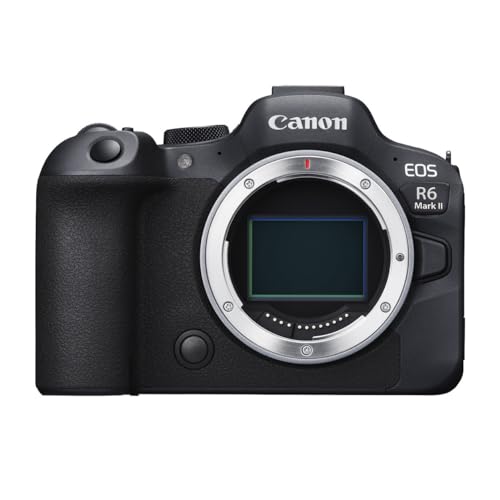
- Canon EOS R6 Mark II: check price on Amazon
- Canon EOS R6 Mark III: check price on Amazon
A sibling guide in this series covers the best canon cameras for videos from the experienced production shooter’s side — codecs, cinema bodies, crew workflows. This article’s territory is the other end of the same river: the creator filming alone at a desk, the traveller whose video camera must share a jacket pocket with a passport, the family documentarian, the streamer. The two guides deliberately share two flagship picks at the top, because the hybrid bodies serve both worlds; everything else here is chosen for portability, immediacy and the hybrid stills-plus-video life that defines digital cameras as a category.
Why choose a digital stills camera for video at all, when camcorders exist? Three reasons recur in every creator’s story. The sensor is larger, so faces separate from backgrounds and rooms at night stay clean. The same body takes real photographs, so one device covers the whole of a trip or a channel. And the ecosystem — lenses, microphones, apps, community knowledge — is deeper than any camcorder’s. The camcorder’s counter-arguments are equally real: endless recording without thermal manners, optical zoom that travels from wide to telephoto in one lens, and ergonomics built for hours of handheld filming. This guide keeps both cases honest and lets the reader’s format decide.
Key Takeaways
- Canon’s PowerShot G7 X Mark III remains the pocket benchmark: a bright fixed lens, a flip screen and video that made it a creator staple.
- The PowerShot V1 is Canon’s newest creator compact, designed video-first with a wide lens for desks, travel and daily filming.
- The tiny PowerShot V10 is the true pocket vlogging camera — stand it on a table and it becomes the crew.
- Canon’s R50 V is the step into interchangeable lenses for creators who have outgrown a compact’s fixed view.
- The R6 Mark II is the hybrid summit for digital-camera video: full-frame footage with professional stills in one body.
- The R6 Mark III extends that summit for creators whose channels and clients now demand the newest recording depth.
In this guide
Quick Picks
| Camera | Badge | Why it is here |
|---|---|---|
| Canon PowerShot G7 X Mark III | Best pocket all-rounder | Bright lens, 1-inch sensor and creator features in a camera that is simply always with you. |
| Canon PowerShot V1 | Best new creator compact | Video-first design with a wide view made for desks, streets and daily vlogging. |
| Canon PowerShot V10 | Best true-pocket vlogging | A stand-anywhere mini camera for hands-free filming anywhere life happens. |
| Canon EOS R50 V | Best interchangeable step-up | Creator ergonomics plus the RF lens mount for growing beyond a fixed lens. |
| Canon EOS R6 Mark II | Best hybrid for serious video | Full-frame oversampled 4K and tracking focus with professional stills alongside. |
| Canon EOS R6 Mark III | Best advanced digital hybrid | The newest recording depth for flagship channels and hybrid productions. |
How did we judge the best canon digital cameras for video?
Immediacy came first, because the digital camera’s whole promise is that filming starts now. Bodies were favoured for how quickly they go from pocket or bag to a well-exposed, well-focused recording: screen arrangements that show the presenter their framing, autofocus that finds a face without a negotiation, and audio that works before any accessory is attached. A camera that needs a rig, a menu excavation and a prayer before each clip fails this category’s founding test however beautiful its best footage looks.
Sensor and lens honesty came second. In the compact ranks that means the size of the sensor and the brightness of the fixed lens — the two numbers that decide evening footage — while in the interchangeable ranks it means the mount’s video-friendly glass and the body’s recording quality in the modes creators actually publish in. Headline resolutions were discounted where crops, heat or fragile files undermined them in daily use.
Hybrid completeness closed the judging. A digital camera earns its place in a bag by doing two crafts; bodies were scored on whether their stills are genuinely worth taking — for thumbnails, for travel, for the family archive — because a video-only device competes with the camcorder on the camcorder’s terms, and usually loses. The picks below all photograph properly. That is not a bonus in this category. It is the category.
Canon PowerShot G7 X Mark III — Best pocket all-rounder
Long before creator camera was a marketing category, this compact was quietly becoming one by competence. The G7 X Mark III pairs a 1-inch sensor — large by compact standards — with a fixed zoom lens bright enough to keep evening footage clean, and wraps them in a body that fits the pocket a phone just vacated. Its flip screen made a generation of vloggers visible to themselves; its microphone input acknowledged that audiences judge sound; its video, up to 4K, gave the footage a shelf life beyond the platform of the month. Years after launch it remains the compact against which Canon’s own newer creator models are measured, and it opens this guide on merit rather than nostalgia.
The fixed lens deserves analysis rather than apology. Its range covers the distances self-filming actually uses — arm’s length for the presenter, a step back for the scene — at apertures that keep the sensor’s sensitivities civilised indoors. There is no lens to change because there is no shot in a vlogger’s ordinary day that this lens cannot frame, and the absence of decisions is itself a production feature: the camera is ready in the time a mirrorless owner spends choosing glass. Photographers who feel that as confinement should read on to the interchangeable picks; creators who feel it as liberation have found their camera.
Stills from the 1-inch sensor hold up their side of the hybrid bargain properly: travel frames, family archives and channel thumbnails with real colour and printable quality, plus the depth character that separates a camera’s portraits from a phone’s. Battery life is compact-class, which in practice means a spare in the other pocket — a small tax, honestly declared, on a body this size.
Streaming and desk work extended its career in a direction its designers visibly anticipated. Clean output and webcam-style use turned it into the face-camera of countless small studios, where its lens brightness flatters ordinary room light and its autofocus keeps a presenter honest through a live hour. Paired with one decent light it outperforms the expensive-webcam route comprehensively, while remaining, at the day’s end, a camera that can go out to dinner in a jacket.
Who should skip it? Filmmakers who need interchangeable reach, weather sealing, or the shallow depth of full frame — the R50 V and R6 bodies below exist for them. Low-light absolutists will also find its 1-inch ceiling on the darkest evenings. But for the reader whose video life is desks, streets, trips and tables — which is most of the readership this keyword gathers — the G7 X Mark III remains the most complete small answer Canon has made, and its second-hand availability only widens the door.
- Type: compact with 1-inch sensor and fixed bright zoom
- Screen: tilts up for self-filming
- Audio: microphone input for proper sound
- Video: 4K recording plus streaming-friendly output
Strengths
- Bright lens keeps indoor footage clean
- Pocket size means it is present for everything
- Stills strong enough for prints and thumbnails
Trade-offs
- Fixed lens ends all reach and depth ambitions
- Battery life demands a carried spare
- 1-inch sensor trails larger bodies at night
Best for: vloggers, travellers and desk creators wanting one small camera. Not suited for: interchangeable-lens growth or serious low-light filming.
Canon PowerShot V1 — Best new creator compact
Canon’s V series is the company formally admitting that a generation of cameras will be bought video-first, and the PowerShot V1 is its most considered compact statement yet. Built around a larger-than-usual compact sensor and a wide fixed lens, it is designed for the geometry of self-filming: the desk with products to show, the street with a story to walk through, the room where the creator is simultaneously presenter, camera operator and crew. Where the G7 X above is a photographer’s compact that learned video, the V1 is a video camera that happens to take photographs — a difference in ancestry that shows in every control.
The wide lens is the design’s thesis. Self-framing fails most often at the edges — the product cropped, the companion half-present, the room invisible — and the V1’s field of view was chosen to forgive the arm’s-length distances creators actually film at. Combined with subject detection tuned for presenters and a product-showcase focus behaviour that snaps to the object held toward the lens, the camera automates the three shots that constitute most creator output: the talking head, the demonstration, the walk-and-talk. Automation of the routine is not laziness in this category; it is the entire product.
Cooling and recording manners reflect the video-first brief. Creator filming runs in long sessions — livestreams, tutorials, recording days — and the V1 was engineered with sustained use in mind in a way stills-derived compacts were not, alongside the streaming connections and vertical-video awareness modern platforms assume. Its stills remain respectable rather than remarkable, which is the honest trade of the V concept: the photographs serve the channel — thumbnails, documentation, socials — instead of aspiring to the wall.
Position against its own family clarifies the purchase. Above the tiny V10 below in capability and price, beside the G7 X as the newer philosophy, the V1 suits the creator who has already decided that video leads and wants Canon’s current answer rather than its classic one. Photographers-first should still choose the G7 X’s lens and stills pedigree; presenters-first should choose here, and will feel the difference in the first week of uploads.
Accessories follow the creator pattern rather than the photographer’s: a grip-tripod for desks and streets, a proper microphone for the input provided, a small light for the rooms that need it. Budgeted as that kit, the V1 anchors a one-person studio of remarkable completeness for its size — and the whole studio, camera included, travels in a sling bag that a mirrorless kit would fill with one lens.
- Type: creator compact, video-first V-series design
- Lens: wide fixed lens for arm’s-length framing
- Focus: presenter detection and product showcase behaviour
- Video: 4K recording with streaming-ready connections
Strengths
- Wide view forgives real self-filming distances
- Designed for long creator recording sessions
- Automates the shots creators repeat daily
Trade-offs
- Stills serve the channel rather than the wall
- Fixed lens, as with every compact here
- Newer line means a thinner used market
Best for: video-first creators, presenters and daily vloggers. Not suited for: stills-led photographers or lens changers.
Canon PowerShot V10 — Best true-pocket vlogging
The V10 reduces the vlogging camera to its essence and then reduces it again. A pocketable slab with a wide lens, a built-in stand, stereo microphones and one job — be recording within seconds of the moment deciding to exist. Stand it on a café table and it films the conversation; hold it at arm’s length and it frames the walk; prop it on a hotel dresser and it captures the trip’s narration. No other camera in this guide, and few anywhere, matches its ratio of footage gathered to effort expended, because its design eliminates the two frictions that kill casual filming: carrying the camera, and setting the camera up.
Image quality is honestly of its class: a small sensor that serves daylight and decent rooms well, works harder in the evening, and produces footage whose charm is immediacy rather than polish. The wide lens keeps the presenter and the place in one frame, stabilisation smooths the walking shot to a watchable calm, and the built-in microphones — unusually considered for the size — record a voice at arm’s length with a clarity that shames larger cameras’ afterthought audio. For the platforms where most V10 footage lives, the quality equation resolves firmly in its favour.
The stand is not a gimmick and deserves its paragraph. A camera that deploys its own tripod changes where filming happens: restaurant tables, park benches, kitchen counters, the dashboard of a parked car. Hands-free framing frees the presenter to cook, build, demonstrate and gesture — the activities that make vlogs watchable — and the low, stable angle it produces has become a visual signature audiences read as authenticity. Mirrorless owners replicate it with accessories and minutes; the V10 does it by unfolding.
Limits are the price list of miniaturisation, stated plainly. Low light is its weakest hour; the fixed lens offers no reach; controls and customisation are minimal by design; and a creator who grows into client work will outgrow it within a year or two. Its role in a grown kit is the always-carried second camera — the one that catches the moment the main camera was in the bag for — and many professionals keep exactly such a device for exactly that reason.
As a first camera for a beginning vlogger, a gift for a teenager with a channel dream, or a travel-only video diary, the V10 makes a case no larger camera can argue with: it will be there. In video, presence is the first specification. Everything else in this guide is better; nothing else in this guide is as present.
- Type: pocket vlogging compact with built-in stand
- Lens: wide fixed lens for self-framing
- Audio: built-in stereo microphones for arm’s-length voice
- Video: 4K recording in a pocket format
Strengths
- Filming starts in seconds, anywhere
- Built-in stand enables hands-free content
- Audio considered beyond its size class
Trade-offs
- Small sensor struggles after dark
- No reach, minimal controls, fixed everything
- Growing creators will outgrow it
Best for: beginners, travellers and always-carried second cameras. Not suited for: low-light work or creators needing control.
Canon EOS R50 V — Best interchangeable step-up
Every successful compact creator eventually films the shot a fixed lens cannot make: the product across the room, the face isolated from a busy background, the interior too wide for the lens they own. The R50 V is where that creator lands inside Canon’s digital system. It keeps the V series’ video-first ergonomics — recording-led controls, presenter detection, streaming readiness — and adds the RF mount, which converts the camera from a finished answer into a beginning: lenses for reach, for darkness, for depth, added one at a time as the channel’s demands name them.
The sensor step matters as much as the mount. The APS-C sensor gathers more light and separates subjects more convincingly than the compacts’ smaller chips, so evening rooms and indoor filming gain the headroom that daily uploading consumes. Footage records in 4K with Canon’s forgiving colour for faces, and the log option — unusual generosity at this tier — lets a growing creator learn grading on real files rather than on a future camera. Stills, served by the same sensor and detection system, become genuinely good rather than merely adequate, restoring the full hybrid bargain the compacts approximate.
Ergonomics declare the intended user as clearly as the V1’s do. Screen-led composition, a recording indicator’s honesty, controls arranged for the filming hand — photographers raised on viewfinders should choose the R50 sibling instead, as this series’ budget guide explains, while creators will recognise their own habits reflected back. The body rides small gimbals without complaint and fits the desk-studio role — streaming, teaching, live selling — with the lens choices a fixed compact cannot offer a face-led business.
Kit strategy is the purchase’s real content. The bundled creator zoom covers the apprenticeship; the first fast prime transforms the evening footage and the presenter’s separation from backgrounds; the microphone, bought before either, does more for audience retention than any lens. Owners who follow that order describe the R50 V as the camera their channel grew up on, and its resale into the next creator’s hands is brisk for the same reason.
Against the full-frame bodies below, the R50 V’s case is allocation: it leaves most of a creator’s budget for light, sound and the second lens, while delivering footage that platforms reward today. Against the compacts above, its case is headroom. It is the hinge of this guide — the point where digital cameras stop being appliances and become systems — and for the growing creator it is the most consequential pick on the page.
- Type: APS-C mirrorless, video-led V-series body
- Mount: RF, with the full lens range ahead
- Recording: 4K video with log option for grading
- Focus: presenter detection and product showcase behaviour
Strengths
- Lens growth without leaving the creator ergonomics
- Sensor headroom over every compact here
- Leaves budget for microphone and light
Trade-offs
- Screen-led design divides stills photographers
- Crop sensor still trails full frame at night
- The system it opens will keep asking for lenses
Best for: growing creators ready for interchangeable lenses. Not suited for: viewfinder traditionalists or one-purchase finality.

Canon EOS R6 Mark II — Best hybrid for serious video
At the top of the digital-camera world sits the hybrid in its mature form, and the R6 Mark II is this guide’s representative of everything the category promised. A full-frame sensor recording oversampled 4K, autofocus that tracks a presenter through a real room, in-body stabilisation that turns handheld filming into a style, and stills that satisfy professional photographers — the combination means the camera a creator buys for video is simultaneously the camera a photographer would buy for everything else. One body, two crafts, no asterisk large enough to matter to most of the people who will ever own it.
For video specifically, the virtues compound in daily use. Full-width recording keeps wide lenses wide — the vlogger’s room, the traveller’s vista framed as the lens intended. Subject detection handles the solo operator’s oldest problem, focusing on the human while the human performs. Colour arrives ready for fast turnarounds or open for grading in log, and the footage intercuts with the cinema ecosystem if a production later rents upward, a growth path the rental guide in this series prices out. Evenings, the digital compacts’ weak hour, become this body’s showcase: the full-frame sensor films rooms and streets after dark with a cleanliness small sensors cannot approach.
Stills are not a side feature and should not be reviewed as one. The same body that films the channel shoots its thumbnails at professional quality, documents the trip in printable files, and covers the family with the seriousness of a dedicated camera — which is precisely the hybrid proposition that made digital cameras, rather than camcorders, the default video tool of the creator era. Buyers choosing between this and a camcorder should weigh that sentence heavily: the camcorder films better in narrow ways and does nothing else at all.
Costs and manners are the flagship’s familiar ones. The body is the largest and priciest step in this guide so far; demanding video modes ask for heat awareness on the longest takes; and the lens system it opens is a landscape of wonderful, chargeable decisions. Creators buy it when the work — client films, a channel become a business, hybrid commissions — has started billing enough to justify a tool that removes ceilings rather than negotiating with them.
As the destination of the upgrade path this whole guide describes, the R6 Mark II earns its position without strain. Compacts teach immediacy, the R50 V teaches systems, and this body is where the lessons cash out: a digital camera whose video needs no apology in any company, including the production guide elsewhere in this series where it also, not coincidentally, stands first.
- Format: full-frame mirrorless hybrid built on a 24.2 megapixel sensor
- Recording: 4K up to 60p, oversampled, full width
- Stabilisation: in-body for handheld filming
- Focus: subject detection with eye priority
Strengths
- Full-frame evening footage small sensors cannot match
- Professional stills in the same body, fully
- Tracking focus a solo operator can trust
Trade-offs
- Largest size and price step in this guide
- Top video modes need heat awareness
- Lens system invites serious spending
Best for: serious creators and hybrid professionals. Not suited for: pocket carry or one-purchase budgets.

Canon EOS R6 Mark III — Best advanced digital hybrid
The Mark III answers the creator whose channel stopped being a hobby in the accountant’s sense: productions with clients attached, deliverables that get graded and re-versioned, a filming schedule where the camera’s ceiling shows up as a line in the budget. It carries the R6 hybrid concept into Canon’s newest generation with a recording specification aimed at that professionalising tier — deeper formats, more finishing headroom, focus refinements for real-world movement — while keeping the stills excellence and handling that made the line the hybrid default.
Within this guide’s digital-camera framing, its role is the summit rather than the starting point, and the review should be read that way. A beginning vlogger gains little here that the V1 or R50 V cannot teach more cheaply; the Mark III’s premiums are legible only to footage destined for serious finishing. But for the creator whose audience, sponsors or clients now examine quality as part of the product, the newer body’s headroom is not indulgence — it is the difference between a camera the business rents around and a camera the business is built on.
Daily hybrid life carries the family’s virtues forward. Full-frame stills for thumbnails, products and travel; stabilisation for handheld filming; subject recognition that follows a presenter through a workshop’s clutter; colour that grades in the Canon language editors trust. Expedition creators — the ones filming in Arctic light or desert dark for audiences who notice — get one body that covers the film and the photographs of the same journey, at a weight airlines forgive. The Mark II remains the value summit; the Mark III is the capability summit, and this guide declines to pretend those are the same mountain.
Practical notes mirror its sibling’s with the premium’s additions. Media and power budgets grow with the modes that justify the body; a second angle — an R50 V or even a V10 from this same list — pairs naturally for the multi-camera formats platforms reward; and the rental market’s early stock of the body makes a weekend audition, before purchase, unusually informative for a camera at this level. Buyers at the summit should test at the summit: their own footage, their own grade, their own clients’ screens.
Choose it when the work has begun asking the questions the Mark II answers with effort. That sentence, borrowed from this series’ production guide because it remains exactly true, is the whole of the Mark III’s case in the digital-camera world as well.
- Format: full-frame mirrorless hybrid, newest R6 generation
- Recording: advanced formats for graded, re-versioned work
- Stabilisation: in-body for handheld filming
- Focus: newest subject recognition refinements
Strengths
- Deepest recording ceiling of any pick here
- One body for flagship stills and video alike
- Built for footage that clients examine
Trade-offs
- Premium wasted on light-edit workflows
- Top modes demand media and power planning
- Far beyond a beginner’s needs or budget logic
Best for: professionalising creators and hybrid productions. Not suited for: new vloggers or publish-raw channels.
How do the six compare as video cameras?
| Camera | Video role | Signature strength | Watch out for |
|---|---|---|---|
| Canon PowerShot G7 X Mark III | Pocket all-rounder | Bright lens and creator readiness | Fixed lens, spare battery life |
| Canon PowerShot V1 | Creator compact | Wide self-framing view | Stills are supporting craft |
| Canon PowerShot V10 | True-pocket vlogging | Stand-anywhere immediacy | Small sensor after dark |
| Canon EOS R50 V | Interchangeable step-up | RF mount growth for creators | Screen-led stills experience |
| Canon EOS R6 Mark II | Serious hybrid | Full-frame oversampled 4K | Size, price, heat in top modes |
| Canon EOS R6 Mark III | Advanced hybrid | Recording depth for finishing | Premium beyond casual needs |
Digital camera or camcorder: which shape is honest for your filming?
Run the comparison by the week you actually live. Filming is mostly under an hour at a time, photography matters, pockets and bags are small, and subjects are people in rooms and streets — the digital camera wins, and this guide is your map. Filming means whole matches, whole ceremonies, whole conferences from the back of a hall, with zoom travel from the wide room to the distant face in one motion and recordings that run for hours without a thermal opinion — the camcorder wins, and Canon’s camcorder range deserves your research instead, with this guide’s hybrids as its B-camera reading.
The hybrid middle has quietly absorbed most real lives. School productions, weddings filmed by photographers, businesses whose content spans product films and product photographs — these live on digital cameras because the work itself is hybrid. Camcorders remain the right tool for the pure-filming professions, and recognising that is not a defeat for this guide’s category; it is the boundary that keeps its recommendations honest. Buy the shape your diary describes, not the shape your aspirations applaud.
What setup turns a digital camera into a small studio?
Three purchases, in an order creators consistently reverse and regret. Sound first: a proper microphone matched to the format — wireless for the moving presenter, a compact shotgun for the desk, the camera’s own input treated as the professional feature it is. Light second: one soft source, placed with intention, transforms faces more than any camera upgrade in this list and costs less than the difference between adjacent picks. Support third: the grip-tripod for compacts, the small gimbal for the interchangeable bodies, the humble tripod for everything — stability is the visual accent audiences read as budget.
Software and habit complete the studio. A camera whose files flow into the phone for quick publishing serves daily formats; one whose footage goes to a real editor serves flagship formats; most creators in this guide’s audience need the first path to be painless and the second to be possible. Set the camera’s colour, frame guides and file naming once, save them, and let the routine disappear — the studio is finished when filming a good clip requires no decisions beyond the content itself.
What do digital-camera video beginners most often misunderstand?
That resolution is the footage. Beginners buy the highest number and film in the darkest room with the camera’s own microphone across it, producing sharp, noisy, echoing clips that audiences abandon in seconds — while the creator with the humbler body, the bright lens, the close microphone and the one good light collects the subscribers. Second misunderstanding: that autofocus absolves framing; detection finds faces, but composition, background and light remain the operator’s signature. Third: that a camera upgrade substitutes for a format — the channels that grow pair a repeatable idea with a camera that serves it, in that order, and this guide’s picks are ranked to serve formats that already exist.
How should a creator climb this range without wasting money?
Start where the filming actually is. Daily desk and street content begins happily on the V10 or G7 X; growth into products, rooms and evenings promotes the R50 V and its first prime; clients and flagship ambitions promote the R6 bodies. Each step keeps the previous camera working — the compact becomes the B-angle and the always-carried spare, the R50 V becomes the desk camera — so the ladder wastes nothing. Skipping steps is the expensive route disguised as ambition: the flagship bought first teaches its owner, expensively, which of its features their format never uses, and the lesson arrives with a resale loss attached. Climb in order, let each camera’s limits write the next purchase order, and the kit at the top will fit the creator like evidence.
How do these cameras handle vertical video and short forms?
The platforms rewired the camera market’s priorities, and Canon’s creator models are the visible evidence. Vertical filming is no longer a phone held sideways in spirit: screens that rotate or present vertical guides, recording that understands the format’s framing, and file flows that reach the phone for captioning and posting without a desktop detour. The V-series bodies in this guide were designed inside that reality, and the hybrids serve it through their screens and apps rather than through dedicated design. Creators whose output is primarily vertical should weight those manners heavily — a camera that fights the format taxes every single upload, and the tax compounds daily.
Short-form filming also changes the audio and light arithmetic. The first second decides the view, so the microphone must be close and the face lit from the first frame; cameras that start fast — the V10 above all — earn their keep in a format where the moment’s half-life is measured in heartbeats. Longer virtues still apply underneath: colour that flatters skin without a filter’s fiction, autofocus that holds a moving presenter, and files that survive the platform’s compression with their dignity intact. The bodies in this guide were judged partly on that survival, because a clip that looks fine on the camera’s screen and dissolves on the platform has failed its only examination.
Why not simply film on a phone?
The honest answer begins with respect: modern phones film remarkably, and for many casual purposes the camera already owned is the correct one. The digital camera’s case rests on four differences that matter to people who film deliberately. Its lens is brighter and its sensor larger, so rooms and evenings stay clean where phones smear. Its microphone input admits real sound, the single largest quality gap in all of creator video. Its ergonomics — a screen that flips to the presenter, controls that work by touch memory, a body that mounts on tripods and gimbals as a citizen — serve filming as a practice rather than an interruption. And its files, colour and depth behave in an edit like footage rather than like evidence.
There is also the matter of the phone’s other job. A phone filming a two-hour event is a phone unavailable for everything else, hot, storage-anxious and one notification away from ruining a take. Creators who separate the instruments describe the change in unexpectedly emotional terms: filming became an activity with a beginning and an end, performed by a tool that asks nothing else of them. Readers for whom that separation sounds like relief have understood the digital camera’s modern purpose precisely — it is not competing with the phone’s convenience, it is relieving the phone of a profession.
What does a travel filming kit built on these cameras look like?
Small enough to forget, complete enough to trust. The compact travellers take the camera, two batteries, a mini tripod that doubles as a grip, a microphone small enough to live in the same pouch, and a cloth — because sea air and mountain weather film the lens before they film anything else. The interchangeable travellers trade the pouch for a sling: body, one zoom, one fast prime for the evenings, the same audio and support in miniature. Both kits share the discipline that travel teaches every filmmaker: the best footage belongs to the camera that was carried up the hill, into the market and out to dinner, and every gram of the kit is audited against that standard nightly.
Power and storage follow the itinerary rather than the specification sheet. Filming days on the road end at cafés and night trains, so charging must be opportunistic — USB power banks that serve camera and phone alike, cables counted like documents. Files back up to the phone or a small drive each evening, because a trip’s footage concentrated on one card is a story waiting for its sad ending. The cameras in this guide were chosen partly for how gracefully they live inside those routines: standard connections, frugal batteries in the compacts, and file formats that phones can actually read.
How should families and documentarians read this range?
A family’s video camera succeeds by disappearing into occasions rather than organising them. The compacts in this guide — the V10 on the kitchen counter, the G7 X in a parent’s pocket — film birthdays, first steps and grandparents’ stories with a discretion no rigged mirrorless can imitate, and their stills fill the same archive in the same colour language. Documentarians of ordinary life should value that continuity over specification: the footage that survives is the footage that was taken, and the archive’s worth compounds across decades in a way no resolution figure survives. When the family’s filmmaker grows ambitious — the school play filmed properly, the documentary short submitted to a festival — the R50 V and R6 bodies wait on the same ladder this guide has built, and the compacts retire into the always-carried roles they were born for. Nothing is wasted; everything is inherited.
What care do digital video cameras ask in return?
Less than their owners fear and more than their phones receive. Sensors and lenses want a cloth and a blower rather than a sleeve; batteries want rotation rather than abandonment in a drawer; firmware wants the occasional update that keeps apps, accessories and autofocus improving across the body’s life. Cards want formatting in the camera that will write them, and files want the evening backup habit described above until it stops feeling like a habit and starts feeling like professionalism. None of this is specialised knowledge — it is the ordinary stewardship of a tool expected to work on the days that matter, and every body in this guide repays it with the reliability that separates a camera from a gadget.
When is the second camera the smarter purchase?
Sooner than most creators plan. A single camera films a presenter; two cameras film a conversation, a demonstration with its detail angle, a ceremony with its reaction shot — the grammar of produced video rather than recorded presence. The range in this guide is quietly built for that realisation: the flagship hybrid as the A-camera, the R50 V as the interchangeable B, the V10 as the angle that hides in the scene itself. Creators who add the second camera before upgrading the first routinely leapfrog the creators who did the reverse, because multi-angle footage forgives modest sensors and never forgives a missing moment. If the budget holds two decisions, consider making the second one small, cheap and always charged — the picks at the top of this guide were, several of them, designed by Canon for exactly that destiny.
How long does a digital video camera stay useful?
Longer than the upgrade cycle wants you to believe. Delivery platforms reward consistency of look more than novelty of specification, and a camera whose colour, handling and files a creator has mastered produces better work in year three than a stranger’s flagship produces in week one. The compacts in this guide have multi-year production lives behind them already; the hybrids’ footage will satisfy platforms for most of a decade. The honest replacement triggers are mechanical wear, a format change in the creator’s own work, or a sensor generation that genuinely moves their hardest regular shot — the dark room, the distant subject — and not the calendar. Buy the body your format needs, learn it until the menus disappear, and let the work rather than the catalogue announce when it is finished. That patience, visible across every guide in this series, is the closest thing equipment advice has to a universal solvent.
What about filming wildlife, sport and distant subjects on digital bodies?
Distance is the digital compact’s honest frontier and the interchangeable bodies’ opportunity. A fixed lens frames the world at the distances its designer chose; the deer at the field’s edge and the child at the pitch’s far end stay small in its footage, and digital zoom merely enlarges the smallness. The R50 V with an affordable telephoto zoom crosses that frontier properly, which is why families whose filming centres on sport so often skip the compact tier entirely after one season of tiny midfielders. The R6 bodies with longer glass film distant subjects at a professional standard — wildlife behaviour, sailing, stage performances from the balcony — while their tracking focus earns its reputation precisely there. Readers whose video life is lived at a distance should read this guide from the interchangeable picks downward, and treat the compacts as the second camera their closer world will still, eventually, ask for.
Final Recommendation
Match the camera to the filming life, not the filming fantasy. Pocket immediacy: the V10. The classic all-round compact: the G7 X Mark III. Canon’s newest creator answer: the V1. Growth into lenses: the R50 V. Serious hybrid production: the R6 Mark II, and its Mark III successor when finishing standards demand the ceiling. Readers whose work is pure long-form filming should honour the camcorder section’s honesty and shop that shape instead — everyone else is in the right guide, and the right pick is the one whose limits their format will meet last.
Related guides
- Best Digital Video Cameras for Racing: In-Car, Pit Lane and Trackside
- Best Digital Cameras for Blogging: Still-Photo Blogs, Flat-Lays, Food and Travel Journals
- Best Digital Cameras for Backpacking: Light, Weatherproof and Still Alive on Day Nine
Frequently Asked Questions
What makes a camera a digital camera for video rather than a camcorder?
Ancestry and shape. Digital cameras descend from stills photography — interchangeable or fixed photographic lenses, photographic controls, sensors sized for photographs — and record video as one of two crafts. Camcorders are single-purpose filming machines with deep zoom lenses, long-recording ergonomics and no stills ambitions. This guide ranks the first family; the comparison section explains where the second family still wins.
How is this different from the guide to Canon cameras for videos?
That guide serves experienced production shooters and ranks by codecs, cinema options and crew workflow, including dedicated cinema bodies. This guide serves the digital-camera world — compacts, creator models and hybrids used by solo creators, travellers and families — and ranks by immediacy, portability and hybrid completeness. Two flagship hybrids appear in both because they genuinely serve both audiences.
Can a compact really be a main video camera?
For desk, travel and daily vlogging formats, yes — the G7 X Mark III and V1 in this guide anchor entire channels. The compact’s limits appear with darkness, reach and client scrutiny, which is why the range above them exists. Judge by your format’s hardest regular shot, not its easiest.
Do these cameras stream well?
The creator models were designed with streaming in mind — clean output, webcam-style use and presenter detection — and the hybrids serve as high-quality face cameras with external power. In every case a real microphone and one good light improve a stream more than the step between any two bodies here.
Which pick takes the best photographs alongside video?
The R6 bodies, by a distance — they are professional stills cameras in full. Among the compacts, the G7 X Mark III’s lens and sensor make it the photographer’s choice, while the V-series models treat stills as a supporting craft for thumbnails and documentation.
What should I buy after the camera?
A microphone, then a light, then support — in that order, for the reasons the studio section gives. Audiences forgive image compromises they can see past; they do not forgive sound they cannot understand or faces they cannot read. The accessory order is the closest thing creator video has to settled law.
A closing practical note for buyers comparing in a shop: film the same thirty seconds on every candidate — your own face, at arm’s length, in the shop’s worst light, speaking at your real presenting volume — and judge the files on a big screen with the sound up. That single test weighs sensor, lens, autofocus, screen and audio in the proportions your audience will, and it has settled more creator purchases than any specification table in this guide’s research. Cameras are bought for footage, and footage, uniquely among specifications, can be auditioned before the money moves. Audition it.
One more constituency deserves its sentence before the verdict: teachers and trainers, whose filming is lectures, demonstrations and workshops recorded week after week in the same rooms. For them the desk-bound virtues dominate — a camera that lives on its tripod, starts reliably, frames the whiteboard and the hands with equal honesty, and offloads without ceremony. The V1 and R50 V serve that life natively, the G7 X serves it from a pocket between venues, and the archive they build becomes, over a career, a body of work no camcorder’s inconvenience would ever have allowed to exist. Consistency is a specification too, and in educational filming it outranks resolution by a distance no chart records.
And a word for the gift buyers who arrive at this keyword every season: the compact picks are the safe generosity — complete in the box, delightful on the first morning, incapable of demanding a second purchase before they can be enjoyed. The interchangeable bodies are the ambitious generosity, best given with the microphone or the prime that completes them, and with the giver’s genuine interest in what gets filmed. Both kinds of gift have launched channels and archives; the difference is only in how much of the journey the giver is funding.
Whichever generosity or ambition brings a reader here, the measure of the purchase is the same a year later: not the specification that justified it, but the hours of footage — and the stills standing beside them — that exist because the camera was chosen to be used.
Related Guides
Experienced shooters ready for production criteria should continue to the best canon cameras for videos guide, where cinema bodies and codecs take over. Creators pricing the interchangeable step within a firm ceiling will find the kit arithmetic in the best canon cameras under 1500 roundup. And hybrid owners who also photograph after dark can see the flagship picks judged as stills cameras in the best canon cameras for night shots guide.


