reviewstook.com is reader-supported. When you buy through links on our site, we may earn an affiliate commission.
Where to buy
Night shots, as this guide means them, are still photographs made slowly: the city skyline at blue hour, the star field over the moor, the harbour in fog, the street after rain. They are tripod photographs, made at the pace of the light itself, and they are the opposite of our companion guide to night clubs, where everything moves and the camera chases it. Every linked camera below is sold through Amazon, and each was judged on the virtues the still night rewards: clean long exposures, honest colour in mixed light, focusing in darkness, and manners on a tripod at 2 a.m.
Order the unglamorous companions in the same basket — the spare battery, the remote release, the red torch — because the night forgives a modest camera everything except an empty battery at the aurora’s peak.
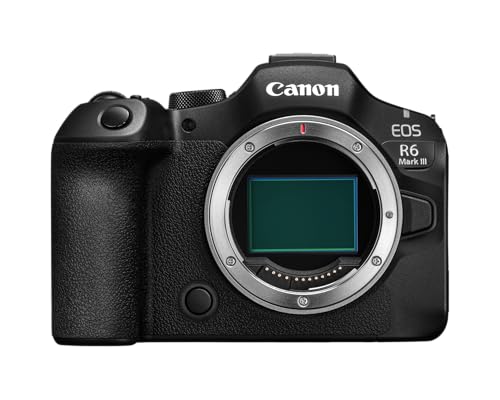
- Canon EOS R6 Mark III: check price on Amazon
- Sony Alpha 7 IV: see the current price on Amazon
- Panasonic LUMIX S5IIX: view this camera on Amazon
- Panasonic LUMIX S5II: check availability on Amazon
- Nikon Z50 II: see it on Amazon
- OM SYSTEM Tough TG-7: look at it on Amazon
The best cameras for night shots are not simply the cameras with the highest sensitivity figures. The still night is a different examination from the moving one: exposures measured in seconds rather than fractions, subjects that hold still while the photographer thinks, and a premium on the file’s cleanliness over time — the long exposure that stays smooth, the shadow that lifts without falling into noise, the sky that keeps its gradient from horizon to zenith. A camera can be a sprinter in a club and a disappointment on a moor at midnight. This guide ranks for the moor, the skyline and the quiet street.
The night photographer’s real adversaries are rarely discussed in camera marketing. Light pollution writes an orange ceiling over half the world’s skies. Dew forms on a front element at the exact hour the stars align. A battery that promised plenty at dusk surrenders to the cold by the small hours. And the photographer’s own body — tired, cold, working by red torchlight — makes mistakes that daylight forgives. The picks below were chosen with those adversaries in the room: sealing, battery honesty, screens and controls usable in darkness, and interval tools for the patient work of stacking and trails.
Two night disciplines divide the list’s loyalties, and most night photographers practise both. The urban night — skylines, streets, architecture, traffic trails — rewards dynamic range and colour discipline under mixed artificial light. The dark-sky night — Milky Way, aurora, meteor showers, the landscape by moonlight — rewards high-sensitivity cleanliness and fast wide lenses. The full-frame bodies here serve both masters; the smaller picks specialise, one in toughness for the all-night vigil outdoors, one in compactness for the city wanderer who shoots the night on foot.
Read the rankings as a night kit in embryo. The body is the foundation, but the night photographer should budget in the same breath for the tripod that long exposures stand on, the fast wide lens the sky demands, and the humble accessories — remote release, red torch, dew discipline — that this guide’s later sections enumerate. Night photography is the cheapest of the camera arts to equip beyond the body, and the most expensive in the currency it actually charges: sleep.
One clarification for readers arriving from the club guide: the cameras overlap because the bodies are versatile, but the rankings do not, because the nights are different. A body ranked here for its long-exposure cleanliness and tripod manners may sit lower there, where the examination is autofocus in a crowd; a small camera praised there for discretion earns its place here, if at all, for entirely different virtues. Read each guide by its own night, and the apparent contradictions resolve into what they are — the same tools, examined by different darknesses.
Key Takeaways
- Still night work rewards clean long exposures, not headline sensitivity figures.
- Full-frame bodies lead for the sky and the skyline; the TG-7 owns the all-night outdoor vigil.
- A fast wide lens matters more to the night than any body upgrade — budget for it first.
- Focus in darkness is a craft: arrive at dusk, compose in the light, then work the dark.
- Interval and stacking tools turn a good night camera into a star-trail and aurora machine.
- Protect the highlights in city light and the shadows will follow — night files are lifted, not rescued.
In this guide
Quick Picks
| Camera | Badge | Why it is here |
|---|---|---|
| Canon EOS R6 Mark III | Best flagship camera for night shots | Canon’s newest flagship tier: resolution, clean high-sensitivity files and sealing for the serious night worker. |
| Sony Alpha 7 IV | Best all-round night camera | High resolution, huge dynamic range and the deepest fast-lens catalogue for every kind of night. |
| Panasonic LUMIX S5IIX | Best night camera for time-lapse and video | Professional interval, monitoring and video tools for the night worker who films the dark as well as photographing it. |
| Panasonic LUMIX S5II | Best value night camera | Full-frame night files of real quality at a price that funds the fast wide lens the sky actually needs. |
| Nikon Z50 II | Best compact camera for night walks | A light crop-sensor body for the city night walker and the moon photographer — reach for the moon, size for the pocket. |
| OM SYSTEM Tough TG-7 | Best camera for all-night outdoor vigils | A rugged compact with serious long-exposure and composite tricks, built to sit out all night in any weather. |
How did we judge cameras for the still night?
Our examinations were the night photographer’s own: a skyline held through a thirty-second exposure while traffic wrote its trails below; a Milky Way session on a moor where the camera worked for three hours in dew and cold; a foggy harbour where sodium, LED and moonlight shared the frame and the colour had to be negotiated rather than assumed. We scored the file’s behaviour across long exposures and lifted shadows, the focusing tools available when autofocus gives up — magnification, peaking, screens bright enough to compose and dim enough to preserve the photographer’s night vision — and the intervalometer and bulb manners that trails and stacking require.
We also scored the vigil itself. Night photography is mostly waiting in the cold while a sequence runs, and a camera whose battery dies at hour two, whose screen cannot be dimmed, or whose controls demand white light and bare fingers taxes its owner exactly when the sky is performing. Sealing against dew, honest cold-weather endurance and the ability to check a frame by red light completed the judging. The night is a workplace; these are its tools, assessed at work.
A last criterion, invisible in daylight reviews, is how a camera treats its owner’s night vision and morale across a season. Screens that dim properly, menus that can be navigated by memory, batteries whose gauges tell the truth in the cold — these decide whether a photographer is still going out in February, and February, with its long nights and crisp skies, is when the year’s best night work is made. The night rewards the equipped, but it keeps the comfortable.

Canon EOS R6 Mark III — Best flagship camera for night shots
The R6 Mark III is the night guide’s flagship recommendation for the photographer whose night work is a practice rather than an occasion. Its latest-generation sensor delivers the two files the night demands most: the long exposure that stays glassy through thirty seconds of harbour water, and the high-sensitivity frame whose shadows lift in the studio without dissolving into the coloured porridge that ends night photographs. Resolution rides along in quantities that let the night skyline print at exhibition size and the star field survive the crop the composition needed.
Flagship sealing earns its paragraph at night specifically. Dew is the night photographer’s weather — it forms on still nights, which are the shooting nights — and a body sealed to flagship standard, with controls that work through gloves and a screen that dims to a night-vision-preserving murmur, is a body designed for the vigil rather than the studio. The night worker who has wiped a fogged viewfinder at the exact moment of the aurora’s peak will not need the virtue explained twice.
Its focusing system holds authority later into the darkness than most, which matters at the urban end of the discipline — the night street, the performer in the square, the fox under the streetlight — where the still night briefly moves. For the pure long-exposure worker it idles, as all autofocus does once the tripod is set; for the hybrid night photographer who walks the city between tripod stops, it is the difference between the frame and the story of the frame.
Buy it as the decade body for a proven night practice, with the fast wide prime funded in the same plan — flagship glass is this tier’s honest companion, and the sky will audit the pairing nightly. For the photographer still discovering whether the night is theirs, the bodies below teach the same lessons at gentler stakes, and this flagship will wait, unbought and unoffended, at the top of the road.
- Format: full-frame mirrorless flagship class
- Sensor: high-resolution latest generation
- Build: flagship weather sealing
- Focus: latest detection, strong in low light
- Role: professional night and landscape work
Strengths
- Files stay clean through long, lifted exposures
- Flagship sealing for dew, frost and coast nights
- Resolution for large night prints and crops
Trade-offs
- Flagship price, flagship lens budget
- Capability exceeds casual night needs
- High-resolution files fill cards on stacking nights
Best for: serious night photographers printing large and shooting all year. Not suited for: occasional blue-hour shooters — the Mark II serves for less

Sony Alpha 7 IV — Best all-round night camera
The Alpha 7 IV is the night all-rounder: the body equally at home on the skyline bridge at blue hour and on the moor at midnight. Its dynamic range is the urban night’s best friend, holding the lit windows and the neon while the shadows of the street below stay recoverable — the two-ended exposure problem that defines city night photography and defeats lesser sensors nightly. Expose for the highlights with confidence, lift the street in the studio, and the file behaves like a much more patient medium than digital was ever supposed to be.
For the dark-sky half of the practice, Sony’s lens catalogue is the decisive asset. The fast wide prime is the night sky’s true camera — the body merely records what the lens gathers — and this system offers that lens at prices from the student’s to the professional’s, alongside wide zooms whose night performance has been proven on a decade of Milky Way seasons. A night photographer building a system is really building a lens collection with a body attached, and this is the deepest collection to build in.
Its low-light autofocus serves the walking night: the night market, the illuminated festival, the city fox. Between tripod stops, the Sony finds faces and subjects in light the eye is still adjusting to, which makes it the hybrid night walker’s body — long exposures at the viewpoints, living frames between them, one camera for the whole nocturnal expedition.
Configure its night manners at home, in daylight, with a notebook: the dim screen setting, the red-friendly review options, the custom mode that holds your long-exposure recipe. Night photographers who arrive with the camera pre-fluent spend the dark on the sky; the rest spend it in menus, by torchlight, learning lessons the kitchen table teaches for free.
- Format: full-frame mirrorless
- Sensor: high-resolution, wide dynamic range
- Lenses: fast wide primes at many prices
- Screen: articulating for low tripod work
- Focus: strong low-light autofocus
Strengths
- Dynamic range holds city highlights and shadows
- Fast wide lenses exist for every budget
- Files crop generously for skyline details
Trade-offs
- Long-exposure workflow rewards practice
- Best night lenses are a second investment
- Menus need a night preset configured at home
Best for: night photographers splitting time between city and dark sky. Not suited for: pure vigil photographers who want the toughest body

Panasonic LUMIX S5IIX — Best night camera for time-lapse and video
The S5IIX is the night of the moving image: the body for the photographer whose aurora session produces a film as well as a frame, whose city night is a time-lapse before it is a photograph. Its professional video toolkit and monitoring turn the small hours into a production — the Milky Way wheeling over the bothy in a lapse of professional smoothness, the harbour’s night traffic compressed into a minute of light — while the stills heart, shared with its sibling, keeps the frames themselves beyond criticism.
Its all-black, low-reflection finish is a night virtue disguised as styling. Night photographers work among other night photographers — at the aurora viewpoint, the star party, the meteor watch — and a camera that does not flash chrome reflections into a neighbour’s long exposure is practising the community’s first etiquette. The same discretion serves wildlife-at-night and observatory work, where the photographer’s equipment should be the darkest thing in the field.
The fan cooling, famous from the filmmakers’ guide, earns a night-specific commendation: the all-night video vigil. A camera recording the sky for six hours — the meteor shower’s peak, the aurora’s whole performance — generates its own heat in the cold, and lesser bodies ration themselves with warnings. This one runs, and the night worker can sleep in shifts beside it, waking to a film rather than to an error message.
Pure stills photographers should take the sibling below and bank the difference toward the fast lens; this guide says so in every hybrid pick it makes. But the night is increasingly a filmed medium — the lapse is how the sky now introduces itself to most audiences — and for the creator who works both sides of that line, the X is the most complete night body in the list.
- Format: full-frame mirrorless, L-Mount
- Video: professional recording features
- Monitoring: waveform and night-friendly tools
- Design: all-black, low-reflection finish
- Cooling: fan for long sessions
Strengths
- Time-lapse and interval work of pro standard
- Films the aurora while it photographs it
- Fan cooling for all-night video sessions
Trade-offs
- Video depth is wasted on pure stills shooters
- Stills resolution shared with the S5II
- Premium over its sibling for moving-image tools
Best for: hybrid night creators making films, lapses and stills of the same night. Not suited for: pure stills photographers — the S5II below serves them cheaper

Panasonic LUMIX S5II — Best value night camera
The S5II repeats its value argument under the stars, where it may matter most: night photography’s quality is bought primarily with the lens, and this body leaves the money alive to buy it. Its full-frame files at the sky’s working sensitivities are clean, colour-honest and entirely capable of the large night print, while the L-Mount’s fast wide primes — Sigma’s in particular — deliver the sky-gathering aperture at prices the other systems charge for their merely good. Body plus great lens beats flagship plus kit lens on every moor in the country, every clear night of the year.
Its stabilisation serves the night walker’s in-between moments: the blue-hour street before the tripod comes out, the viewpoint scouted hand-held, the moonlit handheld frame at the vigil’s restless hour. Night photography is not all tripod stillness, and a body that forgives the hand-held interludes rounds the practice out. Its autofocus, while a step behind the Sony’s in the deepest dark, handles the urban night’s lit subjects without drama.
Be honest about the two concessions. Resolution is the class’s modest figure, so the night photographer who crops constellations should look up the list; and the absence of the X’s fan asks awareness on the longest video sessions, though stills vigils — the majority of night work — never trouble it. Neither concession touches the core practice of still night photography, which this body serves at the guide’s best price per file.
Choose it as the thinking night photographer’s foundation: the body, the fast wide prime, the tripod and a season of clear nights, all funded in the same year. The sky does not check price tags. It checks who showed up, with a lens that could gather it — and this kit shows up superbly equipped.
- Format: full-frame mirrorless, L-Mount
- Sensor: 24.2-megapixel full-frame
- Stabilisation: strong in-body stabilisation
- Focus: phase hybrid autofocus
- Lenses: L-Mount value fast primes
Strengths
- Night files far beyond the price
- Affordable fast primes complete the sky kit
- Stabilisation rescues hand-held blue hour
Trade-offs
- Resolution modest for extreme night crops
- No fan — video vigils need awareness
- Autofocus trails Sony at the darkest edges
Best for: night photographers who would rather fund the lens and the trips. Not suited for: time-lapse professionals needing the X’s toolkit

Nikon Z50 II — Best compact camera for night walks
The Z50 II is the night walker’s camera: light enough to be carried through a whole evening’s wandering, capable enough to bring the city night home. Its home ground is the lit night rather than the dark one — the blue-hour skyline, the wet street’s reflections, the fairground and the night market — where its files are clean, colourful and entirely presentable, and where its compactness means the camera is present for the unplanned frame rather than planned around like an expedition.
Its crop sensor writes the moon’s portrait as its party piece. The reach multiplication that serves wildlife serves the moon identically: a modest telephoto becomes a lunar lens, and the Z50 II’s detail resolves craters and maria into a photograph rather than a bright coin. Moonrise over the city, the eclipse sequence, the harvest moon behind the cathedral — the calendar of lunar appointments that city night photographers live by is this little body’s home fixture, and it plays it beautifully.
Know its boundary with the same clarity: the truly dark sky. At the sensitivities the Milky Way demands, its smaller sensor’s noise arrives earlier than the full-frame picks’, and while stacking and careful processing narrow the gap impressively, physics keeps the final say. The night photographer whose heart is the dark sky should buy full-frame; the one whose heart is the city’s lit night, with the moon as its recurring guest, will find this body the most carryable joy in the guide.
Pair it with the discipline the night sections below teach — dusk arrival, tripod at the viewpoints, the red torch — and it returns a night practice of real quality at a weight that never argues against going out. Most night photography fails at the front door, in the decision to carry. This camera wins that decision nightly.
- Format: APS-C mirrorless
- Sensor: crop sensor, strong at base settings
- Size: compact for night walking
- Focus: subject detection for night subjects
- Lenses: telephoto reach for the moon
Strengths
- Light enough for the whole night walk
- Crop reach makes the moon a portrait
- Files fine for the sizes most nights print at
Trade-offs
- High-sensitivity noise arrives earlier
- Wide night lenses need crop-aware choices
- Not the dark-sky specialist’s tool
Best for: city night walkers and moon photographers wanting a light kit. Not suited for: dark-sky purists chasing the cleanest Milky Way files

OM SYSTEM Tough TG-7 — Best camera for all-night outdoor vigils
The TG-7’s night case rests on a truth the flagship guides underplay: the all-night vigil is a weather event, and most cameras are fair-weather vigils at best. The TG-7 sits out the night on a mini-tripod by the tent — through dew, frost, drizzle and the occasional knocked-over gust — and works its long-exposure and composite modes while its owner sleeps. Star trails wheeling over the camp, the aurora building in composite frames that add light without burning the foreground, the lightning watch at the storm’s edge: this is the camera that can be left to it, because leaving it costs no anxiety.
Its composite mode deserves explanation, since it is the small camera’s genuine night genius. Rather than one long exposure that a stray torch or a passing car can ruin, the camera adds successive short exposures into a single growing image — trails lengthen, the sky brightens, and an interruption costs a frame rather than the night. For beginners in night photography it is also the finest teacher: the image builds visibly on the screen, exposure by exposure, and the photographer watches the night accumulate like a print in a developing tray.
Its sensor sets the familiar boundary: single Milky Way frames will not match the full-frame bodies’ cleanliness, and no fast interchangeable lens will ever widen its gathering. What it offers instead is presence in the nights the flagships are protected from — the bothy trip, the kayak expedition, the frost camp — where the choice is not between a perfect file and a good one, but between a good file and none.
Expedition photographers adopt it as the night watchman of the kit: the camera on duty while the flagship rests in its case for the chosen hour. Between them, a whole night is covered — the vigil and the masterpiece — and this guide can think of no higher praise for a pocket camera than that it stands the watch for a flagship.
- Format: rugged compact camera
- Build: waterproof, freeze-proof, crush-proof
- Modes: long-exposure and live composite features
- Logging: GPS and field sensors
- Carry: pocketable, expedition-proof
Strengths
- Sits out dew, frost and rain unprotected
- Composite modes build star trails in-camera
- The vigil camera that cannot be killed by weather
Trade-offs
- Small sensor limits single-frame sky quality
- No interchangeable fast lens for the Milky Way
- Menus reward a daylight apprenticeship
Best for: expedition, weather and trail photographers needing an unkillable night tool. Not suited for: dark-sky purists wanting the cleanest single frames
How do you focus and compose when it is too dark to see?
Arrive before the dark does. The night photographer’s foundational habit is the dusk arrival: compose the frame in the last of the light, focus on the foreground or the skyline while autofocus can still see, then switch to manual and tape the lens’s focus ring with a sliver of gaffer tape — the professional’s sacrament — so no midnight fumble can move it. Every decision that can be made in the light should be, because the dark taxes each one with cold, fatigue and the torch you forgot to charge.
For the sky itself, the craft is magnification: focus on the brightest star or the distant lit window using the screen’s magnified view, nudging until the point is smallest and hardest, because a star is the least forgiving focus target in photography and the screen, at full magnification, is an honest witness. The cameras here all provide the magnification and peaking the method needs; the discipline is doing it once, carefully, at the session’s start, rather than discovering soft stars in the studio at dawn.
Work by red light thereafter. A red torch preserves the night vision that twenty minutes of darkness built, and the photographer who protects their dark adaptation can compose, scout and judge the sky with the naked eye while the camera works. White light — the phone, the car’s interior lamp, the helpful stranger’s torch — resets the clock and, at shared viewpoints, makes enemies. The night has an etiquette, and red light is its first article.
How do you expose a city night without losing the windows or the street?
The city night is two photographs sharing a frame: the lit architecture, bright as day, and the street between, dark as the country. The still-night method is to expose for the lights that must hold — the windows, the signs, the lamps themselves — and to trust the modern full-frame file to lift the street from its shadows in the studio, which the picks here do with a cleanliness that makes the old graduated contortions unnecessary for most scenes. Shoot at the base sensitivity the tripod allows, because the tripod has already paid for the long exposure, and sensitivity spent without need is noise bought without cause.
Blue hour is the city night photographer’s daily miracle and should be planned like a tide: the twenty minutes when the sky’s remaining light balances the city’s artificial light, and the two exposures become one photograph. Arrive set up before it, shoot through it in a deliberate sequence, and the skyline portfolio builds itself a few frames a week. After blue hour the city’s contrast hardens into the two-photograph problem, and the craft becomes bracketing — three exposures, blended invisibly — for the scenes whose range defeats even these sensors.
Traffic and water are the city night’s moving gifts, and both are exposure-time decisions: long enough, and the cars become rivers of light and the harbour becomes glass; too long, and both become fog. The night photographer learns each location’s timing by experiment — shoot the sequence at several durations, compare at home, note the winner in the location diary. Night photography keeps diaries because the night cannot be scouted by daylight, and the diary is the scout that works in the dark.
How do star trails, stacking and the aurora change what a camera must do?
Star trails are the night’s most forgiving grandeur: a sequence of short exposures, stacked in software or composited in cameras like the TG-7, turning the Earth’s rotation into concentric light. The camera requirements are endurance and interval discipline — a battery or external power for the hours, an intervalometer that never sleeps — and the photographer’s requirement is a composition that gives the trails a subject: the bothy, the lone tree, the lighthouse around which the sky can wheel. Trails forgive modest sensors and punish only impatience, which makes them the beginner’s finest first night project.
Stacking for the Milky Way is the opposite discipline: many identical frames of a static sky, averaged in software to cancel noise, letting even the Nikon’s smaller sensor produce a sky file of real cleanliness. The camera requirement is consistency — same exposure, same focus, no movement between frames — and the photographer’s is the humility to let software do what sensitivity cannot. The dark-sky beginner should learn stacking before coveting full-frame; the technique is worth a stop or more, and it is free.
The aurora is the night’s theatre and its own discipline: exposures short enough to hold the curtains’ structure before they smear, sensitivity high enough to afford those exposures, and a photographer dressed for hours of standing in the cold watching a sky that may or may not perform. The cameras here all serve; the S5IIX films the performance while the others frame it. Check the forecasts, charge everything, sleep in the afternoon — the aurora keeps no appointments and rewards only the present.
How do you keep a camera alive through a whole night outside?
Power is planned like a winter route. Batteries lose their nerve in the cold, so spares sleep in an inside pocket and rotate through the camera; long sequences run from external power where the camera allows it, with cables routed so a tired foot cannot end the night’s work in one step. The camera itself, once cold, should stay cold — bringing it into a warm tent or car between sequences fogs every surface, inside and out — so the vigil’s rule is the mountaineer’s: the camera lives at the night’s temperature, and condensation is managed by sealing it in a bag before it re-enters warmth at dawn.
Dew is fought with patience and airflow rather than gadgetry, though the gadgetry exists: a lens hood slows the front element’s cooling, a gentle hand-warmer band around the lens — the astronomers’ trick — holds it above the dew point through the small hours. Check the front element by red torch every half hour on still nights, wipe with the cloth kept dry for the purpose, and accept that some nights the dew wins and the correct photograph is the one taken from the doorway with a hot drink, watching a sky the camera will meet another night. The night is patient. The photographer should be too.
How do moonlight and the seasons remake the night photographer’s calendar?
Moonlight is the night’s second sun, and the wise night photographer plans by its phases as sailors plan by tides. The week around full moon belongs to the landscape by moonlight: exposures short enough to feel almost like daylight, shadows cast by a silver sun, and the eerie, beautiful register of a world lit from a clear sky at midnight. The moonless week belongs to the stars, when the Milky Way stands in its darkest sky and the full-frame bodies earn their premium. A night practice organised by the lunar calendar doubles its opportunities at a stroke, because every clear night becomes somebody’s appointment rather than the stars’ or nothing.
The seasons then deal the subjects. Winter owns the long nights and the crispest skies, at the price of the cold this guide has armed you against; spring brings the Milky Way’s core back to northern skies in the small hours; summer offers the warm, short nights of blue-hour cities and noctilucent clouds; autumn deals the fog, the aurora season’s return and the harvest moon. The night photographer who keeps the location diary across one year owns, by the second, a private almanac no application sells: which viewpoint, which moon, which month — the whole practice, calendared.
What should a beginner’s first three night sessions look like?
Session one is the home fixture: the garden, the street or the nearest skyline at blue hour, tripod set before the light goes, the dusk-arrival habit rehearsed where failure costs nothing. Shoot the sequence through blue hour into full dark, review the histogram’s testimony rather than the screen’s flattery, and come home with the location’s timing learned. Session two is the long exposure: water, traffic or cloud given thirty seconds and more, at base sensitivity, until the beginner’s hands trust the tripod’s patience and the file’s cleanliness at the settings the night actually wants.
Session three is the sky, on the clearest night the month offers, at the darkest place the beginner can safely reach: focus by magnification on the brightest star, the tape on the focus ring, the red torch, the sequence shot and stacked at home. Three sessions, three crafts — timing, patience, darkness — and the beginner owns the foundations of the whole discipline, with a small portfolio that already contains a skyline, a silk river and a star field. Everything after is refinement, and refinement, in night photography, is a lifetime’s pleasant work.
How do you photograph fog, rain and the wet city at night?
Fog is the night city’s gift to the patient: it turns every lamp into a halo, every street into a stage set, and contrast — the city night’s usual tyrant — into a soft negotiation the sensor wins easily. Work the lit edges: the figure crossing the lit pool, the tram emerging, the bridge lamps marching into white nothing. Expose a touch brighter than the meter suggests, because fog’s brightness fools meters into grey, and keep the front element wiped, since fog condenses on glass with a diligence dew reserves for the countryside. The cameras here all serve; the sealed bodies serve longest, and the photographer in waterproofs serves longest of all.
Rain doubles the city’s light by giving every surface a second, reflected city to photograph. The wet pavement after rain — not during it — is the classic: an hour of reflections, neon doubled, umbrellas optional. Shoot from under shelter with the tripod at the pavement’s edge, expose for the reflections rather than the sources, and let the long exposure smooth the wet stone into mercury. Some of the finest city night photographs ever made were taken in the hour after rain by photographers who stayed when everyone else went home, and the only equipment the hour demands beyond this guide’s list is a plastic bag for the camera and the decision to be there.
How should you behave at shared night locations?
The night has few practitioners and long memories, and its etiquette is enforced by both. Announce yourself quietly at a viewpoint where others are already working, keep every light red and low, and never walk through another photographer’s long exposure without asking — the frame you ruin may be hour three of a sequence. Share the sky’s news freely: the aurora stirring, the mist arriving in the valley, the satellite train about to cross. Night photographers are a small guild bound by cold and darkness, and its members lend batteries, forecasts and thermoses with a generosity the daylight world rarely matches.
Leave the location darker than you found it. Car lights off where the rules allow, doors closed gently, the headtorch pointed at the ground rather than at faces. The photographer who practises the etiquette will be welcomed at the star parties and the aurora viewpoints where the real knowledge of the local night circulates — which viewpoints the new lighting ruined, which moor the mist favours, which farmer tolerates the tripod by the gate. That knowledge is the night’s true currency, and it is paid only in courtesy.
Comparison Table
| Camera | Type | Role in this guide | Key virtue |
|---|---|---|---|
| Canon EOS R6 Mark III | full-frame mirrorless flagship class | Best flagship camera for night shots | Canon’s newest flagship tier: resolution, clean high-sensitivity files and sealing for the serious night worker. |
| Sony Alpha 7 IV | full-frame mirrorless | Best all-round night camera | High resolution, huge dynamic range and the deepest fast-lens catalogue for every kind of night. |
| Panasonic LUMIX S5IIX | full-frame mirrorless, L-Mount | Best night camera for time-lapse and video | Professional interval, monitoring and video tools for the night worker who films the dark as well as photographing it. |
| Panasonic LUMIX S5II | full-frame mirrorless, L-Mount | Best value night camera | Full-frame night files of real quality at a price that funds the fast wide lens the sky actually needs. |
| Nikon Z50 II | APS-C mirrorless | Best compact camera for night walks | A light crop-sensor body for the city night walker and the moon photographer — reach for the moon, size for the pocket. |
| OM SYSTEM Tough TG-7 | rugged compact camera | Best camera for all-night outdoor vigils | A rugged compact with serious long-exposure and composite tricks, built to sit out all night in any weather. |
What mistakes do night photographers make on their first sessions?
The first is arriving after dark at an unvisited location and attempting to compose by torchlight what the dusk would have given away free. The second is trusting the screen’s bright review and underexposing everything — the night screen lies by flattery, and the histogram is the only honest witness after midnight. The third is the white torch at the shared viewpoint, a social error the night community remembers longer than any photograph.
The fourth is sensitivity greed: shooting the tripod night at high ISO because the camera allows it, buying noise the long exposure made unnecessary. The tripod is a licence to use the slowest, cleanest settings the camera owns, and the night beginner who internalises that — base sensitivity, long exposure, highlights protected — skips a year of noisy disappointment. The night rewards the patient settings exactly as it rewards the patient photographer.
Add a fifth, gentler mistake: reviewing the night’s work on the bright screen in the small hours and deleting in disappointment. Night files look worst on a cold screen at 3 a.m. and best on a rested morning at the desk, where the lifted shadows and the stacked sequences perform their quiet miracles. Delete nothing in the field except the obviously ruined; the night’s judgement is as tired as its owner, and the morning has reversed more verdicts than any other critic in photography.
Final Recommendation
For the serious night practice, the R6 Mark III is the flagship instrument and the Alpha 7 IV the all-round system — city and sky, lenses for both, files that survive the studio. The Panasonics split by intention: the S5IIX for the night filmmaker and time-lapser, the S5II for the stills photographer who would rather fund the fast lens. The Nikon owns the lit city walk and the moon; the TG-7 stands the all-night watch in any weather. Between them, every kind of darkness a photographer can seek has its tool.
Choose the body, fund the lens and the tripod, and then do the only thing that has ever made a night photographer: go out on the next clear night, arrive before the dark, and stay past the point where the cold suggests home. The sky performs for the present. Be present.
A closing thought for the photographer packing for their first serious night: the equipment in the bag matters less than the thermos, the spare socks and the willingness to wait one more hour than comfort advises. The great night photographs are disproportionately made in that extra hour, by the photographers still present when the sky decided to perform. Choose the camera that will keep you company there — warm batteries, dim screen, honest files — and the night will do the rest, as it has done for every photographer who ever stayed.
Frequently Asked Questions
What ISO should I use for night shots?
As low as the exposure allows. On a tripod, base sensitivity and a long exposure give the cleanest file; for the Milky Way, the fast lens forces higher settings — the full-frame bodies here stay clean where the sky needs them. Sensitivity is a budget: spend it only when the shutter speed must be bought.
Do I need a full-frame camera for the Milky Way?
It helps greatly — the clean high-sensitivity file and the fast wide lenses are full-frame’s home ground — but stacking lets smaller sensors produce fine sky images, and the TG-7’s composite mode builds trails and bright skies in-camera. Buy full-frame when the sky becomes your ruling passion; stack and composite happily until then.
How do I stop my long exposures being ruined by light?
Scout the location’s stray lights at dusk, compose to exclude or use them, shield the lens from off-axis sources, and shoot sequences rather than single marathon exposures — a ruined frame in a sequence costs seconds, while a ruined single exposure costs the night. The composite and stacking methods in this guide exist partly as insurance.
What lens is best for night shots?
A fast wide prime for the sky; the standard zoom you own for the city, where the tripod buys exposure time and aperture matters less. If one lens must be bought for the night, buy the fast wide — it is the lens the body cannot substitute for, at the hour when no substitute exists.
Why do my night photos look orange?
Mixed artificial light and an auto white balance that believes the sodium lamps. Set white balance deliberately for the dominant light, shoot raw so the decision can be remade at home, and accept that the city night is a negotiation between colour casts — the craft is choosing which light tells the truth in your photograph.
Can I photograph the aurora with these cameras?
Yes — all six can, with the full-frame bodies strongest for short, clean exposures that hold the curtains’ structure, and the S5IIX able to film the display as well. Dress for hours, arrive before the show, focus on a star by magnification, and shoot through the performance rather than reviewing it: the aurora does not repeat its best moments for photographers who were checking their screens.
How do I stop dew forming on the lens during a long session?
Glass cools below the dew point on still, clear nights, and a fine mist creeps across the front element until stars soften into blobs. A USB lens heater band, borrowed from astronomy, wraps around the barrel and keeps the glass slightly warmer than the air; a chemical hand warmer held by an elastic band works as a field substitute. Check the front element with a dim red torch every few frames rather than discovering an hour of fogged exposures at home. Wiping helps briefly, yet each wipe smears moisture around and the mist returns within minutes unless the glass warms.
Why do bridge viewpoints ruin some long exposures?
Footsteps, passing lorries and expansion joints send tremors through bridge decks that a tripod faithfully records as doubled lights and softened masonry. Time exposures between vehicles, keep legs short and unextended, and hang your weight low only when wind is not swinging the bag like a pendulum. A two-second self-timer or remote release removes the shake from your own shutter press. Solid parapets sometimes beat a tripod entirely: rest the camera on a folded jacket, level it carefully, and guard it with one hand against a gust or a careless elbow from a passer-by enjoying the same view.
How does moon phase change a city night shoot?
A bright full moon lifts shadow detail in parks, riversides and rooftops, but it also washes faint stars from urban skies and flattens the contrast that makes skylines dramatic. Plan star-heavy compositions for the moonless stretch of the month and save moonlit sessions for landscapes where its light models buildings, bridges and water. Thin cloud crossing the moon can act as a giant diffuser, softening reflections on wet streets. Check rise and set times alongside sunset, because a moon climbing behind a tower block becomes a compositional element only if you are standing in the right district when it appears.
Build a small night kit that never leaves the bag: a remote release, spare batteries kept in an inside pocket where body warmth preserves them, a microfibre cloth, gaffer tape for securing cable slack, and a printed card with your most-used exposure starting points. Batteries that performed all afternoon can sag quickly in cold night air, so rotate the warm spare in before a long sequence rather than after a low-battery warning interrupts it. Replenish the kit the morning after every outing, while you still remember exactly what ran out, fogged up or failed. Photographers working near the coast should also rinse salt from tripod leg locks at home, because grit destroys smooth movement within a single season.
Related Guides
Related reading: the best cameras for nature and landscape photography, the best cameras for night clubs and events, how to photograph the Milky Way with a kit lens.


