Disclosure: As an Amazon Associate, reviewstook.com earns from qualifying purchases. Links on this page are affiliate links; they cost you nothing extra. Prices and availability change often, so check the current Amazon listing before you buy.
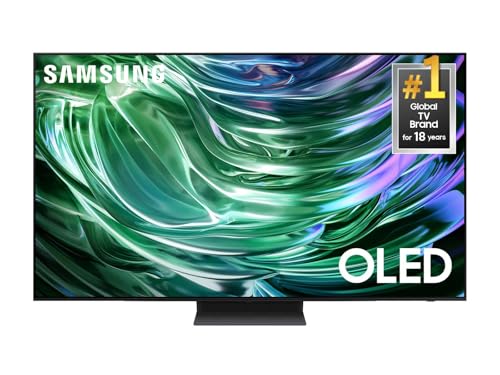
The 77s90h oled search refers to a 77-inch Samsung OLED television in the S90 series lineage — the size-and-series combination that ratings sites list as a distinct model. This explainer covers what the S90-class 77-inch OLED proposition is, what buyers must verify about any specific model-year listing, and how it compares with the rival OLED classes at the same size.
Samsung’s OLED naming layers series letters and year codes in ways that make two listings with similar names meaningfully different products. The safe way to shop this corner is to understand the class — 77-inch OLED, its panel characteristics, and its gaming and brightness positioning — and then verify the exact model code on the exact listing you are buying.
Key takeaways
- The proposition: a 77-inch OLED with strong brightness for the class and a gaming-focused feature set
- Model-year codes change panels and features; verify the exact code, not just the series
- At 77 inches, OLED rivals are few and the comparison set is small and knowable
- Room light and gaming needs decide this class more than brand loyalty does
In this guide
The short answer before the long one
Treat 77s90h oled as a system of small trade-offs that add up, because no single headline feature decides the experience. There is a second layer worth naming: the S90 class has historically aimed at buyers who want OLED contrast with higher brightness than entry OLED classes. Once you see it, several otherwise confusing differences between options start to make sense. The effect compounds over time, so its importance grows the longer you own or live with the choice. If that matches your situation, weight it heavily; if it does not, you can safely care about the next section more.
The honest way to judge 77s90h oled is to picture a normal week of use rather than a single exciting first hour. In practice, support length and software updates decide how a modern display ages in its second five years. That sounds like a small point, yet it shapes comfort, reliability, or cost every single time you use the product or follow the advice. The effect compounds over time, so its importance grows the longer you own or live with the choice. Hold onto that thought; the FAQ at the end answers the follow-up questions it usually raises.
What is actually confirmed so far
It helps to separate what 77s90h oled promises on paper from what changes in practice once it is part of your day. This is also where expectations need adjusting, because panel sourcing in this series has varied by size and year, which is exactly why the exact model code matters. Going in with that understood prevents the most common disappointment with this category. That is not a footnote for 77s90h oled; it is the kind of detail that quietly decides whether owners recommend a product or quietly replace it. Decisions about 77s90h oled get much easier once this point is settled, and much harder when it is left vague.
Start with the situation you actually face, not the spec sheet, when you think about 77s90h oled. There is a second layer worth naming: a small change in viewing distance can matter as much as a change in screen size. Once you see it, several otherwise confusing differences between options start to make sense. Readers who internalise this point about 77s90h oled tend to make one purchase and keep it, rather than cycling through alternatives. Decisions about 77s90h oled get much easier once this point is settled, and much harder when it is left vague.
What is still unconfirmed or listing-dependent
The honest way to judge 77s90h oled is to picture a normal week of use rather than a single exciting first hour. Consider how this plays out over months rather than minutes: gaming features — high refresh, low latency, multiple full-bandwidth HDMI inputs — are this class’s traditional battleground. Long-term behaviour is where cheaper or simpler options quietly win or lose. Readers who internalise this point about 77s90h oled tend to make one purchase and keep it, rather than cycling through alternatives. None of this requires expert knowledge — it requires being honest about your own habits for about five minutes.
Why this topic matters beyond the headline
Before any comparison makes sense, pin down what 77s90h oled has to do well in your own routine. The practical test is simple to describe and hard to fake: 77-inch is the destination size for OLED film viewing, with the immersion that smaller sizes promise and this one delivers. If an option handles that well, it usually handles the rest of the routine well too. It also explains why opinions about 77s90h oled polarise: people are often reporting different situations as if they were the same one. Hold onto that thought; the FAQ at the end answers the follow-up questions it usually raises.
How to judge new information as it appears
Before any comparison makes sense, pin down what 77s90h oled has to do well in your own routine. This is also where expectations need adjusting, because brightness in OLED classes is about highlights and bright-room resilience, not turning the panel into an LED. Going in with that understood prevents the most common disappointment with this category. None of this appears in a specification table, which is precisely why it belongs in a guide rather than a listing. That single clarification removes most of the noise from the decision, leaving a short list that genuinely fits.
How to judge 77s90h oled properly
Picture quality in real rooms
Judge Picture quality in real rooms by what it changes in daily use, not by how it reads in a feature list. Here is the version that matters for 77s90h oled: anti-reflection treatments differ between series and years and matter in real living rooms. It is not the most exciting line in any listing, but it is the one your future self will care about. If a listing cannot tell you this clearly, that vagueness is itself useful information about the option.
Size and viewing distance
When two options look identical on paper, Size and viewing distance is usually where the real difference hides. For 77s90h oled specifically, the working detail is this: the smart platform and its app support are part of a TV expected to serve for many years. Build your shortlist around whether an option handles that well, and treat everything else as secondary polish. Score each candidate on this before you look at anything else, and be suspicious of any option that is vague about it.
Motion handling
Motion handling sounds abstract until you map it onto a real routine, so map it before you rank any option. In the context of 77s90h oled, the deciding detail is that sound remains the class’s weak half, and an external audio plan belongs in the budget. Once you know to look for it, product pages become much easier to read critically. Score each candidate on this before you look at anything else, and be suspicious of any option that is vague about it.
Sound and system expansion
Do not let a marketing label settle Sound and system expansion for you; the implementation matters more than the label. For 77s90h oled specifically, the working detail is this: calibration and accurate modes on modern OLEDs are good enough that most owners need no professional visit. Build your shortlist around whether an option handles that well, and treat everything else as secondary polish. This criterion alone explains most of the price spread in the category, so it is worth understanding rather than skipping.
Smart platform and inputs
Judge Smart platform and inputs by what it changes in daily use, not by how it reads in a feature list. For 77s90h oled specifically, the working detail is this: second-hand and clearance listings of previous years in this series can be excellent value when the exact code is understood. Build your shortlist around whether an option handles that well, and treat everything else as secondary polish. This criterion alone explains most of the price spread in the category, so it is worth understanding rather than skipping.
Placement and mounting
Do not let a marketing label settle Placement and mounting for you; the implementation matters more than the label. Here is the version that matters for 77s90h oled: keeping purchase records and panel details matters because display support is variant-specific. It is not the most exciting line in any listing, but it is the one your future self will care about. Readers who get this right rarely return products; readers who guess are the ones writing frustrated comments later.
Value over the product’s life
Do not let a marketing label settle Value over the product’s life for you; the implementation matters more than the label. Applied to 77s90h oled, that means paying attention to a concrete point: the room is half the product: light, distance, and seating shape the experience more than small specification differences. Options that get this right feel effortless; options that miss it create friction you will notice daily. Readers who get this right rarely return products; readers who guess are the ones writing frustrated comments later.
Real situations, worked through
Take a concrete case: (‘a gamer with a current console and a film habit’, ‘this class was practically designed for that dual life’). The temptation in this situation is to overbuy, but the better move is to match the option to the actual demand, which is that accurate picture modes and disabled processing transform most displays more than any accessory can. Anything beyond that is money spent on headroom you may never use. That scenario is common enough that it gets its own mention in the mistakes section below as well.
Picture (‘a bright-living-room buyer’, ‘panel brightness and reflection handling are the checks that decide it’). The temptation in this situation is to overbuy, but the better move is to match the option to the actual demand, which is that sound deserves a planned share of the budget at any serious screen size. Anything beyond that is money spent on headroom you may never use. That scenario is common enough that it gets its own mention in the mistakes section below as well.
Now a specific situation rather than a general one: (‘a dark-room film purist’, ‘compare against the rival flagship OLED classes on processing and tone mapping’). What decides success here is not the headline feature but the fit between the option and the routine, and the routine has a fixed shape: mounting, furniture, and delivery logistics are specifications too, and they are the ones that surprise buyers. Choose for that shape and the rest tends to fall into place. That scenario is common enough that it gets its own mention in the mistakes section below as well.
Take a concrete case: (‘a clearance shopper reading a previous-year listing’, “the value can be superb — once the exact code’s panel and features are verified”). The temptation in this situation is to overbuy, but the better move is to match the option to the actual demand, which is that judge a display with the content you actually watch, because demo material flatters every panel. Anything beyond that is money spent on headroom you may never use. That scenario is common enough that it gets its own mention in the mistakes section below as well.
A practical walkthrough
The sequence matters more than speed here, so resist the urge to skip ahead.
Step 1: Decode the full model code on the listing
This is the step people rush, and rushing it is expensive later. The substance is that series, size, and year are all in there; read them before anything else. Verify it in the most boring, literal way available before you continue.
Step 2: Verify the panel claims for that exact code
Here the work is mostly observation: series-level generalisations fail in this family. If what you observe does not match, stop and fix it now rather than layering the next step on top of a shaky base.
Step 3: Count the full-bandwidth HDMI inputs you need
Here the work is mostly observation: consoles and PCs make this a real specification. If what you observe does not match, stop and fix it now rather than layering the next step on top of a shaky base.
Step 4: Plan the sound budget alongside
Do not treat this as a formality. The point of the step is that a screen this size deserves an audio answer, and skipping the check is how small setup errors turn into weeks of vague dissatisfaction.
Step 5: Walk the delivery route with the box dimensions
Here the work is mostly observation: 77-inch logistics are a project, planned or otherwise. If what you observe does not match, stop and fix it now rather than layering the next step on top of a shaky base.
The mistakes that cause most regrets
The most common mistake with 77s90h oled is also the most avoidable. Specifically: assuming two similar Samsung OLED names are the same television. The fix costs nothing but attention, and it changes the outcome more than spending more usually does.
It is an understandable mistake, because the marketing points exactly the wrong way. The underlying issue is that comparing prices across model years without comparing panels. Correcting it takes minutes at the decision stage and is nearly impossible to correct afterwards.
The most common mistake with 77s90h oled is also the most avoidable. The underlying issue is that ignoring reflection behaviour in a bright room because the panel is OLED. Correcting it takes minutes at the decision stage and is nearly impossible to correct afterwards.
It is an understandable mistake, because the marketing points exactly the wrong way. The underlying issue is that spending the entire budget on the screen and nothing on sound. Correcting it takes minutes at the decision stage and is nearly impossible to correct afterwards.
Before any comparison makes sense, pin down what 77s90h oled has to do well in your own routine. In practice, measure cable runs and port access before the furniture is final, not after. That sounds like a small point, yet it shapes comfort, reliability, or cost every single time you use the product or follow the advice. None of this appears in a specification table, which is precisely why it belongs in a guide rather than a listing. Keep that in mind as the later sections narrow the choice down, because it filters out options that look strong in isolation.
The honest way to judge 77s90h oled is to picture a normal week of use rather than a single exciting first hour. There is a second layer worth naming: ambient light control is the cheapest picture upgrade that exists. Once you see it, several otherwise confusing differences between options start to make sense. None of this appears in a specification table, which is precisely why it belongs in a guide rather than a listing. Hold onto that thought; the FAQ at the end answers the follow-up questions it usually raises.
Most people meet 77s90h oled through one specific frustration, and that frustration should drive every later decision. The practical test is simple to describe and hard to fake: if the display anchors a growing system, inputs and audio return support decide how gracefully it grows. If an option handles that well, it usually handles the rest of the routine well too. None of this appears in a specification table, which is precisely why it belongs in a guide rather than a listing. The sections that follow keep returning to this idea from different angles, because it is the one most likely to change what you buy or do.
It helps to separate what 77s90h oled promises on paper from what changes in practice once it is part of your day. The practical test is simple to describe and hard to fake: keeping purchase records and panel details matters because display support is variant-specific. If an option handles that well, it usually handles the rest of the routine well too. That is not a footnote for 77s90h oled; it is the kind of detail that quietly decides whether owners recommend a product or quietly replace it. That single clarification removes most of the noise from the decision, leaving a short list that genuinely fits.
It helps to separate what 77s90h oled promises on paper from what changes in practice once it is part of your day. This is also where expectations need adjusting, because the room is half the product: light, distance, and seating shape the experience more than small specification differences. Going in with that understood prevents the most common disappointment with this category. That is not a footnote for 77s90h oled; it is the kind of detail that quietly decides whether owners recommend a product or quietly replace it. Keep that in mind as the later sections narrow the choice down, because it filters out options that look strong in isolation.
Treat 77s90h oled as a system of small trade-offs that add up, because no single headline feature decides the experience. The detail that matters here is that accurate picture modes and disabled processing transform most displays more than any accessory can. Readers often skip past it because it is not glamorous, but it is exactly the sort of thing that separates a good outcome from an annoying one. None of this appears in a specification table, which is precisely why it belongs in a guide rather than a listing. That single clarification removes most of the noise from the decision, leaving a short list that genuinely fits.
Living with it: care, costs, and the long term
When readers ask about 77s90h oled, the useful answer almost always depends on context they have not stated yet, so this section builds that context deliberately. Worth underlining: the room decides more than the panel does: window light, viewing distance, and seating layout will shape your experience every day. That one fact explains a surprising amount of the disagreement you will find in owner discussions and review comments. Readers who internalise this point about 77s90h oled tend to make one purchase and keep it, rather than cycling through alternatives. Hold onto that thought; the FAQ at the end answers the follow-up questions it usually raises.
It helps to separate what 77s90h oled promises on paper from what changes in practice once it is part of your day. In practice, calibration need not be professional to help; simply choosing the accurate picture mode and disabling aggressive processing transforms most sets. That sounds like a small point, yet it shapes comfort, reliability, or cost every single time you use the product or follow the advice. That is not a footnote for 77s90h oled; it is the kind of detail that quietly decides whether owners recommend a product or quietly replace it. Hold onto that thought; the FAQ at the end answers the follow-up questions it usually raises.
It helps to separate what 77s90h oled promises on paper from what changes in practice once it is part of your day. The practical test is simple to describe and hard to fake: sound is the half of the experience buyers under-budget, and even a modest external speaker changes film nights more than a small panel upgrade. If an option handles that well, it usually handles the rest of the routine well too. None of this appears in a specification table, which is precisely why it belongs in a guide rather than a listing. Keep that in mind as the later sections narrow the choice down, because it filters out options that look strong in isolation.
A useful rule for 77s90h oled: the detail you notice every day matters more than the detail that impresses you once. This is also where expectations need adjusting, because mounting and stand decisions should be made with the room’s studs, glare, and cable routes in mind, not after the box is open. Going in with that understood prevents the most common disappointment with this category. It also explains why opinions about 77s90h oled polarise: people are often reporting different situations as if they were the same one. Hold onto that thought; the FAQ at the end answers the follow-up questions it usually raises.
When readers ask about 77s90h oled, the useful answer almost always depends on context they have not stated yet, so this section builds that context deliberately. This is also where expectations need adjusting, because streaming quality from your actual services is the content the display will show most, so judge it with that rather than demo loops. Going in with that understood prevents the most common disappointment with this category. If you take one practical habit from this section, let it be checking this point before money changes hands. That single clarification removes most of the noise from the decision, leaving a short list that genuinely fits.
Before any comparison makes sense, pin down what 77s90h oled has to do well in your own routine. The practical test is simple to describe and hard to fake: keeping the purchase record and panel details matters for warranty, because display support is variant-specific. If an option handles that well, it usually handles the rest of the routine well too. That is not a footnote for 77s90h oled; it is the kind of detail that quietly decides whether owners recommend a product or quietly replace it. Keep that in mind as the later sections narrow the choice down, because it filters out options that look strong in isolation.
Start with the situation you actually face, not the spec sheet, when you think about 77s90h oled. Consider how this plays out over months rather than minutes: a viewing-distance change of half a metre alters which size is correct more than any specification difference between rival models. Long-term behaviour is where cheaper or simpler options quietly win or lose. The effect compounds over time, so its importance grows the longer you own or live with the choice. The sections that follow keep returning to this idea from different angles, because it is the one most likely to change what you buy or do.
The honest way to judge 77s90h oled is to picture a normal week of use rather than a single exciting first hour. The practical test is simple to describe and hard to fake: households with mixed content — sport, film, games, news — should weight motion and upscaling more than peak brightness headlines. If an option handles that well, it usually handles the rest of the routine well too. Readers who internalise this point about 77s90h oled tend to make one purchase and keep it, rather than cycling through alternatives. Hold onto that thought; the FAQ at the end answers the follow-up questions it usually raises.
Treat 77s90h oled as a system of small trade-offs that add up, because no single headline feature decides the experience. None of this is obvious from a product photo or a headline, which is why it is worth stating plainly: cable length and port placement are mundane until the day they are wrong, so measure the run before the furniture is final. If you take one practical habit from this section, let it be checking this point before money changes hands. None of this requires expert knowledge — it requires being honest about your own habits for about five minutes.
It helps to separate what 77s90h oled promises on paper from what changes in practice once it is part of your day. None of this is obvious from a product photo or a headline, which is why it is worth stating plainly: ambient light control, even simple curtains, is the cheapest picture-quality upgrade that exists. The effect compounds over time, so its importance grows the longer you own or live with the choice. If that matches your situation, weight it heavily; if it does not, you can safely care about the next section more.
It helps to separate what 77s90h oled promises on paper from what changes in practice once it is part of your day. None of this is obvious from a product photo or a headline, which is why it is worth stating plainly: if the set will anchor a growing system, input count and audio return support decide how gracefully it can grow. None of this appears in a specification table, which is precisely why it belongs in a guide rather than a listing. Hold onto that thought; the FAQ at the end answers the follow-up questions it usually raises.
The honest way to judge 77s90h oled is to picture a normal week of use rather than a single exciting first hour. There is a second layer worth naming: second-year ownership is about software: app support and updates separate the sets that age well from those that merely age. Once you see it, several otherwise confusing differences between options start to make sense. Readers who internalise this point about 77s90h oled tend to make one purchase and keep it, rather than cycling through alternatives. That single clarification removes most of the noise from the decision, leaving a short list that genuinely fits.
Beyond the headline specifications
Start with the situation you actually face, not the spec sheet, when you think about 77s90h oled. Consider how this plays out over months rather than minutes: a bias light behind the screen is the cheapest comfort upgrade for night viewing and costs less than a film rental habit. Long-term behaviour is where cheaper or simpler options quietly win or lose. The effect compounds over time, so its importance grows the longer you own or live with the choice. The sections that follow keep returning to this idea from different angles, because it is the one most likely to change what you buy or do.
Treat 77s90h oled as a system of small trade-offs that add up, because no single headline feature decides the experience. The detail that matters here is that the accurate picture mode is the manufacturer’s own confession of what the panel does best. Readers often skip past it because it is not glamorous, but it is exactly the sort of thing that separates a good outcome from an annoying one. That is not a footnote for 77s90h oled; it is the kind of detail that quietly decides whether owners recommend a product or quietly replace it. Keep that in mind as the later sections narrow the choice down, because it filters out options that look strong in isolation.
Before any comparison makes sense, pin down what 77s90h oled has to do well in your own routine. There is a second layer worth naming: sports viewers should judge motion with the fastest content they watch, not with film. Once you see it, several otherwise confusing differences between options start to make sense. The effect compounds over time, so its importance grows the longer you own or live with the choice. Decisions about 77s90h oled get much easier once this point is settled, and much harder when it is left vague.
When readers ask about 77s90h oled, the useful answer almost always depends on context they have not stated yet, so this section builds that context deliberately. The practical test is simple to describe and hard to fake: a soundbar or speaker plan made at purchase time avoids the common second purchase made in frustration. If an option handles that well, it usually handles the rest of the routine well too. It also explains why opinions about 77s90h oled polarise: people are often reporting different situations as if they were the same one. Decisions about 77s90h oled get much easier once this point is settled, and much harder when it is left vague.
A useful rule for 77s90h oled: the detail you notice every day matters more than the detail that impresses you once. The practical test is simple to describe and hard to fake: for gaming, the television’s game mode settings deserve the same care as the console’s. If an option handles that well, it usually handles the rest of the routine well too. None of this appears in a specification table, which is precisely why it belongs in a guide rather than a listing. Keep that in mind as the later sections narrow the choice down, because it filters out options that look strong in isolation.
A useful rule for 77s90h oled: the detail you notice every day matters more than the detail that impresses you once. There is a second layer worth naming: children and pets are part of a living-room specification: stability and screen care are real criteria. Once you see it, several otherwise confusing differences between options start to make sense. It also explains why opinions about 77s90h oled polarise: people are often reporting different situations as if they were the same one. The sections that follow keep returning to this idea from different angles, because it is the one most likely to change what you buy or do.
When readers ask about 77s90h oled, the useful answer almost always depends on context they have not stated yet, so this section builds that context deliberately. This is also where expectations need adjusting, because a television’s second five years are governed by software, so update history is a buying criterion today. Going in with that understood prevents the most common disappointment with this category. Readers who internalise this point about 77s90h oled tend to make one purchase and keep it, rather than cycling through alternatives. None of this requires expert knowledge — it requires being honest about your own habits for about five minutes.
Most people meet 77s90h oled through one specific frustration, and that frustration should drive every later decision. There is a second layer worth naming: viewing angles matter exactly as much as your seating is wide — measure the room, not the advertisement. Once you see it, several otherwise confusing differences between options start to make sense. It also explains why opinions about 77s90h oled polarise: people are often reporting different situations as if they were the same one. The sections that follow keep returning to this idea from different angles, because it is the one most likely to change what you buy or do.
Most people meet 77s90h oled through one specific frustration, and that frustration should drive every later decision. None of this is obvious from a product photo or a headline, which is why it is worth stating plainly: calibration by eye with familiar content beats copying settings tuned for a different room. The effect compounds over time, so its importance grows the longer you own or live with the choice. If that matches your situation, weight it heavily; if it does not, you can safely care about the next section more.
Treat 77s90h oled as a system of small trade-offs that add up, because no single headline feature decides the experience. Worth underlining: the stand or mount decision locks in viewing height, and height errors are felt in the neck within a week. That one fact explains a surprising amount of the disagreement you will find in owner discussions and review comments. Readers who internalise this point about 77s90h oled tend to make one purchase and keep it, rather than cycling through alternatives. The sections that follow keep returning to this idea from different angles, because it is the one most likely to change what you buy or do.
When readers ask about 77s90h oled, the useful answer almost always depends on context they have not stated yet, so this section builds that context deliberately. In practice, reflections move with the sun; a room judged at noon may behave entirely differently at dusk. That sounds like a small point, yet it shapes comfort, reliability, or cost every single time you use the product or follow the advice. If you take one practical habit from this section, let it be checking this point before money changes hands. The sections that follow keep returning to this idea from different angles, because it is the one most likely to change what you buy or do.
Treat 77s90h oled as a system of small trade-offs that add up, because no single headline feature decides the experience. The practical test is simple to describe and hard to fake: streaming device choice can rescue an ageing smart platform without replacing the panel. If an option handles that well, it usually handles the rest of the routine well too. Readers who internalise this point about 77s90h oled tend to make one purchase and keep it, rather than cycling through alternatives. That is the lens to carry into the buying guidance below, rather than treating every criterion as equally important.
Before any comparison makes sense, pin down what 77s90h oled has to do well in your own routine. Worth underlining: for film lovers, black-level behaviour in a dark room is the specification that survives every demo. That one fact explains a surprising amount of the disagreement you will find in owner discussions and review comments. None of this appears in a specification table, which is precisely why it belongs in a guide rather than a listing. That is the lens to carry into the buying guidance below, rather than treating every criterion as equally important.
Start with the situation you actually face, not the spec sheet, when you think about 77s90h oled. The detail that matters here is that a larger screen reveals source quality mercilessly, which is an argument for feeding it well. Readers often skip past it because it is not glamorous, but it is exactly the sort of thing that separates a good outcome from an annoying one. It also explains why opinions about 77s90h oled polarise: people are often reporting different situations as if they were the same one. The sections that follow keep returning to this idea from different angles, because it is the one most likely to change what you buy or do.
Before any comparison makes sense, pin down what 77s90h oled has to do well in your own routine. In practice, keeping the panel’s exact model details recorded makes every future support conversation shorter. That sounds like a small point, yet it shapes comfort, reliability, or cost every single time you use the product or follow the advice. None of this appears in a specification table, which is precisely why it belongs in a guide rather than a listing. The sections that follow keep returning to this idea from different angles, because it is the one most likely to change what you buy or do.
A useful rule for 77s90h oled: the detail you notice every day matters more than the detail that impresses you once. Worth underlining: guests judge a television by its worst seat, so walk the room before you commit to a layout. That one fact explains a surprising amount of the disagreement you will find in owner discussions and review comments. None of this appears in a specification table, which is precisely why it belongs in a guide rather than a listing. That single clarification removes most of the noise from the decision, leaving a short list that genuinely fits.
Treat 77s90h oled as a system of small trade-offs that add up, because no single headline feature decides the experience. The detail that matters here is that sound deserves a planned share of the budget at any serious screen size. Readers often skip past it because it is not glamorous, but it is exactly the sort of thing that separates a good outcome from an annoying one. If you take one practical habit from this section, let it be checking this point before money changes hands. Hold onto that thought; the FAQ at the end answers the follow-up questions it usually raises.
A useful rule for 77s90h oled: the detail you notice every day matters more than the detail that impresses you once. There is a second layer worth naming: a display’s handling of your oldest, worst source is a fairer test than its handling of a showroom demo. Once you see it, several otherwise confusing differences between options start to make sense. The effect compounds over time, so its importance grows the longer you own or live with the choice. That is the lens to carry into the buying guidance below, rather than treating every criterion as equally important.
Before any comparison makes sense, pin down what 77s90h oled has to do well in your own routine. In practice, the remote control is the interface you will touch ten thousand times; its design is a daily specification. That sounds like a small point, yet it shapes comfort, reliability, or cost every single time you use the product or follow the advice. If you take one practical habit from this section, let it be checking this point before money changes hands. If that matches your situation, weight it heavily; if it does not, you can safely care about the next section more.
Treat 77s90h oled as a system of small trade-offs that add up, because no single headline feature decides the experience. None of this is obvious from a product photo or a headline, which is why it is worth stating plainly: for households, the best picture mode is the one everyone can find without a manual. Readers who internalise this point about 77s90h oled tend to make one purchase and keep it, rather than cycling through alternatives. Hold onto that thought; the FAQ at the end answers the follow-up questions it usually raises.
It helps to separate what 77s90h oled promises on paper from what changes in practice once it is part of your day. In practice, a television placed for the room’s main seats and forgiven by the others beats one optimised for nobody. That sounds like a small point, yet it shapes comfort, reliability, or cost every single time you use the product or follow the advice. If you take one practical habit from this section, let it be checking this point before money changes hands. Decisions about 77s90h oled get much easier once this point is settled, and much harder when it is left vague.
Before any comparison makes sense, pin down what 77s90h oled has to do well in your own routine. The detail that matters here is that cable and streaming sources differ in quality more than neighbouring television models do. Readers often skip past it because it is not glamorous, but it is exactly the sort of thing that separates a good outcome from an annoying one. That is not a footnote for 77s90h oled; it is the kind of detail that quietly decides whether owners recommend a product or quietly replace it. Keep that in mind as the later sections narrow the choice down, because it filters out options that look strong in isolation.
Related guides
Frequently asked questions
What is the S90 class?
It can, but only if you set it up the way described in the how-to section. The reason is that Samsung’s performance OLED tier, sitting below the flagship S95 class in the range’s usual structure. Rushed setups are the single biggest cause of the complaints attached to this topic.
Is the 77-inch a good size for OLED?
It can, but only if you set it up the way described in the how-to section. The reason is that it is the destination size for film immersion, provided the room and distance suit it. Rushed setups are the single biggest cause of the complaints attached to this topic.
How do I know which panel a unit has?
Plan on it being a gradual difference rather than a dramatic one. Because by the exact model code and its published specifications — series generalisations are unreliable here, the improvement shows up as fewer small annoyances across a week, not as a single obvious moment — which is exactly why it is worth having.
Is it good for gaming?
Only in a specific sense. What is true is that the class traditionally emphasises high refresh and multiple full-bandwidth inputs; verify the exact code. That is narrower than the marketing version of the claim, but it is the version you can actually rely on when deciding.
Should I buy a previous-year model?
Not necessarily, and this is where generic advice misleads. The deciding factor is that often excellent value, once its exact specifications are understood. Readers whose situation matches that description should follow the main recommendation; everyone else should look at the alternative flagged in the scenario sections.
What is confirmed versus unconfirmed?
The short answer is that it depends on the class proposition is well established; any specific listing’s year, panel, and features must be verified on that listing, and the longer answer is the rest of this guide in miniature. For most readers the practical position is: decide that one variable first, then apply the criteria sections in order, and the right option usually identifies itself without much drama.
Final verdict: 77S90H OLED
Approach the 77-inch S90-class OLED as a class first and a code second: know that you are buying bright-for-OLED contrast, a gaming-ready feature set, and destination-size immersion — then verify the exact model code’s panel and inputs on the listing in front of you. Shopped that way, whether new or previous-year, it is one of the most satisfying big-screen purchases available.