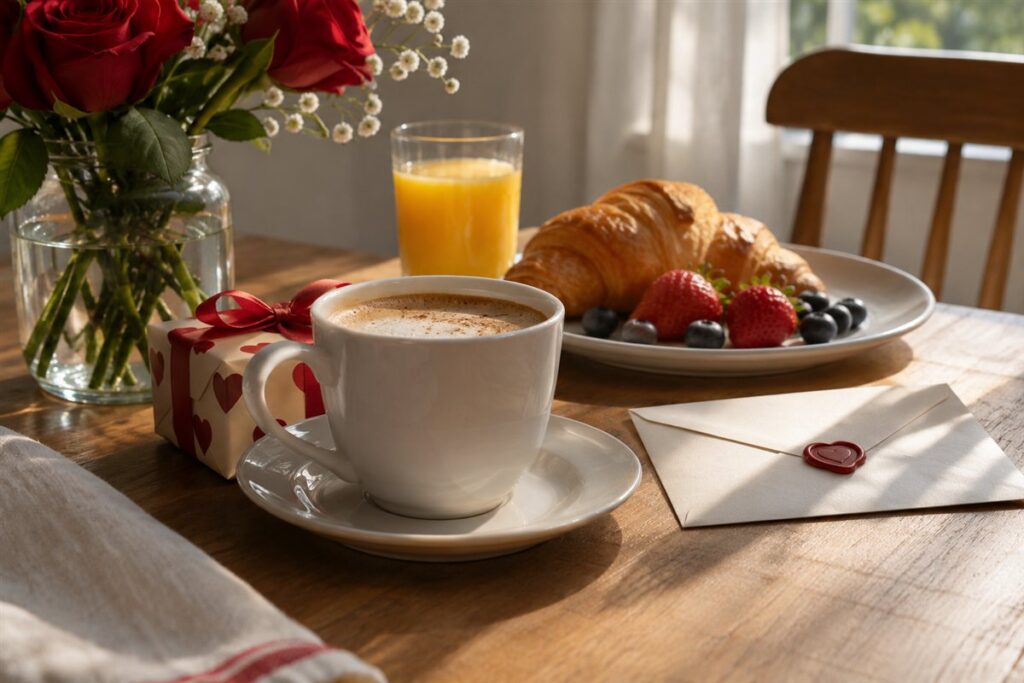
You can surprise your husband by choosing one idea he would never expect from you, planning it quietly and delivering it at an unhurried moment. The surprise matters less than the evidence that you paid attention. Follow the steps below to plan without stress.
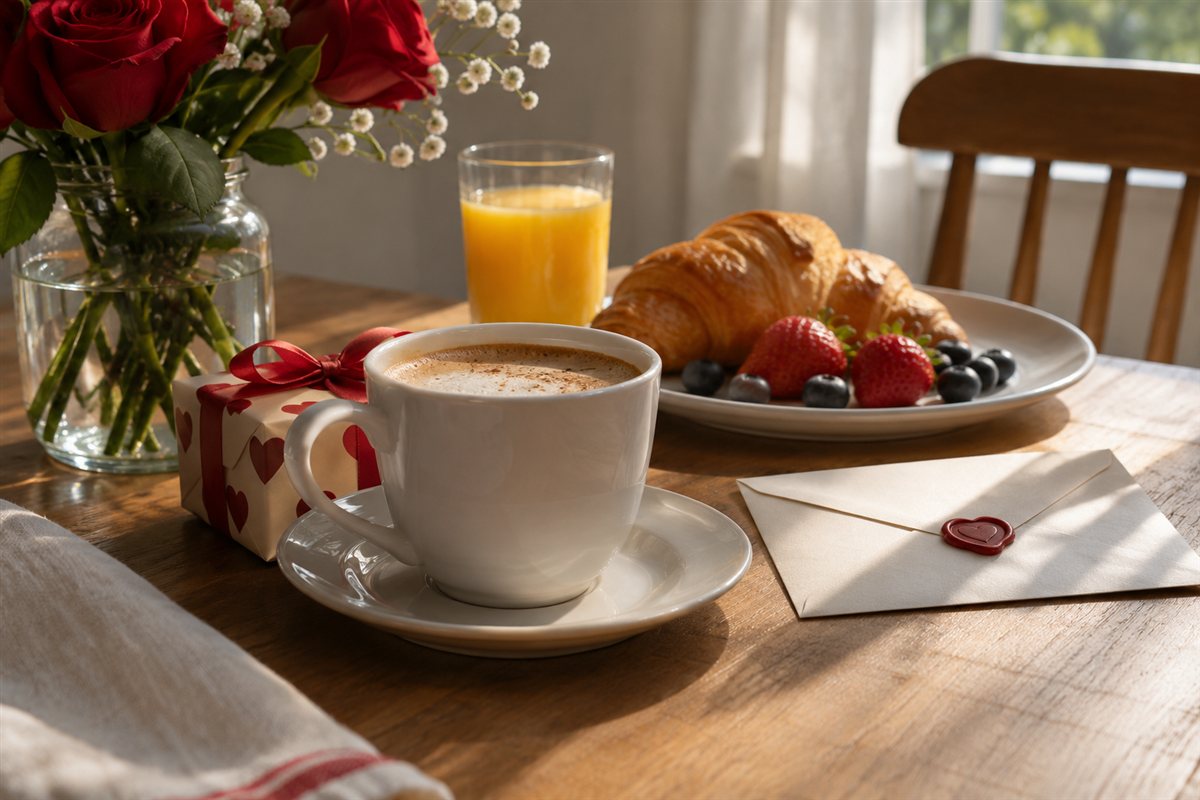
Step-by-Step Plan
- Pick the type of surprise. Decide among an object, an experience or a message. If he is private, choose something low-key.
- Collect clues. Over the past weeks, what has he mentioned wanting? Look through chat history, notes and conversations.
- Set the date and time. Check his schedule so he is free and not tired from a long workday.
- Arrange logistics. Book reservations, order items early and plan how to hide them.
- Prepare a card. Write a few lines of appreciation by hand.
- Deliver with calm. Do not rush the moment. Let him enjoy it.
In this guide
Surprise Ideas by Style
- The homebody: A favorite meal, his preferred film and a cozy evening with phones away.
- The adventurer: A short trip, a hike to a viewpoint or a new activity you book for two.
- The sentimental one: A small album or framed print of your family or travels, with captions you wrote.
- The hobbyist: Time devoted to his interest, such as a visit to a workshop, a game night or a live event.
Involving the Family
If you have children, they can add something personal. Younger ones can draw a picture, and older ones can write a few lines. A photo collage featuring the whole family is a lasting keepsake. When involving others, ask them to keep it quiet and give them a simple role so the plan does not leak.
Keeping It a Secret
- Store gifts at a friend’s home or in a spot he never visits.
- Use believable explanations for any schedule changes.
- Have deliveries sent to a different address if needed.
- Keep a small backup, such as a card and a favorite snack, in case timing slips.
Timing the Reveal
The best moment is usually when he is relaxed and has nothing pressing on his mind. Right after a long meeting or during a commute is rarely ideal. Many couples find that a weekend morning or a quiet evening works well. If Valentine’s Day falls on a busy weekday, you can move the main surprise to the nearest free day and mark the date itself with a short note. Your husband will care more about your attention than about the exact calendar square.
Read His Personality Before You Plan
A surprise lands well when it matches the person, so spend a little time observing before you spend money. Think about how your husband behaves when something unexpected happens at work or at home. Does he laugh and lean in, or does he need a moment to adjust? Does he like being the center of attention, or does he prefer quiet gestures that only the two of you understand? Those answers shape everything from the venue to the way you present the idea.
Some useful questions to ask yourself:
- When he receives a gift, does he open it right away or save it for later?
- Does he enjoy planning, or does he like being taken along?
- Is he happiest at home, outdoors, or around other people?
- Which small things has he mentioned liking in the past few months?
- Would a public gesture feel exciting or uncomfortable to him?
If he is shy about attention, avoid anything that involves an audience, such as a surprise in a restaurant or at his workplace. If he likes a bit of theatre, a scavenger hunt of notes around the house might delight him. A person who values routine may appreciate a surprise that fits inside a normal evening rather than a complete change of plan. The goal is to make him feel known, not to stage something impressive for its own sake.
Plan Around Your Budget and Your Time
Meaningful surprises do not require large spending. Decide your limit first, then build the idea inside it, so that the day does not end with a worry about cost. A modest budget works best when you put the effort into personal details. A handwritten letter, a playlist of songs from your early years together, or a meal cooked from a recipe he loves can mean more than something expensive and generic.
Time is the other limit. Work out how many hours you can truly give and when. A plan that needs two weeks of preparation is poor if you only have three evenings. If you have little time, choose one clear element and do it well, rather than adding several half-finished ones.
- Low spend, high effort: a themed home dinner, a memory jar of notes, a planned walk to a place you both like.
- Moderate spend: a reservation, tickets to something he enjoys, or a small gift connected to a hobby.
- Higher spend: an overnight stay or a special experience, which needs earlier booking and a backup plan.
Whatever tier you choose, check the cancellation terms of any booking. Plans change, and a flexible reservation avoids stress if he has a late meeting or feels unwell on the day.
Surprises at Home Versus Going Out
Both settings have strengths, and the better choice depends on your situation. A home surprise gives you control. You can prepare quietly, adjust the lighting, use his favorite music and avoid crowds. It also suits couples with young children, tight schedules or a preference for privacy. The main challenge is making the space feel different from a normal evening, so put some thought into small changes such as a clean table, candles used safely, and phones put away.
An outing adds novelty and takes the pressure of cooking and cleanup away. It suits couples who rarely get out together. The risks are logistics: travel time, reservations, weather and the chance that he is tired after work. Choose a place that is easy to reach and does not demand a long wait.
- If you choose a restaurant, book early and mention any dietary needs when reserving.
- If you choose an outdoor plan, prepare an indoor option for bad weather.
- If you need childcare, arrange it well in advance and confirm the day before.
A hybrid also works: a short outing followed by a relaxed return home, where a small card or gift waits. That gives him a change of scene without making the whole evening complicated.
When Distance or a Busy Schedule Gets in the Way
Not every couple can spend the day together. If your husband works long hours, travels or lives far from you for a period, the surprise can still work with some adjustment. The idea is to show attention across the gap.
For a husband who is away, a package timed to arrive on or before the day can carry a handwritten letter, a favorite snack and a few printed photographs. Check delivery times and any restrictions, and leave extra days for delays. A video message gathered from family members can also be touching, especially if they each share a short memory. Arrange a call at a time that suits his time zone and plans.
For a husband who works long hours, schedule the surprise in a quieter window, such as a weekend breakfast or a late dinner on a calmer day. You might leave a note in his bag or on his car seat, then build a larger gesture around the next free evening.
- Keep messages specific: mention a moment or habit only he would recognize.
- Confirm his availability quietly with a colleague or a friend, if that is appropriate.
- Avoid surprises that could interrupt an important work event.
The sentiment survives a change of date, and a thoughtful delayed gesture is still welcome.
After the Surprise: Common Slips and Follow-Up
Even a carefully made plan can wobble. The most common slip is overplanning. If every minute is scripted, any delay feels like a failure. Leave gaps so the evening can breathe, and treat the schedule as a guide.
Another slip is choosing something that suits you more than him. Check your idea against his tastes: would he pick this himself? A fine dinner is wasted on someone who dislikes long meals, and a crowded event may drain a person who needs quiet.
- Leaks: the more people you tell, the likelier he hears. Limit it to those who truly need to know.
- Last-minute shopping: order gifts early so that delivery problems do not ruin the plan.
- Forgotten details: keep a short list of tasks, reservations and items to carry.
- Disappointment: if he reacts quietly, do not take it personally; some people need time to enjoy a moment.
Afterward, take a few minutes to ask what he liked best. His answer helps you plan future occasions, and it keeps the focus on the shared experience. Consider saving a small keepsake, such as the card or a photo, so the memory has something physical to attach to.
Ideas Sorted by the Time You Actually Have
The best surprise is the one you can carry out calmly, so begin with your real schedule rather than a dream plan. If you have only an hour after work, a small ritual at home can feel more thoughtful than an elaborate outing that leaves you both tired. If you have a whole weekend, you can think bigger without cramming.
Fifteen to thirty minutes
Leave a handwritten note in a place he will find during his day, such as his coat pocket, laptop case or lunch bag. Set a plate of his favorite snack on the table when he gets home. Play the song from your first dance while he walks in.
One evening
Cook a dish he loves, turn off screens for the night and set the table with candles or a small string of lights. Prepare a playlist and pick a movie or a board game you have not played in a while.
A full day or weekend
Arrange a short trip to a place that matters to you both, or recreate your first date in the order it happened. Plan the logistics carefully, from transport to opening hours, and keep a flexible backup.
A Table to Match the Idea to His Personality
| If he is | He may enjoy | Keep in mind |
|---|---|---|
| Quiet and private | A calm evening at home with a meaningful note | Avoid public attention or large groups |
| Outdoorsy | A morning hike or a picnic with a view | Check the weather and pack extras |
| A food lover | A tasting evening with small dishes from his favorite places | Think about allergies and preferences |
| Sentimental | A photo book, a letter or a memory jar | Gather items in secret over several weeks |
| Practical | A useful gift paired with a homemade card | Choose quality over novelty |
| Playful | A scavenger hunt around the house | Write clues that only the two of you understand |
Writing a Message That Lands
A card or letter carries more weight than many people expect. You do not need poetic language. A few honest sentences about a specific moment from the past year often mean more than a long, polished verse. Mention something he did that you noticed, such as how he handled a hard week or how he makes mornings easier. Specific details show that you pay attention.
- Begin with one memory from the past year.
- Say what it showed you about him.
- Add one thing you look forward to in the coming months.
- Sign it simply, in your own words.
Write the draft on paper first, then copy it neatly into the card. If handwriting makes you self-conscious, remember that he will likely care more about the effort than the penmanship.
Handling Food, Drink and Dietary Needs
Food often forms the center of a Valentine’s Day surprise, so check the details. Think about allergies, foods he dislikes and any dietary rules he follows. If you plan to cook something new, do a practice run during the week so that the evening does not become a stressful experiment. Choose recipes with clear steps and prepare ingredients before he arrives.
If you book a restaurant, reserve early because popular places fill up around the date, and confirm the booking a day or two before. Ask about the menu in advance if there are restrictions. Whatever you decide, keep the plan simple enough that you can enjoy the evening too.
Small Touches That Make the Setting Feel Special
- Dim the main lights and use warm lamps or candles, following normal fire care.
- Clear clutter from the table and the surrounding area.
- Put your phones away or on silent for part of the evening.
- Add a single flower or a small plant rather than a huge arrangement.
- Print a few photos and tuck them into a card or frame.
- Choose music that suits the mood and keep the volume low.
None of these items require much money, and together they change the feel of a room. The point is to signal that this evening is different from an ordinary one.
Gift Ideas That Match an Experience
Many people struggle with the choice between a gift and an experience. A useful compromise is to give a small object tied to a shared plan. For instance, a book about a place you want to visit, along with a date for a day trip, or a set of cooking tools along with a promise to learn a cuisine together. The object is a keepsake, and the plan gives you something to look forward to.
Think about his hobbies and everyday annoyances. A thoughtful gift often solves a small problem he has mentioned, like a worn-out wallet or a missing cable for his workspace. Check sizes, colors and compatibility, and keep any receipts in case an exchange is needed.
Gentle Ideas for Couples With Different Energy Levels
Sometimes one partner loves big gestures while the other prefers quiet. If your husband tends to feel drained by social events, avoid surprises that demand performance, such as a crowded party or a loud venue. Choose a setting where he can relax, and let him set the pace of the evening. If he is more social, a small gathering with a couple of close friends might delight him, as long as you have confirmed that he would enjoy it.
You can also design a surprise in two parts. Offer a short moment in the morning, such as a note and a favorite coffee, and keep the larger moment for the evening. This spreads the day out, reduces pressure and gives him something to look forward to.
Signs that a plan fits him
- It uses things he already likes, not things you wish he liked.
- It does not require him to perform or speak in public.
- It gives him time to relax and enjoy the company.
- It leaves space for a long conversation.
Photos, Keepsakes and Memory Projects
Keepsakes work well because they last beyond the evening. Collect twelve photographs from the past year, one for each month, and arrange them on a simple board or in a small album. Add a short caption under each picture, such as the place, the weather or something funny that was said. You can do the same with ticket stubs, postcards and small objects saved in a box.
A jar of folded notes is another easy option. Write one reason or memory on each slip, and ask him to open one whenever he wants a lift. Prepare these over a couple of weeks to avoid last-minute rushing, and store them out of sight.
If you prefer digital keepsakes, record a short voice message or put together a slideshow with a favorite song. Keep the file somewhere safe and consider sharing a copy so that it is not lost if a device fails.
Dividing Tasks If You Share the Planning
In some households, both partners plan something for each other. Coordinate lightly so you do not both book the same night, and agree on a loose budget limit without revealing details. A simple message such as “Let us keep it small this year” prevents mismatched expectations. If you have children at home, arrange a sitter or a family member in advance, and consider a daytime surprise if evenings are difficult.
Last-Minute Checklist for the Day
- Confirm any bookings and travel times.
- Prepare food items that can be made ahead.
- Place the card and gift where they are ready but hidden.
- Charge your phone and camera if you want a few photos.
- Tidy the main living area and set the table.
- Take a few quiet minutes for yourself before he arrives.
Remember that a warm tone matters more than perfect execution. If something small goes wrong, laugh about it together. Often the slightly imperfect evenings become the stories you retell for years.
FAQ
What if he dislikes surprises?
Then share the plan in general terms and keep the details a secret. The thought still counts and he feels respected.
Is a surprise better than asking what he wants?
Not always. Some husbands prefer to choose. A mix works well: ask for hints, then add one small unexpected detail.
What if I have a very small budget?
Focus on personal effort. A home-cooked meal, a handwritten letter and a favorite film cost little and show attention. Choose one thing to do well instead of trying to match expensive plans.
How far ahead should I start planning?
A couple of weeks is comfortable for most surprises, and longer if you need bookings, shipped items or childcare. If you are short on time, simplify the plan so nothing important depends on a late delivery.
Should I tell him something is planned?
A light hint can help if he dislikes being caught off guard. Telling him to keep the evening free, without details, lets him prepare while keeping the surprise.
What can I do if we have young children?
Include them in a simple way, such as drawing a card, or arrange a sitter so you can have some time alone. A short, calm evening at home after the children are asleep can be just as special as an outing.
What if he is not romantic or says he does not care about the day?
Choose something low-key that reflects his interests, such as time doing a shared hobby or a favorite meal. A small, sincere gesture is usually better than a grand one for someone who is not comfortable with fuss.
What if my plan goes wrong on the day?
Stay relaxed and adapt. Move the plan to another time, or switch to a simpler version at home. He is more likely to remember your effort than the details that slipped.
Is it better to give a gift or an experience?
Neither is always better. Consider what he values: some people treasure an object they can keep, while others prefer time together. A small gift paired with a shared activity often covers both.
Reading Your Husband: The Art of the Well-Aimed Surprise
Every successful surprise in this guide rests on one skill: paying attention to the specific man rather than to generic ideas about husbands. The raw material is already in your daily life. Listen for the offhand sentences — the restaurant he mentioned once and forgot, the hobby he says he has no time for, the story from before you met that he tells with unusual energy, the small luxury he would never buy himself. Keep a running note on your phone when these moments occur, because the week before Valentine’s Day is the worst possible time to try to remember them. A surprise built from something he said in October tells him he is listened to all year, which is a more romantic message than the surprise itself.
Match the surprise to his temperament, not to the occasion’s stereotypes. Some men love being the center of a room’s attention; others would experience a surprise party as an ambush with cake. Some unwind through experiences and novelty, others through rest, good food and an evening with no obligations at all. The grand gesture aimed at the wrong temperament lands as stress, while the small gesture aimed precisely — his favorite meal cooked properly, an afternoon of his hobby arranged with his closest friend, a book he wanted with a note inside — lands as proof that you know him. Knowing him is the entire point of the day.
Consider also what season of life he is in. A husband in a grinding patch at work may treasure a surprise that removes weight: a weekend with nothing scheduled, a task he dreads quietly handled, sleep protected like an appointment. A husband in a good, energetic patch may prefer the opposite: something new, social or adventurous. The same man needs different surprises in different years, and the wives who keep delighting their husbands across decades are the ones who keep updating the picture.
Planning Backwards: A Calm Timeline That Protects the Secret
Surprises fail on logistics far more often than on imagination, so plan backwards from the day itself. Start with the moment of reveal and ask what must be true immediately before it: where he will be, what he will be wearing, whether he will have eaten, who else must be in place. Then walk backwards through the preparations, giving each one a date. Reservations and tickets come first because they sell out and because they anchor everything else. Orders and deliveries come next, with a buffer for the postal realities of February. Anything perishable or same-day — food, flowers, the final setup — goes last on the list and first in your mind as the day approaches.
Secrecy has its own logistics. Deliveries should go to an address he does not open, or be collected by you. Calendar entries should carry innocent names. If friends or family are involved, brief them once, clearly, in writing, including what not to say and to whom; most leaked surprises escape through a well-meaning relative, not through detective work. Decide in advance what your cover story is for the time the surprise needs — why he should keep the evening free, why you are out, why the house must be empty at six — and keep the cover story small and boring, because elaborate lies invite questions and simple ones do not.
Build a Plan B for the fragile points. If the surprise depends on one restaurant, know the second choice. If it depends on weather, know the indoor version. If it depends on him arriving at a certain time, arrange a friend who can delay or hurry him with a plausible errand. A Plan B is not pessimism; it is what lets you stay relaxed on the day, and your relaxation is part of the gift, because a surprise delivered by a visibly stressed giver carries the stress into the room with it.
The Reveal: Staging the Moment Itself
The reveal deserves the same thought as the surprise behind it, because the first ten seconds are what he will remember and retell. Think about what he sees first, what he understands first, and what you want him to feel before the details arrive. A trail of small notes leading to the main event builds anticipation gently. A single, clean moment — a table set for two where he expected an ordinary evening, a packed bag by the door with a destination tag — delivers the whole surprise in one image. Choose the style that suits him: the slow build for the man who loves anticipation, the clean reveal for the man who prefers his pleasures direct.
Manage the audience. If the surprise involves other people, their reaction becomes part of his experience, so brief them on the simple things: when to appear, how loud to be, and to let you lead the first moments. If the surprise is private, protect that privacy fiercely — phones away, door closed, the world asked to wait. Many husbands are more moved in private than they can show in company, and a reveal staged for two gives him room to actually feel the thing you worked to create.
Have the camera question settled in advance. A photograph of his genuine reaction is a treasure, but a camera in the face changes the reaction. A phone propped discreetly, a friend positioned to capture it, or simply deciding that this moment is for memory rather than documentation are all respectable answers. The only wrong answer is fumbling with a camera while the moment happens without you.
After Valentine’s Day: Making the Surprise Echo
A surprise ends, but its effect can be made to last with small, deliberate follow-through. A note a few days later, mentioning a specific moment from the day, tells him the experience is still alive for you too. A photograph from the day, printed and placed where he will find it weeks afterward, reactivates the whole memory in an ordinary moment. If the surprise involved a new experience — a class, a trip, a hobby — arranging the second installment quietly converts a one-day event into a shared thread in your life together.
Learn from the day while it is fresh. Note what landed and what missed: the part he talks about unprompted is the part that mattered, and it is often not the part that cost the most. Note also what the planning taught you about his current tastes and pressures, and add it to the running note that next year’s surprise will be built from. Couples who surprise each other well across many years are usually running this quiet system: attention all year, planning backwards, a reveal staged for the person, and a debrief that makes the next one better.
And if this year’s surprise went wrong — the restaurant failed, the secret leaked, the gift missed — let the intention carry the day. A husband who knows his wife planned, hid, schemed and hoped on his behalf has received the real gift even when the wrapping tore. Say what you attempted, laugh about the part that collapsed, and bank the lesson. The tradition matters more than any single edition of it.
What if my husband says he does not want anything for Valentine’s Day?
Believe the words, but listen for what they usually mean: no fuss, no waste, no obligation to perform gratitude for something he did not want. Most men saying this still respond warmly to a surprise that costs little, fits his tastes and asks nothing of him — a favorite meal, an evening arranged around his rest, a heartfelt note. Keep it small, keep it precise, and let the lightness of it be the respect for what he said.
How can I surprise him when we share accounts and he sees every purchase?
Plan around the paper trail rather than fighting it. Small cash purchases over a few weeks leave no statement entries. A trusted friend or sibling can make a booking on your behalf and be repaid quietly. Experiences paid for on the day, gifts bought from a personal allowance account if you keep one, and surprises built from time and effort rather than buying — a rearranged room, a cooked feast, a planned adventure — all work without a single suspicious line on a statement.
What is a good last-minute surprise that still feels thoughtful?
Precision is what separates thoughtful from generic at the last minute. Recreate a small, specific memory: the meal from an early date, the film you both loved, a drive to a place with history for you two, with a note explaining why you chose it. A last-minute surprise built from your shared story feels more personal than an expensive generic gesture booked months ahead, because the thought is visibly in the choice rather than in the calendar.
Should the surprise be expensive to be memorable?
No. Memorability tracks precision and effort far more than cost. The surprises husbands recount years later are usually the ones that proved how well they were known: the obscure book, the arranged hour with an old friend, the ordinary evening transformed by attention. Spend where spending serves the idea — a reservation that must be made, an ingredient that must be right — and let attention do the rest of the work for free.
Surprises for the Husband Who Has Everything
Some husbands are genuinely difficult to surprise because they buy what they want when they want it, and for them the answer is to leave the territory of objects entirely. What the man who has everything usually lacks is not a thing but an experience, a permission or an hour: the experience he mentions wistfully and never arranges, the permission to spend a day exactly as he pleases with no account taken of anyone else’s preferences, the hour of complete rest in a life that schedules him tightly. A surprise built from these cannot be bought by him in a spare moment, which is precisely why it lands where another gadget would not.
Consider the experience category with his history in mind. The place he lived before you knew him, the sport he played and abandoned, the skill he jokes about learning, the friend he has not seen in years — each is a door into a surprise with personal weight. Arranging for the old friend to appear, booking the lesson he keeps postponing, planning the trip back to the place that made him — these take effort and local knowledge rather than money, and effort, as this guide keeps insisting, is the ingredient he will actually taste.
Consider also the surprise of subtraction. For the overloaded husband, the most romantic gesture may be a day from which things have been removed: the chores handled invisibly, the obligations rescheduled, the phone silenced by agreement, the house emptied or filled according to his preference, and nothing — nothing at all — asked of him. Wives underestimate this category because it photographs badly and cannot be wrapped, but husbands who live scheduled lives rank it, when asked honestly, above almost everything that can.
Involving Others: Friends, Family and Co-Conspirators
Some surprises need accomplices, and choosing and briefing them well is a skill of its own. Pick conspirators for discretion and reliability rather than for enthusiasm alone; the friend who cannot keep a secret for a week cannot be given a month-long one, however much he loves your husband. Give each accomplice exactly the information their role requires, the date their part happens, and a single point of contact — you — for questions, so the plan does not fragment into side conversations where details drift and covers slip.
Rehearse the handoffs. If a friend must deliver your husband to a place at a time, agree how delays will be handled and what the cover story is if he arrives early or late. If family are hosting part of the surprise, confirm who is providing what, in writing, because the most common accomplice failure is two people each assuming the other brought the essential item. A short written plan, shared once, prevents the day from depending on anyone’s memory, including yours.
Afterward, thank your conspirators properly and specifically. People who are thanked well conspire again gladly, and a couple’s life contains many occasions beyond this one. You are, without quite planning to, building the small team that makes celebration possible — and your husband, when he learns the extent of the conspiracy, receives a second gift inside the first: the knowledge that the people around him will scheme for his happiness.
Keeping a Tradition: Notes, Anniversaries of Effort and Getting Better at This
The couples who surprise each other memorably across decades treat it as a practice with a memory. Keep the running note of his passing wishes and current pressures. After each occasion, add the debrief: what you attempted, what landed, what he said about it days later when the politeness had worn off and the real reaction showed. That debrief, read next year, is worth more than any list of generic ideas, because it is calibrated to the only husband whose opinion matters.
Rotate the categories so the tradition stays fresh: an experience one year, an object he would never buy himself the next, a subtraction day, a social surprise, a private one. Predictability is the one enemy a surprise cannot survive, and rotation is the discipline that defeats it — including rotation of scale, because a small, precise surprise after a grand one lands with its own force, and a husband who cannot guess the size of the thing cannot brace against any of it.
And keep the spirit of the thing in view when a year goes imperfectly. The tradition is not a competition with last year or with anyone else’s marriage; it is a recurring proof, renewed annually, that you are still paying attention to this particular person. A modest surprise given with that attention will always beat a lavish one given from a template, and a husband who feels known will forgive the occasional collapsed plan with genuine ease — because the knowing, renewed again this year, was the gift all along.
How far ahead should I start planning?
For a surprise involving bookings, travel or accomplices, start several weeks ahead: venues and people both need the time, and a plan assembled calmly keeps its secrets better than one assembled in a rush. For a home-based surprise, a week of deliberate preparation is usually enough, provided the attention-note habit has been running — the ideas are already gathered, and the week is for logistics. The only true deadline is the one for anything that must be reserved, so identify that first and plan backwards from it.
What if he surprises me on the same day and our plans collide?
Celebrate the collision; it means you were thinking of each other simultaneously, which is the entire spirit of the day. Most collisions resolve gracefully — one surprise becomes the morning, the other the evening, or one is happily postponed a day with its secret intact. If both involve immovable bookings, choose together in the moment and reschedule the other without regret. Couples who can laugh about a double surprise have understood the occasion better than couples with a single flawless plan.
Is a surprise still a good idea if my husband dislikes surprises?
Respect the dislike, which is usually about loss of control or public embarrassment rather than about being thought of. Adapt the form: surprise him with the fact of a plan while revealing its shape — a note in the morning saying the evening is arranged and he should simply be home and hungry — or keep surprises small, private and low-stakes. The wish to delight him never justifies making him anxious; the art is finding the version of unexpected that his temperament experiences as pleasure.
Small-Scale Surprises: The Weekday Edition
Not every surprise needs a date on the calendar, and the wives who keep romance alive between the big occasions run a quieter programme alongside them. The weekday surprise is small, precise and unannounced: his favorite meal appearing on an ordinary Tuesday for no reason he can find; the book he mentioned once, waiting on his pillow; the car cleaned, the errand run, the annoying household task silently completed; a note in a lunch bag or a coat pocket that says one true, specific thing. Each costs little and proves much, because its message is not the occasion’s obligation but your attention, operating on a day when nothing required it.
The habit that powers these is the same running note from the main guide, mined more often. A wish mentioned in passing should not have to survive until February to be honored; honor it within the month, while the mention is still warm, and the surprise doubles — he is delighted by the thing and by the evidence that his smallest sentences land somewhere. Keep a small reserve for the purpose: a drawer with a couple of wrapped, suitable things against the week when you want the gesture and have no time to shop.
Let the Valentine’s surprise, when it comes, be the largest movement of a music that plays all year, rather than a single annual note struck in silence. That is the deepest answer to the question this guide began with. The surprise that astonishes is rarely the one with the biggest budget; it is the one that arrives as the latest proof of a pattern — that in this house, on ordinary days as on February ones, somebody is paying loving attention, and acting on it.
When You Are Apart: Surprises Across Distance
Distance defeats the usual machinery of surprises — you cannot cook the meal, set the table or watch his face — and replaces it with a different art: arranging for your presence to arrive in his day from far away. The tools are timing and accomplices. A letter that arrives on the day itself, written weeks earlier and posted to land precisely; a delivery organized through a local shop near him rather than shipped from far away, so it arrives fresh and on time; a friend in his city briefed to produce the reserved table, the cake, the small conspiracy that proves distance was planned around rather than surrendered to. Each requires the backwards planning this guide teaches, with postal and time-zone margins added honestly.
The reveal, at distance, happens in his voice. Arrange to be on a call when the surprise lands — not to manage it, but to hear it, because his unguarded reaction is the part you traveled all this organisational distance for. And let the distance itself be acknowledged in the gesture: a note that says plainly that being apart was the problem the surprise was designed against turns logistics into the message. Couples who survive long separations with their romance intact are usually running exactly this system — attention, made physical, arriving on schedule in defiance of the map.
The Short Version
Choose a style of surprise that fits his personality, collect clues, plan the logistics and write a card by hand. Keep the secret simple and deliver it when he can relax. Attention to his tastes is the real gift.
