Disclosure: As an Amazon Associate, reviewstook.com earns from qualifying purchases. Links on this page are affiliate links at no extra cost to you; prices and availability change frequently, so check Amazon for the latest.
Where to Buy
The quickest route to each pick is below. Prices move constantly at these tiers, so use the links to check the latest price on Amazon rather than trusting any figure quoted elsewhere. This guide is published by reviewstook.com, and every product named here was checked against its Amazon listing before inclusion.
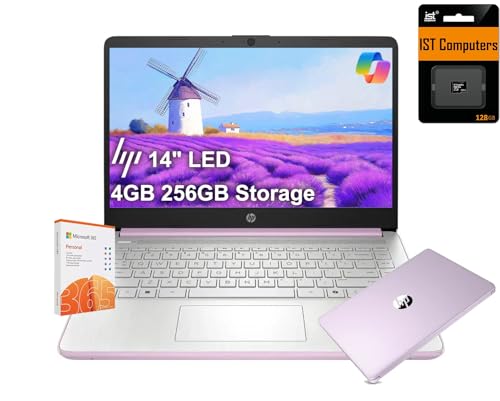
- Best Overall for Work: HP 14 Ultra-Light Laptop (Lavender) — Check on Amazon
- Best Budget for Work: HP Stream 14 — Check on Amazon
- Best for First Jobs: HP 14 Ultra-Light (N4500) — Check on Amazon
- Best for Hybrid Study and Work: DRKAKO 15.6-inch Student Laptop — Check on Amazon
- Best for Video Calls: HP 14-inch Chromebook — Check on Amazon
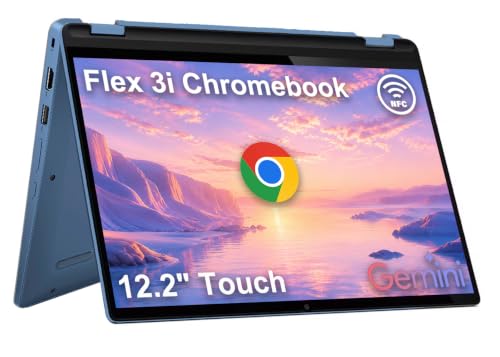
- Best All-Rounder for Work: Lenovo Flagship Chromebook — Check on Amazon
Best student laptop for work under $200: What Actually Matters
Finding the best student laptop for work under $200 is less about chasing the longest specification list and more about matching a machine to juggling coursework with a part-time job, internship applications, freelance work and professional-looking video calls. Our top pick, the HP 14 Ultra-Light Laptop (Lavender), leads this guide because it balances the things students feel every day — screen, keyboard, battery behaviour and reliability — without wasting the budget on features a typical course never touches. Plenty of students are also workers: shifts in retail or hospitality, internships, tutoring, freelancing and campus jobs all compete with coursework for the same machine. This guide therefore judges picks on professional basics as well as study basics: a camera that does not embarrass you on a call, a keyboard you can type reports on for hours, storage that keeps work and study separate, and reliability that will not cost you a shift or a deadline.
At under $200 the honest picture is simple: every machine here makes real compromises, and the skill is choosing which compromise hurts your course least. Processors are entry-level Celeron or MediaTek chips, memory is usually 4GB unless a pick like the DRKAKO stretches further, and storage is small enough that cloud habits matter from day one. What you can still expect is a machine that writes essays, runs a learning platform, joins video calls and streams lectures reliably, and that is exactly what most first-year coursework actually demands.
Below you will find six picks, each with an honest account of its strengths and its trade-offs, a comparison table, a buying guide that explains what this budget really buys, practical setup and care guidance, the mistakes students most often make, and answers to the questions we hear every term. Internal guides worth reading alongside this one include Best Student Laptop For Travel Under $200 and Best Laptops For Students.
Key Takeaways
The short version for students whose laptop also has to earn its keep.
- The ceiling in this guide is $200; every pick sits honestly inside it, with no premium machine dressed up as a budget one.
- Lead pick: HP 14 Ultra-Light Laptop (Lavender) — The ultra-light 14-inch format disappears into a backpack in a way 15.6-inch machines never quite manage
- Memory decides longevity: 4GB is a floor, 8GB is comfortable, 16GB is whole-degree headroom.
- Check your course software list before choosing between Windows, ChromeOS and macOS; that list outranks every other preference.
- Budget for a sleeve, a backup routine and a mouse alongside the laptop itself.
In this guide
Quick Picks
If you are short on time, these are the six machines that matter in this guide, each chosen for a distinct reason rather than as near-duplicates of one another.
- Best Overall for Work: HP 14 Ultra-Light Laptop (Lavender) — The ultra-light 14-inch format disappears into a backpack in a way 15.6-inch machines never quite manage
- Best Budget for Work: HP Stream 14 — The Stream line is built around exactly this job: light coursework, long days and minimal maintenance
- Best for First Jobs: HP 14 Ultra-Light (N4500) — Claimed battery life covers a full teaching day, and fast charging rescues you when you forget overnight
- Best for Hybrid Study and Work: DRKAKO 15.6-inch Student Laptop — Unusually generous 12GB of RAM and a 256GB SSD at this end of the market, so documents, PDFs and a dozen browser tabs stay responsive
- Best for Video Calls: HP 14-inch Chromebook — ChromeOS boots in seconds, updates itself in the background and is effectively immune to the malware that plagues cheap Windows machines
- Best All-Rounder for Work: Lenovo Flagship Chromebook — A Full HD touchscreen at this level is rare, and it makes reading PDFs, annotating slides and scrolling long articles far more pleasant
How These Picks Were Chosen
Every product in this guide was verified against the Amazon Creators API on 2026-11-20: the listing title, brand and configuration named in each review are the ones returned by Amazon’s own catalogue data, and only API-confirmed products received links. Listings with unclear specifications, processors we could not identify, or configurations that did not fit the budget honestly were excluded, and the reviews note the cases where a listing title leaves a detail unstated rather than guessing at it.
The selection criteria were, in order: fitness for juggling coursework with a part-time job, internship applications, freelance work and professional-looking video calls; screen quality for long reading; memory and storage matched to real coursework rather than headline numbers; battery behaviour and charging practicality; and the maker’s track record for support, because a student laptop that cannot be repaired locally is a risk whatever its specifications say. Gaming performance, stylus features and creative colour accuracy were treated as bonuses, not requirements, at these budgets.
If the laptop must earn money as well as grades, protect the professional basics first. A decent webcam and microphone matter because first impressions on internship and client calls are made in the first thirty seconds. A keyboard you can type on all evening matters because reports and applications are long. And keep work files backed up separately from coursework, because the week both deadlines land together is exactly the week something will go wrong.
The Best Student Laptop Picks Under $200 in Detail

Best Overall for Work — HP 14 Ultra-Light Laptop (Lavender), Intel N150
Strengths
- The ultra-light 14-inch format disappears into a backpack in a way 15.6-inch machines never quite manage
- A bundled 128GB SD card doubles your practical storage for lecture recordings and photo backups on day one
- Fast charging is genuinely useful when you only have twenty minutes between lectures
Trade-offs
- 4GB of RAM is the ceiling for comfortable use; keep expectations to documents, browsing and streaming
- Windows 11 in S mode restricts you to Microsoft Store apps until you switch out of it, which some course tools require
- The lavender finish will not suit everyone, and it shows scuffs more readily than darker colours
| Specification | Verified detail |
|---|---|
| Processor | Intel N150 |
| Memory | 4GB |
| Storage | 128GB plus 128GB SD card |
| Display | 14-inch LED |
| Operating system | Windows 11 Home in S mode |
| Battery | Long battery life with fast charge (capacity not stated in listing title) |
This pick suits students who walk or cycle between classes all day and want the lightest credible Windows laptop they can afford. In the context of a search for the best student laptop for work under $200, that fit matters more than any single benchmark: a laptop that matches your course, your timetable and your carrying habits will feel faster across a semester than a nominally quicker machine that fights you on weight, battery or software.
Where this machine makes sense is in the rhythm of an ordinary teaching week. Notes in the morning, readings in the afternoon, an assignment in the evening and a call or a stream to finish the day: nothing in that pattern should require heroics from the hardware, and here it does not. The compromises listed above are real, but they sit at the edges of student life rather than in the middle of it.
Compared with the other picks in this guide, the trade-off here is deliberate. You are choosing where your money does its work: screen, memory, storage, battery or brand support. There is no configuration at any of these budgets that wins on all five, and any review that implies otherwise is selling rather than reviewing. This pick spends its share on the qualities named in its strengths and accepts the consequences named in its trade-offs.
Repairability and support rarely appear in student buying guides, which is odd, because students are the users least able to absorb a dead laptop in week nine of term. Where a maker has a real service network, the review counts it as a strength; where a brand is small or unfamiliar, the review says so and lets you decide how much that risk is worth against the specification on offer.
Best for: students who walk or cycle between classes all day and want the lightest credible Windows laptop they can afford / Not suited for: students who need sustained performance for compiling code, editing video or running virtual machines
Check on Amazon to see the current configuration and the latest price before you decide.

Best Budget for Work — HP Stream 14, Intel N150
Strengths
- The Stream line is built around exactly this job: light coursework, long days and minimal maintenance
- The N150 processor and Wi-Fi 6 keep basic use feeling current rather than leftover
- 1TB of cloud storage plus a year of Office 365 covers the two services students actually use daily
Trade-offs
- An HD rather than Full HD screen is the clearest compromise; small text is less crisp for long reading
- 4GB of RAM and 128GB of storage both require tidy habits
- The Willow Green finish is distinctive, which not everyone wants in a seminar room
| Specification | Verified detail |
|---|---|
| Processor | Intel N150 |
| Memory | 4GB |
| Storage | 128GB UFS plus 1TB cloud storage |
| Display | 14-inch HD |
| Operating system | Windows 11 |
| Battery | Battery capacity not stated in listing title |
This pick suits students who want a recognisable brand, a light 14-inch chassis and coursework basics handled with minimal fuss. In the context of a search for the best student laptop for work under $200, that fit matters more than any single benchmark: a laptop that matches your course, your timetable and your carrying habits will feel faster across a semester than a nominally quicker machine that fights you on weight, battery or software.
In daily student use, the pattern is consistent: the machine wakes quickly, opens the learning platform and your current document without fuss, and stays out of the way while you think. That sounds like a low bar, but it is the bar that cheap laptops most often fail by the second month, when updates, files and browser habits have accumulated. Judged on that realistic standard rather than first-day impressions, this pick earns its place in the list.
Compared with the other picks in this guide, the trade-off here is deliberate. You are choosing where your money does its work: screen, memory, storage, battery or brand support. There is no configuration at any of these budgets that wins on all five, and any review that implies otherwise is selling rather than reviewing. This pick spends its share on the qualities named in its strengths and accepts the consequences named in its trade-offs.
Software entitlements can quietly change the value calculation. Several picks bundle a year of Office 365 or cloud storage, and most universities add their own entitlements on top. Add those bundles up before comparing headline specifications, because a slightly slower machine that arrives with its software solved can be the cheaper and calmer purchase across a full academic year.
Best for: students who want a recognisable brand, a light 14-inch chassis and coursework basics handled with minimal fuss / Not suited for: students who read dense PDFs for hours and would benefit from a Full HD panel
Check on Amazon to see the current configuration and the latest price before you decide.

Best for First Jobs — HP 14 Ultra-Light (N4500), Intel Celeron N4500
Strengths
- Claimed battery life covers a full teaching day, and fast charging rescues you when you forget overnight
- Wi-Fi 6 on a machine at this level keeps campus connections as fast as the network allows
- The included SD card quietly doubles storage for documents and lecture media
Trade-offs
- 64GB of eMMC is the tightest storage in this guide; cloud discipline is mandatory
- The Celeron N4500 is a basic processor suited to writing and browsing, not sustained heavy work
- S mode needs switching out of for some third-party course applications, which is a small but real setup step
| Specification | Verified detail |
|---|---|
| Processor | Intel Celeron N4500 |
| Memory | 4GB |
| Storage | 64GB eMMC plus 64GB SD card |
| Display | 14-inch |
| Operating system | Windows 11 Home in S mode |
| Battery | Up to 12 hours claimed battery life |
This pick suits students who want the cheapest credible route to a full Windows laptop with all-day battery claims. In the context of a search for the best student laptop for work under $200, that fit matters more than any single benchmark: a laptop that matches your course, your timetable and your carrying habits will feel faster across a semester than a nominally quicker machine that fights you on weight, battery or software.
Where this machine makes sense is in the rhythm of an ordinary teaching week. Notes in the morning, readings in the afternoon, an assignment in the evening and a call or a stream to finish the day: nothing in that pattern should require heroics from the hardware, and here it does not. The compromises listed above are real, but they sit at the edges of student life rather than in the middle of it.
It is also worth saying what this laptop is like to live with at a desk. Add an inexpensive mouse and, if your course is writing-heavy, consider a cheap external keyboard for long sessions at home; the laptop itself remains the travel and library machine. Several picks in this guide pair well with the accessories covered in our linked guides, and a modest desk setup stretches a modest laptop a long way.
Environmental basics matter to many students now, and the practical version of that concern is longevity: a machine that serves four years beats two machines that serve two. That is another reason this guide is strict about memory headroom and honest about which picks are one-course tools and which are whole-degree tools.
Best for: students who want the cheapest credible route to a full Windows laptop with all-day battery claims / Not suited for: students who download large software suites or media libraries and need real internal storage
Check on Amazon to see the current configuration and the latest price before you decide.

Best for Hybrid Study and Work — DRKAKO 15.6-inch Student Laptop, Intel Celeron J4105 quad-core
Strengths
- Unusually generous 12GB of RAM and a 256GB SSD at this end of the market, so documents, PDFs and a dozen browser tabs stay responsive
- Full HD IPS panel is sharper and easier on the eyes than the HD TN screens most rivals ship at this level
- 180-degree lay-flat hinge and a 53.2Wh battery make library sessions and group project work genuinely practical
Trade-offs
- The J4105 processor is an older entry-level chip, so heavy multitasking and anything beyond light media work will feel slow
- Wi-Fi 5 rather than Wi-Fi 6 means campus network speeds are capped below what newer machines can reach
- DRKAKO is a small brand, so long-term driver support and resale value are unknowns compared with HP or Lenovo
| Specification | Verified detail |
|---|---|
| Processor | Intel Celeron J4105 quad-core |
| Memory | 12GB |
| Storage | 256GB SSD |
| Display | 15.6-inch FHD IPS |
| Operating system | Windows |
| Battery | 53.2Wh battery |
This pick suits students who want the biggest usable screen and the most memory possible on a tight budget, and who mostly write, browse and stream lectures. In the context of a search for the best student laptop for work under $200, that fit matters more than any single benchmark: a laptop that matches your course, your timetable and your carrying habits will feel faster across a semester than a nominally quicker machine that fights you on weight, battery or software.
Longevity deserves a plain word here. No laptop at the lower end of any budget is a five-year heirloom, and this one is no exception; what you are buying is dependable service for the core years of a course, with battery wear and storage pressure as the most likely eventual limits. Looked at that way, as cost-per-semester rather than as a forever purchase, the proposition is sound.
It is also worth saying what this laptop is like to live with at a desk. Add an inexpensive mouse and, if your course is writing-heavy, consider a cheap external keyboard for long sessions at home; the laptop itself remains the travel and library machine. Several picks in this guide pair well with the accessories covered in our linked guides, and a modest desk setup stretches a modest laptop a long way.
Finally, a word about buying timing. Student budgets breathe with the academic calendar: term starts, sales events and new model launches all move listings at these tiers. Because this guide deliberately avoids fixed prices, use the Amazon links to check the live figure on the day you buy, and do not let a small difference between two good picks cost you the start of term.
Best for: students who want the biggest usable screen and the most memory possible on a tight budget, and who mostly write, browse and stream lectures / Not suited for: students who need to run engineering software, edit video, or keep dozens of heavy applications open at once
Check on Amazon to see the current configuration and the latest price before you decide.

Best for Video Calls — HP 14-inch Chromebook, Intel Celeron N4120 quad-core
Strengths
- ChromeOS boots in seconds, updates itself in the background and is effectively immune to the malware that plagues cheap Windows machines
- Claimed battery life stretches across a full day of lectures without hunting for a socket
- HDMI plus both USB-A and USB-C ports make it easy to present in class or plug into a dorm monitor
Trade-offs
- 64GB of eMMC storage fills quickly if you ignore cloud storage, and eMMC is slower than a true SSD
- 4GB of RAM limits you to a modest number of tabs before things start reloading
- ChromeOS cannot run full Windows or macOS desktop applications, which rules out some course software
| Specification | Verified detail |
|---|---|
| Processor | Intel Celeron N4120 quad-core |
| Memory | 4GB |
| Storage | 64GB eMMC |
| Display | 14-inch HD |
| Operating system | ChromeOS |
| Battery | Up to 14 hours claimed battery life |
This pick suits students whose work lives in Google Docs, Classroom and the browser, and who value battery life and simplicity over raw power. In the context of a search for the best student laptop for work under $200, that fit matters more than any single benchmark: a laptop that matches your course, your timetable and your carrying habits will feel faster across a semester than a nominally quicker machine that fights you on weight, battery or software.
The honest way to read this pick is as a tool with a defined job. It will not grow with you into heavy creative or technical work, and the review does not pretend otherwise. But for the job described in this guide, it covers the essentials with fewer nasty surprises than most machines competing at the same level, which is why it survived the cut when other listings did not.
Compared with the other picks in this guide, the trade-off here is deliberate. You are choosing where your money does its work: screen, memory, storage, battery or brand support. There is no configuration at any of these budgets that wins on all five, and any review that implies otherwise is selling rather than reviewing. This pick spends its share on the qualities named in its strengths and accepts the consequences named in its trade-offs.
Environmental basics matter to many students now, and the practical version of that concern is longevity: a machine that serves four years beats two machines that serve two. That is another reason this guide is strict about memory headroom and honest about which picks are one-course tools and which are whole-degree tools.
Best for: students whose work lives in Google Docs, Classroom and the browser, and who value battery life and simplicity over raw power / Not suited for: students whose courses require Windows-only software such as certain CAD, statistics or exam-proctoring tools
Check on Amazon to see the current configuration and the latest price before you decide.

Best All-Rounder for Work — Lenovo Flagship Chromebook, MediaTek Kompanio 520, 8-core
Strengths
- A Full HD touchscreen at this level is rare, and it makes reading PDFs, annotating slides and scrolling long articles far more pleasant
- The 8-core MediaTek chip is efficient and fanless-friendly, so the machine stays quiet in lectures and libraries
- Wi-Fi 6 support means it keeps up with modern campus networks better than older Chromebook designs
Trade-offs
- 64GB of eMMC storage assumes a cloud-first workflow; offline hoarders will feel the squeeze
- 4GB of RAM is fine for ChromeOS but leaves little headroom for many simultaneous tabs and Android apps
- ChromeOS still cannot run the full desktop versions of some specialist course applications
| Specification | Verified detail |
|---|---|
| Processor | MediaTek Kompanio 520, 8-core |
| Memory | 4GB |
| Storage | 64GB eMMC |
| Display | 14-inch FHD touchscreen |
| Operating system | ChromeOS |
| Battery | Battery capacity not stated in listing title |
This pick suits students who read and annotate a lot of material and want a sharp touchscreen without leaving the budget tier. In the context of a search for the best student laptop for work under $200, that fit matters more than any single benchmark: a laptop that matches your course, your timetable and your carrying habits will feel faster across a semester than a nominally quicker machine that fights you on weight, battery or software.
Students also ask about noise and heat, because libraries are quiet and laps are not desks. Machines in this class generally stay unobtrusive during writing and browsing, which is most of a study day, and only make themselves heard during updates or video calls. That behaviour matters more than it sounds when you share a room, a flat or a silent reading space with other people trying to work.
Compared with the other picks in this guide, the trade-off here is deliberate. You are choosing where your money does its work: screen, memory, storage, battery or brand support. There is no configuration at any of these budgets that wins on all five, and any review that implies otherwise is selling rather than reviewing. This pick spends its share on the qualities named in its strengths and accepts the consequences named in its trade-offs.
Think about the second year, not just the first week. By then the machine holds every note you own, your browser has strong opinions about your habits, and your storage carries two semesters of accumulated material. Picks in this guide were judged with that future in mind, and this one holds up as well as its class allows, provided you keep the storage and backup habits described later in this guide.
Best for: students who read and annotate a lot of material and want a sharp touchscreen without leaving the budget tier / Not suited for: students who need Windows software or who plan to keep large video projects stored locally
Check on Amazon to see the current configuration and the latest price before you decide.
Comparison Table
The six picks side by side, using only specifications verified from their listings. Where a listing title does not state a detail, the table says so instead of filling the gap with a guess.
| Pick | Processor | Memory | Storage | Display | OS |
|---|---|---|---|---|---|
| HP 14 Ultra-Light Laptop (Lavender) | Intel N150 | 4GB | 128GB plus 128GB SD card | 14-inch LED | Windows 11 Home in S mode |
| HP Stream 14 | Intel N150 | 4GB | 128GB UFS plus 1TB cloud storage | 14-inch HD | Windows 11 |
| HP 14 Ultra-Light (N4500) | Intel Celeron N4500 | 4GB | 64GB eMMC plus 64GB SD card | 14-inch | Windows 11 Home in S mode |
| DRKAKO 15.6-inch Student Laptop | Intel Celeron J4105 quad-core | 12GB | 256GB SSD | 15.6-inch FHD IPS | Windows |
| HP 14-inch Chromebook | Intel Celeron N4120 quad-core | 4GB | 64GB eMMC | 14-inch HD | ChromeOS |
| Lenovo Flagship Chromebook | MediaTek Kompanio 520, 8-core | 4GB | 64GB eMMC | 14-inch FHD touchscreen | ChromeOS |
How to Choose the Best student laptop for work under $200
Start with your course’s software list, because it silently decides your operating system before any other preference gets a vote. Then set your carrying pattern: a machine that travels daily should be judged on weight and battery first, while a machine that lives on one desk can trade both for screen size. Within this budget, the HP Stream 14 shows what the sensible middle of the range looks like, and it is the yardstick we would measure any alternative against.
Memory is the specification students under-buy most often. 4GB works for documents and browsing, but it leaves no slack, and slack is what makes a laptop feel calm in its second and third years. Storage can be rescued with cloud services and an external drive; memory, on almost every machine in this guide, cannot be upgraded later. If you must choose where a tight budget does the most long-term good, choose memory first, then screen, then storage.
Finally, price the whole purchase, not the laptop alone. A sleeve, a mouse, a hub where ports are scarce and a backup solution are part of the real cost, and a slightly cheaper laptop plus those essentials beats a bare expensive machine almost every time. The HP 14 Ultra-Light (N4500) is a good example of a pick that leaves room in the budget for exactly that supporting kit.
What This Budget Actually Buys a Student
What under $200 really buys is a coursework appliance, and there is no shame in that: the majority of undergraduate work is writing, reading, browsing and video, and every pick here does those things today, not in theory. What it does not buy is headroom. You are purchasing for the course you are on now, and if your subjects grow more technical, an upgrade in a later year is a normal plan rather than a failure of this purchase.
Screens deserve special attention because you will look at yours for thousands of hours. Full HD resolution keeps text crisp at normal reading distance, and IPS panels hold their colours and brightness when a screen is tilted on a library desk or shared across a table. Several picks here offer exactly that combination, which would have been unthinkable at the lower tiers only a few years ago. Where a pick settles for an HD panel, the review says so and explains who will and will not notice.
Build and support are the invisible half of value. A recognised maker with local service options, available chargers and a keyboard that survives three years of essays is worth real money compared with an unknown badge offering one extra specification on paper. This guide weights that reality deliberately, while still including smaller brands where their specification advantage is too large to ignore and flagging the support question honestly each time. Related reading: Best Chromebooks and Best Student Laptop For Work Under $1000.
Windows, ChromeOS or macOS: Which Suits Your Course?
This guide deliberately mixes operating systems, because student life does. Windows, represented here by machines like the HP, Dell, Acer and ASUS picks, runs the widest range of course software and remains the safest default when a department names specific applications. Its cost is maintenance: updates, security software habits and the occasional S-mode limitation, noted in the relevant reviews, all ask a little more of you than the alternatives do.
ChromeOS, on the Chromebook picks, is the opposite bargain. It asks almost nothing of you: it updates itself, shrugs off most malware and wakes instantly, which is why it suits browser-based courses so well. Its boundary is equally clear. If a module requires a desktop application that has no web equivalent, no amount of battery life or touchscreen quality rescues the choice, so the handbook check recommended throughout this guide is not a formality.
macOS enters this guide at the higher tiers through the Apple picks, and it brings the strongest hardware polish here: displays, cameras, trackpads and battery behaviour that make long study days easier. Its boundary is the mirror of ChromeOS’s: a minority of engineering, business and proctored-exam tools remain Windows-first. None of the three systems is the correct answer in the abstract; your course’s software list is the answer, and this guide’s job is to give you the best machine inside whichever system that list dictates.
Budgeting Beyond the Laptop: The Kit That Makes It Work
Every recommendation in this guide should be read with a small second list attached. A padded sleeve is the cheapest insurance in student life. A basic external mouse transforms long desk sessions. A spare charging cable in your bag ends the most common library emergency there is. And a backup routine, cloud-based on most of these picks, costs nothing but the ten minutes it takes to switch on, yet it is the difference between a broken laptop being an inconvenience and being an academic disaster.
If money remains after those essentials, spend it in this order: a better bag if you commute, a USB-C hub if your pick is short on ports, an external drive if your course generates large files, and only then anything cosmetic. Students routinely reverse that order and regret it by November. The picks in this guide were chosen partly on how much of the total budget they leave for this supporting kit, which is why the value picks matter even in the higher tiers.
How to Set Up One Laptop for Both Study and Part-Time Work
- Create two user profiles or at least two browser profiles, one for study and one for work, so accounts, bookmarks and notifications stop bleeding into each other during calls and classes.
- Set up a call corner: raise the laptop on books or a stand so the camera sits at eye level, face a window or lamp rather than sitting in front of one, and test the result on a practice call.
- Use separate cloud folders for employer or client work and coursework, with the work folder backed up first; mixing them is how confidential files end up attached to the wrong email.
- Schedule updates for overnight. Nothing undermines a professional impression like a forced restart five minutes before a client call, and nothing loses marks like one before a submission.
- Keep a one-page document of your key logins’ recovery options, your university IT helpdesk and your employer’s IT contact; when something breaks mid-shift, you want phone numbers, not a search session.
Problem: you look and sound poor on work video calls -> fix: raise the laptop to eye level, light your face from the front, use headphones with a microphone rather than the room echo, and test on the platform your employer actually uses, not a different one.
Problem: work and study notifications collide during class -> fix: use focus or do-not-disturb schedules tied to your timetable, and keep the separate profiles suggested above so a client message never appears on a seminar screen-share.
For a broader walkthrough of choosing and setting up, see Student Laptop Buying Guide and the sibling guide Best Student Laptop Under $1000.
Common Mistakes
The most common mistake is buying on one number: the biggest screen, the longest battery claim or the lowest price, while ignoring the specification that will actually limit you, which is usually memory. The second is assuming every course runs in a browser; one required Windows application turns the cheapest Chromebook from a bargain into a second purchase. The third is spending the entire budget on the laptop and nothing on the sleeve, backup and accessories that protect the purchase.
Students also routinely overestimate how much storage coursework needs and underestimate how much they will multitask. Research means twenty tabs, two documents, a reference manager and a call running together, and that pattern, not gaming or video editing, is what separates a calm machine from a frustrating one. Buy for your busiest ordinary day, not your lightest and not your most extreme.
Finally, do not ignore the returns window. Buy from the listing, test your actual course software, your university login systems and a real video call in the first days, and keep the packaging until you have done so. A laptop that fails your specific reality should go back while returning it is still simple.
Final Recommendation
If you want one answer: start with the HP 14 Ultra-Light Laptop (Lavender), which leads this guide because it fits juggling coursework with a part-time job, internship applications, freelance work and professional-looking video calls with the fewest serious compromises at this budget. If your priorities lean the other way, the HP Stream 14 is the alternative we would shortlist next, and the remaining picks each serve a narrower need that their reviews spell out honestly.
One last work thought: reliability is a professional feature. The laptop that wakes, joins the call and opens the file without ceremony is the one that makes you look competent, and competence is what part-time jobs and internships are actually testing. Choose for that quiet reliability, protect it with backups and separate profiles, and the machine will pay for itself in more than money.
Whichever you choose, you are choosing a tool for some of the most demanding years of your life so far, and the right standard is not perfection but fit. Match the machine to your course software, your carrying pattern and your honest multitasking habits, protect it with a sleeve and a backup, and it will repay you every single teaching day. For neighbouring budgets, compare Best Student Laptop Under $800 and Laptop Vs Chromebook before you commit.
Frequently Asked Questions
Does screen size matter for studying?
More than most students expect. A 15.6-inch Full HD screen makes split-screen work, essay beside source, genuinely comfortable, while 13- and 14-inch machines win on weight and small desks. If you mostly work at one desk, lean larger; if you move between rooms all day, lean smaller and consider an external monitor later.
How long should a student laptop last?
A realistic target is the length of your course. Budget machines with 4GB of memory may feel tight by the final year, while the 16GB MacBook Air configurations and the better Windows picks here are built to stay comfortable well beyond graduation. Battery wear is the most likely mid-life issue on any of them.
How much RAM does a student laptop actually need?
4GB is the workable floor for documents and browsing, and several budget picks here live at that floor honestly. 8GB is the comfortable level for keeping research tabs, documents and a video call open together, and 16GB, as on the MacBook Air M5 picks, is the buy-it-for-the-whole-degree level. If your course involves statistics, coding, design or media, treat 8GB as your minimum.
Is a touchscreen worth it for students?
It depends on how you take notes. The Lenovo Chromebook in this guide shows the appeal: annotating PDFs and slides directly feels natural. But if you type notes and read on screen, a better non-touch panel is usually the smarter spend. Do not pay for touch unless you already know your note-taking style uses it.
Is a Chromebook enough for university coursework?
For courses built on documents, browsing, learning platforms and Google or Microsoft web apps, yes, and the Chromebooks in this guide add long battery life and near-zero maintenance. The exception is any course that names Windows or macOS software: check your module handbook and exam-proctoring requirements before choosing ChromeOS, because that single check decides whether a Chromebook is a bargain or a mistake.
What should I buy alongside the laptop?
A padded sleeve, a backup habit and, for desk work, an inexpensive external mouse come before everything else. Add a USB-C hub if your pick has few ports, and cloud or external backup before any cosmetic extras. None of these are glamorous, and all of them prevent the failures that actually cost students marks.
Is 128GB of storage enough for a student?
It is enough if your life is cloud-backed: documents, PDFs and notes are small, and several picks here bundle 1TB of cloud storage. It is not enough if you record or edit video, keep large photo libraries or install big software suites locally. The 256GB and 512GB picks in this guide exist precisely for students who do not want to think about storage again.