Seamless paper gives a smooth, continuous background with no seams or wrinkles, and you unroll only what you need. Roll width decides whether it suits a tabletop product, a headshot or a full-length portrait.
The six backdrops below include small tabletop rolls, wide studio rolls, a leader bar bundle and a set of sheets, with sizes and weights taken from each listing page. We have not used these products ourselves, and finish and color claims are the makers’ own.
As an Amazon Associate we earn from qualifying purchases. Links below are affiliate links, and they do not change the product information we give.

What to Look For
| Feature | Why it matters |
|---|---|
| Width | 26 inch suits tabletop shots; 53 and 86 inch suit people |
| Length | A 36 foot roll gives spare paper to cut off marked sections |
| Weight and thickness | Savage lists 145 gsm and 7.6 mil for its Widetone rolls |
| Support | A stand and clamps, or a leader bar, hold the paper in place |
In this guide
Specs at a Glance
| Backdrop | Size | Color | Notes |
|---|---|---|---|
| Savage Blue Mist | 26 in x 36 ft | Blue Mist #41 | 3 lb; tabletop and craft use; made in USA |
| Savage Coral | 53 in x 36 ft | Coral #3 | 6.3 lb; headshots and vertical video; made in USA |
| Savage Widetone Egg Nog | 53 in x 36 ft | Egg Nog | 145 gsm; 7.6 mil; 2.12 in core |
| Savage Widetone Fashion Gray | 86 in x 36 ft | Fashion Gray #56 | Two rolls and a microfiber cloth |
| Savage Leader Bar | 54 in bar; 53 in x 36 ft paper | Super White | One-piece aluminum bar |
| EOAJAFOU Morandi | 34 x 22 in | Morandi tones | 5 double-sided sheets; about 300 g |
The 6 Best Seamless Backdrop Paper Rolls
Top pickBest for small products
1. Savage Blue Mist 26 Inch
A seamless paper roll 26 inches wide and 36 feet long in color #41 Blue Mist, aimed at tabletop product photography and crafts. The maker says it holds double the paper of some competitors, and the listing weight is 3 pounds. It is made in the USA.
Suits: small products. Strengths: a long roll in a small width. Weaknesses: too narrow for people. Skip it if you shoot portraits.
View Savage Seamless Paper Photography Backdrop Color 41 Blue Mist 26 Inches x 36 Feet on Amazon

Best for headshots and streaming
2. Savage Coral 53 Inch
A 53 inch by 36 foot roll in color #3 Coral, which the maker describes as sized for headshots, three-quarter shots and vertical video. The listing weight is 6.3 pounds, and it is a disposable, non-washable paper.
Suits: headshots and streaming. Strengths: a bold color in a common width. Weaknesses: it needs a stand. Skip it if you want a neutral tone.

View Savage Seamless Paper Photography Backdrop Color 3 Coral 53 Inches x 36 Feet on Amazon
Best for warm neutral portraits
3. Savage Widetone Egg Nog
A 53 inch by 36 foot Widetone roll with a stated basis weight of 145 gsm, a thickness of 7.6 mil and a 2.12 inch core for mounting on a stand. The maker says it resists tearing and wrinkling and keeps color consistent. The overview fields on the page are empty.
Suits: warm neutral portraits. Strengths: clear weight and core figures. Weaknesses: thin overview data. Skip it if you want a cool tone.
View Savage 53 inch x 36 foot Widetone Seamless Background Paper Egg Nog Single on Amazon

Best for full-length and group shots
4. Savage Widetone Fashion Gray, 2 Pack
Two 86 inch by 36 foot rolls in Fashion Gray #56 with a microfiber cleaning cloth. The maker states 145 gsm and 7.6 mil, and describes the wide roll as covering full-body shots and larger setups.
Suits: full-length and group shots. Strengths: two wide rolls. Weaknesses: bulky to store and mount. Skip it if you have a small space.

View Savage 2 Pack Widetone Seamless Background Paper 86 inch x 36 ft Fashion Gray 56 on Amazon
Best for a clean white floor sweep
5. Savage Leader Bar Bundle
A 54 inch one-piece aluminum bar that attaches to the bottom edge of paper, vinyl and cloth backgrounds, bundled with a 53 inch by 36 foot roll of Super White seamless paper. The maker says the bar weight reduces ripples and curling.
Suits: a clean white floor sweep. Strengths: paper and bar together. Weaknesses: white marks easily. Skip it if you only want paper.
Best for flat-lay products
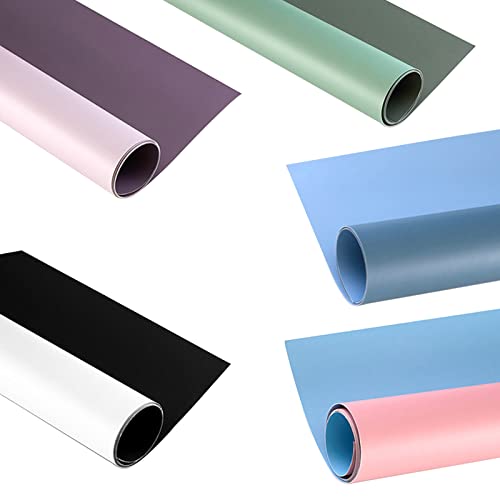
6. EOAJAFOU Morandi Set
Five double-sided 34 by 22 inch sheets with ten patterns in Morandi tones, meant for food, jewelry and cosmetics. The listing calls them backdrop paper but describes thickened polyester fiber fabric, so confirm the material on the page. The weight is about 300 grams.
Suits: flat-lay products. Strengths: ten looks in one set. Weaknesses: small sheets and a mixed material description. Skip it if you need floor-length paper.

View EOAJAFOU 5pcs 34x22in Morandi Background Paper Photography Backdrops on Amazon
Care and Setup
- Hang rolls on a stand or crossbar, with clamps if the paper slips.
- Store rolls upright so the edges stay clean.
- Cut off marked or creased paper to reveal a fresh section.
- Keep paper away from damp surfaces.
Mistakes to Avoid
- Buying a narrow roll for portraits.
- Forgetting a stand or support for a wide roll.
- Walking on the sweep with shoes.
- Skipping the material line on set listings.
Roll Width and Subject Framing
Width is the first spec to settle because it sets what you can photograph without showing the edge of the paper. A narrow roll suits tabletop work, small products, food and crafts, where the subject sits close to the background. A mid-width roll covers headshots, bust portraits and seated subjects, with a little room on either side. A very wide roll is for full-length portraits, groups and fashion work where the subject stands some distance in front of the paper.
Camera distance and lens choice change the answer. A longer lens crops the scene tighter and needs less width than a wide lens that sees more of the surroundings. Rather than guessing, measure the space you want in the frame at the distance you will shoot, then add a margin on each side so you can move the subject without hitting the edge.
Length matters as well. The roll must be long enough to run down the wall, across the floor and out toward the camera if you want a continuous sweep. If you shoot only waist-up portraits, a shorter drop is enough. Each time you cut or soil the paper you lose length, so a longer roll lasts longer in a busy studio. Check the listing for both width and length, and confirm how the paper is wound and which core size it uses so it fits your stand.
Color Choice and How It Behaves Under Light
Color on screen and color on paper rarely match, so treat listing photos as a guide. Neutral grays, whites and blacks are the working colors of most studios because they suit many subjects and are easy to light. White is bright and clean for products, but it picks up marks quickly and can spill light back onto the subject. Gray is forgiving and flattering to skin. Black absorbs light and creates depth, but it shows dust and lint.
Colored papers add personality. Warm tones tend to flatter portraits, while cool blues and greens suit certain moods and branding. Strong saturated colors can cast a tint onto light-colored clothing or skin when the subject stands close to the paper, so keep distance between subject and background.
Lighting controls what you see. Light that falls on the paper makes it brighter, and a separate light aimed at the background lets you change its tone without changing the subject lighting. A gray paper can look white with enough light on it, or dark when kept in shadow, which makes mid-tones more versatile than they look in the roll.
- Test a sample under your own lights if you can.
- Choose a color that does not match your subject’s clothing.
- Buy duplicates of colors you use often, since each roll is consumed.
Stands, Clamps and Mounting
A roll of paper is heavy, and a wide one can be awkward to handle. The support system deserves as much thought as the paper. A background stand with a crossbar is the common solution, and it must be rated to hold the weight of the roll you buy. Check the maximum load and the span of the crossbar against the width and weight in the listing. A bar that bows under a heavy roll will tilt the paper and cause uneven tension.
Wall-mounted brackets are an option for a permanent studio and keep the floor clear. Whatever you use, make sure the core fits the support. Core size varies, so check the listing and the support’s specifications. If the paper slips, simple clamps or tape at the ends hold it in place.
Raising and lowering the paper is easier with a system that lets you pull down and lock. Without one, the roll can spring back up unless you clamp the edge. A leader bar or weighted edge keeps the bottom flat and reduces curling, which helps when the paper runs onto the floor. If you plan to stand on the sweep, consider a protective layer for the floor area, or accept that the section will need to be cut off after the shoot.
Plan space for the stand legs, light stands and your working distance. A cramped setup invites accidents and torn paper.
Using, Trimming and Extending Roll Life
Seamless paper is a consumable, and a few habits make a roll last much longer. Unroll only what you need for the shot. A long sweep on the floor is exposed to shoes, dust and scuffs, so keep the walking area limited and ask people to remove their shoes, or use clean overshoes. Walking on the paper creates marks that show up in photographs.
When the paper becomes dirty or creased, cut it off and pull down a fresh section. Use a sharp blade and a straight edge to cut a clean line, and roll the used section away. A ragged edge catches on things and tears. When the roll is not in use, roll the paper back up and secure it so it does not unspool.
Keep the roll away from moisture and direct sun. Damp air can make paper sag or wrinkle, and bright sun can fade colors. Store rolls upright on a shelf or in their tubes so the edges stay clean.
Small marks can sometimes be hidden with lighting, but do not rely on that for clean white work. Where dust is an issue, a lint-free cloth can lift loose particles from the surface. Consider flat-lay shooting as a way to save paper: a short length on a table uses much less than a full sweep. If you shoot frequently, buy the colors you use most in a spare roll so a shoot is not delayed.
Paper Versus Vinyl, Fabric and Sheet Backdrops
Paper is not the only backdrop choice, and it is worth knowing what it does well. It gives a smooth, even surface that does not wrinkle in the way cloth can, and you can cut away damage. The cost is that it is disposable and not designed to be washed, so frequent shooting means frequent replacement.
Vinyl backdrops are more durable and can be wiped clean, which suits product work and messy shoots, but they can be reflective and may hold creases from storage. Fabric backdrops such as muslin are easy to store and can be washed or steamed, though they need steaming or ironing to remove wrinkles, and folds can show.
Sheet-style sets sold for flat-lay and small products offer many looks in a compact size. Read their listings carefully, as materials and thickness vary and some descriptions mix paper and fabric terms. Small sheets are fine for a tabletop but cannot form a floor sweep.
Choose by what you shoot. Frequent portraits and fashion benefit from large paper rolls. Product shooters might prefer a washable surface or a series of small sheets. If you want a seamless floor-to-wall effect, paper gives the most uniform look for the least effort. Whatever you pick, confirm the size, material and how it attaches to your support before you buy.
Seamless Backdrop Paper FAQ
Which width suits headshots?
The 53 inch Coral and Egg Nog rolls, which the Savage listing says suit headshots and three-quarter shots.
Does any pick include a bar?
Yes, the Savage Leader Bar bundle includes a 54 inch aluminum bar and a roll of Super White.
How wide should my backdrop roll be?
Match the width to your subject and lens. Narrow rolls suit tabletop shots, mid-width rolls suit headshots and seated portraits, and wide rolls suit full-length or group shots. Measure the frame at your shooting distance and add a margin.
Can I use seamless paper on the floor?
Yes, as a sweep running from wall to floor. Keep shoes off the paper where possible and cut away dirty sections. A weighted edge helps the paper stay flat.
What is a leader bar for?
It attaches to the bottom edge of the paper to keep it flat and reduce curling or ripples. Check that its length matches the roll width listed.
Which color is the most versatile?
Gray and neutral tones are the usual working colors because they flatter many subjects and respond well to lighting. White and black suit specific needs. Choose by what you shoot most.
How do I stop the roll from slipping on the stand?
Use clamps or tape at the ends and check that the core fits the support. Make sure the crossbar is rated for the roll weight. Lock the paper in place after pulling it down.
Can I wash seamless paper?
Seamless paper is generally disposable and not meant to be washed. Cut off marked sections to reveal fresh paper. Choose a washable material if you need a wipe-clean surface.
How should I store a partly used roll?
Roll the paper back up, secure it so it cannot unspool, and keep it upright and away from moisture and direct sun. Protect the edges from knocks.
Lighting Distance and Subject Separation
A backdrop paper can look flat, patchy or perfectly smooth depending on where your subject and lights sit. Two distances matter most: subject to backdrop, and lights to backdrop.
Keeping the subject several feet in front of the paper has three benefits. It stops the subject’s shadow from falling onto the backdrop, it reduces color spill from the paper onto skin and clothing, and it lets you light the two separately. A person standing right against a backdrop is lit by the same lights as the paper, which tends to flatten the image.
Separate lighting gives you control. A light aimed at the backdrop lets you brighten it or shade it into a gradient, while the key light is set for the subject. Placing the background light low and angled up, or behind the subject, creates a glow behind the head. Without a separate light, a light gray paper can appear a darker gray, and a white backdrop can fall to light gray in the image.
- Distance of a few feet or more between subject and paper for portraits.
- Even light across the whole backdrop to avoid hot spots.
- Check the edges of the frame, where light often falls off.
Test shots are the best way to learn how your particular paper responds, since the same color changes with your lights and camera settings.
Seamless Sweeps, Floor Protection and Footwear
Seamless paper gets its name from the curve it makes from wall to floor, with no visible horizon line. To get that effect, you pull the roll down from the stand, let it curve gently and run it out along the floor under your subject.
The floor section takes the wear. Footprints, dust and scuffs show up quickly, particularly on lighter colors. Some photographers ask subjects to remove their shoes or wear clean ones, and others lay a sacrificial layer of paper and cut it away after the session. Pulling down a fresh section for each shoot keeps the studio’s work looking clean.
Tape the paper at the corners of the floor section with a low-tack tape so it does not slide, and avoid sharp turns that crease the sheet. If you use wide paper, the curve should be a gentle sweep rather than a sharp fold. A hard fold creates a visible line that you would need to light or edit out.
For full-body shots, plan for the amount of paper you will use on the floor, which can be several feet per session. Roll length matters here, since long sweeps use up paper faster than head-and-shoulders work.
Product, Food and Flat-Lay Photography
Seamless paper is not only for portraits. It is a popular backdrop for small product shots, food and flat-lay photographs because it is inexpensive, clean and easy to replace.
For tabletop work, a narrower roll is often enough. You can lay a piece on a table and curve it up behind the product with clamps or a simple support, creating a seamless look on a small scale. Matte paper cuts reflections, which is helpful for glossy items such as packaging or glassware, though shiny products will still reflect nearby lights and objects.
Color choice affects the mood. Neutral gray and white show the product itself, while soft colors, like the muted sets in some listings, give a lifestyle feel. Choosing a color that contrasts with the item helps it stand out, and a tone close to the product can look more refined.
For food, remember that spills happen. A sheet of paper that can be torn off and replaced is more forgiving than a fabric backdrop, and a simple change of color changes the whole feel of a series of images. Keep a spare roll or a stack of sheets, since greasy or wet marks do not clean up easily.
Inspecting, Storing and Shipping Considerations
Large rolls arrive in tubes and long cartons, and a few checks when you open the package avoid frustration later.
Look at the ends of the tube first. Crushed or dented ends can flatten the roll’s core and leave a crease that is hard to remove. Unroll a short length and check for tears, wrinkles or marks along the edge. If a defect appears, contact the seller promptly while a return or replacement is still simple.
Handle the roll by the core when you lift it. Gripping the paper can leave fingerprints or dents. Wide rolls are heavy, so use both hands, or ask for help with the largest sizes, and place it flat or hang it on a stand soon after unpacking.
Plan your space before you order. A wide roll needs a longer cardboard tube and an area to lean it upright. If you use a stand, confirm that the crossbar is long enough for the width of the roll. Smaller rolls fit better in rental studios or apartment closets.
Keep the paper away from damp, since humidity can cause waves and a limp feel. Store it upright or flat on a rack so it does not warp, and retain the original carton for easy storage.
Matching the Six Paper Picks to Subjects and Rooms
The six picks divide first by width, because width quietly decides what you can photograph. The Savage Blue Mist 26 Inch roll is a tabletop and small-product width: generous for objects, food and tight headshots, and easy to store in a small room. The Savage Coral 53 Inch and the Savage Widetone Egg Nog rolls step into portrait territory, giving shoulders and movement some breathing room. The Savage Widetone Fashion Gray, 2 Pack suits photographers who shoot often enough that a second roll waiting in the corner is a workflow, not a luxury. The Savage Leader Bar Bundle answers a handling problem, weighting and guiding the roll so the sweep behaves. The EOAJAFOU Morandi Set takes the sheet route, trading the endless sweep for pieces that store flat and travel without a long tube. Choose width for your largest regular subject, and let color come second.
Color behavior worth knowing before the session
Paper colors photograph a little differently from how they look on the roll, because light intensity and distance shift them. A mid-tone such as Fashion Gray holds its character across a wide range of lighting and hides minor exposure changes gracefully. Warmer tones such as Egg Nog flatter skin under soft light but can drift yellow if your lights already run warm, so set white balance from a test frame rather than trusting the room. Coral and Blue Mist are mood choices: they carry a session theme, reward deliberate wardrobe pairing, and punish clashing colors quickly. Whatever the color, keep the subject a sensible distance from the paper so the background falls slightly darker or lighter by design, instead of recording every wrinkle at full contrast.
Troubleshooting the sweep on the day
Footprints and scuffs concentrate where subjects step on and off the paper, so lay a clear path, ask for clean soles or socks, and accept that the floor section is a consumable you will trim away. A roll that keeps curling forward at the edge usually needs weight, a reversed curl rested before the shoot, or a leader bar doing the holding for you. Wavy shadows across the background mean a light is grazing the paper at a shallow angle; moving the light or the subject a short distance usually smooths it. Store the partly used roll upright, dry and in its tube, and write the remaining color and rough length on the tube end. The next session then starts with known material, which is most of what separates a paper habit from a paper struggle.
Frequently Asked Questions
How far should my subject stand from a paper backdrop?
Several feet is a good starting point for portraits. The distance prevents shadows from falling on the paper, reduces color spill onto skin and clothing and lets you light the subject and backdrop separately. Adjust until the background looks evenly lit and the edges of the frame stay clean.
Why does my white backdrop look gray in photos?
White paper looks gray when it receives less light than the subject, since the camera exposes for the person. Add a separate light aimed at the backdrop and check the exposure there. Moving the subject forward also helps keep the key light from dimming the paper.
Can I use seamless paper for product and food photography?
Yes. Narrower rolls work well on tabletops, curved up behind the item for a seamless look. Matte paper reduces reflections, and torn sections are easy to replace after spills. Keep a spare, since grease and moisture marks are hard to clean.
What should I check when a backdrop roll arrives?
Look at the tube ends for crushing, then unroll a short length and check the edges for tears, wrinkles or dents. Report any damage to the seller quickly. Lift the roll by the core, not the paper, and store it upright or flat away from damp.
Planning a Shoot on Seamless Paper, From Roll to Final Frame
A seamless session goes well when the paper is treated as part of the set rather than as a surface that happens to be there. Begin by deciding how much paper the session truly needs: pull down enough for the sweep and the floor area your subject will occupy, plus a margin for the inevitable trimming, and no more, since every extra foot on the floor is a foot exposed to scuffs. Mark the subject’s standing or sitting position with a small piece of tape at the edge of the paper, outside the frame, so subjects return to the same spot and your lighting stays consistent across the session.
Footwear deserves a decision before anyone steps on the paper. Clean, dry soles are the baseline; studios commonly ask subjects to put shoes on only after reaching their mark, or to use protective covers, because a single gritty sole print in the middle of the sweep can cost several feet of paper. Bare feet and socks mark less but can still transfer oils during long sessions, so for full-length work the tape-mark system, step in, shoot, step back, keeps the floor section alive far longer than free wandering does.
Working with children and animals on paper
Young subjects and pets are hard on paper and wonderful on camera, and the planning adjusts accordingly. Expect to sacrifice the floor section: build the session so the best frames come before the paper tires, keep treats, toys, and patience at hand, and accept creases and paw prints as the cost of genuine expressions. A slightly wider pull of paper than usual gives restless subjects room without reaching the edges, and a spare roll in reserve removes the stress of watching the floor section decline, since you know a fresh sweep is a minute away.
Product sessions and keeping the sweep clean
Product work reverses the priorities: the paper must stay immaculate, and the subjects are cooperative. Handle products with clean hands or gloves as they are placed, use stands and supports that touch the paper at the fewest points, and keep a soft brush and blower at the set’s edge for the dust that appears under close scrutiny and bright light. Photograph a test frame early and inspect it at full size; the camera sees specks and scuffs that the eye, adapted to the scene, politely ignores.
Color Decisions in Practice
Choosing a paper color is really choosing the photograph’s mood and the subject’s separation strategy. White is the chameleon: lit fully it disappears into a bright, airy background, lit less it falls to any grey the photographer wants, which is why white outsells everything and why beginners are steered toward it. Its demand is discipline, because white shows every scuff and shadow. Grey is the pragmatist’s choice, hiding minor marks, separating both dark and light subjects, and shifting character with lighting more subtly. Black creates drama and absorbs spill, but it shows dust and lint relentlessly and can swallow dark subjects unless rim light separates them.
Saturated colors commit the photograph to a palette, which is their power and their risk. A bold color behind a subject in a complementary outfit produces portraits with genuine energy, while the same color behind a clashing outfit cannot be argued with in editing. Skin tones are the referee: test any strong color against the people who will stand in front of it, because some colors reflect their cast onto skin in ways that flatter nobody. Studios that shoot people daily tend to build their collection in a practical order: white first, a mid grey second, black third, and colors after, bought for specific work rather than speculation.
Matching paper to wardrobe and brand
For commercial and branding work, the paper choice is often made upstream, by a palette in a style guide or a campaign’s look. The photographer’s job becomes execution: confirm the paper’s actual color under your lights with a test frame, since paper, light, and camera rendering combine to produce the final shade, and a color that matches a swatch in daylight may drift under studio lighting. Keep a record of which papers produced which results with your lighting, and future bookings inherit the knowledge instead of repeating the experiment.
Cutting, Saving, and Reusing Paper Intelligently
Paper economics reward a system. When the floor section tires, cut it off cleanly with a straight edge rather than tearing, and assess what you have removed before discarding it: a worn floor section often contains areas clean enough for tabletop work, product shots, or test setups, and smaller offcuts serve as reflectors, flags, and practice material. Label saved pieces with their color and roll them loosely for storage, because a mystery roll in a corner is a roll that will be unrolled across a dusty floor to identify, defeating the purpose.
The remaining roll goes back up with its fresh edge, and the session continues. Track consumption loosely, a mental note of how many full sessions a roll typically serves in your work, so replacements are ordered before a booking depends on them. Studios that shoot daily treat paper as a budgeted consumable with a reorder point, like printer ink, while occasional shooters can simply check the roll’s remaining diameter before confirming a session. Either way, the principle is the same: paper should never be the surprise in a shoot.
Disposal and recycling
Spent paper is, at heart, paper, and most of it can go to paper recycling once tape, clips, and any contaminated sections are removed, though local rules vary and heavily soiled or painted sections may not qualify. Rolling waste tightly before disposal keeps it manageable. Studios generating volume often find their local recycling or art communities glad of offcuts, since schools and craft groups use clean colored paper eagerly, a small sustainability win that costs one phone call.
Lighting Paper Evenly, and Fixing It When It Is Not
Uneven background lighting announces itself as a gradient or a hot spot in what should be a flat field, and it is easier to prevent than to repair. Symmetry is the starting point: lights aimed at the background from both sides, at matched distances and angles, overlapping their coverage at the center. Distance matters in both directions: lights too close create hot spots and reveal every paper texture and seam shadow, while lights too far waste power and invite spill from the subject’s lighting to create uneven patches. Test with an empty-set frame and judge it on the camera’s screen at the exposure you will actually use, since the eye adapts and forgives what the sensor records plainly.
When a gradient persists, work the variables in order: confirm both lights are at the same setting, re-aim the brighter side slightly outward, and check that nothing, a stand, a modifier on the key light, the subject themselves, is shadowing part of the paper. Vignetting from the lens can masquerade as background unevenness, darkening corners symmetrically, and recognizing it saves a long hunt for a lighting fault that does not exist. For white backgrounds meant to blow out to pure white, the background lights are set brighter than the subject lighting as a deliberate, measured difference, checked with test frames rather than hope, because the gap between bright white and blown-out-with-haloes is narrower than it looks.
Paper texture, seams, and distance
At some subject-to-background distances, and with light raking across it at a low angle, paper shows its texture and any horizontal seam lines where the roll’s layers pressed. Raising the light angle, increasing the subject’s distance from the paper, or softening the background into slight blur all reduce the effect. This is another reason experienced studios keep subjects a comfortable distance off the backdrop: separation improves the light on the subject, the background’s evenness, and the paper’s apparent smoothness at the same time.
Questions That Come Up About Seamless Paper
How long does a roll actually last?
It depends on session type more than on the calendar. A careful portrait studio may run many sessions on a roll by trimming the floor section between shoots, while a single afternoon with pets or a dance session can consume what portraits would use in a month. Track your own consumption for a few rolls and your personal answer will be more useful than any general figure.
Can I clean a scuffed section instead of cutting it?
Light marks sometimes lift with a clean, dry cloth or a gentle eraser made for paper, worked carefully and tested at the edge first. Anything that has creased, torn, or absorbed moisture is beyond cleaning, and aggressive attempts usually spread the damage. Cleaning is a way to extend a floor section through a session, not a substitute for trimming between sessions.
Why does my white paper photograph grey or yellow?
Grey means the background is receiving less light than the subject and the exposure is set for the subject; add light to the paper or accept a deliberate grey. Yellow or other casts point to the light sources themselves or to mixed lighting in the room reaching the paper. Test frames, changing one variable at a time, separate the causes quickly, and the fix follows from whichever variable moves the color.
Is a wider roll always better?
Wider paper gives framing freedom for groups, movement, and full-length work, at the cost of heavier rolls, sturdier support requirements, and more storage space. Choose width for the work you actually book. A portrait studio shooting headshots gains nothing from the widest rolls, while a studio shooting dance or family groups will feel a narrow roll’s limits in the first session.
Paper as a Renewable Canvas
Seamless paper’s deepest virtue is that it starts every session new. No painted wall is as even, no fabric as free of wrinkles, and no other backdrop lets a photographer cut away yesterday’s scuffs and pull down a perfect surface in a minute. Treated with the systems in this guide, sensible pulling, footwear discipline, honest trimming, and storage that keeps rolls clean, it is also an economical surface, its cost per session shrinking with the care taken. The roll on the stand is a small promise a studio makes to every subject: a clean, considered background, ready when they are.
Support Systems and Studio Layout for Paper
How a roll is supported shapes daily life with paper more than most buyers expect. A fixed wall or ceiling mount keeps a studio’s main colors permanently ready and pulls the floor area clear for other work, at the cost of committing the space. Portable background stands travel to locations and reconfigure freely, at the cost of setup time and a wider footprint to work around. Expanding-drive and motorized systems serve high-volume studios where colors change many times a day. The right choice follows the work pattern: fixed for a dedicated room, portable for a traveling kit, and multi-roll systems only when the color changes genuinely demand them.
Layout around the support matters too. Leave room behind the shooting position for the photographer’s movement and lights, room at the sides for background lights to stand without crowding the sweep, and a clean path for subjects to reach their mark without crossing the paper’s floor section at a dirty angle. Store the spare rolls vertically in their tubes in a dry corner, off the floor, where they will not be leaned on or splashed. A studio laid out with the paper’s needs in mind makes every session start calmer, and calm starts are worth real money in client work.
Safety around rolls and stands
A wide roll is heavy, and mounting one is a two-person job done from stable footing, never from a chair at full stretch. Confirm clamps and drives are locked before stepping away, keep the floor around stands clear of cables and bags, and teach anyone new to the studio how the system lowers a roll before they need to do it quickly. These are brief habits, and like most safety habits they are invisible right up to the moment they would have mattered.
Paper for Video, Livestreaming, and Hybrid Shoots
Video makes the same demands on seamless paper as stills do, plus two more: consistency over time and silence. A background that photographs beautifully in a still must also hold its color and evenness while a subject moves and lights warm up, and the sweep’s floor section must not rustle or shift underfoot during a take. Wider pulls of paper help here, giving presenters room to move without reaching an edge, and weighting or taping the floor section’s far end, outside the frame, keeps it settled. Test recordings, reviewed with the sound on, reveal problems that silent test frames hide.
Hybrid shooters, producing stills and video in one session, benefit from paper’s neutrality: one set serves both, lighting adjusts between formats, and the background stays constant, which clients experience as a coherent look across the deliverables. Keep the floor discipline strict during the stills portion, when subjects move most, so the paper survives into the video portion with its surface intact. Plan the session order around the paper’s lifespan, most movement first, most static work last, and a single pull of paper will carry the whole production.
A Closing Word on Keeping It Simple
Studios sometimes drift toward complicated backdrop systems when their work never required them, and seamless paper is the standing reminder that a background’s job is to serve the subject quietly. A roll, a sound support, honest lighting, and the small disciplines in this guide produce backgrounds that clients describe as clean and professional without ever noticing the paper itself. That invisibility is success. Keep the system simple, keep the paper fresh, and let the subject own the frame.
The Short Version
For tabletop shots, the Savage Blue Mist. For portraits, the Coral or Egg Nog. For wide rolls, the Fashion Gray two pack. For a white sweep, the Leader Bar bundle. For small flat-lays, the EOAJAFOU Morandi set.