reviewstook.com is reader-supported. When you buy through links on our site, we may earn an affiliate commission.
Where to buy
Youth sports present a camera with the hardest geometry in family photography. The subject is small, fast and fifty metres away; the light is a grey Saturday morning or a floodlit Tuesday night; the action that matters lasts four seconds and will not be repeated for your benefit; and the photographer is a parent who also has to watch the game, hold a younger sibling’s hand and find the car keys at full time. The best cameras for youth sports are the ones that close that distance honestly — real telephoto reach, autofocus that tracks a running child rather than the referee, and burst shooting deep enough to contain the whole play, so the parent can choose the frame afterwards instead of praying during it.
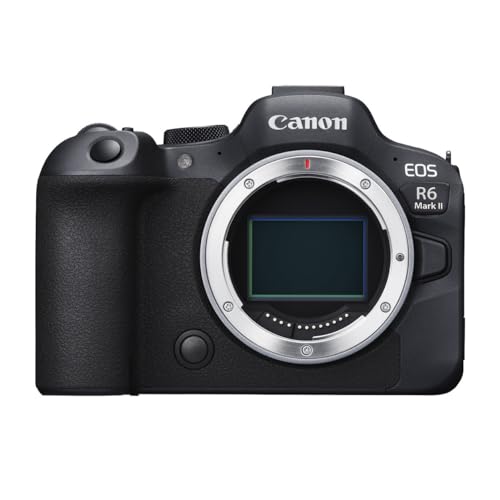
- Canon EOS R6 Mark II: check price on Amazon
- Sony Alpha 7 IV: check price on Amazon
- Nikon Z50 II with Two Lenses: check price on Amazon
- Panasonic LUMIX S5II: check price on Amazon
- A superzoom bridge camera: check price on Amazon
- DJI Osmo Action 5 Pro: check price on Amazon
One truth must precede the products, because it decides more photographs than any camera body: at youth-sports distances, the lens matters as much as the camera, and reach is bought in millimetres, not megapixels. The mirrorless picks below are recommended as systems — bodies whose autofocus and burst performance justify pairing them with a telephoto zoom — while the bridge camera pick exists for parents who want the longest reach in a single, simpler purchase. The little DJI closes the list from a different direction entirely: not the view from the stands, but the camera mounted where no parent may stand.
Expectations should be set by age group. Photographing under-eights on a small pitch is a gentle assignment almost any pick here masters. By the teenage years the fields are full-size, the athletes are fast, the games move under lights, and the gap between a tracking mirrorless system and everything else becomes the gap between the photograph and the memory of one. This guide is written for the whole journey, and flags where each pick’s competence ends.
Key Takeaways
- Canon’s R6 Mark II pairs deep burst shooting with subject-detecting autofocus that finds a player and stays with them.
- Sony’s Alpha 7 IV offers the most tenacious eye and body tracking here, with a deep lens catalogue for reach.
- Nikon’s Z50 II two-lens kit is the value route: a real telephoto in the box and tracking borrowed from bigger siblings.
- Panasonic’s S5II serves parents who film as much as they photograph, with phase autofocus and strong stabilisation.
- A superzoom bridge camera remains the simplest long-reach answer, with honest limits in low light and tracking.
- DJI’s Action 5 Pro mounts on a fence or goal frame to capture the angle the stands can never give.
In this guide
Quick Picks
| Camera | Badge | Why it is here |
|---|---|---|
| Canon EOS R6 Mark II | Best all-round for parents | Fast bursts, player-detecting autofocus and low-light strength for the full youth-sports journey. |
| Sony Alpha 7 IV | Best autofocus tracking | Real-time tracking that clings to a chosen athlete through a crowded, chaotic play. |
| Nikon Z50 II with Two Lenses | Best value with reach included | A two-lens kit whose telephoto covers the far side of the pitch from day one. |
| Panasonic LUMIX S5II | Best for video-first parents | Phase hybrid autofocus and stabilisation for smooth match footage and capable stills. |
| Superzoom bridge camera | Best simple long reach | One fixed lens with enormous zoom, no system to build, at a family-friendly total. |
| DJI Osmo Action 5 Pro | Best second angle | Mounts behind the goal or on the fence for footage no spectator position can match. |
What does the sideline actually require?
Reach first, because without it nothing else is consulted. A child at the far touchline occupies a tiny fraction of a wide frame, and cropping afterwards spends resolution the photograph did not have. Parents need the equivalent of a long telephoto on the body — the specific lens guidance sits in the buying section — and they need it at apertures that keep shutter speeds high, because a running child blurs at the settings a camera chooses for a statue. Every mirrorless pick below was chosen partly for how its system answers that arithmetic.
Autofocus tracking is the second requirement, and youth sports stress it in a specific way: the subject does not run in clean lines. Children stop, reverse, collide, disappear behind three teammates and emerge holding the ball. A tracking system must hold identity through occlusion and clutter, which is why the leading picks offer subject and eye detection trained on people in motion rather than a single obedient focus point. The parent aims roughly, the camera keeps the child — that division of labour is the modern sideline, and the reviews below judge each system on it.
Burst depth converts luck into selection. The difference between the photograph and the near-miss is usually a fifth of a second — the foot before contact, the ball a metre short of the glove — and a camera that fires a deep, fast burst through the whole play lets the parent edit reality afterwards. Buffer depth matters as much as headline speed: a burst that stalls after one second abandons the second half of every breakaway. The Canon and Sony below are the list’s deep wells; the others ask for slightly more anticipation.
Evening performance separates the systems from the toys by the teenage years. Floodlit school fields are dimmer than they look to adapted eyes, and a camera must raise sensitivity while keeping shutter speeds honest, which is where larger sensors and bright telephotos earn their money and where small-sensor reach machines begin their honest decline — the bridge pick’s section says so in terms.
Etiquette is a performance factor, too. The parent-photographer shares the touchline with families who came to watch, and a camera operated considerately — no standing in front of seated grandparents, no wandering into the technical area, no flash, ever — gets welcomed back weekly and offered the good positions by regulars. Several of the best sideline spots in any league are allocated by this informal diplomacy, and the archive benefits from it as surely as from any lens.
Weather and temperament close the brief. Youth sports happen in rain that postpones nothing below a monsoon, on touchlines with no shelter, operated by cold hands. Weather-sealed bodies, controls usable with gloves and a strap that keeps the camera ready at the hip for three hours are working specifications here. So is discretion: the parent who becomes part of the scenery gets the candid photographs; the one waving a enormous white lens gets performances.

Canon EOS R6 Mark II — Best all-round for parents
The R6 Mark II earns the lead by being the camera a parent can grow into across an entire childhood of sport. Its autofocus detects people — heads, eyes, bodies — and holds a chosen player through the scrum with a persistence that feels, the first time it happens, like a professional secret has been shared. Paired with a telephoto zoom, the full-frame sensor keeps evening matches clean at sensitivities that would dissolve lesser cameras, and its burst shooting runs deep enough to swallow a whole breakaway and the celebration after it.
Burst behaviour deserves the emphasis, because it changes how a parent watches. Instead of snatching at moments — and missing most — the R6 II owner holds the shutter through the developing play and curates at home, where the one frame with the ball at the boot and the face alight can be found among its neighbours. Photographs that look like timing genius are usually this: depth, plus editing. The camera’s buffer sustains the habit without the mid-play stall that teaches lesser cameras’ owners to ration.
Handling on a touchline is thoughtfully adult. The body is weather-sealed against the drizzle that youth fixtures specialise in, the controls fall under cold fingers sensibly, and in-body stabilisation steadies a long lens at the slow end of the light — though no stabilisation freezes a sprinting child, and the guide’s how-to section covers the shutter speeds that do. Battery endurance across a tournament day of several matches is realistic with a spare in the pocket, which is the correct professional habit at any level.
Canon’s lens catalogue is the system’s quiet argument. The telephoto zooms a parent needs exist at several prices, including comparatively gentle ones that cover school-sport focal lengths completely, and the same body will serve family life — portraits, holidays, the school play — at a level no sideline specialist can match. A camera bought for Saturday mornings that also becomes the family’s best camera is a purchase that justifies itself in every month of the year.
Costs are the honest kind: this is a serious body at a serious price, and the lens that unlocks it is a second decision with its own budget. Families should also know the file sizes of a full burst day — a tournament produces an archive, and culling it is an evening’s pleasant work. Neither point softens the recommendation for the parent who will photograph a decade of sport; amortised across seasons, the R6 II is the cheapest way to never miss the photograph.
For parents photographing one child through several sports and several years — the exact biography of its intended owner — the R6 Mark II is the complete answer: tracking that keeps the child, bursts that keep the moment, and a system that keeps up as the games get faster than the parent ever was.
Tournament days reveal its depth most plainly. Three matches, two children, weather rotating through its repertoire — the R6 II’s battery discipline, card speed and sheer refusal to overheat or sulk are the qualities that separate a season’s archive from a season’s excuses. Parents rarely praise endurance in April; by the muddy tournaments of November they praise nothing else, and this body was plainly engineered by people who have stood where its owners stand.
- Type: full-frame mirrorless camera
- Autofocus: people, eye and head detection with tracking
- Burst: deep, fast continuous shooting
- Build: weather-sealed body, in-body stabilisation
Strengths
- Tracking holds a player through crowded plays
- Evening matches stay clean and sharp
- A family camera of the first rank, too
Trade-offs
- Serious body price, lens bought separately
- Burst days produce large archives to cull
- More camera than small-pitch years require
Best for: parents in for the whole journey, tots to teenagers. Not suited for: tight budgets or the very youngest age groups alone.

Sony Alpha 7 IV — Best autofocus tracking
If the Canon leads on all-round polish, the Alpha 7 IV’s claim is narrower and fiercer: the most stubborn autofocus tracking in this guide. Sony’s real-time system identifies an eye or a body and then behaves as if letting go were a personal insult — through turns, tumbles, occlusions by other players and the general anarchy of a youth midfield. Parents who have watched other cameras wander off to the referee will understand immediately what is being sold: the chosen child, kept.
That tenacity pairs with a sensor that resolves detail generously, which matters at distance for a practical reason — sideline photographs get cropped. Even with a long lens, the decisive moment often sits inside a wider frame, and the A7 IV’s resolution lets a parent crop to the action and still print the result for the wall. Sharpness at the moment of capture is the currency; this camera is rich in it.
Sony’s lens ecosystem is the deepest in mirrorless, and for this assignment that depth is a concrete advantage: telephoto zooms exist at every level from sensible family prices to professional glass, including third-party options that soften the system’s total cost considerably. A parent can start with a modest long zoom, learn its limits across a season, and upgrade the lens while keeping the body — the growth path this guide recommends for every system pick.
Video is a genuine second craft here. The same tracking that serves stills serves match footage, keeping a moving child in focus through a filmed play in a way that makes a parent’s highlights reel look scouted rather than lucky. Families split between the photographing parent and the filming parent will find one body covering both shifts, which simplifies bags, batteries and blame.
The handling asks a little more learning than the Canon’s. Sony’s menus reward an afternoon of setup — assign the tracking to a button, tame the options — after which the camera disappears into the work. Parents who configure it once, at the kitchen table rather than the touchline, report the same invisibility as any rival. Those who will not spend that afternoon should read the Nikon’s section with extra care.
Judged purely on the assignment’s hardest clause — keep my child in focus, at distance, in chaos — the A7 IV is the instrument this guide would hand to the parent who cares about that clause above all others. Its tracking is not a feature; it is the product.
There is a psychological dividend to tracking this reliable, and it is worth naming for parents who shoot tense. When the camera can be trusted to keep the child, the parent stops snatching — stops firing in panic at every movement and missing the play’s shape. Composed, patient shooting follows trust the way panic follows doubt, and the A7 IV’s owners consistently produce calmer, better-sequenced sets than their own previous cameras ever allowed them. Equipment that changes the photographer’s behaviour has done more than record the game.
- Type: full-frame mirrorless camera
- Autofocus: real-time eye and body tracking
- Sensor: high resolution for cropping at distance
- Lenses: the deepest telephoto catalogue in mirrorless
Strengths
- Tracking that refuses to let go
- Cropping headroom for far-side action
- Stills and video tracking in one body
Trade-offs
- Menus reward a setup afternoon
- Body price before the essential lens
- Burst depth a step behind the Canon
Best for: parents who prioritise never losing their child in the frame. Not suited for: buyers who refuse all configuration.

Nikon Z50 II with Two Lenses — Best value with reach included
Most sideline buying guides commit a quiet fraud: they recommend a body and let the reader discover that the lens which makes it useful costs as much again. This Nikon kit commits the opposite honesty. The two-lens bundle pairs the Z50 II body with a standard zoom for family life and a telephoto zoom that reaches across a youth pitch — the entire assignment, in one box, at a total that undercuts the body-only prices above. For the great majority of parents, this is the most rational purchase in the guide.
The body itself is no consolation prize. The Z50 II carries subject-detection autofocus descended from Nikon’s professional cameras — it finds people, eyes and even the family dog’s sporting moments — inside a compact APS-C body whose smaller sensor works in the parent’s favour: lenses reach further for their size, and the whole kit rides lighter on a shoulder through a tournament day. Tracking is a clear step behind the Sony’s obsession and the Canon’s depth, but it is honest, modern tracking that keeps a running child in the great majority of plays.
That crop-sensor reach deserves spelling out for parents new to systems. The telephoto in this kit frames a far-touchline player at a size that would require a substantially longer, heavier lens on the full-frame bodies — the physics of smaller sensors quietly subsidising the family budget. For youth sports specifically, where the venues are known and the distances are the whole problem, the APS-C format is not a compromise to apologise for but a strategy.
Video and everyday performance round out a kit that will live several lives: match footage with competent tracking, school events, holidays, the portraits of grandparents that justify cameras to the relatives who fund them. The flip screen serves the parent-filmer; the controls stay friendly to the parent who shoots twice a month and wants the camera to remember how.
Limits arrive with the teenage years and the floodlights. The smaller sensor concedes low-light cleanliness to the full-frame picks, and the burst buffer fills sooner during the longest plays. A family whose child is already playing evening fixtures at a high level should weigh the Canon or Sony as the buy-once answer. A family at the start of the journey gets, in this kit, years of headroom at a price that leaves budget for the team fees, boots and petrol that youth sport actually consumes.
As the guide’s value recommendation the Z50 II kit needs no apology and makes none: real tracking, real reach, real photographs, one box. It is the pick most parents reading this page should probably buy, and the one their future selves will thank them for when the far-side goal is captured, in focus, in the first season.
The kit’s second life deserves a line, because it will be lived. Between seasons the same body and standard lens become the family’s holiday camera, the school-play camera, the new-puppy camera — duties at which its size and friendliness beat the big full-frame bodies it shares this guide with. A purchase that works fifty weekends a year justifies itself differently from one that works twenty, and parents doing honest household arithmetic should count those quiet weekends in the Nikon’s favour.
- Type: APS-C mirrorless camera, two-lens kit
- Kit lenses: standard zoom plus telephoto zoom
- Autofocus: subject detection for people
- Format advantage: extra reach from the crop sensor
Strengths
- The whole assignment in one box
- Telephoto reach included from day one
- Light kit for long tournament days
Trade-offs
- Evening cleanliness trails full-frame
- Buffer fills on the longest plays
- Tracking a step behind the leaders
Best for: families starting the sports journey with sense and a budget. Not suited for: floodlit elite-level fixtures as the main diet.

Panasonic LUMIX S5II — Best for video-first parents
Households divide, roughly, into those who come home from the match with photographs and those who come home with footage. The S5II is the pick for the second tribe. Panasonic rebuilt its autofocus around phase detection for this generation, and the result is a full-frame camera whose tracking serves video as faithfully as stills — a filmed play keeps its subject, pans stay smooth on the back of excellent stabilisation, and the parent-filmer stops apologising for focus wandering off at the decisive moment, which was the historical tax on this brand’s considerable video virtues.
Those virtues are substantial. The S5II’s video specification and colour are the strongest pound-for-pound in this list, its stabilisation lets a long lens be handheld through a match without the footage trembling like a dashboard camera, and its body is built — weather-sealed, sensibly laid out — for the touchline’s weather and hours. Parents building a family archive of seasons, or cutting highlights for relatives who cannot attend, will find this the most capable film-making tool here that also happens to take excellent stills.
Stills performance should not be undersold in the process. The sensor is a fine full-frame unit, low-light behaviour suits the evening fixture list, and the tracking — while a shade less clairvoyant than Sony’s in stills bursts — holds players through plays with modern competence. The honest summary is balance: where the Canon and Sony tilt toward the photograph, the S5II tilts toward the film, and the tilt is a matter of degrees rather than kinds.
The L-mount lens alliance gives the system a healthy telephoto shelf, including sensible zooms for exactly this assignment, and the body’s ergonomics reward the parent who films long passages: a grip that survives a cold second half, controls that can be found by touch while the eyes stay on the game. Tournament days of mixed stills and video are its home fixture.
Who should hesitate? The pure stills parent chasing the deepest bursts and the most stubborn tracking will find the two leaders above fractionally ahead, and Panasonic’s sports-photography folklore — the loaner lenses at the professional end, the sideline ubiquity — is thinner than Canon’s or Sony’s, which matters only to those who care about folklore. The S5II’s buyer is buying a tool, not a tribe, and the tool is superb.
For the family whose memories move — whose seasons will be rewatched rather than reprinted — the S5II is the guide’s recommendation: the camera that films a childhood of sport beautifully and photographs it very well, in one weather-sealed body.
Grandparents at a distance are this camera’s secret constituency. The S5II’s footage — stable, well-coloured, focused on the right grandchild — is the version of the match that travels to relatives in other cities and countries, and it lands with a production quality that makes a school game feel like a broadcast. Parents who film for an audience beyond the touchline are not indulging a preference; they are maintaining a family’s geography, and this body serves that duty better than anything else here.
- Type: full-frame mirrorless camera
- Autofocus: phase hybrid system, video-faithful
- Stabilisation: strong in-body system for handheld video
- Build: weather-sealed, filming-friendly ergonomics
Strengths
- The finest match footage in this list
- Stabilisation that steadies long lenses
- Stills quality close behind the leaders
Trade-offs
- Stills tracking a shade behind Sony and Canon
- Thinner sports-lens folklore and rental options
- Video strengths wasted on stills-only parents
Best for: parents who film matches and cut highlights. Not suited for: pure stills hunters wanting the deepest bursts.
A superzoom bridge camera — Best simple long reach
There is a parent this guide refuses to condescend to: the one who wants to photograph their child’s games well without adopting a camera system as a second hobby. The superzoom bridge camera is their instrument — a single fixed lens whose zoom range runs from family-wide to a reach that dwarfs what any kit lens offers, framing the far goal from the opposite touchline in a way that makes mirrorless owners glance at their receipts. No lens changes in the rain, no system to research, one battery, one card, one learning curve shaped like a gentle hill.
The reach is real and it is the entire proposition. Youth sports are played at distances where even keen parents with modest mirrorless zooms crop despairingly; the bridge simply zooms until the child is large in the frame. On bright weekend mornings — the majority of the youth fixture list — its photographs are genuinely pleasing: sharp, colourful, and framed tighter than anything else at its total price can manage. Grandparents receiving these pictures do not ask about sensor dimensions.
The compromises are physical and must be bought knowingly. A small sensor behind that enormous zoom pays for reach with low-light ability, so evening fixtures under floodlights push it into noise and slow shutter speeds sooner than any other pick here; autofocus tracking, while willing, lacks the subject intelligence of the mirrorless systems and will lose a child in a crowd more often. Fast, elite-level teenage sport in poor light is simply beyond its brief, and this guide will not pretend otherwise.
Within its brief, though, its virtues compound. It is the camera most likely to actually be taken to the game, because it asks for one hand and no decisions; it photographs the school play and the holiday with the same lens; and its total price — less than many single mirrorless lenses — leaves the family budget for the season’s real expenses. Cameras that attend every match beat cameras that attend the important ones, in the archive that results.
Buying advice inside the category is simple: favour the longest optical reach with the brightest lens at the long end, a proper viewfinder for bright days, and burst shooting with a buffer that survives a play. Ignore digital zoom figures entirely; they are cropping with a marketing department. Handled that way, the category yields one obvious-feeling choice per generation, and it will serve a family for the whole of the small-pitch and early full-pitch years.
Graduation, when it comes, is painless: the bridge remains the holiday and backup camera while a mirrorless system takes over the floodlit fixtures. Many families in this guide’s experience run exactly that two-camera household for years, and the bridge’s photographs from the sunny seasons hold their own in the album beside the expensive ones.
Second parents and grandparents are its natural owners, too. The family member who attends every match but photographs three times a year needs a camera that forgives rustiness — that wakes up knowing its job, with the zoom lever under the finger and the scene modes handling the rest. A system camera borrowed for the day defeats such photographers with other people’s settings; the bridge, owned and uncomplicated, simply works in their hands, and its archive across a season is often the family’s most complete.
- Type: fixed-lens bridge camera with very long zoom
- Reach: optical zoom far beyond kit lenses
- Viewfinder: electronic, for bright-day framing
- System: none — one body does everything
Strengths
- Enormous reach at a family total price
- Nothing to change, build or research
- Attends every match because it asks so little
Trade-offs
- Floodlit evenings expose the small sensor
- Tracking loses children in crowds
- Elite teenage pace outgrows it
Best for: parents wanting simple, long-reach daylight coverage. Not suited for: evening fixtures or fast elite-level sport.

DJI Osmo Action 5 Pro — Best second angle
Every pick so far watches the game from where parents are allowed to stand. The Action 5 Pro watches from where they are not: clamped to the fence behind the goal, fixed to the crossbar’s post, standing at the corner flag — positions that put the play’s decisive seconds metres from the lens. Its footage is the complement to every sideline camera in this guide, the angle that turns a parent’s archive from a record into a story with two sides.
DJI built this generation around exactly such unattended duty. The sensor performs in the flat, late light of evening fixtures better than action cameras historically have, subject tracking helps when it is aimed at a penalty area’s traffic, and the body is waterproof and unbothered by the rain, mud and stray balls of a youth touchline. Battery arrangements support long recordings, so a whole half can be captured from the goal frame while the parent photographs from the side — two archives from one afternoon, one pair of hands.
The footage’s character suits its role. Wide and immersive, it shows the shape of a play — the run’s line, the pass’s geometry — in a way telephoto compression never can, which coaches and older children genuinely value when reviewing a game. Edited together with a mirrorless camera’s tight shots, the combination resembles coverage from a production with a crew, and assembling it is an evening’s enjoyable work rather than a professional’s day.
Permissions and manners govern its use, and this guide states them plainly: ask the coach, respect the league’s rules on equipment near the field of play, mount nothing where a child could collide with it, and accept a refusal gracefully. Most youth organisations welcome a fence-mounted camera behind the goal; none welcome surprises. The parent who asks becomes the team’s archivist; the parent who doesn’t becomes a meeting agenda item.
As a sole camera it would be the wrong purchase — the stands’ view, the portraits, the far side of the pitch are all beyond a fixed wide lens, and its stills are a sideline to its video. That is not a criticism but a job description. It is bought second, by a household that already photographs the game, to add the dimension their archive lacks.
Families who adopt it report a side effect worth more than the footage: children love reviewing their own play from the goal’s perspective, and older youngsters begin directing the second angle themselves — choosing positions, checking the frame, learning coverage. The little camera becomes a film school that fits in a kit bag, and its graduates make the family’s future archives better than any purchase could.
Other sports open other angles. On a basketball court it sits at the baseline; at a pool, poolside rules permitting, it watches a lane from the end; at a skate park it becomes the obstacle’s own camera. The common thread is proximity purchased with smallness — positions a parent with a mirrorless camera could never occupy without becoming part of the event. Households with several sporting children will find it the hardest-working accessory in the kit bag, precisely because it was never the main camera anywhere.
- Type: action camera for fixed mounting
- Sensor: strong low-light performance for its class
- Build: waterproof, touchline-proof
- Role: unattended second angle behind goals and on fences
Strengths
- Angles no spectator can legally occupy
- Records a whole half unattended
- Children learn coverage by directing it
Trade-offs
- Never a sole camera for the game
- Needs the coach’s and league’s blessing
- Wide view cannot reach far play
Best for: households adding a produced second angle to their archive. Not suited for: parents buying their first and only camera.
How does the right choice change as children grow?
The under-nines play on small pitches, in daylight, at speeds a brisk walk can follow, and nearly every pick in this guide is gloriously sufficient — the bridge and the Nikon kit were practically designed for these years, and even a phone survives them. What these seasons actually demand is not performance but presence: a parent close enough that the child can find their face, photographing sparingly enough that the face is usually looking back. Buy for these years and you buy cheaply and happily.
The middle years — full-size pitches arriving, weekend tournaments, the first floodlit fixtures — are where the ladder steepens. Reach stops being a luxury, tracking stops being a brochure word, and the parent’s archive either professionalises or quietly thins out. This is the moment the mirrorless systems earn their migration, and the moment to make it is the season before the need becomes undeniable, while last season’s bridge still covers the fixtures the new body is learning on.
By the later teenage years the sport is effectively adult in pace and the venues in scale, and the honest choices are the ones this guide leads with — or the equally honest decision that the family’s archive is complete enough and the remaining seasons are for watching. Both are respectable. What the guide counsels against is the middle sorrow: expensive half-measures bought yearly, each almost able to follow a seventeen-year-old under lights. Buy the system once, at the right season, or enjoy the bridge in the sun — but do not rent the gap between them at retail prices.
How do the six line up for the touchline?
| Camera | Approach | Signature strength | Watch out for |
|---|---|---|---|
| Canon EOS R6 Mark II | Full-frame system | Bursts plus player detection | Lens is a second budget |
| Sony Alpha 7 IV | Full-frame system | Most stubborn tracking | Setup afternoon required |
| Nikon Z50 II with Two Lenses | APS-C kit | Reach included in the box | Evenings trail full-frame |
| Panasonic LUMIX S5II | Full-frame system | Finest match footage | Stills burst a shade behind |
| Superzoom bridge camera | Fixed lens | Reach without a system | Floodlights defeat it |
| DJI Osmo Action 5 Pro | Mounted action camera | The forbidden angle | Second camera only |
What about indoor sports — basketball, gymnastics, martial arts?
Indoor youth sport rewrites the brief in one move: the distances shrink and the light collapses. A school gym is closer than any pitch — the far basket is a modest zoom away — but its lighting is the dimmest in this guide, and the shutter speeds that freeze a layup demand sensitivity that separates the full-frame picks from everything else. Indoors, aperture and sensor size stop being luxuries and become the whole game, and the Canon and Sony with a bright lens are playing a different sport from the bridge, whose small sensor and slow long end are at their weakest exactly here.
Gymnastics and martial arts add stillness of a different kind: the decisive moments are held shapes and sudden explosions — a tumbling pass, a throw — where burst depth and a camera that wakes instantly matter more than tracking across distance. The mirrorless picks handle both; parents should favour the bodies whose electronic shutters are silent, because a mechanical shutter’s clatter in a quiet hall during a beam routine is a social error no photograph justifies. Several picks here offer silent shooting; use it indoors as a matter of manners.
Swimming deserves its own warning. Pool decks are humid, splashy and governed by strict photography rules that vary by venue and must be checked before any camera appears; where photography is welcome, it is telephoto work from the stands through steamy air, and weather-sealed bodies earn their seals. The little DJI, waterproof and unobtrusive, is sometimes the only angle a venue permits — another reason it closes this list.
Which lens should a sports parent actually buy?
For the mirrorless systems, the answer has a shape even when budgets differ: a telephoto zoom that reaches the far side of your child’s pitch at its long end, with the fastest aperture the budget allows at that end, because aperture is shutter speed and shutter speed is sharpness. School pitches are smaller than stadiums; most parents find the mid-length telephoto zooms cover their venues entirely, and the money saved against the longest glass buys the spare battery, the fast cards and the second season’s fees. Buy for your actual touchline, measured at a real match, not for a stadium you will visit twice.
Cards and settings are the lens’s silent partners. Fast memory cards keep burst buffers clearing; a card that stalls the camera mid-play is a false economy measured in missed goals. Set the camera’s drive, tracking and exposure before the whistle — the how-to below covers the short list — because the touchline during a match is the worst classroom in photography.
Rent or borrow before the biggest purchases if your area allows it. A single weekend with the longer lens will tell a parent more about their real distances than a month of reviews, and several of this guide’s readers will discover their venues are smaller than their anxiety — a happy, money-saving discovery that only experience can deliver.
Position is worth one more paragraph, because it is the cheapest performance available. The corner of the pitch, a few metres behind the line your child attacks toward, produces more faces and more decisive moments than the halfway line ever will; the far end in the second half repeats the favour when teams swap. Parents who walk the touchline between plays — following the game’s centre of gravity rather than camping at the centre of the field — come home with the archive their stationary neighbours envy, using identical equipment.
How do you photograph a match, practically?
Arrive with the camera already set: continuous autofocus with subject detection on, burst drive engaged, shutter priority or manual exposure holding a fast shutter speed — fast enough to freeze a sprint, which in practice means the high hundreds and beyond — and auto sensitivity allowed to climb so the speed survives the light. Stand where the play comes toward you rather than across you; photographs of athletes approaching the lens have faces, and faces are the entire point.
Shoot the play, then keep shooting for two seconds after it ends: the celebration, the despair, the teammates arriving — the frames parents actually frame live in the aftermath. Between plays, lower the camera and watch your child with your own eyes for a while. The archive matters, but so does having been present, and the best sideline photographers in this guide’s acquaintance all ration their shooting to protect their watching.
How should the archive be kept across a childhood of seasons?
Sports photographs accumulate at a rate no other family subject matches — a burst habit across a decade produces tens of thousands of frames, and an archive without a system becomes a hard drive nobody dares open. The working method is unglamorous: one folder per child per season, a ruthless cull to the best few dozen per match while the game is still remembered, and the discipline to delete the near-duplicates that bursts manufacture by the hundred. The photographs that survive culling are the ones that get printed, framed and found in twenty years; the rest is storage wearing the costume of memory.
Prints deserve their annual moment. A season book — even a simple one, assembled from the culled best — converts the archive from data into the object children actually revisit, and older athletes mining their own history for motivation or amusement will use the book while the drive gathers dust. Every camera in this guide produces files worthy of that book; the difference between households is never the equipment at this point, only the culling.
What sideline mistakes cost parents the photograph?
Chimping — reviewing every shot while the game continues — is the classic, because the decisive moment reliably schedules itself during a review. Second is standing at the halfway line by habit, the geometry that produces the most backs and the fewest faces. Third is the kit lens at a full-size pitch, hope substituting for millimetres. Fourth is forgetting that the second half’s light is not the first half’s, and letting shutter speeds sag as the evening comes down. Each is cured by the setup ritual and the positions in the section above, which is why this guide treats habits as equipment.
Final Recommendation
A final calibration for the undecided: the right purchase is the one whose absence you can already feel. If last season’s photographs are a folder of distant, cropped almosts, the need is reach and tracking, and it will not shrink as the pitches grow. If last season’s archive is rich and only the evening fixtures failed, the need is narrower and the full-frame pair answer it precisely. Let the evidence of your own touchline, rather than a shop’s enthusiasm or a neighbour’s lens, set the budget — it is the one dataset in this purchase that cannot mislead you.
Buy the system your seasons justify. Families at the start, on daylight pitches, should take the Nikon kit’s honest completeness or the bridge camera’s simple reach and spend the savings on being there. Parents committed for years of faster, later, floodlit sport should go straight to the Canon for its bursts or the Sony for its tracking, and film-first households to the Panasonic. Add the little DJI when the archive wants a second voice. Whichever you choose, set it before the whistle and then watch your child play — the camera’s job is to remember; yours is to have been there.
Related guides
Frequently Asked Questions
Can I just use my phone from the stands?
For small-pitch years and near touchlines, a phone does a cheerful job, and its video is often the family’s favourite record. Its limits arrive with distance: digital zoom spends resolution you do not have, and tracking a child across a full-size pitch is beyond it. The moment you find yourself cropping every photograph and mourning every other, the phone has told you it is time for the Nikon kit or the bridge.
How much zoom do I really need?
Enough to fill the frame with your child at the furthest point you regularly photograph — for most school venues, a mid-length telephoto zoom on the mirrorless picks, or the bridge camera’s built-in reach. Measure at a real match before buying the longest lens in the shop; venues are usually kinder than fear suggests.
What is the one accessory worth buying first?
A fast, generously sized memory card — the silent partner of every burst in this guide — followed by a spare battery for tournament days. Both are unglamorous, both are cheap beside any body or lens here, and together they prevent the two failures parents actually report: the buffer that stalled during the goal and the battery that died before the final. Tripods, monopods and bags can all wait for a second season’s evidence.
Are mirrorless cameras too fragile for the touchline?
The system picks here are weather-sealed, working tools built for professional sidelines far rougher than a school field. Treat them to a strap, a bag and dry storage at home and they will outlast the child’s entire sporting childhood. The bridge and action cameras are hardier still, each in their own way.
How do I share photos with the whole team fairly?
A shared album per season, contributed to after each match, is the arrangement that works: every child appears, no parent becomes the unpaid official photographer by default, and the archive survives any one family’s camera dying. Shoot a few frames of teammates’ children when the play allows — the reciprocity is noticed, returned, and is how your own child’s best angle ends up in somebody else’s burst. Check the team’s and league’s sharing policies once, at the season’s start, rather than discovering them in October.
Should I shoot video or stills?
Decide per match rather than per lifetime. Stills give you the frameable moment and the album; video gives you the play and the sound of it. The Panasonic leads if video is your archive’s heart, the Canon and Sony if stills are — and many parents alternate by half, which the batteries of all three systems forgive.
Do I need a second body for a second child?
Almost never. Siblings’ fixtures rarely collide for a whole season, and one good system body with the right lens serves both children on alternate touchlines — the archive simply gains a second folder. The households that genuinely benefit from a second camera are the two-parent ones where both shoot, and there the bridge or the Nikon kit makes an excellent second body rather than a duplicated flagship. Spend the difference on the lens the flagship was missing.
What shutter speed freezes a running child?
Faster than instinct suggests: the high hundreds of a second for general play, and faster still for a struck ball or a sprinter at full stretch. Let sensitivity rise to protect that speed — a sharp, slightly grainy photograph of the goal beats a clean, blurred one every time, in every album ever made.
Related Guides
The athletes themselves may want a camera of their own — the best cameras for youngsters guide covers the armoured and wearable picks for young photographers. Parents moving into filming whole matches should also read the best cameras for YouTube autofocus roundup for the tracking science in depth, and the best cameras for yoga videos guide if the family’s filming extends to the studio.


