reviewstook.com is reader-supported. When you buy through links on our site, we may earn an affiliate commission.
Where to buy
Student photojournalism runs on three currencies — deadlines, nerve and money — and the third is always the shortest. The best cameras for photojournalism college students are the ones that respect all three: fast and honest enough for the campus paper’s front page, tough enough for a protest in the rain, and priced so that a student loan’s remainder or a summer job can reach them without tragedy. Six cameras are weighed here for the student beat — coursework, the student newspaper, the first stringer shifts for the local daily — with the emphasis where student life puts it: value that survives graduation.
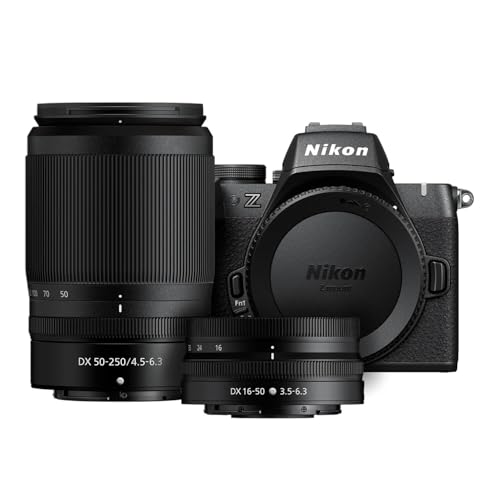
- Nikon Z50 II with Two Lenses: check price on Amazon
- Nikon Z50 II: check price on Amazon
- Sony ZV-1F: check price on Amazon
- OM SYSTEM Tough TG-7: check price on Amazon
- Fujifilm X100VI: check current availability at your preferred retailer
- Canon EOS R50: check current availability at your preferred retailer
The student beat is a better teacher than the professional one in one respect: it is unforgiving about pretension. Your camera will cover the board meeting and the sit-in, the flooded dorm and the championship game, the vigil and the victory party, often in the same week and once, memorably, on the same night. It will be rained on, borrowed, dropped in spirit if not in fact, and asked to produce a publishable file at midnight for an editor who is also a student and also exhausted. The cameras that thrive in that life are not the most specified; they are the most willing — quick to focus, simple to file from, and cheap enough that using them bravely costs no anxiety.
There is also the matter of the degree itself. A photojournalism student’s camera is a laboratory instrument for learning the craft’s permanent skills — seeing, anticipating, captioning honestly, filing on time — and the best student camera is the one that teaches those skills without interposing its own limitations as excuses. Every pick below clears that bar. They differ in how they will serve the career that follows: some are first chapters of professional systems, some are complete tools for the discreet documentary style, and one is simply indestructible, which on a student budget is a philosophy all by itself.
Key Takeaways
- A two-lens kit that covers wide-to-telephoto on day one beats a better body with one lens for the student beat’s variety, because the beat will not wait for your second purchase.
- Subject-detection autofocus is the great equaliser: it lets a second-year student file frames that took professionals a decade to learn to catch, and frees the student’s attention for the seeing and the ethics, which cannot be automated at any price.
- Weather resistance and toughness are budget features, because a student cannot afford the repair or the replacement, and the semester does not pause while a camera is in the workshop.
- Fast, simple filing — clean JPEGs, easy phone transfer — matters as much as image quality when the deadline is tonight and the editor is doing layout with one hand and coursework with the other.
- Buy into a system you can grow: the mount you choose at nineteen may equip your first staff job, and the lenses bought for a degree have a way of still being in the bag a decade later.
In this guide
Quick Picks
| Camera | Badge | Why it is here |
|---|---|---|
| Nikon Z50 II with Two Lenses | Best complete student kit | Wide-to-telephoto coverage in one box, with flagship-bred detection autofocus. |
| Nikon Z50 II | Best body-first start | The same brain in a body-only start for students who will build their lens set slowly. |
| Sony ZV-1F | Best discreet campus camera | A pocket camera for the stories a big camera would change by arriving. |
| OM SYSTEM Tough TG-7 | Best indestructible option | Waterproof, drop-proof and priced like a textbook — the protest and flood camera. |
| Fujifilm X100VI | Best for documentary purists | The fixed-lens discipline machine that a generation of photojournalists romanticise, for good reason. |
| Canon EOS R50 | Best Canon-path starter | A friendly, capable entry into the system many newsrooms and agencies run on. |
How did we choose these cameras for student photojournalists?
The grading began with the student newspaper’s actual assignment book. A camera earned its place by covering the beat’s whole range — the dim lecture hall, the night game under indifferent lights, the noon rally, the portrait of the professor with the story — without requiring lenses a student cannot yet own. Autofocus intelligence was weighted as a learning aid rather than a luxury: detection that holds a speaker’s eye or a player’s run lets a student spend their attention on composition, ethics and the caption, which are the parts of the craft that cannot be automated and the parts their degree is actually examining. Filing speed was graded next — how quickly a frame moves from camera to editor, in publishable form, from a corridor with indifferent Wi-Fi.
Economics ran through every judgement. Total cost of the working kit, not the body’s sticker; the price of the second battery and the fast card; the used market’s depth for the lenses a junior will want next; and the repair question — what happens, financially, when it breaks in March. Finally, each camera was asked the graduation question: does this purchase become the foundation of a professional kit, or a beloved dead end? Both answers can be right for different students, and the picks are labelled so each buyer knows which they are choosing.

Nikon Z50 II with Two Lenses — Best complete student kit
If one box could be issued to every incoming photojournalism student, this would be the box. The two-lens Z50 II kit covers the student beat’s entire geography — a wide-to-normal zoom for the rally, the lecture and the environmental portrait, and a telephoto zoom that reaches across the gym and the quad for sport and ceremony — around a body whose subject detection descends directly from Nikon’s professional flagships. A first-year student with this kit has no equipment excuse available, which is the greatest gift a teacher can give: every failure from the first assignment onward is instructive, because none of it is the camera’s fault.
The student-specific virtues compound. The kit’s total cost undercuts most single-lens full-frame starts while out-covering them; the crop sensor’s reach flatters the telephoto at school sport; the colour and JPEGs file beautifully with minimal editing at midnight; and the Z mount means every lens bought from here is a permanent asset, usable on the full-frame body a first job may bring. Photojournalism programmes that standardise on a student kit could do far worse than this one, and the student buying alone should treat it as the benchmark every alternative must argue against.
- Sensor: APS-C, roughly 21 megapixels
- Lenses: two zooms covering wide to telephoto
- Autofocus: subject and eye detection from Nikon’s flagship line
- Mount: Nikon Z, a professional growth path
Strengths
- Complete beat coverage from the first day
- Detection autofocus that teaches by succeeding
- Every future lens purchase stays in the family
Trade-offs
- Kit zooms are not fast glass for the darkest venues
- No in-body stabilisation; mind the shutter speeds
- Two lenses mean a bag, not a pocket
Best for: the committed photojournalism student buying once for the degree. Not suited for: casual elective students who need a pocket camera instead.

Nikon Z50 II — Best body-first start
Some students inherit a lens, work at a camera shop, or simply prefer to build a kit piece by piece as part-time wages allow — and for them the body-only Z50 II is the same intelligence in a cheaper first step. Bought with one standard zoom (or adapted glass, or the department’s loaner), it delivers the identical detection autofocus, colour and handling as the two-lens kit, and lets the student’s second purchase be informed by a semester of evidence: the focal lengths their assignments actually demanded, priced from experience rather than from a catalogue’s guess.
It earns a separate entry rather than a footnote because the body-first path is a legitimate strategy with its own logic — particularly for students aiming at a speciality early. The sports-minded student can put the saving toward the fast telephoto their beat requires; the documentary-minded can fund the fast prime that will live on the camera for three years. Either way, the body’s the same trustworthy core: small enough for every day, smart enough for the front page, and mounted in the system whose professional bodies wait at the career’s far end like a promise.
- Sensor: APS-C, roughly 21 megapixels
- Autofocus: full subject-detection suite
- Path: build the lens set by evidence and wages
- Mount: Nikon Z
Strengths
- Lowest-cost entry to this level of autofocus intelligence
- Lens strategy decided by a semester’s evidence
- Identical core to the two-lens kit
Trade-offs
- Coverage depends on the lens you pair it with
- Same stabilisation and low-light limits as the kit
- Discipline required not to under-equip the beat
Best for: students building a kit gradually or specialising early. Not suited for: students who need complete coverage in one purchase.

Sony ZV-1F — Best discreet campus camera
Some of the most important student stories happen in rooms where a serious camera changes the weather: the support group, the night-shift cleaners, the dorm room interview, the small hours of the occupation. The ZV-1F — a pocketable 1-inch-sensor compact with a bright, wide fixed lens — walks into those rooms as a non-event and walks out with photographs and footage a conspicuous kit would never have been permitted. Its white finish, in this listing, even reads as a consumer gadget rather than press equipment, which on a campus is sometimes the whole assignment.
Its journalism is real within its limits: clean files in decent light, an ultra-wide view made for interiors and groups, 4K video for the multimedia coursework that modern degrees require, and a price that treats loss or damage as a bad week rather than a ruined semester. It will not shoot the night game or the distant speaker, and it is not a system to grow. It is the second camera of student photojournalism — or the first camera of the student whose stories are intimate ones — and in the discreet documentary tradition that runs from the Leica to the phone, it is an honourable instrument.
- Sensor: 1-inch, roughly 20 megapixels
- Lens: fixed ultra-wide, bright aperture
- Video: 4K for multimedia coursework
- Size: pocketable, unobtrusive
Strengths
- Access through unobtrusiveness
- Simple enough to lend, cheap enough to risk
- Video covers the multimedia syllabus
Trade-offs
- No reach for sport or ceremony
- Fixed lens, fixed future
- Low light beyond bright interiors tests it
Best for: intimate documentary and multimedia students. Not suited for: the sports desk or as a sole camera for a full beat.

OM SYSTEM Tough TG-7 — Best indestructible option
Every student photojournalist eventually draws the assignment that eats cameras: the flood, the blizzard game, the protest in the downpour, the construction site, the river cleanup. The TG-7 is built for exactly that roster — waterproof to real depths, shockproof against real drops, freezeproof, crushproof — and priced at a level where a student can own the indestructible option outright instead of insuring a delicate one. Its macro ability serves the science and nature beats, its underwater competence opens stories no other pick here can attempt, and its small sensor’s deep focus is, for documentary work in chaos, often a feature rather than a flaw.
Its role in a student kit is the specialist survivor: the camera that goes when the Nikon stays dry, that lends without anxiety, that lives in the bag’s bottom through every weather the degree produces. Image quality is its honest ceiling — this is a camera for the story, not the gallery — but student journalism’s history is written in stories that existed only because someone carried a camera that could survive them. When the campus floods at 2 a.m., the photographer with the TG-7 owns the front page by default, and no specification on any rival’s sheet can argue with an empty chair.
- Build: waterproof, shockproof, freezeproof, crushproof
- Macro: microscope-class close focus
- Modes: underwater and field sensor logging
- Size: pocketable expedition camera
Strengths
- Survives the assignments that define student legend
- Underwater and macro beats no rival here can cover
- Price treats catastrophe as survivable
Trade-offs
- Small sensor limits quality and low light
- Fixed lens; no system growth
- Not the camera for the portfolio’s beauty shots
Best for: extreme-weather, water and adventure assignments. Not suited for: low-light or high-resolution portfolio work.
Fujifilm X100VI — Best for documentary purists
There is a tradition in photojournalism education that holds the fixed-lens camera to be the finest teacher: one focal length, no zoom to hide behind, and the photographer’s feet and anticipation doing the work that optics do for everyone else. The X100VI is that tradition’s current cathedral — a 40-megapixel APS-C sensor behind a fixed wide-normal lens, with a hybrid viewfinder that can show the optical world and the electronic one in the same glance, a leaf shutter silent enough for the back row of a silent room, and an internal ND filter for daylight discipline. Students who learn on it develop a seeing that zoom-trained photographers envy, because the frame was chosen by walking, not by twisting.
Its caveats are the tradition’s own: it will not shoot sport across a field or a speaker across a hall, its price and scarcity mock the student budget it is being recommended to, and as a sole camera for a general beat it is a beautiful insufficiency. This guide includes it honestly, as the aspirational instrument and the second camera of the documentary-minded — the one bought used when fortune allows, borrowed from the department when it does not, and dreamed about in the meantime. Some cameras teach a craft; this one teaches a philosophy, and photojournalism has always run on both.
- Sensor: APS-C, roughly 40 megapixels
- Lens: fixed wide-normal prime
- Viewfinder: hybrid optical and electronic
- Filtration: built-in ND, leaf shutter
Strengths
- The finest fixed-lens documentary teacher made
- Silent, discreet and beautiful to work with
- Resolution that embarrasses its size
Trade-offs
- One focal length for a beat that has many
- Price and availability defy student economics
- No weather sealing worth a protest in the rain
Best for: documentary-focused students as a second or aspirational camera. Not suited for: a general beat as the only camera, or a tight budget.
Canon EOS R50 — Best Canon-path starter
Many students arrive already speaking Canon — a family camera, a high-school yearbook’s system, a mentor’s advice — and many newsrooms they aspire to run Canon glass. The EOS R50 is the friendly door into that world: a compact APS-C mirrorless body with Canon’s subject-detection autofocus in an approachable form, colour that flatters the people a student beat consists of, and handling designed to be learned in an afternoon. With its kit zoom it covers coursework and the campus paper respectably from the first week, and the RF mount behind it is a professional highway with the on-ramp clearly marked.
Against the Nikon pair above, its case is ecosystem and temperament rather than specification: Canon’s detection is excellent, its video serves the multimedia syllabus well, and its used and entry lens bench is deep and growing. Its limits are the class’s usual ones — crop sensor in dark gyms, a smaller buffer for sport — stated plainly so the Canon-loyal student buys with open eyes. A degree is a long time and a career is longer; starting in the system your mentors and target employers use has a compounding value that spec-sheet comparisons never capture, and the R50 is that start, done properly.
- Sensor: APS-C, roughly 24 megapixels
- Autofocus: Canon subject detection
- Handling: beginner-friendly controls and menus
- Mount: Canon RF professional system
Strengths
- The Canon ecosystem entered kindly
- Detection autofocus and colour for people-first beats
- Compact enough for daily carry between classes
Trade-offs
- Crop limits in the darkest venues
- Buffer and build are student-grade, not staff-grade
- RF’s best lenses are priced for the career, not the degree
Best for: Canon-path students and yearbook veterans stepping up. Not suited for: heavy sports or professional low-light work yet.
What does the student beat actually demand, week by week?
Variety at speed. Monday’s assignment is a portrait of the new dean, lit by a window and diplomacy. Tuesday is the city council meeting your paper covers because the professionals stopped coming. Wednesday is the protest, Thursday the flooded basement in the science block, Friday the game, and the weekend is the feature you actually care about, shot in the hours the coursework allows. A student camera is therefore graded less like a specialist instrument and more like a decathlete: it must be adequate at everything by Friday and excellent at nothing in particular, except the two skills the whole beat runs on — focusing on the right person in bad light, and producing a file an editor can use at midnight without a rescue operation. The Nikon pair lead this guide because their detection autofocus and clean files serve exactly those two skills at a student’s price.
The beat also demands a social instrument. You will photograph people who did not ask to be news — the grieving, the protesting, the celebrating, the caught — and the camera’s size and silence shape how those encounters go. This is the ZV-1F’s and the Fujifilm’s territory, and the reason this guide refuses to rank by specification alone: a technically superior camera that makes a frightened source close the door has failed the assignment in the only way that matters. Student photojournalism is an ethics course with a camera attached, and the equipment choices are ethical choices, made in advance, at the moment of purchase.
How do you file for a student newspaper without losing your mind or your deadline?
Build the pipeline before you need it, because the night you need it there will be no time to build anything. Shoot JPEG-plus-raw if the card allows: the JPEG is the deadline file, exposed and coloured carefully in camera so it can move from card to editor with a caption and no processing; the raw is the insurance for the frame that matters most and the light that behaved worst. Learn your camera’s phone transfer until it is muscle memory, and caption in the field — names spelled aloud and confirmed, always, because a misspelled name in print is the one error student journalism never lives down. The cameras here all support this pipeline; the discipline is the student’s to install.
Then learn the editor’s arithmetic: a tight set of twelve captioned, correctly exposed frames delivered at ten o’clock is worth more than two hundred frames at midnight, every time, in every newsroom on earth. Cull in the camera during the event’s pauses if you must, deliver the selects, and keep the full take archived for the follow-up story. The student photographers who become staff photographers are rarely the ones with the finest portfolios; they are the ones whose filing habits made an editor’s evening easier, repeatedly, in the rain. Equipment serves that reputation only by disappearing — fast focus, honest files, no drama — which is the standard this guide’s rankings were built to measure.
What should a student learn that no camera can do for them?
To see the picture before the event, and to be standing in the right place with the right lens when it happens — anticipation, the professional’s core skill, available free to any student willing to attend events first as an observer. To caption with a reporter’s conscience: who, what, where, when, verified, with names treated as sacred data. To approach strangers with a question and a card, and to accept refusal with grace, because access in journalism is a reputation that compounds. And to understand that the photograph is evidence — that the ethics of what you show, crop and withhold are the degree’s real subject, examined at every assignment whether the syllabus says so or not.
The cameras in this guide were chosen to keep those lessons in the foreground by removing the technical static from around them. Detection autofocus will hold the eye; it will not decide whether the photograph should exist. A tough camera will survive the flood; it will not decide whose face to show. That division of labour — machine for the mechanics, student for the meaning — is the healthiest relationship a young photojournalist can have with equipment, and it is available at every price point ranked here. Buy the camera that disappears for you, then go and do the parts only you can do.
How do you photograph a protest as a student, safely and ethically?
Start with the safety arithmetic, because the best student photograph of a protest is the one whose photographer came home. Work with a partner or within sight of one, agree on an exit direction before the crowd thickens, keep your press identification visible and your camera’s strap short, and dress for weather and walking rather than for blending in or standing out. Photograph from the edges inward — the signs, the stewards, the counter-demonstrators, the police line’s faces — because the story of a protest is its whole ecology, and the centre of a surge is the worst vantage and the highest risk simultaneously. The TG-7 in this guide exists for the day the weather or the crowd turns; the discreet compacts exist for the interviews at the margins where the protest’s meaning is actually explained.
The ethics deserve equal preparation. Protesters are citizens exercising a right, not content awaiting harvest: photograph the public event freely, as journalism entitles and expects, and treat close portraits of identifiable individuals — especially the distressed, the arrested and the young — as decisions to be made consciously and defended to your editor, not as reflexes. Know your institution’s and your jurisdiction’s position on identification, carry the paper’s phone number, and if challenged, be polite, be honest about who you are, and do not surrender your cards to anyone without authority you have verified. Student journalists have stood exactly here for a century; the ones remembered well were brave about the story and careful about the people, in that order and without exception.
What does a student portfolio that wins internships look like?
It looks like a beat, covered completely. Editors reviewing student work are pattern-matching for employability, and the pattern they trust is range under discipline: spot news handled cleanly, a sports action frame that proves timing, a portrait that proves rapport, and — the item that separates the finalists — one story, told in eight to twelve photographs across days or weeks, that proves the student can stay with something. The cameras in this guide can produce every one of those frames; what they cannot produce is the staying, which is why the portfolio advice is a schedule rather than a purchase: one story per semester, pursued past the point of convenience, edited with a teacher’s cruelty, captioned like a professional.
Presentation carries its own signals. Sequences should open with the strongest frame, captions should be complete and spelled like a person who will be trusted with names in print, and the whole should be small enough to respect the reviewer’s hour — twenty photographs that argue beats forty that accumulate. Include the unglamorous evidence of reliability: the council meeting covered well, the night game filed cleanly. Internship editors are hiring a colleague for a summer of Tuesdays, not an artist for a gallery, and the portfolio that understands that — built, not incidentally, on exactly the virtues this guide ranked the cameras by — is the one that gets the call.
How should a student split a small budget across the whole kit?
In thirds, roughly, and with the camera body forbidden from eating the others’ shares. The first third is the body-and-lens core from this guide, bought as a kit where possible because kits price the glass kindly. The second third is the working apparatus: the second battery and fast cards, the bag that fits a bicycle and a library carrel, a rain cover, a basic flash if the beat includes evening interiors, and a hard drive whose only job is the archive — because a student’s irreplaceable first portfolio deserves better than a laptop’s mercy. The third third is the opportunity fund: the bus fare to the story in the next town, the entry to the workshop, the printed portfolio, the replacement strap the week before the internship. Students consistently underfund the third category and overfund the first, and their portfolios show it — beautiful cameras, nowhere gone.
Within that arithmetic, used lenses are the student’s leverage and hand-me-downs are honourable: departments, graduating seniors and camera clubs all shed good glass at kind prices, and a mount chosen for its used market — another quiet argument for the Nikon and Canon paths here — compounds the advantage across the whole degree. Resist, above all, the mid-degree upgrade itch, when a classmate’s newer body makes your own feel like a limitation. It is not one, and the evidence is your own archive: find the last frame your camera actually failed, as opposed to the last frame you failed, and let that honest audit, rather than envy, write your shopping list.
What changes when the student becomes the stringer?
The first paid shifts for the local daily or agency rearrange a student’s relationship with their camera overnight. The assignments arrive with professional expectations attached — file by a stated minute, in a stated format, captioned to a house style that forgives nothing — and the work is the unglamorous spine of news: the fire on the ring road, the court appearance, the weather picture that leads the site because it was filed first and sharp. The cameras in this guide cross that threshold honestly. The Nikon’s files and focus will not embarrass a picture desk; the student’s habits, if they were built the way this guide prescribes, will read as professionalism rather than potential. What the stringer learns fastest is that reliability is a technical specification of the photographer, and the camera’s job is merely to never be the reason it fails.
Stringing also teaches the economics that shape the career’s equipment future. The per-shift fee, set against the drive, the hours and the gear’s slow consumption, explains why professionals are so unsentimental about cameras: they are plant, depreciated against income, replaced when the arithmetic says so. A student who has strung for a semester understands viscerally why the two-lens kit’s completeness mattered, why the tough camera’s survival was a budget line, and why the next purchase — the fast prime, the second body — should be ordered by the assignment book rather than by desire. That understanding, more than any single photograph, is the degree’s most employable product, and it begins the first night an editor calls with a fire and a deadline.
How do you keep a student archive that your future self will thank you for?
Start the archive the way you intend to continue, because retroactive organisation is a debt that compounds. One folder per assignment, named with the date and the subject in words your future self will search for; captions embedded in the files, not living in a notebook’s memory; the selects separated from the take without deleting the take, because the frame that means nothing this semester is the portfolio’s centrepiece in three years when the story concludes. Back the whole structure up in two places, one of them not in your room, and treat the discipline as part of the craft rather than as housekeeping — picture desks promote the photographers whose archives can answer a phone call in five minutes.
The archive is also where a student’s ethics become permanent. The unpublished frames — the distressed source, the unflattering moment, the photograph taken and consciously withheld — live there too, and their custody is a professional obligation that begins with the first assignment, not the first job. Keep them private, keep them safe, and keep the reasoning with them. A photojournalist’s archive is their memory made inspectable, and the students who build theirs with the seriousness this guide recommends discover, at graduation, that they own something no camera on this page can buy: a body of work, organised, captioned and ready to argue for them in rooms they have not entered yet.
What does covering campus sport teach that the classroom cannot?
Speed with manners. The student sports desk compresses the whole craft into ninety minutes: light that changes as the sun leaves the field, action that must be anticipated rather than chased, a coach and two captains to interview in the corridor afterwards, and a gallery due before the cafeteria closes. The cameras here serve it in proportion to their detection autofocus and their reach, which is why the two-lens kit’s telephoto earns its keep every Friday — but the deeper lessons are positional and social. Stand where the light and the background agree. Learn the team’s two best players and the plays designed for them. Introduce yourself to the coach before the season, not after the controversial frame. File the celebration and the consolation with equal care, because next week’s access is granted by this week’s subjects.
Campus sport is also where a student’s judgement about people gets its safest training. The injured player, the devastated goalkeeper, the parent in the stand — each is a small ethical examination administered in public, with the camera’s presence either a courtesy or an intrusion depending on the photographer’s conduct. Pass those examinations consistently and a reputation forms that no portfolio can substitute for: the photographer the teams ask for by name. It is not an accident that so many professional careers begin on school sports desks. The beat is a complete journalism in miniature, and the modest cameras ranked here are, for its purposes, entirely professional instruments.
How should a student choose between the Nikon path and the Canon path?
By tribe and by hand, in that order. Tribe first: ask the photographers you actually know — the department’s staff, the local paper’s shooters, the upperclassmen whose work you admire — what they shoot and what the loan pool holds, because mentorship, borrowed lenses and a shared charger at a rainy game are worth more than any specification delta between these two excellent systems. A student embedded in a Nikon department with a shelf of Z glass to borrow should buy Nikon without a backward glance, and the Canon yearbook veteran whose mentor shoots Canon should do the mirror image. Systems are social networks with mounts, and the network you can actually access beats the network that wins comparison videos.
Then by hand: hold both, shoot both for an afternoon if the department or a shop allows, and notice which one’s menus your fingers learn without translation and which one’s grip disappears during a long assignment. The differences between the Z50 II and the R50 as instruments are small and honest — detection philosophies, colour temperaments, control layouts — and a student’s three years of daily use will amplify whichever small difference fits their hands into a large one. Either path, followed completely, arrives at a professional kit and a professional eye. The only wrong answer is the paralysis that spends the first semester researching instead of photographing, because the beat does not wait, and neither, in the end, does the degree.
A word for the student who cannot afford any of this yet
Read the rankings as a map, not a wall. Every department worth attending has some combination of a loan pool, a yearbook’s shared kit, a library’s media checkout and a graduating senior selling last year’s body at a friend’s price, and the craft’s history is unambiguous on the point: the photographers are not the ones who owned the cameras first. Borrow the department’s body and return it cleaner than you found it, with the battery charged — a habit that will be noticed, remembered and repaid in access to better glass than you could buy. Shoot the phone you own for the multimedia syllabus’s spot-news exercises, where its immediacy is a genuine professional skill that newsrooms now teach their own staff. And save toward the two-lens kit or its successor with the patience the beat itself teaches, because a camera bought in the second year with a portfolio already growing is worth three bought in the first week with nothing to point it at.
The deeper reassurance is that the profession you are entering was built by people who started with less. The famous student photographs — the ones in the textbooks your lecturers assign — were made on equipment that every camera in this guide outperforms in every measurable way, by photographers whose advantages were access, nerve and the willingness to file. Those three are free, they compound, and no purchase in this article can substitute for them or stand in their way. Buy the camera when you can. Become the photographer now.
What is the first semester’s shooting syllabus, self-administered?
Month one is the campus at walking pace: one building, one society, one street, photographed until the ordinary reveals its structure — who passes at eight, how the light crosses the quad at four, where the notices accumulate. The camera settings should become boring in this month, deliberately, because attention is a budget and the degree will spend it on harder things. Month two adds people with permission: portraits of the campus’s workers, shot with introductions and gratitude, learning the approach that every future source interview will reuse. Month three adds the unscripted — the match, the meeting, the minor emergency — with the filing discipline switched on: captioned selects delivered to an imaginary editor by an hour you set and keep.
By the second semester the self-administered syllabus turns outward: one story, pursued weekly, in the town beyond the gates, where nobody owes a student anything and access must be earned the professional way. Students who run this programme — on any camera in this guide, including the borrowed ones — arrive at their first internship interview with a portfolio and, rarer, with evidence of stamina. The equipment’s contribution to the whole enterprise is real but bounded: it focused, it survived, it filed. Honour it by maintaining it, charge its batteries the night before, and let the syllabus, not the shopping, be the story of your student years.
Comparison: all six picks at a glance
| Camera | Sensor | Character | Choose it if… |
|---|---|---|---|
| Nikon Z50 II with Two Lenses | APS-C | Complete student kit | You want the whole beat covered in one box |
| Nikon Z50 II | APS-C | Build-your-own start | You will add lenses by evidence and wages |
| Sony ZV-1F | 1-inch fixed lens | Discreet storyteller | Your stories are intimate and indoor |
| OM SYSTEM Tough TG-7 | Compact rugged | Indestructible witness | Your beat includes floods and protests |
| Fujifilm X100VI | APS-C fixed lens | Documentary teacher | You want to learn to see with your feet |
| Canon EOS R50 | APS-C | Canon-path starter | Your mentors and newsrooms speak Canon |
What are the most common mistakes student photojournalists make with equipment?
Buying the body and forgetting the beat’s real costs
The working kit includes the second battery, the fast cards, the rain cover, the bag that survives a bicycle, and the insurance conversation nobody wants to have. Budget for the whole instrument; a flagship body with one slow card is a deadline failure wearing a nice badge. Add to the list the least photographic and most career-relevant item of all: a decent pair of shoes and a coat that keeps the rain off both you and the camera, because the student beat is an outdoor, on-foot profession wearing a classroom’s clothes, and the photographer who dresses for the library files from the doorway while the photographer dressed for the weather files from the middle of the story.
Chasing the professional’s camera instead of the student’s
The staff photographer’s full-frame rig serves a staff photographer’s beat and salary. The student beat rewards coverage, toughness and filing speed, all available at a third of the cost in this guide — and the portfolio, not the badge, is what the first employer examines. There is a subtler damage, too: the expensive camera makes its owner careful in the wrong way, hesitant at the protest’s edge and the flood’s margin, exactly where student journalism’s defining photographs live. A camera you can afford to risk is a reporting tool; a camera you cannot is an anxiety with a lens, and editors can tell the difference from the contact sheets alone.
Letting the camera make the ethical decisions by default
Long lenses from doorways, discreet cameras without consent conversations, publication without a caption check — equipment makes all of these easy, which is why the student must decide them in advance, in the classroom, before the assignment decides them in the field. Write your own short code before the first assignment — when you will identify yourself, when you will ask, what you will not publish and why — and discuss it with your editor until it survives their questions. In the field, under deadline, you will not invent ethics; you will execute the ones you brought, and the camera, which is magnificently indifferent to all of it, will do exactly what your preparation told it to do.
Final Recommendation
Most photojournalism students should buy the two-lens Z50 II kit and spend the rest of the degree not thinking about equipment — it covers the beat, teaches the craft and grows into the career. Build body-first if your lens strategy is already forming, choose the Canon path if your world speaks Canon, and add the ZV-1F or the TG-7 when your stories turn intimate or extreme. Treat the Fujifilm as the dream that organises your saving. Above all, remember what the rankings cannot say too often: the student newspaper’s readers will never know what camera you carried, and its editors will never forget whether you filed on time. So buy the kit once, insure it with habits rather than money — the strap worn, the bag zipped, the archive backed up — and then spend the whole of your attention where this degree has always spent it: on the campus in front of you, which is at this moment producing more stories than its student photographers can cover, in light that ranges from the sublime to the fluorescent, at hours that respect nobody’s timetable. That is not a hardship. That is the job, arriving early and calling itself an education, and the modest cameras ranked above are entirely worthy of it.
Related guides
Frequently Asked Questions
Do I need a full-frame camera to be taken seriously as a student?
No editor in student or professional journalism assigns work by sensor size. They assign it by portfolio and reliability, and the crop-sensor bodies here produce publishable files in the beat’s real conditions. Full-frame becomes relevant at the career’s low-light professional tier, not at the degree’s. If the doubt persists, run the experiment the professionals run: print your best crop-sensor frame at the size the paper actually publishes, and pin it beside a full-frame frame of the same scene. The difference that fills forum threads for a decade will decline to appear, and you can spend the money it was going to cost on the bus fares to better stories.
Can I use my phone instead of buying a camera for the course?
For some multimedia and spot-news work, phones are legitimate tools that newsrooms themselves use. But a photojournalism degree teaches interchangeable-lens craft — focal lengths, manual control, flash, filing discipline — and the cameras here are the laboratory for those skills. Most programmes expect one; all of them reward one. The honest summary is that the phone is a fine second camera and a poor education: it will get the picture, and teach you almost nothing about how the picture was got, which is the thing the degree is selling.
What lens should a student buy after the kit zooms?
A fast prime in the normal range is the classic answer: it opens the low-light venues the kit zooms struggle with, teaches composition by footwork, and costs less used than almost any other meaningful upgrade. Sports specialists should save instead for the fast telephoto their beat demands.
How important is video for a student photojournalist now?
Important enough that every pick here was required to do it credibly. Newsrooms hire hybrid storytellers, and the degree’s multimedia requirements reflect that. You do not need cinema tools; you need clean footage, decent audio habits and the filing discipline this guide describes.
Should I buy used to save money?
Used lenses, absolutely — the market is deep and the savings fund the rest of the kit. Used bodies, carefully: check shutter counts and buy from sellers with returns, because a student’s budget cannot absorb a dead camera in March. The new bodies in this guide are priced to compete with that risk. One more source deserves a student’s attention: the graduating class itself, which sheds current-generation kits every spring at prices set by sentiment and haste, often with the batteries, cards and bag included — the closest thing the used market offers to a scholarship.
What is the best way to practise between assignments?
Give yourself the assignments: one event a week shot as if for the paper, captioned and filed to a pretend deadline, reviewed with a photographer’s cruelty. The campus is a newsroom with the stakes removed, and the students who treat it that way graduate with portfolios that look employed already. Practise the unglamorous mechanics with the same seriousness — the ninety-second lens change in the rain, the caption written on a wall with the notebook getting wet, the transfer performed in a corridor with the editor waiting — because professional competence is mostly choreography, and choreography is only ever built in rehearsal.
Related Guides
Keep exploring with our companion reading: best cameras for photojournalism at the professional level, best cameras for beginners learning the craft and best cameras for sports photography on the school beat. The professional guide shows the destination this degree points toward — the bodies and habits of the staff world — the beginner guide covers the photographic fundamentals beneath the journalism, and the sports guide takes the Friday-night beat of this page and gives it the full treatment it deserves, floodlights and all.


