reviewstook.com is reader-supported. When you buy through links on our site, we may earn an affiliate commission.
Where to buy
Amazon sells every linked body among these best cameras for indoor sports photography, and indoor sports kits must be priced whole: body, one fast lens, and fast cards. In a dim gym the lens is half the camera, so if the total shocks you, drop a body tier before you drop the fast glass, because the pictures will thank you for it.
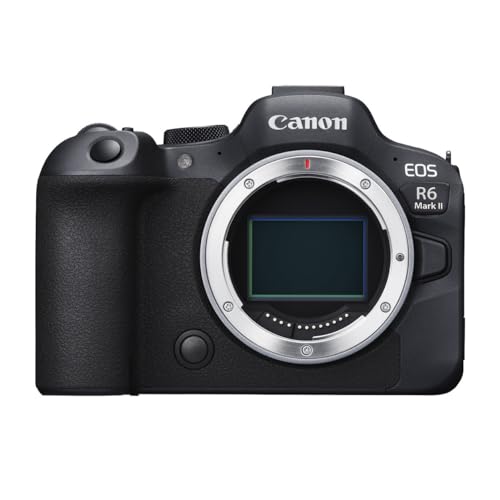
- Canon EOS R6 Mark II: check price on Amazon
- Sony Alpha 7 IV: check price on Amazon
- Nikon Z50 II: check price on Amazon
- Nikon Z50 II with Two Lenses: check price on Amazon
- Panasonic LUMIX S5II: check price on Amazon
- Sony Alpha 9 III (prose-only): sold through specialist and general retailers; search the exact model name before ordering
The best cameras for indoor sports photography are built for the worst light in all of sport. A school gym, a community ice rink or a fencing hall offers a fraction of a stadium’s light, at colour temperatures that fight each other, while the action moves at full speed a few metres away. Freezing that action demands fast shutter speeds, which demand high sensitivity, which demands a sensor that stays clean when pushed, and an autofocus system that can track a player cutting across the frame under light that makes lesser cameras give up and hunt.
Three abilities decide success indoors. The first is autofocus that acquires a moving subject and holds it through other bodies crossing the frame, ideally with subject detection trained on people. The second is burst depth: not the headline frame rate but how long the camera sustains it before the buffer chokes, because a basketball drive or a gymnastics pass does not pause for a buffer. The third is high-sensitivity cleanliness, the difference between a frame that prints and a frame that dissolves into coloured gravel at the settings indoor work forces on you.
This list is honest about tiers. Two full-frame flagships lead, two crop-sensor bodies offer the smart-money route with lens reach as a bonus, one full-frame value body serves the parent and club shooter, and one prose-only flagship is named for the professionals, so you can see what the ceiling looks like and how close the sensible money gets to it.
Key Takeaways
- Indoor sports are won at high sensitivity: sensor cleanliness at the settings dim gyms force matters more than resolution or headline frame rates.
- Autofocus subject detection for people is now the decisive feature, because gyms are chaos and the camera must know which body is the play.
- Burst depth beats burst speed: a slightly slower rate the camera sustains through a whole play beats a faster one that stalls after a second.
- A fast lens is not optional indoors; budget for the glass first and let the body tier follow what remains.
- Crop sensors are a feature here, not a compromise: their reach turns a moderate telephoto into a court-length lens from the baseline.
In this guide
Quick Picks
| Pick | Badge | Why it earns its place |
|---|---|---|
| Canon EOS R6 Mark II | Best overall for indoor sports | Rapid bursts, athlete-aware autofocus and full-frame cleanliness in gym light, at a price a serious club shooter can justify. |
| Sony Alpha 7 IV | Best autofocus pedigree | Real-time tracking with a vast lens shelf, including affordable fast telephotos that indoor shooters actually buy. |
| Nikon Z50 II | Best value action body | Flagship-style subject detection in a small crop body whose reach multiplies every lens you mount. |
| Nikon Z50 II with Two Lenses | Best starter kit in a box | The same capable body with two kit lenses that cover wide team shots and moderate reach from day one. |
| Panasonic LUMIX S5II | Best full-frame value for club shooters | Phase hybrid autofocus and a full-frame sensor at a friendlier tier, with stabilisation that helps the video side of club coverage. |
| Sony Alpha 9 III (prose-only) | The professional ceiling | A global-shutter flagship that removes rolling-shutter and flash-sync limits entirely, named so you know what the top of the mountain looks like. |
How did we choose cameras for gym light and fast action?
We started from the light, because indoor venues dictate everything else. School and club venues are commonly several stops dimmer than a televised arena, so we weighted high-sensitivity image quality and autofocus that keeps working as light falls, since many systems quietly lose their brilliance exactly when the gym gets dark. A camera that is magnificent outdoors and hesitant indoors is the wrong camera for this list, whatever its reputation.
Second, we judged tracking as a system: subject detection for athletes, customisable tracking sensitivity for the players crossing in front, and viewfinder blackout behaviour that lets you follow a play rather than guess at it. Third came the practicalities of a season: buffer depth for sustained bursts, dual card slots for the shooter whose images are promised to a school or a club, weather sealing for the walk from the car park, and lens ecosystems with a fast telephoto at a sane price.
Price was treated as the honest ladder it is. The list runs from crop-sensor value to full-frame flagship, and the verdicts say which tier each kind of shooter, parent, school photographer, club volunteer, working pro, actually needs, because indoor sports punish both underspending on light-gathering and overspending on resolution nobody asked for.
Which are the best cameras for indoor sports photography for freezing action in dim gyms?
Six picks: two full-frame leaders that split the honours between burst speed and value, two crop bodies that turn lens reach into an advantage, a full-frame all-rounder for the club shooter, and the professional ceiling, named honestly as prose-only.

Canon EOS R6 Mark II — Best overall for indoor sports
The R6 Mark II is the indoor sports sweet spot. Its full-frame sensor stays clean at the sensitivities gym light demands, its burst rate is fast enough for a layup, a spike or a vault, and its subject detection recognises people and holds the chosen athlete through the traffic of a game. The electronic shutter options include a pre-shooting mode that buffers frames before you fully press, which rescues the peak moment your reflexes would otherwise miss by a blink. For a school, club or semi-pro shooter, this is the body where the money stops buying excuses.
- Form: full-frame mirrorless body, lenses separate
- Autofocus: people subject detection with tracking
- Burst: high-speed continuous with pre-shooting mode
- Sensor: 24.2MP full-frame, strong in low light
- Cards: dual card slots for backup
The R6 Mark II habit in a gym is working from one end and letting the crop come later. Plant yourself at the baseline or the corner, shoot the action coming toward you, because faces and ball visibility live in that direction, and resist chasing play at the far end where even good frames turn into backs and distance. Set tracking sensitivity so crossing players do not steal focus from your subject, expose manually for the court rather than letting the meter chase the lights, and learn the pre-shooting buffer for set plays: half-press as the offence sets, and the camera is already remembering when the moment arrives.
Strengths
- Autofocus that understands athletes in traffic
- Clean files at gym-forced sensitivities
- Pre-shooting rescues peak moments
Trade-offs
- Resolution is modest for heavy cropping
- Fast lenses still required, body alone is half the kit
- Electronic shutter needs care under some LED lighting
Best for: Club, school and semi-pro shooters who need reliable keepers in poor light all season.
Not suited for: Huge exhibition prints from distant crops, where resolution becomes the limit.

Sony Alpha 7 IV — Best autofocus pedigree
The Alpha 7 IV brings Sony’s real-time tracking to indoor sport with a maturity the genre rewards. Its autofocus locks to a player’s eye or body and clings on through screens, cuts and collisions, its sensor resolves more detail than the Canon above for the crops court sports demand, and the lens ecosystem is its quiet superpower: fast telephoto zooms and primes exist at several prices, including third-party options that make an indoor kit affordable in stages. For the shooter building a system over two seasons rather than buying once, that shelf depth decides real-world results.
- Form: full-frame mirrorless body, lenses separate
- Autofocus: real-time eye and body tracking
- Sensor: high-resolution full-frame
- Burst: sustained continuous shooting
- Lenses: the widest native and third-party range here
Shoot the A7 IV like a system, not a body. Start with the fastest mid-telephoto zoom you can afford, because it covers the near court from a baseline seat, then add reach later as the third-party shelf tempts you. In the gym, assign the tracking to a back button so you control exactly when the hunt begins, set a floor on shutter speed and let sensitivity float within a ceiling you have tested at home, and review your keeper rate by quarter rather than by game: indoor sports photography is a percentage skill, and this camera’s contribution is a tracking system that raises the percentage most on the plays where everyone is moving at once.
Strengths
- Tracking that holds through game traffic
- Lens shelf makes staged buying painless
- Extra resolution forgives distant framing
Trade-offs
- Burst rate trails the Canon’s headline speed
- Menus take a session to personalise
- Rolling shutter care needed with full electronic shutter
Best for: System builders and shooters who crop hard and value tracking above raw burst speed.
Not suited for: Anyone wanting the fastest possible bursts at this tier without stepping to a flagship.

Nikon Z50 II — Best value action body
The Z50 II is the smart-money indoor body. Its crop sensor turns a modest telephoto into a long one, which from a gym’s fixed seating is worth more than specifications, and Nikon has given it subject detection and autofocus behaviour inherited from its flagship line, so it recognises athletes and tracks them with a seriousness unknown in bodies at this level a generation ago. It is small enough to carry to every game without negotiation, shoots respectable bursts, and its stills quality in gym light, while a step below the full-frame pair, is entirely publishable for school and club purposes.
- Form: crop-sensor mirrorless body, lenses separate
- Autofocus: subject detection inherited from flagships
- Sensor: APS-C, reach advantage on telephotos
- Burst: brisk continuous shooting
- Build: compact body for all-season carry
The Z50 II pattern is the parent’s and the school photographer’s season pass. Pair it with one fast zoom and learn your venue: every gym has a bright end and a swamp end, seats where the light works and angles where the background is clean. Shoot the near action, let the crop do the reaching, and expose for the court you have rather than the arena you wish for. Its size changes behaviour in the best way: you will actually bring it to the Tuesday game in the bad hall, and a season of attended games beats a flagship that stayed home because the bag was heavy.
Strengths
- Reach turns affordable lenses into court lenses
- Modern subject detection at a friendly tier
- Small enough to attend every game
Trade-offs
- High-sensitivity files trail full-frame
- Buffer is a sprinter, not a marathoner
- Lens shelf smaller than Sony’s or Canon’s
Best for: Parents, students and school photographers who shoot a full season on a real budget.
Not suited for: Working pros delivering to agencies in the darkest venues.

Nikon Z50 II with Two Lenses — Best starter kit in a box
This two-lens kit is the honest starting point for a family or a school buying its first real sports camera. The body brings the subject detection and tracking described above; the two zooms cover the wide establishing shot, the team huddle, the trophy table, and a moderate telephoto reach for near-court action. Kit lenses are not fast lenses, and in the dimmest gyms they will push sensitivity hard, so read this pick as the foundation: it shoots a season respectably in average light, teaches the shooter the craft, and accepts the one fast lens that experience will choose next as its graduation present.
- Form: crop mirrorless body with two kit zooms
- Coverage: wide angle through moderate telephoto
- Autofocus: full subject-detection system
- Use: stills and video for school coverage
- Upgrade path: add one fast lens when ready
Work this kit the way it asks to be worked: near the action, at the near end, in the best light the hall owns. The wide zoom is your storytelling lens for warm-ups, benches and celebrations, where its speed is sufficient and its context is the value; the longer zoom is for set plays and near baskets rather than heroic attempts at the far hoop. Keep a notebook for the first month, venue by venue, of the settings that survived each hall’s lighting, and by season’s end the kit will have taught you exactly which fast lens your photography actually needs, which is knowledge no review can sell you.
Strengths
- Complete coverage from the first day
- Same modern autofocus as the body-only pick
- Teaches the craft before the expensive lens decision
Trade-offs
- Kit lenses are slow for the darkest gyms
- Sensitivity climbs where light is worst
- Two-lens swapping mid-game invites dust and delay
Best for: Families and schools buying a first complete sports kit.
Not suited for: Dark flagship venues where only fast glass survives.

Panasonic LUMIX S5II — Best full-frame value for club shooters
The S5II brings Panasonic’s phase hybrid autofocus, the fix that made this line a genuine action tool, into a full-frame body priced for club budgets. Its sensor keeps gym files clean, its subject detection handles athletes competently, and its in-body stabilisation steadies the handheld video that club coverage increasingly demands alongside stills: the same evening now expects a gallery and a highlights clip, and this body serves both masters without a second bag. L-mount lenses from several makers keep the fast-glass ladder climbable in stages.
- Form: full-frame mirrorless body, lenses separate
- Autofocus: phase hybrid with subject detection
- Stabilisation: in-body, strong for video
- Sensor: 24.2MP full-frame
- Mount: L-mount lenses from multiple makers
The S5II habit is the hybrid evening: stills for the gallery during play, then stabilised video for the celebration, the interviews and the walk-off, without changing bodies. In the gym, lean on its subject detection for the obvious play and pre-focus manually for set pieces like free throws and serves, where you know exactly where the moment will happen and no autofocus should be trusted over knowledge. Club shooters who adopt it tend to become their venue’s entire media department, and the camera’s balance of stills cleanliness, video steadiness and price is precisely shaped for that role.
Strengths
- Full-frame cleanliness at a club-friendly tier
- Stabilisation serves the video half of coverage
- L-mount lens choice keeps growing
Trade-offs
- Burst speed is a step behind the leaders
- Tracking customisation trails Canon and Sony
- Smaller sports-shooter community to learn from
Best for: Club media volunteers and hybrid shooters covering stills and video in one evening.
Not suited for: Pure burst specialists chasing the fastest sequences in the sport.
Sony Alpha 9 III (prose-only) — The professional ceiling
This pick is prose-only in this guide, named as the reference point rather than a shopping suggestion. The Alpha 9 III is the professional sports flagship built around a global shutter, which reads the whole frame at once: no distorted balls or bent sticks under electronic shutter, and flash synchronisation at speeds that let arena strobes overpower gym light entirely. Its burst rates and tracking are the current professional standard, and agency photographers at indoor championships use exactly this class of tool. Almost no reader needs it, and that is the useful information: the gap between it and the R6 Mark II above is real but narrow, and it narrows further in a school gym where light, not shutter architecture, is the binding constraint.
- Form: professional full-frame flagship
- Shutter: global shutter, no rolling distortion
- Burst: professional-class sustained speed
- Use: agency and championship indoor sport
- Status: named for reference, not linked here
Study this camera the way an apprentice studies a master’s tools: to learn which of its powers your work actually lacks. If your indoor frames suffer from noise, reach or missed focus, the picks above solve those problems at a fraction of the commitment. The global shutter’s gifts matter when you shoot with strobes, film under vicious LED flicker at extreme rates, or deliver to editors who reject a warped ball. Until your assignment list includes those conditions, the professional ceiling is best used as a measuring stick, and the money it would consume is better spent on the fast lens that every body on this page is quietly begging for.
Strengths
- Global shutter ends rolling-shutter artefacts
- Flash sync at any speed transforms lit venues
- The tracking and burst benchmark of the era
Trade-offs
- Professional flagship commitment in every sense
- Its advantages vanish in unlit school gyms
- Demands professional support, service and spares
Best for: Working professionals shooting championships and strobe-lit arenas.
Not suited for: Everyone else, which is the point of naming it honestly.
How do the six indoor sports cameras compare side by side?
| Pick | Form | Strongest suit | Watch out |
|---|---|---|---|
| Canon EOS R6 Mark II | Full-frame mirrorless | All-round indoor action | Watch LED flicker with e-shutter |
| Sony Alpha 7 IV | Full-frame mirrorless | Tracking and cropping | Personalise the AF menus |
| Nikon Z50 II | Crop mirrorless | Value action with reach | Keep bursts short and timed |
| Nikon Z50 II with Two Lenses | Crop mirrorless kit | First-season coverage | Plan the fast-lens upgrade |
| Panasonic LUMIX S5II | Full-frame mirrorless | Hybrid club coverage | Pre-focus for set plays |
| Sony Alpha 9 III (prose-only) | Pro flagship | Championship and strobe work | Overkill for school venues |
The table’s real lesson is that venue decides tier. In a bright college arena, even the two-lens kit produces a respectable gallery; in a swamp-lit school gym, the full-frame bodies and fast glass are not luxuries but the difference between a gallery and an apology. Match the purchase to the darkest venue you shoot regularly, not the brightest, and remember that every body here improves more from its first fast lens than from any upgrade to the next body tier.
Crop versus full frame deserves its calm verdict: full frame wins on cleanliness when sensitivity climbs, crop wins on reach per unit of money, and indoor sports is the genre where both victories matter weekly. Shooters who sit close and shoot near action love the full-frame pair; shooters exiled to the far bleachers often extract more from the Nikon’s reach. Your seat, in the end, chooses your sensor.
What settings freeze indoor action without wrecking the files?
Work in manual exposure with auto sensitivity inside a tested ceiling. Set the shutter speed the sport demands, gymnastics and basketball reward the fastest you can afford in light, volleyball and martial arts a fraction less, open the lens fully, and let sensitivity float up to the highest value whose files you have inspected and accepted at home. Metering automatically in a gym is a trap, because dark backgrounds and bright courts send it wandering between frames of the same play.
Autofocus settings matter as much as exposure. Choose the subject-detection mode for people, set tracking sensitivity toward stubborn so crossing players do not steal the lock, and use a zone or flexible area rather than the whole frame, because telling the camera roughly where the play lives halves its wrong decisions. Then practise the unglamorous skill: short, timed bursts at the peak of the action rather than long hopeful ones, which fills buffers and cards with the approach and leaves nothing for the finish.
How do you deal with flickering gym lights and strange colours?
Many indoor venues light themselves with sources that pulse with the mains, so consecutive frames in a burst can differ in brightness and colour like a disco. The defences are practical: prefer mechanical or first-curtain shutter modes where your camera offers anti-flicker shooting, time bursts a little longer so some frames land in good light, and set a custom white balance from the court itself rather than trusting automatic correction to agree with itself across a sequence.
Colour in mixed venues, daylight windows at one end, sodium or LED at the other, will never be perfect, and the professional habit is to choose the light the subject plays in most and correct the rest in the edit. Shoot raw if your workflow allows it, because the white-balance rescue a raw file permits is the difference between a strange frame and a lost one, and gyms specialise in making that difference matter.
Where should you stand, and what should you shoot besides the play?
Position is the cheapest image quality in sports photography. Shoot action coming toward you, from low where the venue allows, because a low angle gives athletes stature and separates them from the visual clutter of bleachers and banners. Learn your venue’s clean backgrounds, the plain wall, the dark curtain, and work the angles that put players against them; a technically ordinary frame against a clean background beats a sharper frame against a fire exit sign and a row of faces.
Finally, shoot the whole event and not only its peaks: the warm-up concentration, the bench during a timeout, the coach’s hands, the handshake line, the empty court under the lights before doors. Indoor sport is a community ritual as much as a contest, and the gallery that tells that story is the one schools and clubs keep, long after the score is forgotten. The cameras here all have the stamina for that longer assignment; bring the curiosity yourself.
How do you build an indoor sports kit in stages without wasting money?
Stage one is the body and one fast zoom, bought together even if it means the friendlier body, because a flagship behind slow glass loses to a mid-tier body behind fast glass in every gym on earth. Shoot the first season honestly and keep a simple log: the venues, the settings that survived them, the shots you missed and why. That log, not a forum, writes the shopping list for stage two, because it records whether your misses were reach, light, burst or focus, and each of those failures has a different cure at a different price.
Stage two is usually reach or a second fast lens, chosen by the log. Shooters exiled to distant seats buy length; shooters with floor access buy a fast wide-to-mid zoom for the near game and the celebrations. Stage three is the unglamorous multipliers: fast cards that clear buffers at the speed your bursts assume, a second battery, and a bag that makes the kit a single grab. Notice that a second body arrives late in this plan, when the work, a school contract, a club’s whole programme, genuinely needs two framings at once.
What never appears on the list is the upgrade for its own sake. Indoor sports gear depreciates like gym shoes, and the shooters whose galleries improve year on year are the ones who bought light-gathering and knowledge in alternation: a lens, then a season; a body, then a season. The cameras here were tiered to make that alternation possible, so a Z50 II shooter can grow into the full-frame tier without the first purchase becoming a write-off, its lenses and lessons both carrying forward.
How do you shoot specific indoor sports differently?
Basketball rewards the baseline and the near corner: shoot the drive coming toward you, pre-focus nothing, trust tracking, and keep bursts short at the gather and the release. Volleyball splits in two, the net game shot from an elevated side where hands and ball share the frame, and the back-row defence shot low and wide. Gymnastics is a study in pre-focusing: the apparatus does not move, so focus on the vault table, the beam’s dismount end, the rings, and let the athlete arrive in your preparation, with the floor exercise the honourable exception that tracking must chase.
Ice hockey through glass is its own discipline: shoot through the cleanest panel you can find, lens close to the glass to kill reflections, and accept the colour cast as the venue’s signature, or shoot over the glass from the bench gate where the rink allows. Martial arts and fencing reward anticipation of the exchange rather than the lunge’s end, and wrestling and weightlifting reward the face as much as the effort, so frame a fraction wider than the action and let expression complete the photograph.
Swimming indoors adds humidity, warm wet air and starting blocks’ explosive brevity: acclimatise the camera to the pool’s air before the session or lose the first races to fog, and shoot the start and the turns, where the sport’s drama concentrates, rather than the long anonymous lengths between. Every indoor sport, studied for one evening, reveals its two or three repeatable moments, and the professional secret is simply that the camera is always ready at those moments and resting between them.
How should you deliver a gallery a school or club will actually use?
Edit like an editor, not like the shooter. A school needs thirty strong frames that tell the evening, the arrival, the contest, the turning point, the celebration, the handshake, far more than it needs three hundred near-duplicates of the star player. Cull ruthlessly, correct colour to a consistent warmth across the set, and deliver at sizes the school’s channels actually use, with a small set of full-resolution files for the prints and yearbook that justify your fast lens to anyone who asks.
Names and consent are part of delivery in school sport. Learn the programme’s policy on photographing minors, deliver through the channels the school designates rather than your own public pages, and caption with names where the school supplies and approves them, because a correctly named photograph in a yearbook outlives a thousand anonymous likes. The photographers schools invite back are the ones who understood that the gallery is a safeguarding document as well as a celebration.
Finally, archive like the season matters, because in five years it will. Keep the raw files of the keepers, foldered by date and fixture, backed up in two places, and resist deleting the near-misses of the players who graduated; the reserve who barely played becomes the alumnus who asks, and the photographer who can answer owns a place in the community no camera on this page can buy.
What does a season of indoor sport do to your gear, and how do you protect it?
Gyms are kinder than weather and crueller than studios. The hazards are specific: a basketball arriving at full pace, a volleyball spiked toward the baseline, condensation when a cold camera enters a warm humid hall, and the slow abrasion of being carried twice a week for six months. The defences match: sit where the game’s geometry protects you, acclimatise the bag inside the hall before opening it, keep a filter on the front element as a sacrificial surface, and let the strap be a habit rather than an accessory, because every dropped camera in this genre was being held casually for just a second.
Shutters and buffers age with use in ways a season makes visible. A body fired in bursts all winter accumulates actuations like a car accumulates miles, which is an argument for the mid-tier bodies’ honesty: they are priced so that a hard season is a cost of doing business rather than a tragedy, and for keeping the flagship, where one is owned, for the fixtures that justify it. Clean the sensor before the big tournament, not after its spots appear in every sky-bright frame of the final.
Insurance and registration sound like bureaucracy until the evening they are not. Photograph your serial numbers, keep the receipts with the archive, and if the kit earns money or anchors a school’s programme, insure it as the working tool it has become. The cameras here span prices where that conversation starts to matter, and part of growing as a sports photographer is treating the bag with the same seriousness as the gallery it produces.
How do you practise indoor sports photography without a game?
Practise the mechanics where failure is free. A school corridor, a dog in a garden at dusk, traffic at a junction: all offer moving subjects in poor light where tracking settings, burst timing and exposure discipline can be drilled until the controls are reflexes. Set the camera exactly as the gym will demand, manual exposure, floating sensitivity, subject detection, and shoot a hundred frames of anything that moves; the point is not the photographs but the hands, which must learn the camera in the dark, at speed, while your eyes stay on the action.
Study your venue on a night you are not shooting. Sit where the photographers sit, watch where the light pools and where it dies, note the backgrounds the players cross, and time the game’s rhythm until you can feel a play developing a second before it does. Anticipation is the skill that separates the gallery from the near-miss archive, and it is learned by watching far more than by shooting. The professionals at the biggest arenas are, by frame count, mostly watchers who occasionally press a button.
Review with a ruthlessness games do not allow. After each practice set, sort the frames by failure: missed focus, wrong moment, bad light, poor position, and count them honestly, because the largest pile is your next lesson and it is rarely the one you expected. Indoor sports photography improves at the speed of that honesty, and a season of it will move a shooter further than any body on this page could carry them in a year of unexamined games.
How do you handle the politics of the baseline?
Access is earned in behaviour before it is granted in passes. Arrive early, introduce yourself to the officials and the coaches, ask where photographers may stand and where the game’s sightlines forbid, and then be visibly, boringly reliable in those places all evening. The shooter who never blocks a referee, never argues a call with a lens, and never posts a frame that embarrasses a child becomes the shooter whose presence stops being negotiated, and access, once normalised, is worth more than any lens in the bag.
Parents and players are stakeholders, not obstacles. A word about where the gallery will appear, a business card or a note through the school, and a habit of sharing the good frames generously through the proper channels builds the goodwill that fills your frame with cooperation: teams that know the photographer hold the celebration a second longer, and coaches who trust the camera admit it to the huddle. None of this appears in a specification sheet, and all of it appears in the photographs.
Know when to lower the camera. Injuries, distress and the raw moments of young athletes belong to them, not to the gallery, and the judgement to stop shooting is the credential the community actually checks. The cameras here will freeze anything; the photographer’s craft includes choosing what not to freeze, and a reputation for that restraint opens more doors in school and club sport than any portfolio of peak action ever will.
What do the numbers on a sports camera actually buy you?
Frame rate buys probability, not quality. Doubling the frames per second roughly doubles the chances that one frame lands on the exact peak, the ball on the fingertips, the gymnast at full extension, and it costs buffer, battery and card in proportion. The mature shooter buys enough rate to make the peak probable and then invests in timing, because a well-timed six frames contain the moment more reliably than a sprayed thirty that began too early and filled the buffer before the play arrived.
Resolution buys distance. Its true function in this genre is not detail for its own sake but the right to crop, to sit where you are allowed and still deliver the frame the play deserved. That is why the A7 IV’s extra resolution is a genuine sports feature here and why the crop bodies punch so far above their price: they spend their pixels where the action is. Judge resolution by the seat you actually occupy, and it stops being a bragging number and becomes a seating plan.
Sensitivity ratings buy the fourth quarter. The number that matters is not the maximum a body advertises but the highest setting whose files you have personally inspected and accepted, because that setting is your real shutter-speed budget in the worst hall of the season. Test it at home, on a dim evening, at the settings the gym will force, and write the result in the camera bag. Every body here has an honest ceiling; knowing yours is worth more than the next tier’s brochure.
How do you photograph the sports nobody televises?
Most indoor sport happens far from broadcast: fencing in a school hall, table tennis in a leisure centre, martial arts in a community dojo, climbing in a converted warehouse. These venues share the genre’s hardest light and its most rewarding access, because the photographer can stand closer, learn the athletes’ names and become part of the event’s furniture in a way stadium sport forbids. The mid-tier bodies here are not compromises in such rooms; paired with fast glass and knowledge of the space, they are the professional solution the sport actually uses.
Each small sport hides its decisive geometry. Fencing is a line, so shoot along it and let the lunge come down the lens. Climbing is vertical, so the low angle that flatters also tells the truth about height. Martial arts turn on exchanges too fast to chase, so frame the space between the athletes and let the technique arrive. Table tennis rewards the side view at table height, where the ball’s blur draws the speed the still frame cannot hold. An evening spent watching before shooting is the tuition each sport charges, and it is always worth paying.
The reward for this attention is a portfolio with a soul. The famous sports arrive pre-photographed by a thousand better-placed cameras; the un-televised ones offer images that have never existed before, of athletes whose dedication matches any professional’s and whose families have never seen them rendered with this care. Many working sports photographers built their entire reputations in such rooms, on bodies no dearer than these, and the work outlasts the stadium galleries precisely because it was irreplaceable from the first frame.
How do you keep improving when the season ends?
Edit the season into a book, even a private one. Selecting thirty frames from thousands forces the year’s lessons into the open: which venue beat you, which sport you finally understood in March, how the keeper rate moved and why. Print the best handful at a size that argues back, because a large print is the least forgiving editor in photography and will find the soft focus and the noise that a screen forgave. The bodies here all produce files that survive that scrutiny when the light was respected, which is the standard to hold the next season to.
Study the masters of your specific sport rather than of photography in general. Every indoor discipline has its two or three defining photographers, and their contact sheets, where published, teach the real curriculum: how many frames a moment costs, where they stand, what they refuse to shoot. Measure your own contact sheets against that honesty and the gap becomes a syllabus instead of a discouragement, itemised into positions, timings and settings that a summer of practice can actually close.
Maintain the kit and the relationships in the off-season with equal care. Send the bodies for the cleaning the season earned, replace the strap that frayed, and send the year’s best frames, printed, to the coaches and schools whose basements and baselines hosted you. The next season’s access is being decided in those envelopes. Indoor sports photography is finally a community practice with cameras attached, and the photographers who treat it that way find that the genre keeps its doors, and its best light, open for them.
What mistakes do indoor sports beginners always make?
- Letting the camera meter automatically, so identical plays produce wildly different exposures as the background changes.
- Shooting from the bleachers at the far end and cropping desperate frames out of distant, noisy files.
- Using a slow kit lens wide open at its long end, the darkest possible combination, in the darkest venue of the season.
- Holding the shutter down for whole plays, filling the buffer before the peak and filling the card before the fourth quarter.
- Trusting auto white balance under mixed gym lighting and delivering a team with green faces.
- Standing all game: never trying the low baseline angle that turns club sport into drama.
Underneath them all sits the beginner’s belief that the camera is the project. Indoors, the project is light management: a fast lens, a tested sensitivity ceiling, a chosen position and a practised burst discipline contribute more keepers than any body upgrade. Buy the body that fits your venue from this list, then spend the season learning the venue itself.
Final Recommendation
Most indoor shooters should buy the Canon EOS R6 Mark II and the fastest telephoto zoom their budget survives; it is the complete answer at this level. Choose the Sony A7 IV if you crop hard or are building a lens system for years, the Nikon Z50 II if reach and value lead, its two-lens kit if the season starts from zero, and the Panasonic S5II if the same evening demands video. Admire the Alpha 9 III, then spend its price on glass. Indoors, the best camera is the one whose autofocus you trust in bad light, pointed through a fast lens, from the right seat.
Related guides
- Best Cameras for Videography Student: Learn Fast, Spend Wisely
- Best Cameras for Photographing Sports: Tracking, Bursts and Floodlight Honesty
Frequently Asked Questions
Is full frame necessary for indoor sports?
Not necessary, but genuinely helpful in the darkest venues, where its cleaner high-sensitivity files survive the settings gym light forces. In average school light a crop body with a fast lens produces entirely respectable galleries, and the lens matters more than the sensor size in both cases.
What is the one lens to buy first?
The fastest mid-to-long telephoto zoom you can afford, because it covers near-court action from realistic seats at apertures that keep sensitivity sane. Every body here becomes an indoor sports camera the day that lens arrives, and remains a tourist until it does.
Why do my burst photos change brightness frame to frame?
That is light flicker: many venue lights pulse faster than the eye sees, and short exposures sample different points of the pulse. Use your camera’s anti-flicker mode if it has one, prefer shutter modes designed to counter it, and shoot slightly longer bursts so good frames are guaranteed inside each sequence.
How do I stop autofocus jumping to the wrong player?
Tell it less and mean it more: use a zone area over the play rather than the full frame, set tracking sensitivity toward the stubborn end so crossing bodies are ignored, and start tracking your subject before the play develops rather than at its peak. Subject detection for people, where offered, does the rest.
Can I shoot indoor sports with the kit lens I already own?
You can, in the brighter venues, from close positions, accepting high sensitivity and its noise as the price. Shoot the near action, favour set plays over fast breaks, and save the fast-lens fund with intent; the kit’s limits will teach you exactly which lens your sport needs.
Do I need the fastest burst rate available?
You need sustained, well-timed bursts more than headline speed. A play’s peak lasts a fraction of a second; a camera that fires moderately fast for several seconds, with you pressing at the right moment, outproduces a faster camera that stalls early or a shooter who sprays entire possessions and keeps none of them sharp.
Should I shoot in RAW or JPEG indoors?
JPEG with a custom white balance serves fast delivery and small cards, and modern bodies produce excellent files; RAW serves rescue, of white balance under mixed lights and of exposures the gym’s flicker ruined, at the cost of storage and editing time. Many working school shooters shoot RAW for the first quarter while light is assessed, then decide, which is a reasonable marriage of both doctrines.
How do I photograph indoor sport without disturbing play?
Stay out of officials’ sightlines, never use flash during play unless the venue and the sport explicitly allow it, keep shutter sound in mind in quiet sports like fencing or snooker-style events where silent modes exist for a reason, and learn where photographers are expected to stand before the fixture rather than improvising during it.
Is a monopod worth carrying indoors?
For long lenses and long evenings, yes: it carries the weight your arms would otherwise spend by the third quarter, and steadier arms mean steadier tracking in the fourth. In tight school gyms it can be a trip hazard in the wrong spot, so plant it where the baseline traffic does not flow, and learn to shoot the near game without it when the venue is cramped.
How do I get sharp photos when players wear dark kits under dim lights?
Expose for the faces and accept the kit falling dark, because the story lives in expressions and the ball, not in the shirt’s weave. Raise the sensitivity ceiling you tested, keep the shutter speed honest, and prefer the frames where a face turns toward the venue’s best light; a season of indoor work teaches you to wait for those turns rather than chase every phase of play equally.
What is the best way to learn a new venue quickly?
Arrive during the warm-ups and shoot them as if they were the game. The warm-up gives you the venue’s light, its backgrounds and its sightlines at full honesty, with athletes moving at near-game speed and nothing at stake, so your exposure, white balance and position decisions are all tested before the first whistle. Review the frames on the spot, move once if the evidence says move, and when the game starts your only remaining job is timing, which is the job you actually came to do.
Related Guides
Keep reading with best cameras for hunting and fishing videos com and best cameras for game film and best cameras for indoor interviews.


