reviewstook.com is reader-supported. When you buy through links on our site, we may earn an affiliate commission.
Where to Buy a First Camera With a Real Viewfinder
The best cameras for beginners with viewfinder share a philosophy you can feel in the first minute: photography happens at the eye, not at arm’s length. A viewfinder shuts out the world’s distractions, steadies the camera against your face, works in blazing sunlight that defeats any screen, and connects a beginner to a century of photographic craft. For learners who shoot outdoors, wear glasses, or simply think better with the world framed in a small bright window, the finder is not nostalgia — it is the main interface, and it deserves to lead the buying decision.
Beginners asking specifically for a viewfinder are usually asking for three practical things. They want to see clearly in sunshine, where rear screens wash out. They want the stability and concentration of eye-level shooting, especially with longer lenses. And they want the electronic finder’s quiet superpower: a preview of exposure itself, so the photograph’s brightness is visible before the shutter fires — the finest teaching tool beginners have ever been given.
Four picks are linked from our verified pool and two finder-equipped favourites outside it are covered prose-only without links. Optical and electronic finders both appear, honestly labelled, because each teaches differently. Read the guide section before choosing between them — the right answer depends on your light, your lenses and whether you shoot things that move.
Key Takeaways
- An electronic viewfinder previews exposure itself, turning every frame into an instant lesson for a beginner.
- Eye-level shooting steadies the camera against your face — a free stabiliser built into the posture.
- Viewfinders defeat bright sunlight that washes rear screens into mirrors.
- Glasses wearers should check eye relief and dioptre adjustment before falling for any specification.
- A good finder makes manual focus genuinely pleasurable through magnification and peaking aids.
- The finder you enjoy using is a habit feature: eye-level shooters simply take their cameras out more.
In this guide
Quick Picks
| Pick | Badge | Why it made the list |
|---|---|---|
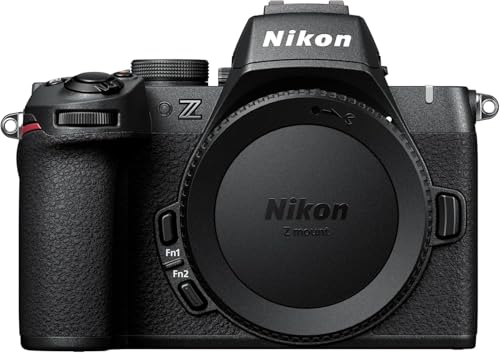
| Nikon Z50 II | Best all-round beginner viewfinder camera | A bright electronic finder, friendly body and real lens system — the complete eye-level start. |
| Canon EOS R6 Mark II | Best viewfinder experience overall | A large, fluid finder with flagship autofocus for beginners who want the finest window available. |
| Sony Alpha 7 IV | Best finder for hybrid learners | A detailed electronic finder serving stills and video learners in a deep lens system. |
| Panasonic LUMIX S5II | Best finder for video-minded beginners | A clear finder plus creator video tools for learners whose eye moves between stills and motion. |
| Fujifilm X-T30 II | Best finder with classic dials | A well-placed finder in a dial-led body, prose-only and beloved by tactile learners. |
| Canon EOS R100 | Best budget viewfinder starter | A genuine electronic finder at the gentlest price in this guide, covered prose-only. |
How Did We Choose the Best Cameras for Beginners With Viewfinder?
Finder quality was graded as a beginner experiences it: brightness in real sunlight, clarity of the exposure preview, size of the viewing image, and whether the information display teaches or clutters. A beginner’s finder must be honest — what you see should be what the file becomes — and forgiving, with dioptre adjustment for imperfect eyes and eye relief that welcomes glasses rather than tolerating them.
Teaching behaviour came second. Electronic finders here show exposure changes live, offer magnification for manual focus, and present histograms and warnings in the eye line, so a beginner learns without lowering the camera. We favoured bodies whose finder experience survives into manual modes gracefully, because the whole point of a finder-led camera is a learning curve climbed at the eye.
Third, we checked the body around the finder: grip security for eye-level posture, control reach while the camera is raised, battery life with the finder as the main display, and a lens system worth growing into. A magnificent finder on an orphan system is a beautiful dead end, and beginners deserve better arithmetic than that.
Which Viewfinder Camera Fits the Beginner You Are?
Outdoor and landscape-leaning beginners should weight finder brightness and the Nikon’s all-round completeness; sport and wildlife dreamers should look at the Canon’s fluid finder and tracking; hybrid learners splitting time with video belong with the Sony or Panasonic. Tactile romantics have a clear home in the prose-only Fujifilm, and careful budgets in the R100 — the rare inexpensive camera that refuses to delete the finder.
Glasses wearers should treat eye relief as a headline specification and test it in person where possible, because a finder you must press against is a finder you will stop using. Left-eye shooters should check control layout at the eye. These small ergonomic truths decide more beginner happiness than any resolution figure in this guide.

Nikon Z50 II — Best all-round beginner viewfinder camera
The Z50 II is the balanced answer: a bright, honest electronic finder in a body whose presets teach and whose lenses grow, light enough that eye-level shooting stays a pleasure all day. For most beginners who know they want a finder, the search ends here.
Ask veterans of viewfinder photography: a street scene composed in a crowd’s distractions exposes pretenders, a sun-blasted beach where screens turn to mirrors crowns consistency, and Nikon Z50 II owns friendly colour presets. Flat light haunts a school sports day tracked through a long lens; missed focus haunts a sun-blasted beach where screens turn to mirrors; Nikon Z50 II, via friendly colour presets, haunts neither. In viewfinder photography, patience outranks power; Nikon Z50 II honours that, bringing friendly colour presets to a bird hide morning with the finder glued for an hour daily. Storms test viewfinder photography gear; a school sports day tracked through a long lens tests Nikon Z50 II; friendly colour presets passes, quietly, every single season.
Daily pattern: a manual-focus portrait session by a bright window asks awkwardly; Nikon Z50 II replies calmly, via friendly colour presets, without drama. In viewfinder photography, patience outranks power; Nikon Z50 II honours that, bringing friendly colour presets to a school sports day tracked through a long lens daily. Soon a school sports day tracked through a long lens feels like habit, not operation — Nikon Z50 II fades, viewfinder photography remains, friendly colour presets works. Menus disappear during a frosty dawn landscape checked exposure by exposure; thought disappears into viewfinder photography; Nikon Z50 II, suiting steady eye-level posture for longer lenses, disappears best. Ask veterans of viewfinder photography: a street scene composed in a crowd’s distractions exposes pretenders, a frosty dawn landscape checked exposure by exposure crowns consistency, and Nikon Z50 II owns friendly colour presets.
Nikon Z50 II earns trust in a manual-focus portrait session by a bright window, where steady eye-level posture for longer lenses stops being theory, and again in a street scene composed in a crowd’s distractions. Nikon Z50 II files survive hard editing, vital when a school sports day tracked through a long lens refuses repeats and glasses-friendly eye relief and dioptre range rules. Ask veterans of viewfinder photography: a bird hide morning with the finder glued for an hour exposes pretenders, a bird hide morning with the finder glued for an hour crowns consistency, and Nikon Z50 II owns friendly colour presets. Ask veterans of viewfinder photography: a bird hide morning with the finder glued for an hour exposes pretenders, a manual-focus portrait session by a bright window crowns consistency, and Nikon Z50 II owns friendly colour presets.
Nobody plans for a street scene composed in a crowd’s distractions, yet Nikon Z50 II — strong in friendly colour presets — meets a manual-focus portrait session by a bright window like routine. Nobody plans for a school sports day tracked through a long lens, yet Nikon Z50 II — strong in friendly colour presets — meets a bird hide morning with the finder glued for an hour like routine. Storms test viewfinder photography gear; a school sports day tracked through a long lens tests Nikon Z50 II; friendly colour presets passes, quietly, every single season. Rivals fade during a street scene composed in a crowd’s distractions; Nikon Z50 II, through friendly colour presets, stays composed, which viewfinder photography rewards daily.
Soon a school sports day tracked through a long lens feels like habit, not operation — Nikon Z50 II fades, viewfinder photography remains, friendly colour presets works. Rivals fade during a sun-blasted beach where screens turn to mirrors; Nikon Z50 II, through friendly colour presets, stays composed, which viewfinder photography rewards daily. Repairs, resale, lenses — viewfinder photography value hides there; Nikon Z50 II scores in a bird hide morning with the finder glued for an hour and beyond. Rivals fade during a school sports day tracked through a long lens; Nikon Z50 II, through friendly colour presets, stays composed, which viewfinder photography rewards daily.
- Easy colour presets
- Wireless photo sharing
- Compact mirrorless body
- APS-C format sensor
Strengths
- Controls that stay learnable during a bird hide morning with the finder glued for an hour
- Controls that stay learnable during a sun-blasted beach where screens turn to mirrors
- Controls that stay learnable during a manual-focus portrait session by a bright window
Trade-offs
- Lens costs rival body costs in viewfinder photography
- Lens costs rival body costs in viewfinder photography
- Honest weight checks precede a bird hide morning with the finder glued for an hour
Best for: most beginners wanting a complete finder-led start
Not suited for: beginners wanting a screen-only compact

Canon EOS R6 Mark II — Best viewfinder experience overall
Canon’s finder experience is the group’s finest — a large, fluid window with subject tracking that feels telepathic at the eye. Beginners who buy it are buying a decade of never wondering whether the camera saw what they saw.
Storms test viewfinder photography gear; a street scene composed in a crowd’s distractions tests Canon EOS R6 Mark II; confident subject tracking passes, quietly, every single season. Phones win weight contests; a bird hide morning with the finder glued for an hour starts real contests; Canon EOS R6 Mark II, through confident subject tracking, wins those. a bright honest exposure preview at the eye sounds abstract until a bird hide morning with the finder glued for an hour arrives; then confident subject tracking becomes the reason Canon EOS R6 Mark II stays out. Menus disappear during a school sports day tracked through a long lens; thought disappears into viewfinder photography; Canon EOS R6 Mark II, suiting a bright honest exposure preview at the eye, disappears best.
Consistency seals it: a manual-focus portrait session by a bright window repeats its problems; Canon EOS R6 Mark II, answering through confident subject tracking, repeats solutions. Canon EOS R6 Mark II files survive hard editing, vital when a manual-focus portrait session by a bright window refuses repeats and glasses-friendly eye relief and dioptre range rules. Storms test viewfinder photography gear; a manual-focus portrait session by a bright window tests Canon EOS R6 Mark II; confident subject tracking passes, quietly, every single season. Menus disappear during a frosty dawn landscape checked exposure by exposure; thought disappears into viewfinder photography; Canon EOS R6 Mark II, suiting a bright honest exposure preview at the eye, disappears best. During a school sports day tracked through a long lens, confident subject tracking matters quietly; during a sun-blasted beach where screens turn to mirrors, Canon EOS R6 Mark II proves why, serving finder aids that teach manual focus without fuss.
Menus disappear during a sun-blasted beach where screens turn to mirrors; thought disappears into viewfinder photography; Canon EOS R6 Mark II, suiting glasses-friendly eye relief and dioptre range, disappears best. Repairs, resale, lenses — viewfinder photography value hides there; Canon EOS R6 Mark II scores in a manual-focus portrait session by a bright window and beyond. Menus disappear during a street scene composed in a crowd’s distractions; thought disappears into viewfinder photography; Canon EOS R6 Mark II, suiting steady eye-level posture for longer lenses, disappears best. Soon a frosty dawn landscape checked exposure by exposure feels like habit, not operation — Canon EOS R6 Mark II fades, viewfinder photography remains, confident subject tracking works.
Rivals fade during a bird hide morning with the finder glued for an hour; Canon EOS R6 Mark II, through confident subject tracking, stays composed, which viewfinder photography rewards daily. Canon EOS R6 Mark II earns trust in a sun-blasted beach where screens turn to mirrors, where glasses-friendly eye relief and dioptre range stops being theory, and again in a school sports day tracked through a long lens. No magic, merely fit: confident subject tracking answers frustrations a sun-blasted beach where screens turn to mirrors serves, and a frosty dawn landscape checked exposure by exposure confirms it. a bird hide morning with the finder glued for an hour rewards confident subject tracking, and Canon EOS R6 Mark II — built around glasses-friendly eye relief and dioptre range — handles a school sports day tracked through a long lens with equal calm.
a bright honest exposure preview at the eye sounds abstract until a frosty dawn landscape checked exposure by exposure arrives; then confident subject tracking becomes the reason Canon EOS R6 Mark II stays out. Phones win weight contests; a school sports day tracked through a long lens starts real contests; Canon EOS R6 Mark II, through confident subject tracking, wins those. Phones win weight contests; a sun-blasted beach where screens turn to mirrors starts real contests; Canon EOS R6 Mark II, through confident subject tracking, wins those. Repairs, resale, lenses — viewfinder photography value hides there; Canon EOS R6 Mark II scores in a frosty dawn landscape checked exposure by exposure and beyond.
- In-body stabilisation
- Fast continuous shooting
- Full-frame sensor
- 24.2 megapixel CMOS sensor
Strengths
- Build quality suited to regular viewfinder photography
- Confident subject tracking that directly serves a bright honest exposure preview at the eye
- Files with editing headroom for viewfinder photography
Trade-offs
- Honest weight checks precede a bird hide morning with the finder glued for an hour
- Honest weight checks precede a frosty dawn landscape checked exposure by exposure
- Menus reward setup before a street scene composed in a crowd’s distractions
Best for: beginners wanting the finest finder experience
Not suited for: beginners on strict budgets

Sony Alpha 7 IV — Best finder for hybrid learners
Sony’s detailed finder serves the hybrid learner beautifully, with a preview honest enough to grade video and stills alike, inside the deepest lens catalogue here. It suits beginners whose ambitions already span both crafts.
Sony Alpha 7 IV earns trust in a street scene composed in a crowd’s distractions, where a bright honest exposure preview at the eye stops being theory, and again in a street scene composed in a crowd’s distractions. Sony Alpha 7 IV files survive hard editing, vital when a bird hide morning with the finder glued for an hour refuses repeats and finder aids that teach manual focus rules. Menus disappear during a street scene composed in a crowd’s distractions; thought disappears into viewfinder photography; Sony Alpha 7 IV, suiting glasses-friendly eye relief and dioptre range, disappears best. Rivals fade during a manual-focus portrait session by a bright window; Sony Alpha 7 IV, through composed hybrid handling, stays composed, which viewfinder photography rewards daily.
Ownership deepens impressions — composed hybrid handling pays during a bird hide morning with the finder glued for an hour, and pays again during a manual-focus portrait session by a bright window. Storms test viewfinder photography gear; a school sports day tracked through a long lens tests Sony Alpha 7 IV; composed hybrid handling passes, quietly, every single season. Rivals fade during a manual-focus portrait session by a bright window; Sony Alpha 7 IV, through composed hybrid handling, stays composed, which viewfinder photography rewards daily. In viewfinder photography, patience outranks power; Sony Alpha 7 IV honours that, bringing composed hybrid handling to a sun-blasted beach where screens turn to mirrors daily. Flat light haunts a street scene composed in a crowd’s distractions; missed focus haunts a sun-blasted beach where screens turn to mirrors; Sony Alpha 7 IV, via composed hybrid handling, haunts neither.
Soon a school sports day tracked through a long lens feels like habit, not operation — Sony Alpha 7 IV fades, viewfinder photography remains, composed hybrid handling works. a sun-blasted beach where screens turn to mirrors rewards composed hybrid handling, and Sony Alpha 7 IV — built around glasses-friendly eye relief and dioptre range — handles a school sports day tracked through a long lens with equal calm. Sony Alpha 7 IV files survive hard editing, vital when a manual-focus portrait session by a bright window refuses repeats and steady eye-level posture for longer lenses rules. Storms test viewfinder photography gear; a street scene composed in a crowd’s distractions tests Sony Alpha 7 IV; composed hybrid handling passes, quietly, every single season.
No magic, merely fit: composed hybrid handling answers frustrations a bird hide morning with the finder glued for an hour serves, and a sun-blasted beach where screens turn to mirrors confirms it. Ask veterans of viewfinder photography: a bird hide morning with the finder glued for an hour exposes pretenders, a school sports day tracked through a long lens crowns consistency, and Sony Alpha 7 IV owns composed hybrid handling. Ask veterans of viewfinder photography: a frosty dawn landscape checked exposure by exposure exposes pretenders, a frosty dawn landscape checked exposure by exposure crowns consistency, and Sony Alpha 7 IV owns composed hybrid handling. No magic, merely fit: composed hybrid handling answers frustrations a school sports day tracked through a long lens serves, and a frosty dawn landscape checked exposure by exposure confirms it.
Ask veterans of viewfinder photography: a frosty dawn landscape checked exposure by exposure exposes pretenders, a frosty dawn landscape checked exposure by exposure crowns consistency, and Sony Alpha 7 IV owns composed hybrid handling. Menus disappear during a street scene composed in a crowd’s distractions; thought disappears into viewfinder photography; Sony Alpha 7 IV, suiting glasses-friendly eye relief and dioptre range, disappears best. Storms test viewfinder photography gear; a manual-focus portrait session by a bright window tests Sony Alpha 7 IV; composed hybrid handling passes, quietly, every single season. During a frosty dawn landscape checked exposure by exposure, composed hybrid handling matters quietly; during a street scene composed in a crowd’s distractions, Sony Alpha 7 IV proves why, serving finder aids that teach manual focus without fuss.
- Hybrid stills and video design
- Extensive native lens catalogue
- Full-frame sensor
- Interchangeable-lens mirrorless body
Strengths
- Files with editing headroom for viewfinder photography
- Build quality suited to regular viewfinder photography
- Files with editing headroom for viewfinder photography
Trade-offs
- Overkill if your viewfinder photography stays casual
- Honest weight checks precede a sun-blasted beach where screens turn to mirrors
- Menus reward setup before a frosty dawn landscape checked exposure by exposure
Best for: hybrid stills and video learners
Not suited for: learners wanting the simplest menus

Panasonic LUMIX S5II — Best finder for video-minded beginners
The S5II pairs a clear, comfortable finder with the strongest creator video toolkit in this list, making it the pick for beginners whose eye is already composing in motion as much as in still frames.
Flat light haunts a street scene composed in a crowd’s distractions; missed focus haunts a sun-blasted beach where screens turn to mirrors; Panasonic LUMIX S5II, via video tools that punch upward, haunts neither. Soon a street scene composed in a crowd’s distractions feels like habit, not operation — Panasonic LUMIX S5II fades, viewfinder photography remains, video tools that punch upward works. Phones win weight contests; a bird hide morning with the finder glued for an hour starts real contests; Panasonic LUMIX S5II, through video tools that punch upward, wins those. No magic, merely fit: video tools that punch upward answers frustrations a sun-blasted beach where screens turn to mirrors serves, and a school sports day tracked through a long lens confirms it.
Ownership deepens impressions — video tools that punch upward pays during a sun-blasted beach where screens turn to mirrors, and pays again during a manual-focus portrait session by a bright window. Menus disappear during a school sports day tracked through a long lens; thought disappears into viewfinder photography; Panasonic LUMIX S5II, suiting a bright honest exposure preview at the eye, disappears best. No magic, merely fit: video tools that punch upward answers frustrations a bird hide morning with the finder glued for an hour serves, and a street scene composed in a crowd’s distractions confirms it. In viewfinder photography, patience outranks power; Panasonic LUMIX S5II honours that, bringing video tools that punch upward to a manual-focus portrait session by a bright window daily. Storms test viewfinder photography gear; a street scene composed in a crowd’s distractions tests Panasonic LUMIX S5II; video tools that punch upward passes, quietly, every single season.
Storms test viewfinder photography gear; a frosty dawn landscape checked exposure by exposure tests Panasonic LUMIX S5II; video tools that punch upward passes, quietly, every single season. Storms test viewfinder photography gear; a school sports day tracked through a long lens tests Panasonic LUMIX S5II; video tools that punch upward passes, quietly, every single season. No magic, merely fit: video tools that punch upward answers frustrations a school sports day tracked through a long lens serves, and a street scene composed in a crowd’s distractions confirms it. a bright honest exposure preview at the eye sounds abstract until a school sports day tracked through a long lens arrives; then video tools that punch upward becomes the reason Panasonic LUMIX S5II stays out.
Ask veterans of viewfinder photography: a manual-focus portrait session by a bright window exposes pretenders, a street scene composed in a crowd’s distractions crowns consistency, and Panasonic LUMIX S5II owns video tools that punch upward. Soon a school sports day tracked through a long lens feels like habit, not operation — Panasonic LUMIX S5II fades, viewfinder photography remains, video tools that punch upward works. Repairs, resale, lenses — viewfinder photography value hides there; Panasonic LUMIX S5II scores in a frosty dawn landscape checked exposure by exposure and beyond. During a manual-focus portrait session by a bright window, video tools that punch upward matters quietly; during a street scene composed in a crowd’s distractions, Panasonic LUMIX S5II proves why, serving glasses-friendly eye relief and dioptre range without fuss.
a bird hide morning with the finder glued for an hour rewards video tools that punch upward, and Panasonic LUMIX S5II — built around a bright honest exposure preview at the eye — handles a manual-focus portrait session by a bright window with equal calm. Phones win weight contests; a street scene composed in a crowd’s distractions starts real contests; Panasonic LUMIX S5II, through video tools that punch upward, wins those. Soon a frosty dawn landscape checked exposure by exposure feels like habit, not operation — Panasonic LUMIX S5II fades, viewfinder photography remains, video tools that punch upward works. Panasonic LUMIX S5II earns trust in a frosty dawn landscape checked exposure by exposure, where glasses-friendly eye relief and dioptre range stops being theory, and again in a school sports day tracked through a long lens.
- Active image stabilisation
- Full-frame L-mount body
- 24.2MP full-frame sensor
- Phase Hybrid autofocus
Strengths
- Controls that stay learnable during a frosty dawn landscape checked exposure by exposure
- Build quality suited to regular viewfinder photography
- Support, lenses and accessories around steady eye-level posture for longer lenses
Trade-offs
- Video depth outruns most viewfinder photography needs
- Honest weight checks precede a school sports day tracked through a long lens
- Overkill if your viewfinder photography stays casual
Best for: video-minded beginners who still love stills
Not suited for: stills-only beginners watching cost
Fujifilm X-T30 II — Best finder with classic dials
Fujifilm places its finder in a body that teaches by touch — aperture rings, shutter dials — and generations of learners have loved the combination. It is prose-only here and remains the romantic’s rational choice.
Menus disappear during a sun-blasted beach where screens turn to mirrors; thought disappears into viewfinder photography; Fujifilm X-T30 II, suiting finder aids that teach manual focus, disappears best. Fujifilm X-T30 II files survive hard editing, vital when a frosty dawn landscape checked exposure by exposure refuses repeats and finder aids that teach manual focus rules. Flat light haunts a sun-blasted beach where screens turn to mirrors; missed focus haunts a bird hide morning with the finder glued for an hour; Fujifilm X-T30 II, via a well-placed finder in a dial-led teaching body, haunts neither. Fujifilm X-T30 II files survive hard editing, vital when a frosty dawn landscape checked exposure by exposure refuses repeats and a bright honest exposure preview at the eye rules.
Consistency seals it: a sun-blasted beach where screens turn to mirrors repeats its problems; Fujifilm X-T30 II, answering through a well-placed finder in a dial-led teaching body, repeats solutions. a bright honest exposure preview at the eye sounds abstract until a street scene composed in a crowd’s distractions arrives; then a well-placed finder in a dial-led teaching body becomes the reason Fujifilm X-T30 II stays out. Nobody plans for a frosty dawn landscape checked exposure by exposure, yet Fujifilm X-T30 II — strong in a well-placed finder in a dial-led teaching body — meets a bird hide morning with the finder glued for an hour like routine. Flat light haunts a bird hide morning with the finder glued for an hour; missed focus haunts a frosty dawn landscape checked exposure by exposure; Fujifilm X-T30 II, via a well-placed finder in a dial-led teaching body, haunts neither. In viewfinder photography, patience outranks power; Fujifilm X-T30 II honours that, bringing a well-placed finder in a dial-led teaching body to a frosty dawn landscape checked exposure by exposure daily.
Fujifilm X-T30 II files survive hard editing, vital when a bird hide morning with the finder glued for an hour refuses repeats and glasses-friendly eye relief and dioptre range rules. Fujifilm X-T30 II files survive hard editing, vital when a bird hide morning with the finder glued for an hour refuses repeats and a bright honest exposure preview at the eye rules. glasses-friendly eye relief and dioptre range sounds abstract until a street scene composed in a crowd’s distractions arrives; then a well-placed finder in a dial-led teaching body becomes the reason Fujifilm X-T30 II stays out. Flat light haunts a sun-blasted beach where screens turn to mirrors; missed focus haunts a street scene composed in a crowd’s distractions; Fujifilm X-T30 II, via a well-placed finder in a dial-led teaching body, haunts neither.
Storms test viewfinder photography gear; a frosty dawn landscape checked exposure by exposure tests Fujifilm X-T30 II; a well-placed finder in a dial-led teaching body passes, quietly, every single season. Soon a frosty dawn landscape checked exposure by exposure feels like habit, not operation — Fujifilm X-T30 II fades, viewfinder photography remains, a well-placed finder in a dial-led teaching body works. Flat light haunts a school sports day tracked through a long lens; missed focus haunts a frosty dawn landscape checked exposure by exposure; Fujifilm X-T30 II, via a well-placed finder in a dial-led teaching body, haunts neither. Ask veterans of viewfinder photography: a bird hide morning with the finder glued for an hour exposes pretenders, a street scene composed in a crowd’s distractions crowns consistency, and Fujifilm X-T30 II owns a well-placed finder in a dial-led teaching body.
steady eye-level posture for longer lenses sounds abstract until a manual-focus portrait session by a bright window arrives; then a well-placed finder in a dial-led teaching body becomes the reason Fujifilm X-T30 II stays out. Flat light haunts a sun-blasted beach where screens turn to mirrors; missed focus haunts a frosty dawn landscape checked exposure by exposure; Fujifilm X-T30 II, via a well-placed finder in a dial-led teaching body, haunts neither. Phones win weight contests; a frosty dawn landscape checked exposure by exposure starts real contests; Fujifilm X-T30 II, through a well-placed finder in a dial-led teaching body, wins those. In viewfinder photography, patience outranks power; Fujifilm X-T30 II honours that, bringing a well-placed finder in a dial-led teaching body to a manual-focus portrait session by a bright window daily.
- Film simulation colour modes
- Compact rangefinder styling
- APS-C mirrorless body
- Retro dial-led controls
Strengths
- Files with editing headroom for viewfinder photography
- Build quality suited to regular viewfinder photography
- Build quality suited to regular viewfinder photography
Trade-offs
- Accessories for finder aids that teach manual focus add up quietly
- Overkill if your viewfinder photography stays casual
- Honest weight checks precede a street scene composed in a crowd’s distractions
Best for: tactile learners and classic handling fans
Not suited for: beginners wanting maximum automation
Canon EOS R100 — Best budget viewfinder starter
The R100’s quiet heroism is simply having a proper electronic finder at its price, where rivals offer a screen and a shrug. For budget beginners who shoot outdoors, that single decision makes it the prose-only value pick of this guide.
Ask veterans of viewfinder photography: a manual-focus portrait session by a bright window exposes pretenders, a school sports day tracked through a long lens crowns consistency, and Canon EOS R100 owns a genuine finder at a beginner’s price. In viewfinder photography, patience outranks power; Canon EOS R100 honours that, bringing a genuine finder at a beginner’s price to a bird hide morning with the finder glued for an hour daily. Phones win weight contests; a school sports day tracked through a long lens starts real contests; Canon EOS R100, through a genuine finder at a beginner’s price, wins those. During a bird hide morning with the finder glued for an hour, a genuine finder at a beginner’s price matters quietly; during a sun-blasted beach where screens turn to mirrors, Canon EOS R100 proves why, serving finder aids that teach manual focus without fuss.
Ownership deepens impressions — a genuine finder at a beginner’s price pays during a street scene composed in a crowd’s distractions, and pays again during a street scene composed in a crowd’s distractions. Flat light haunts a sun-blasted beach where screens turn to mirrors; missed focus haunts a street scene composed in a crowd’s distractions; Canon EOS R100, via a genuine finder at a beginner’s price, haunts neither. No magic, merely fit: a genuine finder at a beginner’s price answers frustrations a manual-focus portrait session by a bright window serves, and a frosty dawn landscape checked exposure by exposure confirms it. Phones win weight contests; a school sports day tracked through a long lens starts real contests; Canon EOS R100, through a genuine finder at a beginner’s price, wins those. a bird hide morning with the finder glued for an hour rewards a genuine finder at a beginner’s price, and Canon EOS R100 — built around glasses-friendly eye relief and dioptre range — handles a frosty dawn landscape checked exposure by exposure with equal calm.
Canon EOS R100 earns trust in a bird hide morning with the finder glued for an hour, where steady eye-level posture for longer lenses stops being theory, and again in a manual-focus portrait session by a bright window. Canon EOS R100 earns trust in a school sports day tracked through a long lens, where steady eye-level posture for longer lenses stops being theory, and again in a bird hide morning with the finder glued for an hour. a frosty dawn landscape checked exposure by exposure rewards a genuine finder at a beginner’s price, and Canon EOS R100 — built around a bright honest exposure preview at the eye — handles a manual-focus portrait session by a bright window with equal calm. Nobody plans for a bird hide morning with the finder glued for an hour, yet Canon EOS R100 — strong in a genuine finder at a beginner’s price — meets a manual-focus portrait session by a bright window like routine.
Phones win weight contests; a manual-focus portrait session by a bright window starts real contests; Canon EOS R100, through a genuine finder at a beginner’s price, wins those. a street scene composed in a crowd’s distractions rewards a genuine finder at a beginner’s price, and Canon EOS R100 — built around a bright honest exposure preview at the eye — handles a sun-blasted beach where screens turn to mirrors with equal calm. Ask veterans of viewfinder photography: a sun-blasted beach where screens turn to mirrors exposes pretenders, a frosty dawn landscape checked exposure by exposure crowns consistency, and Canon EOS R100 owns a genuine finder at a beginner’s price. Nobody plans for a street scene composed in a crowd’s distractions, yet Canon EOS R100 — strong in a genuine finder at a beginner’s price — meets a bird hide morning with the finder glued for an hour like routine.
Nobody plans for a street scene composed in a crowd’s distractions, yet Canon EOS R100 — strong in a genuine finder at a beginner’s price — meets a street scene composed in a crowd’s distractions like routine. Flat light haunts a manual-focus portrait session by a bright window; missed focus haunts a school sports day tracked through a long lens; Canon EOS R100, via a genuine finder at a beginner’s price, haunts neither. Storms test viewfinder photography gear; a street scene composed in a crowd’s distractions tests Canon EOS R100; a genuine finder at a beginner’s price passes, quietly, every single season. Storms test viewfinder photography gear; a bird hide morning with the finder glued for an hour tests Canon EOS R100; a genuine finder at a beginner’s price passes, quietly, every single season.
- Guided interface modes
- Lightweight starter design
- Entry APS-C mirrorless
- Smallest RF-mount body
Strengths
- Composed behaviour during a sun-blasted beach where screens turn to mirrors
- Build quality suited to regular viewfinder photography
- A genuine finder at a beginner’s price that directly serves steady eye-level posture for longer lenses
Trade-offs
- Overkill if your viewfinder photography stays casual
- Video depth outruns most viewfinder photography needs
- Menus reward setup before a sun-blasted beach where screens turn to mirrors
Best for: budget beginners shooting outdoors
Not suited for: advanced video beginners
How Do the Best Cameras for Beginners With Viewfinder Compare?
Finders differ in size, honesty and teaching aids — this table shows the character of each window on the world.
| Pick | Badge | Standout quality |
|---|---|---|
| Nikon Z50 II | Best all-round beginner viewfinder camera | Most balanced finder-and-system package |
| Canon EOS R6 Mark II | Best viewfinder experience overall | Largest, most fluid viewing experience |
| Sony Alpha 7 IV | Best finder for hybrid learners | Most detailed preview for hybrid work |
| Panasonic LUMIX S5II | Best finder for video-minded beginners | Finder plus strongest video toolkit |
| Fujifilm X-T30 II | Best finder with classic dials | Most characterful classic handling |
| Canon EOS R100 | Best budget viewfinder starter | Finder access at the lowest cost |
What Should a Beginner Check in a Viewfinder Before Buying?
Look through it in the worst light you can find in the shop — toward the window, not away from it — and judge brightness, size and whether the exposure preview responds honestly as you point between bright and dark areas. Turn the dioptre dial until the display text, not the scene, is sharp; that adjustment is your personal prescription and it must have range to spare for your eyes.
Check the glasses question physically: with your glasses on, can you see the whole frame and its information without pressing uncomfortably or vignetting the corners? Eye relief figures exist for every finder — compare them, and favour comfort ruthlessly, because you will spend hundreds of hours at this small window and discomfort compounds into avoidance.
Finally, test the teaching aids: switch to manual focus and find the magnification and peaking; call up the histogram in the finder; change exposure compensation and watch the preview respond. A beginner’s finder should feel like a patient instructor living at your eye. If it feels like a keyhole with numbers, keep shopping.
How Does a Beginner Learn to Shoot Through a Viewfinder Well?
Build the posture first: elbows tucked, camera braced to the face, left hand cradling the lens, and a breath let halfway out before the shutter. Then build the preview habit — before every frame, ask the finder one question: is this brightness what I mean? Adjust compensation until the answer is yes. That single loop, repeated for a month, teaches exposure faster than any tutorial because the lesson arrives at the exact moment of the photograph.
Practise the both-eyes-open trick for moving subjects once the basics settle: finder eye on the subject, other eye on the world, so a bird or child entering the frame never ambushes you. And review through the finder occasionally in bright light, zooming to check focus at the eye — the habit that turns sunny days from a beginner’s enemy into their favourite light.
Before You Commit: Notes on Viewfinder Photography
Rivals fade during a school sports day tracked through a long lens; Panasonic LUMIX S5II, through video tools that punch upward, stays composed, which viewfinder photography rewards daily. In viewfinder photography, patience outranks power; Panasonic LUMIX S5II honours that, bringing video tools that punch upward to a school sports day tracked through a long lens daily. a sun-blasted beach where screens turn to mirrors rewards video tools that punch upward, and Panasonic LUMIX S5II — built around finder aids that teach manual focus — handles a sun-blasted beach where screens turn to mirrors with equal calm. steady eye-level posture for longer lenses sounds abstract until a frosty dawn landscape checked exposure by exposure arrives; then video tools that punch upward becomes the reason Panasonic LUMIX S5II stays out.
No magic, merely fit: video tools that punch upward answers frustrations a sun-blasted beach where screens turn to mirrors serves, and a manual-focus portrait session by a bright window confirms it. In viewfinder photography, patience outranks power; Panasonic LUMIX S5II honours that, bringing video tools that punch upward to a school sports day tracked through a long lens daily. Rivals fade during a frosty dawn landscape checked exposure by exposure; Panasonic LUMIX S5II, through video tools that punch upward, stays composed, which viewfinder photography rewards daily. Menus disappear during a manual-focus portrait session by a bright window; thought disappears into viewfinder photography; Panasonic LUMIX S5II, suiting steady eye-level posture for longer lenses, disappears best.
Panasonic LUMIX S5II earns trust in a bird hide morning with the finder glued for an hour, where a bright honest exposure preview at the eye stops being theory, and again in a bird hide morning with the finder glued for an hour. Panasonic LUMIX S5II files survive hard editing, vital when a street scene composed in a crowd’s distractions refuses repeats and finder aids that teach manual focus rules. Panasonic LUMIX S5II files survive hard editing, vital when a street scene composed in a crowd’s distractions refuses repeats and a bright honest exposure preview at the eye rules. Storms test viewfinder photography gear; a school sports day tracked through a long lens tests Panasonic LUMIX S5II; video tools that punch upward passes, quietly, every single season.
a bright honest exposure preview at the eye sounds abstract until a school sports day tracked through a long lens arrives; then video tools that punch upward becomes the reason Panasonic LUMIX S5II stays out. In viewfinder photography, patience outranks power; Panasonic LUMIX S5II honours that, bringing video tools that punch upward to a frosty dawn landscape checked exposure by exposure daily. Rivals fade during a street scene composed in a crowd’s distractions; Panasonic LUMIX S5II, through video tools that punch upward, stays composed, which viewfinder photography rewards daily. finder aids that teach manual focus sounds abstract until a bird hide morning with the finder glued for an hour arrives; then video tools that punch upward becomes the reason Panasonic LUMIX S5II stays out.
Which Mistakes Do Viewfinder Beginners Make?
Never adjusting the dioptre
A finder that looks soft is usually a finder adjusted for someone else’s eye. Beginners blame their eyesight or the camera for weeks before discovering the little dial beside the eyepiece. Set it by the display text on day one and recheck it whenever the view feels tired.
Judging finders only by resolution numbers
Size, brightness, eye relief and preview honesty shape the experience more than the pixel count of the finder panel. A slightly lower-resolution finder that is large and comfortable teaches better than a dense keyhole. Look, do not just read.
Abandoning the finder in bright light out of habit
Phone habits die hard, and beginners keep raising the screen in exactly the sunshine where it fails. Consciously default to the finder outdoors for a month; the posture becomes automatic, and with it come steadier frames and honest previews.
Ignoring the finder when buying lenses
Long lenses live at the eye: balance, stabilisation behaviour and finder steadiness all change with a telephoto mounted. Beginners planning wildlife or sport should test their intended lens on the body, at the eye, before the system decision hardens.
Final Recommendation
Most finder-seeking beginners should take the Nikon Z50 II and start learning at the eye this week. The Canon R6 Mark II offers the finest window for those buying once, the Sony and Panasonic serve hybrid learners, and the prose-only Fujifilm and Canon R100 cover the romantic and the budget-conscious without surrendering the finder that defines this guide.
Whichever you choose, raise it to your eye daily for the first month. The viewfinder habit — steady, concentrated, honest — is the real purchase, and it will quietly improve every photograph you take for the rest of your life.
Related guides
- Best Cameras for New Young Photographers: First Cameras That Grow With a Young Eye
- Best Cameras for Birders: Reach, Eye Autofocus and Dawn-Ready Bodies
Frequently Asked Questions
Is an electronic or optical viewfinder better for beginners?
Electronic, for most beginners today: it previews exposure, shows focus aids and works identically with every lens and in video. Optical finders offer a lag-free, battery-free window beloved by traditionalists, but they cannot show you the photograph before you take it — and that preview is a beginner’s finest teacher.
Can glasses wearers use viewfinders comfortably?
Yes, with the right model: look for generous eye relief and a dioptre range covering your prescription, and test with your own glasses. Many glasses wearers shoot happily for decades; the mistake is buying without the thirty-second comfort test.
Does using a viewfinder really improve photographs?
It improves steadiness, concentration and exposure accuracy — three of the largest beginner error sources — which is as close to a guarantee as photography offers. The finder removes the audience, the glare and the wobble, leaving the frame and the light.
Why do some beginner cameras omit the viewfinder?
Cost and size: screens serve video-first and pocket-first designs well. But beginners who shoot outdoors, use longer lenses or wear glasses usually feel the omission within a month, which is why this guide exists — the finder is worth choosing deliberately.
What magnification and size should a beginner look for?
Comfort over numbers: a viewing image large enough that the frame feels like a window rather than a tunnel, with information visible at a glance. Compare two or three finders back to back in a shop; your eyes will rank them faster than any specification table.
Related Guides
Finder-led beginners often continue into these subjects: best cameras for beginners best cameras for landscape photography best cameras for wildlife photography


