Disclosure: As an Amazon Associate, reviewstook.com earns from qualifying purchases. Links on this page are affiliate links at no extra cost to you; prices and availability change frequently, so check Amazon for the latest.
Where to Buy
Every pick in this best 4k tv for gaming under $1000 shortlist is sold on Amazon. The links below go to the exact size reviewed — check the latest price on Amazon there, because television pricing moves often and sizes in one model line are priced separately.
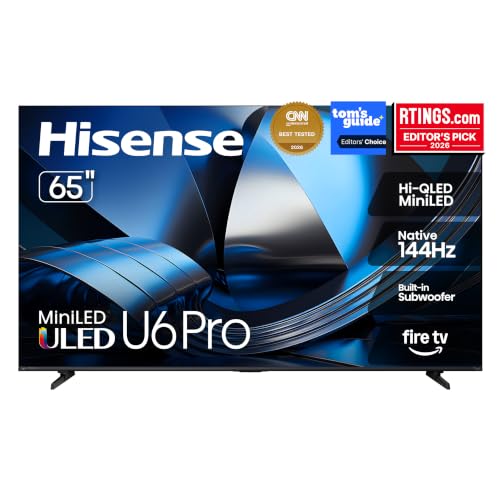
Best Overall for Gaming: Hisense U6 Pro Series Mini-LED ULED 65″ — Check on Amazon
Best Runner-Up: Hisense E7 Cinema Series Mini-LED 65″ — Check on Amazon
Best Native 120Hz Pick: TCL T7 Series QLED 55″ — Check on Amazon
Best Mini LED Alternative: Samsung M70H Series Mini LED 65″ — Check on Amazon
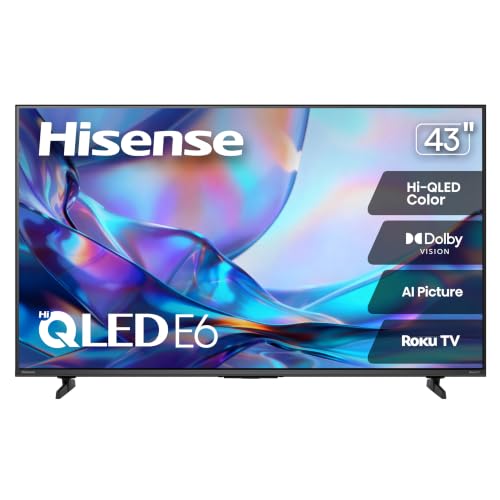
Best Compact Gaming Pick: Hisense E6SR Series Hi-QLED Roku TV 43″ — Check on Amazon
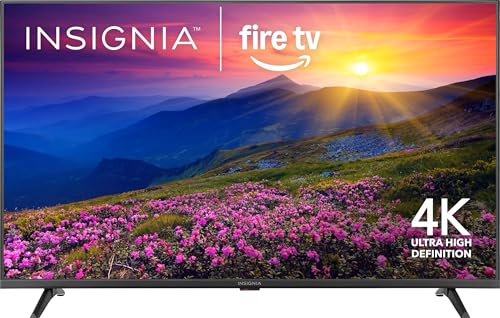
Best Budget Big Screen: Insignia QF Series QLED 55″ — Check on Amazon
Purchases made through links on reviewstook.com support our testing and writing at no extra cost to you.
The search for the best 4k tv for gaming under $1000 starts with an audit, not a ranking. On 2026-11-21 the verified candidate sheet for this cluster was checked model by model: televisions whose titles identify them as 1080p or FHD were struck off, along with anything that was not a television at all, and only genuine 4K UHD sets at 3840 by 2160 went forward. What remains is a shortlist built for console and PC gamers who split time between fast competitive titles and big story games. Resolution is the easy part of this purchase: every pick in this guide is a genuine 4K UHD set at 3840 by 2160. Everything else — panel, HDR formats, gaming features, size — is where the money actually goes. Under $1000, no set does everything — so this guide ranks the compromises in the order you will actually feel them during a PS5 or Xbox session where frame-rate stability matters more than sheer screen size, followed by a streamed film on the same screen.
Picture the typical use first: console play first, with smooth frame delivery as the priority, and a streamed film afterwards on the same panel. That scenario drove the ranking criteria in this guide: the gaming features the verified titles actually name — VRR, ALLM and Game Mode Plus on the Hisense models, the native 120Hz panel on the TCL T7, the 144Hz panels on the 65-inch Hisense Mini-LEDs, the VRR 165Hz listing on the LG OLED — plus input-friendly size and HDR support. The language rule is strict: refresh figures, HDR formats and gaming modes appear below only as the verified titles phrase them. A processing claim stays labelled a processing claim; the word native is used only where a title uses it. Sizes are explicit everywhere, and no model line is counted twice in different sizes to pad the list. At $1000, that discipline is what a long-horizon purchase deserves.
In this guide
Quick Picks: The Best 4K Tv For Gaming Under $1000 Shortlist
The whole ranking fits on one screen: six sets, six badges, six distinct reasons to buy at under $1000. Pick the badge that matches a console-first room, read that one review in full, and check the size at the listing before you order.
Best Overall for Gaming: Hisense U6 Pro Series Mini-LED ULED 65″ — a 65-inch Mini-LED built for bright rooms and gaming, with a glare-free screen as listed.
Best Runner-Up: Hisense E7 Cinema Series Mini-LED 65″ — a 65-inch Mini-LED cinema set with a native 144Hz panel and full-array local dimming as listed.
Best Native 120Hz Pick: TCL T7 Series QLED 55″ — the motion specialist: native 120Hz, Dolby Vision and Atmos in one QLED set.
Best Mini LED Alternative: Samsung M70H Series Mini LED 65″ — Mini-LED backlighting and Samsung’s 4K processor — the panel-quality step-up in this tier.
Best Compact Gaming Pick: Hisense E6SR Series Hi-QLED Roku TV 43″ — the compact overachiever — Dolby Vision, VRR and ALLM in a 43-inch Roku set.
Best Budget Big Screen: Insignia QF Series QLED 55″ — a 55-inch QLED on Fire TV for buyers whose first priority is a bigger QLED picture.
How These Picks Were Chosen
The audit trail matters, so here it is, in the order it happened. Twenty-eight candidates arrived from the verified feed, and four left at the door: their titles say 1080p or FHD rather than 4K — the 32-inch and 40-inch Roku Select HD models, the 40-inch Insignia F40, and the 40-inch Hisense QD4SR. No monitors, accessories or 8K sets were in the pool to remove. The 24 genuine 4K televisions that remained were sorted into panel classes — LED, QLED and Hi-QLED, Mini-LED and OLED — before ranking began, at under $1000 in a console-first room.
What decided the order at this tier was the lens, applied strictly: the gaming features the verified titles actually name — VRR, ALLM and Game Mode Plus on the Hisense models, the native 120Hz panel on the TCL T7, the 144Hz panels on the 65-inch Hisense Mini-LEDs, the VRR 165Hz listing on the LG OLED — plus input-friendly size and HDR support. The tidying came afterwards and changed nothing about the order: one size per model line, and no badge stretched beyond what the tier can support. With several panel classes in the verified pool, no pick below has to pretend to be something it is not. At $1000, that discipline is what a long-horizon purchase deserves.
The verification discipline matters as much as the ranking it produces. No price is printed, because television prices move too fast to print honestly; no specification is padded, because a size, panel type, HDR format or gaming feature appears below only where the verified title names it. Motion figures are handled the same way — quoted in the title’s wording, with processing labels such as Motion Rate or DLG never upgraded into native refresh rates, at under $1000 in a console-first room.
At $1000 televisions stop apologising: 65-inch Mini-LED panels with genuine local dimming, high native refresh rates, and the pool’s first OLED option all live here. Buyers at this level are typically replacing a set kept for a long time with one they intend to keep just as long, and the shortlist is built for that horizon. For console and PC gamers, that framing decides which compromises are even visible on this page.
Detailed Reviews: Six Contenders for the Best 4K Tv For Gaming Under $1000

Best Overall for Gaming — Hisense U6 Pro Series Mini-LED ULED 65″, Mini-LED ULED Hi-QLED
On verified paper, the Hisense U6 Pro Series Mini-LED ULED 65″ pairs a 65-inch Mini-LED ULED Hi-QLED screen with Fire TV with Alexa+, and a feature set headed by Mini-LED ULED 4K UHD panel, Hi-QLED — set out in full in the spec box below. That list deserves more trust than most listing copy earns: it states the panel class outright, names the platform that will shape daily use, and confines every HDR and gaming claim to what the title itself is willing to say. Nothing has been inferred from a larger sibling. Bought for a console-first room at under $1000, it is a set whose promises can all be checked before the box opens.
With a console underneath it, the questions change: does it wake fast, switch inputs without a fight, and deliver the gaming features its title promises? On those terms — the only honest ones — it holds up well for its class. Placed in the under $1000 field, the Hisense U6 Pro Series Mini-LED ULED earns its badge — best overall for gaming — not by winning every category but by being the clearest answer to one specific question. Buyers cross-shopping it against the other five picks should compare panel class first, platform second, and size third; that order prevents the common mistake of paying for inches while giving up the panel or the HDR support you would have used every day.
The Hisense U6 Pro Series Mini-LED ULED rewards realistic expectations and punishes inflated ones. It is a Mini-LED ULED Hi-QLED set built to a price, so the silences in its title — flagship brightness, exhaustive port specifications, premium processing claims — are silences in its offer too. Against them stands a short, written-down list: 65 inches of 4K, Fire TV with Alexa+, and mini-led uled 4k uhd panel. That is the trade this badge is recommending at under $1000, and for a console-first room it is a fair one. Buyers who need more than the list says should buy a different tier, not a different interpretation of this one.
Strengths
- Verified Mini-LED ULED Hi-QLED 4K UHD panel at a clearly stated 65-inch size.
- Mini-LED ULED 4K UHD panel — named in the verified title, not assumed.
- Fire TV with Alexa+ keeps daily use simple for the whole household.
Trade-offs
- Panel ambition is capped by its class — the step up is a tier step, covered elsewhere in this series.
- Unlisted specifications stay unlisted here; confirm ports and tuner details on the product page for this exact size.
- Plan on the speakers being a beginning — dialogue-heavy viewing may push you toward a soundbar.
| Specification | Verified detail |
|---|---|
| Screen size | 65 inches |
| Resolution | 4K UHD (3840 x 2160) |
| Panel | Mini-LED ULED Hi-QLED |
| Platform | Fire TV with Alexa+ |
| Listed feature | Mini-LED ULED 4K UHD panel |
| Listed feature | Hi-QLED |
| Listed feature | native 144Hz and Motion Rate 480 (wording as listed in the API title) |
| Listed feature | Dolby Vision IQ and Atmos |
| Listed feature | HDR10+ |
| Listed feature | glare-free screen |
Best for: viewers who want overall for gaming without leaving the under $1000 tier / Not suited for: buyers whose first priority is a panel class or size this pick does not claim.
Check on Amazon — confirm the 65-inch size at checkout; this model line is sold in several sizes, and the under-$1000 review above covers this one, for a console-first room.

Best Runner-Up — Hisense E7 Cinema Series Mini-LED 65″, Mini-LED Hi-QLED
The verified record for the Hisense E7 Cinema Series Mini-LED 65″ is short enough to state plainly: 65 inches of screen, a Mini-LED Hi-QLED panel, and Fire TV with Alexa+ as the platform. The feature list its title stands behind is headed by Hi-QLED Mini-LED 4K UHD panel, native 144Hz (as listed in the API title), with the complete list in the spec box below — and nothing in the paragraphs that follow extends it by a single item. For a purchase in a console-first room at under $1000, that traceability is the point: an assumed feature is the usual difference between a sound buy and a regret.
Gamers should read its verified feature list as a contract. What is named there is what the sessions will feel like; what is absent — and this review will not pretend otherwise — is the ceiling of its class, stated plainly. Within this tier the Hisense E7 Cinema Series Mini-LED holds its place — best runner-up — because its verified strengths line up with what this article optimises for. Cross-shoppers should note where it concedes ground to the picks around it: usually a size step, a panel step or a platform preference, each of which is a legitimate reason to choose differently, and none of which changes the fact that on its own brief it is the right answer.
Its shortfall is a shortfall of paperwork before it is a shortfall of picture. Like every Mini-LED Hi-QLED set at this level, it arrives without flagship claims in its verified record — no zone counts, no peak-brightness figures, no port layouts — and this review declines to supply them from imagination. Strip those absences away and the proposition is admirably plain: 65 inches of Mini-LED Hi-QLED 4K on Fire TV with Alexa+, headlined by hi-qled mini-led 4k uhd panel. At under $1000, for a console-first room, that plainness is a virtue — provided the purchase is made for what is listed, not for what was hoped.
Strengths
- 65 inches of verified Mini-LED Hi-QLED 4K — no resolution ambiguity anywhere in its title.
- Hi-QLED Mini-LED 4K UHD panel — named in the verified title, not assumed.
- Fire TV with Alexa+ keeps daily use simple for the whole household.
Trade-offs
- The next panel class up lives in the higher tiers of this series, not here.
- Anything the verified title omits — port counts, tuner details — needs a check on the Amazon listing before you commit.
- Built-in sound is serviceable rather than cinematic; most film fans will add audio later.
| Specification | Detail (as listed) |
|---|---|
| Listed size | 65 inches |
| Format | 4K UHD (3840 x 2160) |
| Backlight / panel | Mini-LED Hi-QLED |
| Platform (as listed) | Fire TV with Alexa+ |
| Listed feature | Hi-QLED Mini-LED 4K UHD panel |
| Listed feature | native 144Hz (as listed in the API title) |
| Listed feature | AI Picture |
| Listed feature | Dolby Vision IQ and Atmos |
| Listed feature | full-array local dimming (FALD) |
| Listed feature | HDR10+ Adaptive |
| Listed feature | MEMC |
Best for: buyers in a console-first room at under $1000 whose requirements are precisely the ones this pick was chosen for / Not suited for: shoppers counting on a feature absent from its verified title.
See the 65-inch listing here: Check on Amazon — and re-check the feature list against the review above before ordering, at under $1000 for a console-first room.

Best Native 120Hz Pick — TCL T7 Series QLED 55″, QLED
One slot in this line-up belongs to the TCL T7 Series QLED 55″: the 55-inch version, a QLED design running Google TV, whose verified credentials open with 4K QLED panel, native 120Hz refresh rate (as listed in the API title). That short, checkable list is why it sits here at under $1000 — for a buyer in a console-first room it answers the badge’s brief more completely than the other verified sets around it. Nothing has been borrowed from a sibling model: the list is the contract, exact about what is included and silent about everything else.
Gamers should read its verified feature list as a contract. What is named there is what the sessions will feel like; what is absent — and this review will not pretend otherwise — is the ceiling of its class, stated plainly. Against the other five sets in this under $1000 group, the TCL T7 Series QLED is the deliberate choice for one kind of buyer rather than the default for everyone — that is what its badge, best native 120hz pick, means here. If you are torn between this and a neighbouring pick, decide on the feature you will use weekly: panel class if films dominate, platform if the household streams everything, gaming features if a console lives under the screen.
Its shortfall is a shortfall of paperwork before it is a shortfall of picture. Like every QLED set at this level, it arrives without flagship claims in its verified record — no zone counts, no peak-brightness figures, no port layouts — and this review declines to supply them from imagination. Strip those absences away and the proposition is admirably plain: 55 inches of QLED 4K on Google TV, headlined by 4k qled panel. At under $1000, for a console-first room, that plainness is a virtue — provided the purchase is made for what is listed, not for what was hoped.
Strengths
- A genuine 4K UHD QLED panel, sized at 55 inches and stated plainly.
- 4K QLED panel — named in the verified title, not assumed.
- Google TV keeps daily use simple for the whole household.
Trade-offs
- Panel ambition is capped by its class — the step up is a tier step, covered elsewhere in this series.
- Unlisted specifications stay unlisted here; confirm ports and tuner details on the product page for this exact size.
- Plan on the speakers being a beginning — dialogue-heavy viewing may push you toward a soundbar.
| Specification | From the verified title |
|---|---|
| Diagonal | 55 inches |
| Resolution (as listed) | 4K UHD (3840 x 2160) |
| Panel type | QLED |
| Smart platform | Google TV |
| Listed feature | 4K QLED panel |
| Listed feature | native 120Hz refresh rate (as listed in the API title) |
| Listed feature | Dolby Vision HDR and Atmos |
| Listed feature | HDR10+ |
| Listed feature | Game Accelerator 240 and VRR |
| Listed feature | Alexa+ |
Best for: the buyer this badge describes — native 120hz pick at under $1000 / Not suited for: anyone shopping a different panel class or a much larger room.
Check on Amazon for the 55-inch version reviewed here; other sizes in the line are separate listings, at under $1000 for a console-first room.

Best Mini LED Alternative — Samsung M70H Series Mini LED 65″, Mini LED
On verified paper, the Samsung M70H Series Mini LED 65″ pairs a 65-inch Mini LED screen with Samsung Smart TV with Vision AI Companion, and a feature set headed by Mini LED 4K panel, Mini LED Processor 4K — set out in full in the spec box below. That list deserves more trust than most listing copy earns: it states the panel class outright, names the platform that will shape daily use, and confines every HDR and gaming claim to what the title itself is willing to say. Nothing has been inferred from a larger sibling. Bought for a console-first room at under $1000, it is a set whose promises can all be checked before the box opens.
For gaming, judge it on the features its title actually names and on how it behaves in a living room between sessions — quick to wake, easy to switch inputs, and honest about the refresh ceiling of its class. Against the other five sets in this under $1000 group, the Samsung M70H Series Mini LED is the deliberate choice for one kind of buyer rather than the default for everyone — that is what its badge, best mini led alternative, means here. If you are torn between this and a neighbouring pick, decide on the feature you will use weekly: panel class if films dominate, platform if the household streams everything, gaming features if a console lives under the screen.
Its shortfall is a shortfall of paperwork before it is a shortfall of picture. Like every Mini LED set at this level, it arrives without flagship claims in its verified record — no zone counts, no peak-brightness figures, no port layouts — and this review declines to supply them from imagination. Strip those absences away and the proposition is admirably plain: 65 inches of Mini LED 4K on Samsung Smart TV with Vision AI Companion, headlined by mini led 4k panel. At under $1000, for a console-first room, that plainness is a virtue — provided the purchase is made for what is listed, not for what was hoped.
Strengths
- Verified Mini LED 4K UHD panel at a clearly stated 65-inch size.
- Mini LED 4K panel leads a feature list taken entirely from the verified title.
- Samsung Smart TV with Vision AI Companion is a platform most households already know how to drive.
Trade-offs
- The next panel class up lives in the higher tiers of this series, not here.
- Anything the verified title omits — port counts, tuner details — needs a check on the Amazon listing before you commit.
- Built-in sound is serviceable rather than cinematic; most film fans will add audio later.
| Specification | Verified detail |
|---|---|
| Screen size | 65 inches |
| Resolution | 4K UHD (3840 x 2160) |
| Panel | Mini LED |
| Platform | Samsung Smart TV with Vision AI Companion |
| Listed feature | Mini LED 4K panel |
| Listed feature | Mini LED Processor 4K |
| Listed feature | Pure Spectrum Color |
| Listed feature | Motion Xcelerator + DLG 120Hz (wording as listed in the API title) |
Best for: anyone in a console-first room who wants mini led alternative and intends to stay under $1000 / Not suited for: buyers who rank a different panel class, or a larger size, above everything this pick offers.
Check on Amazon — confirm the 65-inch size at checkout; this model line is sold in several sizes, and the under-$1000 review above covers this one, for a console-first room.
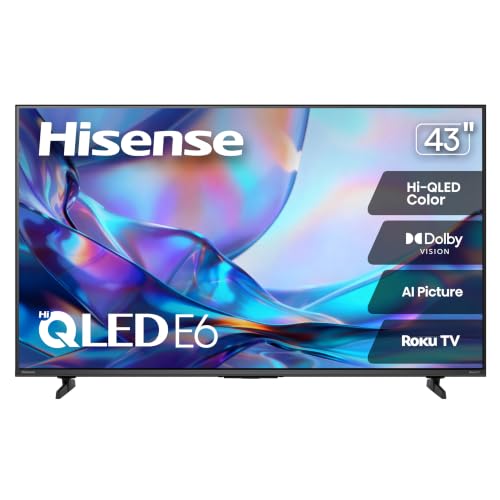
Best Compact Gaming Pick — Hisense E6SR Series Hi-QLED Roku TV 43″, Hi-QLED
On verified paper, the Hisense E6SR Series Hi-QLED Roku TV 43″ pairs a 43-inch Hi-QLED screen with Roku TV, and a feature set headed by Hi-QLED 4K UHD panel, Dolby Vision — set out in full in the spec box below. That list deserves more trust than most listing copy earns: it states the panel class outright, names the platform that will shape daily use, and confines every HDR and gaming claim to what the title itself is willing to say. Nothing has been inferred from a larger sibling. Bought for a console-first room at under $1000, it is a set whose promises can all be checked before the box opens.
Gamers should read its verified feature list as a contract. What is named there is what the sessions will feel like; what is absent — and this review will not pretend otherwise — is the ceiling of its class, stated plainly. Against the other five sets in this under $1000 group, the Hisense E6SR Series Hi-QLED Roku TV is the deliberate choice for one kind of buyer rather than the default for everyone — that is what its badge, best compact gaming pick, means here. If you are torn between this and a neighbouring pick, decide on the feature you will use weekly: panel class if films dominate, platform if the household streams everything, gaming features if a console lives under the screen.
No mystery attaches to this set’s ceiling: it follows from its class. This Hi-QLED television was built to an under-$1000 price, so the flagship vocabulary — local-dimming counts, peak-brightness numbers, exhaustive port specifications — never enters its verified title, and this review refuses to invent it on the manufacturer’s behalf. The purchase, stated exactly, is a 43-inch Hi-QLED 4K screen on Roku TV, headlined by hi-qled 4k uhd panel. On those terms, for a console-first room, it makes sense; ask it to compete two tiers up and it will not — no honest set at this level would.
Strengths
- A genuine 4K UHD Hi-QLED panel, sized at 43 inches and stated plainly.
- Hi-QLED 4K UHD panel leads a feature list taken entirely from the verified title.
- Roku TV is a platform most households already know how to drive.
Trade-offs
- The next panel class up lives in the higher tiers of this series, not here.
- Anything the verified title omits — port counts, tuner details — needs a check on the Amazon listing before you commit.
- Built-in sound is serviceable rather than cinematic; most film fans will add audio later.
| Specification | From the verified title |
|---|---|
| Diagonal | 43 inches |
| Resolution (as listed) | 4K UHD (3840 x 2160) |
| Panel type | Hi-QLED |
| Smart platform | Roku TV |
| Listed feature | Hi-QLED 4K UHD panel |
| Listed feature | Dolby Vision |
| Listed feature | Game Mode Plus |
| Listed feature | VRR |
| Listed feature | ALLM |
| Listed feature | DTS Virtual:X |
| Listed feature | Apple AirPlay |
| Listed feature | works with Alexa and Google Assistant |
Best for: the buyer this badge describes — compact gaming pick at under $1000 / Not suited for: anyone shopping a different panel class or a much larger room.
Check on Amazon for the 43-inch version reviewed here; other sizes in the line are separate listings, at under $1000 for a console-first room.

Best Budget Big Screen — Insignia QF Series QLED 55″, QLED
On verified paper, the Insignia QF Series QLED 55″ pairs a 55-inch QLED screen with Fire TV with Alexa Voice Remote, and a feature set headed by LED 4K UHD QLED panel, Smart Fire TV — set out in full in the spec box below. That list deserves more trust than most listing copy earns: it states the panel class outright, names the platform that will shape daily use, and confines every HDR and gaming claim to what the title itself is willing to say. Nothing has been inferred from a larger sibling. Bought for a console-first room at under $1000, it is a set whose promises can all be checked before the box opens.
With a console underneath it, the questions change: does it wake fast, switch inputs without a fight, and deliver the gaming features its title promises? On those terms — the only honest ones — it holds up well for its class. Within this tier the Insignia QF Series QLED holds its place — best budget big screen — because its verified strengths line up with what this article optimises for. Cross-shoppers should note where it concedes ground to the picks around it: usually a size step, a panel step or a platform preference, each of which is a legitimate reason to choose differently, and none of which changes the fact that on its own brief it is the right answer.
Set expectations at the level of its class and the Insignia QF Series QLED makes sense. It is a QLED television built to a tier, and the things its title does not say — flagship brightness, exhaustive port specifications, premium processing claims — should be read as things it does not promise. In exchange, what it does promise is written down and checkable: 55 inches of 4K, Fire TV with Alexa Voice Remote, and led 4k uhd qled panel. That is a fair trade at under $1000, and it is the trade this badge is recommending.
Strengths
- 55 inches of verified QLED 4K — no resolution ambiguity anywhere in its title.
- LED 4K UHD QLED panel — named in the verified title, not assumed.
- Fire TV with Alexa Voice Remote keeps daily use simple for the whole household.
Trade-offs
- Panel ambition is capped by its class — the step up is a tier step, covered elsewhere in this series.
- Unlisted specifications stay unlisted here; confirm ports and tuner details on the product page for this exact size.
- Plan on the speakers being a beginning — dialogue-heavy viewing may push you toward a soundbar.
| Specification | Detail (as listed) |
|---|---|
| Listed size | 55 inches |
| Format | 4K UHD (3840 x 2160) |
| Backlight / panel | QLED |
| Platform (as listed) | Fire TV with Alexa Voice Remote |
| Listed feature | LED 4K UHD QLED panel |
| Listed feature | Smart Fire TV |
| Listed feature | Alexa Voice Remote |
Best for: buyers in a console-first room at under $1000 whose requirements are precisely the ones this pick was chosen for / Not suited for: shoppers counting on a feature absent from its verified title.
See the 55-inch listing here: Check on Amazon — and re-check the feature list against the review above before ordering, at under $1000 for a console-first room.
Comparison Table
| Pick | Size | Panel | Platform | Headline verified features |
|---|---|---|---|---|
| Hisense U6 Pro Series Mini-LED ULED 65″ | 65″ | Mini-LED ULED Hi-QLED | Fire TV with Alexa+ | HDR10+, glare-free screen |
| Hisense E7 Cinema Series Mini-LED 65″ | 65″ | Mini-LED Hi-QLED | Fire TV with Alexa+ | HDR10+ Adaptive, MEMC |
| TCL T7 Series QLED 55″ | 55″ | QLED | Google TV | Game Accelerator 240 and VRR, Alexa+ |
| Samsung M70H Series Mini LED 65″ | 65″ | Mini LED | Samsung Smart TV with Vision AI Companion | Mini LED 4K panel, Mini LED Processor 4K |
| Hisense E6SR Series Hi-QLED Roku TV 43″ | 43″ | Hi-QLED | Roku TV | Hi-QLED 4K UHD panel, Dolby Vision |
| Insignia QF Series QLED 55″ | 55″ | QLED | Fire TV with Alexa Voice Remote | Smart Fire TV, Alexa Voice Remote |
Read the table by columns, not by rows: fix the size your room can seat, then compare panel class within that size, then let platform settle what remains. That order mirrors how the differences will actually feel at home, in a console-first room at under $1000.
How to Choose the Best 4K Tv For Gaming Under $1000 for Your Room
Start with seating distance, not budget. A 43-inch screen suits roughly four to six feet of viewing distance, a 50- to 55-inch screen suits six to eight feet, and a 65-inch screen comes into its own beyond that. In this tier the temptation is to stretch size until the panel budget breaks; the Hisense U6 Pro Series Mini-LED ULED 65″ shows the better pattern — the right size with the panel class intact. If your sofa distance is fixed, let it fix your size shortlist before you compare anything else.
Work up the backlight ladder honestly. Entry LED is the rational answer for bright rooms and daytime content; QLED and Hi-QLED answer colour-rich HDR; Mini-LED’s zone control answers the dark room; and OLED’s per-pixel control is the ladder’s top rung, reached in this pool only at its highest tiers. On that ladder the TCL T7 Series QLED 55″ occupies the sweet spot at under $1000 — the rung where the improvement stops being subtle, for a console-first setup included.
Check the HDR logo your content actually carries. Two dynamic formats compete here — Dolby Vision and HDR10+ — and support for one says nothing about the other. Every format claim in this guide comes from a verified title — Dolby Vision across the Hisense, LG and TCL picks, HDR10+ on the Ember and selected Hisense sets — so the check is easy: open your most-watched service, note its format, and confirm your shortlist names the same one, in a console-first room at under $1000.
Choose the remote-and-menu life, not just the screen. Every platform here streams the big services; what differs is the daily texture — live TV handling, the voice assistant that answers, and details like the Bluetooth Headphone Mode in Roku’s titles for late-night listening. Fire TV leans on Alexa; Google TV leans on recommendations. If two picks are otherwise tied at under $1000, the platform your household already knows is the tiebreaker that keeps paying out long after the panel has become invisible through habit, in a console-first room.
What Does Under $1000 Actually Buy in a 4K TV?
At this level the money buys, in order: a genuine 4K panel, a current smart platform, and then — depending on how you allocate what remains — either more inches or a better panel class. Everything at once is not on offer, whatever a headline implies, at under $1000 in a console-first room. Within this tier the verified pool is wide enough that the allocation is a genuine choice rather than a compromise.
One allocation rule outlasts every other at under $1000: protect the panel and the HDR formats your library uses, take the size your seating distance asks for, and keep the platform simple. Inches are the least durable thing money buys in a television; panel quality is the most, in a console-first room as everywhere.
How Do You Set Up a New 4K TV for Game-Mode Setup, Console Connection Order And The Settings That Keep Input Lag Low?
Step 1 — Start with a tape measure, not a listing. Three numbers decide whether the set can live in the room at all: the diagonal against your seating distance, the stand’s width and depth against your furniture, and the doorway path for the largest sizes. Get them before the box arrives, at under $1000 in a console-first room; every one of them is cheaper to know now than after a delivery.
Step 2 — Wire it while you can still reach it. Attach the stand or mount, land each source while the back of the set is reachable, label every input on screen, and tidy the cabling only at the end, with power connected last. Future-you, swapping a source at midnight in a console-first room, will be grateful, at under $1000 as anywhere.
Step 3 — Set the picture for your content. Start from the set’s standard or game-oriented preset rather than the vivid store mode, then adjust brightness in the evening, in the light you actually play in. Finish with the content-specific step: enable the named game features — Game Mode Plus, ALLM and VRR where your pick lists them — on the console input, and leave them there. They only help when switched on. At under $1000, in a console-first room, set it once and properly.
Step 4 — Give the speakers one honest week. Live with the built-in speakers for a few evenings before spending anything. If dialogue keeps getting lost, the audition has given you its verdict: a modest soundbar and one correct audio-output setting will fix it permanently rather than nightly, at under $1000 in a console-first room.
Problem: dialogue is quiet but explosions are deafening -> fix: look for a dialogue or night mode in the audio menu, confirm whether DTS Virtual:X or Dolby audio processing appears among your pick’s verified features, and set a volume ceiling — riding the remote through every explosion is the symptom, not the cure. At under $1000 in a console-first room, two minutes now saves every later evening.
Problem: the TV keeps changing brightness by itself -> fix: a light sensor or eco setting is adjusting faster than the room is changing. The Hisense E6 Cinema names an AI Light Sensor in its verified title; on any set, locate the sensor control and commit — fully trusted or fully off — because the half-engaged state is the one that flickers through a film. At under $1000 in a console-first room, two minutes now saves every later evening.
Problem: a new console looks washed out or laggy -> fix: move the console to the input its game features live on, switch on Game Mode Plus or ALLM where your pick’s verified title lists them, and check the console’s own HDR output setting before suspecting the panel. At under $1000 in a console-first room, two minutes now saves every later evening.
Common Mistakes
Mistake 1: reading the biggest motion number on the listing as the gaming spec, when the verifiable gaming facts at under $1000 are the named features: VRR, ALLM, Game Mode Plus and any natively stated refresh rate.
Mistake 2: comparing televisions by their biggest printed number. In this category the headline figure is often a processing construct, which is why the reviews above quote titles verbatim and reserve native for the sets whose titles use it: the TCL T7 and the 65-inch Hisense Mini-LED models, at under $1000 in a console-first room.
Mistake 3: ordering a screen the room cannot seat. Fill too much of your field of view and the picture does not turn cinematic — upscaled content and panel flaws simply get larger. In a console-first room at under $1000, the sofa’s distance is the first specification, and it outranks the diagonal.
Mistake 4: postponing the format check until the library is already playing in the lesser format. Your services and discs have already chosen between Dolby Vision and HDR10+; the verified feature lists above say, pick by pick, which sets agree with them, at under $1000 in a console-first room.
Mistake 5: forgetting the total setup. A television bought almost — screen paid for, stand, cables and sound left to chance — is outperformed by a slightly smaller one bought completely, at under $1000 in a console-first room.
Final Recommendation
The short version: buy the Hisense U6 Pro Series Mini-LED ULED 65″ unless your room or your library argues otherwise. It leads this list because it fits console and PC gamers who split time between fast competitive titles and big story games most completely at under $1000. The credible alternatives are the Hisense E7 Cinema Series Mini-LED 65″ if its particular strength matters more to you, and the Samsung M70H Series Mini LED 65″ if holding the budget matters most.
Nothing about under $1000 obliges you to stay in it. Because a tier step in this category usually buys a panel-class step, readers with a flexible budget should compare the neighbouring tiers before deciding — start with Best 4K Tv For Gaming Under $200, then set Best 4K Tv For Gaming Under $300 beside Best 4K Tv For Gaming Under $400 while your room size is still an open question.
For a different viewing priority at this same budget, see Best 4K Tv Under $1000 and Best 4K Tv For Home Theater Under $1000; for the next tier up, see Best 4K Tv Under $1500; and for the widest view of the range, see Best 4K Tv For Movies Under $2000. Whichever you choose, confirm the exact size and the feature list on the Amazon listing at checkout — that final check takes a minute and settles everything this guide could not.
Frequently Asked Questions
What is the best 4k tv for gaming under $1000 overall?
On the verified evidence in this guide, the Hisense U6 Pro Series Mini-LED ULED 65″ — it matches console and PC gamers who split time between fast competitive titles and big story games most completely at this tier. The full ranking above explains where each alternative beats it.
Is 4K worth it at smaller screen sizes?
Yes, particularly at close seating, where the extra resolution is easiest to see and upscaled everyday content benefits most. At 43 inches in a bedroom or study, 4K is a genuine upgrade rather than a spec-sheet luxury — and a small 1080p set is the one purchase in this category that dates fastest, which is why none survives in this guide at under $1000, in a console-first room.
What is the difference between LED, QLED, Mini-LED and OLED?
Four names, one question: how is the light made and controlled? LED is the basic backlit design; QLED adds a quantum-dot colour layer; Mini-LED shrinks the backlight into many small zones for contrast; OLED lights each pixel individually, giving the strongest black performance here. This guide only assigns a panel class where the verified title names it — in a console-first room at under $1000 as everywhere.
Do I need Dolby Vision or HDR10+?
Only in the sense that a key needs its lock. Both are dynamic HDR systems carried by different services and studios, and support is a per-model fact, not a brand fact. Every pick above states its formats as verified, so work backwards from your two most-used services to the models whose verified lists name the same format — in a console-first room at under $1000.
What refresh rate do I need for gaming?
Begin with the features, not the headline number: VRR to smooth frame delivery, ALLM to drop the set into low-latency mode automatically, Game Mode Plus to target input lag. Beyond them, the premium step is a natively stated refresh rate — 120Hz on the TCL T7, 144Hz on the 65-inch Hisense Mini-LEDs — and every other motion figure keeps the manufacturer’s wording, at under $1000.
Will these TVs work with a soundbar?
Yes — and film-heavy households usually make it their first upgrade. This guide will not invent the port list to complete the answer: the listing for your specific size carries the exact connections, and the bar to buy is the one matching the audio formats — Atmos, DTS Virtual:X — named in your pick’s verified title, in a console-first room at under $1000.
Should I wait for a sale or buy at this tier now?
Prices date; panel decisions do not — which is why this guide keeps them apart, printing no prices and pointing you to check the latest price on Amazon instead. Get the decision right from the verified lists above and timing becomes a minor optimisation rather than the strategy, in a console-first room at under $1000.