reviewstook.com is reader-supported. When you buy through links on our site, we may earn an affiliate commission.
Where to buy
DSLRs now live in two places: the remaining new stock at major retailers, and a deep, honest used market run by the big photo dealers. Readers comparing the best digital slr cameras under 750 dollars are shopping in the mirrorless era’s most interesting bargain basement, because the DSLR’s eclipse by mirrorless cameras has pushed superb optical-viewfinder bodies — machines that were professional tools a decade ago — down into a frame their makers never intended. This guide works that seam deliberately. The genuine DSLR picks below, from Canon, Nikon and Pentax, are presented prose-only because our verified pool is a mirrorless-era list; one pool camera appears at the end, labelled in plain language as the mirrorless alternative, for readers who conclude the mirror itself is not the point.
What does the frame buy in DSLR terms? Held firmly, it reaches new entry bodies with kit lenses, mid-range enthusiast bodies used, and — the connoisseur’s route — older professional-grade bodies whose sensors and shutters still have years of service in them. It does not buy new professional DSLRs, and it does not buy the long telephoto lenses sports shooters dream about; those live above the frame, and this guide will not pretend otherwise. No specific product prices are printed, because used grading moves prices weekly; the frame is the keyword’s budget, and the picks are chosen to be realistically hunted within it.
Why choose a DSLR at all now? Three reasons survive every mirrorless brochure: the optical viewfinder shows the world itself, with no lag, no battery drain and no electronic approximation; battery life is measured in days of shooting rather than hours; and the used lens mountains of Canon EF and Nikon F mount are the deepest, cheapest glass libraries in photography. For a certain kind of photographer — deliberate, outdoor, budget-wise — those are not nostalgic reasons. They are the specification.
Key Takeaways
- Under this frame, the used market buys a class above: enthusiast and older professional DSLRs at entry money.
- Optical viewfinders, multi-day battery life and vast used lens pools are the DSLR’s living arguments.
- Canon EF and Nikon F lenses circulate used in enormous volume — price the lens shelf, not just the body.
- Pentax offers weather sealing and in-body stabilisation that rivals charge far more for.
- Every genuine DSLR pick here is prose-only; the one linked camera is labelled a mirrorless alternative, never a DSLR.
- Check shutter count and sensor condition on any used body — they are the DSLR’s odometer and engine.
In this guide
Quick Picks
| Pick | Badge | Why it earns its place |
|---|---|---|
| Canon EOS Rebel T7 with kit lens | New DSLR starting point | The simplest new way into an optical viewfinder and the EF lens mountain. |
| Nikon D7500 (used) | Enthusiast power at the frame | A fast, weather-sealed enthusiast body whose used price fell into reach. |
| Pentax K-70 | Weatherproof value rebel | Sealing, in-body stabilisation and night-sky tools at a friendly price. |
| Canon EOS Rebel SL3 | Smallest true DSLR | A genuine optical-viewfinder camera in a body barely larger than mirrorless rivals. |
| Nikon D3500 (used) | Lightest teacher | A guide-mode tutor and marathon battery in the used market’s friendliest package. |
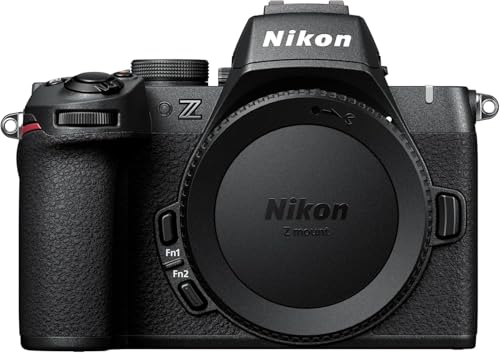
| Nikon Z50 II | Mirrorless alternative — labelled | Not a DSLR: the modern autofocus route for readers who drop the mirror requirement. |
How did we hunt DSLR value under this frame?
We graded candidates the way used dealers grade bodies: shutter count against its rated life, sensor cleanliness, viewfinder clarity, and the honesty of the mount’s future. New bodies earned places only where they still represent the sensible purchase — at the entry point, where a warranty and a kit lens outweigh a used bargain’s risks for a true beginner. Used bodies earned places where their original class shows: enthusiast controls, weather sealing, fast burst rates and sensors whose output still satisfies modern printing. Every pick had to sit on a lens mount with a living used market, because a DSLR body without affordable glass is a museum ticket.
We also drew a bright line at the category itself. Only cameras with a mirror and an optical viewfinder are presented as DSLRs in this guide — no mirrorless body is allowed to borrow the term for convenience. The single mirrorless pick is labelled as an alternative in its heading, its table row and its verdict, so a reader who wants the genuine article can skip it without being misled, and a reader who does not care about the mirror can see exactly what the modern route offers instead.
Canon EOS Rebel T7 with kit lens — New DSLR starting point
The Rebel T7 is the DSLR in its simplest living form: a twenty-four-megapixel APS-C sensor, an optical viewfinder, Canon’s friendly menu logic, and a kit zoom that covers the everyday range — sold new, with a warranty, at the gentle end of this frame. Its autofocus system is modest, its burst rate unhurried, and its video belongs to an earlier generation, yet none of that touches its purpose. This is the camera for a beginner who wants to learn photography through a real viewfinder, on the mount with the largest used lens library on earth, without inheriting a stranger’s shutter count.
That library is the T7’s true specification. Every EF and EF-S lens Canon made across three decades fits it, and the used market prices the classics — the fast standard prime, the portrait telephoto, the wide zoom — at sums that let a student build a real kit across a year of birthdays. The body will be outgrown before the lenses are; that is the correct order of things, and when the upgrade comes, the glass migrates to any Canon body, DSLR or adapted mirrorless, without waste.
Owners praise one unglamorous virtue above the rest: the battery simply lasts. A weekend of shooting barely dents it, a holiday asks for one charge, and the camera waits ready in the bag for weeks between uses. Beginners forming the photography habit need a camera that is always ready more than they need a clever one, and the T7’s patience is a pedagogical feature no specification sheet captures.
- Sensor: APS-C CMOS, roughly twenty-four megapixels
- Finder: optical pentamirror viewfinder
- Mount: Canon EF/EF-S, the deepest used lens pool
- Battery: endurance measured in days of shooting
- Kit: standard zoom included in typical bundles
Strengths
- New body, warranty and kit lens at the frame’s gentle end
- Access to three decades of affordable used Canon glass
- Battery life that removes charging from the hobby
Trade-offs
- Autofocus and burst rate are entry-level, honestly
- Video tools trail every mirrorless rival
- Fixed screen limits odd-angle composition
Classrooms explain the T7’s longevity in the catalogue: it is the camera further-education courses hand to first-years, because its controls are the canonical DSLR layout — learn here, and every other body in this guide reads fluently. That transferability is an underrated beginner specification. Skills are the only part of a first camera that definitely survive it, and the T7 was practically designed as a syllabus.
Best for: true beginners who want a new, warranted DSLR and Canon’s lens library. Not suited for: fast action, video-led work, or buyers wanting enthusiast controls.
Nikon D7500 (used) — Enthusiast power at the frame
The D7500 was Nikon’s enthusiast flagship in APS-C form — a twenty-megapixel sensor shared with a professional sibling, a burst rate that handles sport, weather sealing, twin control dials and a tilting screen — and the used market has walked its price down into this frame, which is the single best DSLR bargain pattern in this guide. Bought used from a graded dealer, it delivers the handling and responsiveness that entry bodies simulate: focus that acquires and holds, a buffer that respects a burst, and controls that keep your eye at the finder while settings change under your fingers.
Its sensor deserves a sentence of respect. Twenty megapixels on APS-C with Nikon’s processing produces files whose high-sensitivity performance embarrassed larger-sensor rivals of its day, and which print at enthusiast sizes without apology. The F mount behind it offers the other great used library — decades of Nikon and third-party glass, including screw-drive classics this body’s built-in focus motor can still drive, a compatibility many newer bodies abandoned.
Buying used is the price of admission, so pay it properly: shutter count comfortably below its rated life, a clean sensor verified by a test frame, and a returns window from a dealer who grades honestly. Do that, and the D7500 is the pick for the photographer whose subjects move — school sport, wildlife at the feeder, dogs at full stretch — and whose budget insists the frame be respected.
- Sensor: APS-C CMOS, roughly twenty megapixels
- Finder: optical pentaprism, full-frame coverage
- Mount: Nikon F, with motor for older screw-drive lenses
- Handling: twin dials, weather sealing, tilting screen
- Market: used; inspect shutter count and sensor
Strengths
- Enthusiast speed and sealing at an entry frame
- Sensor output that still satisfies serious printing
- Drives decades of Nikon lenses, old and new
Trade-offs
- Used purchase requires inspection discipline
- Single card slot where its pro sibling had two
- Heavier than every other pick here
One ownership pattern recurs in D7500 forums: photographers who ‘upgraded’ to mirrorless quietly keep the Nikon for the telephoto work, because the F-mount long lenses they already own, on this body, still deliver the match and the marsh at a level their new kit would cost a fortune to match. A used body that professionals retain as a tool is a used body a beginner can trust as a teacher.
Best for: action-leaning enthusiasts buying used with care. Not suited for: anyone set on a factory warranty, or determined to travel ultralight.
Pentax K-70 — Weatherproof value rebel
Pentax builds cameras for people who photograph weather rather than avoid it, and the K-70 is that philosophy at its friendliest price: a fully weather-sealed body and kit lens, in-body stabilisation that steadies every lens ever made for the mount, and a night mode with a red screen that astronomers quietly love. Its twenty-four-megapixel sensor adds a trick none of the rivals here attempt — a pixel-shift mode that captures full colour at every pixel for tripod work, delivering landscape files of startling purity.
The K mount’s used pool is smaller than Canon’s or Nikon’s but devoted, and Pentax’s own limited primes — small, metal, optically characterful — give the system a flavour no rival copies. Autofocus is the honest weakness: competent for stills and deliberate subjects, a step behind the Nikon for erratic action. Video is a checkbox rather than a feature. Owners forgive both, because the camera’s centre of gravity is the rainy hillside at dawn, where its sealing, stabilisation and colours make it the best-equipped pick in this guide at any price.
For the beginner whose photography is landscape, travel in real climates, or night skies, the K-70 offers something close to unfair value: professional environmental protection and stabilisation at an entry frame. It is the DSLR as outdoor instrument, and in a market segment of fair-weather tools, that identity is worth more than a faster burst.
- Sensor: APS-C CMOS, roughly twenty-four megapixels
- Stabilisation: in-body, works with all K-mount lenses
- Sealing: full weather sealing, body and kit lens
- Special modes: pixel-shift resolution, night-vision display
- Mount: Pentax K, devoted used community
Strengths
- Weather sealing rivals cameras far above the frame
- In-body stabilisation revives every old K lens
- Pixel-shift mode produces exceptional landscape files
Trade-offs
- Autofocus trails Nikon for moving subjects
- Smaller lens pool and dealer network
- Video capability is minimal
Astronomers deserve the final word on this Pentax, because they adopted it first: the night-red display preserves dark adaptation, the sealing shrugs off dew, and the stabilisation even assists tracked sky work in ways its makers built in deliberately. A beginner whose heart is in the hills at midnight will find no camera at this frame that was designed so clearly with them in mind.
Best for: landscape, travel and night-sky photographers in real weather. Not suited for: sports shooters or video-first buyers.
Canon EOS Rebel SL3 — Smallest true DSLR
The SL3 answers the objection that DSLRs are bulky by being barely larger than the mirrorless cameras that replaced them, while keeping everything that defines the breed: a mirror, an optical viewfinder, and battery endurance that embarrasses its electronic rivals. Its twenty-four-megapixel sensor pairs with Canon’s Dual Pixel autofocus in live view, which makes this the one DSLR here whose screen shooting is genuinely excellent — a bridge feature for beginners migrating from phone habits to viewfinder discipline at their own pace.
That bridge quality defines its audience. A newcomer can start on the articulating touchscreen, where the camera behaves like a superb phone with a real lens, and graduate to the optical finder as their eye educates — without buying a second body to do it. The 4K video option, cropped but present, adds a hybrid string the T7 lacks. Owners who travel praise the arithmetic: DSLR battery life and lens choice at mirrorless weight, in a bag that still has room for the day’s other necessities.
Its compromises are size’s usual tax: a smaller grip for large hands, a viewfinder a touch dimmer than the enthusiast Nikon’s, and controls simplified for its audience. None of them matter to the photographer it was built for — the traveller and the learner who want a genuine DSLR that disappears into a day bag. In this guide it is the DSLR for people who thought they had to buy mirrorless to travel light.
- Sensor: APS-C CMOS in the twenty-four-megapixel class
- Finder: optical viewfinder in a compact body
- Screen: fully articulating, with Dual Pixel live autofocus
- Mount: Canon EF/EF-S used lens library
- Battery: DSLR-class endurance despite the size
Strengths
- True DSLR experience at near-mirrorless weight
- Live-view autofocus that eases phone migrants in
- Articulating screen the other DSLRs here mostly lack
Trade-offs
- Small grip suits smaller hands best
- Viewfinder less bright than enthusiast bodies
- 4K video carries a significant crop
There is a small delight in handing the SL3 to a mirrorless owner and watching them check for the catch. The catch is mostly generational — autofocus in the finder is simpler, the burst is modest — but for the traveller counting grams and days of battery, the exchange rates favour this little DSLR more often than the spec sheets admit. It is the compromise that forgot to feel like one.
Best for: travellers and learners wanting a genuine, light DSLR. Not suited for: large-handed shooters or demanding action work.
Nikon D3500 (used) — Lightest teacher
The D3500 was designed as a teaching instrument, and its used prices now make it the gentlest entry in this entire guide. Nikon’s guide mode walks a beginner through real photographic decisions — blurring a background, freezing motion — with on-screen explanations tied to the scene in front of the lens, a curriculum built into the camera rather than a manual. Its twenty-four-megapixel sensor is a known, capable performer, and the body is the lightest DSLR Nikon made, with a grip shaped by genuine ergonomic research rather than cost-cutting.
Two ownership virtues compound for learners. The battery endurance is legendary even by DSLR standards — a beginner can shoot for weeks of weekends on a charge, so the camera is never dead at the teachable moment. And the F-mount kit zoom bundled with most used examples collapses for travel, making the whole outfit pocket-adjacent by DSLR standards. SnapBridge connectivity, modest as it is, moves photographs to a phone for sharing without a computer, meeting beginners where their audience lives.
Its ceiling is real: no bracketing frills, a fixed screen, autofocus that asks stillness of its subjects, and a mount interface that limits some older lens conveniences. But as a first DSLR bought used at the frame’s floor — the camera that teaches, travels and forgives — it has no rival here. Many photographers’ entire education happened on this body, and the used market is full of them precisely because they were loved, upgraded from, and passed on.
- Sensor: 24-megapixel-class APS-C CMOS
- Teaching: built-in guide mode with scene tuition
- Battery: among the longest-lived in any DSLR
- Mount: Nikon F, kit zoom collapses for travel
- Market: used, abundant and inexpensive
Strengths
- Guide mode teaches while you shoot
- Featherweight body with marathon battery
- Used prices leave budget for a first prime lens
Trade-offs
- Fixed screen and simplified controls
- Autofocus suited to still, cooperative subjects
- No weather sealing for rough conditions
Parents buying for a teenager should weigh one more D3500 virtue: it is inexpensive enough, used, that its loss or damage would be a lesson rather than a catastrophe, while being capable enough that a motivated teenager will not outgrow it before the school years end. Equipment that can be risked gets used adventurously, and adventurous use is where young photographers come from.
Best for: absolute beginners and students buying their first DSLR used. Not suited for: action photographers or feature completists.

Nikon Z50 II — Mirrorless alternative, labelled as such
Read this heading carefully: this camera has no mirror and no optical viewfinder, and it is not a DSLR. It appears in this guide, labelled as the mirrorless alternative in every mention, because a share of readers researching DSLRs discover mid-search that what they actually want is modern autofocus — and for them, this is the honest comparison. The Z50 II brings subject-detection autofocus that finds eyes, animals and vehicles, an electronic viewfinder that previews exposure, and Nikon’s Z mount, whose lenses are the current generation of the same library the D7500 draws on in its older F form.
The trade is exact and worth stating plainly. You gain tracking intelligence that no DSLR in this frame approaches, video tools from another era entirely, and a smaller body. You surrender the optical finder’s direct view, much of the battery endurance, and the bargain basement of used F-mount glass — though an adapter reconnects that library for owners who want both worlds. Neither side of the trade is foolish; they are different photographic temperaments, and this guide’s only insistence is that the choice be made with the labels honest.
If your subjects are children at speed, pets in motion or any work where focus must be automatic and certain, the mirrorless alternative is probably your camera, and the DSLR picks above will serve someone else better. If your pleasures are deliberate and your finder is a window rather than a screen, close this section with our blessing — the mirrors above are magnificent, and they are waiting at prices their makers never planned.
- Sensor: APS-C CMOS, current generation
- Finder: electronic — this is not an optical DSLR finder
- Autofocus: subject detection for people, animals, vehicles
- Mount: Nikon Z; F lenses via adapter
- Role in this guide: mirrorless alternative, explicitly not a DSLR
Strengths
- Autofocus intelligence beyond any DSLR at the frame
- Exposure preview and modern video tools
- Compact body on Nikon’s current lens mount
Trade-offs
- Not a DSLR — no mirror, no optical viewfinder
- Battery life a fraction of the DSLR picks’
- Native used lens pool younger and pricier than F-mount
Let the mirrorless alternative have the last honest word in its own section: choosing it is not betraying the DSLR idea, because the DSLR idea was never the mirror — it was the serious, interchangeable-lens camera that teaches photography properly. The Z50 II teaches it with different tools. This guide’s loyalty is to the teaching and to honest labels, and both are served whichever side of the mirror you land on.
Best for: readers who discover they value autofocus over the mirror. Not suited for: anyone whose requirement is a genuine DSLR — choose the five picks above.
Why does the optical viewfinder still matter?
Because it shows the subject, not a picture of the subject. An optical finder has no refresh rate, no blackout worth naming, no exposure simulation to mislead in strange light, and it works — framing, composing, waiting — with the camera switched off and the battery removed. Photographers who spend hours behind one at a landscape dawn or a wildlife hide describe a connection to the scene that screens interrupt; photographers raised on phones describe the same finder as a revelation of simplicity. There is also the practical matter of bright sunlight, where even good electronic finders work hard and optical glass simply shows you the day.
None of this denies the electronic finder’s genuine gifts — exposure preview, focus magnification, review in the finder — which the mirrorless alternative above wields well. The point is narrower: the DSLR’s finder is not an obsolete compromise awaiting rescue. It is a different instrument with living virtues, and at this frame’s prices it may be the most undervalued instrument in photography.
How do you read a used DSLR listing like a dealer?
Start with the shutter count, the DSLR’s odometer: every body has a rated life, and a count in the first third of it, on an enthusiast body, promises years. Ask for the count if it is not stated — reputable dealers publish it — and be wary of bargains whose counts approach the rating. Next, the sensor: a test frame of a plain bright surface at a narrow aperture reveals dust, which is cleanable, and scratches or dead columns, which are not. Then the finder and mirror box: look for a clear screen, a mirror that sits flat, and no smell of damp or smoke, the two histories camera bodies cannot hide.
Finish with the mount and the mechanics. Lens contacts should be bright, the mount free of wobble, every dial and button responsive, the kit lens’s zoom smooth through its range. Buy where returns exist, because even careful remote inspection misses things, and the frame’s whole economics depend on the right to hand a bad example back. Dealers who grade conservatively are worth a small premium over private optimism — in the used DSLR market, you are buying the seller as much as the camera.
Which lens should a DSLR beginner add first?
The fast standard prime, on whichever mount you chose — the inexpensive, bright lens that every DSLR system offers and that transforms the camera’s evenings. On a crop-sensor body it frames like a short portrait lens, gathers light the kit zoom cannot, and teaches depth of field with an immediacy no zoom matches. Used, it costs a fraction of the frame and is the single purchase most likely to make a beginner’s photographs jump a level in a weekend. Buy it before a longer zoom, before a wider zoom, before any accessory: light first, reach later.
Second place depends on subjects. Landscape photographers should look to the used wide zooms both mounts offer in depth; portraitists to the short telephoto primes that flatter faces; wildlife beginners to the longest consumer telephoto the frame’s remainder allows, accepting its daylight nature honestly. The pattern to notice is that the used libraries make every one of those second steps affordable — the platform dividend of choosing a mount with thirty years of glass behind it.
How long can a DSLR realistically serve a beginner?
Longer than the industry’s upgrade rhythm suggests. A DSLR’s mechanical heart is rated in hundreds of thousands of frames for enthusiast bodies; its sensor does not expire; its batteries remain manufactured because the installed base is enormous. A beginner who buys the D7500 used, or a Rebel new, owns a camera that can carry them from first frames to genuine competence — years of learning in which the limiting factor is never the equipment. When growth eventually demands more, it usually demands it in one specific direction — faster tracking, say, or quieter operation — and by then the photographer knows exactly what they are buying and why.
There is a financial corollary worth stating: DSLRs at this frame have already taken their depreciation. A used enthusiast body bought fairly can often be sold, years later, for a substantial share of its purchase price, making the true cost of the education startlingly low. Few purchases in modern electronics offer that arithmetic; the DSLR’s eclipse, mourned by its fans, is precisely what funds it.
What does a DSLR teach that mirrorless sometimes skips?
Pre-visualisation, enforced by design. An optical finder does not show you the photograph — it shows you the world, and the gap between the two is where photographic judgement lives. DSLR beginners learn to imagine exposure rather than read it off a preview: to know that the backlit portrait needs compensation before the shutter fires, to sense that the snow scene will fool the meter. That imagination, once built, transfers to every camera the photographer will ever own, including the mirrorless ones — which is why so many teachers still start students on mirrors, and why the skill premium of a DSLR apprenticeship is real even for photographers who later switch.
Patience is the second curriculum. A DSLR’s battery removes the urgency of conservation; its finder invites long looking without drain; its files reward the photographer who waits for the light rather than spraying at it. None of this makes DSLR owners morally superior — it makes their default workflow slower at exactly the stage where slowness teaches. Beginners who suspect they need that discipline will find the DSLR picks here to be patient, inexpensive tutors.
How should you maintain a DSLR so it outlives its era?
The mirror box asks for respect rather than ritual. Keep the body capped or lensed so dust stays off the sensor and mirror; change lenses in shelter, body facing down; and let a blower — never a cloth, never canned air — handle what settles on the focusing screen. Sensor cleaning, when spots appear in skies at narrow apertures, is a learnable skill with proper swabs, and a professional clean once a year is cheap insurance for a body bought used. The shutter and mirror mechanisms themselves ask only to be exercised: a camera stored for years benefits from occasional gentle use more than from any storage ritual.
Batteries and contacts decide the long game. Cycle the body’s batteries rather than leaving one cell to age alone in the grip; clean lens contacts with a dry cloth when a lens starts reporting errors; store the kit dry, because fungus in a viewfinder prism is the one decay that turns a bargain into a write-off. DSLRs earned their reputation for decade-long service in professional hands that did roughly this and nothing more exotic — the design is fundamentally durable, and the used examples in this guide are its proof.
Which subjects still belong to the DSLR at this price?
Landscapes at dawn, first, because the DSLR’s economy of power and its optical finder were practically designed for the cold, dark, patient hour — and because the used wide lenses on both big mounts are superb and cheap. Studio and portrait work follows: tethered or not, the DSLR’s flash ecosystem is mature, its optical finder shows modelling light honestly, and its used portrait primes are the bargains of the century. Astro-photography claims the Pentax especially, whose night tools and sealing suit the small hours, though every body here will stack Milky Way frames happily on a tripod.
Wildlife and sport belong on the list with a budget asterisk: the D7500 and a used telephoto form the cheapest competent doorway into both, and generations of photographers entered through exactly it. What the DSLR has genuinely surrendered is silent, rapid, eye-tracked capture of erratic subjects — the toddler, the puppy, the wedding’s candid chaos — where the mirrorless alternative’s intelligence is not a luxury but the assignment itself. Knowing which side of that line your subjects live on is the whole decision, stated one last time.
How do you choose between the two great used lens mounts?
Canon EF and Nikon F both offer everything; they differ in flavour and in the bodies at this frame. Canon’s entry bodies are friendlier and its live-view autofocus, in the SL3, is a genuine bridge for phone graduates; its used primes are plentiful and its colour pleases portraitists. Nikon’s enthusiast bodies at the frame — the D7500 above all — are faster and tougher, its used telephotos are legendary, and its sensors’ low-light behaviour won a generation of loyalists. Pentax stands apart as the weather-and-value mount, smaller in pool and dealer support, larger in character.
The deciding test is local and personal: which mount do friends shoot, because borrowed lenses are a real ecosystem feature; which grip fits your hand in a shop’s ten minutes; and which used shelf in your country’s dealers is deeper, because you will shop it for years. There is no wrong answer among the three — there is only the answer whose lenses you will actually buy, and that is a question about your life, not about the cameras.
What will you spend after the body? A realistic first year
Budget the year, not the day. After the body and kit lens, the honest first-year list runs: the fast standard prime, bought used within the first months; a second battery, though the DSLR’s endurance makes it a luxury rather than a necessity; a bag sized for body plus two lenses; a blower and cleaning basics; and, for the landscape-inclined, a tripod that does not wobble. Spread across a year, that list is gentle on every mount in this guide, because the used pools price each item kindly — the platform economics of old mounts working exactly as advertised.
Notice what is absent: no second body, no flagship lens, no accessory theatre. The DSLR beginner’s advantage is that the system’s mature used market lets each purchase be small, considered and reversible. Photographers who keep that rhythm arrive at year two with a kit matched to their actual subjects and money still in hand — the precise outcome this frame, spent patiently, was designed to produce.
How does flash photography change on a DSLR?
Beginners meet flash as an accessory; DSLR owners discover it as the system’s second sun. Every body here carries a hot shoe that speaks its maker’s flash language, and the used market is deep in affordable speedlights whose automatic metering makes a first flash photograph succeed more often than it fails. Bounced off a ceiling, a modest used flash transforms the indoor family photography that is most beginners’ real subject — skin softens, eyes catch light, and the high-sensitivity noise that plagued the available-light attempt simply never happens. No lens purchase at this frame improves indoor portraits more cheaply.
The learning curve is kind because the optical finder keeps the experience tactile: you see the room, fire, review, adjust the bounce angle, and build an intuition for light direction that screen-based shooting teaches more abstractly. Radio triggers from the film era’s twilight years also circulate used at trivial prices, opening off-camera flash — the single biggest leap in portrait craft — to a DSLR beginner for the cost of a family takeaway. It is one more dividend of buying into a mature system: the accessories have already depreciated.
What should you photograph in your first month with a DSLR?
Week one belongs to the finder: walk your own streets with the kit zoom fixed at one focal length by tape or by willpower, and learn what that frame includes and excludes until you can see it unaided. Week two belongs to light — the same subject at dawn, noon and dusk — because the DSLR’s manual controls exist to make that comparison deliberate, and its files will show you the sensor’s honest range. Week three, add the fast prime if it has arrived, and photograph people you love in the worst indoor light you can find; the difference from the kit zoom will teach aperture more thoroughly than any chapter.
Week four is for printing. Choose the month’s ten best frames and print them at a size that fills a hand, then live with them on a wall for a week. Print exposes what screens forgive — the slightly missed focus, the horizon’s tilt, the colour that drifted — and a DSLR beginner who prints early builds standards while the habits are still wet cement. The month’s curriculum costs nothing but attention, and it converts a purchase into a practice.
How do you sell on or hand down a DSLR when you outgrow it?
Gracefully, because the market you bought from will buy back. Photograph the body honestly, state the shutter count you have added, include the battery and charger whose absence annoyed you as a buyer, and price against the dealers’ shelves rather than against hope. Bodies in this guide hold their used value stubbornly now that supply is finite — the frame you bought at may be close to the frame you sell at, making the years between nearly free tuition. Alternatively, hand the camera down: a DSLR that taught you will teach a teenager, a sibling or a community group with equal patience, and its battery will still outlast their phone.
Keep one lens if you are migrating within the family — Canon and Nikon both adapt their DSLR glass forward — and sell the rest with the body as a working kit, which beginners shop for eagerly. Either way, the DSLR’s last gift is that it refuses to become e-waste on your schedule: it remains, stubbornly, a camera somebody wants. Few technologies at this price can say as much.
What does the frame buy in five years’ time?
Project the purchase forward and the DSLR’s case sharpens. In five years the bodies here will be older, their prices lower still, and their files — judged by the standards of family albums, portfolios and prints — essentially unchanged in quality, because sensor progress has slowed to refinement rather than revolution. The lenses bought meanwhile will have kept most of their value and all of their usefulness. The photographer, meanwhile, will have changed completely: that is the return the frame actually buys, and it dwarfs the depreciation arithmetic. Equipment that stays adequate while its owner transforms is the best kind of equipment there is, and it is why this guide recommends the DSLR’s twilight without a trace of irony.
How do the six picks compare across the mirror divide?
| Pick | Type | Finder | Battery character | Defining virtue |
|---|---|---|---|---|
| Canon Rebel T7 | DSLR | Optical | Days of shooting | New, warranted start on EF mount |
| Nikon D7500 | DSLR | Optical | Days of shooting | Used enthusiast speed and sealing |
| Pentax K-70 | DSLR | Optical | Days of shooting | Weather sealing and stabilisation |
| Canon Rebel SL3 | DSLR | Optical | Days of shooting | Smallest genuine DSLR |
| Nikon D3500 | DSLR | Optical | Weeks of weekends | Teaching body at the floor price |
| Nikon Z50 II | Mirrorless — not a DSLR | Electronic | Hours of shooting | Modern subject-detection autofocus |
The battery column is the divide in miniature: the DSLRs sip, the mirrorless drinks, and each buys its character honestly — endurance on one side, intelligence on the other. Choose the column that matches your subjects and your patience, and the row will choose itself.
Which DSLR buying mistakes does this frame invite?
The frame’s size invites one specific error: spending it all on the body. A superb used body with no money left for the fast prime is a half-built education, so hold back a reserve for glass from the first day. Second, chasing the highest megapixel count among ageing bodies, when shutter count and condition predict happiness far better. Third, buying a body whose mount you have not priced — orphan mounts exist in the used market at tempting prices, and their lens shelves are where the temptation ends. Fourth, ignoring the grip: DSLRs vary enormously in hand fit, and an enthusiast body that cramps your hand will be left at home regardless of its specifications. Finally, dismissing the kit lens untested — several bundled zooms here are honest tools, and replacing one unread is money spent on a rumour.
Final Recommendation
Beginners who want new and simple should take the Canon Rebel T7; beginners who want light and teachable should hunt a clean Nikon D3500. Enthusiasts with moving subjects should put the used Nikon D7500 at the top of the frame and inspect it like a dealer, while outdoor photographers will find the Pentax K-70’s sealing and stabilisation close to theft at its price. The little Canon SL3 serves travellers who refuse to surrender the mirror. And the Nikon Z50 II stands by, honestly labelled, for the reader who finishes this guide wanting autofocus more than an optical finder. The DSLR is not dead at this frame; it is discounted, enduring, and waiting for photographers who know what a mirror is for.
Frequently Asked Questions
Are DSLRs a dead end for lens buying?
No — they are the opposite: the deepest end. Canon EF and Nikon F lenses were produced for decades in enormous numbers, the used market is liquid and fairly priced, and both mounts adapt forward onto their makers’ mirrorless bodies. A lens bought for a DSLR in this guide is among the safest equipment purchases in photography. Production of new DSLR lenses has slowed, but a beginner shops the library that exists, and the library is vast.
How much shutter count is too much on a used body?
Context decides. Enthusiast bodies are commonly rated well into six figures of actuations, so a count in the lower third of the rating is a comfortable buy; counts approaching the rating should be priced as the risk they are. Entry bodies carry lower ratings and lower prices to match. What matters is the ratio and the seller’s honesty about it — a stated count from a graded dealer beats a guess from an optimist every time.
Can a DSLR shoot good video if I need it occasionally?
Occasionally, yes, with expectations set. The SL3’s live-view autofocus makes it the most willing video body among the true DSLRs here, and the others record perfectly serviceable clips of family events in good light. What none of them offers is the mirrorless alternative’s tracking, stabilisation ecosystem and modern codecs. If video grows from occasional to central, that is the honest signal to look across the mirror divide — the guide includes the Z50 II precisely for that moment.
Why is the mirrorless camera in a DSLR guide at all?
Because readers deserve the comparison with the labels intact. Search behaviour shows many ‘DSLR’ shoppers mean ‘serious interchangeable-lens camera’, and some discover their real priority is autofocus. The Z50 II is labelled a mirrorless alternative in its heading, its table row and its verdict — never called a DSLR — so the reader who wants the genuine article can ignore it, and the reader who does not can compare knowingly.
Which of these is best for sports on a budget?
The used Nikon D7500, by a clear margin among the true DSLRs: its burst rate, buffer and autofocus were built for enthusiasts chasing motion, and the F-mount used pool includes the affordable telephotos the job requires. Set expectations by light — daylight sport will sing, floodlit evening sport will test any camera at this frame — and spend the reserve on the longest lens you can, because reach, not the body, is sport’s true budget line.
Do I need to worry that DSLR support will disappear?
Not on any horizon that should shape this purchase. The installed base is measured in tens of millions, batteries and common parts remain in production, independent repairers know these bodies intimately, and the used market self-sustains. A beginner’s realistic horizon is the years it takes to become a photographer, and every pick here will outlast that apprenticeship comfortably.
Is a DSLR a sensible gift for a teenager starting photography?
One of the most sensible, for reasons that compound: the used D3500 or a new Rebel costs less than the phone it will out-teach, survives being borrowed, dropped and rained on better than most gifts, and comes with a built-in curriculum in the Nikon’s case. Add the fast prime when the first hundred frames show commitment, and the gift becomes a system rather than a gadget. Teenagers also, unexpectedly, often love the optical finder and the deliberate pace — the DSLR reads to them as an instrument, not as another screen, and instruments invite mastery.
What is the first setting a DSLR beginner should take off automatic?
Aperture, through aperture-priority mode, because it governs the two things beginners care about most — how much light the lens gathers and how much of the scene stays sharp — while the camera continues to choose a sane shutter speed. Spend a month there, watching what the camera selects and why, then take shutter speed for sports and light trails. Manual mode last, and without guilt: the priority modes are not training wheels, they are the working modes most professionals use daily, and the DSLR’s dials exist to make them fast.
Should I insure or register a used DSLR purchase?
Register the serial number in your own records with a photograph of it, and note the seller and date — thirty seconds that pays off in any theft report, insurance claim or future sale. Formal insurance at this frame is usually disproportionate unless the body joins a larger kit, but a household policy rider sometimes covers it for very little. The used market runs on trust, and a buyer who keeps records becomes the kind of seller this guide told you to look for.
Related Guides
A parting observation from the dealers who grade these bodies: the DSLRs arriving on used shelves now are disproportionately the loved ones — bought by enthusiasts, kept in dry cabinets, traded only when a mirrorless flagship finally persuaded their owners. The frame’s shoppers are, in effect, inheriting a generation’s carefully kept instruments at the moment their prices bottom. Inherit deliberately, inspect honestly, and the mirror’s long twilight will light your apprenticeship for years.
Buy the camera whose finder you want to live behind, whose lenses you can afford twice over, and whose previous owner — if it had one — plainly loved it. The rest is practice, and practice on an honest instrument at an honest price is the oldest bargain in photography.
Companion reading: our platform guide to digital cameras under 500 dollars, our stills-first picks under 300 dollars, and our action-shots guide to burst and tracking.


