reviewstook.com is reader-supported. When you buy through links on our site, we may earn an affiliate commission.
Where to buy
Yes, the search term is spelled ‘amature’ — and if you typed it exactly that way, you are in the right place, because this guide was written for the query as real people type it. You are not shopping for a first camera. You have shot birthdays, holidays and at least one ambitious landscape trip; you know what an aperture is and why your current files fall apart in dim halls. The best digital cameras for amature photographer upgraders are the bodies that answer experienced frustrations: slow focus, noisy shadows, lenses that stop growing with you.
That distinction governs every pick below. Nothing here is chosen for being friendly to a total novice, because you are past that reader. These are cameras judged by what they unlock for someone with technique already in their hands — full-frame depth, tracking autofocus that trusts you less and helps you more, lens ecosystems worth a decade of birthdays, and files that survive serious editing. If your current camera still teaches you something monthly, keep it; if it has started refusing your ideas, read on.
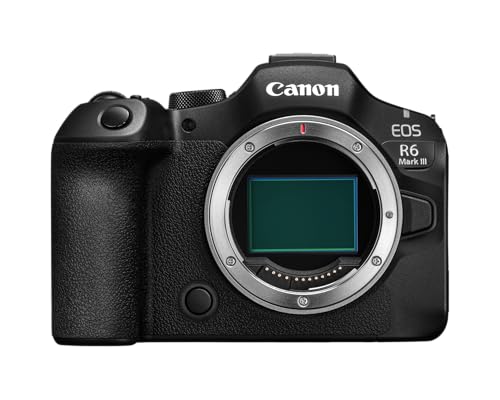
- Canon EOS R6 Mark III: linked pick, Canon’s newest full-frame all-rounder, for experienced hands ready to stop compromising
- Panasonic LUMIX S5IIX: linked pick, the S5II’s darker, video-armed sibling for amateurs whose stills grew a film habit
- Sony Alpha 7 IV: linked pick, full-frame Sony with the deepest third-party lens shelf an upgrader can climb
- Nikon Z50 II: linked pick, body-only APS-C Nikon for amateurs upgrading handling and focus before sensor size
- Canon EOS R6 Mark II: linked pick, the previous-generation R6, still a complete upgrade for most experienced amateurs
- Panasonic LUMIX S5II: linked pick, full-frame Panasonic whose stabilisation and value suit handheld, available-light photographers
An upgrade should be a diagnosis before it is a purchase, so each review below names the specific frustration the body cures. Grainy evening files point one way, missed focus at family events another, and a lens drawer that feels like a dead end a third. Match the cure to the complaint you actually have, because the most common amateur upgrade error is buying a magnificent answer to somebody else’s problem — usually a reviewer’s, photographed in better light than yours.
One more framing note before the names. This guide treats ‘amateur’ as a compliment about motive rather than a judgement about skill: you photograph because the people and places are yours, not because an invoice demands it. The cameras below were chosen for that photographer’s real calendar — recitals, reunions, club fixtures, city breaks — and judged by whether an experienced hand stops thinking about the tool somewhere around the second event and starts thinking only about the light.
Key Takeaways
- Upgrade the frustration, not the photograph: name whether focus, low light, lenses or handling limits you today.
- Full-frame bodies reward experienced hands most in dim halls, weddings and evening street work.
- A lens ecosystem is a ten-year decision wearing a camera body as its first instalment.
- Keep your current camera as the second body until the new one has survived a season of real events.
- Second-generation skills — off-camera light, printing, editing depth — often matter more than a second camera.
- All six picks link to our verified pool, so each model can be checked against its listing before money moves.
In this guide
Quick Picks
| Pick | Badge | Why it earns its place |
|---|---|---|
| Canon EOS R6 Mark III | Flagship step for Canon loyalists | Higher resolution than its sibling, formidable tracking, and a mount that anchors a decade of glass. |
| Panasonic LUMIX S5IIX | Video-leaning upgrader’s body | Phase hybrid autofocus, serious video tools and L-mount lenses for the stills shooter who now films. |
| Sony Alpha 7 IV | Ecosystem climber’s choice | Eye autofocus that flatters family events, 33-megapixel files, and lenses at every rung of the ladder. |
| Nikon Z50 II | Handling-first compact upgrade | Professional-grade subject detection in a small body that suits existing compact-system owners. |
| Canon EOS R6 Mark II | Proven all-rounder, gentler bill | Superb tracking and stabilisation at a step below the newest model’s price tier. |
| Panasonic LUMIX S5II | Stabilisation-led value upgrade | Phase hybrid autofocus, excellent stabilisation and L-mount value for handheld evening shooters. |
How did we judge cameras for photographers who already know their way around a dial?
We started from the upgrade interviews every camera club knows by heart. Experienced amateurs abandon bodies for four reasons: autofocus that cannot be trusted with grandchildren or dogs, high-sensitivity files that crumble exactly when family life happens indoors, lens ranges that end where their curiosity begins, and handling that fights a photographer who has developed opinions. Each candidate below was scored against those four exits, and bodies that merely added megapixels to the same frustrations were cut without ceremony.
Files were judged as editing material, not as screen candy. An experienced amateur pushes shadows, rescues skies and prints large enough for the hallway wall, so dynamic range and colour depth outranked punchy default processing in our weighting. A camera whose files forgive a stop of exposure error buys its owner more real photographs than one whose specification sheet sparkles under perfect light.
Finally, we priced the system rather than the body. The true cost of an upgrade is the body plus the two lenses the buyer will inevitably want within eighteen months, plus the flash, the bag that fits it all and the spare battery that experience has taught them to carry. Picks were ranked by how gracefully that whole staircase ascends — and by whether the first step, the body alone with an existing or bundled lens, already feels like progress on day one.

Canon EOS R6 Mark III — Flagship step for Canon loyalists
The R6 Mark III is what happens when an experienced amateur stops apologising for wanting the good one. It takes the R6 family’s celebrated formula — tracking autofocus that reads a scene like a spotter, in-body stabilisation that forgives tired arms, handling that disappears under practised fingers — and adds resolution headroom that changes what a file can become: the group photograph cropped into three portraits, the landscape printed across the hallway, the bird identified from a frame that would once have been deleted.
For the photographer upgrading from an older Canon body, the revelation is trust. Grandchildren at a christening no longer require a prayer per frame; the camera finds the face, holds the eye, and keeps working while you watch the moment instead of the machinery. Dogs at the park, dancers at the school show, the five-a-side uncle who still believes he is nineteen — the tracking treats them all as first-class subjects, and the keeper rate climbs so noticeably that the first month’s editing sessions feel suspiciously short.
Experienced hands will mine the customisation. Shooting modes banked on the dial for the hall, the street and the studio corner; buttons reassigned until the camera matches habits formed over years; a menu system that rewards the photographer who knows what they are looking for. This is not a camera that teaches photography. It is a camera that assumes photography and removes its friction, which is exactly the compliment an upgrader is paying for.
The bill, honestly stated, is the ecosystem’s toll. RF lenses of the fast kind cost what professional tools cost, and the body’s resolution exposes a mediocre lens more ruthlessly than a gentler sensor would. The staged answer works: body first with one strong zoom, a fast prime within the year, and the telephoto when the hobby’s budget committee — usually also its photographer — approves the minutes.
Buyers cross-shopping Sony should weigh mount history rather than specifications. If Canon glass, Canon colours and Canon handling already live in your muscle memory, the Mark III compounds that investment instead of resetting it. Upgrades are cheapest where they are continuous, and this body is continuity at a very high level of competence.
- Class: Full-frame mirrorless, higher-resolution generation
- Upgrade cure: Tracking trust plus cropping headroom
- Stabilisation: In-body, strong for handheld evenings
- Mount: Canon RF, deep professional catalogue
- Handling: Deep customisation for practised habits
Strengths
- Keeper rates that shorten editing sessions
- Resolution that turns one frame into several
- Handling that rewards years of Canon habit
Trade-offs
- Fast RF glass prices the staircase steeply
- Resolution exposes weak lenses honestly
- Overkill for photographers still shooting automatic
Best for: experienced Canon shooters ready for a long-term flagship
Not suited for: owners whose real limit is time, not equipment
Give the Mark III one honest month before judging it, because its virtues are cumulative rather than theatrical: fewer misses, calmer files, settings that feel increasingly like your own handwriting. Upgrades at this level rarely announce themselves in a single spectacular frame. They announce themselves in a season with no frustrating ones, which an experienced photographer recognises as the true luxury.

Panasonic LUMIX S5IIX — Video-leaning upgrader’s body
Somewhere around year three, many amateurs notice their camera spends half its life recording: the recital, the restoration project, the travel film that began as a joke. The S5IIX is built for that realisation. It carries the S5II’s phase hybrid autofocus and stabilisation, then adds a video armoury — professional recording formats, external recording options, a stealth-black finish that draws no attention at events — deep enough to grow with a filmmaker for years.
Stills photographers lose nothing in the bargain, and that is the design’s quiet triumph. The 24-megapixel files are the same honest, editable material as its sibling’s, the tracking finally gives Panasonic loyalists the confidence contrast-detection once denied them, and the body feels like a tool rather than a toy in weather that sends phone photographers home. An amateur whose weekends split between the football touchline and the family film project no longer needs two cameras arguing in one bag.
Consider the school production, this body’s natural stage. Stills of the cast for the programme before curtain; then the camera rides a small tripod at the back, recording the whole show while its operator sits with family like a civilian. Autofocus holds faces under stage lighting that shifts colour by the song, stabilisation is irrelevant on the tripod and priceless at the after-show party, and one memory card carries an evening that once demanded a camera bag’s worth of compromises.
The X premium over the standard S5II buys video depth that pure stills shooters should honestly decline. If your camera has never recorded longer than a birthday candle, the sibling below returns the same photographs for less money, and the saving funds the lens your stills actually need. The X is for the amateur whose hard drive already groans with footage — self-knowledge, as ever, is the cheapest specification.
L-mount economics sweeten the long game. Panasonic, Sigma and Leica lenses share the bayonet, so the fast zoom your budget allows this year and the dream prime it allows in three years both fit the same body. An upgrade is a platform decision disguised as a camera purchase, and this platform courts the patient builder better than most.
- Class: Full-frame mirrorless, video-forward variant
- Upgrade cure: One body for serious stills and filming
- Autofocus: Phase hybrid tracking, stage-light capable
- Mount: L-mount alliance across three makers
- Finish: All-black, discreet at events
Strengths
- Filming depth most stills bodies only gesture at
- Same honest stills files as the S5II
- Three lens brands keep the staircase affordable
Trade-offs
- Video premium wasted on stills-only shooters
- Menus carry a filmmaker’s vocabulary
- Slightly heavier bag than compact rivals
Best for: amateurs whose stills hobby grew a serious filming side
Not suited for: photographers who never press the record button
Audit your last year of shooting before choosing between the X and its sibling: count the filming days honestly. If they number in the dozens, the X’s premium dissolves into cost-per-use within a season. If they number in single figures, buy the plainer body and a faster lens, and let this review stand as the guide’s own argument practised on itself.

Sony Alpha 7 IV — Ecosystem climber’s choice
The a7 IV is the upgrade for the amateur whose real frustration is the lens wall. Sony’s E mount has welcomed third-party makers for years, so the fast prime, the travel zoom and the wildlife telephoto each exist at several prices from several brands, and the upgrader climbs by appetite rather than by ransom. A body is a season; a mount is a decade, and no pick in this guide understands that arithmetic better.
Its party trick remains the eyes. At the family wedding — the amateur’s most consequential unpaid assignment — the a7 IV parks focus on the bride’s eye through confetti, tears and an uncle’s shoulder, then finds the ring-bearer’s with equal calm when he sprints the aisle at twice the planned speed. Eye autofocus sounds like a luxury until a once-only event depends on it; afterwards it reads as insurance, and experienced amateurs buy insurance gladly.
The 33-megapixel files occupy a shrewd middle country: enough resolution to crop the school-play stage into a portrait of one child, without the storage appetite and lens scrutiny of the highest-resolution bodies. Editing latitude is generous, colours behave under the mixed lighting of real halls, and the camera’s customisation lets a practised owner build a machine that answers their hands before their thoughts finish forming.
Handling divides opinion and honesty requires saying so. The grip suits most hands well, the menus have improved across generations, yet Sony’s depth of options can feel like a cockpit to a photographer arriving from a simpler system. The cure is a single evening with the manual and a notebook: assign the handful of functions your shooting actually uses, ignore the remaining hundreds without guilt, and the cockpit becomes a bicycle.
As a platform, the a7 IV also future-proofs quietly. Its accessories, cages, grips and lenses populate every marketplace and hire shelf, so the upgrader’s experiments — a rented telephoto for the safari, a borrowed flash for the wedding — are cheap to run. Ecosystems are really rental-and-borrowing networks with a purchase attached, and Sony’s is the largest pond an amateur can swim in.
- Class: Full-frame mirrorless, 33-megapixel class
- Upgrade cure: Lens freedom plus eye-focus trust
- Autofocus: Real-time eye detection, people and animals
- Mount: Sony E, widest third-party support here
- Files: Croppable, forgiving in mixed hall light
Strengths
- A lens at every price for every ambition
- Wedding-grade eye focus for family events
- Huge rental and borrowing ecosystem
Trade-offs
- Option depth can overwhelm new arrivals
- Burst speed is capable, not class-leading
- Best glass still costs flagship money
Best for: upgraders whose lens ambitions outgrew their old mount
Not suited for: photographers who want five settings, not five hundred
Write your lens roadmap on paper before ordering this body: the two lenses you will buy this year, the one you dream about, and the one you will rent. If the E-mount catalogue answers all three lines at prices you can stage, the a7 IV is not merely a camera choice but a five-year plan with a shutter button — and plans, at this level of the hobby, are what separate upgrades from purchases.

Nikon Z50 II — Handling-first compact upgrade
Not every upgrade needs a bigger sensor; some need a better conversation between hand and machine. The body-only Z50 II serves the amateur who owns compact-system lenses — or plans to choose them deliberately — and whose frustrations are focus reliability, sluggish handling and a viewfinder that feels like a rumour. Nikon’s subject detection, inherited from its professional Z bodies, transforms the trustworthiness of every frame while the camera stays small enough to be carried daily, which is where amateur photography actually happens.
The daily-carry argument deserves respect from anyone whose big camera holidays in a cupboard. A Z50 II over the shoulder joins the school run, the dog walk and the city break, and photographs from those ordinary expeditions outnumber the safari shots in every real archive. Its colour presets and wireless sharing suit a photographer who has learned that a picture sent today beats a masterpiece processed next month, while its raw files still reward the evening editor when a frame deserves the full treatment.
Picture the street photographer’s Saturday. The camera hangs unobtrusively, the tilting screen allows waist-level discretion, and subject detection catches the market trader’s gesture before the moment dissolves. Later, the same body on a small tripod records the grandson’s piano practice with clean audio from an external microphone. Versatility at this size is not a compromise category; it is a genre of photography in itself, and this body may be its current valedictorian.
The APS-C ceiling should be faced squarely. In the darkest halls its files ask more of noise reduction than the full-frame picks here, and the shallow-depth portrait look demands faster lenses to achieve. Owners whose upgrade diagnosis reads low light, first and always, should climb to the full-frame rows of this table instead. Owners whose diagnosis reads absence — the camera left behind — will find this the most therapeutic purchase on the list.
Buying body-only is itself an experienced move, and the guide applauds it. Pair the Z50 II from day one with one fast prime chosen for your real subject — children, street, food, the dog — rather than a bundled zoom chosen for a warehouse’s convenience. A body and one beloved lens teach more, weigh less and photograph better than a body and a compromise, and the second lens can be chosen later by evidence instead of by bundle.
- Class: APS-C mirrorless, body only
- Upgrade cure: Focus trust and daily-carry handling
- Autofocus: Subject detection from professional Z bodies
- Carry: Small enough for everyday shoulder duty
- Sharing: Colour presets plus wireless transfer
Strengths
- Detection autofocus without flagship bulk
- A camera that is present for ordinary life
- Body-only buying suits deliberate lens choices
Trade-offs
- Dim-hall files trail the full-frame picks
- Shallow-depth looks need fast glass
- Smaller grip for very large hands
Best for: compact-system owners upgrading trust, not size
Not suited for: low-light specialists as their only camera
Keep a small notebook in the camera bag for the first season and record which frames the detection missed and why. Patterns emerge within a month — a zone too wide at the dog park, a case too stubborn at the school play — and a photographer who tunes from evidence turns a good autofocus system into a personal one. That tuning habit, more than the body itself, is the upgrade experienced amateurs are really buying.

Canon EOS R6 Mark II — Proven all-rounder, gentler bill
Every upgrade guide needs the pick for the photographer who wants ninety percent of the flagship for a noticeably smaller commitment, and the R6 Mark II wears that badge without embarrassment. Its tracking autofocus remains a joy at family and club events, its stabilisation steadies handheld telephoto work at the school sports day, and its files — from a 24-megapixel sensor that asks less of lenses and storage — print to sizes most hallways cannot accommodate anyway.
The experienced amateur’s calculus often favours exactly this generation step. The money not spent chasing the newest badge becomes the fast prime the portraits were begging for, or the telephoto that turns the grandson’s football from specks into expressions. A system bought whole — body plus the lens the work requires — outperforms a flagship body starved behind a slow zoom in every real comparison that matters, and this guide will keep repeating that arithmetic until it stops being necessary.
Daily life with the Mark II is frictionless in the ways veterans appreciate. The controls sit where Canon hands expect them, the weather sealing shrugs at sideline drizzle, and dual card slots mirror the christening photographs before the memory card has cooled. Battery life across a wedding’s long afternoon is a known quantity documented by a legion of owners, and known quantities are the currency experienced buyers trade in.
Where the newer Mark III pulls ahead is resolution and the latest refinements; where the Mark II answers is value and maturity. Its quirks are mapped, its firmware settled, its second-hand and hire availability excellent. An upgrader who rents before buying will find this body on every shelf, and a weekend’s evidence beats a season of speculation — rent it for the family event you fear most and read the keeper rate like a verdict.
Choose it when the diagnosis is general rather than specific: focus, files, handling and lenses all due an honest lift, with a budget that must also feed the lens shelf. That describes the majority of experienced amateurs most of the time, which is why this previous-generation body may be the most sensible purchase in the entire guide.
- Class: Full-frame mirrorless, 24-megapixel class
- Upgrade cure: The complete lift at a gentler tier
- Autofocus: Subject detection for people, animals, vehicles
- Cards: Dual slots for mirrored event insurance
- Status: Mature firmware, deep owner knowledge
Strengths
- Flagship manners without flagship pricing pressure
- Savings convert directly into better lenses
- Settled platform with endless documentation
Trade-offs
- Less cropping headroom than the Mark III
- Newest refinements live in the newer body
- RF fast glass still commands pro prices
Best for: the whole-system upgrader balancing body and lenses
Not suited for: resolution hunters printing at gallery scale
Spend the generation saving deliberately, in the same order, within the same month: body, one fast lens, one spare battery, one fast card. An upgrade assembled as a system in a single decision behaves like one from the first event, while a body bought alone and accessorised by drift spends a year as an expensive promise. The Mark II rewards the decisive assembler more than any pick here.

Panasonic LUMIX S5II — Stabilisation-led value upgrade
The S5II is the upgrade for the photographer whose best work happens handheld in available light: the evening street, the museum’s hush, the family kitchen at golden hour. Its in-body stabilisation is among the most effective here, buying shutter speeds that turn a dim interior from a noise festival into a printable frame, and its phase hybrid autofocus finally lets Panasonic’s colour and handling be chosen without the old focus asterisk.
Follow the available-light photographer through a winter city break. Blue-hour streets at slow shutter speeds stay crisp because the stabilisation and the photographer’s stance conspire; the Christmas market’s mixed light renders in colours that need no rescuing; the cathedral interior, tripods forbidden, yields frames at sensitivities the files absorb with grace. This is a camera for photographers whose tripods live at home and whose eyes live everywhere.
Value threads the whole proposition. The body prices below its full-frame rivals here, and the L-mount alliance means Sigma’s admired zooms and primes compete for the same bag at prices that leave room for the travel itself. An amateur’s budget is really a experiences budget wearing a camera costume, and the S5II respects the experiences: the saving against a flagship funds the rail ticket to somewhere worth photographing.
Video, while less armoured than the X variant’s, remains a genuine strength — smooth, well-stabilised recording with the same autofocus confidence — so the family historian loses nothing essential. What the stills-first buyer gains is simplicity: fewer menus aimed at film crews, a body pitched at the photographer who occasionally films rather than the filmmaker who occasionally photographs.
The compromises are the familiar Panasonic ones, shrinking yearly: a smaller crowd of fellow owners at the club than Canon or Sony command, and tracking that prefers a sensibly chosen focus area in chaotic scenes. Neither touches the core proposition. For the handheld, available-light, value-conscious upgrader, the S5II is less a compromise than a specialisation, and specialisations age well.
- Class: Full-frame mirrorless, 24.2-megapixel class
- Upgrade cure: Handheld low-light confidence
- Stabilisation: Among the strongest in this guide
- Mount: L-mount, strong Sigma value
- Character: Weather-sealed, travel-ready build
Strengths
- Slow handheld speeds stay printable
- Colours that survive mixed evening light
- System value that funds the trips themselves
Trade-offs
- Smaller owner community at the club
- Tracking likes a disciplined focus area
- Video depth sits below the X variant
Best for: travel and street amateurs who shoot handheld at dusk
Not suited for: buyers wanting the largest local user group
Practise the stabilisation honestly in the first week: shoot the same dim doorway at descending shutter speeds and find your personal floor, because the system’s gift is measured in your hands, not in a laboratory. Most owners discover a full stop more courage than they expected, and that stop — banked across every evening photograph for years — quietly rewrites what their archive looks like after dark.
What should an experienced amateur upgrade first: body, lens or light?
The honest answer hides in your own archive. Open the last hundred photographs you nearly loved and interrogate the failures: if focus missed, the body or its autofocus generation is the culprit; if everything is sharp but nothing glows, the lens and its aperture are starving you; if the light itself was hopeless — flat, mixed, or absent — then a flash, a reflector or a lamp will outperform any camera on this page. Upgrading in the order of your evidence is the whole secret, and it is free.
Lens-first upgrades surprise their owners most often, because a fast prime on an ageing body produces the shallow, luminous look many amateurs attribute to expensive sensors. Body-first upgrades win when the failures are mechanical: hunting focus, glacial buffers, batteries that die at the reception. Light-first upgrades win quietly everywhere, transforming kitchens and halls for less than any lens costs, and they transfer free of charge to whatever body arrives next year.
The picks in this guide assume the diagnosis pointed at the body — that is the assignment — but each review names the frustration it cures so a reader can catch a mismatch before checkout. If none of the six cures sounds like your complaint, the correct purchase may be a lens, a flash or a printing course, and a guide that cannot say so is a catalogue wearing a costume.
How does full-frame actually change an experienced amateur’s photographs?
Depth is the visible half: at the same aperture and framing, the larger sensor thins the zone of sharpness, so a grandchild’s face separates from a cluttered kitchen with a softness smaller formats must buy faster lenses to imitate. Portraits gain that separation effortlessly, and it flatters subjects in the messy real rooms where family photography lives. The effect is real, addictive, and — once seen in your own archive — difficult to unsee.
Low-light grace is the working half. Larger sensors gather more light per photograph, so the evening files that crumbled from an older body hold together: shadow detail survives, colours stay honest at sensitivities that once produced soup, and the school hall stops being a photographic apology. For the amateur whose life happens indoors after six o’clock, this is not a luxury specification; it is the difference between photographing the life and photographing only its weekends.
The costs deserve equal clarity. Full-frame lenses grow larger, heavier and pricier; depth of field thins enough to punish sloppy focus at wide apertures; and the whole kit asks more of the bag and the shoulder. The Z50 II in this guide exists because those costs are sometimes the wrong trade. Full-frame is a direction, not a duty, and experienced amateurs choose it for named reasons or not at all.
Which lenses should follow an upgraded body home?
Sequence the shelf by your archive, not by a forum’s applause. The first lens is the one your favourite existing photographs were begging for: most family photographers discover it is a fast prime near their natural focal length, the lens that turns the kitchen-table portrait from documentation into keepsake. Buy that lens within the same season as the body, while the upgrade’s momentum is warm, because a flagship body behind a slow bundled zoom photographs suspiciously like the old camera did.
The second lens answers distance or breadth — the telephoto for the touchline and the school stage, or the wide zoom for interiors, travel and the group photograph in a small room. Choose by counting your last year’s frustrations again: the moments too far away versus the rooms too tight. One of those counts is always larger, and it, not a reviewer’s ranking, should sign the cheque.
Resist the third lens until the first two have each survived a season. Lens drawers fill with focal lengths bought for imagined photographs, while the archive keeps asking for the same two perspectives executed better. An experienced amateur’s maturity shows in a small, beloved, thoroughly known lens shelf — each optic with a job, a history and a place in the bag that muscle memory can find in the dark.
How do you sell the upgrade to yourself honestly — and to the household?
Begin with the archive audit described above and write the diagnosis in one sentence: the camera I own cannot do X, and X cost me these specific photographs. A sentence that concrete survives scrutiny from partners, budgets and one’s own midnight doubts far better than a mist of megapixels. Attach the photographs that failed; evidence persuades households the way it persuades photographers, and the upgrade becomes a family decision rather than a smuggled indulgence.
Cost-per-use arithmetic helps the honest case. A body kept five years and carried weekly costs less per outing than the hire of a suit, and an amateur who genuinely shoots weekly is not the person upgrade guilt should target. Set the old body’s fate in the same conversation — sold to fund the lens, kept as the second body, or handed to the teenager whose interest is blooming — because an upgrade plan with a succession plan reads as stewardship, not accumulation.
Finally, schedule the proof. Put the new camera to work at a real event within a fortnight — the recital, the match, the birthday — and review the results beside the old body’s attempts at the same occasion last year. Upgrades justified by comparison stay justified; upgrades justified by unboxing fade by spring. The six bodies here welcome that comparison, which is precisely why they were chosen.
What skills should grow alongside the new body?
A better camera amplifies the photographer it is given, including their habits. The upgrade season is therefore the right season to repair one technique: off-camera flash for the indoor photographer, printing for the screen-only archivist, or deliberate composition study for the snapshot collector whose framing never changed while their sensors did. Each of those skills multiplies the new body’s value more than any accessory in the catalogue.
Printing deserves its paragraph because it is the audit no screen can fake. A large print exposes focus laziness, editing excess and colour drift with a honesty that recalibrates a photographer’s standards for a year. Several picks here — the Canons and the Sony especially — produce files that reward the hallway wall, and an amateur who prints monthly will find their shooting improving faster than any gear cycle could arrange.
Backing up is the unglamorous skill that protects all the others. A new body writes larger files to more cards, and the upgrade month is when archives quietly outgrow the single laptop they trusted. Two copies, one elsewhere, tested by an actual restore: write it into the upgrade budget as a line item, because the best digital cameras for amature photographer memories are worthless the day the only drive that holds them fails.
When is the right answer to keep the camera you own?
When its failures are rare and your frustrations are really about time. Photographers who shoot six times a year do not have an equipment problem; they have a calendar problem, and a new body photographs a calendar no better than an old one. The cure there is a standing appointment — the Saturday walk, the club evening, the grandchild’s Tuesday — after which an honest equipment gap may finally declare itself and deserve its budget.
Keep the old body, too, when its files still print to your wall’s satisfaction and its focus still trusts you at family events. Specification envy is a marketing product, not a photographic one, and the archive is the only review that cannot be sponsored. Many experienced amateurs discover, auditing honestly, that their next leap is a lens, a printer or a course — and this guide counts that discovery as a successful consultation, not a lost sale.
And keep it as the second body even when you do upgrade. The christening wants one lens for the ceremony and another for the party; the old body wearing the second lens ends the swapping, the sensor dust and the missed moment mid-change. Succession, in a camera bag as in a family, works best when the elder is honoured with a role rather than retired to a drawer.
How do you test a candidate body before committing to it?
Rent or borrow the finalist for the event you fear most, not for a gentle afternoon in the park. The christening with its candlelit church, the derby with its floodlights, the recital where parents are forbidden flash — these are the examinations your archive has been failing, and a candidate body should sit one before it is crowned. Shops with hire counters and lending libraries at camera clubs exist precisely for this experiment, and a weekend’s hire fee is the cheapest insurance in the entire upgrade.
Shoot the test honestly. Use the lens you actually plan to buy, not the professional glass the hire shop offers as a sweetener, because a body tested behind borrowed brilliance will disappoint behind your own shelf. Photograph your real subjects at your real hours, then edit the files with your real patience, on your real computer, and time the session. An upgrade that halves your editing hour is worth money; one that doubles your storage while leaving your evenings unchanged deserves a harder negotiation.
Score the weekend on paper while it is fresh: keepers out of attempts, moments missed and why, battery at the final whistle, and the one handling irritation you noticed by Sunday. Compare those four lines with the same event shot on your current body last season. Numbers written down defeat the glow of novelty, which is the most persuasive liar in any camera shop, and they give the household conversation evidence instead of enthusiasm.
What does an upgrade do to your existing accessories and habits?
More than the brochure admits. Batteries change shape, chargers multiply, cards demand new speeds, and the bag that fitted the old system like a glove now argues with the new body’s grip. Budget a honest logistics line — historically a tenth of the body’s price — for the migration itself, or the first month becomes a drip of small frustrations, each one unfairly blamed on a camera that merely changed the shape of its fuel.
Habits migrate more slowly than hardware. The dial that meant aperture now means exposure compensation; the button your thumb trusted sits a centimetre from where twenty years of birthdays put it. Expect a clumsy fortnight and schedule it kindly: carry the new body on low-stakes walks first, let the school play be its third event rather than its first, and keep the old body charged at family occasions until the new one’s controls feel like handwriting rather than translation.
Software joins the migration quietly. Raw converters need updates for a new body’s files, favourite presets translate imperfectly to a new sensor’s colours, and the cataloguing system meets larger files than it was organised around. An evening spent updating, testing one import end to end, and adjusting the backup routine is the upgrade’s true final step — the one after which the camera stops being a project and becomes, simply, your camera.
How do the six upgrade paths compare side by side?
Read the table as six different diagnoses wearing cameras. Flagship resolution, filming depth, lens freedom, daily carry, proven value and handheld dusk confidence are different medicines; the comparison exists so the prescription matches the patient, not so a winner can be crowned in the abstract.
| Pick | Badge | Choose it when | Think twice when |
|---|---|---|---|
| Canon EOS R6 Mark III | Flagship step for Canon loyalists | experienced Canon shooters ready for a long-term flagship | owners whose real limit is time, not equipment |
| Panasonic LUMIX S5IIX | Video-leaning upgrader’s body | amateurs whose stills hobby grew a serious filming side | photographers who never press the record button |
| Sony Alpha 7 IV | Ecosystem climber’s choice | upgraders whose lens ambitions outgrew their old mount | photographers who want five settings, not five hundred |
| Nikon Z50 II | Handling-first compact upgrade | compact-system owners upgrading trust, not size | low-light specialists as their only camera |
| Canon EOS R6 Mark II | Proven all-rounder, gentler bill | the whole-system upgrader balancing body and lenses | resolution hunters printing at gallery scale |
| Panasonic LUMIX S5II | Stabilisation-led value upgrade | travel and street amateurs who shoot handheld at dusk | buyers wanting the largest local user group |
Which upgrade mistakes do experienced amateurs keep repeating?
Buying the body and starving the lens leads the list by a distance measurable in wasted seasons. A flagship behind a slow zoom inherits the old photographs’ limitations with better noise performance, and the owner concludes, wrongly, that upgrades are a myth. The second mistake is changing systems in a temper — selling a mount at its lowest value to chase a rival’s headline feature, then repurchasing the same focal lengths at full price on the other side of the fence.
Third comes the clean sweep: new body, new lenses, new bag, new software, all in one month, so no comparison with the old way is possible and every frustration has five suspects. Upgrade in stages and each stage can be judged. Fourth is neglecting the unphotogenic line items — cards fast enough for the new bursts, batteries enough for the longer day, storage deep enough for the larger files. The camera is the visible tenth of an upgrade; the other nine-tenths are logistics, and logistics ignored become the failures that sour a good body unfairly.
A fifth repeat offender is the prestige focal length: the exotic prime or monster telephoto bought because it photographs well in other people’s portfolios, then left home because it answers no journey the owner actually takes. Every lens in an experienced amateur’s bag should be able to name the last three photographs it made. A lens that cannot is not an asset awaiting its moment; it is the next upgrade’s funding, waiting to be sold by its own owner.
Final Recommendation
For most experienced amateurs reading with a Canon history, the R6 Mark II is the balanced prescription and the Mark III its no-regrets escalation; Sony’s a7 IV wins the lens-freedom argument outright; Panasonic’s pair divide the honours between the filmmaker-leaning X and the handheld value of the S5II; and Nikon’s Z50 II remains the wise answer when the true diagnosis was absence rather than image quality. Every one of them will feel like a liberation if — and only if — it answers the frustration your own archive named.
So run the audit tonight, before any basket fills: one sentence of diagnosis, three failed photographs as evidence, and a lens plan written beside the body’s name. The best digital cameras for amature photographer upgraders are not the newest or the dearest on this page. They are the ones whose specific cure matches your specific complaint, bought as a system, in stages, with the old body honoured and the skills growing alongside. Choose that way and the upgrade will still be repaying you when the next generation arrives to tempt you again.
And when the new body has survived its first season — when the recital, the reunion and the wet derby all sit edited in the archive — do the audit once more, in reverse. Count what the upgrade actually returned: the frames that exist now and could not have existed before. That small, honest ledger is the document that ends buyer’s remorse, silences specification envy at the next launch, and tells you, years early, what your following upgrade should be.
Related guides
Frequently Asked Questions
I typed “amature” — is this guide really for experienced photographers?
Yes, deliberately. The spelling in the keyword is how thousands of people actually search, and the audience behind it is rarely a first-time buyer: it is the hobbyist with years of photographs who wants a body that stops limiting them. Every pick here assumes you already understand exposure and want trust, files and lenses that reward that understanding.
Should I switch brands when I upgrade?
Only when your diagnosis names the mount itself — a lens wall, a missing feature your work truly needs — because switching repurchases every focal length you own. Staying compounds your investment in glass, accessories and muscle memory. The Sony in this guide is the strongest switch argument, thanks to its third-party lens shelf; even it should win on your written diagnosis, not on a headline.
Is 24 megapixels enough for an experienced amateur?
For prints to the sizes most homes display and crops of the modest kind, comfortably yes — the S5II and R6 Mark II built this guide’s value picks on exactly that class of sensor. Choose the higher-resolution bodies when cropping is a habit rather than an accident: distant wildlife, stage photography from fixed seats, or group photographs mined for individual portraits.
What should I do with my old camera body?
Keep it through the first season as the second body — wearing the other lens at events, serving as the loaner for family trips, and insuring the new body’s learning curve. After a season, decide with evidence: sell it while it still funds a lens, hand it to a rising photographer in the family, or keep it permanently as the two-body event kit it has become.
Do I need full-frame for family photography?
You need it for the family photography that happens in dim halls and evening kitchens, where its light gathering and depth transform the files. For daylight gardens, school sports and travel, the APS-C Nikon here serves beautifully and travels lighter. Read your own archive’s lighting, because it, not a forum, knows which family you photograph.
How long should an upgraded body last me?
Plan on five years of front-line service and more as a second body, which is why the lens ecosystem matters more than any single specification. Bodies age by features; mounts age by decades. Buy the platform your five-year self will thank you for, keep its firmware current, and let the next upgrade be argued by your archive rather than by a launch event.
Related Guides
Upgraders usually arrive here from a neighbouring question, so the natural next reads are the best digital cameras for beginners photography the best mirrorless cameras for family photography the best camera lenses for portraits.


