reviewstook.com is reader-supported. When you buy through links on our site, we may earn an affiliate commission.
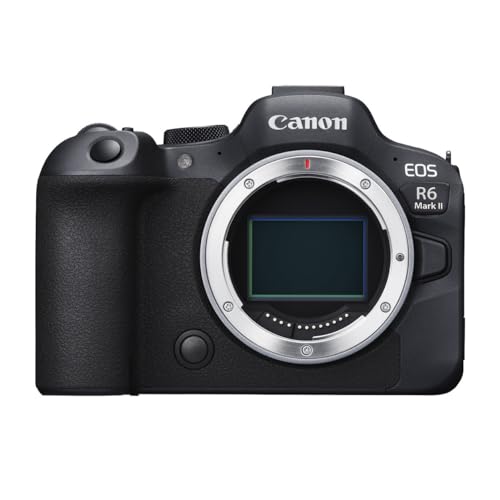
Where to buy
Children do not pose; they detonate. The gap-toothed grin lasts a second, the first solo bike ride happens exactly once, and the expression you actually wanted is always the one between the two you prepared for. The best cameras for taking pictures of kids are therefore not the ones with the most resolution — they are the ones whose autofocus finds a small, fast, unpredictable eye and refuses to let go, whose burst rate turns a chaotic half-second into twenty chances, and whose handling lets a parent shoot one-handed while the other hand holds a juice box, a gate, or a smaller child.
This guide is written for the people behind the camera at real family life: parents at sports day, grandparents at the recital, the aunt who has become the unofficial archivist of an entire generation. Their shared enemy is not poor image quality in the abstract — modern cameras are all good — it is the missed moment, the soft eye, the shutter that fired after the candle was already out. Every judgement below is made against that enemy.
Phones deserve their honest sentence here: for a still child in good light, your phone is fine, and this guide will not pretend otherwise. A dedicated camera earns its money at the edges phones cannot reach — the dim school hall, the sprinting toddler, the telephoto end of a football pitch, the print on the grandparent’s wall. The six picks below are ranked for exactly those edges, from a flagship-grade family flagship down to the action camera you hand to the child themselves.
Start where you are, with the children at the ages they are this month; the perfect camera chosen next year photographs a different, older family.
- Canon EOS R6 Mark II: check price on Amazon
- Sony Alpha 7 IV: check price on Amazon
- Nikon Z50 II: check price on Amazon
- Panasonic LUMIX S5II: check price on Amazon
- GoPro HERO13 Black: check price on Amazon
- OM System OM-5: available through camera retailers as body or kit
A note on lenses, because parents buy bodies and inherit consequences: the kit zoom that comes in the box will serve birthdays well and sports days poorly. Plan, sooner than feels natural, for one brighter lens — a fast prime for indoor life, or a modest telephoto for the pitch — because children grow toward stages and fields, and both are farther away and darker than the living room where the camera was bought.
And a promise about tone: no pick here requires you to become a technician. Each is judged partly on how gracefully it behaves when its owner has slept four hours and is operating it at a recital with a sibling on their lap. Family photography is a contact sport; the equipment should know that.
One more framing thought before the picks: you are not buying specifications, you are buying a rate of return on moments. Every feature discussed below converts, in the end, into a percentage — the share of unrepeatable seconds that come home sharp, lit and framed. Judge the cameras as an actuary of childhood would, and the rankings in this guide will feel less like opinions and more like arithmetic.
Key Takeaways
- Eye autofocus that tracks a moving child is the single feature that matters most — everything else is commentary.
- Burst rate buys insurance: a chaotic second becomes a sequence you can choose from.
- Buy the brighter lens earlier than feels sensible; children migrate toward dark halls and distant pitches.
- A camera that is present beats a better camera at home — size decides which one travels to the park.
- The GoPro pick is for handing to the child; the OM-5 prose pick is for the grandparent who walks everywhere.
- Set the camera up before the event: kid photography is won in the menus the night before.
- Hand the camera over regularly — the archivist belongs in the archive too.
- Rehearse birthdays: set exposure before the candles arrive.
In this guide
Quick Picks
| Pick | Badge | Why it earns its place |
|---|---|---|
| Canon EOS R6 Mark II | Best overall camera for kids | Eye autofocus that clings to small, fast subjects and bursts that keep up — the family flagship that misses least. |
| Sony Alpha 7 IV | Best for growing with the family | Real-time eye tracking, deep resolution for wall prints, and the largest lens bench to grow into as kids reach stages and pitches. |
| Nikon Z50 II | Best for parents who travel light | A compact body with subject detection and cheerful colour presets — the family camera that actually comes to the park. |
| Panasonic LUMIX S5II | Best value for family films and photos | Full-frame stills with phase autofocus and stabilisation that rescues handheld family video — the hybrid parent pick. |
| GoPro HERO13 Black | Best camera to hand to the kids | Waterproof, drop-tolerant and mountable on bikes, helmets and pool days — the camera that records childhood from inside it. |
| OM System OM-5 | Best for grandparents — prose-only pick | A small, weather-sealed Micro Four Thirds body with gentle handling — described in prose as the walking grandparent’s companion. |
What did we put these family cameras through before ranking them?
Autofocus was the first and harshest sieve, judged on the specific cruelty of child subjects: small eyes, sudden direction changes, faces that turn away mid-burst, and a fondness for approaching the camera at speed. We favoured systems whose eye detection finds a child’s eye quickly, holds it through partial turns, and reacquires it after the inevitable pirouette — because a parent’s keeper rate is decided almost entirely by that behaviour, not by any specification printed larger on the box.
Burst behaviour came second, with a parent’s nuance: not the headline maximum, but usable bursts with autofocus alive throughout, a buffer that does not choke after the first second of the school play’s best scene, and file sizes that do not punish a family archive. A camera that shoots twenty frames of the candle-blowing and keeps focus through all twenty is worth more to a family than a faster camera that guesses.
Third, we judged the ownership reality of family life. Menus a tired parent can navigate, a screen that tilts for low angles at toddler height, sharing that gets a photograph to the grandparents the same evening, and a size that fits the bag that already goes everywhere. The best family camera is a sociological object as much as an optical one, and the rankings below reflect the whole truth of that.
We weighted one unfashionable quality heavily: repairability and service. Family cameras live hard lives — dropped at zoos, sanded at beaches, sat on in cars — and a body whose maker services it quickly and reasonably will out-serve a theoretically superior orphan. Childhood will not pause for a six-week repair saga, and the guide’s rankings quietly assume the camera must be back for next month’s occasion, because there is always a next month’s occasion.
Geography had its say as well: a family camera must survive the beach holiday, the rainy match and the relative in another time zone who expects photographs by evening. Sealing, sharing and a charger that works from any country’s socket are not glamorous criteria, but they are the difference between an archive with summers in it and an archive that stops every August.
What do the best cameras for taking pictures of kids have to catch, moment by moment?
Divide family photography into its three real arenas and the equipment logic clarifies. The first is the home: dim lamps, fast toddlers, distances of two metres, and moments that begin without announcement. This arena rewards bright lenses, high-ISO grace and autofocus that works in lamplight — and it is where most of a childhood is actually photographed, whatever the brochures show.
The second arena is the event: the recital, the match, the school play, where your child is twenty metres away, lit like a cave, and moving in a costume. Here the demands invert — reach, burst discipline, and sensors that tolerate being pushed — and here is where phones quietly surrender and the cameras in this guide earn their entire price in one evening. The third arena is the portrait: the deliberate photograph, the grandparent’s wall, where resolution and colour finally get their say and the child, bribed and brushed, holds still for entire seconds at a time.
A family camera must serve all three arenas across a decade, because children migrate through them: the toddler at home becomes the footballer at distance becomes the teenager who will only be photographed under treaty. The picks below were chosen as decade companions, weighted toward the arenas where moments are least repeatable — which is why autofocus and burst outrank the portrait virtues throughout.
Twins, siblings and the group dynamics of childhood add one more demand the specifications never mention: width. The family photograph is so often a cluster — three children, one dog, a grandparent at each end — that a lens wide enough for the kitchen and an autofocus system happy to choose among several beloved faces matter as much as single-eye heroics. Test any candidate on your actual crowd, not on a shop assistant standing still and alone.
Birthdays deserve their own tactical note, being the genre’s most-photographed and worst-lit recurring event: candles in a darkened room, a ring of faces at three distances, and a climax lasting four seconds. The winning method is rehearsal — photograph the cake’s arrival, set exposure on the birthday child’s face under room light, and let the burst carry the candle moment itself. Every camera here can execute that plan; the ones with the kindest high-ISO manners execute it without the flash that ruins the room’s one moment of theatre.

Canon EOS R6 Mark II — Best overall camera for kids
If the brief is simply ‘stop missing the moment’, the R6 Mark II is this guide’s answer. Canon’s subject detection finds a child’s eye with an almost parental instinct and holds it through the spins, dives and sudden reversals that define small-human motion, while the burst rate turns the birthday-candle second into a sequence with a beginning, a middle and a perfect frame. Parents upgrading from a phone notice the difference in the first hour: the keeper rate does not improve, it transforms.
The full-frame sensor carries the family’s two hardest arenas gracefully. Indoors, its high-ISO files stay clean enough that lamplight portraits of a sleeping baby or a kitchen-table card game look like the memory felt; at events, the same sensor tolerates the cropping that a distant stage demands. Canon’s colour — particularly its skin tones across the whole range of complexions a family actually contains — remains the industry’s kindness, and children’s faces are where that kindness is spent daily.
It is not a small camera, and this guide will not pretend a full-frame body vanishes into a changing bag. But its handling is the friendliest here for a parent shooting one-handed, its menus forgive the sleep-deprived, and as a ten-year family instrument — birthdays to graduations — it is the pick least likely to be outgrown before the children are.
A word on its video, since family life insists: the Canon’s filmed moments inherit the same eye-tracking kindness as its stills, so the wobbly parent-filmed nativity play at least keeps its shepherd in focus. Pair that with a modest microphone when the hall allows, and the family’s films stop being the archive’s poor relations. Many parents buy this camera for photographs and discover, by the second Christmas, that its video quietly took over the mantelpiece.
- Sensor: full-frame with clean high-ISO files for indoor life
- Autofocus: eye detection that tracks moving children
- Burst: fast continuous shooting with live autofocus
- Mount: Canon RF, with bright primes for home light
- Extras: friendly handling for one-handed parent operation
Strengths
- Keeper rate on moving kids is superb
- Skin tones flatter every family member
- Handles dim halls and bright pitches alike
Trade-offs
- Full-frame size tests the changing bag
- RF bright lenses add real cost
- More camera than a still-child household needs
Best for: parents who want one camera from toddlerhood to graduation.
Not suited for: families who will only ever shoot birthdays in daylight.

Sony Alpha 7 IV — Best for growing with the family
The Alpha 7 IV argues for the long view of family photography. Its eye autofocus — Sony’s real-time tracking generation — is relentless with children in motion, locking on and riding through playground chaos with a confidence that lets the parent compose instead of praying. Its resolution then serves the family’s portrait arena: the deliberate photograph, cropped confidently and printed large for the wall, with detail that will still impress when the subject is taller than the photographer.
Sony’s lens ecosystem is the strategic argument. A family can begin with the kit zoom, add the affordable bright prime that transforms indoor photographs, and later — when the child reaches a stage or a pitch — choose from the deepest bench of telephotos at every price. Third-party makers compete on this mount with unusual ferocity, which keeps each stage of a childhood’s changing demands unusually affordable to meet.
The compromises are the familiar Sony ones: menus that reward an initial setup evening, and a tool-like feel that prioritises function over charm. For the parent who photographs everything — kids this year, travel and landscapes as the family grows — it is the system least likely to need replacing, and its second career as the household’s everything camera is already written into its design.
Its dual card slots deserve a parent’s specific gratitude. Set the second card as overflow or as an instant mirror on the unrepeatable days — the first steps, the wedding the child attends in a tiny suit — and a whole category of archival anxiety simply leaves the household. Cameras are judged in reviews by their sensors; families judge them, eventually, by whether the important card ever failed, and the Sony’s answer is engineered in advance.
- Sensor: high-resolution full-frame for big family prints
- Autofocus: real-time eye tracking for children in motion
- Mount: Sony E, the deepest lens bench available
- Video: strong family filming alongside stills
- Extras: dual card security for unrepeatable days
Strengths
- Tracking holds through playground chaos
- Prints and crops survive its resolution
- Lens path for every stage of childhood
Trade-offs
- Menus demand a setup evening
- Body feel is functional, not charming
- Resolution makes for large family archives
Best for: parents photographing kids plus everything else for years.
Not suited for: anyone wanting the simplest possible first camera.

Nikon Z50 II — Best for parents who travel light
The Z50 II understands the first law of family photography: the camera at the park takes better pictures than the masterpiece at home. Its compact body and small lenses build a kit that fits the bag a parent already carries, and Nikon’s subject detection — inherited from its bigger siblings — gives it autofocus manners well beyond its size, finding eyes and holding them through the moderate chaos of ordinary family life.
Its colour presets deserve a parent’s specific praise. Nikon’s picture controls and easy looks produce JPEGs that can go straight to the family chat and the grandparents’ printer without an editing session nobody has time for, and its wireless sharing closes the loop the same evening. For the documentary purpose of family photography — the photograph delivered while the day is still warm — that pipeline is a feature as real as any sensor.
Full-frame advocates will note its smaller sensor’s limits in the darkest halls, and they are right, within limits the bright DX lenses mostly answer. As the camera of a young family — carried daily, forgiving hourly, outgrown slowly if at all — it is the most sociable instrument in this guide, and sociability is a photographic virtue when the subjects are under ten.
Do not underestimate what its size does to a child’s behaviour. A small camera is furniture; a large one is an event. The Nikon can ride along on ordinary days — the supermarket expedition, the rainy-day den — without announcing itself as Photograph Time, and ordinary days are where childhood actually happens. The archive built by an unobtrusive camera has a texture no flagship session can imitate, and parents consistently underrate it until they see one.
- Sensor: APS-C in a genuinely portable body
- Autofocus: subject and eye detection for family chaos
- Colour: presets that deliver shareable JPEGs directly
- Sharing: wireless transfer to phones the same evening
- Extras: small lenses keep the whole kit parent-portable
Strengths
- Size means it is present for the moments
- Straight-from-camera colour saves evenings
- Friendly cost for a first serious family camera
Trade-offs
- Darkest halls test its sensor sooner
- Lens bench smaller than full-frame systems’
- Serious sports reach requires planning
Best for: parents of young children who shoot daily life constantly.
Not suited for: recital photographers at the back of dark theatres.

Panasonic LUMIX S5II — Best value for family films and photos
Families do not divide their memories into photographs and films; they divide them into moments, and the S5II serves both halves of every moment. Its phase hybrid autofocus — the generation that transformed Panasonic’s reputation — tracks children with the confidence this genre demands, and its stabilisation is the family’s secret weapon: handheld video of a first bike ride, shot while jogging alongside, comes home watchable instead of seasick.
The stills case is equally honest. A full-frame sensor with graceful high-ISO behaviour covers the lamplit home arena, Panasonic’s colour has a natural, unexaggerated character that ages well in family archives, and the body’s menus remain the easiest here to operate under the cognitive conditions of parenthood. L-mount lenses from several makers keep the bright-prime and telephoto steps attainable.
Video-first families should compare the S5IIX, and stills-only families will find this standard model the value sweet spot of the entire guide. Either way, the S5II is the pick for the parent who has already discovered that the clip of the moment and the photograph of the moment are both treasures, and refuses to choose which kind of grandparent they will be.
The Panasonic’s colour science has a documentary honesty that suits family truth-telling: no beautifying gloss, no saturation theatrics, just the kitchen as it was. Archives age on honesty. The slightly plain frame of today becomes, in twenty years, the evidence of how things really looked — the exact green of the school jumper, the true grey of a November pitch — and families treasure the cameras that did not flatter them out of their own past.
- Imaging: full-frame sensor with modern phase autofocus
- Stabilisation: class-leading for handheld family video
- Mount: L-mount lenses from an alliance of makers
- Menus: the most parent-friendly in this guide
- Extras: strong stills and film in one body
Strengths
- Handheld family films come home smooth
- Autofocus tracks kids with new confidence
- Full-frame value undercuts the big two
Trade-offs
- Eye-AF pedigree younger than Canon’s or Sony’s
- Lens bench is growing, not grown
- Video depth may exceed a stills family’s needs
Best for: parents who film and photograph their kids equally.
Not suited for: purist stills shooters on the tightest budget.

GoPro HERO13 Black — Best camera to hand to the kids
Every other pick in this guide photographs children; this one enlists them. The HERO13 Black is the camera a parent can hand to a seven-year-old — waterproof for the pool, tolerant of the drops that are a child’s natural handling style, and simple enough that its operator’s entire training is the location of one large button. The footage and stills it returns are childhood from the inside: the bike ride at handlebar height, the underwater grin, the dog’s-eye view of the garden.
Its reframing-friendly capture suits family editing beautifully, because the same clip yields the wide version for the television and the vertical cut for the relatives’ phones. Mounted on a chest harness it records a parent’s hands teaching, catching and applauding — the supporting cast’s perspective that family archives almost never contain and everybody wishes they did, twenty years later.
It is not a substitute for the mirrorless picks: its small sensor and fixed wide lens surrender the hall, the stage and the portrait entirely. It is the family’s second camera and the child’s first, and in those roles nothing else in the guide — nothing else in most guides — is remotely as fit for purpose. Buy the protective housing if your household’s children are the ambitious kind; you know if they are.
Parents should steal one trick from its young operators: mount it and forget it. A GoPro running quietly at the end of the garden table records the birthday’s real soundtrack and the unposed faces between courses, material no directed photography survives contact with. Review it later, keep the ninety seconds that matter, and delete the rest without ceremony — the camera’s cheapness, in memory as in money, is what makes the experiment free.
- Form: waterproof action camera, no housing needed for play
- Capture: reframing-friendly tall sensor for flexible edits
- Mounts: bikes, helmets, chest harnesses and pool toys
- Control: one big button a child can master
- Extras: voice control for a parent’s hands-full starts
Strengths
- Survives being operated by its subjects
- Records childhood from the child’s height
- Pool, beach and mud are all locations now
Trade-offs
- No reach for stages or sports
- Indoor low light is not its element
- Stills are snapshots, not portraits
Best for: active families and kids old enough to film their own world.
Not suited for: recitals, portraits or anything across a hall.
OM System OM-5 — Best for grandparents — prose-only pick
The grandparent is family photography’s under-credited workforce: present at everything, unhurried, and possessed of the one resource parents lack — time to practise. The OM-5 suits that photographer precisely. It is a small, weather-sealed Micro Four Thirds body whose lenses are correspondingly tiny, so the whole kit rides in a coat pocket or a small handbag to every recital, christening and Tuesday. Its in-body stabilisation is famously forgiving of hands that are no longer tripods, which converts directly into sharper photographs of grandchildren.
We present it in prose because it sits outside this guide’s verified pool, and because its purchase rewards a shop visit: grip comfort and dial size are personal at every age and decisive at some. In the hand, its charms compound — computational helpers for bright days, a viewfinder that suits glasses, and image quality that prints beautifully at the sizes family walls actually use. The smaller sensor’s limits appear only in the darkest halls, where its fast, tiny primes fight back admirably.
If the family archivist is a grandparent who walks to things, travels to grandchildren across counties and countries, and wants a real camera that never becomes luggage, this is the guide’s warmest recommendation — delivered, appropriately, as a considered suggestion rather than a checkout button.
There is a final, sentimental argument for equipping the grandparents properly: their photographs will be taken with an attention parents cannot spare. The grandparent at the recital is not also making dinner, finding the PE kit and answering work email — they are simply watching, with a good camera, at the ready. Families who arm that attention well are repaid in the archive’s best seats: front row, every time, for twenty years.
- Sensor: Micro Four Thirds in a compact sealed body
- Stabilisation: strong in-body system, kind to hands
- Lenses: small, light primes and zooms for travel
- Build: weather-sealed for all-season grandparenting
- Extras: computational helpers for bright, tricky light
Strengths
- Kit disappears into a coat or handbag
- Stabilisation flatters unsteady hands
- Real-camera craft without real-camera bulk
Trade-offs
- Darkest halls challenge its smaller sensor
- Menus reward a patient first setup
- Not the burst machine the Canon is
Best for: grandparents who attend everything and travel light.
Not suited for: sports-day photographers needing maximum burst and reach.
Which specifications actually predict a family’s keeper rate?
Autofocus first, and specifically eye autofocus with a reputation earned on moving subjects. Read reviews for the words ‘sticky’ and ‘reacquires’, test in the shop on the fastest-moving assistant available, and treat every other feature as negotiable until this one is secured. A parent’s archive is a keeper-rate business, and eye-AF is the entire margin between a camera that documents childhood and one that documents the half-second after childhood happened.
Second, the lens plan — because children are a moving target in every sense. This year’s living-room toddler is next year’s stage performer and the following year’s winger, and each arena asks the lens drawer for something new: brightness, then reach, then both. Choose the system whose lens bench you can afford to climb for a decade, and buy the first bright prime sooner than pride suggests; the indoor photographs it rescues are the ones families actually frame.
Third, the unglamorous logistics of family media: dual card slots or a ruthless same-evening backup habit, because these files are the least repeatable you will ever own; sharing that reaches grandparents without a tutorial; and a size you will carry on the school run, not just on photographic expeditions. Rate every candidate against your real bag, your real evenings and your real technical patience at 11 p.m.
Finally, involve the future. A camera a child can eventually inherit, learn on and drop without a family summit meeting extends its value beyond its specifications. The bodies here range from the inheritable to the hand-over-able, and the wisest family purchase often plans its own succession: today’s parent flagship becomes tomorrow’s teenager’s first real camera, and the archive continues in a second pair of hands.
Safety and consent thread through a modern family purchase more than they used to. A camera with good sharing is also a camera that can overshare, so choose the household’s rules while the children are small: what goes to the family chat, what waits, what never leaves the archive. The equipment decision and the etiquette decision arrive together now, and the families who make both deliberately photograph more freely, not less — the rules are what make the spontaneity safe.
Do not overlook the second-hand route for the body, with one family-specific inspection: check the shutter’s burst manners and the eye-AF on a moving target, ideally the seller’s own child or dog, because those are the systems your money is buying. A lightly used previous-generation body plus the bright prime is, for many households, a better total purchase than the new body behind the slow kit lens — the lens is where childhood’s light lives.
Lastly, buy the strap, the small bag and the second battery in the same transaction as the camera, because family photography’s failures are logistical far more often than optical. A dead battery at the recital and a camera left home for want of a bag that fits the pushchair have ended more archives than any sensor ever made. The unglamorous accessories are the keeper rate’s silent partners, and they cost less than the party that produces the photographs.
How do you photograph kids so the moments survive?
Set the camera before the moment sets you. The night before any event, charge, format, and dial in the family’s standing recipe: eye autofocus engaged, a burst mode selected, auto ISO with a sensible ceiling, and the silent shutter where a hall demands it. During the event itself you should be a parent with a camera, not a technician with a problem — every decision pre-made is attention returned to the child, who will notice where your attention lives long before they notice your lens.
Get down to their height, because childhood photographed from adult altitude looks like surveillance. Kneel, sit on the floor, lie on the grass: the camera at a toddler’s eye level enters their world instead of observing it, and the backgrounds clean themselves up as a bonus. The tilting screens on these cameras exist precisely for this — compose low without the yoga — and the resulting photographs are the ones families describe as ‘really them’.
Shoot the in-between, not just the event. The walk to the stage, the shoelace battle, the face at the window on the way home: family archives are loved for these frames, which cost nothing but attention and are never repeated on schedule. Keep the camera ready during transitions — the burst and eye-AF you bought are for the ceremony, but the photograph your grandchildren will ask about is statistically likely to be from the car park.
Deliver the photographs like it matters, because it does. Same evening, send the best three to the family; within the week, print one. Children who grow up seeing themselves photographed well learn that their lives were witnessed with care, and the camera’s entire cost is justified in that single transaction. The archive is not for you, ultimately. Shoot like you know who it is for.
Learn the two-shot habit for group occasions: one frame for the record, composed and complete, and then stay for the thirty seconds after the pose dissolves, when the laughter is real and the shoulders drop. Professionals call it shooting through the moment; grandparents call it the good one. Your burst mode exists for the ceremony, but your patience exists for the dissolution, and the archive will love the second frame longer.
Rotate the photographer. An archive in which one parent appears in no photographs is a clerical error the children will notice at twenty. Hand the camera over — every camera in this guide can be set to a forgiving automatic mode for the handover — and accept the technically imperfect frames as the price of the archivist existing in the record. Set the eye-AF, set the burst, and get in the picture; your future family will grade those frames on presence, not sharpness.
Which of these cameras fits which family?
The family with one camera and a decade to cover takes the Canon for its keeper rate or the Sony for its growth path — the Canon if moments matter most, the Sony if prints and systems do. Both will photograph the whole of a childhood without apology, and the choice between them is genuinely a matter of which hand and which lens bench you prefer to live with.
The young family, deep in the toddler years and the daily-documentary phase, is the Nikon’s natural constituency: present everywhere, forgiving always, and priced so the bright prime can join it immediately. The film-making family takes the Panasonic and its stabilisation, and accepts a younger autofocus pedigree in exchange for home movies that look like someone cared — because someone did, and bought accordingly.
The wider family gets its own allocation: the GoPro for the children themselves and the pool, the OM-5 for the grandparent whose attendance record shames the parents’. A family fully equipped by this guide has cameras at every generation’s hand, which is the correct distribution — childhood is a group project, and its archive should be one too.
Households with a photographer already in them should invert the usual logic: buy for the non-photographer’s hands. The camera the confident parent loves will be mastered by its owner in a weekend; the camera the hesitant parent can also use doubles the family’s coverage for life. Test candidates as a pair, in the shop, with the less technical partner driving — the archive belongs to both of you, and so should the camera.
What about the long archive — photographing the same kids for twenty years?
A family archive is the longest project most photographers ever undertake, and it rewards a few decisions made absurdly early. Shoot raw for the irreplaceable days — births, first days, the performances — because future software will extract more from those files than today’s can, and the child at twenty-five deserves the best version of the child at five that physics allows. Keep the file naming boring and the folder structure dumber than you think necessary: by year, by child, by event. The archive’s enemy is not bit rot; it is the clever system its owner abandoned in year three.
Consistency of colour becomes a gift over decades. A family photographed largely on one system’s rendering develops a visual accent, the way a family’s stories develop phrases, and the grandchildren will feel it before they can name it. This is a soft argument for choosing a system and staying — the Canons and Sonys here both reward loyalty — and a hard argument against chasing each year’s marginally better body while the archive’s accent dissolves into a sampler.
Print on a rhythm the family can keep: an annual book, a birthday print, the grandparents’ calendar. Print is the archive’s only format that requires no password, no subscription and no migration, and it is the format the subjects themselves will handle most. The cameras in this guide all produce files far beyond what a family book demands, which means the print habit, once formed, never has to be re-bought — only kept, like the family itself, by attention.
Expect the subjects to become collaborators and then critics. The teenager who negotiates which photographs may be shared is not obstructing the archive; they are joining its editorial board, and the wise family photographer hands over real power early — deletion rights, veto rights, eventually the camera itself. An archive built with its subjects outlasts one built merely of them, and the difference shows in the photographs: willing faces, all the way down the years.
And plan the archive’s survival like an adult: two copies, one away from the house, refreshed as formats age. House fires and failed drives do not respect sentiment, and the family photographs are the one possession every survivor lists first. The cameras in this guide are replaceable within a week. What they record is not, and the whole apparatus of this article exists to serve that asymmetry.
The last word belongs to the subjects’ future selves. Somewhere in the 2040s, an adult will open this archive looking for evidence of having been loved observantly — and will find it, or find its absence, in decisions you are making this week about autofocus and backups. That is not sentimentality; it is the literal function of the family camera, and it is why this guide treats a parents’ purchase with the seriousness usually reserved for professionals.
There is a coda about photographs of other people’s children — the team, the class, the party — where the family photographer’s archive meets the world’s reasonable boundaries. Photograph your own freely, share the group shots through the channels parents actually use, and delete without argument when asked. The trust that makes a parent welcome with a camera at every event for a decade is built from exactly these small observances, and it is worth more than any lens in this guide.
Comparison Table
| Pick | Form | Standout trait | Watch out for |
|---|---|---|---|
| Canon EOS R6 Mark II | Full-frame mirrorless | Eye-AF and bursts that rescue moments | Budget for one bright prime early |
| Sony Alpha 7 IV | Full-frame mirrorless | Tracking, resolution and lens depth | Set up eye-AF as the default from day one |
| Nikon Z50 II | APS-C mirrorless | Portability plus eye detection | Add the bright DX prime for indoor life |
| Panasonic LUMIX S5II | Full-frame mirrorless | Hybrid stills, film and stabilisation | Check L-mount for your planned telephoto |
| GoPro HERO13 Black | Action camera | Child-proof, waterproof, child-operated | Fit a float and a wrist loop for pool days |
| OM System OM-5 | Micro Four Thirds | Small, sealed and steady for the family archivist | Try the grip in a shop before buying |
What mistakes do parents make when photographing their kids?
The founding mistake is directing. A child instructed to smile produces the expression reserved for dentists and passport offices, while the same child absorbed in a game produces the face the family actually loves. Photograph the absorption, not the performance: set up near the play, let the eye-AF do the watching, and take the portrait when the game delivers it — which it does, reliably, to the parent patient enough to stop conducting.
The second is the flash of good intentions: the pop-up blast that flattens a sleeping baby’s portrait into a crime scene and teaches the whole family to dread the camera. Learn the no-flash craft instead — bright lens, higher ISO, the window’s soft light — because children photographed gently stay willing subjects, and willingness is the family photographer’s entire renewable resource. A child who hates the camera at six is a teenager who vanishes at sixteen.
The third mistake is archival: ten thousand photographs, unbacked-up, unprinted, unshared, on one card in one drawer. The cameras here all offer the tools of rescue — dual slots, easy transfer, same-evening sharing — but the discipline is the photographer’s. Back up the unrepeatable like you mean it, print the best like it is the point, because for this one genre above all others, it literally is.
One more mistake, made by the most loving photographers of all: photographing instead of attending, every time. Some moments belong to the parent, not the archive — the photographer who watches a whole childhood through a viewfinder has documented a family they were technically present in. Put the camera down deliberately at least once per occasion. The children will remember both kinds of presence, and only one of them can be delegated to the equipment.
And resist the upgrade itch at the exact moment it bites hardest: when the photographs disappoint. Nine times in ten, the disappointment is a lens, a setting or a position — the kit zoom in a dark hall, the eye-AF never switched on, the parent standing at the back because they arrived late. Spend on the lens, learn the two settings, arrive earlier. The body you own is almost certainly innocent, and childhood will not wait while its replacement is researched.
Final Recommendation
If one camera must be named for most families, it is the Canon EOS R6 Mark II: the keeper rate on moving children is the whole argument, and it wins it. The Sony Alpha 7 IV is the growth-minded alternative, the Nikon Z50 II the everyday companion most likely to be present, and the Panasonic S5II the film-maker’s family body. The GoPro arms the children, and the OM-5 — in prose, warmly — equips the grandparents.
Buy the camera, then buy the bright lens, then stop buying and start attending. Childhood’s photographic yield is measured in presence, and every instrument in this guide is, in the end, a machine for being there with your eyes open.
And when the camera is chosen and the lens has joined it, do the least technical thing in this entire guide: charge it tonight, put it by the door, and let tomorrow’s ordinary chaos be the first thing it sees. The archive starts at breakfast, not at the birthday.
The children, meanwhile, will not remember the camera at all — which is the point. They will remember being watched with love and photographed without fuss, and one day they will hold the evidence. Buy the machine that maximises both, and then go and be in the way of moments.
Related guides
Frequently Asked Questions
Is a dedicated camera really better than my phone for kids?
For a cooperative child in good light, honestly, no — and you should use the phone without guilt. The dedicated camera wins where phones surrender: moving subjects, dark halls, distant stages, big prints and the burst sequences that rescue chaotic seconds. Most families need both, used for what each is: the phone for Tuesday, the camera for the moments Tuesday becomes a memory.
What is the best first lens beyond the kit zoom?
A bright prime in the classic portrait range for your sensor — the lens that transforms indoor photographs by letting lamplight and window light do the work flash used to ruin. It is usually the most affordable lens in the system and the one families describe, unprompted, as the purchase that changed their pictures. Buy it before the second event, not after the tenth.
How do I photograph a school play from the back?
Arrive early for the aisle seat, set eye-AF and a burst mode, raise ISO until the shutter speed freezes a moving child, and expose for the lit faces rather than the dark hall. A modest telephoto earns its entire price in this one setting. Shoot the rehearsals if the school allows — the light is identical and the pressure is not — and silence the shutter out of respect for the front rows.
Are burst photos cheating, or just wasteful?
Neither — they are how professional sports photographers have always worked, applied to the fastest subjects in your life. The discipline is in the culling: choose the one frame that carries the moment, archive it properly, and delete the siblings without sentimentality. Storage is cheap and childhood is unrepeatable, but an archive nobody can browse is a debt, not a treasure.
How do I get natural expressions instead of camera faces?
Photograph activities, not occasions. Keep the camera present so often that it becomes furniture, shoot from a distance with a longer lens during play, and never make the photograph the price of the fun. The camera face is a learned behaviour — usually learned from being directed — and it unlearns itself within a month of the camera becoming boring. Boring, for a family camera, is the highest praise available.
When should a child get their own camera?
When they start stealing yours with intent — usually somewhere in the middle childhood years — and the answer is the toughest camera in the house, which in this guide is the GoPro. A child with their own camera photographs their own world at their own height, and the results will rearrange what your family archive thinks childhood looked like. Supervise the sharing, not the shooting.
Should I worry about video, or just buy for photographs?
Buy for photographs and let video be the tiebreaker, because the still image remains the family archive’s currency — printed, framed, passed around. That said, every body here films competently, and the Panasonic exists in this guide precisely for families whose memories already arrive as clips. Know which kind of family yours is before the shop visit, not during it.
Related Guides
The family photographer’s shelf continues with our guides to the best cameras for family travel and the best cameras for beginners and the best portrait lenses for family photography.


