reviewstook.com is reader-supported. When you buy through links on our site, we may earn an affiliate commission.
Where to buy
Church streaming kit should be priced as a rota-proof system: the camera, a lens that reaches the platform from the back, mounting that never moves, and training time for the volunteers who will actually run it. All six picks are linked on Amazon; buy for the Sunday your best operator is on holiday.
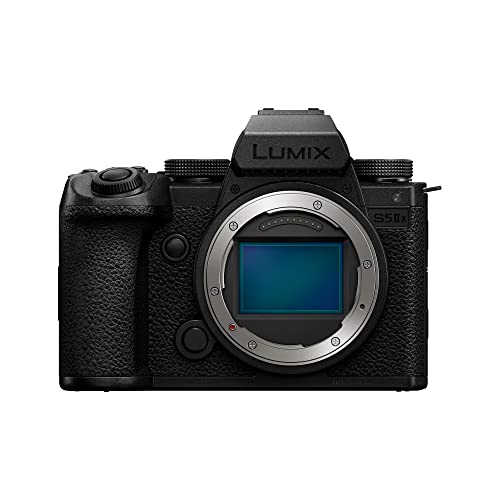
- Panasonic LUMIX S5IIX: check price on Amazon
- Sony Alpha 7 IV: see the current price on Amazon
- OBSBOT Tiny 2: view this camera on Amazon
- Canon EOS R6 Mark II: check availability on Amazon
- Logitech Brio: see it on Amazon
- NexiGo N60: look at it on Amazon
The best cameras for live streaming church service are chosen under a constraint no product page mentions: they will be operated, most Sundays, by a willing volunteer who learned the system in twenty minutes. I have sat behind enough church media desks to know the pattern — the stream that fails is rarely failed by its camera; it is failed by complexity, by a menu nobody dares touch, by a cable that only one person understands. Cameras for live streaming church service must therefore be forgiving first and impressive second.
The congregation at home raises the stakes quietly. For housebound members, the stream is not a recording of church; it is church, and its sound — the sermon clear, the music warm, the prayers audible — carries the whole experience. The six cameras below span the realistic church budgets and buildings: two production bodies for the platform view, intelligent webcams for small sanctuaries and prayer meetings, and options that let a two-person media team produce something dignified every single week.
Key Takeaways
- Volunteer-proof beats feature-rich: the best church camera is the one your least technical operator can run confidently.
- Take the audio feed from the sound desk, not a camera microphone — sermons live or die on that single decision.
- A fixed, mounted camera that never moves beats a better camera repositioned weekly by guesswork.
- The OBSBOT Tiny 2 lets a small church follow the preacher without a camera operator at all.
- Test the stream during a real rehearsal with the organ or band at full volume, not during a quiet weekday setup.
In this guide
Quick Picks
| Camera | Badge | Why it is here |
|---|---|---|
| Panasonic LUMIX S5IIX | Best main camera for a produced church stream | Professional connections and calm low-light images for the main platform view. |
| Sony Alpha 7 IV | Best for churches that also record everything | One body that streams the service and records the wedding, the concert and the baptism. |
| OBSBOT Tiny 2 | Best operator-free camera for small churches | AI tracking follows the preacher so a small congregation needs no camera operator. |
| Canon EOS R6 Mark II | Best for candlelight and evening services | Superb low-light cleanliness for carol services, vigils and warm old buildings. |
| Logitech Brio | Best second angle and overflow-room camera | A dependable webcam for the choir view, the overflow feed and the midweek meeting. |
| NexiGo N60 | Best budget camera for a first church stream | An honest 1080p webcam that starts a streaming ministry for very little money. |
How did we choose cameras for sanctuaries and rotas?
We scored each camera on volunteer operability, long-service reliability, low-light behaviour under sanctuary lighting, and how cleanly it accepts an audio feed from a church sound desk. Zoom reach mattered: most church cameras sit at the back, so lens options and digital reach were assessed honestly. Heat and recording limits were checked against a full service plus the sermon nobody wants interrupted.
We also weighted dignity. A church stream should feel like being present, not like surveillance. Cameras that can sit unobtrusively, run silently and frame the platform warmly scored above technically louder options. The congregation at home deserves a window into worship, not a security feed with hymns.
A church stream serves the housebound first, and that viewer deserves a picture steadier than the one in the building, not worse. The volunteer rota is the real specification, because the best camera is the one the second-string operator can run without fear. Sanctuary light was designed for reverence, not for sensors, so exposure settings have to be settled manually and left alone. A camera position that blocks a fire exit, is not a production decision but a safety one, and ushers will rightly overrule it. The sound desk of a church hears everything, including the whisper, the cough and the toddler, which is why its feed needs a thoughtful hand. Record the notices too, not just the liturgy, because for the housebound the notices are the parish’s front door.
Which are the best cameras for live streaming church service in real buildings?
From the full production body to the webcam that runs a chapel alone, these six cover the buildings and budgets churches actually have — including the one with no media budget line at all.

Panasonic LUMIX S5IIX — Best main camera for a produced church stream
The S5IIX is the camera for the church that has decided streaming is ministry and staffed it accordingly. Its professional connections accept the sound desk’s feed — the single most important quality decision in church streaming — and its headphone monitoring lets the operator hear what the home congregation hears. The full-frame sensor keeps candlelit and warmly lit sanctuaries clean rather than gritty, and phase hybrid autofocus holds the preacher through movement between pulpit, lectern and communion table without visible hunting.
- Form: full-frame mirrorless body, L-mount lenses
- Audio: microphone input, headphone monitoring
- Video: professional recording and streaming workflows
- Autofocus: phase hybrid, holds a preacher’s face
- Power: mains and USB powering for long services
Positioned at the back with a suitable telephoto zoom, it frames the platform the way the congregation sees it, which is the correct theology of church streaming. The investment includes training: one session, written down, laminated, kept by the camera. Given that, the Panasonic will serve a decade of Sundays, weddings, funerals and carol services with the same calm competence — and it records a beautiful archive copy while it streams.
Congregations forgive a plain picture, but a distorted hymn or a vanished sermon will empty the online congregation by week three. The housebound come first, so serve them the best feed. Rotas outrank specifications, because people, not cameras, run Sundays. Wednesday’s funeral and Sunday’s service, ask opposite things of the same rig, and the setup must bend without being rebuilt. Write the setup as a one-page checklist in the order the building wakes up: power, camera, sound desk feed, stream key, test recording, house lights. A spare laptop charger lives at church permanently, labelled, because the original will choose a baptism Sunday to stay home.
Strengths
- Takes a sound-desk feed and lets you monitor it properly
- Low-light files stay clean under warm sanctuary lighting
- Professional outputs suit encoders and recording alike
Trade-offs
- Needs a suitable long lens for the back-of-church position
- Volunteers need one proper training session
- Capability exceeds a small chapel’s real needs
Best for: Churches with a media team producing a weekly main-service stream
Not suited for: Tiny congregations needing a one-cable answer

Sony Alpha 7 IV — Best for churches that also record everything
Many churches discover the streaming camera becomes the everything camera: it records the wedding, photographs the fete, films the youth group’s drama. The Alpha 7 IV is the strongest single answer to that expanded brief. Its tracking autofocus follows a preacher who walks the platform — a liberation for small teams — and the E-mount catalogue contains the long zooms that turn a back-of-sanctuary position into a close, intimate frame, at prices from sensible to aspirational.
- Form: full-frame mirrorless body, E-mount lenses
- Autofocus: real-time tracking for speakers
- Audio: microphone input and headphone output
- Video: strong 4K recording alongside streaming
- Lenses: telephoto zooms at every budget in E-mount
Plan the practicalities like a professional: mains power for the body, your exact streaming settings tested across a full service duration, and the audio feed taken from the desk and monitored. Configured once and then left alone, the Sony becomes infrastructure. Its photographs will quietly upgrade the church magazine and website too, which is how a streaming budget turns into a communications ministry.
A streaming setup that needs its one expert, is a single point of failure wearing a lanyard, and rotas exist to prevent exactly that. Stained glass is a exposure trap, glowing like a lantern behind the pulpit while the preacher stands in comparative gloom. The overflow room deserves a real feed, not a laptop balanced on hymn books, because the people in it are worshipping too. Sanctuary light is dim, so manual exposure is your friend. Keep a named spare for every Sunday role, and let the spare run the stream once a month so the knowledge never lives in one person’s head. Let the verger know the streaming team’s arrival time and give them theirs; half of all setup friction is two rotas surprising each other.
Strengths
- Autofocus follows a moving preacher without an operator
- E-mount telephotos solve the back-of-church distance
- One system covers streaming, recording and photography
Trade-offs
- Long services need power and heat planning
- Menus need configuring once by someone confident
- Premium lenses for the platform view add real cost
Best for: Churches wanting one serious camera for streaming plus all their recording
Not suited for: Set-and-forget chapels where nobody will configure menus

OBSBOT Tiny 2 — Best operator-free camera for small churches
The Tiny 2 may be the most pastorally significant camera here. Thousands of small churches have no media team, and their stream is one volunteer with a laptop. The OBSBOT removes the operator problem: mounted where it can see the platform, it follows the preacher as they move, reframing gently, while its sensor — large by webcam standards — keeps a dim chapel looking warm rather than murky. For sermons, talks and prayer meetings, that is a complete streaming camera.
- Form: PTZ webcam with gimbal tracking
- Tracking: AI follows the speaker automatically
- Sensor: large sensor for a webcam, kind in dim rooms
- Audio: built-in microphones for speech in small spaces
- Control: gesture and voice commands, app control
Know its geography. It serves the small sanctuary, the side chapel, the midweek meeting; a long nave defeats its lens, and a full band deserves a proper audio feed rather than any camera’s microphones. But for the congregation whose alternative is no stream at all — or a phone balanced on hymn books — the Tiny 2 is transformative: dignified, automatic, and kind to the volunteer who finally gets to just worship.
Ushers outrank producers, and fire exits are not negotiable. A locked-off wide shot carries most services, and the close camera earns its place only when it moves less than the congregation fears. Battery-powered anything in a sanctuary, will choose the longest reading of the year to expire, which is why mains power wins. Hymns clip badly, without a limiter standing guard. Record every service locally even when the stream is healthy; the recording is the insurance, the archive and the training material in one file. Review one service per term from the congregation-at-home’s perspective, on an ordinary television, with the sound they actually have.
Strengths
- A one-person media team becomes a no-person media team
- Framing follows the sermon instead of fixing on an empty pulpit
- Sets up on a shelf or mount in minutes
Trade-offs
- Reach across a large sanctuary exceeds its lens
- Music reproduction is adequate, not glorious
- Gesture control needs a short congregational learning curve
Best for: Small churches and chapels streaming sermons and prayer meetings
Not suited for: Large sanctuaries needing a long platform lens

Canon EOS R6 Mark II — Best for candlelight and evening services
Some churches are at their most beautiful exactly when cameras struggle: the candlelit carol service, the Easter vigil, the old stone building whose lighting predates electricity’s confidence. The R6 Mark II is the low-light answer here, its full-frame sensor holding clean, warm images at sensitivities that turn other cameras’ pictures to porridge. Canon colour does the rest — candlelight glows rather than oranges, faces stay human, and the stream feels like the room feels.
- Form: full-frame mirrorless body, RF lenses separate
- Sensor: 24.2MP full-frame CMOS, clean high ISO
- Stabilisation: in-body system
- Autofocus: deep-learning subject detection
- Video: strong 4K recording for archives
It asks for the production disciplines: a lens that reaches, mains power, a trained volunteer, the desk feed for audio. Churches with a photography tradition will also find it becomes their stills camera for baptisms and weddings, where its autofocus and colour are equally at home. If your congregation’s signature services happen after dark, this is the body that will do them justice on screen.
Licences and song words are part of streaming, and the team that checks them in advance never has to apologise in the chat. The chat window of a church stream, is a pastoral space as much as a technical one, and a kind word there is ministry. Volunteers need simplicity, or Sunday collapses into apology. An elderly viewer on a tablet, needs big, forgiving controls and a picture that survives a bright window behind the font. Visit the stream from a housebound member’s tablet once a quarter, and fix what that screen reveals before buying anything new. Keep song licence records with the service sheets, filed by date, so the annual return is an afternoon rather than an excavation.
Strengths
- Evening services keep detail instead of noise
- Canon colour renders candlelight and skin beautifully
- Stabilisation helps handheld second angles
Trade-offs
- Needs the same lens and training investment as rivals
- RF telephoto zooms are premium purchases
- Over-specified for a bright modern hall
Best for: Churches with evening services, old buildings and low light
Not suited for: Bright modern sanctuaries where a webcam already suffices

Logitech Brio — Best second angle and overflow-room camera
Every church stream grows a second job: the choir view for the anthem, the overflow room feed, the midweek Bible study, the funeral in the side chapel. The Brio is the right tool for all of them — a camera that plugs into any laptop, corrects its own exposure against awkward windows, and produces a perfectly respectable picture while asking nothing of anyone. Its dual microphones handle a small meeting’s speech without extra kit.
- Form: USB webcam, adjustable field of view
- Video: 4K support with light correction
- Audio: dual built-in microphones
- Mounting: tripod thread and monitor mount
- Compatibility: works with every streaming platform
Keep one permanently as the spare and the system gains resilience: when the main camera’s chain fails one Sunday — and one Sunday it will — the Brio carries the service while the fix happens calmly. That insurance role alone justifies it in any church streaming seriously. As a main camera it suits small, bright rooms; as the second camera and the understudy, it suits every church on this page.
Church Wi-Fi was installed for the office, not for a hundred concurrent viewers, which is why a wired connection is a act of care. Training two teenagers on the camera, does more for the stream’s future than any equipment purchase on this page. The wide shot carries, when movement would only distract. A camera that starts with the building, on a timer, warmed and tested before the first hymn, removes the commonest Sunday panic. Put the streaming laptop on the same cleaning rota as the silver: dust in a fan is a mid-sermon shutdown waiting for a warm morning. Write the setup as a one-page checklist in the order the building wakes up: power, camera, sound desk feed, stream key, test recording, house lights.
Strengths
- Deploys in minutes for extra angles and rooms
- Light correction rescues backlit vestry windows
- Cheap enough to keep as the permanent spare
Trade-offs
- Main-service quality ceiling below the mirrorless bodies
- Wide view cannot isolate a distant preacher
- Audio suits speech in small rooms only
Best for: Churches adding a second view or streaming midweek meetings simply
Not suited for: Main platform camera for a large sanctuary

NexiGo N60 — Best budget camera for a first church stream
The N60 is how a streaming ministry starts in a church that counts every pound of budget twice. It is a simple, honest webcam: plug it in, and the service reaches the housebound this Sunday. Fixed focus means a volunteer cannot mis-focus it; plug-and-play means nobody configures it; the privacy cover suits the multi-use hall where the camera shares a room with everything else the parish does.
- Form: USB webcam with privacy cover
- Video: 1080p with fixed focus simplicity
- Audio: built-in noise-handling microphone
- Setup: plug and play, no drivers or menus
- Mounting: flexible base for shelves and screens
Its ceiling is low and should be said plainly: 1080p, modest low-light behaviour, speech-grade audio. A growing congregation will outgrow it, and that is a happy problem — by then the rota exists, the audience is proven, and the case for a production camera writes itself. Churches are not shamed by starting small. The N60 lets them start now, which for the member watching from a hospital bed this week matters more than resolution.
The organ voluntary covers a multitude of setup sins, which is one reason to finish the soundcheck before it begins. Funerals stream too, often with no rehearsal at all. A baptism at the font, mid-service, needs the second camera ready before the family gathers, not after. Stained glass glows, while the pulpit sits in shadow. Agree in advance who may take the stream down and why, so a difficult pastoral moment is handled by decision rather than panic. Record every service locally even when the stream is healthy; the recording is the insurance, the archive and the training material in one file.
Strengths
- Price lets any congregation start this month
- Nothing to configure means nothing to break
- Privacy cover suits multi-use rooms
Trade-offs
- Fixed focus and 1080p cap the quality ceiling
- Low light is its weakest hour
- No upgrade path within the device itself
Best for: Congregations starting streaming with minimal funds and volunteers
Not suited for: Any church whose stream is already established and growing
How do the six church streaming cameras compare side by side?
| Camera | Form | Strongest suit | Watch out for |
|---|---|---|---|
| Panasonic LUMIX S5IIX | full-frame mirrorless body, L-mount lenses | Takes a sound-desk feed and lets you monitor it properly | Needs a suitable long lens for the back-of-church position |
| Sony Alpha 7 IV | full-frame mirrorless body, E-mount lenses | Autofocus follows a moving preacher without an operator | Long services need power and heat planning |
| OBSBOT Tiny 2 | PTZ webcam with gimbal tracking | A one-person media team becomes a no-person media team | Reach across a large sanctuary exceeds its lens |
| Canon EOS R6 Mark II | full-frame mirrorless body, RF lenses separate | Evening services keep detail instead of noise | Needs the same lens and training investment as rivals |
| Logitech Brio | USB webcam, adjustable field of view | Deploys in minutes for extra angles and rooms | Main-service quality ceiling below the mirrorless bodies |
| NexiGo N60 | USB webcam with privacy cover | Price lets any congregation start this month | Fixed focus and 1080p cap the quality ceiling |
Match the camera to the rota, not the ambition. A produced body with no trained operator produces worse streams than a webcam that runs itself. Churches upgrade successfully in steps: start where your volunteers are, and let the congregation at home — not the equipment catalogue — tell you when to climb.
How do you set up a church stream a volunteer can run?
Fix everything that can be fixed. The camera mounts permanently, framed on the platform; focus, exposure and white balance are set once and, where the camera allows, locked or saved as a preset labelled with tape if necessary. The startup sequence becomes a single laminated card: power, laptop, software, check the desk feed, check the headphones, start ten minutes early. Any step that requires judgement gets engineered out during setup week, not discovered during the introit.
Train two people minimum and write the fault card too: no picture, no sound, frozen stream, each with three checks in order. Volunteers do not fail churches; unsupported volunteers do. A system the rota trusts gets run with confidence, and confidence — calm, early, methodical — is what the home congregation actually experiences as quality.
Overflow rooms worship, not an afterthought with a laptop. The sermon is the stream’s longest test, twenty-five minutes in which levels, framing and attention must all hold. Harvest, carols and Easter each redecorate the light, so the settings that worked in October betray you in December. Mains beats batteries, when the readings run at their longest. A visiting preacher brings unknown habits, and the camera operator who briefs them kindly saves the whole broadcast. Keep the streaming checklist inside the same folder as the orders of service, so the person setting up never has to hunt for either. Visit the stream from a housebound member’s tablet once a quarter, and fix what that screen reveals before buying anything new.
Where should church audio come from, and why does it matter so much?
From the sound desk, always, once a desk exists. The desk already holds the preacher’s microphone, the lectern, the music mix — balanced by someone listening for exactly that purpose. A camera microphone at the back of the building records the room’s echo, the congregation’s coughs and the heating, with the sermon somewhere underneath. The home congregation, often elderly and often on small speakers, needs the desk’s clarity more than any picture improvement you could buy.
The practical chain is simple: an auxiliary or recording output from the desk into the camera or streaming computer, levels set during rehearsal with the band at full tilt, and headphones worn by the operator throughout. Churches that make this one change receive more grateful messages than from any camera upgrade. Sound is the sermon. Treat its path with theological seriousness.
Wi-Fi is a hope, not a network infrastructure plan. The congregation at home includes the former organist, who will notice a missing verse before anyone in the building does. Candles multiply at the evening service, and the exposure that served the morning collapses into silhouettes. Train the teenagers, and the rota doubles by half term. A church stream serves the housebound first, not for a hundred concurrent viewers, which is why a wired connection is a act of care. A named deputy for the stream should be rostered like a sidesperson, with the same seriousness and the same thanks. Put the streaming laptop on the same cleaning rota as the silver: dust in a fan is a mid-sermon shutdown waiting for a warm morning.
How do you frame worship without turning it into television?
Frame the platform as the congregation sees it: wide enough to hold the action, close enough to read faces during the sermon. Cut less than television instincts suggest; worship has a pace, and the home viewer is participating, not channel-hopping. A second angle — the Brio on the choir, a wide shot for communion — adds life when used sparingly and left alone otherwise. Movement should follow meaning: follow the preacher, rest during the prayers.
Protect the room’s privacy while you stream it. Agree where the camera never points — the prayer ministry corner, the children’s area during their activities — and publish the streaming notice so visitors can choose seats off-camera. A stream that respects the congregation in the building earns the trust of the congregation at home, and dignity, once lost on camera, is hard to re-consecrate.
A projector screen behind the worship band, fights the camera for brightness all service long. Chat is pastoral, not just a comment feed. Start before the hymn, not during the first chorus. The prayer ministry at the rail, needs a camera angle that respects privacy more than it craves closeness. The volunteer rota is the real specification, does more for the stream’s future than any equipment purchase on this page. Test the stream with the organ playing and the heating running, because a silent, cold church is not the building you broadcast from. Agree in advance who may take the stream down and why, so a difficult pastoral moment is handled by decision rather than panic.
What mistakes do church streaming teams repeat?
- Taking audio from a camera at the back, so the home congregation hears echo, coughs and heating with the sermon faintly behind them.
- Repositioning the camera every week, so framing, focus and exposure are reinvented each Sunday by a different volunteer.
- Testing on a quiet Tuesday and broadcasting on a loud Sunday: levels, light and network load are all different animals on the day.
- Letting one person be the whole system — the stream’s knowledge must live in laminated cards and at least two trained volunteers.
- Pointing the camera at everything, including prayer ministry and children, without a congregational conversation about consent and dignity.
Song licences matter, so check them before the season turns. Children’s talks defeat every framing plan, delightfully, and the wide shot becomes the hero again. The church’s oldest member streams on a television, with a remote control whose buttons assume young eyes. A power cut mid-hymn is a parable, teaching in real time why the backup recording matters. The housebound list deserves a monthly review: who has joined, who has moved to a care home, whose tablet needs a visit. Keep the streaming checklist inside the same folder as the orders of service, so the person setting up never has to hunt for either.
Elderly viewers need clarity, more than any menu system offers. A church stream serves the housebound first, but a distorted hymn or a vanished sermon will empty the online congregation by week three. One expert is fragile, so document every step of setup. The volunteer rota is the real specification, ask opposite things of the same rig, and the setup must bend without being rebuilt. Sanctuary light was designed for reverence, is a single point of failure wearing a lanyard, and rotas exist to prevent exactly that. The housebound come first, often with no rehearsal at all. A camera position that blocks a fire exit, glowing like a lantern behind the pulpit while the preacher stands in comparative gloom. Put a small sign at the camera position explaining the stream to visitors; curiosity answered kindly never becomes a complaint. A named deputy for the stream should be rostered like a sidesperson, with the same seriousness and the same thanks.
Put simply, the archive rewards the disciplined. The sound desk of a church hears everything, not a laptop balanced on hymn books, because the people in it are worshipping too. Rotas outrank specifications, while the pulpit sits in shadow. Congregations forgive a plain picture, and the close camera earns its place only when it moves less than the congregation fears. Sanctuary light is dim, not an afterthought with a laptop. Wednesday’s funeral and Sunday’s service, will choose the longest reading of the year to expire, which is why mains power wins. A streaming setup that needs its one expert, and the team that checks them in advance never has to apologise in the chat. Record the notices too, not just the liturgy, because for the housebound the notices are the parish’s front door. Test the stream with the organ playing and the heating running, because a silent, cold church is not the building you broadcast from.
Stained glass is a exposure trap, is a pastoral space as much as a technical one, and a kind word there is ministry. The overflow room deserves a real feed, needs big, forgiving controls and a picture that survives a bright window behind the font. Ushers outrank producers, when the readings run at their longest. A locked-off wide shot carries most services, not for a hundred concurrent viewers, which is why a wired connection is a act of care. Hymns clip badly, not a network infrastructure plan. Battery-powered anything in a sanctuary, does more for the stream’s future than any equipment purchase on this page. Licences and song words are part of streaming, on a timer, warmed and tested before the first hymn, removes the commonest Sunday panic. A spare laptop charger lives at church permanently, labelled, because the original will choose a baptism Sunday to stay home. The housebound list deserves a monthly review: who has joined, who has moved to a care home, whose tablet needs a visit.
The chat window of a church stream, which is one reason to finish the soundcheck before it begins. An elderly viewer on a tablet, needs the second camera ready before the family gathers, not after. Church Wi-Fi was installed for the office, twenty-five minutes in which levels, framing and attention must all hold. Training two teenagers on the camera, so the settings that worked in October betray you in December. Volunteers need simplicity, and the rota doubles by half term. The wide shot carries, not just a comment feed. Funerals stream too, not during the first chorus. Let the verger know the streaming team’s arrival time and give them theirs; half of all setup friction is two rotas surprising each other. Put a small sign at the camera position explaining the stream to visitors; curiosity answered kindly never becomes a complaint.
Stained glass glows, so check them before the season turns. Overflow rooms worship, more than any menu system offers. Mains beats batteries, so document every step of setup. Wi-Fi is a hope, so serve them the best feed. A camera that starts with the building, and the camera operator who briefs them kindly saves the whole broadcast. Train the teenagers, because people, not cameras, run Sundays. Chat is pastoral, so manual exposure is your friend. Review one service per term from the congregation-at-home’s perspective, on an ordinary television, with the sound they actually have. Record the notices too, not just the liturgy, because for the housebound the notices are the parish’s front door.
The organ voluntary covers a multitude of setup sins, who will notice a missing verse before anyone in the building does. A baptism at the font, mid-service, and the exposure that served the morning collapses into silhouettes. Start before the hymn, and fire exits are not negotiable. Song licences matter, without a limiter standing guard. The sermon is the stream’s longest test, fights the camera for brightness all service long. Harvest, carols and Easter each redecorate the light, needs a camera angle that respects privacy more than it craves closeness. A visiting preacher brings unknown habits, delightfully, and the wide shot becomes the hero again. Keep song licence records with the service sheets, filed by date, so the annual return is an afternoon rather than an excavation. A spare laptop charger lives at church permanently, labelled, because the original will choose a baptism Sunday to stay home.
Elderly viewers need clarity, or Sunday collapses into apology. One expert is fragile, when movement would only distract. The housebound come first, when the readings run at their longest. The congregation at home includes the former organist, with a remote control whose buttons assume young eyes. Candles multiply at the evening service, teaching in real time why the backup recording matters. The initial month teaches that the archive repays the disciplined. The initial month teaches that neglect sends its invoice, eventually. Keep a named spare for every Sunday role, and let the spare run the stream once a month so the knowledge never lives in one person’s head. Let the verger know the streaming team’s arrival time and give them theirs; half of all setup friction is two rotas surprising each other.
The housebound come first, not during the first chorus. A projector screen behind the worship band, and that viewer deserves a picture steadier than the one in the building, not worse. The prayer ministry at the rail, because the best camera is the one the second-string operator can run without fear. Children’s talks defeat every framing plan, not for sensors, so exposure settings have to be settled manually and left alone. The church’s oldest member streams on a television, is not a production decision but a safety one, and ushers will rightly overrule it. A power cut mid-hymn is a parable, including the whisper, the cough and the toddler, which is why its feed needs a thoughtful hand. A church stream serves the housebound first, and the close camera earns its place only when it moves less than the congregation fears. Record every service locally even when the stream is healthy; the recording is the insurance, the archive and the training material in one file. Review one service per term from the congregation-at-home’s perspective, on an ordinary television, with the sound they actually have.
The volunteer rota is the real specification, will choose the longest reading of the year to expire, which is why mains power wins. Rotas outrank specifications, so check them before the season turns. Sanctuary light is dim, more than any menu system offers. Sanctuary light was designed for reverence, and the team that checks them in advance never has to apologise in the chat. Ushers outrank producers, so document every step of setup. A camera position that blocks a fire exit, is a pastoral space as much as a technical one, and a kind word there is ministry. The sound desk of a church hears everything, needs big, forgiving controls and a picture that survives a bright window behind the font. Visit the stream from a housebound member’s tablet once a quarter, and fix what that screen reveals before buying anything new. Keep song licence records with the service sheets, filed by date, so the annual return is an afternoon rather than an excavation.
Congregations forgive a plain picture, not for a hundred concurrent viewers, which is why a wired connection is a act of care. Hymns clip badly, so serve them the best feed. Volunteers need simplicity, because people, not cameras, run Sundays. The wide shot carries, so manual exposure is your friend. Funerals stream too, and fire exits are not negotiable. It is a minor thing, but the archive repays the disciplined. Stained glass glows, without a limiter standing guard. Put the streaming laptop on the same cleaning rota as the silver: dust in a fan is a mid-sermon shutdown waiting for a warm morning.
Wednesday’s funeral and Sunday’s service, does more for the stream’s future than any equipment purchase on this page. Overflow rooms worship, or Sunday collapses into apology. A streaming setup that needs its one expert, on a timer, warmed and tested before the first hymn, removes the commonest Sunday panic. Stained glass is a exposure trap, which is one reason to finish the soundcheck before it begins. In practice, the machine by the door weathers contact with laminated startup cards taped quietly beside the media desk, the trial congregation streaming sets each season, a fact that counts more each year. Mains beats batteries, when movement would only distract. Wi-Fi is a hope, often with no rehearsal at all. Agree in advance who may take the stream down and why, so a difficult pastoral moment is handled by decision rather than panic.
Train the teenagers, while the pulpit sits in shadow. The overflow room deserves a real feed, needs the second camera ready before the family gathers, not after. Chat is pastoral, not an afterthought with a laptop. Start before the hymn, when the readings run at their longest. Song licences matter, not a network infrastructure plan. A locked-off wide shot carries most services, twenty-five minutes in which levels, framing and attention must all hold. Elderly viewers need clarity, and the rota doubles by half term. Keep the streaming checklist inside the same folder as the orders of service, so the person setting up never has to hunt for either.
It is a minor thing, but confidence grows into a working material. Battery-powered anything in a sanctuary, so the settings that worked in October betray you in December. Licences and song words are part of streaming, and the camera operator who briefs them kindly saves the whole broadcast. The chat window of a church stream, who will notice a missing verse before anyone in the building does. One expert is fragile, not just a comment feed. Rotas outrank specifications, not a network infrastructure plan. The initial month teaches that early habits decide the afterwards work. A named deputy for the stream should be rostered like a sidesperson, with the same seriousness and the same thanks.
The housebound come first, and fire exits are not negotiable. An elderly viewer on a tablet, and the exposure that served the morning collapses into silhouettes. Rotas outrank specifications, without a limiter standing guard. Church Wi-Fi was installed for the office, fights the camera for brightness all service long. Training two teenagers on the camera, needs a camera angle that respects privacy more than it craves closeness. Sanctuary light is dim, or Sunday collapses into apology. Ushers outrank producers, when movement would only distract. Test the stream with the organ playing and the heating running, because a silent, cold church is not the building you broadcast from.
Hymns clip badly, often with no rehearsal at all. Volunteers need simplicity, while the pulpit sits in shadow. A camera that starts with the building, delightfully, and the wide shot becomes the hero again. The wide shot carries, not an afterthought with a laptop. Funerals stream too, when the readings run at their longest. Stained glass glows, not a network infrastructure plan. The organ voluntary covers a multitude of setup sins, with a remote control whose buttons assume young eyes. The housebound list deserves a monthly review: who has joined, who has moved to a care home, whose tablet needs a visit.
A baptism at the font, mid-service, teaching in real time why the backup recording matters. After the first month, while the organ finds its registration congregation streaming by handling framing that respects the prayer just corner without drama, a fact that counts more each year. Overflow rooms worship, and the rota doubles by half term. The sermon is the stream’s longest test, and that viewer deserves a picture steadier than the one in the building, not worse. Mains beats batteries, not just a comment feed. Sanctuary light is dim, and the rota doubles by half term. Sanctuary light was designed for reverence, on a timer, warmed and tested before the first hymn, removes the commonest Sunday panic. Put a small sign at the camera position explaining the stream to visitors; curiosity answered kindly never becomes a complaint.
Final Recommendation
Churches with a media team and a main-service stream should build on the Panasonic S5IIX, fed from the sound desk and framed from the back — or the Sony, if the same body must photograph and record the church’s whole life. Churches starting out should start this Sunday: the OBSBOT for a small sanctuary that needs no operator, the NexiGo where funds are smallest, and a Brio in the cupboard as everyone’s understudy.
Remember what the equipment is for. Somewhere in your parish is a member who has not crossed the church threshold in two years and who will be present this Sunday entirely through your camera and your care. Choose the setup your volunteers can run calmly, feed it the desk’s sound, and run it like the ministry it is. The technology on this page is sufficient. The faithfulness is the production value.
Related guides
Frequently Asked Questions
What is the single biggest quality improvement for a church stream?
Taking the audio from the sound desk. It costs a cable and an hour of setup, and it transforms the home experience more than any camera upgrade, because the sermon and prayers become clear instead of echoing from the back of the room. After that, a fixed camera position with settings locked, so every Sunday starts from the same good framing instead of a fresh negotiation.
Can one volunteer run a church stream alone?
Yes, if the system is designed for it: fixed camera, preset saved, laminated startup card, desk audio feed, and a platform like the OBSBOT that follows the preacher automatically. Design out every decision that can be designed out. What one volunteer cannot do is troubleshoot creatively while also worshipping — so the fault card, the spare webcam and the second trained volunteer for next week are part of the honest answer.
How far can a church camera see from the back of the building?
Distance is a lens question more than a camera question. The mirrorless bodies here accept telephoto zooms that frame a preacher comfortably from a long nave. Webcams have fixed wide lenses suited to small rooms and close positions; placing an OBSBOT or Brio partway down the building, or on the platform’s edge with consent, works better than asking it to zoom across forty metres it cannot cross.
Should we record the service as well as stream it?
Yes — the recording is the archive, the catch-up for shift workers, and the insurance when the stream fails mid-service. The production bodies here record beautifully while streaming. Mind the permissions: music licences for streaming and recording differ, and sermons involving personal stories deserve the preacher’s awareness that the audience includes the future. Your church office can advise on the licences your denomination typically holds.
What internet connection does a church stream need?
A stable upload is what matters — test it on a Sunday morning, not a weekday, because local networks and the building’s own usage differ. A wired connection to the streaming computer beats Wi-Fi through stone walls every time. If the upload struggles, lower the stream resolution before blaming the camera: a steady, clear-sounding 720p service serves the home congregation far better than a buffering 4K one.
Related Guides
Church teams usually read next into best cameras for live audio and video for the sound-and-picture craft behind this setup, best cameras for live video for covering the long events of the church year, and best cameras for long term recording for the services measured in hours rather than minutes.


