Disclosure: As an Amazon Associate, reviewstook.com earns from qualifying purchases. Links on this page are affiliate links at no extra cost to you; prices and availability change frequently, so check Amazon for the latest.
Is a Gaming PC Worth It? An Honest Answer, Priced in Years Rather Than Hype
Is a gaming pc worth it? The question sounds simple and is not, because ‘worth it’ smuggles in three hidden variables: worth it compared with what, for whom, and over how many years. A gaming PC is worth it — clearly, measurably — for the player who games often, values performance and freedom, and will also use the machine for work, study or creation across a five-year life. It is not worth it for the occasional player whose gaming life is two sofa franchises a year. This page refuses the universal answer and builds the real one instead: the full cost of ownership without static prices (they change too fast to print honestly, so linked machines ask you to check the latest price on Amazon), the value that compounds quietly over years, the profiles of buyers on each side of the line, and a verdict framework you can run on your own life in five minutes.
The evidence base is the current, verified market as catalogued by reviewstook.com: an honest entry tower, a value build, the mid-range sweet spot, a no-compromise premium configuration, and — because a worth-it analysis that hides the market’s traps is worthless — two budget machines that show exactly where the money stops buying gaming. Each is reviewed on its merits in Gaming PC Reviews; here they serve as price-tier landmarks for the argument. If you read nothing else, read the buyer profiles: worth-it questions are answered by matching, not by specifications.
In this guide
What a Gaming PC Actually Costs Over Its Whole Life
Start with the honest ledger. The purchase price of the tower is only the first line. A complete setup adds a monitor, a keyboard and mouse if they are not bundled, and a desk arrangement that gives the machine air. Against that, credit what the machine replaces: for many households the gaming PC is also the home office PC, the study PC and the media PC, and pricing it as a games-only luxury while a second computer sits in the same house is double-counting of the purest kind. The correct comparison is never ‘tower versus console box’; it is ‘complete setup versus the complete alternative setup that covers the same jobs’.
Running costs are modest and mostly optional. Electricity for a gaming tower under load is real but small at household scale — a few hours of play a day amounts to a minor line in a utility bill, and modern components idle at very low draw. Games themselves are where PC ownership quietly wins: competing storefronts and frequent deep sales mean a PC library typically costs meaningfully less per game than the same library bought inside a single closed store, and that gap widens with every year of ownership and every title added. There is no mandatory online subscription for multiplayer on PC — a recurring fee console households pay as a matter of routine, and one that compounds across a hardware generation into a sum worth naming in any honest ledger.
Then there is the upgrade shape of the costs. A console’s cost curve is a cliff: nothing for years, then a whole new machine, with the old library’s fate decided by the manufacturer’s compatibility mood. A PC’s curve is a staircase: a memory addition here, a storage drive there, eventually a graphics card, each step timed to the moment a real workload asks for it and each step leaving the rest of the investment — case, storage, library, peripherals, monitor — fully intact. Spread across five years, the staircase is why the worth-it maths so often surprises people who only compared day-one prices. The fuller two-sided ledger lives in Gaming PC Pros And Cons; this page’s job is to price its conclusions.
What You Get Back: The Value That Compounds
Performance is the obvious return, and it is genuine: higher frame rates, higher resolutions, settings freedom and a back catalogue rendered better than the hardware it was born on could manage. But the compounding returns matter more. Your library never strands: games bought today install on your next machine unchanged. Your skills compound: the setup and care habits in How To Set Up Gaming PC transfer to every computer you will ever own. Your peripherals compound: a good monitor, keyboard and mouse outlive towers. And your machine’s second jobs compound most of all — every essay written, video edited, stream broadcast and spreadsheet wrestled on the gaming PC is value a games-only device returns at zero.
There is also a resale and hand-me-down return that closed devices rarely match. A five-year-old gaming tower remains a perfectly good first PC for a younger sibling, a spare-room machine, a home server or a saleable asset with a real second-hand market, precisely because its parts are standard and its abilities are general. Worth-it calculations that end at the owner’s own use understate the machine’s life by years.
The Landmarks: Six Verified Machines That Mark the Value Curve
Abstract cost talk persuades nobody, so here is the value curve made concrete — six verified machines, from the trap at the bottom to the ceiling at the top, each annotated with the worth-it verdict its tier deserves.

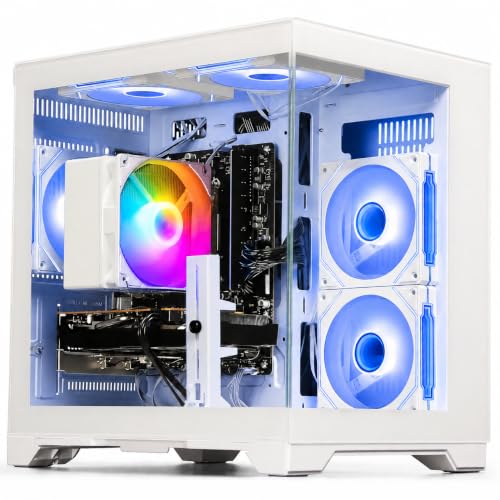
The entry landmark: where ‘worth it’ begins — ZYNEEX Prebuilt (Ryzen 5 5500, RTX 3050)
Listing: ZYNEEX Prebuilt (Ryzen 5 5500, RTX 3050) — Check on Amazon for current availability.
Strengths
- A real RTX 3050 graphics card at the entry tier
- 16GB memory and 1TB SSD — the figures budget rivals cut
- Delivers the complete PC experience: library, freedom, settings
Trade-offs
- Older platform converts ownership to enjoy-then-replace
- 1080p is its ceiling by design
- Value depends on accepting its lifecycle honestly
| Processor | AMD Ryzen 5 5500 |
|---|---|
| Graphics | NVIDIA GeForce RTX 3050 6GB |
| Memory | 16GB DDR4 3200MHz |
| Storage | 1TB NVMe SSD |
| Cooling | ARGB air cooling |
| Connectivity | Wi-Fi |
| Platform | DDR4 / AM4 |
The ZYNEEX marks the lowest tier at which the worth-it answer is an uncomplicated yes. Everything that makes a PC a PC — the vast library, the upgradeable-in-spirit ownership, the multi-use value — is present, because the machine refuses the two cuts that define fake budget gaming: it has a genuine graphics card, and it has proper memory and storage. For a first tower or a younger player’s machine, the value per money spent is arguably the best on this page.
The condition is the lifecycle. Built on the older DDR4 platform, it will be replaced rather than evolved, so its worth-it window is the three-to-four-year span it serves fully rather than the longer staircase of the DDR5 machines. Buyers who understand that — and its price tier makes the understanding painless — get a machine that earns its place in any honest value ranking.
See the current listing for the ZYNEEX Prebuilt: Check on Amazon.
Best for: the buyer profile named in its landmark review / Not suited for: buyers outside that profile, for whom the worth-it answer changes

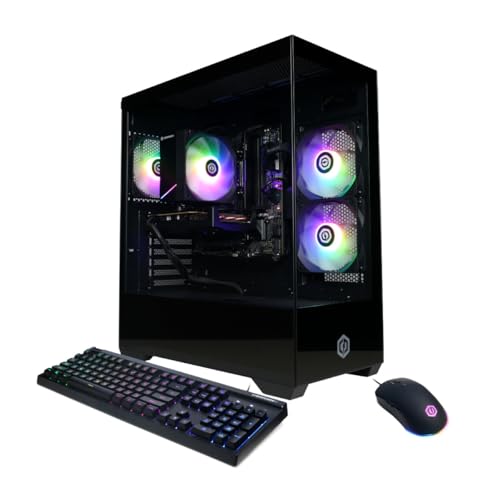
The value landmark: the disciplined buyer’s yes — CyberPowerPC Gamer Xtreme
Listing: CyberPowerPC Gamer Xtreme — Check on Amazon for current availability.
Strengths
- Modern Core i5 and RTX 5060 with DDR5 platform longevity
- Same storage and memory figures as the mid-range
- Leaves budget for the monitor, completing the setup properly
Trade-offs
- Graphics headroom is a tier below the sweet spot
- 1440p ambitions will negotiate settings sooner
- Value evaporates if the saving is not spent on the setup
| Processor | Intel Core i5-14400F |
|---|---|
| Graphics | NVIDIA GeForce RTX 5060 8GB |
| Memory | 16GB DDR5 |
| Storage | 1TB PCIe 4.0 SSD |
| Connectivity | WiFi Ready |
| Operating system | Windows 11 Home |
| Model | GXiVR8060A47 |
The Gamer Xtreme is the worth-it answer for the disciplined: a modern platform with years of staircase ahead of it, honest 1080p high-refresh performance, and a price tier that leaves the complete setup — tower plus a worthy monitor — affordable in one decision. In total-cost terms it frequently beats the nominally smarter purchase of a stronger tower strangled by a basic display, because value lives in the whole setup as experienced, not in the tower as specified.
Its condition is that the discipline must be real. If the saving funds the monitor, this is among the best-value gaming purchases available; if the saving simply lowers the spend while the old basic monitor stays, the experience caps out and the mid-range machine below becomes the better buy retroactively. Worth-it is a property of decisions, not just products, and no machine on this page proves it harder.
See the current listing for the CyberPowerPC Gamer Xtreme: Check on Amazon.
Best for: the buyer profile named in its landmark review / Not suited for: buyers outside that profile, for whom the worth-it answer changes
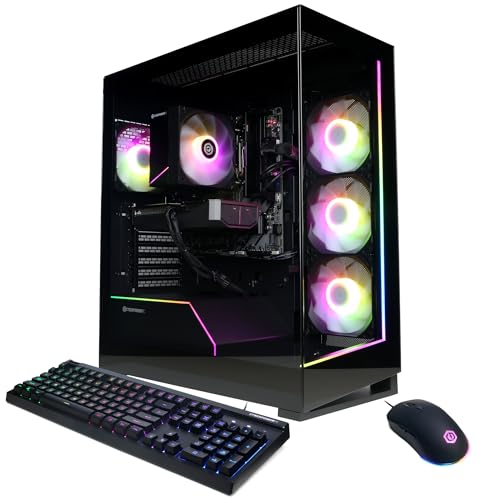
The sweet-spot landmark: the default yes — CyberPowerPC Gamer Master
Listing: CyberPowerPC Gamer Master — Check on Amazon for current availability.
Strengths
- The balanced specification the whole market converged on
- 1080p excellence plus genuine 1440p capability
- DDR5 platform with a long, gentle upgrade staircase
Trade-offs
- 16GB memory schedules one future upgrade step
- Mid-range price is still real money, honestly counted
- Worth-it case weakens if the machine games rarely
| Processor | AMD Ryzen 7 8700F |
|---|---|
| Graphics | NVIDIA GeForce RTX 5060 Ti 8GB |
| Memory | 16GB DDR5 |
| Storage | 1TB PCIe 4.0 SSD |
| Connectivity | WiFi Ready |
| Operating system | Windows 11 Home |
| Model | GMA2900A3 |
The Gamer Master is where the worth-it curve bends: the tier at which spending stops buying adequacy and starts buying headroom, longevity and freedom from near-term decisions. Its full examination in Gaming PC Review makes the performance case; the value case is that its platform, balance and capability combine into the longest useful life per purchase in the mainstream market. For the regular player — several sessions a week, a growing library, a machine that also works for a living — this is the clearest yes on the page.
Its boundary is usage. A tower this capable, switched on twice a month for one game, is capital asleep. The worth-it question is always secretly a frequency question, and this machine’s answer assumes the frequency its tier deserves. Honest buyers should count their actual gaming hours before they count specifications.
See the current listing for the CyberPowerPC Gamer Master: Check on Amazon.
Best for: the buyer profile named in its landmark review / Not suited for: buyers outside that profile, for whom the worth-it answer changes

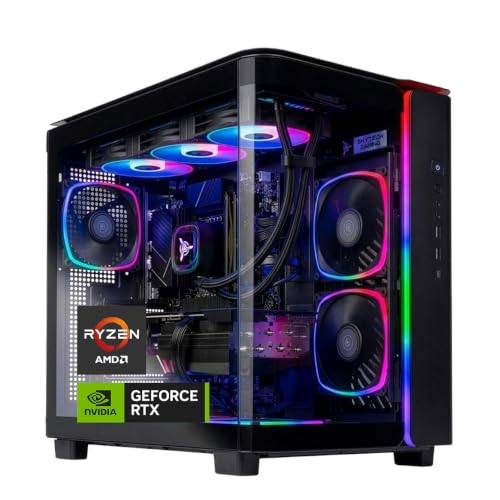
The premium landmark: worth it for a specific person — MSI Codex Z2 (RTX 5070, 32GB, 2TB)
Listing: MSI Codex Z2 (RTX 5070, 32GB, 2TB) — Check on Amazon for current availability.
Strengths
- RTX 5070, 32GB and 2TB delete the upgrade staircase’s first steps
- 1440p high-refresh is its home, with years of headroom
- One purchase, long silence from the hardware question
Trade-offs
- Premium price must be justified by premium use
- Requires a premium monitor to return its value
- For light players it is the page’s clearest no
| Processor | AMD Ryzen 7 8700F |
|---|---|
| Graphics | NVIDIA GeForce RTX 5070 |
| Memory | 32GB DDR5 |
| Storage | 2TB SSD |
| Ports | USB Type-C |
| VR | VR-Ready |
| Operating system | Windows 11 Home |
| Model | A8NVP-436US |
The premium Codex Z2 configuration tests the top of the curve, where each additional unit of money buys less additional experience than the unit before. Its worth-it case rests on three pillars: a long ownership horizon over which its headroom amortises, a monitor and library that actually exercise the RTX 5070, and a buyer who prices their own time — the upgrade chores, storage management and settings negotiations it abolishes — as worth money. For that buyer, and there are many, it is genuinely worth it.
For everyone else it is the page’s most instructive no. Premium hardware bought for casual use does not become better value with time; it becomes a larger sunk cost with RGB lighting. The line between this machine as a smart purchase and as an expensive ornament is drawn entirely by the buyer’s habits, which is why this analysis keeps returning you to them.
See the current listing for the MSI Codex Z2 RTX 5070: Check on Amazon.
Best for: the buyer profile named in its landmark review / Not suited for: buyers outside that profile, for whom the worth-it answer changes
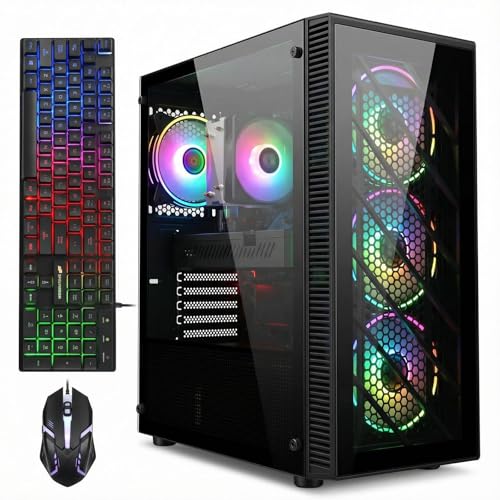
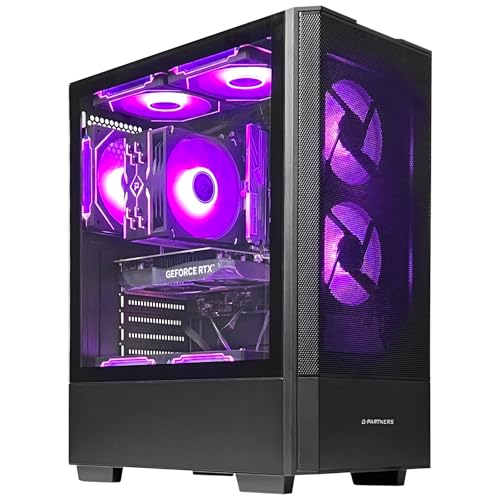
The stopgap landmark: a conditional, short-term yes — STGAubron Gaming PC (Core i7, RX 590)
Listing: STGAubron Gaming PC (Core i7, RX 590) — Check on Amazon for current availability.
Strengths
- Generous memory and storage figures at a budget tier
- Plays esports and back-catalogue titles without complaint
- Modern wireless touches where they are cheap to add
Trade-offs
- Ageing processor and graphics cap its useful horizon
- No upgrade staircase — the value ends when the machine does
- Efficiency and heat belong to an earlier era
| Processor | Intel Core i7 (up to 3.9GHz) |
|---|---|
| Graphics | Radeon RX 590 8GB |
| Memory | 32GB RAM |
| Storage | 1TB SSD |
| Connectivity | WiFi 6, Bluetooth 5.0 |
| Outputs | DisplayPort (4K), HDMI |
| Operating system | Windows 11 Home |
STGAubron’s older-parts tower earns a narrow, honest yes: as a stopgap. For a household that needs a capable Windows machine now — schoolwork, esports, a back catalogue, light editing — and accepts that demanding new releases are beyond it, its generous memory and storage at a budget tier return real value from day one. Stopgaps are legitimate purchases when they are bought as stopgaps.
The condition is that nobody should mistake it for a foundation. There is no staircase from this platform, so every year of imagined five-year value in a buyer’s spreadsheet is fiction. Bought with a two-year horizon and a replacement plan, it is worth it. Bought as a long-term gaming foundation, it is the second-most expensive mistake on this page — behind only the machine below.
See the current listing for the STGAubron Gaming PC: Check on Amazon.
Best for: the buyer profile named in its landmark review / Not suited for: buyers outside that profile, for whom the worth-it answer changes

The trap landmark: where the answer is simply no — OKAMUS Pre-Built PC (Integrated Graphics)
Listing: OKAMUS Pre-Built PC (Integrated Graphics) — Check on Amazon for current availability.
Strengths
- Cheapest verified route to a new Windows 11 tower
- Modern WiFi 6 and Bluetooth in a budget frame
- Its own listing honestly states its limitation
Trade-offs
- Integrated graphics only — no discrete gaming card at all
- 8GB memory and 256GB storage sit below gaming minimums
- 400W power supply forecloses the upgrade escape route
| Processor | Intel Core i5 (up to 3.6GHz) |
|---|---|
| Graphics | Integrated graphics only — no discrete GPU |
| Memory | 8GB RAM |
| Storage | 256GB M.2 SSD |
| Power supply | 400W |
| Connectivity | WiFi 6, Bluetooth 5.3 |
| Operating system | Windows 11 Home |
Every worth-it page needs its floor, and the OKAMUS is this one’s: a gaming-styled tower with no graphics card, half the memory and a quarter of the storage of the honest entry machine above. It is not that its value is low for gaming; it is that the gaming value is absent while the styling claims otherwise. A buyer who purchases it expecting the experience described everywhere else on this page will conclude, wrongly, that gaming PCs are not worth it — when in fact they never owned one.
We include it, verified and linked to nothing but its own cautionary tale, because identifying this tier is the single most valuable skill a budget buyer can learn: check for a named discrete graphics card, check the memory, check the storage. Thirty seconds of that discipline is worth more than any other advice in this article, and it converts the market’s worst trap into a harmless listing you scroll past.
See the current listing for the OKAMUS Pre-Built PC: Check on Amazon.
Best for: the buyer profile named in its landmark review / Not suited for: buyers outside that profile, for whom the worth-it answer changes
The Buyer Profiles: Which Side of the Line Are You On?
Worth it, clearly: the regular player who games most weeks and owns or wants a growing library; the student or worker whose machine must earn by day and play by night; the creator or streamer for whom the tower is a tool of the trade; the returning gamer who values a back catalogue and high refresh; the parent buying one household machine instead of a console plus a computer. For these profiles the compounding returns — library, upgrades, second jobs, longevity — outrun the costs within the first half of the machine’s life, and the only remaining question is tier.
Not worth it, honestly: the occasional player whose year holds two big releases played on a sofa; the traveller whose gaming happens in hotels and trains; the committed appliance-seeker who experiences a settings menu as a personal insult; the buyer whose entire budget, stretched to the tower, leaves nothing for a monitor that can show it. For these profiles the correct purchase is a console, a laptop, a cloud subscription or patience — and a page that pretends otherwise is selling, not advising. The two-sided honesty of Gaming PC Pros And Cons exists to keep this page’s verdicts trustworthy.
The genuinely undecided — the largest group — should run the frequency test: count your realistic gaming hours per week, multiply by fifty-two, and ask what a year of those hours is worth at the quality a PC delivers over the device you own now. Then run the second-job test: list everything else the machine would do in your house. Buyers who pass either test decisively should buy with confidence at the tier their monitor dictates. Buyers who pass neither should wait, and waiting is a respectable verdict this page is happy to issue.
How to Buy So the Answer Stays Yes
Three habits protect a worth-it purchase. First, buy the complete setup in one plan — tower and monitor matched — rather than a flagship tower throttled by a leftover display. Second, buy from the verified middle of the market: the sweet-spot and value tiers are where value concentrates, and the landmarks above show the shape of both. Third, set the machine up properly and keep it updated, following How To Set Up Gaming PC, because a badly set-up premium tower delivers a budget experience and quietly falsifies its owner’s worth-it verdict for years. Ownership quality is part of the product you bought; claim it.
Common Mistakes in Judging Whether a Gaming PC Is Worth It
The day-one price comparison is the founding mistake: it ignores the subscription years, the second-device costs and the library savings that decide the real ledger. The reverse mistake — assuming flagship spending is automatically justified by longevity — ignores that unused headroom never amortises. Counting a gaming-styled integrated-graphics tower as ‘a gaming PC’ poisons the data entirely. And the subtlest mistake is judging by a first week in which Windows updates, an old driver and a default refresh rate made a good machine feel ordinary. Worth-it verdicts should be delivered at month three, by owners who set their machines up properly — which, not coincidentally, describes the readers of the guides linked throughout this page.
Final Recommendation
Is a gaming PC worth it? For the regular player, the multi-use household and the long-horizon buyer: yes — and the sweet-spot tier marked by the CyberPowerPC Gamer Master is where the yes is loudest, with the Gamer Xtreme as the disciplined value alternative and the premium MSI reserved for those whose use truly exercises it. For the occasional, sofa-first or travel-first player: no, and spend the money where your life actually happens. Either way, refuse the trap tier, match the machine to the monitor, and judge the purchase at the end of year one rather than the end of day one. Buyers ready to shortlist should proceed to Gaming PC Reviews; buyers who have chosen should proceed to the setup guide and claim the full value of what they bought.
The Maths, Worked in the Open: Three Households, Three Answers
Frameworks persuade the persuaded; arithmetic persuades everyone else. Since this page prints no prices — check the linked listings for the figures true today — the worked examples below use tiers and structures rather than invented sums, and you can drop your local numbers into the same shapes.
Household one: the student in stable housing. The alternative to a gaming PC is not nothing; it is a laptop for study plus something to game on, plus the online subscription years, plus the games bought inside one store’s pricing. Against that stack, an entry or value tower — the ZYNEEX or Gamer Xtreme landmarks — plus a modest monitor consolidates two devices into one, deletes the subscription line, and feeds its library from competing sales. The worth-it answer turns positive early and keeps widening, because every term, essay and project the tower handles is value the gaming-only comparison never counted. This household is the strongest yes in the analysis.
Household two: the family living room. Here the honest comparison is closest, and honesty matters. A console under the television serves shared play beautifully and cheaply; a gaming PC serves individual depth, homework, work and creation. Families that need both kinds of value often conclude — correctly — that the question is sequencing, not choosing: the PC frequently wins the first purchase because it covers the non-gaming jobs a console cannot touch, and the console joins later as a social appliance. Worth it? As the household’s only computer-plus-gaming purchase, yes; as a duplicate of capabilities already covered, the case thins to the player’s personal frequency, and the frequency test decides.
Household three: the enthusiast creator. For the player who streams, edits or builds, the gaming PC is not a leisure purchase competing with other leisure purchases; it is capital equipment for a hobby that may also be an income. The twelve-core and 32GB landmarks exist for this household, and their worth-it arithmetic includes every hour of render time saved and every stream that did not stutter. Against that ledger the premium tiers stop looking like indulgences and start looking like the correctly specified tools they are. The answer is yes at tiers that would be extravagant for anyone else — which is the entire thesis of this page in one household: worth-it is a match, and matches differ.
The Opportunity Cost Question, Faced Squarely
Every worth-it sceptic eventually asks the sharpest version of the question: what else could this money do? It deserves a straight answer. The same money buys a fine holiday, a serious bicycle, a year of a beloved hobby’s other form, or a thicker emergency fund — and for a household whose finances are tight, the emergency fund wins and this page will not argue. A gaming PC is worth it only after the purchase is genuinely affordable without borrowing against necessities; no frame rate justifies financial fragility, and any guide that skips this paragraph is a sales document wearing a guide’s clothes.
Within an affordable budget, though, the comparison should be made in cost-per-hour, the only currency hobbies honestly trade in. A tower used ten hours a week across five years delivers its experience at a per-hour cost that undercuts nearly every comparable leisure technology — cinema, live sport, most subscription stacks — while also doing the household’s computing. The same tower used ten hours a month inverts the arithmetic completely. This is why the frequency test in the profiles section is not a rhetorical device; it is the whole calculation, and buyers who run it honestly rarely regret the purchase either way, because both the yes and the no were theirs.
When the Answer Changes: Resale, Hand-Me-Downs and Second Lives
Most worth-it analyses end the story at the first owner’s upgrade, which systematically undervalues the PC. A five-year-old tower with named, standard parts enters a second life almost automatically: the younger sibling’s first gaming PC, the spare-room or study machine, the home-media and storage box, or a sale to a second-hand market that prices honest specifications fairly. Each of those outcomes is recovered value — money not spent on another device, or money literally returned — and none of them is available in the same measure to a sealed, fixed device whose second life is a drawer.
This also reframes the entry tier’s worth. The ZYNEEX bought today as a first tower is, in four years, the hand-me-down that starts the next player’s library at no additional hardware cost — a household asset with a career, not a consumable. Buyers who think in household decades, as the best technology buyers do, find the PC’s worth-it case strengthening at exactly the point where simpler analyses stop counting. Add the library that never strands and the peripherals that carry forward, and the machine’s true cost is best understood as a subscription to a platform you own — one whose payments shrink over time and whose catalogue, skills and hardware all remain yours.
A Five-Minute Decision Worksheet
Close this page with the decision made. Answer five questions honestly, in writing if you can. One: how many hours a week will this machine actually game, in my real life rather than my aspirational one? Two: what non-gaming jobs will it absorb in this household? Three: what monitor will it drive, and is that monitor worthy of the tier I am eyeing? Four: what is my honest horizon — two years, five, longer? Five: after this purchase, is the household’s financial cushion untouched? A strong score on the first two questions buys at the tier the third and fourth indicate; a weak score is a no with no shame attached, and the money will serve you better elsewhere. Readers whose worksheet says yes should take their shortlist from the verified reviews linked on this page, set the machine up with the care guide linked beside them, and then — the step every analysis forgets — go and play something wonderful on it.
The Timing Question: When in Your Life the Answer Flips
Worth-it is not only about who you are but when you are asking. The same person, at different moments, gets different correct answers. In a year of upheaval — a move, a new job, a new child — gaming hours crater and even the entry tier idles; the worth-it answer for that year is wait, and the PC market will still be there, better and cheaper, when your hours return. In a settled year with a home-based routine, the calculus inverts: the machine becomes infrastructure, used daily for everything, and its per-hour cost falls through the floor of every alternative. Buyers do well to purchase for the life they are actually entering rather than the one they are leaving — the student buying for post-graduation stability, the new homeowner furnishing a room that will host a decade of evenings, the parent whose children are just reaching gaming age. Timing also applies within the market itself: new hardware generations reset the tiers, and buying a verified current machine just after a generation lands — as the landmarks on this page are — historically buys the longest relevance per purchase. None of this requires market-watching obsession; it requires only that the purchase be made deliberately, at a moment when the machine will be used, which is the closest thing to a universal rule this entire analysis can offer.
The Final Word on ‘Worth It’
Strip away the tiers, the households and the worksheets, and the question reduces to a sentence: a gaming PC is worth it when it will be used often, for years, for more than games — and it is not worth it when it will be used rarely, briefly, or as jewellery for a desk. Everything else on this page is the working-out of that sentence against real, verified machines. If your sentence says yes, the market’s sweet spot is waiting and this site’s reviews will match you to it. If it says no, you have saved the most money any guide can save you, and you are welcome here when the sentence changes — as, for most people who love games, it eventually does.
What About the Alternatives, Priced With the Same Honesty?
A worth-it verdict that never prices the rivals is a verdict rigged in advance, so here they are, treated with the same total-cost discipline this page applies to the PC. The console is the strongest rival and the cheapest complete route to excellent gaming: a modest box price, a television most households already own, and simplicity no PC matches. Its ledger’s quiet lines are the recurring online subscription across a generation, game prices inside a single store, and the second device the household still needs for computing — counted honestly, its lifetime cost climbs toward the PC’s entry tiers while its abilities remain a subset. For gaming alone, on a sofa, it can still win, and this page has said so from its first paragraph. The gaming laptop prices portability at a premium per unit of performance and pays a second toll in heat, noise and a closed upgrade path; for the genuinely mobile life it is the only answer, and for the desk-bound life it is the PC’s value argument inverted. Cloud gaming deletes the hardware line entirely and replaces it with a perpetual subscription plus a dependence on connection quality and a catalogue you rent rather than own; as a supplement it is delightful, as a five-year primary platform its costs accumulate while its assets remain zero. Set against all three, the PC’s distinctive ledger shape — high entry, low running costs, compounding assets, second jobs included — is neither universally superior nor remotely obsolete. It is the shape that fits a specific, common life: settled, frequent, multi-use and long-horizon. The worksheet exists to tell you whether that life is yours.
Regret, Studied: What Buyers Actually Wish They Had Done
Ask owners years later and the regrets cluster with unusual consistency, which makes them the most practical data in this entire analysis. Almost nobody regrets buying the balanced mid-range machine. The regrets are: buying the trap tier and discovering the costume had no machine inside it; buying the flagship for a monitor that could not show it; buying any tier for a gaming habit that existed only in intention; and — the mirror image — not buying at all during the settled, game-rich years when the machine would have been used daily, out of an excess of caution the arithmetic never supported. Notice what is absent: nobody regrets the setup afternoon, the driver updates or the desk. The ownership frictions that dominate pre-purchase anxiety evaporate in memory, while the matching decisions — tier to monitor, machine to habit, purchase to life — are the ones that echo. Spend your deliberation where the regrets live, and the worth-it question answers itself with a confidence no specification sheet can give you.
One More Variable: The People You Play With
The last entry in the worth-it ledger is social, and for many buyers it quietly outranks every specification. Games are played with people, and platforms are where those people are. If your friends, your siblings or your community play on PC — sharing a library culture of mods, servers and cross-compatible titles that stretch back years — then the PC’s worth includes admission to that room, and no per-hour arithmetic captures it. If your circle lives on a console’s sofa, the same logic runs in reverse, and the honest purchase follows the people. Cross-play has softened this variable without deleting it: voice channels, mods, private servers and the back catalogue remain platform-shaped. So before the worksheet, ask the zeroth question: where do my people play? A machine that joins your community is worth a premium no benchmark measures, and a machine that isolates you from it must be very good indeed — as, to be fair, the best machines on this page genuinely are — to earn its place on specifications alone.
The Answer for the Reader Who Skipped to the End
For the reader who scrolled: yes, if you will play weekly for years and the machine will also work, study or create — buy the balanced mid-range tier, pair it with a worthy monitor, and set it up properly. No, if your gaming is occasional, sofa-shaped or travel-bound — buy the device that fits that life and feel no doubt about it. And under no circumstances buy the gaming-styled tower with no graphics card, whatever its lights promise. The full reasoning, the landmarks, the household arithmetic and the worksheet are above, and they all reduce to those three sentences. Worth-it was never a property of the machine. It is a property of the match — and now you know how to make one.
A Note on Gifts, Households and Shared Machines
One common purchase hides inside this question and deserves its own paragraph: the gaming PC bought as a gift, or bought jointly by a household. Gift purchases fail on matching more than any other kind, because the giver guesses at the recipient’s frequency, monitor and taste. The defence is the same discipline this page teaches, applied on someone else’s behalf — or, more honestly, applied with them: a machine chosen together, at the tier their desk and habits dictate, outlasts a surprise flagship every time. Shared household machines follow the same rule with a multiplier: every additional user adds second jobs, library breadth and hours of use to the worth-it side of the ledger, which is why the family profiles in this analysis so consistently land on yes. A machine that serves three people’s work, study and play is not a gaming expense at all in the end; it is the household’s computer, and gaming is simply its most enjoyable job.
Frequently Asked Questions
Is a gaming PC worth it compared with a console?
For players who game frequently, want performance and freedom, or need the machine for work and study as well, yes — the total cost over a generation is competitive once subscriptions, library pricing and the second-device question are counted honestly. For occasional sofa players, the console remains the better-value answer and this page says so without hedging.
How long does a gaming PC need to last to be worth it?
The maths typically turns favourable across a four-to-five-year life with at most one modest mid-life upgrade, because the library, peripherals and monitor carry forward and the machine’s second jobs keep paying. Shorter horizons favour the entry and value tiers; longer horizons are where premium configurations earn their price.
What is the minimum tier at which a gaming PC is worth it?
The tier with a genuine discrete graphics card, 16GB of memory and adequate solid-state storage — the pattern of the ZYNEEX landmark in this article. Below that line, gaming-styled towers with integrated graphics deliver the costume without the capability, and no price makes them worth it as gaming machines.
Do gaming PCs hold their value?
Better than most consumer electronics, because standard parts, general usefulness and a real second-hand market give an ageing tower second lives as a first PC, a spare machine or a saleable asset. Resale should never be the reason to buy, but it is a genuine term in the ownership ledger that closed devices rarely match.
Is a gaming PC worth it if I only play one or two games?
It depends on hours, not titles. One game played twenty hours a week justifies a serious machine more completely than twenty games played an hour a month. Count your realistic weekly hours and run the frequency test in the buyer-profiles section; it answers this question more honestly than any specification can.
Should I build or buy prebuilt when judging value?
Current prebuilts are price-competitive with self-building for equivalent specifications, and they add a single warranty and a tested configuration. Building still rewards enthusiasts with exact component choices. For pure worth-it arithmetic, compare complete verified prebuilts against a full parts list including the operating system — and count your own assembly time as a cost or a pleasure, according to your temperament.