Disclosure: As an Amazon Associate, reviewstook.com earns from qualifying purchases. Links on this page are affiliate links; they cost you nothing extra. Prices and availability change often, so check the current Amazon listing before you buy.
The 7hz timeless is the wired IEM that carried planar magnetic drivers into the mainstream IEM market, built around a 14.2mm planar driver in a CNC aluminium shell, per its verified listing. This review covers its driver design, tuning philosophy, fit and cable practicalities, and the sources it pairs with — the things that decide whether a wired IEM earns a permanent place in your pocket.
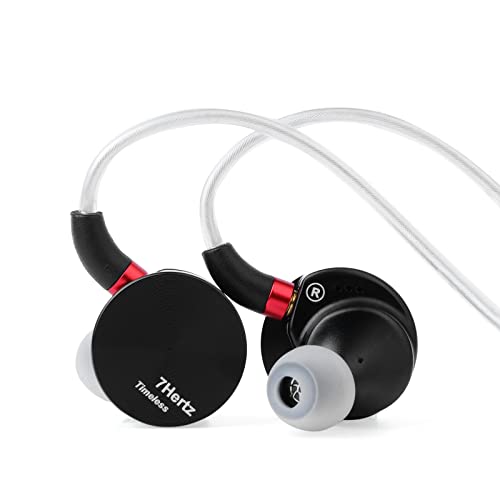
Wired IEMs live in a different economy from wireless earbuds, and the 7Hz Timeless shows exactly how that economy works: no batteries, no codecs, no expiry date, but a total dependence on fit, tips, and the device driving them. This review judges the 7Hz Timeless on those terms, against the small set of rivals its buyers actually cross-shop, and with its verified listing pictured below.
Key takeaways
- Fit and tip choice change this IEM’s sound more than any source upgrade
- Wired means no battery anxiety and no wireless features — the trade is explicit
- Judge it with your own music and your own ears; IEM tuning is taste made physical
- The cable and connector standard decide long-term serviceability
Where to buy
Every linked pick in this guide is sold through Amazon, and each product section below carries a plain link to its listing so you can check price on Amazon and confirm the current configuration, colour, and bundle contents before ordering — those details change between listings under the same product name more often than readers expect, and for 7hz timeless the configuration is half the decision. If a pick is out of stock in your region, the prose-only alternatives named in this guide cover the same roles without a link, deliberately, because they could not be verified to the same standard.
In this guide
Quick picks at a glance
| Product | Best for |
|---|---|
| 7Hz Timeless | The original planar IEM under review |
How these picks were chosen
Each linked product below was checked against Amazon’s own catalog data for this site before the guide was written: the exact listing title, the configuration it describes, and an official product image all had to be present and consistent. Products that failed that check — wrong generation, ambiguous bundles, or listings whose titles did not match the product being discussed — were either dropped or demoted to prose-only mentions. That process matters for 7hz timeless because this is a category where near-identical names hide meaningfully different products, and a link to the wrong generation is worse than no link at all.
What this product is — and what it is not
When readers ask about 7hz timeless, the useful answer almost always depends on context they have not stated yet, so this section builds that context deliberately. In practice, the planar driver’s large, light diaphragm moves as a piston across its surface, which is the physical basis of the model’s speed and detail reputation. That sounds like a small point, yet it shapes comfort, reliability, or cost every single time you use the product or follow the advice. That is not a footnote for 7hz timeless; it is the kind of detail that quietly decides whether owners recommend a product or quietly replace it. Hold onto that thought; the FAQ at the end answers the follow-up questions it usually raises.
Most people meet 7hz timeless through one specific frustration, and that frustration should drive every later decision. Worth underlining: the supplied accessories — tips, case, cable — reveal how seriously the maker takes daily ownership. That one fact explains a surprising amount of the disagreement you will find in owner discussions and review comments. None of this appears in a specification table, which is precisely why it belongs in a guide rather than a listing. Keep that in mind as the later sections narrow the choice down, because it filters out options that look strong in isolation.
Design and the details you touch every day
Before any comparison makes sense, pin down what 7hz timeless has to do well in your own routine. In practice, the tuning aims at a lively, detailed presentation that made it a reference point for the planar wave that followed. That sounds like a small point, yet it shapes comfort, reliability, or cost every single time you use the product or follow the advice. If you take one practical habit from this section, let it be checking this point before money changes hands. None of this requires expert knowledge — it requires being honest about your own habits for about five minutes.
It helps to separate what 7hz timeless promises on paper from what changes in practice once it is part of your day. There is a second layer worth naming: for calls and meetings, an inline microphone cable variant matters more than any tuning nuance. Once you see it, several otherwise confusing differences between options start to make sense. The effect compounds over time, so its importance grows the longer you own or live with the choice. That single clarification removes most of the noise from the decision, leaving a short list that genuinely fits.
Performance in the situations that matter
The honest way to judge 7hz timeless is to picture a normal week of use rather than a single exciting first hour. Consider how this plays out over months rather than minutes: bass from a planar IEM has a distinctive texture — fast and textured rather than thumping — which listeners either love or miss. Long-term behaviour is where cheaper or simpler options quietly win or lose. Readers who internalise this point about 7hz timeless tend to make one purchase and keep it, rather than cycling through alternatives. That is the lens to carry into the buying guidance below, rather than treating every criterion as equally important.
The ownership experience: app, updates, accessories
When readers ask about 7hz timeless, the useful answer almost always depends on context they have not stated yet, so this section builds that context deliberately. None of this is obvious from a product photo or a headline, which is why it is worth stating plainly: the CNC aluminium shell gives the model a density and finish above its price-class norms. None of this appears in a specification table, which is precisely why it belongs in a guide rather than a listing. That is the lens to carry into the buying guidance below, rather than treating every criterion as equally important.
How it sits against its closest rivals
Treat 7hz timeless as a system of small trade-offs that add up, because no single headline feature decides the experience. There is a second layer worth naming: the MMCX detachable cable is both a service feature and a hobbyist’s upgrade path. Once you see it, several otherwise confusing differences between options start to make sense. Readers who internalise this point about 7hz timeless tend to make one purchase and keep it, rather than cycling through alternatives. Hold onto that thought; the FAQ at the end answers the follow-up questions it usually raises.
The picks in detail
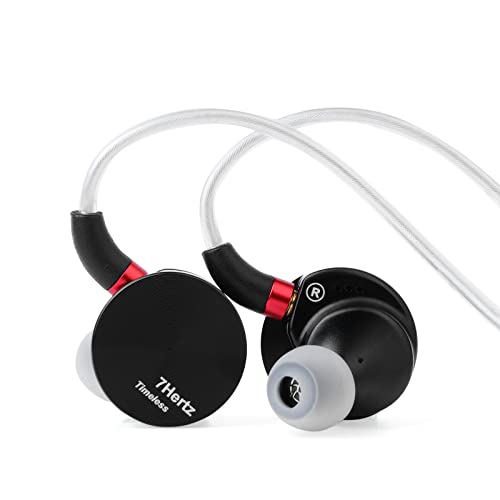
7Hz Timeless — The original planar IEM under review
Review pick
This pick earns its place for a specific reason rather than by being adequate at everything.
According to its catalog listing, this is a wired in-ear monitor built around a 14.2mm planar magnetic driver in a CNC aluminium shell with a detachable MMCX cable per the manufacturer listing. For 7hz timeless, translate that into practical questions before you buy: does it fit the space, ears, desk, room, or system it has to live with; does its control scheme suit how you actually work or play; and does its support story — firmware, parts, warranty handling — look like something you can live with for years. Those answers, not the headline feature, decide whether this is the right pick for you.
The verified listing for the review subject: a 14.2mm planar driver in a CNC aluminium shell with a detachable MMCX cable, pictured officially.
Strengths
- Design choices favour daily usability over showroom novelty
- Listing information is specific enough to judge fit before buying
- Controls and setup follow conventions users already know
Trade-offs
- Firmware or app behaviour can change details after launch, for better or worse
- Not the natural choice if your priority is the single headline metric rivals advertise
- Some convenience features depend on staying inside one brand’s ecosystem
Best for: listeners who want the established planar presentation
Not suited for: listeners who want wireless convenience or heavy bass thump
How to judge 7hz timeless properly
Sound character
Of all the criteria in this guide, Sound character is the one readers most often misjudge in both directions. In the context of 7hz timeless, the deciding detail is that fit is the model’s debated point: the shell’s size and shape suit most ears and argue with some. Once you know to look for it, product pages become much easier to read critically. Score each candidate on this before you look at anything else, and be suspicious of any option that is vague about it.
Noise control and awareness
Noise control and awareness sounds abstract until you map it onto a real routine, so map it before you rank any option. Applied to 7hz timeless, that means paying attention to a concrete point: it asks a little more of sources than the easiest dynamic IEMs, though ordinary dongles satisfy it. Options that get this right feel effortless; options that miss it create friction you will notice daily. Score each candidate on this before you look at anything else, and be suspicious of any option that is vague about it.
Fit and long-session comfort
Of all the criteria in this guide, Fit and long-session comfort is the one readers most often misjudge in both directions. Applied to 7hz timeless, that means paying attention to a concrete point: treble energy is part of the signature; sensitive listeners should audition with their brightest recordings. Options that get this right feel effortless; options that miss it create friction you will notice daily. This criterion alone explains most of the price spread in the category, so it is worth understanding rather than skipping.
Battery and charging rhythm
Do not let a marketing label settle Battery and charging rhythm for you; the implementation matters more than the label. In the context of 7hz timeless, the deciding detail is that the model’s historical role is real: it reset expectations for what this price could do, and its rivals are its children. Once you know to look for it, product pages become much easier to read critically. Score each candidate on this before you look at anything else, and be suspicious of any option that is vague about it.
Controls and app behaviour
A fair test for Controls and app behaviour takes about a week of normal use, which is why first impressions are unreliable here. In the context of 7hz timeless, the deciding detail is that against newer planars, its pitch is maturity — a known tuning, a known fit, a known quantity. Once you know to look for it, product pages become much easier to read critically. Readers who get this right rarely return products; readers who guess are the ones writing frustrated comments later.
Call and microphone quality
Do not let a marketing label settle Call and microphone quality for you; the implementation matters more than the label. Applied to 7hz timeless, that means paying attention to a concrete point: tip rolling — trying alternative tip materials and bores — is the cheapest sound upgrade in the IEM hobby and the first experiment to run. Options that get this right feel effortless; options that miss it create friction you will notice daily. Readers who get this right rarely return products; readers who guess are the ones writing frustrated comments later.
Build, case, and everyday durability
Judge Build, case, and everyday durability by what it changes in daily use, not by how it reads in a feature list. For 7hz timeless specifically, the working detail is this: isolation is passive and fit-dependent, so a well-sealed IEM quiets a train carriage meaningfully without any electronics. Build your shortlist around whether an option handles that well, and treat everything else as secondary polish. Readers who get this right rarely return products; readers who guess are the ones writing frustrated comments later.
Real situations, worked through
Now a specific situation rather than a general one: (‘a detail-hunter entering the IEM hobby’, “this is one of the models the hobby’s vocabulary was built around”). The failure mode in this scenario is predictable: people optimise for the impressive part and neglect the mundane part, when in reality the hobby’s second-hand market is liquid for recognised models, which softens the risk of a taste mismatch. Getting the mundane part right is the whole game here. Readers in this position should ignore most of the comparison table and focus on the two rows that map to this scenario.
Consider the reader who writes in most often about this: (‘a listener upgrading from budget dynamics’, ‘the planar texture is the revelation to audition for’). In this case the priority order flips compared with general advice, because ear fatigue with IEMs is usually volume or treble, and both are manageable with honest listening levels. That is why generic rankings mislead this particular reader so often. If that is your situation, the recommendation in this guide narrows to one or two options very quickly.
Now a specific situation rather than a general one: (‘a treble-sensitive listener’, ‘audition first; the signature may not be yours’). In this case the priority order flips compared with general advice, because a hard case is not an accessory but a survival requirement for a product carried daily in pockets and bags. That is why generic rankings mislead this particular reader so often. That scenario is common enough that it gets its own mention in the mistakes section below as well.
Consider the reader who writes in most often about this: (‘a commuter needing isolation and silence’, ‘a wired IEM isolates passively but cancels nothing; know the difference’). The failure mode in this scenario is predictable: people optimise for the impressive part and neglect the mundane part, when in reality channel balance and driver matching are the quiet quality markers that separate careful production from lucky production. Getting the mundane part right is the whole game here. Readers in this position should ignore most of the comparison table and focus on the two rows that map to this scenario.
A practical walkthrough
The sequence matters more than speed here, so resist the urge to skip ahead.
Step 1: Start with tip selection
With the Timeless, tip choice is also a fit negotiation with that CNC aluminium shell. Try each supplied size in both ears separately: the planar driver delivers its fast, textured bass only behind a complete seal, and a shallow fit exaggerates the model’s treble energy while thinning the low end that gives its presentation weight.
Step 2: Seat them with a gentle twist
Watch what the shell tells you as you seat a Timeless. Its size and shape suit most ears but argue with some, so let a gentle twist find the angle where the housing stops pressing and the sound locks into focus. Persistent discomfort is information about tip size or insertion angle, not a price paid for detail.
Step 3: Drive them from your real source first
Give the Timeless a fair first hearing on an ordinary dongle before budgeting for more power. A planar driver asks a little more of a source than the easiest dynamic models, yet clean modest output is normally enough to show its speed honestly. Add amplification only when you hear strain at your normal volume, not pre-emptively.
Step 4: Manage the cable deliberately
At this stage the goal is simple: clips and cases prevent the pocket damage that kills IEMs, and the 7Hz Timeless deserves the same protection as any precision instrument you carry daily. Do it slowly the first time, check the result before moving on, and write down anything that behaves unexpectedly so you can compare later.
Step 5: Clean the nozzles and tips on a rhythm
This is the step people rush, and rushing it is expensive later. The substance is that wax and dust are the slow, silent tuning change nobody ordered, and the 7Hz Timeless is as vulnerable to it as any in-ear design. Verify it in the most boring, literal way available before you continue.
The mistakes that cause most regrets
The classic Timeless error is condemning or praising it inside one track, wearing whichever tips happened to be fitted first. A poor seal robs the planar driver of bass texture and pushes its lively treble forward, so the verdict describes the fit, not the IEM. Swap sizes, replay the same passage, and only then decide.
Nothing wastes money in this category quite like the following pattern. The underlying issue is that buying a powerful source before establishing that the IEM needs one. Correcting it takes minutes at the decision stage and is nearly impossible to correct afterwards.
New buyers make this mistake; experienced owners recognise it instantly. What actually happens is that treating a tuning you dislike as a defect rather than a taste mismatch. The disappointment that follows gets blamed on the product, when the real cause was the decision process.
The most common mistake with 7hz timeless is also the most avoidable. In concrete terms, carrying IEMs loose in a pocket and mourning the cable. Once you see the pattern, you will spot it in forum advice everywhere — and learn to discount that advice accordingly.
The honest way to judge 7hz timeless is to picture a normal week of use rather than a single exciting first hour. Worth underlining: recordings reveal an IEM’s character faster than test tones: voices for midrange, cymbals for treble manners, bass lines for control. That one fact explains a surprising amount of the disagreement you will find in owner discussions and review comments. None of this appears in a specification table, which is precisely why it belongs in a guide rather than a listing. Decisions about 7hz timeless get much easier once this point is settled, and much harder when it is left vague.
When readers ask about 7hz timeless, the useful answer almost always depends on context they have not stated yet, so this section builds that context deliberately. There is a second layer worth naming: when a specification is stated as a maximum or an ‘up to’, plan around the typical figure instead. Once you see it, several otherwise confusing differences between options start to make sense. The effect compounds over time, so its importance grows the longer you own or live with the choice. Keep that in mind as the later sections narrow the choice down, because it filters out options that look strong in isolation.
The honest way to judge 7hz timeless is to picture a normal week of use rather than a single exciting first hour. There is a second layer worth naming: accessory ecosystems — extra tips, cases, cables — extend a product’s useful life well beyond the box contents. Once you see it, several otherwise confusing differences between options start to make sense. That is not a footnote for 7hz timeless; it is the kind of detail that quietly decides whether owners recommend a product or quietly replace it. Decisions about 7hz timeless get much easier once this point is settled, and much harder when it is left vague.
It helps to separate what 7hz timeless promises on paper from what changes in practice once it is part of your day. Consider how this plays out over months rather than minutes: your own hearing and preferences are the final specification, which is why returns windows matter in this category. Long-term behaviour is where cheaper or simpler options quietly win or lose. The effect compounds over time, so its importance grows the longer you own or live with the choice. That single clarification removes most of the noise from the decision, leaving a short list that genuinely fits.
It helps to separate what 7hz timeless promises on paper from what changes in practice once it is part of your day. None of this is obvious from a product photo or a headline, which is why it is worth stating plainly: comparing against the product you already own, rather than an ideal, produces the most honest upgrade decisions. If you take one practical habit from this section, let it be checking this point before money changes hands. Hold onto that thought; the FAQ at the end answers the follow-up questions it usually raises.
Most people meet 7hz timeless through one specific frustration, and that frustration should drive every later decision. In practice, environment decides performance in this category: the same product is a hero in one setting and a compromise in another. That sounds like a small point, yet it shapes comfort, reliability, or cost every single time you use the product or follow the advice. If you take one practical habit from this section, let it be checking this point before money changes hands. That is the lens to carry into the buying guidance below, rather than treating every criterion as equally important.
Living with it: care, costs, and the long term
Treat 7hz timeless as a system of small trade-offs that add up, because no single headline feature decides the experience. The detail that matters here is that ownership costs stay low when you treat the case, cushions, or tips as consumables and budget for one replacement set during the product’s life. Readers often skip past it because it is not glamorous, but it is exactly the sort of thing that separates a good outcome from an annoying one. The effect compounds over time, so its importance grows the longer you own or live with the choice. The sections that follow keep returning to this idea from different angles, because it is the one most likely to change what you buy or do.
It helps to separate what 7hz timeless promises on paper from what changes in practice once it is part of your day. In practice, firmware updates arrive through the companion app and occasionally change controls or features, so an annual check of the app is part of owning the product well. That sounds like a small point, yet it shapes comfort, reliability, or cost every single time you use the product or follow the advice. The effect compounds over time, so its importance grows the longer you own or live with the choice. Decisions about 7hz timeless get much easier once this point is settled, and much harder when it is left vague.
It helps to separate what 7hz timeless promises on paper from what changes in practice once it is part of your day. None of this is obvious from a product photo or a headline, which is why it is worth stating plainly: resale value in this category follows condition of the battery and the wear parts more than the box or accessories. That is not a footnote for 7hz timeless; it is the kind of detail that quietly decides whether owners recommend a product or quietly replace it. Keep that in mind as the later sections narrow the choice down, because it filters out options that look strong in isolation.
The honest way to judge 7hz timeless is to picture a normal week of use rather than a single exciting first hour. There is a second layer worth naming: a simple cleaning routine — dry cloth for surfaces, no solvents on seals or mesh — prevents the gradual muffling that owners often mistake for failure. Once you see it, several otherwise confusing differences between options start to make sense. If you take one practical habit from this section, let it be checking this point before money changes hands. Hold onto that thought; the FAQ at the end answers the follow-up questions it usually raises.
Before any comparison makes sense, pin down what 7hz timeless has to do well in your own routine. The practical test is simple to describe and hard to fake: when two devices compete for the connection, the product that reconnects fastest to your main device quietly becomes the one you use. If an option handles that well, it usually handles the rest of the routine well too. That is not a footnote for 7hz timeless; it is the kind of detail that quietly decides whether owners recommend a product or quietly replace it. That is the lens to carry into the buying guidance below, rather than treating every criterion as equally important.
It helps to separate what 7hz timeless promises on paper from what changes in practice once it is part of your day. There is a second layer worth naming: warranty handling in this category is usually replacement rather than repair, which makes keeping the purchase record worthwhile. Once you see it, several otherwise confusing differences between options start to make sense. Readers who internalise this point about 7hz timeless tend to make one purchase and keep it, rather than cycling through alternatives. The sections that follow keep returning to this idea from different angles, because it is the one most likely to change what you buy or do.
Before any comparison makes sense, pin down what 7hz timeless has to do well in your own routine. This is also where expectations need adjusting, because comfort changes as cushions and tips age; a product that fit perfectly in month one can feel different in month eighteen for that reason alone. Going in with that understood prevents the most common disappointment with this category. It also explains why opinions about 7hz timeless polarise: people are often reporting different situations as if they were the same one. The sections that follow keep returning to this idea from different angles, because it is the one most likely to change what you buy or do.
Treat 7hz timeless as a system of small trade-offs that add up, because no single headline feature decides the experience. In practice, the second year is when app support separates serious brands from the rest, because operating systems keep moving underneath the product. That sounds like a small point, yet it shapes comfort, reliability, or cost every single time you use the product or follow the advice. Readers who internalise this point about 7hz timeless tend to make one purchase and keep it, rather than cycling through alternatives. Keep that in mind as the later sections narrow the choice down, because it filters out options that look strong in isolation.
Before any comparison makes sense, pin down what 7hz timeless has to do well in your own routine. The detail that matters here is that for shared households, a second set of tips or cushions in your own size ends most daily friction. Readers often skip past it because it is not glamorous, but it is exactly the sort of thing that separates a good outcome from an annoying one. The effect compounds over time, so its importance grows the longer you own or live with the choice. That is the lens to carry into the buying guidance below, rather than treating every criterion as equally important.
Treat 7hz timeless as a system of small trade-offs that add up, because no single headline feature decides the experience. Consider how this plays out over months rather than minutes: travelling with a wired fallback cable costs nothing and rescues the day a battery dies before a long journey. Long-term behaviour is where cheaper or simpler options quietly win or lose. That is not a footnote for 7hz timeless; it is the kind of detail that quietly decides whether owners recommend a product or quietly replace it. That is the lens to carry into the buying guidance below, rather than treating every criterion as equally important.
Treat 7hz timeless as a system of small trade-offs that add up, because no single headline feature decides the experience. Consider how this plays out over months rather than minutes: hearing your own environment at the right moments is a safety feature for city listeners, not a specification footnote. Long-term behaviour is where cheaper or simpler options quietly win or lose. The effect compounds over time, so its importance grows the longer you own or live with the choice. The sections that follow keep returning to this idea from different angles, because it is the one most likely to change what you buy or do.
Start with the situation you actually face, not the spec sheet, when you think about 7hz timeless. None of this is obvious from a product photo or a headline, which is why it is worth stating plainly: if you wear the product with glasses, hats, or helmets, test that combination early while returns are still easy. The effect compounds over time, so its importance grows the longer you own or live with the choice. The sections that follow keep returning to this idea from different angles, because it is the one most likely to change what you buy or do.
Beyond the headline specifications
A useful rule for 7hz timeless: the detail you notice every day matters more than the detail that impresses you once. There is a second layer worth naming: how a product behaves at low volume late at night tells you more about its tuning manners than any loud demonstration. Once you see it, several otherwise confusing differences between options start to make sense. None of this appears in a specification table, which is precisely why it belongs in a guide rather than a listing. None of this requires expert knowledge — it requires being honest about your own habits for about five minutes.
It helps to separate what 7hz timeless promises on paper from what changes in practice once it is part of your day. There is a second layer worth naming: the pocket test — whether the case or product is actually with you when you want it — decides real-world satisfaction. Once you see it, several otherwise confusing differences between options start to make sense. That is not a footnote for 7hz timeless; it is the kind of detail that quietly decides whether owners recommend a product or quietly replace it. That is the lens to carry into the buying guidance below, rather than treating every criterion as equally important.
It helps to separate what 7hz timeless promises on paper from what changes in practice once it is part of your day. There is a second layer worth naming: a second pair of ears in the household will judge comfort differently, so shared products deserve a shared trial. Once you see it, several otherwise confusing differences between options start to make sense. The effect compounds over time, so its importance grows the longer you own or live with the choice. That is the lens to carry into the buying guidance below, rather than treating every criterion as equally important.
Start with the situation you actually face, not the spec sheet, when you think about 7hz timeless. Consider how this plays out over months rather than minutes: seasonal changes matter: heat and hats in summer, gloves and coats in winter all change how audio gear fits a life. Long-term behaviour is where cheaper or simpler options quietly win or lose. It also explains why opinions about 7hz timeless polarise: people are often reporting different situations as if they were the same one. That single clarification removes most of the noise from the decision, leaving a short list that genuinely fits.
Treat 7hz timeless as a system of small trade-offs that add up, because no single headline feature decides the experience. None of this is obvious from a product photo or a headline, which is why it is worth stating plainly: for listeners who fall asleep with audio, comfort and automatic behaviour matter more than any daytime feature. If you take one practical habit from this section, let it be checking this point before money changes hands. That single clarification removes most of the noise from the decision, leaving a short list that genuinely fits.
Most people meet 7hz timeless through one specific frustration, and that frustration should drive every later decision. There is a second layer worth naming: the difference between a product you maintain and one you neglect shows up in year two, not week two. Once you see it, several otherwise confusing differences between options start to make sense. The effect compounds over time, so its importance grows the longer you own or live with the choice. The sections that follow keep returning to this idea from different angles, because it is the one most likely to change what you buy or do.
Treat 7hz timeless as a system of small trade-offs that add up, because no single headline feature decides the experience. There is a second layer worth naming: when travelling, the best audio product is the one whose case, cable, and charging you have already rehearsed. Once you see it, several otherwise confusing differences between options start to make sense. The effect compounds over time, so its importance grows the longer you own or live with the choice. That is the lens to carry into the buying guidance below, rather than treating every criterion as equally important.
Treat 7hz timeless as a system of small trade-offs that add up, because no single headline feature decides the experience. In practice, hearing protection is part of this category: any product that tempts you toward constant high volume deserves respect. That sounds like a small point, yet it shapes comfort, reliability, or cost every single time you use the product or follow the advice. It also explains why opinions about 7hz timeless polarise: people are often reporting different situations as if they were the same one. That single clarification removes most of the noise from the decision, leaving a short list that genuinely fits.
When readers ask about 7hz timeless, the useful answer almost always depends on context they have not stated yet, so this section builds that context deliberately. The practical test is simple to describe and hard to fake: a quick weekly check — battery, cleanliness, fit — prevents most of the failures owners report as sudden. If an option handles that well, it usually handles the rest of the routine well too. Readers who internalise this point about 7hz timeless tend to make one purchase and keep it, rather than cycling through alternatives. The sections that follow keep returning to this idea from different angles, because it is the one most likely to change what you buy or do.
A useful rule for 7hz timeless: the detail you notice every day matters more than the detail that impresses you once. Worth underlining: gift purchases in this category succeed when the giver shops the recipient’s ears and routine, not their own. That one fact explains a surprising amount of the disagreement you will find in owner discussions and review comments. Readers who internalise this point about 7hz timeless tend to make one purchase and keep it, rather than cycling through alternatives. Decisions about 7hz timeless get much easier once this point is settled, and much harder when it is left vague.
The honest way to judge 7hz timeless is to picture a normal week of use rather than a single exciting first hour. In practice, the second-hand market is a rational route into this category when the model is recognised and parts are available. That sounds like a small point, yet it shapes comfort, reliability, or cost every single time you use the product or follow the advice. That is not a footnote for 7hz timeless; it is the kind of detail that quietly decides whether owners recommend a product or quietly replace it. Keep that in mind as the later sections narrow the choice down, because it filters out options that look strong in isolation.
Start with the situation you actually face, not the spec sheet, when you think about 7hz timeless. There is a second layer worth naming: if a product offers a trial or generous returns, use the full period; day-three opinions are the least reliable. Once you see it, several otherwise confusing differences between options start to make sense. The effect compounds over time, so its importance grows the longer you own or live with the choice. Decisions about 7hz timeless get much easier once this point is settled, and much harder when it is left vague.
The honest way to judge 7hz timeless is to picture a normal week of use rather than a single exciting first hour. Worth underlining: comparing a new purchase with the product it replaces, side by side, is the fastest way to confirm the upgrade was real. That one fact explains a surprising amount of the disagreement you will find in owner discussions and review comments. If you take one practical habit from this section, let it be checking this point before money changes hands. The sections that follow keep returning to this idea from different angles, because it is the one most likely to change what you buy or do.
A useful rule for 7hz timeless: the detail you notice every day matters more than the detail that impresses you once. The detail that matters here is that for shared desks and sofas, how a product behaves when two people use it in turn is a genuine feature. Readers often skip past it because it is not glamorous, but it is exactly the sort of thing that separates a good outcome from an annoying one. That is not a footnote for 7hz timeless; it is the kind of detail that quietly decides whether owners recommend a product or quietly replace it. Hold onto that thought; the FAQ at the end answers the follow-up questions it usually raises.
It helps to separate what 7hz timeless promises on paper from what changes in practice once it is part of your day. This is also where expectations need adjusting, because the app’s update history over the past year predicts its future better than its feature list does. Going in with that understood prevents the most common disappointment with this category. None of this appears in a specification table, which is precisely why it belongs in a guide rather than a listing. None of this requires expert knowledge — it requires being honest about your own habits for about five minutes.
The honest way to judge 7hz timeless is to picture a normal week of use rather than a single exciting first hour. There is a second layer worth naming: small carrying cases and pouches, chosen well, extend the working life of portable audio more than any warranty. Once you see it, several otherwise confusing differences between options start to make sense. It also explains why opinions about 7hz timeless polarise: people are often reporting different situations as if they were the same one. None of this requires expert knowledge — it requires being honest about your own habits for about five minutes.
Frequently asked questions
Is the 7Hz Timeless still worth buying?
Only in a specific sense. What is true is that as a known, mature planar tuning, yes — especially against unproven newer rivals at similar money. That is narrower than the marketing version of the claim, but it is the version you can actually rely on when deciding.
Does it need a powerful source?
For most people, yes — with one condition worth stating. The condition is that a competent dongle or player suffices; it rewards clean power without demanding it. Meet it and the answer stays yes; ignore it and even the best-regarded option in the category will disappoint you in a predictable way.
How is the fit?
Not necessarily, and this is where generic advice misleads. The deciding factor is that the shell suits most ears; tip choice and the shell’s size deserve a proper trial. Readers whose situation matches that description should follow the main recommendation; everyone else should look at the alternative flagged in the scenario sections.
What cable does it use?
For most people, yes — with one condition worth stating. The condition is that a detachable MMCX cable, replaceable and upgradeable. Meet it and the answer stays yes; ignore it and even the best-regarded option in the category will disappoint you in a predictable way.
How does planar bass differ?
Plan on it being a gradual difference rather than a dramatic one. Because faster and more textured, less visceral thump than dynamic drivers, the improvement shows up as fewer small annoyances across a week, not as a single obvious moment — which is exactly why it is worth having.
Timeless or Timeless II?
For most people, yes — with one condition worth stating. The condition is that the II is the updated model; the original’s appeal is its established tuning and value. Meet it and the answer stays yes; ignore it and even the best-regarded option in the category will disappoint you in a predictable way.
Final verdict: 7Hz Timeless
Buy the 7Hz Timeless if its tuning philosophy — described in detail above — matches the music you live with, and buy it knowing the wired bargain: nothing to charge, nothing to pair, and a sound that depends on the fit you take five minutes to get right. Listeners who need wireless freedom should shop the earbud guides instead; listeners who want their money spent on sound alone are exactly who this IEM is for.