Disclosure: As an Amazon Associate, reviewstook.com earns from qualifying purchases. Links on this page are affiliate links; they cost you nothing extra. Prices and availability change often, so check the current Amazon listing before you buy.
The quietcomfort headphones 2nd gen are Bose’s second take on its mainstream noise cancelling over-ears, and the question most readers bring to them is simple: what actually changed, and is the newer model the one to buy? This review answers that by walking through design, noise cancelling behaviour, sound character, battery reality, and the ownership details that listings gloss over.
Bose sells several similarly named headphones at once, and the naming is genuinely confusing — QuietComfort, QuietComfort Ultra, and now second-generation versions of both. This guide keeps the generations separate, explains which listing corresponds to which product, and compares the 2nd Gen against the Ultra line and the earlier model so you can see exactly what your money does and does not buy.
Key takeaways
- The 2nd Gen is the mainstream Bose noise cancelling pick; the Ultra line sits above it with spatial audio as the headline difference
- USB-C charging and lossless audio support are confirmed in the official listing title
- Fit and clamp force, not noise cancelling, are what most owners argue about
- Check the generation in the listing title before buying — colours and bundles mix generations
Where to buy
Every linked pick in this guide is sold through Amazon, and each product section below carries a plain link to its listing so you can check price on Amazon and confirm the current configuration, colour, and bundle contents before ordering — those details change between listings under the same product name more often than readers expect, and for quietcomfort headphones 2nd gen the configuration is half the decision. If a pick is out of stock in your region, the prose-only alternatives named in this guide cover the same roles without a link, deliberately, because they could not be verified to the same standard.
In this guide
Quick picks at a glance
| Product | Best for |
|---|---|
| Bose QuietComfort Headphones (2nd Gen) | The subject of this review — mainstream Bose noise cancelling |
| Bose QuietComfort Ultra Headphones (2nd Gen) | The step-up Bose with spatial audio |
| Sony WH-1000XM6 | The cross-brand flagship alternative |
How these picks were chosen
Each linked product below was checked against Amazon’s own catalog data for this site before the guide was written: the exact listing title, the configuration it describes, and an official product image all had to be present and consistent. Products that failed that check — wrong generation, ambiguous bundles, or listings whose titles did not match the product being discussed — were either dropped or demoted to prose-only mentions. That process matters for quietcomfort headphones 2nd gen because this is a category where near-identical names hide meaningfully different products, and a link to the wrong generation is worse than no link at all.
What ‘2nd Gen’ actually means in the Bose lineup
Start with the situation you actually face, not the spec sheet, when you think about quietcomfort headphones 2nd gen. This is also where expectations need adjusting, because the second generation keeps the same basic recipe as the first — a lightweight over-ear frame, plush cushions, and noise cancelling tuned for travel — while updating the charging and audio plumbing underneath. Going in with that understood prevents the most common disappointment with this category. Readers who internalise this point about quietcomfort headphones 2nd gen tend to make one purchase and keep it, rather than cycling through alternatives. Keep that in mind as the later sections narrow the choice down, because it filters out options that look strong in isolation.
Before any comparison makes sense, pin down what quietcomfort headphones 2nd gen has to do well in your own routine. Worth underlining: A practical ownership note: the carrying case and cable situation differs between bundles, so confirm what is in the box on the specific listing rather than assuming the standard retail package.. That one fact explains a surprising amount of the disagreement you will find in owner discussions and review comments. The effect compounds over time, so its importance grows the longer you own or live with the choice. Hold onto that thought; the FAQ at the end answers the follow-up questions it usually raises.
Design, fit, and the long-session comfort question
Start with the situation you actually face, not the spec sheet, when you think about quietcomfort headphones 2nd gen. In practice, Bose uses near-identical names across generations, so a listing that simply says QuietComfort may be either model; the generation is stated in the full listing title and nowhere else reliably. That sounds like a small point, yet it shapes comfort, reliability, or cost every single time you use the product or follow the advice. If you take one practical habit from this section, let it be checking this point before money changes hands. Hold onto that thought; the FAQ at the end answers the follow-up questions it usually raises.
The honest way to judge quietcomfort headphones 2nd gen is to picture a normal week of use rather than a single exciting first hour. The practical test is simple to describe and hard to fake: Codec and wired behaviour matter if you switch between a phone and a laptop all day; the listing confirms USB-C and lossless audio support, but your source device has to support the same path for it to mean anything.. If an option handles that well, it usually handles the rest of the routine well too. The effect compounds over time, so its importance grows the longer you own or live with the choice. If that matches your situation, weight it heavily; if it does not, you can safely care about the next section more.
Noise cancelling behaviour in real environments
The honest way to judge quietcomfort headphones 2nd gen is to picture a normal week of use rather than a single exciting first hour. This is also where expectations need adjusting, because the cushions and headband distribute pressure evenly when the fit is right, but listeners with larger ears should check the inner cup dimensions because the pads are not especially deep. Going in with that understood prevents the most common disappointment with this category. None of this appears in a specification table, which is precisely why it belongs in a guide rather than a listing. That single clarification removes most of the noise from the decision, leaving a short list that genuinely fits.
Sound character and how Bose tunes this tier
Treat quietcomfort headphones 2nd gen as a system of small trade-offs that add up, because no single headline feature decides the experience. In practice, the noise cancelling is at its best against steady low-frequency sound such as aircraft cabins and train rumble, and less dramatic against voices and sudden noises, which is normal physics for this class. That sounds like a small point, yet it shapes comfort, reliability, or cost every single time you use the product or follow the advice. Readers who internalise this point about quietcomfort headphones 2nd gen tend to make one purchase and keep it, rather than cycling through alternatives. Hold onto that thought; the FAQ at the end answers the follow-up questions it usually raises.
Battery, charging, and wired fallback
Treat quietcomfort headphones 2nd gen as a system of small trade-offs that add up, because no single headline feature decides the experience. Consider how this plays out over months rather than minutes: the tuning favours a warm, relaxed presentation with present bass and softened treble, which suits long listening and podcasts better than analytical studio work. Long-term behaviour is where cheaper or simpler options quietly win or lose. None of this appears in a specification table, which is precisely why it belongs in a guide rather than a listing. Decisions about quietcomfort headphones 2nd gen get much easier once this point is settled, and much harder when it is left vague.
QuietComfort Headphones 2nd Gen — the detailed picks

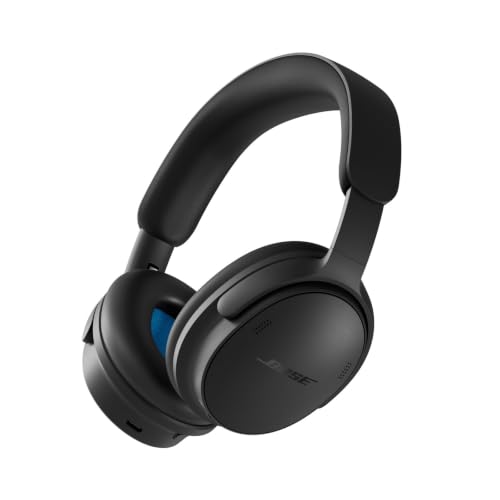
Bose QuietComfort Headphones (2nd Gen) — The subject of this review — mainstream Bose noise cancelling
Main review pick
This pick earns its place for a specific reason rather than by being adequate at everything.
According to its catalog listing, this is over-ear noise cancelling headphones with USB-C charging, lossless audio support and up to 24 hours of play time per the manufacturer listing. For quietcomfort headphones 2nd gen, translate that into practical questions before you buy: does it fit the space, ears, desk, room, or system it has to live with; does its control scheme suit how you actually work or play; and does its support story — firmware, parts, warranty handling — look like something you can live with for years. Those answers, not the headline feature, decide whether this is the right pick for you.
This is the listing this review is about: the current-generation mainstream model, confirmed in the catalog data with USB-C and lossless audio in its title.
Strengths
- Controls and setup follow conventions users already know
- Design choices favour daily usability over showroom novelty
- Scales sensibly — works in a simple setup and a more ambitious one
Trade-offs
- Fit and comfort outcomes vary more between individuals than the listing suggests
- Some convenience features depend on staying inside one brand’s ecosystem
- Readers with unusual setups should verify dimensions or compatibility twice
Best for: travellers and commuters who want Bose noise cancelling without paying for the Ultra tier
Not suited for: listeners who want a flat, analytical sound signature

Bose QuietComfort Ultra Headphones (2nd Gen) — The step-up Bose with spatial audio
Step-up option
This pick earns its place for a specific reason rather than by being adequate at everything.
The listing describes it as flagship over-ear noise cancelling headphones with spatial audio and up to 30 hours of play time per the manufacturer listing. Read that description critically: the parts that matter for quietcomfort headphones 2nd gen are the ones tied to daily handling, durability of the experience over months, and how forgiving the product is when your routine is imperfect. Strengths in this category tend to be quiet ones — things that simply never become problems — while weaknesses announce themselves repeatedly, so weight the trade-off list accordingly when you compare it with the alternatives in this guide.
Included so the comparison in this review is one click away; it is the right choice only for readers who will use spatial audio regularly.
Strengths
- Listing information is specific enough to judge fit before buying
- A mature product line with predictable behaviour and support
- Scales sensibly — works in a simple setup and a more ambitious one
Trade-offs
- Availability of specific colours or configurations fluctuates between listings
- The case, mount, or accessories you want may be a separate purchase
- Its strengths are quiet ones, so it rarely wins a five-minute first-impression test
Best for: video-heavy listeners who use spatial audio daily
Not suited for: buyers who never watch video with headphones on

Sony WH-1000XM6 — The cross-brand flagship alternative
Flagship alternative
Of the verified options for this topic, this is the one with the clearest identity.
The listing describes it as flagship over-ear noise cancelling headphones with a 12-microphone array and up to 30 hours of battery per the manufacturer listing. Read that description critically: the parts that matter for quietcomfort headphones 2nd gen are the ones tied to daily handling, durability of the experience over months, and how forgiving the product is when your routine is imperfect. Strengths in this category tend to be quiet ones — things that simply never become problems — while weaknesses announce themselves repeatedly, so weight the trade-off list accordingly when you compare it with the alternatives in this guide.
Sony’s flagship is the comparison most cross-shoppers ask about, with a different tuning philosophy and its own app ecosystem.
Strengths
- Build approach prioritises the parts that wear or get handled most
- Design choices favour daily usability over showroom novelty
- Clear, well-defined role in this category rather than a vague all-rounder promise
Trade-offs
- Availability of specific colours or configurations fluctuates between listings
- Some convenience features depend on staying inside one brand’s ecosystem
- Firmware or app behaviour can change details after launch, for better or worse
Best for: listeners who prefer Sony’s tuning and feature set
Not suited for: Bose loyalists who want the QuietComfort fit and control layout
How to judge this tier of noise cancelling headphones
Noise cancelling depth
A fair test for Noise cancelling depth takes about a week of normal use, which is why first impressions are unreliable here. For quietcomfort headphones 2nd gen specifically, the working detail is this: steady drone is reduced far more than speech, so judge it on a commute or flight rather than in a quiet shop. Build your shortlist around whether an option handles that well, and treat everything else as secondary polish. This criterion alone explains most of the price spread in the category, so it is worth understanding rather than skipping.
Comfort over two hours
Of all the criteria in this guide, Comfort over two hours is the one readers most often misjudge in both directions. In the context of quietcomfort headphones 2nd gen, the deciding detail is that clamp force and cushion depth decide whether the strong noise cancelling ever gets used on long trips. Once you know to look for it, product pages become much easier to read critically. If a listing cannot tell you this clearly, that vagueness is itself useful information about the option.
Sound signature
Of all the criteria in this guide, Sound signature is the one readers most often misjudge in both directions. In the context of quietcomfort headphones 2nd gen, the deciding detail is that the warm tuning is a deliberate choice; listeners who want a flat reference sound should look at studio-style alternatives. Once you know to look for it, product pages become much easier to read critically. Score each candidate on this before you look at anything else, and be suspicious of any option that is vague about it.
Battery and charging
Judge Battery and charging by what it changes in daily use, not by how it reads in a feature list. In the context of quietcomfort headphones 2nd gen, the deciding detail is that USB-C charging removes the old cable hunt, and a short top-up before a flight is a realistic routine. Once you know to look for it, product pages become much easier to read critically. Score each candidate on this before you look at anything else, and be suspicious of any option that is vague about it.
Call quality
Call quality sounds abstract until you map it onto a real routine, so map it before you rank any option. In the context of quietcomfort headphones 2nd gen, the deciding detail is that microphone performance in wind is the weak point of most over-ears in this class, this one included. Once you know to look for it, product pages become much easier to read critically. Readers who get this right rarely return products; readers who guess are the ones writing frustrated comments later.
Controls
A fair test for Controls takes about a week of normal use, which is why first impressions are unreliable here. Here is the version that matters for quietcomfort headphones 2nd gen: physical buttons are easier to use with gloves and on the move than touch panels, and Bose keeps buttons here. It is not the most exciting line in any listing, but it is the one your future self will care about. If a listing cannot tell you this clearly, that vagueness is itself useful information about the option.
Value against the Ultra line
A fair test for Value against the Ultra line takes about a week of normal use, which is why first impressions are unreliable here. In the context of quietcomfort headphones 2nd gen, the deciding detail is that the Ultra adds spatial audio and a higher price; the gap only makes sense if you will actually use spatial audio. Once you know to look for it, product pages become much easier to read critically. Score each candidate on this before you look at anything else, and be suspicious of any option that is vague about it.
Who this headphone suits, scenario by scenario
Consider the reader who writes in most often about this: a weekly flyer who wants one headphone for flights, office, and calls. What decides success here is not the headline feature but the fit between the option and the routine, and the routine has a fixed shape: the noise cancelling earns its keep against cabin drone, while calls are better handled in quiet rooms than in windy streets. Choose for that shape and the rest tends to fall into place. Readers in this position should ignore most of the comparison table and focus on the two rows that map to this scenario.
Picture a commuter replacing an ageing first-generation pair. The failure mode in this scenario is predictable: people optimise for the impressive part and neglect the mundane part, when in reality the upgrade decision hinges on charging and small refinements rather than a dramatic noise cancelling jump. Getting the mundane part right is the whole game here. If that is your situation, the recommendation in this guide narrows to one or two options very quickly.
Picture a student studying in a shared house. What decides success here is not the headline feature but the fit between the option and the routine, and the routine has a fixed shape: steady household noise fades well, but housemates’ conversations will still be audible at low volume. Choose for that shape and the rest tends to fall into place. Notice how different the right answer looks once the situation is stated precisely — that is the point of working through scenarios at all.
Now a specific situation rather than a general one: a listener choosing between this and the Ultra model. In this case the priority order flips compared with general advice, because the deciding question is whether spatial audio for video is a daily habit or a novelty. That is why generic rankings mislead this particular reader so often. That scenario is common enough that it gets its own mention in the mistakes section below as well.
Setting up and getting the most from them
Work through this in order; each step assumes the previous one is done.
Step 1: Charge fully before first pairing
This is the step people rush, and rushing it is expensive later. The substance is that a full first charge calibrates your sense of the real battery rhythm and avoids a flat battery on day two. Verify it in the most boring, literal way available before you continue.
Step 2: Fit the headband before judging sound
Here the work is mostly observation: a poor seal changes both bass and noise cancelling, so adjust until the cushions sit evenly. If what you observe does not match, stop and fix it now rather than layering the next step on top of a shaky base.
Step 3: Pair the second device deliberately
This is the step people rush, and rushing it is expensive later. The substance is that multipoint switching behaves better when you choose which device is primary rather than letting both fight. Verify it in the most boring, literal way available before you continue.
Step 4: Test noise cancelling against a real drone
Here the work is mostly observation: a fan or a recorded cabin tone tells you more than a silent room does. If what you observe does not match, stop and fix it now rather than layering the next step on top of a shaky base.
Step 5: Store them flat in the case
Here the work is mostly observation: the hinges and cushions age better when the headphones are not crushed into a bag. If what you observe does not match, stop and fix it now rather than layering the next step on top of a shaky base.
Mistakes buyers make with this model
Nothing wastes money in this category quite like the following pattern. Specifically: buying the first generation by accident because the listing headline was shortened in a search result. The fix costs nothing but attention, and it changes the outcome more than spending more usually does.
Nothing wastes money in this category quite like the following pattern. What actually happens is that judging noise cancelling in a quiet room, where there is little for it to cancel and every model sounds similar. The disappointment that follows gets blamed on the product, when the real cause was the decision process.
The most common mistake with quietcomfort headphones 2nd gen is also the most avoidable. What actually happens is that expecting the warm factory tuning to suit analytical listening without using the app equaliser. The disappointment that follows gets blamed on the product, when the real cause was the decision process.
New buyers make this mistake; experienced owners recognise it instantly. Specifically: assuming every colour option is the same generation, when limited colours sometimes belong to the older run. The fix costs nothing but attention, and it changes the outcome more than spending more usually does.
Start with the situation you actually face, not the spec sheet, when you think about quietcomfort headphones 2nd gen. The detail that matters here is that the second-generation naming also appears on the Ultra line, so a search for the brand plus the generation can surface four different products; always read the full title. Readers often skip past it because it is not glamorous, but it is exactly the sort of thing that separates a good outcome from an annoying one. None of this appears in a specification table, which is precisely why it belongs in a guide rather than a listing. Hold onto that thought; the FAQ at the end answers the follow-up questions it usually raises.
Most people meet quietcomfort headphones 2nd gen through one specific frustration, and that frustration should drive every later decision. None of this is obvious from a product photo or a headline, which is why it is worth stating plainly: replacement cushions and cases are widely available for this product family, which extends the useful life of the headphones well beyond the first set of pads. It also explains why opinions about quietcomfort headphones 2nd gen polarise: people are often reporting different situations as if they were the same one. Hold onto that thought; the FAQ at the end answers the follow-up questions it usually raises.
Most people meet quietcomfort headphones 2nd gen through one specific frustration, and that frustration should drive every later decision. None of this is obvious from a product photo or a headline, which is why it is worth stating plainly: firmware updates arrive through the Bose app and occasionally change feature behaviour, so a review detail about the app can age faster than a detail about the hardware. None of this appears in a specification table, which is precisely why it belongs in a guide rather than a listing. That is the lens to carry into the buying guidance below, rather than treating every criterion as equally important.
Ownership, upkeep, and the second year
Start with the situation you actually face, not the spec sheet, when you think about quietcomfort headphones 2nd gen. There is a second layer worth naming: ownership costs stay low when you treat the case, cushions, or tips as consumables and budget for one replacement set during the product’s life. Once you see it, several otherwise confusing differences between options start to make sense. If you take one practical habit from this section, let it be checking this point before money changes hands. If that matches your situation, weight it heavily; if it does not, you can safely care about the next section more.
The honest way to judge quietcomfort headphones 2nd gen is to picture a normal week of use rather than a single exciting first hour. The practical test is simple to describe and hard to fake: firmware updates arrive through the companion app and occasionally change controls or features, so an annual check of the app is part of owning the product well. If an option handles that well, it usually handles the rest of the routine well too. Readers who internalise this point about quietcomfort headphones 2nd gen tend to make one purchase and keep it, rather than cycling through alternatives. None of this requires expert knowledge — it requires being honest about your own habits for about five minutes.
When readers ask about quietcomfort headphones 2nd gen, the useful answer almost always depends on context they have not stated yet, so this section builds that context deliberately. Consider how this plays out over months rather than minutes: resale value in this category follows condition of the battery and the wear parts more than the box or accessories. Long-term behaviour is where cheaper or simpler options quietly win or lose. None of this appears in a specification table, which is precisely why it belongs in a guide rather than a listing. None of this requires expert knowledge — it requires being honest about your own habits for about five minutes.
The honest way to judge quietcomfort headphones 2nd gen is to picture a normal week of use rather than a single exciting first hour. Worth underlining: a simple cleaning routine — dry cloth for surfaces, no solvents on seals or mesh — prevents the gradual muffling that owners often mistake for failure. That one fact explains a surprising amount of the disagreement you will find in owner discussions and review comments. It also explains why opinions about quietcomfort headphones 2nd gen polarise: people are often reporting different situations as if they were the same one. That single clarification removes most of the noise from the decision, leaving a short list that genuinely fits.
Start with the situation you actually face, not the spec sheet, when you think about quietcomfort headphones 2nd gen. This is also where expectations need adjusting, because when two devices compete for the connection, the product that reconnects fastest to your main device quietly becomes the one you use. Going in with that understood prevents the most common disappointment with this category. That is not a footnote for quietcomfort headphones 2nd gen; it is the kind of detail that quietly decides whether owners recommend a product or quietly replace it. Hold onto that thought; the FAQ at the end answers the follow-up questions it usually raises.
A useful rule for quietcomfort headphones 2nd gen: the detail you notice every day matters more than the detail that impresses you once. This is also where expectations need adjusting, because warranty handling in this category is usually replacement rather than repair, which makes keeping the purchase record worthwhile. Going in with that understood prevents the most common disappointment with this category. It also explains why opinions about quietcomfort headphones 2nd gen polarise: people are often reporting different situations as if they were the same one. Decisions about quietcomfort headphones 2nd gen get much easier once this point is settled, and much harder when it is left vague.
It helps to separate what quietcomfort headphones 2nd gen promises on paper from what changes in practice once it is part of your day. This is also where expectations need adjusting, because comfort changes as cushions and tips age; a product that fit perfectly in month one can feel different in month eighteen for that reason alone. Going in with that understood prevents the most common disappointment with this category. That is not a footnote for quietcomfort headphones 2nd gen; it is the kind of detail that quietly decides whether owners recommend a product or quietly replace it. None of this requires expert knowledge — it requires being honest about your own habits for about five minutes.
Before any comparison makes sense, pin down what quietcomfort headphones 2nd gen has to do well in your own routine. This is also where expectations need adjusting, because the second year is when app support separates serious brands from the rest, because operating systems keep moving underneath the product. Going in with that understood prevents the most common disappointment with this category. Readers who internalise this point about quietcomfort headphones 2nd gen tend to make one purchase and keep it, rather than cycling through alternatives. Hold onto that thought; the FAQ at the end answers the follow-up questions it usually raises.
Start with the situation you actually face, not the spec sheet, when you think about quietcomfort headphones 2nd gen. Consider how this plays out over months rather than minutes: for shared households, a second set of tips or cushions in your own size ends most daily friction. Long-term behaviour is where cheaper or simpler options quietly win or lose. The effect compounds over time, so its importance grows the longer you own or live with the choice. If that matches your situation, weight it heavily; if it does not, you can safely care about the next section more.
When readers ask about quietcomfort headphones 2nd gen, the useful answer almost always depends on context they have not stated yet, so this section builds that context deliberately. The practical test is simple to describe and hard to fake: travelling with a wired fallback cable costs nothing and rescues the day a battery dies before a long journey. If an option handles that well, it usually handles the rest of the routine well too. Readers who internalise this point about quietcomfort headphones 2nd gen tend to make one purchase and keep it, rather than cycling through alternatives. None of this requires expert knowledge — it requires being honest about your own habits for about five minutes.
Start with the situation you actually face, not the spec sheet, when you think about quietcomfort headphones 2nd gen. The detail that matters here is that hearing your own environment at the right moments is a safety feature for city listeners, not a specification footnote. Readers often skip past it because it is not glamorous, but it is exactly the sort of thing that separates a good outcome from an annoying one. If you take one practical habit from this section, let it be checking this point before money changes hands. If that matches your situation, weight it heavily; if it does not, you can safely care about the next section more.
When readers ask about quietcomfort headphones 2nd gen, the useful answer almost always depends on context they have not stated yet, so this section builds that context deliberately. In practice, if you wear the product with glasses, hats, or helmets, test that combination early while returns are still easy. That sounds like a small point, yet it shapes comfort, reliability, or cost every single time you use the product or follow the advice. It also explains why opinions about quietcomfort headphones 2nd gen polarise: people are often reporting different situations as if they were the same one. That single clarification removes most of the noise from the decision, leaving a short list that genuinely fits.
A second, closer look
Before any comparison makes sense, pin down what quietcomfort headphones 2nd gen has to do well in your own routine. There is a second layer worth naming: how a product behaves at low volume late at night tells you more about its tuning manners than any loud demonstration. Once you see it, several otherwise confusing differences between options start to make sense. None of this appears in a specification table, which is precisely why it belongs in a guide rather than a listing. If that matches your situation, weight it heavily; if it does not, you can safely care about the next section more.
Most people meet quietcomfort headphones 2nd gen through one specific frustration, and that frustration should drive every later decision. In practice, the pocket test — whether the case or product is actually with you when you want it — decides real-world satisfaction. That sounds like a small point, yet it shapes comfort, reliability, or cost every single time you use the product or follow the advice. The effect compounds over time, so its importance grows the longer you own or live with the choice. Hold onto that thought; the FAQ at the end answers the follow-up questions it usually raises.
Before any comparison makes sense, pin down what quietcomfort headphones 2nd gen has to do well in your own routine. Consider how this plays out over months rather than minutes: a second pair of ears in the household will judge comfort differently, so shared products deserve a shared trial. Long-term behaviour is where cheaper or simpler options quietly win or lose. It also explains why opinions about quietcomfort headphones 2nd gen polarise: people are often reporting different situations as if they were the same one. That is the lens to carry into the buying guidance below, rather than treating every criterion as equally important.
The honest way to judge quietcomfort headphones 2nd gen is to picture a normal week of use rather than a single exciting first hour. None of this is obvious from a product photo or a headline, which is why it is worth stating plainly: seasonal changes matter: heat and hats in summer, gloves and coats in winter all change how audio gear fits a life. The effect compounds over time, so its importance grows the longer you own or live with the choice. The sections that follow keep returning to this idea from different angles, because it is the one most likely to change what you buy or do.
Most people meet quietcomfort headphones 2nd gen through one specific frustration, and that frustration should drive every later decision. This is also where expectations need adjusting, because for listeners who fall asleep with audio, comfort and automatic behaviour matter more than any daytime feature. Going in with that understood prevents the most common disappointment with this category. The effect compounds over time, so its importance grows the longer you own or live with the choice. That single clarification removes most of the noise from the decision, leaving a short list that genuinely fits.
Most people meet quietcomfort headphones 2nd gen through one specific frustration, and that frustration should drive every later decision. In practice, the difference between a product you maintain and one you neglect shows up in year two, not week two. That sounds like a small point, yet it shapes comfort, reliability, or cost every single time you use the product or follow the advice. Readers who internalise this point about quietcomfort headphones 2nd gen tend to make one purchase and keep it, rather than cycling through alternatives. Decisions about quietcomfort headphones 2nd gen get much easier once this point is settled, and much harder when it is left vague.
Most people meet quietcomfort headphones 2nd gen through one specific frustration, and that frustration should drive every later decision. Consider how this plays out over months rather than minutes: when travelling, the best audio product is the one whose case, cable, and charging you have already rehearsed. Long-term behaviour is where cheaper or simpler options quietly win or lose. If you take one practical habit from this section, let it be checking this point before money changes hands. Decisions about quietcomfort headphones 2nd gen get much easier once this point is settled, and much harder when it is left vague.
It helps to separate what quietcomfort headphones 2nd gen promises on paper from what changes in practice once it is part of your day. None of this is obvious from a product photo or a headline, which is why it is worth stating plainly: hearing protection is part of this category: any product that tempts you toward constant high volume deserves respect. If you take one practical habit from this section, let it be checking this point before money changes hands. Hold onto that thought; the FAQ at the end answers the follow-up questions it usually raises.
Treat quietcomfort headphones 2nd gen as a system of small trade-offs that add up, because no single headline feature decides the experience. Worth underlining: a quick weekly check — battery, cleanliness, fit — prevents most of the failures owners report as sudden. That one fact explains a surprising amount of the disagreement you will find in owner discussions and review comments. It also explains why opinions about quietcomfort headphones 2nd gen polarise: people are often reporting different situations as if they were the same one. If that matches your situation, weight it heavily; if it does not, you can safely care about the next section more.
Most people meet quietcomfort headphones 2nd gen through one specific frustration, and that frustration should drive every later decision. The detail that matters here is that gift purchases in this category succeed when the giver shops the recipient’s ears and routine, not their own. Readers often skip past it because it is not glamorous, but it is exactly the sort of thing that separates a good outcome from an annoying one. It also explains why opinions about quietcomfort headphones 2nd gen polarise: people are often reporting different situations as if they were the same one. That is the lens to carry into the buying guidance below, rather than treating every criterion as equally important.
Treat quietcomfort headphones 2nd gen as a system of small trade-offs that add up, because no single headline feature decides the experience. There is a second layer worth naming: the second-hand market is a rational route into this category when the model is recognised and parts are available. Once you see it, several otherwise confusing differences between options start to make sense. None of this appears in a specification table, which is precisely why it belongs in a guide rather than a listing. The sections that follow keep returning to this idea from different angles, because it is the one most likely to change what you buy or do.
Start with the situation you actually face, not the spec sheet, when you think about quietcomfort headphones 2nd gen. This is also where expectations need adjusting, because if a product offers a trial or generous returns, use the full period; day-three opinions are the least reliable. Going in with that understood prevents the most common disappointment with this category. It also explains why opinions about quietcomfort headphones 2nd gen polarise: people are often reporting different situations as if they were the same one. That single clarification removes most of the noise from the decision, leaving a short list that genuinely fits.
When readers ask about quietcomfort headphones 2nd gen, the useful answer almost always depends on context they have not stated yet, so this section builds that context deliberately. The practical test is simple to describe and hard to fake: comparing a new purchase with the product it replaces, side by side, is the fastest way to confirm the upgrade was real. If an option handles that well, it usually handles the rest of the routine well too. That is not a footnote for quietcomfort headphones 2nd gen; it is the kind of detail that quietly decides whether owners recommend a product or quietly replace it. That single clarification removes most of the noise from the decision, leaving a short list that genuinely fits.
The honest way to judge quietcomfort headphones 2nd gen is to picture a normal week of use rather than a single exciting first hour. This is also where expectations need adjusting, because for shared desks and sofas, how a product behaves when two people use it in turn is a genuine feature. Going in with that understood prevents the most common disappointment with this category. It also explains why opinions about quietcomfort headphones 2nd gen polarise: people are often reporting different situations as if they were the same one. Keep that in mind as the later sections narrow the choice down, because it filters out options that look strong in isolation.
Frequently asked questions
Is the 2nd Gen a big upgrade over the first QuietComfort?
Plan on it being a gradual difference rather than a dramatic one. Because the changes are refinements — charging, audio support, and small tuning and fit updates — rather than a reinvention, the improvement shows up as fewer small annoyances across a week, not as a single obvious moment — which is exactly why it is worth having.
Does it work wired when the battery is flat?
For most people, yes — with one condition worth stating. The condition is that a wired fallback exists on this class of Bose headphone, though noise cancelling features depend on power. Meet it and the answer stays yes; ignore it and even the best-regarded option in the category will disappoint you in a predictable way.
How does it differ from the QuietComfort Ultra?
It can, but only if you set it up the way described in the how-to section. The reason is that the Ultra line adds spatial audio and sits a tier higher in price and positioning. Rushed setups are the single biggest cause of the complaints attached to this topic.
Is it good for phone calls?
For most people, yes — with one condition worth stating. The condition is that calls are clear in quiet settings and merely serviceable in wind, which is typical for over-ear microphones. Meet it and the answer stays yes; ignore it and even the best-regarded option in the category will disappoint you in a predictable way.
Can it connect to two devices at once?
Only in a specific sense. What is true is that multipoint pairing is part of this class of headphone, and managing which device is primary avoids switching surprises. That is narrower than the marketing version of the claim, but it is the version you can actually rely on when deciding.
What should I check before ordering?
The short answer is that it depends on the generation stated in the full listing title, because shortened headlines hide it, and the longer answer is the rest of this guide in miniature. For most readers the practical position is: decide that one variable first, then apply the criteria sections in order, and the right option usually identifies itself without much drama.
Final verdict: QuietComfort Headphones 2nd Gen
Buy the QuietComfort Headphones 2nd Gen if you want Bose’s mainstream noise cancelling recipe in its current form — for travel, commuting, and long listening where comfort and calm matter more than spatial audio extras. Choose the Ultra line instead if spatial audio is a genuine daily habit, and consider the earlier generation only when its listing is clearly labelled and the saving is large enough to matter.