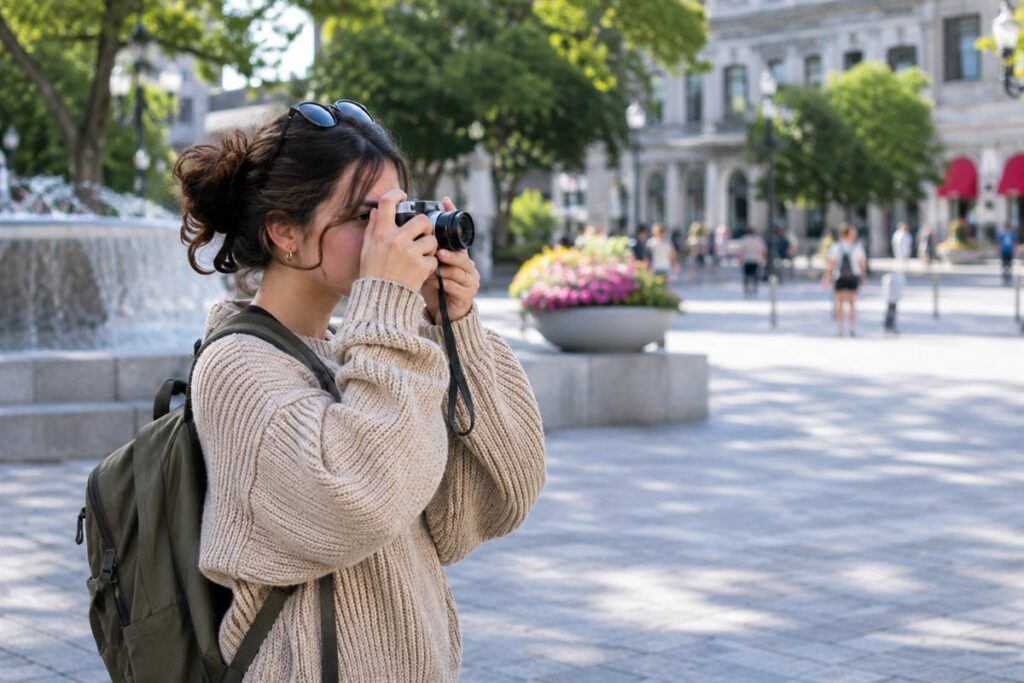
In the United States, street photography is generally discussed in terms of public spaces, expectations of privacy and the way an image is used, but the details differ by state, city and situation. This is a beginner orientation to concepts only. It is not legal advice and should not be treated as a statement of the law, so consult a qualified attorney or official source for your case.
Ideas You Will Hear About
- Public versus private spaces: what is photographed from where, and who controls the location.
- Expectation of privacy: places such as changing rooms or restrooms are treated very differently from sidewalks.
- Type of use: editorial, artistic and commercial uses are often distinguished.
- Harassment and conduct: how you behave can matter as much as what you photograph.
- Sensitive subjects: children, high-security facilities and certain government sites may attract extra scrutiny.
Taking Versus Publishing
Many discussions separate taking a photo from publishing it. Putting an image in a gallery or a book is often considered differently from using someone’s likeness to advertise a product. Some states also have laws on the use of a person’s name or likeness. Because this area is nuanced, learn how your own state describes these ideas, and treat general summaries with caution.
Practical Habits for Beginners
- Read the official information from your state or city, and from reputable photography associations.
- Be visible and polite, and avoid following or crowding people.
- Carry a way to describe your project, such as a card or website.
- Respect requests to stop, and think about courtesy even where you may have latitude.
- Be cautious around police, transit systems and government buildings; stay calm if questioned.
- Keep notes about where and when you shoot.
Where to Learn More
Look for guidance from professional photography organisations, press freedom groups and legal aid resources in your state. A local attorney who works with creative professionals can answer questions about your situation, and many offer introductory consultations.
Etiquette Beyond the Law
Good manners can make street work smoother than any legal knowledge. Smile, keep your camera visible, and be ready to chat. If someone looks uncomfortable, consider moving on. These habits build trust over time and help keep public photography welcome for everyone.
Semi-Public Places: Malls, Stations and Stores
Many places feel public but are privately owned, and this is where beginners are most often surprised. Shopping centers, plazas attached to office towers, stadium grounds, museums, and the interiors of stores and restaurants are examples. The owner generally sets the house rules, which can include a no-photography policy, and staff may ask you to stop or leave even when nothing illegal is happening.
Other spaces blur the line in different ways. Transit stations and trains are run by public agencies, but they may publish their own rules on photography, and some have restrictions on tripods or commercial shoots. Parks are generally open spaces, yet permits may be needed for professional shoots or for equipment such as lights and reflectors. Schools, hospitals and courthouses often have additional limits, which are usually posted or explained by security.
- Look for posted signs at entrances, and read them before you take out the camera.
- If a guard or staff member asks you to stop, comply politely and ask where photography is allowed.
- Call or check the website of a venue ahead of time if you plan a longer session.
- Remember that the sidewalk outside a building and the lobby inside it may follow different rules.
This is general orientation, not legal advice. Confirm the rules for each location, and for your state, with the owner or an official source.
Photographing Children and Vulnerable People
Photographing children, people in distress and people in vulnerable situations raises questions that go beyond the law. Even where taking a picture in public may be permitted, parents, schools and onlookers often react strongly, and your behavior can quickly turn a peaceful afternoon into a confrontation.
Think about context. A child at a public parade is different from a child at a playground, where parents expect more privacy and may see an unknown photographer as a threat. Schools often have their own rules about outsiders and cameras on or near campus. People at a hospital entrance, a funeral, a protest or a crisis scene may be exposed to risk if they are identified, so consider how a published picture could affect them.
- When in doubt, ask a parent or guardian for permission, and explain what you are doing.
- Avoid close, lingering shots of children you do not know.
- Consider blurring faces, shooting from behind or framing wider when publication might cause harm.
- Be aware that special laws and platform policies may apply to images of minors, so read your state’s guidance and the rules of any site where you post.
Ethics can set a higher bar than the law. If you hesitate, stepping back is rarely a mistake, and a respectful approach protects both your subjects and your reputation.
When Police or Security Approach You
Most street shooters never have a serious problem, but it helps to think about the situation in advance. Security guards, transit staff and police may ask what you are doing, particularly around infrastructure, government buildings or crowded events. Staying calm and courteous is the most useful tool you have.
Know the difference between a request and an order. Private security can generally enforce the rules of the property they protect, but they are not police. Police have broader powers, and how they apply them varies by place and circumstance. Arguing about the law in the moment rarely helps, and it can escalate quickly.
- Keep your hands visible and your tone polite.
- Explain briefly what you are doing, for example a personal photography project.
- Ask whether you are free to leave, and follow lawful instructions.
- If you are told to delete images or hand over your camera, be aware that this raises legal questions that depend on the situation. Ask for an attorney rather than debating.
- Write down names, badge numbers and times as soon as it is safe, and note what happened.
Some photographers carry a printed summary of their state guidance or a contact for a local attorney or advocacy group. Again, this overview is for orientation only. If you are involved in an incident, speak to a qualified professional about your rights and options.
Selling, Licensing and Commercial Use of Street Photos
Showing street photos on social media or in a gallery is a different matter from using them in advertising or selling them for commercial products. The more an image looks like it promotes a product, service or brand, the more likely it is that a person in the picture would need to agree. Many states recognize rights related to a person’s name, image or likeness, and the details differ.
Photographers often discuss several categories of use. Editorial use, such as news and documentary work, tends to be treated more flexibly. Artistic uses, such as prints and photo books, may fall in a gray zone depending on the state and the circumstances. Advertising, packaging and merchandise are the areas where releases are usually expected.
- Check stock agency guidelines, which often require releases for recognizable people in commercial licensing.
- If you sell prints or books, read your state’s guidance and consider speaking with a lawyer.
- Do not imply that a person endorses a product or cause when they have not.
- Keep captions factual, and avoid text that suggests something false about the people in the picture.
Think about the person in the image as well. A picture that is legal to publish may still embarrass or harm someone. Giving a copy to a willing subject or removing an image on request can preserve goodwill.
Video, Audio and Drones on the Street
Rules for still photos and for recording sound or video can differ. Many video cameras and phones capture audio automatically, and recording conversations is regulated in different ways across states. Some require the consent of one party, others of all parties, and the rules can depend on whether people have a reasonable expectation that they are not being recorded. If you shoot street video, consider muting the audio or learning your state rules first.
Drones add a separate layer. Flying is governed by aviation rules, local ordinances and property restrictions, and privacy complaints can arise when a drone is flown over people. Many cities limit drones in parks or near crowds, and certain areas are restricted entirely. Check the current guidance from the relevant aviation authority and your local government before you fly.
- Check your state’s guidance on recording audio before posting street video.
- Avoid capturing private conversations, even by accident, and trim clips where needed.
- Read the terms of the platform where you plan to publish, since many have their own rules about people in videos.
- Do not fly near crowds, airports or sensitive sites without confirming the rules.
As always, treat this section as a list of things to look up rather than a statement of the law, and consult a qualified professional for specific questions.
FAQ
Do I need permission to photograph people in public?
Many people say generally not for non-commercial use, but it depends on the place, the circumstances and the use. Confirm with a qualified professional.
Can I sell street photos?
It depends on the type of sale and the content. Releases may be needed in some cases, so check before selling.
Can a store owner stop me from taking photos on their property?
Generally, owners can set rules for their property, including limits on photography. If asked to stop, comply politely and ask where photography is allowed, then check local guidance if you have questions.
Are there places where photography is commonly restricted?
Examples include some government buildings, military or security-related sites, courthouses, schools and areas posted with signs. Rules vary, so check before you shoot.
Do I need a permit to take street photos?
Casual photography often does not require one, but professional shoots, large equipment or commercial projects can. Check with your city or the location's managers.
Should I carry a business card or project description?
It can help. A card with your name and website makes conversations easier and shows you are open about what you do.
Can I post a photo of someone without asking?
Often a personal or editorial post is treated differently from advertising, but rules differ by state and platform. Consider the person's feelings and remove an image if they make a reasonable request.
What should I do if someone asks me to delete a photo?
You are usually not required to delete a photo you took lawfully, but handling the request kindly often ends the matter. Decide based on the situation and your own ethics.
Where can I find reliable information about my state?
Look at official state or city websites, professional photography associations and legal aid or press freedom organizations. A local attorney can advise on your case.
The Short Version
US street photography is shaped by public space, privacy and use, and the specifics vary by state. Learn the concepts, behave respectfully and consult a qualified attorney when it matters.
Related Guides
- How Street Photography Laws Differ Across Regions of the World
- Drone Photography Laws: What Photographers Should Know First
- Camera Settings for Sharp Handheld Night Street Photography
- How to Shoot Street Photography With Your Phone Discreetly
- How to Use Rain Puddle Reflections for Street Photography