The Nikon F6 and the Nikon F100 are both late era autofocus film SLRs, and both are strong choices for anyone who wants to shoot 35mm film with modern Nikon lenses. The F6 is the professional flagship with more refinement and features, while the F100 is a lighter, simpler body that covers most needs. Choose by how much of the extra capability you will actually use.

What each camera is for
The F6 is the last professional film body in the Nikon line. It is built for demanding work and offers refined metering, quiet operation and wide lens support. It is compact for a professional body, though still solid.
The F100 is a lighter camera aimed at serious enthusiasts and working photographers who wanted a capable body without flagship size. It offers a similar shooting style in a body that is easier to carry and usually easier to find.
In this guide
Key differences
| Trait | Nikon F6 | Nikon F100 |
|---|---|---|
| Position | Final pro flagship | Enthusiast and working body |
| Build | Professional level body | Lighter, partly lighter materials |
| Availability | Less common | More common |
| Best for | Demanding work, newer lenses | Travel, everyday film |
Confirm exact features in a trustworthy manual, since small differences affect use.
What matters in practice
- Lens support: check how each body deals with newer lens types and with manual focus lenses.
- Handling: try both for grip and button layout.
- Condition: film bodies of this age may need service for sticky buttons or worn seals.
- Value for use: if you shoot a few rolls a month, the extra features of a flagship may add little.
How to decide
- Write down the lenses you will use and check compatibility.
- Decide whether you want a flagship feel or a lighter body.
- Compare available examples by condition and service history.
- Plan a test roll to check focus, metering and film advance.
Working with film today
Both cameras load and advance film automatically, so they are quick to use for casual and serious work alike. Plan for fresh batteries, a lab or scanner you trust and a habit of noting your settings for each roll. If you expect to shoot often, a lighter body can encourage you to carry the camera more, and that matters more than any feature on a spec sheet. If you care about long term service support and a camera that feels special, the flagship has its appeal.
Lens Types and Metering Behavior
Lens compatibility is where late film bodies can differ in ways that matter. Autofocus lenses of the right type work well on both cameras, but lenses without an aperture ring, lenses with older focusing designs and manual focus lenses may behave differently from body to body. Some combinations meter with the full multi-zone system, some fall back to center weighted or spot, and some will not meter at all. The manuals and Nikon’s lens compatibility charts show which is which, so list the lenses you plan to use and check each against both cameras.
It is also worth asking how each camera treats lens information. Lenses that report distance to the body can improve flash exposure and the way the meter reads a scene, and lenses that do not may limit those features. If you shoot with older glass that you love, check carefully, because a camera that suits modern lenses perfectly can be a weaker partner for classic ones.
- Write down your lenses and mark which have aperture rings.
- Check how each body deals with them in the manual.
- Test metering with a lens you own before relying on it for an event.
If you own few lenses today, buy with these differences in mind rather than discovering them later.
Metering and Exposure Habits
Both cameras offer more than one way to read light, and learning when to use each is part of getting good film results. Multi-zone metering looks at the whole scene and compares it with patterns to choose an exposure. It works well in average light but can be fooled by a bright sky behind a dark subject, snow, or a very dark room. Center weighted metering favors the middle of the frame and is predictable, while spot metering reads a small area and gives you control if you know where to point it.
Film responds differently from digital sensors. Color negative film tolerates some overexposure and tends to look better with a little extra light in the shadows, while slide film has little tolerance and prefers exact exposure. Black and white negative can be pushed or pulled in development. Consider what film you will use before you choose a metering habit.
- Use exposure compensation for backlit scenes and snow.
- Take a spot reading of the key tone when contrast is high.
- Write down settings in a small notebook for your first few rolls so you can learn from the results.
A flagship body gives refined control, but a lighter body you carry more often will give you more practice.
Condition and Service Concerns
Because both cameras are no longer made, condition drives the real value of any example. Use a methodical check. Look at the rubber grips and covers, which may become sticky or flaky on cameras of this age. Examine the back door seals, the mirror box and the film path. Check that displays show every segment. Listen to the shutter at several speeds and confirm that the mirror returns cleanly. Make sure the film advances and rewinds without hesitation.
Ask the seller about history: has the camera been serviced, has it been dropped, was it used professionally or lightly. A heavily used flagship can still be sound, but it may need attention sooner than a lightly used enthusiast body. Request clear photos of the body, battery compartment and film chamber, and check the return window.
Find out in advance who can repair these models near you. Parts supply is limited, and some faults can be costly compared with buying another working body. This is a strong argument for buying a good example now rather than a bargain that needs work. If a seller cannot answer basic questions about operation, it is safer to walk away.
Costs Beyond the Camera Body
The body is only the start of the cost of shooting film. You will also need film, development, scanning or printing, batteries, and perhaps a strap, hood and bag. These costs recur with every roll, so think about how many rolls you expect to shoot in a month and whether you will develop at home or send them to a lab. Home developing of black and white film is a popular way to cut costs and gain control, but it requires equipment and time. Color processing is usually done at a lab.
Scanning is another variable. A lab scan is convenient but varies in quality and file size, while a home scanner or a digital camera copy setup gives you control but takes effort. Decide whether you want prints, digital files or both, and make a plan before you start.
- Estimate your yearly film use and be honest about it.
- Compare lab options for turnaround and scan quality.
- Keep film cool, and store exposed rolls out of heat until they are processed.
Cheaper film and a lighter body that tempts you to shoot more may suit you better than a flagship you save for special days.
Choosing by Temperament and Use
The better camera is the one that matches how you want to shoot. If you are drawn to a refined tool with a premium feel and you will use its features, the flagship appeals. If you want a body that disappears in your bag and makes carrying easy, the lighter camera has an edge. Neither will change the look of your pictures much, because film, lens, light and your eye are the main drivers of results.
Think about the type of shooting. For street, travel and family snapshots, a lighter camera is easier and less conspicuous. For events and work where reliability matters, a solid and well-checked body gives peace of mind. For learning, either is good, because the autofocus and metering help you focus on framing while you build a feel for film.
Avoid choosing on prestige alone. A famous name will not rescue a poorly maintained example, and a modest body in excellent condition will outperform it. Take the time to buy well, run a test roll, and then spend your attention on making pictures rather than on the equipment.
Handling, Weight and Ergonomics
Specifications only tell part of the story. How a camera feels after three hours of walking matters just as much as any feature list. The Nikon F6 is the denser, more substantial body, with a solid build that suggests it was designed for professionals who used it all day. The Nikon F100 is noticeably lighter, which many photographers find more comfortable for travel and long outings.
Grip shape and button layout also differ. Both cameras place the main controls where a trained hand can find them without looking, but the F6 carries more dedicated buttons and a larger top panel. That suits people who like direct access to everything. The F100 asks for slightly more menu-free simplicity and can feel quicker to learn.
If possible, hold both before buying. Pay attention to how your hand wraps around the grip, how easily you reach the shutter button and command dials, and whether the weight feels reassuring or tiring. Comfort often decides which camera actually gets used.
Viewfinder and Focusing Experience
Looking through the finder is where a film SLR wins or loses your affection. Both bodies offer a bright, large view with focus information shown clearly at the bottom or side. The F6 is generally described as having a more advanced autofocus system with more sensing points, while the F100 offers a simpler arrangement that is still capable for most subjects.
For static subjects such as landscapes, portraits and street scenes, either camera focuses quickly and accurately. Differences appear mostly with moving subjects in dim light, where a more advanced system can hold on better. Check the maker’s documentation or the product listing for the exact number of focus points and the supported modes.
Manual focusing is also pleasant on both. A clear finder screen helps you judge sharpness by eye, which matters if you plan to use older lenses with no autofocus at all.
Power Sources and Everyday Practicality
These two cameras use different power arrangements, and that affects daily convenience. One style relies on lithium camera batteries, while the other can use common AA cells, and a grip may change the setup further. Confirm the battery type for the exact body you are considering, since optional grips alter the options.
AA power is convenient when traveling, because replacements are available in almost every shop. Specialized lithium cells tend to last long and perform well in cold weather, but they cost more per set and are harder to find in small towns. Many film shooters carry a spare set regardless of the body they own.
Always check the battery compartment for corrosion before buying a used body. Leaked cells are a common cause of failure in older cameras, and cleaning contacts is a job best left to a qualified technician if damage is visible.
Side-by-Side Practical Comparison
| Aspect | Nikon F6 | Nikon F100 |
|---|---|---|
| Position in range | Top professional model | Advanced enthusiast and working body |
| Weight and feel | Heavier, very solid | Lighter, easier to carry |
| Focus system | More advanced | Capable and simpler |
| Controls | More dedicated buttons | Streamlined layout |
| Typical used cost | Higher | Lower |
| Best for | Demanding, varied work | Travel, everyday shooting |
This table is a general summary. Always confirm exact specifications against the maker’s manual or a reliable listing before you buy.
Loading, Winding and Rewinding Film
Modern film SLRs make loading easy. You place a cartridge in the chamber, pull the leader to the mark, close the back and let the camera advance to the first frame. Both cameras do this automatically. Watch the frame counter for the first shot to confirm the film is feeding properly, because a missed load wastes a whole roll.
Rewinding is also motorized. When the roll ends, the camera pulls the film back into its cartridge and you can open the back safely once it stops. Do not open the back while film is still outside the cartridge, since light will damage the exposed frames.
A good habit is to note the film type and the date on a small piece of tape or in a notebook. When you collect your prints or scans, you will remember which scenes and settings belong to which roll, and that makes learning from mistakes much easier.
Flash and Accessories
Both cameras work with compatible Nikon flash units, and both support the sort of automatic exposure control that makes fill flash approachable. If you plan to use flash often, check which units are compatible with the body you choose, since features differ between generations of flash and camera.
Other accessories are worth thinking about too. A comfortable strap, a lens hood for every lens, a spare battery set and a small cleaning kit all improve everyday shooting. A remote release helps with long exposures and tripod work.
When you buy used, ask what comes with the camera. Original caps, straps and manuals are a bonus, and a seller who keeps those items usually looked after the camera as well. Missing accessories are easy to replace, but missing care is harder to fix.
Shutter Sound, Speed and Shooting Rhythm
Each camera has its own voice. The shutter and winding mechanisms produce a sound that some photographers love and others find distracting, especially in quiet places. If you often photograph in churches, theaters or intimate settings, consider how noticeable the camera will be, and look for a demonstration if one is available.
Burst speed matters too. A faster drive helps with sports, wildlife and children, while a slower one is perfectly fine for deliberate shooting. Film is limited in length anyway, so a fast drive can empty a roll quickly. Many people find that a calmer pace produces better pictures and lower processing bills.
Think about your normal subjects honestly. If you rarely shoot moving action, the faster option is a luxury rather than a need, and the lighter, simpler body will likely satisfy you.
Storing and Carrying the Camera
A film camera lasts longest when it is kept dry, clean and out of extreme heat. Store it in a padded bag with a few desiccant packets, and remove batteries if you will not use it for several months. Keep the body cap and rear lens cap on whenever a lens is off the camera.
When traveling, avoid leaving the camera in a hot car or a damp bag. Moisture and heat encourage fungus on lenses and can harm seals. Take the camera out of its bag occasionally and operate the shutter and dials gently, because mechanisms that never move can become stiff.
For airport security, ask about the policy for film. Machines vary, and many photographers request a hand inspection of unprocessed rolls. Carry film in a clear bag so it is easy to present.
Common Mistakes When Choosing
- Buying the more advanced body for features you will never use.
- Choosing the lighter body but then regretting missed controls you actually wanted.
- Ignoring the condition of the camera in favor of the model name.
- Forgetting to budget for film, processing and basic servicing.
- Assuming every lens in your bag will behave the same on both bodies.
- Skipping a test roll right after purchase.
The test roll deserves emphasis. Shoot a full roll soon after you receive the camera, using a range of lighting conditions, and check every frame for odd exposures, light leaks or focus problems. Returning a camera is easy only while the return window is still open.
Learning Curve for First-Time Film Shooters
If you grew up with digital cameras, film asks for a different rhythm. There is no screen to check, so you learn to trust the meter and your own judgment. Both of these cameras help, because their metering is dependable and their automatic modes are forgiving.
Begin in aperture priority mode and watch how shutter speeds respond to the light. Once that feels natural, try manual mode and read the indicators in the finder. Over a few rolls your sense of exposure will grow, and you will notice patterns in the results.
Keep a simple log of settings for each frame for the first few rolls. When prints come back, compare them with your notes. This habit speeds up learning and builds confidence faster than any article could.
Who Should Pick Which Body
Choose the F6 if you value the most capable focusing and metering, enjoy a robust and well-equipped body, and do not mind the weight and higher cost. It rewards photographers who shoot varied subjects in demanding conditions and want fewer limits.
Choose the F100 if you want a lighter camera, a simpler learning path and a lower entry cost while still getting modern autofocus, good metering and a solid build. It suits travel, everyday photography and anyone building a first film kit.
Neither choice is wrong. Both cameras can produce excellent pictures, and the real difference is how pleasant each one is for you to carry, hold and use. Let your habits guide the decision, and spend the saved effort on good film and good light.


Ready to Buy? Start Here
If this guide helped you decide what to look for, these products are a place to start.

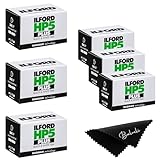
As an Amazon Associate we earn from qualifying purchases. Prices and availability are shown on Amazon.
Flagship Versus Near-Flagship: What the Extra Really Buys
The honest way to frame this comparison is to ask what the flagship premium actually purchases, because it is not image quality. Both bodies expose the same film through the same lenses, and in a blind test of negatives nobody could sort F6 frames from F100 frames. What the extra buys is refinement distributed across a hundred small moments: metering that behaves a touch more cleverly in awkward light, controls that fall under the fingers with a little more thought, a quieter and calmer operating character, build that feels milled rather than assembled, and support for the newest lenses that is more complete. None of these alone justifies the difference. Together they describe a camera that asks slightly less of you on every frame, which over thousands of frames is either worth a great deal or hardly anything, depending on how you shoot.
The F100’s counter-argument is that it captures the great majority of that experience, the same mount, the same film, a closely related way of working, in a body that is lighter to carry and easier to replace. Photographers who shoot film a few rolls a month will likely never touch the situations where the flagship’s refinements matter. Photographers who shoot film as their main medium, or who simply love the feeling of a definitive tool, will notice and value them daily. This is why the comparison has no universal winner: the cameras differ less in capability than in how completely they reward heavy use.
Availability sharpens the point. The lighter body is easier to find in good condition, and the flagship’s relative scarcity means buyers sometimes accept a tired example for the sake of the badge. That is the one clear mistake in this comparison. A fresh, serviced F100 is a better camera in every practical sense than a worn F6 with fading displays and an unknown history, and the reverse is equally true. Condition is the first comparison; model is the second.
Scenario Decisions
The committed film photographer
If film is your primary medium and this body will be your daily tool for years, the flagship’s refinements compound like interest. You will use its metering in the difficult light where lesser systems hesitate, you will appreciate its manners with your newest lenses, and its build will shrug off the mileage. Buy the best example you can, have it serviced, and stop reading comparisons; the camera will repay the decision by disappearing into your work.
The digital photographer adding film
If film is a second medium, a weekend practice alongside a digital system, the F100 is usually the wiser door in. It asks less money, less bag space and less commitment, while delivering the essential experience intact: modern handling, trustworthy automation and the same lenses. Many photographers who start here later trade up with clear knowledge of what they want, which is a far better position than guessing at the flagship tier from the outside.
Travel and long-term carrying
Over a long trip, grams become opinions. The lighter body is the one still on your shoulder at the end of the day, and photographs come from carried cameras. The flagship earns its place on a trip only when the trip’s purpose is photography itself and the subjects demand everything it offers. For the traveler who photographs along the way, the near-flagship is not a compromise; it is the correct tool.
Studio and portrait professionals
In controlled conditions the practical gap nearly vanishes, and the decision turns on workflow details and personal feel. Session photographers should handle both with their portrait lens fitted, run through their usual sequence of adjustments, and notice which body keeps their attention on the sitter. That body, whichever it is, is the professional choice for them, and the money saved or spent either way is better directed at film, lighting and the sitting experience itself.
Inspection Notes Specific to These Late Bodies
Late electronic film bodies share a family of age-related checks. Begin with the rubber grips and coverings, which on cameras of this period can soften and turn sticky; this begins as a cosmetic annoyance and becomes a handling issue, and replacement should be budgeted rather than discovered. Cycle through every display and custom function, confirming that all LCD segments appear, because displays fade in the corners of the menu system owners rarely visit. Work dials and levers slowly, press every button, and check the lens-mount contacts for wear, since metering and autofocus both depend on that conversation with the lens staying clean.
Test the transport with a real roll. Listen for even, confident advance and rewind, and then examine the developed film for spacing consistency and any scratches that would point to pressure-plate or roller problems. Meter both bodies, if you are comparing examples in a shop, against the same trusted reference in bright and dim light, because a meter that agrees outdoors but drifts indoors will cost you evening frames. Inspect seals and mirror foam, and ask the service question directly: who last serviced this body, when, and is there paperwork. On cameras this sophisticated, documented maintenance is worth more than a low frame count claimed without evidence.
Finally, check the small things that govern daily pleasure: the viewfinder for dust and correct diopter behavior, the film door for play, the battery compartment for corrosion, and the strap lugs for wear. A body that passes all of this and feels right in your hands is the correct purchase, and at that point the badge on the prism matters far less than the years of uncomplicated shooting you have just bought yourself.
A Simple Decision Procedure
Write down the three lenses you will use most and confirm how each body handles them, using the maker’s documentation rather than forum memory. Then write down your honest shooting volume: rolls per month, typical subjects, typical carrying day. High volume, demanding light and newer lenses lean toward the flagship; moderate volume, travel and everyday subjects lean toward the lighter body. Then go and handle both, because ergonomics veto arithmetic with complete authority. If one body feels like it was shaped for your hands, that feeling will still be true in five years, long after you have forgotten the feature lists.
Whichever you choose, put a test roll through it within the return window, have it serviced if the history is unknown, and then shoot it regularly, because these late film bodies stay healthiest in use. The F6 versus F100 debate is a pleasant one precisely because both answers are good; the only poor outcome is a neglected example of either sitting in a cupboard.
Living With Each Body for a Year
Reviews are written in days, but ownership is measured in seasons, and the two bodies distribute their virtues differently across a year. The F100’s lightness compounds in the photographer’s favor in the least dramatic way: it is carried on the ordinary days, the walks, the family visits, the trips where photography is a companion rather than the purpose, and those ordinary days are where most of a life’s photographs hide. Owners commonly find that the lighter body produces the larger archive, not because it is better but because it was there. The F6’s virtues compound differently. It is the body chosen for the deliberate work, and its refinement, its metering manners, its quiet confidence, its completeness with modern lenses, rewards the photographer who shoots film as a serious practice. Its archive may be smaller and more intentional, and for many photographers that trade is exactly right.
Frustrations compound too, and honesty requires naming them. The lighter body’s materials and controls, while entirely respectable, do not promise the same decades of hard professional punishment, and its age-related issues, sticky coverings, tired seals, displays, arrive on the same schedule as its sibling’s. The flagship’s scarcity shapes ownership in ways brochures never mention: examples are fewer, prices firmer, and the anxiety of using a collectible hard can quietly ration a photographer’s shooting, which is the one unforgivable outcome. A camera that makes you hesitate to carry it has failed at the only job that matters, whichever badge it wears.
The healthiest way to hold either purchase is as a working tool with a maintenance budget and a job to do. Shot weekly, serviced on evidence, and fed a steady diet of film, both bodies repay their owners for years, and the question of which was correct fades into the uninteresting past. That is the fate of all good equipment decisions, and it is available with either of these cameras, which is what makes this comparison a pleasure rather than a problem.
What Transfers If You Change Your Mind
One underappreciated comfort in this comparison is how reversible it is. The lenses stay. The film stays. The metering instincts, the handling habits and the workflow you build around one body transfer almost whole to the other, because they are siblings in a single system rather than strangers. A photographer who starts with the lighter body and later hungers for the flagship has lost nothing but a little time, and has gained the knowledge of exactly which refinements they are paying for, which is the best possible position from which to buy a flagship. A photographer who starts with the flagship and discovers they needed lightness has an asset the market respects and an education in what flagship refinement actually feels like, which will inform every equipment decision they make afterwards.
This reversibility should lower the temperature of the decision. You are not choosing a destiny; you are choosing a starting point inside a system designed to accommodate both. Buy the body that matches your current life, use it thoroughly, and let the system carry you if your life changes. The photographers who suffer in equipment choices are the ones who believe each purchase must be final and perfect; the ones who thrive treat bodies as the replaceable component and lenses, film and seeing as the permanent ones.
Worked Examples: Three Photographers Decide
Consider a travel photographer who shoots six rolls on a good trip and walks all day with one body and two lenses. For her, the arithmetic of weight and the statistics of carrying decide it: the lighter body will be on her shoulder at the hour the light turns kind, and the flagship’s refinements would mostly be experienced as absence, the photographs not taken because the camera stayed at the hotel. She buys the F100 in the best condition she can find, services it, and spends the difference on film for the year, which is the purchase her archive will actually remember.
Consider a studio portraitist who shoots film deliberately alongside digital work, in controlled light, with modern lenses he already owns. For him the flagship’s completeness with his lenses, its metering manners and its build for repetitive session work are not luxuries but the substance of his Tuesdays, and its weight is irrelevant on a tripod or in a studio bag. He buys the F6, from a seller who can document its history, and the premium disappears into professional use within a season.
Consider the returning film photographer, back after a decade, unsure whether the old love will rekindle. For her the correct purchase is the one with the lowest regret in both directions: the lighter body, bought well, which will either become a beloved daily tool or sell onward without drama if the passion does not return, while teaching her everything she needs to know to choose again with experience. Three photographers, three different right answers, one system that accommodates all of them. That is the real conclusion of this comparison, and it is a compliment to the era that produced both cameras.
Ergonomics: The Test That Outranks the Tables
Every comparison in this guide eventually hands the decision to the same judge, so it deserves a section of its own: your hands, over time. The correct test is not a minute in a shop but a simulation of your real work. Mount your most-used lens, raise the camera to your eye fifty times, work the controls you touch constantly without lowering it, carry the combination at your side for a quarter of an hour, and if the shop allows a loan or a rental, shoot an ordinary day with each body in turn. Weight reveals itself honestly only across hours, control layouts reveal themselves only under repetition, and finder comfort reveals itself only to your own eyes with your own glasses. No reviewer can perform this test for you, which is why experienced photographers treat all comparisons, this one included, as maps rather than verdicts: they tell you where to look, and your hands do the deciding.
Pay particular attention to the operations your photography performs under pressure. If you shoot events, that is changing settings while a subject moves and the light shifts. If you shoot landscapes, it is working slowly and precisely with cold fingers at dawn. If you shoot portraits, it is the rhythm of adjustments that must not break the sitter’s spell. The body that keeps those operations invisible is your professional tool, and it may be either of these; the flagship’s refinement and the lighter body’s simplicity each win this test for different hands, which is exactly as it should be in a system built to serve working photographers rather than specification sheets.
The Verdict, Stated as Plainly as Possible
Buy the F6 if film is your serious medium, your lenses include the modern types it supports most completely, you value refinement and quiet operation in a body you will use for years, and the example in front of you is documented and clean. Buy the F100 if film is a beloved second medium or a travel companion, if carrying decides your photography, if your lenses are the classic types both bodies love, and if the money saved will be spent on the film that turns a camera into an archive. Buy neither if the example is tired, undocumented or priced on mythology, because the used market will offer another, and patience is the cheapest feature in this entire comparison.
Then close the comparison and open the camera. Load it, shoot the test roll, learn its metering voice, service it if the history asks, and take it out on the ordinary days where photographs actually live. A year from now, the question of F6 or F100 will have been replaced by a shelf of negatives and a set of habits, and you will understand what every owner of either body eventually reports: the best late film SLR is the one that was there, and both of these cameras are very good at being there for the photographers who chose them honestly.
Film Discipline: The Shared Craft Beneath the Choice
Whichever body you choose, it will spend its life exposing film you selected, through a workflow you built, and that shared craft deserves the closing emphasis because it determines more of your results than the badge does. Choose a small set of stocks and learn them to the point of prediction: how your color stock handles mixed light, how your black and white stock separates tones in shade, how far each can be pushed when the light fails. Keep the notebook this guide keeps recommending, because film returns no data and your future self is relying on your present honesty. Process with one good lab or one steady scanning routine until their character is part of your knowledge, so that when a frame surprises you, the surprise is information about the scene rather than noise from the pipeline.
None of this is incidental to the F6 versus F100 question; it is the context that makes the question small. Two photographers with identical bodies and different workflows produce visibly different work, while two with different bodies from this pair and identical discipline produce work no viewer could sort. Buy the body your hands and your life prefer, then invest the serious effort in the craft both bodies share, and the comparison will resolve itself the way it has for a generation of owners: into a preference you can explain, attached to an archive you are proud of, shot on whichever of these two fine cameras happened to be the one you reached for. Reaching, in the end, is everything. The best of these bodies is the one that gets reached for, and both were built, with great seriousness, to deserve exactly that.
A Checklist for the Day You Buy
Carry the decision in a pocket-sized form. Lenses: listed, compatibility confirmed from the maker’s documents, the most-used one mounted during handling. Hands: both bodies raised and worked with that lens, controls found without looking, an honest note made of weight after real minutes rather than first seconds. Example: displays cycled, dials worked slowly, transport run, seals and foam inspected, meter compared, paperwork requested. Money: total first-year cost written down, body, service contingency, film, so the badge cannot quietly spend the archive’s budget. Future: one sentence, in your own words, about the photography this body is for. A purchase that survives that checklist will survive the decade, whichever of these two fine cameras it names.
What Owners Say After the Second Year
Second-year owners of either body tend to speak a distinctive language, and it is worth listening for if you meet them. They talk about rolls rather than features, about the trip the camera survived and the winter it ignored, about the technician they trust and the stock they have settled on. The comparison that consumed their first month has shrunk to a sentence they deliver with a shrug: both are excellent, buy on condition, shoot it a lot. That shrug is not indifference; it is the sound of a decision that has finished its work and become a tool. Aim to earn the shrug. It is available from either side of this comparison, at the price of one honest purchase and one year of regular film, and it is the most reliable evidence in this entire guide that the choice, made your way, will have been the right one.
FAQ
Is the F100 a good first autofocus film body?
Yes. It is capable and approachable, and it works with many Nikon lenses.
Does the F6 take better pictures?
Image quality depends mostly on lens and film. The F6 offers more refinement, but it will not transform your results on its own.
Do I need to service a late film SLR before using it?
Not always, but inspect it carefully and run a test roll. If you see sticky buttons, slow shutter sounds or uneven advance, have it checked by a repair shop.
Will my manual focus lenses meter on these cameras?
It depends on the lens and the body. Check the manual for the exposure modes available with each lens type, and test before an important shoot.
Which film should I start with?
Color negative film is forgiving of exposure errors and a common starting point. Black and white negative is also easy to work with and cheap to process.
How do I know if the light seals are failing?
Look for crumbling or sticky foam around the back door and mirror box. Fogged edges or streaks on developed film can also point to light leaks.
Are batteries easy to find for these cameras?
Check the battery type for each body in the manual and confirm that you can buy it locally before you purchase.
Is it worth buying a camera with a repair history?
It can be, if the repair was done by a competent shop and you can see records. Ask what was fixed and when.
Should I develop film at home or use a lab?
A lab is simplest, especially for color. Home development of black and white is popular for control and cost, but needs equipment and care.
The Short Version
Choose the F6 for a refined flagship with strong lens support, and choose the F100 for a lighter, more available body that handles most film work well.
