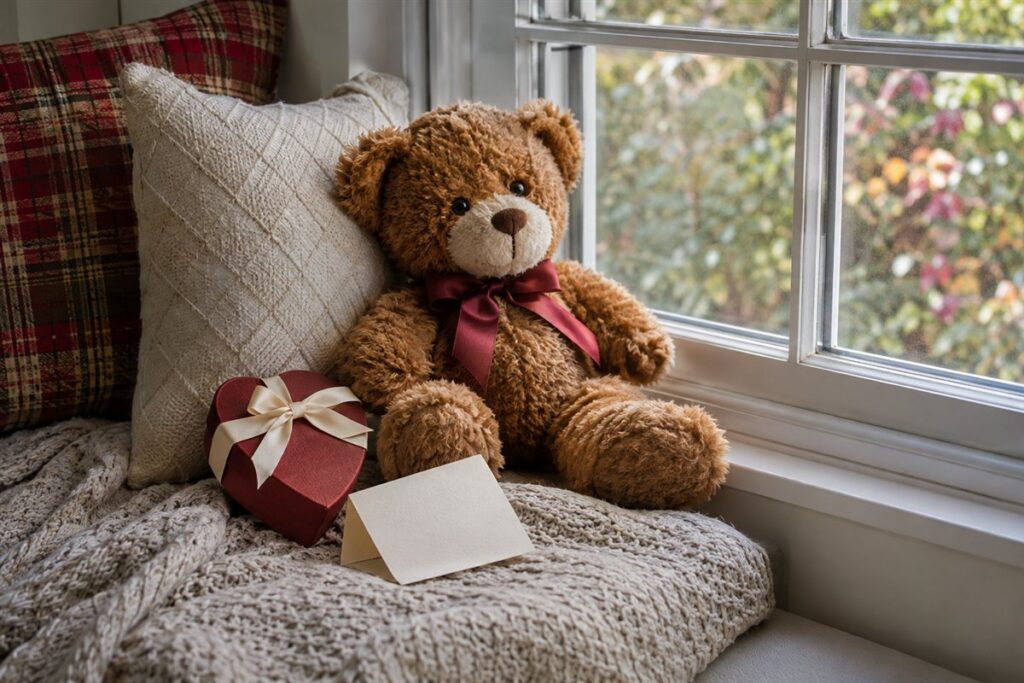
Yes, teddy bears can make a good Valentine gift, but only when they suit the person and carry a personal touch. For someone who loves soft, playful keepsakes they are a charming choice. For someone who prefers practical or experience-based gifts, a bear on its own may feel like a missed chance.
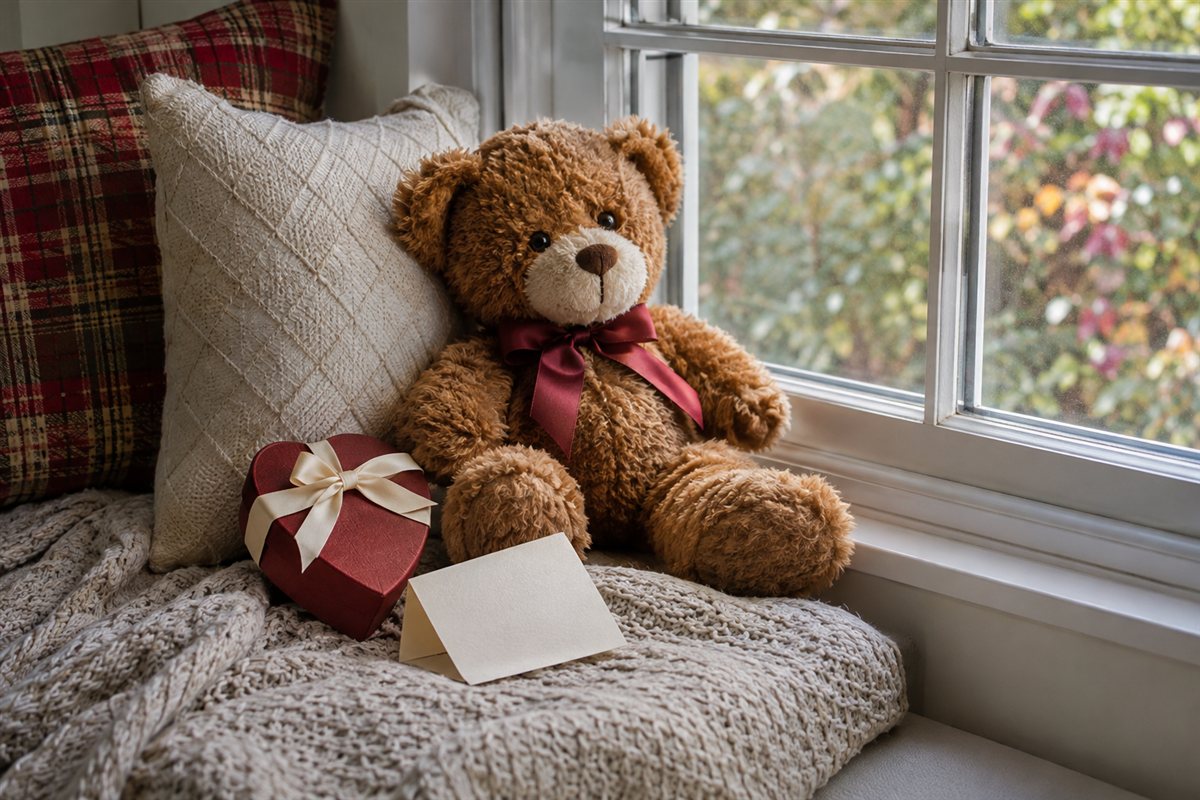
Why People Love Them
A teddy bear is cuddly, instantly cheerful and easy to display. It also works across many relationships, from a new couple to a long-time partner with a sense of humor. Bears tend to bring out a playful side, and they give the recipient something to hold on to when you are apart.
- They are widely recognized as a sign of affection.
- They can be paired easily with flowers, sweets or a card.
- They are a keepsake that can sit on a shelf for years.
Where They Can Fall Flat
The main risk is that a bear can feel generic. If it is the whole gift, with no note or thought behind it, it may come across as a last-minute pick from a shop counter. There are practical issues too.
- Large bears take up space, which matters in small homes or shared rooms.
- Some people simply do not enjoy soft toys, and that is a matter of taste.
- If the recipient is sensitive to dust or fabrics, a plush item may not be a comfortable choice.
Who Is Most Likely to Enjoy One
| Person | Good fit? | Why |
|---|---|---|
| Playful, sentimental partner | Usually yes | Enjoys cute keepsakes and symbols |
| Someone in a long-distance relationship | Often yes | Gives them something to hold |
| Practical, minimalist partner | Rarely | May prefer useful or experience gifts |
| Young friend or relative | Yes | Fun and age-appropriate |
Ways to Make a Teddy Bear Feel Personal
- Attach a handwritten note, in a small envelope, tied to its paw or ribbon.
- Add a small framed photo of the two of you for the bear to hold or sit beside.
- Choose a color or outfit that matches something they like.
- Include a second gift, such as tickets or a planned outing, so the bear is a pleasant extra rather than the whole message.
- Give it a name that links to an inside joke.
If you plan to order a customized item, check the production and delivery time so it arrives before the day.
Judging Quality Before You Buy
Not all plush toys are equal, and a bear that sheds, loses an eye or smells strongly of chemicals will undermine the gift. Whether you buy in a shop or online, a few checks help you pick one that lasts.
- Stitching: look at the seams around the arms, legs and neck. They should be tight and even with no gaps showing the stuffing. In a shop, give the limbs a gentle tug to see if they hold.
- Filling: a bear that feels evenly stuffed keeps its shape and sits well. Lumpy or thin filling looks tired after a few weeks. Product descriptions may mention the filling material, so read them if you or the recipient have sensitivities.
- Fur: soft, dense fur that does not shed on your hands is a good sign. Rub a patch lightly to see if loose fibers come off.
- Eyes and nose: embroidered features are usually safer for young children than hard plastic ones. For adults, either can be fine, but check that they are firmly attached.
- Smell: a strong chemical odor is a warning sign. A new toy may smell faintly, but it should not be overpowering.
- Labels: if the bear may reach a child, look for a safety label that states the intended age range, and follow it. In online listings, read what the seller states about safety standards and check that the information is clear.
Read the care instructions too. Some bears can be washed, while others should only be spot cleaned.
Choosing Size, Style and Accessories
The right bear depends on the person and the space they have. Bigger is not always better, and a thoughtful choice shows more care than a huge one.
For size, think about where it will live. A small or medium bear fits on a desk, a nightstand or a bag, and travels easily. A very large bear is dramatic and photographs well, but it needs floor or bed space and can be hard to move. If your partner lives in a small apartment or shares a room, a smaller bear may be kinder to their space.
For style, match their taste. Classic brown bears suit traditional or sentimental people, while white, pastel or unusual colors may match a modern bedroom. Some people like bears with outfits, scarves or small hearts, while others prefer a plain one. Think about whether they would like a bear that sits upright or one with floppy limbs for cuddling.
Extras can add meaning but should not take over. A ribbon, a small card or a knitted scarf in a favorite color makes a bear feel personal. Avoid items with small parts if the bear is for a child. Skip strong perfumes or sprays, since many people dislike or react to them. If you want a customized item, such as embroidery or a recorded message, check what the seller can do, and read the terms about returns for personalized goods.
Timing, Delivery and Presentation
Even a lovely gift can disappoint when it arrives late or in poor condition. Plan the logistics early so that the moment feels special.
- Order well before the date. Valentine’s week is a busy period for sellers and couriers, so check the stated delivery times and cut-off dates on the seller’s page.
- If the bear is shipped to the recipient, think about whether they will be home and whether a surprise delivery is welcome. If it is shipped to you, check it on arrival for damage or odors.
- Decide where to hand it over. A quiet moment at home, a table at dinner or a note left on the pillow all work. In public places or at work, a smaller bear is easier to carry.
- Wrap or present it simply. A ribbon, a paper bag or a clear gift bag keeps the bear clean, and a handwritten card makes it personal.
- Keep a receipt or order confirmation in case you need to exchange it, and ask about the exchange policy.
If you are shipping to another country or a distant city, remember that large soft items can take longer and cost more to send. A smaller bear tucked into a package with a letter often feels more personal than a large one in a big box.
When to Pick Something Different
A bear is a sweet idea but not the right answer for everyone. If you are unsure, think about the person’s tastes, circumstances and how long you have known each other.
- A new relationship: a very large bear can feel too intense. A small, simple gift or an invitation to do something together may be better.
- Someone with allergies or asthma: plush fabrics can collect dust. Ask about their sensitivities or choose a different gift.
- A colleague or acquaintance: a bear can be misread. A card, a snack or a shared coffee is more suitable.
- A practical person: tools, books, a nice mug, a plant or a planned dinner may mean more.
- Someone who dislikes clutter: an experience, such as a class, a walk or a meal, leaves no objects behind.
If you still like the idea of a bear, consider a small one as an accompaniment, not the whole gift. A little bear sitting next to a book they wanted, or tied to a set of tickets, brings the playful note without the risk. The best gifts show you have paid attention, so think about what they have mentioned wanting, noticing or missing in recent weeks.
Looking After a Teddy Bear Keepsake
Since the appeal of a teddy bear is that it can last for years, a bit of care helps it stay in good condition, and the recipient will appreciate a few tips.
Follow the care label first. Some bears are machine washable on a gentle setting inside a protective bag, while others should only be surface cleaned with a damp cloth and mild soap. Never wash a bear that carries a battery pack, a music box or a recorded message unless the label says it is safe. Let it air dry completely, ideally away from direct heat, because damp stuffing can develop odors or mildew.
Brush the fur gently with a soft brush to restore its fluff. Keep the bear out of strong sunlight, which can fade color, and away from damp areas and kitchens. If it will sit on display, dust it from time to time with a soft cloth or a lint roller. Store it in a breathable cotton bag or box when it is not on show, and avoid sealed plastic that traps moisture.
If a seam opens, repair it early with a needle and thread before stuffing escapes. A little care turns a Valentine gift into a keepsake that is still around for many anniversaries.
FAQ
Is a teddy bear too childish for an adult partner?
Not necessarily. Many adults enjoy playful gestures. What matters is whether your partner would smile at it, so think about their sense of humor.
What can I pair with a teddy bear?
A card with a heartfelt message, a few printed photos, or a small treat they enjoy all work well. Pairing turns a simple toy into a complete gift.
Is a large teddy bear too much?
It can be if space is tight or the relationship is new. A small or medium bear paired with a card is often easier to place and still shows thought.
How can I tell a well-made bear from a poor one?
Check the seams, stuffing, fur shedding and attachment of eyes and nose. Avoid strong chemical smells, and read the care and safety labels.
Can I give a teddy bear to a child as part of Valentine's gifts?
Yes, as long as it is suited to their age. Look for a safety label with an age range, and avoid small detachable parts for young children.
What if my partner has allergies?
Ask them or choose a different gift. Plush items can hold dust, so consider an item that is easy to clean or a non-plush option.
How early should I order a customized bear?
As early as possible. Personalized items take extra production time, so check the seller's cut-off dates and return terms.
Can the bear be washed?
Only if the label says so. Bears with electronics or music boxes should usually not be immersed, so follow the care instructions.
What should I write on the card?
Keep it short and sincere. Mention a shared memory or a reason you chose the gift, and sign it by hand if you can.
The Short Version
A teddy bear is a good Valentine gift for playful, sentimental people, especially when paired with a note or photo. Skip it, or add something more, if your partner prefers practical gifts. Personal detail makes the difference.