Disclosure: As an Amazon Associate, reviewstook.com earns from qualifying purchases. Links to Amazon on this page are affiliate links; they cost you nothing extra.
Third-party lenses from Sigma and Tamron give Sony E-mount cameras strong zooms at lower prices than first-party options.
This guide is built from product listings, not our own testing, so confirm your camera mount and lens or battery compatibility on the product page.
By the Reviewstook Editorial Team. Last updated: October 31, 2026.
In this guide
Quick Picks
| Product | Type | Best for |
|---|---|---|
| Sigma 18-50mm F2.8 DC DN Contemporary (E Mount) | APS-C standard zoom | F2.8 constant aperture |
| Tamron 18-300mm F/3.5-6.3 Di III-A VC VXD (E APS-C) | All-in-one travel zoom | Huge zoom range for APS-C |
| Tamron 28-200mm F/2.8-5.6 Di III RXD | Full-frame travel zoom | E-mount, all-in-one |
| Sigma 16-28mm F2.8 DG DN | Wide-angle zoom | Full-frame E-mount, F2.8 |
| Tamron 35-100mm F/2.8 Di III VXD | Portrait zoom | E-mount, constant F2.8 |
| Tamron 50-400mm F/4.5-6.3 Di III VC VXD | Super-telephoto zoom | Full-frame E-mount |
| Sigma 70-200mm F2.8 DG DN OS (Sony) | Telephoto zoom | F2.8, optical stabilization |
Our Picks

Top pickBest for aPS-C bodies wanting a fast kit-lens upgrade
1. Sigma 18-50mm F2.8 DC DN Contemporary (E Mount)
A Sigma 18-50mm F2.8 DC DN Contemporary zoom lens for Sony E mount, per the listing. Check price on Amazon.
Good for: APS-C bodies wanting a fast kit-lens upgrade. Strengths: constant F2.8 aperture and compact size. Weaknesses: APS-C only. Skip it if you shoot full frame.

Best for travel with one lens
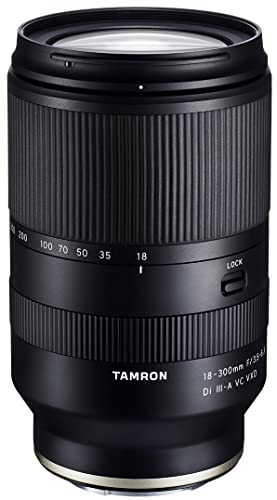
2. Tamron 18-300mm F/3.5-6.3 Di III-A VC VXD (E APS-C)
A Tamron 18-300mm F/3.5-6.3 Di III-A VC VXD lens for Sony E APS-C mirrorless cameras, per the listing. Check price on Amazon.
Good for: travel with one lens. Strengths: extreme zoom range. Weaknesses: slow aperture at the long end. Skip it if you want low-light speed.

Best for a compact all-in-one for travel
3. Tamron 28-200mm F/2.8-5.6 Di III RXD
A Tamron 28-200mm F/2.8-5.6 Di III RXD all-in-one lens for Sony mirrorless full-frame and APS-C E-mount, per the listing. Check price on Amazon.
Good for: a compact all-in-one for travel. Strengths: wide-to-telephoto range. Weaknesses: slower aperture when zoomed. Skip it if you want a bright lens.


Best for landscapes and architecture
4. Sigma 16-28mm F2.8 DG DN
A Sigma 16-28mm F2.8 DG DN lens for Sony E mount, per the listing. Check price on Amazon.
Good for: landscapes and architecture. Strengths: constant F2.8 aperture. Weaknesses: limited zoom range. Skip it if you want a telephoto lens.


Best for portraits and events
5. Tamron 35-100mm F/2.8 Di III VXD
A Tamron 35-100mm F/2.8 Di III VXD zoom lens for Sony E-mount, per the listing. Check price on Amazon.
Good for: portraits and events. Strengths: constant F2.8 aperture. Weaknesses: higher price. Skip it if you want a wide-angle lens.


Best for wildlife and sports
6. Tamron 50-400mm F/4.5-6.3 Di III VC VXD
A Tamron 50-400mm F/4.5-6.3 Di III VC VXD lens for Sony full-frame mirrorless cameras, per the listing. Check price on Amazon.
Good for: wildlife and sports. Strengths: long reach and stabilization. Weaknesses: slow aperture and size. Skip it if you want a small kit.

Best for events, sports and portraits
7. Sigma 70-200mm F2.8 DG DN OS (Sony)
A Sigma 70-200mm F2.8 DG DN OS lens for Sony E-mount, per the listing. Check price on Amazon.
Good for: events, sports and portraits. Strengths: F2.8 and optical stabilization. Weaknesses: higher price and weight. Skip it if you want a light lens.
Best Picks by Category
They summarize listing data and are not hands-on test results.
- Top rated: Sigma 70-200mm F2.8 DG DN OS (Sony) — check price on Amazon.
- Most reviewed: Sigma 18-50mm F2.8 DC DN Contemporary (E Mount) — check price on Amazon.
- Best value: Sigma 18-50mm F2.8 DC DN Contemporary (E Mount) — a budget-tier pick; check price on Amazon.
- Lowest price: Sigma 18-50mm F2.8 DC DN Contemporary (E Mount) — check price on Amazon.
- Premium option: Sigma 70-200mm F2.8 DG DN OS (Sony) — a premium-tier pick; check price on Amazon.
Price, Rating and Review Comparison
Prices change often, so confirm the current price on Amazon.
| Product | Price | Rating | Ratings | Price tier |
|---|---|---|---|---|
| Sigma 18-50mm F2.8 DC DN Contemporary (E Mount) | Check price on Amazon | — | — | Budget |
| Tamron 18-300mm F/3.5-6.3 Di III-A VC VXD (E APS-C) | Check price on Amazon | — | — | Budget |
| Tamron 28-200mm F/2.8-5.6 Di III RXD | Check price on Amazon | — | — | Mid-range |
| Sigma 16-28mm F2.8 DG DN | Check price on Amazon | — | — | Mid-range |
| Tamron 35-100mm F/2.8 Di III VXD | Check price on Amazon | — | — | Mid-range |
| Tamron 50-400mm F/4.5-6.3 Di III VC VXD | Check price on Amazon | — | — | Mid-range |
| Sigma 70-200mm F2.8 DG DN OS (Sony) | Check price on Amazon | — | — | Premium |
How Much Feedback Backs Each Rating
A high average from a handful of ratings is weaker evidence than a slightly lower average from thousands. Here is how the sample size looks for each pick.
- Sigma 18-50mm F2.8 DC DN Contemporary (E Mount): check the Amazon listing for current feedback.
- Tamron 18-300mm F/3.5-6.3 Di III-A VC VXD (E APS-C): check the Amazon listing for current feedback.
- Tamron 28-200mm F/2.8-5.6 Di III RXD: check the Amazon listing for current feedback.
- Sigma 16-28mm F2.8 DG DN: check the Amazon listing for current feedback.
- Tamron 35-100mm F/2.8 Di III VXD: check the Amazon listing for current feedback.
- Tamron 50-400mm F/4.5-6.3 Di III VC VXD: check the Amazon listing for current feedback.
- Sigma 70-200mm F2.8 DG DN OS (Sony): check the Amazon listing for current feedback.
How to Choose
Sensor
Some lenses are APS-C only.
Aperture
Constant F2.8 helps in low light.
Weight
Telephotos are heavy.
How We Chose These Products
We start from products sold on Amazon with a full product name and clear specifications, and we skip results that show only a brand name or a vague title. We then read the listing and any manufacturer information for each one and note the features that matter for cameras and camera accessories: sensor, lens mount, video features and compatibility. We do not run our own lab tests, and this guide contains no hands-on measurements. Use it to build a shortlist, then check current prices, dimensions and return terms on the Amazon page before you buy.
Buying Guide: What to Check Before You Choose
Lens mount and system
Mirrorless cameras use specific lens mounts. Check the mount, the lens availability and the sensor size. A body is only the start of a system.
Action cameras
Check stabilization, waterproof depth, battery life and mounts. Action cameras have small sensors, so low-light is weaker.
Compact cameras
Compact cameras trade interchangeable lenses for portability. Check the zoom range, sensor size and low-light performance.
Quick Reference: Which Pick Suits Whom
- Sigma 18-50mm F2.8 DC DN Contemporary (E Mount): suits APS-C bodies wanting a fast kit-lens upgrade
- Tamron 18-300mm F/3.5-6.3 Di III-A VC VXD (E APS-C): suits travel with one lens
- Tamron 28-200mm F/2.8-5.6 Di III RXD: suits a compact all-in-one for travel
- Sigma 16-28mm F2.8 DG DN: suits landscapes and architecture
- Tamron 35-100mm F/2.8 Di III VXD: suits portraits and events
- Tamron 50-400mm F/4.5-6.3 Di III VC VXD: suits wildlife and sports
- Sigma 70-200mm F2.8 DG DN OS (Sony): suits events, sports and portraits
Common Mistakes to Avoid
- Buying a body without considering lenses.
- Ignoring memory card speed.
- Choosing accessories without checking fit.
- Forgetting batteries.
- Skipping the return window.
Setup and Care
- Update the firmware.
- Format cards in the camera.
- Set image quality and file format.
- Clean the lens gently.
APS-C or full-frame: which Sony E-mount lens fits your camera?
Lenses made for full-frame Sony bodies work on APS-C bodies too, but APS-C lenses are designed for the smaller sensor and are best kept for APS-C cameras. The mount is the same, so the sensor size is the check that matters.
In this guide the Sigma 18-50mm F2.8 DC DN Contemporary and the Tamron 18-300mm F/3.5-6.3 Di III-A VC VXD are APS-C lenses, and the “DC” and “Di III-A” naming points that way. The Sigma 16-28mm F2.8 DG DN, Tamron 35-100mm F/2.8 Di III VXD, Tamron 50-400mm F/4.5-6.3 Di III VC VXD and Sigma 70-200mm F2.8 DG DN OS are listed for full-frame E-mount. The Tamron 28-200mm F/2.8-5.6 Di III RXD is listed for both full-frame and APS-C E-mount.
A full-frame lens on an APS-C body crops the view, so the field of view looks tighter than the number printed on the barrel. As a general rule, multiply the focal length by about 1.5 to get the equivalent field of view. That works in your favour for telephoto reach and against you for wide-angle shots.
Going the other way is limited. An APS-C lens on a full-frame body may force a cropped image or show dark corners, depending on the camera settings. Check your camera model’s sensor size and the lens listing before you order.
What does a constant F2.8 aperture do for your photos?
A constant F2.8 aperture keeps the same wide opening at every zoom setting, which lets in more light for low-light shooting and gives a softer background blur. Variable-aperture zooms lose light as you zoom in.
The Sigma 18-50mm, Sigma 16-28mm, Tamron 35-100mm and Sigma 70-200mm in this guide are constant F2.8 lenses. That makes exposure predictable while you zoom, which is useful at events, indoors and at dusk. It also lets you use faster shutter speeds to freeze motion.
The trade-off is size, weight and cost. Constant-aperture zooms tend to be bigger and more expensive than variable-aperture ones with a similar range. Lenses such as the Tamron 18-300mm and 50-400mm are slower at the long end, but they cover far more focal lengths in a lighter package.
Ask yourself how often you shoot in dim light. If it is regular, a fast zoom is worth the weight. If you mostly shoot outdoors in daylight, a slower zoom with more reach can be a better fit and easier to carry.
All-in-one travel zoom or fast zoom: which is better?
An all-in-one travel zoom is better if you want one lens for everything and light luggage, while a fast zoom is better if image quality in dim light and background blur matter more than convenience.
- All-in-one zooms: the Tamron 18-300mm and Tamron 28-200mm cover wide to telephoto in a single lens. You avoid lens changes, which also reduces dust on the sensor.
- Fast zooms: the Sigma 18-50mm, Sigma 16-28mm and Tamron 35-100mm give a brighter, more controlled look but cover a narrower range.
All-in-one lenses involve compromises. They usually show more softness or distortion at the extremes than a lens with a narrower range, and their apertures narrow as you zoom. Many travellers accept this for the convenience.
A common approach is to pair lenses. For example, a fast standard zoom for everyday shooting plus a telephoto for occasional reach. That setup costs more and weighs more, so decide whether you would really carry two lenses.
Check the listing for image stabilization, because stabilization in the lens helps most at long focal lengths and in low light, especially if your camera body does not stabilize the sensor.
How do you pick a lens for portraits, landscapes or wildlife?
Match the focal length to the subject: wide zooms for landscapes and architecture, short telephotos for portraits and events, and long telephotos for wildlife and sports.
- Landscapes and architecture: the Sigma 16-28mm F2.8 DG DN gives a wide view for buildings, interiors and scenery.
- Portraits and events: the Tamron 35-100mm F/2.8 Di III VXD and the Sigma 70-200mm F2.8 DG DN OS offer flattering framing and good subject separation.
- Wildlife and sports: the Tamron 50-400mm F/4.5-6.3 Di III VC VXD and the Sigma 70-200mm offer reach from a distance.
- Everyday and vlogging on APS-C: the Sigma 18-50mm is compact and versatile.
Reach is only part of the answer. Fast autofocus, stabilization and the ability to hand-hold the lens for a full session all count. A long lens that is too heavy to carry will stay at home.
If your subject moves, think about autofocus behaviour and burst speed on your camera body as well as the lens. Neither the lens nor the camera works alone.
Which Sony E-mount lens should you buy? A decision guide
Choose the Sigma 18-50mm F2.8 if you shoot APS-C and want a fast everyday zoom, the Tamron 28-200mm for compact travel, and the Sigma 70-200mm F2.8 if you shoot events or sports and accept the weight.
- If you own an APS-C body and want a low-light upgrade from the kit lens: go for the Sigma 18-50mm F2.8 DC DN Contemporary.
- If you want one lens for travel on APS-C: choose the Tamron 18-300mm F/3.5-6.3 Di III-A VC VXD.
- If you want a compact all-in-one for full-frame travel: pick the Tamron 28-200mm F/2.8-5.6 Di III RXD.
- If you shoot landscapes or interiors: choose the Sigma 16-28mm F2.8 DG DN.
- If you shoot portraits and events: the Tamron 35-100mm F/2.8 Di III VXD fits.
- If you photograph wildlife or sports from a distance: look at the Tamron 50-400mm F/4.5-6.3 Di III VC VXD.
- If you want a fast telephoto with stabilization: choose the Sigma 70-200mm F2.8 DG DN OS.
If you are torn between two, choose the one you will carry more often. The best lens is the one that is on the camera when the moment arrives.
What to check before you buy a Sony E-mount lens
Before buying, confirm the lens mount and sensor coverage, check the weight and filter size, and read what is included in the box and the warranty terms on the listing.
- Mount and coverage: E-mount, and full-frame or APS-C.
- Camera body compatibility: check that your body supports the lens features, and whether firmware updates are needed.
- Weight and balance: heavy telephotos can feel front-heavy on small bodies.
- Filter size: if you use filters, check the thread size for each lens.
- Stabilization: see whether the lens has it, and how it works with your body.
- What is included: hood, caps and case vary by listing.
- Warranty and returns: read the terms and confirm the seller on the listing.
- Feedback depth: check how many people rated the lens, not just the average.
Keep the front and rear caps on when you are not shooting, and clean the glass gently with a blower and a lens cloth. A hood protects against bumps and flare.
Is it worth paying more, and who should skip these lenses?
Paying more makes sense when you need low-light speed, a wide aperture or sports-level reach. It does not make sense if you shoot casually in daylight and rarely print or crop heavily.
Fair trade-offs to weigh:
- Fast F2.8 zooms: better in dim light but heavier and costlier. Skip them if you want a light travel kit.
- Travel zooms: convenient but slower, with more compromise at the extremes. Skip them if you care most about low-light quality.
- Super-telephotos: great reach, but size and a slower aperture limit their use indoors.
- Third-party lenses: they offer strong value, though autofocus features and firmware support can vary by camera body, so check your body’s compatibility notes.
Beginners should also consider a single versatile lens first. You can add more later once you learn which focal lengths you reach for most.
Another honest point is that no single lens does everything. A wide zoom will not bring distant animals closer, and a long telephoto will not fit a whole room into the frame. Be clear about your main subject before you spend, and accept that some shots will call for a different lens.
Finally, remember that a lens is a long-term purchase. Camera bodies change often, but a good E-mount lens can move with you to a newer body, so it is reasonable to put more of your budget into glass than into the camera.
Compare the picks above, check the current listing for mount, weight and what is included, then choose the lens that fits how you will shoot.
Going Deeper: Choosing the Right Sony E-mount lens
The shortlist above gives you the headline differences. This section slows down and looks at the decisions underneath them, because with a Sony E-mount lens the wrong choice is rarely a bad product; it is a good product matched to the wrong routine. Work through the four considerations below in order. By the end, one or two of the picks should stand out clearly, and the rest can be set aside without second-guessing.
Focal length range and what you actually shoot
A zoom range is only useful if it covers the distances you shoot every week. Portrait and family photographers live in the short-to-mid telephoto range, landscape shooters lean on the wide end, and wildlife work demands genuine reach. Map the range of each pick against your last month of photos before falling for the longest specification on the page.
Constant versus variable aperture
A constant maximum aperture keeps exposure and depth of field predictable as you zoom, which matters for video and low-light work. A variable-aperture travel zoom trades that consistency for size and reach. Neither is automatically better: the right choice depends on whether you shoot moving subjects indoors or landscapes outdoors in good light.
Autofocus motor and video behaviour
Modern linear motors focus quickly and quietly, which video shooters feel immediately when a subject moves toward the camera. Focus breathing, the slight change in framing as focus shifts, also separates lenses meant for hybrid shooters from older stills-first designs. If you record video often, weigh these traits as heavily as sharpness.
Size, weight and filter thread
A lens you leave at home takes no photographs at all. Compare the carried weight of each pick with your camera body, and check the filter thread size, because a shared thread across your kit means one set of filters serves every lens. Balance on smaller APS-C bodies is a real factor with long telephoto zooms.
How the Picks in This Guide Compare in Real Use
Specifications tell you what each pick is; they do not tell you what each pick is like to live with. The notes below revisit every recommendation in this guide in turn, focusing on who each one suits and who should look at a neighbouring pick instead. No links and no new products here, just the comparison thinking that usually happens after the boxes are opened.
Sigma 18-50mm F2.8 DC DN Contemporary (E Mount)
The Sigma 18-50mm F2.8 DC DN Contemporary (E Mount) rewards a closer look at how it will be used day to day. Within this guide it sits among alternatives that solve the same basic problem in different ways, so judge it against your own routine rather than against a specification sheet. Photographers and households who match its strengths to their habits tend to keep it for years; those who buy it for an occasional edge case tend to leave it behind. If its particular balance of size, simplicity and capability fits the way you already work, it is a sound choice; if you would have to change your routine to accommodate it, another pick in this list will suit you better.
Tamron 18-300mm F/3.5-6.3 Di III-A VC VXD (E APS-C)
Consider the Tamron 18-300mm F/3.5-6.3 Di III-A VC VXD (E APS-C) as the option for someone who values its specific approach over the alternatives above and below it. The honest way to choose is to picture your last few outings or your last month of callers and ask where this design would have helped and where it would have been in the way. Every pick in this guide has a genuine strength and a real compromise; this one’s compromise is the price of its strength. Choose it when the strength answers your most common situation, and skip it without regret when your routine points the other way.
Tamron 28-200mm F/2.8-5.6 Di III RXD
With the Tamron 28-200mm F/2.8-5.6 Di III RXD, the deciding questions are practical. Does it fit what you already own, does it suit the places you use it most, and will you still be reaching for it in a year? Longevity in a kit is the true measure of value, because cost spreads over every use. Compared with the neighbouring picks, it trades a little of one quality for more of another, and the right trade is personal. Let your most frequent scenario, not your rarest, make the decision.
Sigma 16-28mm F2.8 DG DN
The Sigma 16-28mm F2.8 DG DN illustrates why this guide groups its picks by need rather than declaring one winner. In the right hands it is exactly the tool the situation calls for; in the wrong routine it is an answer looking for a question. Read its description above again with your own habits in mind, and weigh how often its strengths would be exercised. Frequent small benefits beat rare dramatic ones, in accessories as in most equipment choices.
Tamron 35-100mm F/2.8 Di III VXD
The Tamron 35-100mm F/2.8 Di III VXD rewards a closer look at how it will be used day to day. Within this guide it sits among alternatives that solve the same basic problem in different ways, so judge it against your own routine rather than against a specification sheet. Photographers and households who match its strengths to their habits tend to keep it for years; those who buy it for an occasional edge case tend to leave it behind. If its particular balance of size, simplicity and capability fits the way you already work, it is a sound choice; if you would have to change your routine to accommodate it, another pick in this list will suit you better.
Tamron 50-400mm F/4.5-6.3 Di III VC VXD
Consider the Tamron 50-400mm F/4.5-6.3 Di III VC VXD as the option for someone who values its specific approach over the alternatives above and below it. The honest way to choose is to picture your last few outings or your last month of callers and ask where this design would have helped and where it would have been in the way. Every pick in this guide has a genuine strength and a real compromise; this one’s compromise is the price of its strength. Choose it when the strength answers your most common situation, and skip it without regret when your routine points the other way.
Sigma 70-200mm F2.8 DG DN OS (Sony)
With the Sigma 70-200mm F2.8 DG DN OS (Sony), the deciding questions are practical. Does it fit what you already own, does it suit the places you use it most, and will you still be reaching for it in a year? Longevity in a kit is the true measure of value, because cost spreads over every use. Compared with the neighbouring picks, it trades a little of one quality for more of another, and the right trade is personal. Let your most frequent scenario, not your rarest, make the decision.
Setup, Workflow and Getting Consistent Results
First setup and handling basics
Fit and test everything at a table before you go anywhere. Charge batteries, format cards in the camera, and update nothing on the morning of an important shoot. Handle the gear the way you will in the field: if a control, mount or connector annoys you at home, it will defeat you in gloves, rain or darkness. Keep the small parts, caps, cables and tools that belong to this kit together in one pouch, so the system travels as a system rather than as scattered pieces you must hunt for.
Building a repeatable routine
Consistency is what turns accessories into results. Use the same order every time: power, storage, settings, then the accessory itself. A short personal checklist, written once and kept in the bag, prevents the classic failures: the flat battery, the full card, the accessory left in the car. After each shoot, reset everything to your defaults while the memory of the day is fresh, so the kit is ready the next time you pick it up.
Testing before it matters
Every new accessory deserves one low-stakes outing before real work. You learn its handling, its failure modes and whether it truly suits your camera, while nothing is lost if it disappoints. Photographers who test at home blame their gear less, because they have already separated genuine faults from unfamiliarity.
Real-World Scenarios: Matching the Pick to the Situation
Abstract advice only goes so far, so here are the situations readers describe most often, and how the thinking in this guide applies to each. Find the scenario closest to your own life and weight its advice heavily; the others are there for the day your routine changes.
Travel with one lens only
When the bag allows a single lens, a wide-ranging travel zoom earns its place by covering street scenes, interiors and distant details without a lens change in the rain or dust. Pair it with a fast prime mindset: accept slower apertures, raise ISO a little earlier, and lean on stabilisation for static subjects.
Portraits and family sessions
For portraits, the mid-telephoto picks in this guide give flattering compression and background separation without forcing you far from your subject. Work at the longer end of the zoom, step back, and watch backgrounds: a modest change in your position cleans up a portrait more than any setting does.
Landscape and architecture trips
Wide-angle picks reward careful technique: level horizons, foreground interest and stopped-down apertures for depth. A tripod helps more than another stop of lens speed here, and a polarising filter can deepen skies, though it cannot fix a flat, midday scene.
Wildlife and sports days
Long telephoto reach is only half the job; autofocus tracking settings, shutter speed discipline and a monopod for long waits matter just as much. Practise panning on everyday subjects first, and expect to delete many frames: that is normal even for experienced wildlife photographers.
Troubleshooting and Avoiding the Usual Disappointments
When something underperforms, change one variable
Disappointing results with camera accessories usually trace to setup, not defects. Work through the chain in order: power, connection, settings, then the accessory itself. Change one thing at a time and note what fixed it. Randomly swapping parts teaches nothing and can introduce a second fault while you chase the first.
Keep firmware and contacts in mind
Modern cameras and electronic accessories communicate constantly. Clean contacts gently, keep firmware reasonably current, and re-check accessory behaviour after a major camera update. Many mysterious incompatibilities are simply an old accessory meeting a new camera body for the first time.
Know when to stop troubleshooting
If a fault follows the accessory across cameras and cables, it is the accessory. If it stays with one camera, it is the camera or its settings. That simple swap test, done early, saves days of forum searching and is the first thing a repair technician will ask about.
More Questions Worth Asking Before You Decide
The main FAQ below answers the questions every buyer asks. These additional ones come from owners a few months in, when the newness has worn off and the real characteristics of a Sony E-mount lens have made themselves known.
Should I buy a lens that covers every focal length I might need?
Coverage you rarely use adds weight you always carry. Most photographers find that one well-chosen zoom matched to their usual subjects, plus discipline about positioning, produces better results than an everything-in-one design bought for occasional extremes.
Does a more expensive lens always take sharper photos?
Not in ordinary light at moderate apertures, where most lenses in this guide perform closely. Premium designs pull ahead at wide apertures, at the frame edges and in autofocus consistency. Pay for the conditions you actually shoot in, not for laboratory differences you will never see.
How do I protect a new lens in daily use?
Keep a hood fitted, cap the lens when it leaves the camera, and store it somewhere dry. A clear protective filter is a personal choice; a hood already guards the front element against most knocks without adding another glass surface.
When is a second lens a better buy than upgrading my zoom?
When your current zoom covers your range well but one situation keeps failing, such as indoor events or wildlife, a specialised second lens solves the real problem. Upgrading a zoom for a small gain across every situation is usually the weaker use of the same money.
Can I judge a lens from test charts alone?
Charts show resolution under controlled conditions, not autofocus behaviour, handling or rendering in your light. Use them to rule out a genuinely weak design, then decide on the practical traits this guide emphasises: range, aperture behaviour, size and focus performance.
Field Notes for Sony E-mount lens Owners
One habit separates photographers who love their accessories from those who accumulate them: everything earns its place by solving a named problem. Before any future purchase, write down the shot you lost or the frustration you felt. If the new item does not answer that sentence, it is decoration. This discipline keeps a kit small, light and genuinely capable, and it is why the best guides, including this one, organise choices by use case rather than by novelty.
Budget is a real constraint for every photographer, so sequence purchases by impact. The accessory that removes your most frequent frustration comes first, even if a more glamorous item tempts you. Borrow or hire specialised gear for rare needs before buying it. Money saved on rarely used equipment funds the lenses and trips that actually improve a portfolio, and a small kit mastered beats a large kit merely owned.
Look after the small interfaces: mounts, threads, contacts and zips. Most accessory failures begin there, not in the headline component. A thread that is kept clean does not seize; a contact wiped occasionally does not corrode unnoticed; a zip brushed free of grit does not jam on the day you are rushing. Five minutes of attention after a wet or dusty outing prevents most of the repairs photographers pay for.
Learn to evaluate your own results honestly. When an accessory seems to disappoint, compare like with like: same subject, same light, with and without it. Photographers often credit or blame equipment for differences made by light, distance or their own settings. A simple side-by-side test at home settles arguments that weeks of opinion cannot, and it teaches you the true operating envelope of everything you own.
Finally, remember that accessories serve the photograph, not the other way round. The best setup is the one you carry without thinking and operate without looking. If a new addition makes you slower or more anxious, simplify, even if the addition is objectively excellent. Confidence and familiarity are photographic qualities too, and they compound with every outing in a way specifications never will.
Keep a simple log for a month: what you carried, what you actually used, and what you missed. Most photographers are surprised by the gap between the first two lists. That log is the most honest buying guide you will ever read, because it describes your photography rather than the photography you imagine. Let it steer the next purchase and the next clear-out alike, and your kit will quietly converge on exactly what you need.
Second-hand markets change the economics of accessories. Well-made mechanical items, supports, bags and cases lose little in used condition and can be inspected before buying. Electronic items deserve more caution and a returns window. Buying used also lets you test a category cheaply: live with the idea for a season, and only then decide whether the premium version earns its place in your bag.
Weather deserves a plan rather than hope. Know which parts of your kit tolerate rain, which need a cover, and which should stay in the bag when conditions turn. A cheap shower cap, a microfibre cloth in a sealed bag and a dry place to work transform a wet day from a kit-threatening event into a minor inconvenience. Photographers in changeable climates build these habits once and benefit for years.
Teach yourself to pack by scenario, not by inventory. Lay out the two or three configurations you actually shoot, such as a light walking kit and a full working kit, and pack to those patterns. Scenario packing is faster, lighter and far less likely to leave the one essential item at home than emptying the whole cupboard into the largest bag you own.
Frequently Asked Questions
Which is best for travel?
The Tamron 28-200 or 18-300 for APS-C.
Which is best for portraits?
The Tamron 35-100 F2.8.
Which camera?
See our mirrorless cameras.
What camera is best for beginners?
One that is comfortable to hold and has a good kit lens. Check reviews.
Do I need a fast SD card?
For video, yes. Check the required speed class.
Do accessories fit all cameras?
No. Check the mount and size.
Can I use a full-frame lens on an APS-C Sony camera?
Yes, full-frame E-mount lenses work on APS-C bodies. The image is cropped to the smaller sensor, so the view looks tighter. The lens still performs, but it may be larger than needed.
Can I use an APS-C lens on a full-frame Sony camera?
Yes, but the camera usually crops the image or shows vignetting. You lose resolution and some of the benefit of the larger sensor. For full-frame bodies, choose a lens made for full-frame.
Are Sigma and Tamron lenses compatible with Sony E-mount cameras?
Yes, the lenses in this guide are made for the E-mount. Autofocus and stabilization features can differ by camera body, so check the listing and your camera's manual. Firmware updates may improve compatibility.
Which Sony E-mount lens is best for portraits?
A constant F2.8 short telephoto zoom is a strong choice for portraits, such as the Tamron 35-100mm in this guide. It gives subject separation and flexible framing. A longer F2.8 zoom also works if you have more space.
Is a travel zoom lens good enough for beginners?
Yes, it is a practical first lens because one zoom covers many situations. You give up some low-light ability and sharpness at the extremes. It is a good way to learn which focal lengths you use most.
Do I need image stabilization in a lens?
It helps most with long focal lengths and low light. Some camera bodies stabilize the sensor, which can reduce the need. Check your camera body and the lens listing to see how they work together.
What does F2.8 mean on a lens?
F2.8 is the widest aperture the lens can open to. A lower number means a larger opening, more light and a shallower depth of field. A constant F2.8 lens keeps that opening throughout its zoom range.
Bottom Line
For APS-C, the Sigma 18-50 F2.8. For travel, the Tamron 28-200. For sports, the Sigma 70-200.
Related Reading
More Camera Guides
- Best Mirrorless Cameras
- Best Tripods for Mirrorless Cameras
- Best Camera Bags for Mirrorless Cameras
- Best SD Cards for Mirrorless Cameras
- Best Shotgun Mics for Cameras
- Best Camera Straps
- Best Lens Filters for Mirrorless Cameras
- Best Camera Cleaning Kits
- Best Camera Flashes
- Best Camera Chargers and Dummy Batteries
- Best Camera Cubes and Dry Boxes
- Mirrorless Camera Buying Guide
- Best Compact Digital Cameras
- All camera guides