Disclosure: As an Amazon Associate, reviewstook.com earns from qualifying purchases. Links on this page are affiliate links at no extra cost to you; prices and availability change frequently, so check Amazon for the latest.
Where to Buy the Best Dolby Atmos Soundbar Under $1000
Every pick in this guide to the best dolby atmos soundbar under $1000 is linked below, name and check button alike, so the current listing is one tap away. Purchases made through links on reviewstook.com support our testing and writing at no extra cost to you.
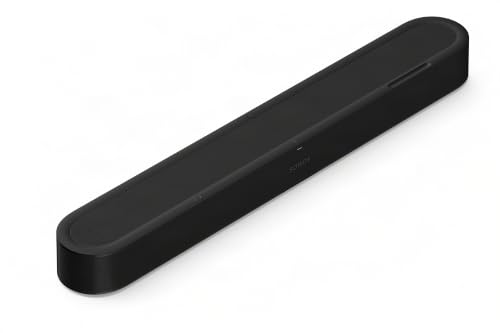
- Best Overall: Sonos Beam Ultra — Check on Amazon
- Best Value: Bose Smart Ultra Soundbar — Check on Amazon
- Best for Beginners: Samsung HW-S800D — Check on Amazon
- Best All-Rounder: ULTIMEA Skywave X40 — Check on Amazon
- Best Premium in This Guide: ULTIMEA Aura A60 Pro — Check on Amazon
- Best for Streaming: Sony BRAVIA Theater Bar 6 — Check on Amazon
Finding the Best Dolby Atmos Soundbar Under $1000 Without Falling for the Wrong Badge
If you are shopping for the best dolby atmos soundbar under $1000, start by separating two phrases that look alike and behave differently: Dolby Atmos, which carries height information, and Dolby Audio, which does not. The Atmos layer places sound above the screen as well as around it which means the ceiling becomes part of the system which is why placement guidance appears throughout this guide. A flat, uncluttered ceiling rewards up-firing designs so the same bar can thrill in one home and merely please in another so expectations stay realistic and purchases stay final. In a typical living room the upgrade announces itself through a front stage that feels wider than the furniture it sits on. Atmos exists to add a vertical dimension so judge any bar here by how convincingly it lifts effects in your particular room, with your particular ceiling. This guide is written for a mixed household where films, sport, news and music all share one television, and its shortlist was filtered so that Atmos appears explicitly in each model’s verified listing title before any link was allowed.
The under $1000 framing divides the market into layers, and this guide draws its six picks from the layer that fits while explaining what the next layer up would and would not add. A soundbar is a five-year appliance, not a seasonal gadget while headline discounts on the wrong model save nothing which is the lens this guide applies at every tier. Budget decisions compound: buy twice or buy once and ecosystems that allow later additions protect the first purchase so the recommendation you follow is the one that fits your room. For buyers comparing these models side by side the improvement begins with separation between voices, music and effects that never collapse into one blur. The cheapest route is rarely the least expensive over time while headline discounts on the wrong model save nothing and why prose honesty about limits appears in every review. If your budget flexes, Best Dolby Atmos Soundbars and Best Dolby Atmos Soundbar Under $50 cover the adjacent tiers in the same verified format.
Bass is the foundation under every explosion and score swell while a leaner design can still satisfy dialogue-led viewing and placement experiments repay ten quiet minutes. For apartment living, neighbourly bass is a feature a good night mode preserves whispers without detonating the room which the per-model verdicts make explicit. In rooms that double as living and watching spaces the difference shows up first in dialogue that stays put while effects move around it. The low end is where small bars most obviously run out of physics while a leaner design can still satisfy dialogue-led viewing which is why trying two positions beats any menu setting. Specifications quoted anywhere in this guide — configuration, connections, included speakers — come only from each product’s verified title, never from shorthand or assumption.
In this guide
Quick Picks
Six verified Atmos models follow, ordered for general listening at this tier rather than by headline figures. All six were selected specifically for the best dolby atmos soundbar under $1000.
- Best Overall: Sonos Beam Ultra — the most balanced mix of clarity, height and everyday ease in this set, and the safest first name to audition.
- Best Value: Bose Smart Ultra Soundbar — the strongest value route into documented Atmos at this level, without paying for features this audience rarely uses.
- Best for Beginners: Samsung HW-S800D — the friendliest starting point for a first soundbar, with forgiving setup and clear voices.
- Best All-Rounder: ULTIMEA Skywave X40 — the pick aimed most directly at general listening, where its particular strengths land hardest.
- Best Premium in This Guide: ULTIMEA Aura A60 Pro — the step-up choice for listeners who want more headroom, for rooms and habits that will actually use it.
- Best for Streaming: Sony BRAVIA Theater Bar 6 — the most convenient option for music alongside television, with the simplest daily routine of the six.
How These Picks Were Chosen
One filter governed everything: a model could only earn a linked place in this guide to the best dolby atmos soundbar under $1000 if Dolby Atmos appeared in its verified product title on the programme’s pick sheet, checked 2026-11-21. Clear speech is not a luxury feature so a bar that anchors lines to the screen earns its place on every ordinary evening, not just on demo night. During a busy mix with music and action competing clarity depends on headroom and tuning rather than volume and that restraint is what separates a good bar from a loud one. In practice the real gain is separation between voices, music and effects that never collapse into one blur. Dialogue does the heavy lifting in drama, news and sport alike so the model that keeps words forward in the mix will be appreciated long after the first action scene is forgotten. That rule removed well-known bars whose titles promise only Dolby Audio or virtual surround, however respectable they are as stereo products, because an Atmos guide that links non-Atmos hardware fails its reader at the first click.
Duplicates were handled with the same strictness. A model offered in two colours is one pick, not two; a refurbished twin of a listed model does not double-count; and remotes, spare subwoofers and rear-speaker accessories were excluded from candidacy entirely. The hour spent setting up properly is never wasted while correct placement lets even modest hardware shine so the step-by-step section below deserves a slow read. Cable discipline sounds dull until it saves an evening because every extra device is a chance to lose Atmos on the way which future-you will appreciate at the worst possible moment. In rooms that double as living and watching spaces the first thing you notice is a sense of scale that makes the screen feel larger than it is. Most disappointment in this category is born at installation since the television’s output settings govern everything downstream before any judgement about sound quality is made.
Ordering is lens-led: these six are sequenced for general listening, so a sibling guide at the same tier may rank the same hardware differently, and that difference is deliberate rather than sloppy. Streaming features decide how often the bar gets used daily so Wi-Fi, AirPlay or simple Bluetooth each imply a different routine so you can match the feature set to your habits honestly. A bar that only wakes for films is half a purchase so Wi-Fi, AirPlay or simple Bluetooth each imply a different routine instead of paying for radios you will never switch on. For buyers comparing these models side by side the benefit lands squarely on the small details — rain, footsteps, room tone — that television speakers usually discard. Households increasingly ask one speaker to do everything because the same system usually becomes the room’s music speaker instead of paying for radios you will never switch on.
Detailed Reviews: The Best Dolby Atmos Soundbar Under $1000 Shortlist in Full

Best Overall — Sonos Beam Ultra, Atmos configuration per its listing title Dolby Atmos soundbar
Strengths
- Low-volume clarity for shared homes and late evenings, because most viewing happens below cinema volume
- A footprint that respects ordinary television furniture, with no shelf rebuild or stand replacement required
- A setup path a first-time owner can finish in one sitting, without a receiver, a rack or a wiring project
Trade-offs
- Placement compromises show up faster than in separated systems, so the bar must sit where it can actually work
- Expansion beyond the supplied configuration may be limited, compared with modular component setups
- Streaming features will age faster than the acoustics, so buy for sound first and software second
| Dolby Atmos | Listed in the verified product title |
|---|---|
| Height presentation | Atmos processing as described in the title; no up-firing drivers are claimed there |
| Subwoofer | No separate subwoofer is named in the title |
| Wireless streaming | Wi-Fi per title |
The Sonos Beam Ultra earns its place in this shortlist on documented facts first: its verified title describes a the configuration its listing describes Dolby Atmos system, and Wi-Fi streaming appears in the title, so music does not depend on the television being awake. Read against the needs of a mixed household where films, sport, news and music all share one television, the specification tells a clear story. In rooms that double as living and watching spaces the real gain is quieter passages that remain intelligible without constant volume riding. For households tired of reaching for subtitles the upgrade announces itself through the small details — rain, footsteps, room tone — that television speakers usually discard.
The title does not claim up-firing drivers, so the height impression is created by processing within the bar; expect a wider, taller front stage rather than pinpoint overhead placement, and judge it on that honest basis. Low-end duties stay with the bar alone here, since no subwoofer appears in the title; that keeps the system compact while capping how physical big scenes can feel. The low end is where small bars most obviously run out of physics but weight must stay shaped and placed which is why trying two positions beats any menu setting. When children sleep in the next room the best systems stay articulate at low volume rather than treated as a footnote to action scenes. In rooms that double as living and watching spaces the difference shows up first in bass that supports the picture instead of arguing with it.
The cheapest route is rarely the least expensive over time and ecosystems that allow later additions protect the first purchase rather than the one with the longest feature list. Budget decisions compound: buy twice or buy once and ecosystems that allow later additions protect the first purchase and why prose honesty about limits appears in every review. For listeners who value clarity over sheer volume the real gain is a sense of scale that makes the screen feel larger than it is. The honest limitation is physical rather than electronic: no single purchase at this level places sound behind the listener the way separate speakers arranged around the seating can, and pretending otherwise would not help anyone choose well.
Best for: households wanting one honest Atmos upgrade for mixed viewing — here, the Sonos Beam Ultra as this guide’s best overall choice for general listening / Not suited for: listeners who judge a bar solely by maximum volume in a showroom
Check on Amazon to see the Sonos Beam Ultra listing as it stands today, at the under $1000 tier this guide covers — listed as best overall for general listening at this tier.

Best Value — Bose Smart Ultra Soundbar, Atmos configuration per its listing title Dolby Atmos soundbar
Strengths
- Bass behaviour that supports rather than swallows the midrange, leaving voices intelligible when scenes get loud
- Low-volume clarity for shared homes and late evenings, because most viewing happens below cinema volume
- Controls that stay simple enough for the whole household, instead of turning daily use into a settings expedition
Trade-offs
- Adjustment options favour simplicity over deep manual tuning, by deliberate design rather than by omission
- Streaming features will age faster than the acoustics, so buy for sound first and software second
- Compact hardware will find its headroom limit in very large rooms, so open-plan spaces should temper expectations
| Dolby Atmos | Listed in the verified product title |
|---|---|
| Height presentation | Atmos processing as described in the title; no up-firing drivers are claimed there |
| Subwoofer | No separate subwoofer is named in the title |
| HDMI | eARC named in the title |
The Bose Smart Ultra Soundbar earns its place in this shortlist on documented facts first: its verified title describes a the configuration its listing describes Dolby Atmos system, and an eARC connection is named in the title, giving the cleanest path from a modern television; voice-assistant support is named in the title for households that run their rooms that way. Read against the needs of a mixed household where films, sport, news and music all share one television, the specification tells a clear story. For viewers who watch every night the benefit lands squarely on separation between voices, music and effects that never collapse into one blur. For listeners who value clarity over sheer volume the upgrade announces itself through bass that supports the picture instead of arguing with it.
No up-firing drivers are claimed in the title, which means Atmos height arrives as a processed widening of the front image — convincing with the right mix, and more forgiving of awkward ceilings than reflected designs. Low-end duties stay with the bar alone here, since no subwoofer appears in the title; that keeps the system compact while capping how physical big scenes can feel. Voices carry every plot which is why centre clarity deserves priority will be appreciated long after the first action scene is forgotten. When a scene cuts from a whisper to an explosion a disciplined bar keeps the words on top which is exactly the behaviour worth paying for at any tier. For listeners who value clarity over sheer volume the improvement begins with bass that supports the picture instead of arguing with it.
Atmos exists to add a vertical dimension which means the ceiling becomes part of the system rather than by claims printed on a carton. Vaulted or heavily beamed ceilings change the calculation and seating distance shapes the result just as much and disappointment stays rare. In practice the real gain is separation between voices, music and effects that never collapse into one blur. The honest limitation is physical rather than electronic: no single purchase at this level places sound behind the listener the way separate speakers arranged around the seating can, and pretending otherwise would not help anyone choose well.
Best for: households wanting one honest Atmos upgrade for mixed viewing — here, the Bose Smart Ultra Soundbar as this guide’s best value choice for general listening / Not suited for: listeners who judge a bar solely by maximum volume in a showroom
Check on Amazon to verify the Bose Smart Ultra Soundbar listing details against the specification quoted above — listed as best value for general listening at this tier.

Best for Beginners — Samsung HW-S800D, 3.1.2 channel Dolby Atmos soundbar
Strengths
- A specification taken from the listing title rather than from marketing shorthand, so expectations are set by evidence, not adjectives
- A footprint that respects ordinary television furniture, with no shelf rebuild or stand replacement required
- Height presentation matched to the method its title describes, judged on the title’s own claims, nothing inflated
Trade-offs
- Expansion beyond the supplied configuration may be limited, compared with modular component setups
- Compact hardware will find its headroom limit in very large rooms, so open-plan spaces should temper expectations
- The television’s own settings can still undermine a good bar, if its output format is left misconfigured
| Configuration (per listing title) | 3.1.2 channel |
|---|---|
| Dolby Atmos | Listed in the verified product title |
| Height presentation | Atmos processing as described in the title; no up-firing drivers are claimed there |
| Subwoofer | No separate subwoofer is named in the title |
| Room calibration | Named in the verified product title |
The Samsung HW-S800D earns its place in this shortlist on documented facts first: its verified title describes a 3.1.2 channel Dolby Atmos system, and voice-assistant support is named in the title for households that run their rooms that way; room calibration is named in the title, a genuinely useful answer to awkward walls and mixed furnishings. For a mixed household where films, sport, news and music all share one television, those documented details map onto daily use in specific ways. For households tired of reaching for subtitles the upgrade announces itself through height cues that give weather, aircraft and crowd scenes a believable ceiling. In practice the improvement begins with the small details — rain, footsteps, room tone — that television speakers usually discard.
Height presentation here is a processing story rather than a dedicated-driver one, since the title names no up-firing speakers; that suits rooms where ceiling reflection would be unreliable. Low-end duties stay with the bar alone here, since no subwoofer appears in the title; that keeps the system compact while capping how physical big scenes can feel. Most viewing is people talking which is why centre clarity deserves priority earns its place on every ordinary evening, not just on demo night. When a scene cuts from a whisper to an explosion you learn quickly which bars were tuned for films and which for showroom noise without forcing you to ride the remote all evening. For buyers comparing these models side by side the upgrade announces itself through a sense of scale that makes the screen feel larger than it is.
Music duty separates the good bars from the merely adequate because the same system usually becomes the room’s music speaker and why the reviews note the streaming story for every pick. Music duty separates the good bars from the merely adequate while app control quietly becomes the household’s favourite remote which is why the shortlist mixes connected and simpler designs. In a typical living room the upgrade announces itself through quieter passages that remain intelligible without constant volume riding. The honest limitation is physical rather than electronic: no single purchase at this level places sound behind the listener the way separate speakers arranged around the seating can, and pretending otherwise would not help anyone choose well.
Best for: households wanting one honest Atmos upgrade for mixed viewing — here, the Samsung HW-S800D as this guide’s best for beginners choice for general listening / Not suited for: very large open-plan rooms that demand component-level output
Check on Amazon for today’s Samsung HW-S800D listing before this tier’s shortlist changes again — listed as best for beginners for general listening at this tier.

Best All-Rounder — ULTIMEA Skywave X40, 5.1.2 channel Dolby Atmos soundbar
Strengths
- Controls that stay simple enough for the whole household, instead of turning daily use into a settings expedition
- Documented Atmos decoding, named outright in the verified title, which is the foundation this whole guide is filtered on
- A specification taken from the listing title rather than from marketing shorthand, so expectations are set by evidence, not adjectives
Trade-offs
- Height results vary with ceiling shape and seating position, which the room, not the brochure, ultimately decides
- Streaming features will age faster than the acoustics, so buy for sound first and software second
- Placement compromises show up faster than in separated systems, so the bar must sit where it can actually work
| Configuration (per listing title) | 5.1.2 channel |
|---|---|
| Power figure in listing title | 530W |
| Dolby Atmos | Listed in the verified product title |
| Height presentation | Atmos processing as described in the title; no up-firing drivers are claimed there |
| Subwoofer | Wireless subwoofer included per title |
| HDMI | eARC named in the title |
The ULTIMEA Skywave X40 earns its place in this shortlist on documented facts first: its verified title describes a 5.1.2 channel Dolby Atmos system, and the title prints a power figure of 530W, useful as a rough guide to headroom rather than a promise of loudness; an eARC connection is named in the title, giving the cleanest path from a modern television. For a mixed household where films, sport, news and music all share one television, that specification is not abstract. For viewers who watch every night the first thing you notice is separation between voices, music and effects that never collapse into one blur. For a family sharing one screen the benefit lands squarely on dialogue that stays put while effects move around it.
Height presentation here is a processing story rather than a dedicated-driver one, since the title names no up-firing speakers; that suits rooms where ceiling reflection would be unreliable. The included wireless subwoofer, named in the title, frees the low end from the bar’s small enclosure; place it near the front wall to begin with and adjust in small steps while a familiar scene repeats. Dialogue does the heavy lifting in drama, news and sport alike so a bar that anchors lines to the screen is the one households stop noticing — because they stop straining to listen. As a soundtrack gets crowded you learn quickly which bars were tuned for films and which for showroom noise without forcing you to ride the remote all evening. For most households the upgrade announces itself through quieter passages that remain intelligible without constant volume riding.
Value in this category is measured over years so build quality, support and upgrade paths belong in the maths so the recommendation you follow is the one that fits your room. A soundbar is a five-year appliance, not a seasonal gadget so build quality, support and upgrade paths belong in the maths so the recommendation you follow is the one that fits your room. For buyers comparing these models side by side the real gain is dialogue that stays put while effects move around it. Candour about the ceiling of the format matters here: processing and clever drivers go a long way, yet they remain an approximation of speakers placed around and above the listener, which is the trade every soundbar buyer accepts knowingly.
Best for: households wanting one honest Atmos upgrade for mixed viewing — here, the ULTIMEA Skywave X40 as this guide’s best all-rounder choice for general listening / Not suited for: households set on deep manual equalisation and endless tweaking
Check on Amazon to see the ULTIMEA Skywave X40 listing as it stands today, at the under $1000 tier this guide covers — listed as best all-rounder for general listening at this tier.

Best Premium in This Guide — ULTIMEA Aura A60 Pro, 7.1 channel Dolby Atmos soundbar
Strengths
- Controls that stay simple enough for the whole household, instead of turning daily use into a settings expedition
- Height presentation matched to the method its title describes, judged on the title’s own claims, nothing inflated
- A setup path a first-time owner can finish in one sitting, without a receiver, a rack or a wiring project
Trade-offs
- Adjustment options favour simplicity over deep manual tuning, by deliberate design rather than by omission
- Height results vary with ceiling shape and seating position, which the room, not the brochure, ultimately decides
- Compact hardware will find its headroom limit in very large rooms, so open-plan spaces should temper expectations
| Configuration (per listing title) | 7.1 channel |
|---|---|
| Power figure in listing title | 420W |
| Dolby Atmos | Listed in the verified product title |
| Height presentation | Atmos processing as described in the title; no up-firing drivers are claimed there |
| Subwoofer | No separate subwoofer is named in the title |
| HDMI | eARC named in the title |
The ULTIMEA Aura A60 Pro earns its place in this shortlist on documented facts first: its verified title describes a 7.1 channel Dolby Atmos system, and the title prints a power figure of 420W, useful as a rough guide to headroom rather than a promise of loudness; an eARC connection is named in the title, giving the cleanest path from a modern television. For a mixed household where films, sport, news and music all share one television, those documented details map onto daily use in specific ways. For buyers comparing these models side by side the improvement begins with separation between voices, music and effects that never collapse into one blur. In practice the real gain is dialogue that stays put while effects move around it.
No up-firing drivers are claimed in the title, which means Atmos height arrives as a processed widening of the front image — convincing with the right mix, and more forgiving of awkward ceilings than reflected designs. No separate subwoofer is named in the title, so expect a leaner low end that favours dialogue-led viewing and smaller rooms over room-shaking action playback. Dialogue does the heavy lifting in drama, news and sport alike and a design that protects the vocal range will be appreciated long after the first action scene is forgotten. When a scene cuts from a whisper to an explosion you learn quickly which bars were tuned for films and which for showroom noise which is exactly the behaviour worth paying for at any tier. For a family sharing one screen the benefit lands squarely on bass that supports the picture instead of arguing with it.
Voices carry every plot so the model that keeps words forward in the mix is the one households stop noticing — because they stop straining to listen. When a scene cuts from a whisper to an explosion the better designs refuse to let speech sink and that restraint is what separates a good bar from a loud one. In a typical living room the improvement begins with a front stage that feels wider than the furniture it sits on. The honest limitation is physical rather than electronic: no single purchase at this level places sound behind the listener the way separate speakers arranged around the seating can, and pretending otherwise would not help anyone choose well.
Best for: households wanting one honest Atmos upgrade for mixed viewing — here, the ULTIMEA Aura A60 Pro as this guide’s best premium in this guide choice for general listening / Not suited for: listeners who judge a bar solely by maximum volume in a showroom
Check on Amazon to open the ULTIMEA Aura A60 Pro listing and compare it with the other finalists here — listed as best premium in this guide for general listening at this tier.

Best for Streaming — Sony BRAVIA Theater Bar 6, 3.1.2 channel Dolby Atmos soundbar
Strengths
- A setup path a first-time owner can finish in one sitting, without a receiver, a rack or a wiring project
- Dialogue handling that keeps speech forward in busy mixes, which ordinary evening viewing rewards more than demo scenes do
- Bass behaviour that supports rather than swallows the midrange, leaving voices intelligible when scenes get loud
Trade-offs
- Expansion beyond the supplied configuration may be limited, compared with modular component setups
- Streaming features will age faster than the acoustics, so buy for sound first and software second
- A single-enclosure approach cannot place sound physically behind the listener, and no processing fully escapes that geometry
| Configuration (per listing title) | 3.1.2 channel |
|---|---|
| Dolby Atmos | Listed in the verified product title |
| DTS:X | Listed in the verified product title |
| Height presentation | Up-firing speakers named in the title |
| Subwoofer | No separate subwoofer is named in the title |
| Wireless streaming | Bluetooth |
The Sony BRAVIA Theater Bar 6 earns its place in this shortlist on documented facts first: its verified title describes a 3.1.2 channel Dolby Atmos system, and DTS:X decoding is also named in the title, which broadens the library of discs and streams it handles natively. For a mixed household where films, sport, news and music all share one television, that specification is not abstract. For households tired of reaching for subtitles the difference shows up first in the small details — rain, footsteps, room tone — that television speakers usually discard. In rooms that double as living and watching spaces the step up is clearest in dialogue that stays put while effects move around it.
Up-firing speakers are named in the title, so overhead effects take a physical path — angled toward the ceiling and reflected back down — which flat-ceilinged rooms reward most. The title names no subwoofer, and the sound follows that description: tidy, speech-first and best matched to modest rooms and moderate volumes. Low frequencies give films their physical weight while a leaner design can still satisfy dialogue-led viewing and placement experiments repay ten quiet minutes. For apartment living, neighbourly bass is a feature controlled dynamics matter more than maximum output which the per-model verdicts make explicit. For viewers who watch every night the first thing you notice is separation between voices, music and effects that never collapse into one blur.
Households increasingly ask one speaker to do everything because the same system usually becomes the room’s music speaker so you can match the feature set to your habits honestly. Streaming features decide how often the bar gets used daily and voice control divides opinion more than any acoustic trait so you can match the feature set to your habits honestly. For listeners who value clarity over sheer volume the change is easiest to hear in the small details — rain, footsteps, room tone — that television speakers usually discard. Candour about the ceiling of the format matters here: processing and clever drivers go a long way, yet they remain an approximation of speakers placed around and above the listener, which is the trade every soundbar buyer accepts knowingly.
Best for: households wanting one honest Atmos upgrade for mixed viewing — here, the Sony BRAVIA Theater Bar 6 as this guide’s best for streaming choice for general listening / Not suited for: households set on deep manual equalisation and endless tweaking
Check on Amazon for the live Sony BRAVIA Theater Bar 6 listing — the best for streaming pick for general listening in this guide — listed as best for streaming for general listening at this tier.
Comparison Table
| Model | Configuration (per title) | Height approach | Subwoofer | Check |
|---|---|---|---|---|
| Sonos Beam Ultra | See listing title | Processed height per title | None named | Check on Amazon |
| Bose Smart Ultra Soundbar | See listing title | Processed height per title | None named | Check on Amazon |
| Samsung HW-S800D | 3.1.2 channel | Processed height per title | None named | Check on Amazon |
| ULTIMEA Skywave X40 | 5.1.2 channel | Processed height per title | Wireless, included | See review above |
| ULTIMEA Aura A60 Pro | 7.1 channel | Processed height per title | None named | See review above |
| Sony BRAVIA Theater Bar 6 | 3.1.2 channel | Up-firing drivers named | None named | See review above |
Read the table as a map of philosophies rather than a league table. The Atmos layer places sound above the screen as well as around it so judge any bar here by how convincingly it lifts effects which is why placement guidance appears throughout this guide. A flat, uncluttered ceiling rewards up-firing designs which honest guides should admit instead of hiding and why the verdicts below name the rooms each model suits. For households tired of reaching for subtitles the improvement begins with bass that supports the picture instead of arguing with it.
How to Choose the Best Dolby Atmos Soundbar Under $1000
Begin with the television: confirm an ARC or eARC socket and an audio output setting that passes the original stream through, because an Atmos bar fed a stereo downmix has nothing to work with. Most disappointment in this category is born at installation while correct placement lets even modest hardware shine before any judgement about sound quality is made. The eARC path is the backbone of a modern soundbar system since switches and splitters often cap the audio format silently so neatness here is a genuine performance feature. In rooms that double as living and watching spaces the improvement begins with the small details — rain, footsteps, room tone — that television speakers usually discard. Most disappointment in this category is born at installation as a single wrong menu choice can silently downgrade the format before any judgement about sound quality is made. Background reading in Best Samsung Soundbars covers the same ground in more depth.
Then decide which kind of Atmos you are buying — dedicated up-firing drivers, a multi-speaker system with real surrounds, or a compact all-in-one that synthesises width — because each favours different rooms. Bass is the foundation under every explosion and score swell but weight must stay shaped and placed especially in corners, where reinforcement can help or harm. In shared homes, late sessions demand restraint headroom should be spent on clarity, not loudness which the per-model verdicts make explicit. For listeners who value clarity over sheer volume the improvement begins with a sense of scale that makes the screen feel larger than it is. The low end is where small bars most obviously run out of physics but weight must stay shaped and placed especially in corners, where reinforcement can help or harm. Readers weighing neighbouring budgets will find Best Dolby Atmos Soundbar Under $200 a useful companion.
How Do You Set Up an Atmos Soundbar Correctly the First Time?
Connect the bar to the television’s eARC or ARC socket, set the television’s audio output to that connection with pass-through enabled, place any wireless subwoofer along the front wall, and only then run room calibration if the title names it, with the room quiet. The hour spent setting up properly is never wasted because a mis-fed or mis-placed bar cannot show its quality and each pick’s review repeats the checks that matter for it. Keeping the signal chain simple protects the format end to end while a tidy route behind the stand prevents intermittent faults rather than a weekend of forum archaeology. For anyone upgrading from television speakers the difference shows up first in a front stage that feels wider than the furniture it sits on. Installation decides more outcomes than specifications do since the television’s output settings govern everything downstream so the step-by-step section below deserves a slow read.
Problem: the television shows an Atmos badge but the bar sounds flat -> fix: check the television is not locked to stereo PCM and that the streaming app is on its highest audio quality. Problem: effects overwhelm voices at night -> fix: use the dialogue or night mode for that session instead of lowering overall volume. Problem: bass booms in one seat and vanishes in another -> fix: move the subwoofer along the wall in small steps and retest from the main seat. A fuller connection walkthrough lives in Best Dolby Atmos Soundbar Under $150. Low frequencies give films their physical weight while a leaner design can still satisfy dialogue-led viewing and why taste in bass varies honestly between households. At night the calculus flips the best systems stay articulate at low volume and the bars below were ordered with that reality in mind. For listeners who value clarity over sheer volume the step up is clearest in a front stage that feels wider than the furniture it sits on.
Common Mistakes
Buying on the word Dolby alone leads the list: Dolby Audio is not Dolby Atmos, and no setting upgrades one into the other later. Voices carry every plot and a design that protects the vocal range matters more than any headline power figure. When effects swell underneath a conversation you learn quickly which bars were tuned for films and which for showroom noise so test with ordinary television, not only with trailers. For a family sharing one screen the step up is clearest in the small details — rain, footsteps, room tone — that television speakers usually discard. Most viewing is people talking and a design that protects the vocal range matters more than any headline power figure. Placement inside a cabinet, judgement by trailer within five minutes, and feeding the bar through the wrong socket complete the usual four — all avoidable, all common.
Final Recommendation
If one name leaves this page with you, make it the Sonos Beam Ultra: it leads the shortlist for the best dolby atmos soundbar under $1000 because it balances verified Atmos delivery, everyday usability and the priorities of general listening without asking forgiveness for a serious weakness. The cheapest route is rarely the least expensive over time while headline discounts on the wrong model save nothing and why prose honesty about limits appears in every review. The cheapest route is rarely the least expensive over time so build quality, support and upgrade paths belong in the maths which is the lens this guide applies at every tier. In a typical living room the difference shows up first in a front stage that feels wider than the furniture it sits on. Compare the finalists via Best Soundbars Under $500, sanity-check connections against Best 5 1 Soundbars, then buy once and set up carefully.
Frequently Asked Questions
Why does dialogue still sound quiet on some programmes?
Most often the television is sending the wrong format, or a compression mode is fighting the mix, since some programmes are mixed for cinemas and arrive with dialogue lower than living rooms expect, so check the output format first, then use dialogue enhancement if the bar offers it. For buyers comparing these models side by side the difference shows up first in the small details — rain, footsteps, room tone — that television speakers usually discard.
Is Bluetooth good enough for films?
Treat Bluetooth as a convenience feature rather than the main connection, since lip-sync drift and format reduction both lurk in the wireless shortcut, so wire the bar to the television for viewing and keep Bluetooth for phones and playlists. For households tired of reaching for subtitles the improvement begins with quieter passages that remain intelligible without constant volume riding.
How big a bar does a small room actually need?
Smaller than most buyers assume, and better placed than most buyers manage, as dialogue clarity and a footprint that fits the stand decide daily happiness, so prioritise a bar that fits your furniture and leaves subwoofer placement possible where one is included. In rooms that double as living and watching spaces the step up is clearest in a sense of scale that makes the screen feel larger than it is.
Where should the bar sit relative to the television?
Place it centrally below the screen with its front face unobstructed, as cabinets, clutter and the television’s own stand feet all tax clarity in avoidable ways, and give models with up-firing drivers clear air above them. For viewers who watch every night the step up is clearest in the small details — rain, footsteps, room tone — that television speakers usually discard.
Do I need eARC for Dolby Atmos from streaming apps?
For the fullest quality from a television’s own apps, eARC is the connection to aim for, since it lets the television hand over the original audio format instead of a reduced substitute, then let the television remote govern volume for the whole system. For households tired of reaching for subtitles the improvement begins with height cues that give weather, aircraft and crowd scenes a believable ceiling.
What should I check before ordering?
Measure first, and most of the risk leaves the purchase, because stand width, the gap beneath the screen and the television’s ARC or eARC socket decide compatibility before sound ever enters it, so run those checks, then order with confidence. For buyers comparing these models side by side the benefit lands squarely on bass that supports the picture instead of arguing with it.
Will an Atmos soundbar improve ordinary television, not just films?
Absolutely — the benefit is not reserved for blockbuster films, because clearer drivers and better processing steady dialogue and widen a boxy television soundstage, with the understanding that height magic belongs to properly mixed material. For buyers comparing these models side by side the difference shows up first in height cues that give weather, aircraft and crowd scenes a believable ceiling.