reviewstook.com is reader-supported. When you buy through links on our site, we may earn an affiliate commission.
Where to buy
The number in this search is a ceiling, not a price tag. Shoppers looking for the best dlsr cameras for under 1500 — DSLR cameras, spelled the way the manufacturers spell it — are working to a total budget of $1,500, and the most important sentence in this guide is that the budget must buy a system, not a body. A camera body alone photographs nothing. The $1,500 has to stretch across the body, at least one lens, memory, power and a bag, and the picks below are judged as allocations of that whole envelope rather than as isolated bargains.
That framing changes the shopping completely. In a mirrorless market, DSLR bodies that once anchored professional kits now trade — new old stock, refurbished and used — at levels that leave real money inside a $1,500 envelope for glass. This is the DSLR value argument at its strongest: yesterday’s enthusiast flagship, bought carefully today, plus a lens chosen with intent, plus the accessories that make the kit usable on day one. Every pick below is therefore presented with its natural spending pattern: what share of the envelope the body consumes, and what the remainder should become.
Five picks are true DSLRs and all five are prose-only: they sit outside this site’s verified link pool, carry no shopping links, and should be hunted through manufacturer refurbished programmes, reputable used dealers and careful private sales. The sixth pick steps aside from the category deliberately and is labelled that way everywhere — a mirrorless alternative, not a DSLR — included because its two-lens bundle is the neatest single-box allocation of this budget that the modern market offers.
No individual product prices are printed in this guide, deliberately: used and refurbished prices move weekly, and a printed figure would be a lie by the time you read it. What stays fixed is the discipline — the percentages, the order of purchases, and the reserve you should refuse to spend. Work the percentages against live listings and the $1,500 ceiling will hold.
- Canon EOS 90D: prose-only pick, the high-resolution all-rounder that anchors a one-body kit
- Nikon D7500: prose-only pick, the value flagship whose saving funds a second lens
- Canon EOS Rebel T8i: prose-only pick, the light spender that leaves the most money for glass
- Pentax K-3 Mark III: prose-only pick, the monochrome-souled enthusiast body for prime-lens purists
- Nikon D780: prose-only pick, the full-frame route, bought used with the envelope watched carefully
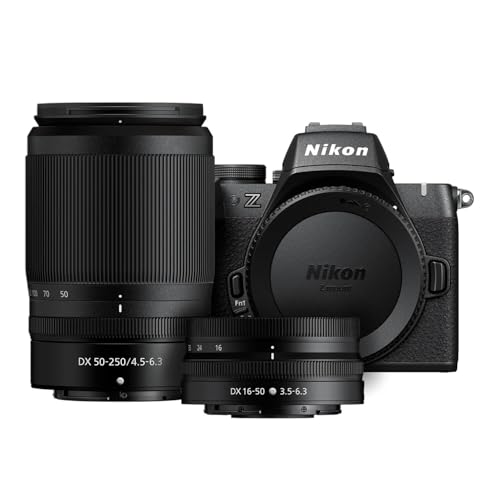
- Nikon Z50 II with Two Lenses: linked pick, labelled a mirrorless step-aside — not a DSLR
Key Takeaways
- Treat $1,500 as a whole-kit ceiling: body, lens, cards, battery and bag all draw from the same envelope.
- A sane split puts roughly three-fifths into the body, a quarter into glass, and keeps the rest for the unglamorous essentials.
- Used and refurbished DSLRs are where this budget buys flagship manners instead of entry-level compromises.
- Never spend the reserve: a contingency for a charger, a card or a repair is part of the allocation, not leftover luck.
- Five picks are true DSLRs and prose-only; the sixth is a labelled mirrorless step-aside, never counted as a DSLR.
- The lens bought with the remainder decides the kit’s character more than the body bought with the majority.
In this guide
Quick Picks
| Pick | Badge | Why it earns its place |
|---|---|---|
| Canon EOS 90D | One-body anchor | Resolution, speed and video in a single body that leaves enough for a serious standard zoom. |
| Nikon D7500 | Value flagship | Pro-grade bones at a used price that funds a second lens inside the same envelope. |
| Canon EOS Rebel T8i | Lightest spender | The body that takes the smallest bite, freeing the budget for the glass that matters. |
| Pentax K-3 Mark III | Prime purist’s body | A magnificent finder and in-body stabilisation for a kit built around classic prime lenses. |
| Nikon D780 | Full-frame route | Used, it brings full-frame low-light manners inside the ceiling for careful allocators. |
| Nikon Z50 II with Two Lenses | Mirrorless step-aside — not a DSLR | The whole allocation in one box: body plus two zooms, with detection autofocus throughout. |
How should a $1,500 camera budget actually be divided?
Begin with the split that experienced buyers keep arriving at: around three-fifths of the envelope for the body, around a quarter for the first lens or lens upgrade, and the remaining slice — never less than a tenth — for the infrastructure of ownership. Cards, a spare battery, a bag that fits the assembled kit, a blower, a strap that does not punish the neck. Kits fail socially, not photographically, when that last slice is skipped: the camera that cannot be carried comfortably or powered through a day stays home, and its specification sheet stays home with it.
The body share buys capability; the lens share buys character. A mid-range body behind an excellent standard zoom produces more distinctive photographs than a flagship body behind the cheapest kit glass, which is why several picks below are deliberately chosen as bodies that underspend — their virtue is the size of the remainder they hand back. When you price a candidate, price its remainder too: ask what lens the leftover money becomes, and judge the pair as one purchase.
Hold the reserve like a professional. Used bodies occasionally need a sensor clean, a replacement eyecup, a charger the seller forgot. A contingency slice absorbs those frictions without breaking the ceiling, and if the year ends with the reserve unspent, it becomes the seed of the second lens fund. Budgets that end exactly at zero on day one are not plans; they are accidents that have not happened yet.
Why does this budget buy so much more DSLR than mirrorless?
Because the market’s attention moved and left value behind. Manufacturers ended DSLR development to build mirrorless lines, retailers cleared shelves, and a generation of photographers sold excellent mirrored bodies to fund the switch. The result is a buyer’s market in machines that were, very recently, the serious photographer’s default — weather-sealed, twin-dialled, built for decades of shutter cycles — now priced by their fashion rather than their capability.
The lens shelves amplify the effect. Canon EF and Nikon F glass accumulated over forty years trades used at every price point, and the classic purchases — a fast prime, a 70-300-class telephoto, a wide zoom for interiors — sit comfortably inside the remainder this budget leaves after a body. A mirrorless kit of equivalent reach and brightness, bought today, consumes the whole $1,500 on the body and kit zoom alone, with the second lens postponed to a second year.
None of this requires pretending the DSLR is the future. It is not, and this guide will not insult you by claiming otherwise. The claim is narrower and stronger: at this specific ceiling, for a photographer buying capability per unit of money today, the mirrored back catalogue is where the value pools. Buy it knowingly, enjoy the arbitrage, and let the mirrorless converts subsidise your education.
How did we choose these best dlsr cameras for under 1500?
Every candidate was costed as a complete, working kit against the ceiling — not the body alone with fingers crossed. A body that consumed the entire envelope before a lens was mounted failed automatically, however magnificent. Survivors were then judged on what their remainder buys: the quality of lens the leftover funds, the depth of the used shelf behind the mount, and the body’s own stamina as a multi-year tool rather than a stepping stone to be replaced within eighteen months.
Condition risk was priced in as a real cost. Picks were favoured when their used examples are plentiful, when shutter counts can be checked, and when the model’s failure habits are known and boring. Exotic bodies with thin used markets were set aside even when their specifications glittered, because a $1,500 plan cannot absorb a orphaned repair.
The mirrorless step-aside earned its place under the same costing discipline: its bundle had to solve the allocation problem in one box — body, two focal ranges, modern focusing — and it is labelled as not a DSLR in its heading, its table rows and its verdict. Readers who want the mirror get five honest DSLRs; readers who want the neatest modern bundle can see exactly what stepping aside buys and costs.
Canon EOS 90D — One-body anchor
The 90D was Canon’s last great enthusiast DSLR, and it reads like a summary of everything the format learned: a high-resolution sensor that crops generously, a burst fast enough for school sport and garden birds, twin control dials that keep settings under the photographer’s fingers, and weather sealing that treats a damp Saturday as a working condition. As the anchor of a $1,500 kit it consumes the majority share of the envelope and earns it, because it is the rare body at this level that its owner does not immediately start planning to replace.
Resolution is its allocation argument. Files with generous pixel counts forgive the beginner’s imperfect framing and, more importantly for this budget, forgive a shorter lens: cropping into a frame shot on a modest telephoto can substitute, within reason, for the longer glass the envelope could not stretch to. That substitution is not free — cropping spends image quality — but as a budget strategy it converts the body’s headline feature into a lens-budget saving, which is exactly the kind of trade this guide exists to surface.
Video gives the kit a second career. The 90D films with Canon’s smooth Dual Pixel focusing and offers the headphone and microphone provisions that turn a stills camera into a household’s video department, so the envelope buys a family documentarian as well as a photographer’s tool. Households allocating $1,500 once, for years, feel that doubling of duty in a way single-purpose bodies cannot match.
The natural pairing spends the remainder on a serious standard zoom — the class of lens that lives on the body — rather than scattering it across novelties. Add cards, a spare battery and a bag from the infrastructure slice and the kit is complete, balanced and finished: a one-body, one-lens answer that most owners will still be using, contentedly, when mirrorless prices eventually tempt them from strength rather than frustration.
Its watch-outs are the format’s usual ones. Through the viewfinder its autofocus, while capable, is a generation behind mirrorless detection; in live view and video the camera closes much of that gap, so owners who shoot on the screen will wonder what the fuss was about. Size is real too — this is a substantial body that asks for a proper bag. Neither point breaks the allocation; both belong in the plan.
- Class: Enthusiast DSLR, Canon EF-S mount
- Budget role: Majority share; remainder funds one serious zoom
- Signature: High resolution that forgives shorter lenses
- Video note: Dual Pixel focusing, mic and headphone provisions
- Buying route: Refurbished or used with shutter history
Strengths
- A body with no replacement itch built in
- Cropping headroom that subsidises the lens budget
- Stills and video careers in one purchase
Trade-offs
- Finder autofocus trails mirrorless detection
- A big body that needs a real bag
- Live-view shooting drains the battery faster
Best for: the allocator who wants one finished kit, not a project
Not suited for: minimalists counting grams on long hikes
Allocate the remainder in this order: the standard zoom first, then the spare battery, then the bag sized to the assembled pair. The 90D tempts owners toward a shelf of small extras, but its kit sings when the money concentrates on the lens that never leaves the mount — everything else this body needs is discipline, not spending.
Nikon D7500 — Value flagship
The D7500 is the connoisseur’s arbitrage in this guide: a body built on the bones of Nikon’s professional line — the same sensor family as its flagship crop camera, a deep buffer, a tilting touchscreen, sealing and a finder that feels like a promotion — now trading used at levels that leave the healthiest remainder of any DSLR pick here. Its allocation story is simple and powerful: flagship manners for a mid-range share, and the difference becomes a second lens.
That second lens is where the D7500 kit pulls away from its rivals. With the telephoto or the fast prime bought from the body’s saving, the owner fields a two-lens system inside the same ceiling that buys a one-lens kit elsewhere — portraits and reach, or interiors and sport, covered by glass chosen deliberately rather than inherited from a bundle. Photographers who think in systems rather than in bodies will recognise this pick as the budget’s centre of gravity.
On assignment it behaves like the senior camera it is. The autofocus tracks runners and riders with the confidence of its pro lineage, the metering shrugs at awkward backlight, and the control layout — twin dials, a proper joystick-era arrangement refined over generations — rewards the photographer who learns it with genuine speed. This is the DSLR in the list most likely to be mistaken, in the hand, for a current professional tool.
Nikon’s F-mount shelf completes the economics: decades of glass, from the bargain primes every beginner should own to serious telephotos, all circulating in a used market deep enough to be choosy in. A D7500 owner shopping patiently can build, inside this envelope and its first-year successor fund, a kit that would have been an enthusiast’s dream specification not long ago.
The compromises are known and small. A single card slot where its flagship sibling carries two asks for a sensible card routine; the video specification, while perfectly serviceable, is a stills camera’s offering rather than a filmmaker’s. Neither touches the allocation argument. At this ceiling, the D7500 is the pick for buyers who enjoy the hunt and think in systems.
- Class: Enthusiast DSLR, Nikon F mount
- Budget role: Underspends on the body; remainder buys a second lens
- Signature: Professional bones and buffer at a used price
- Cards: Single slot — buy quality, rotate sensibly
- Buying route: Used market is deep; check shutter counts
Strengths
- The strongest remainder of any DSLR here
- Tracking and handling from the pro line
- A two-lens system inside one ceiling
Trade-offs
- One card slot, not two
- Video is a sideline specification
- Best examples require patient hunting
Best for: system thinkers who want glass, not just a body
Not suited for: buyers who need dual-card insurance for paid work
Spend a fortnight, not an afternoon, hunting this one. The D7500’s used shelf rewards patience with low-shutter examples sold by upgraders rather than worn by professionals, and the money saved by waiting is precisely the second-lens fund that makes this pick’s whole argument. Set alerts, check counts, and let other people’s impatience finance your kit.
Canon EOS Rebel T8i — Lightest spender
Every budget guide needs the pick that asks the least, and the T8i is it: Canon’s most polished Rebel, small in the hand and smaller in its claim on the envelope. What it leaves behind — the largest remainder of any Canon here — is the point. A T8i kit can afford the lens hierarchy properly: a quality standard zoom now, the fast prime soon, the telephoto within the year, all without the body ever feeling like the kit’s weak relation.
Do not mistake the light spending for a light camera. The T8i carries a proper optical finder, a fully articulating touchscreen, Canon’s friendly menu teaching, and Dual Pixel focusing that makes its video genuinely usable for family films and first video projects. Its autofocus through the finder is entry-class in spread but honest in behaviour, and its files have the clean, forgiving character that makes editing software a pleasure rather than a rescue service.
The allocation it enables suits a particular temperament: the photographer who knows their interests will wander. A body that underspends leaves the envelope liquid, able to follow the owner toward macro, toward birds, toward street photography, whichever direction the first year reveals. Locking the whole budget into a flagship body is a bet on a fixed future; the T8i declines that bet and keeps the options — and the money — alive.
Handling favours the smaller-handed and the travelling. It is the DSLR here most at home in a day bag rather than a camera bag, the one that goes to the school play and the city break without a packing decision. Battery life follows the DSLR pattern of lasting longer than its owner’s plans, and the Rebel control layout remains the friendliest first serious interface Canon makes.
Its ceilings arrive where its price says they will: burst depth for sustained sport, sealing for serious weather, and the finder experience is a step below the 90D’s. Owners who discover a lasting passion for one demanding genre will outgrow it sooner than the anchor picks. But outgrowing a camera that cost the envelope so little, and taught so much, is the cheapest education in this entire guide.
- Class: Upper-entry DSLR, Canon EF-S mount
- Budget role: Smallest body share; largest liquid remainder
- Screen: Fully articulating touchscreen
- Video note: Dual Pixel focusing for family filming
- Buying route: New old stock, refurbished and used
Strengths
- Keeps the budget flexible for wandering interests
- Friendly handling in a travel-sized body
- Filming focus that beginners can trust
Trade-offs
- Shallower buffer for long bursts
- No weather sealing for rough days
- Demanding genres outgrow it sooner
Best for: explorers who want the money kept liquid while interests form
Not suited for: committed sports shooters needing deep buffers now
Resist spending this pick’s remainder immediately. Shoot the kit zoom for a season, keep a simple log of the photographs you attempted and missed, and let that log — not a review, not a forum — choose the second lens. The T8i’s whole philosophy is deferred decisions, and its owners get the most from it by deferring wisely.
Pentax K-3 Mark III — Prime purist’s body
The K-3 Mark III is the allocation for a photographer with a philosophy: that a camera should be a magnificent instrument for still photography and apologise for nothing. Pentax poured the budget into the parts a purist touches — a huge, bright pentaprism finder that rivals full-frame cameras, in-body stabilisation that steadies every mounted lens, sealing for filthy weather, and a control layout built by people who shoot. Inside a $1,500 plan it consumes a serious share, and returns the purest stills experience the ceiling can buy.
Stabilisation in the body rewrites the lens maths. Pentax’s back catalogue of compact prime lenses — the famous Limited series and decades of affordable classics — becomes a stabilised modern kit without a single stabilised lens purchase, and those primes trade used at prices that let the remainder assemble a small, characterful lens set rather than one zoom. A three-prime kit built around this body, inside this envelope, is a connoisseur’s answer to the whole budget question.
The finder deserves the emphasis it keeps receiving in this guide’s Pentax entries, because at this level it stops being a detail and becomes the product. Looking through the K-3 Mark III is a full-frame experience wearing a crop sensor’s economics: bright, large, and honest, encouraging the slow, deliberate composition that prime lenses also demand. Photographers who shoot for the pleasure of the act itself will understand within one outing why this body has devotees rather than customers.
Its sensor and processing serve that deliberateness: files with depth for careful editing, high sensitivity behaviour that keeps evening street work viable, and a monochrome-friendly rendering that has made the model a quiet favourite among black-and-white shooters. Burst and tracking serve deliberate genres — landscape, street, portrait, travel — with complete adequacy.
The costs are the outsider’s usual ones. Video is an afterthought by modern standards, subject-detection autofocus belongs to another era’s philosophy, and the modern zoom catalogue is thinner than the big mounts’. The purist this pick courts will trade all three gladly. The allocator who needs a family video camera should walk back up this list to the Canon picks and leave this instrument to its congregation.
- Class: Flagship crop DSLR, Pentax K mount
- Budget role: Serious body share; remainder builds a prime set
- Finder: Full-frame-class glass pentaprism
- Stabilisation: In-body, steadies legacy primes
- Buying route: Pentax dealers new; used examples scarcer
Strengths
- The finest finder experience at this ceiling
- Stabilised access to characterful cheap primes
- Sealed, deliberate, built for stills purists
Trade-offs
- Video is an afterthought
- No modern subject-detection focusing
- Used examples take longer to find
Best for: deliberate stills photographers building a prime-lens kit
Not suited for: households needing one camera that also films well
Build this kit backwards: choose the prime focal lengths first — the wide, the standard, the short portrait telephoto as used examples surface — and let the body be the constant they mount on. The K-3 Mark III rewards owners who think of lenses as the permanent collection and bodies as their current frame, which is the oldest and soundest philosophy in photography.
Nikon D780 — Full-frame route
Full-frame inside a $1,500 ceiling sounds like a conjuring trick, and the D780 performs it the honest way: on the used market, where this superb hybrid DSLR — a professional’s tool with a full-frame sensor, twin slots and a live-view system borrowed from Nikon’s mirrorless line — now trades at levels that leave a working remainder for one good lens. This is the allocation for the photographer whose subjects live in poor light: evening events, indoor sport, weddings as a guest, the night street.
The sensor is the argument. Full-frame files at high sensitivity hold together with a cleanliness crop sensors cannot match, and that headroom converts directly into photographs — the indoor portrait without flash, the gig without a smeared shutter speed — that the rest of this list captures only with compromise. For low-light-led interests, spending the envelope’s majority on that sensor is not indulgence; it is buying the specific capability the whole kit exists to deliver.
Uniquely among these DSLR picks, the D780 is two cameras in one body. Through its finder it is a classic professional Nikon, with the tracking and stamina of that lineage. On its rear screen it becomes effectively a mirrorless camera, with the eye-detection focusing of Nikon’s Z system — so the allocation also buys an education in both photographic eras, and video that stands comparison with dedicated hybrid tools.
The remainder demands discipline, because full-frame lenses are the budget’s cliff edge. The wise allocation buys one excellent standard lens — a fast prime or a quality standard zoom, used — and defers the telephoto dreams to the second-year fund. A D780 behind one fine lens outperforms, in its chosen low-light territory, a lesser body behind three mediocre ones, and the discipline of the single-lens year teaches composition the way constraints always do.
Watch the condition maths carefully. Full-frame bodies lived professional lives, so shutter counts, sensor cleanliness and honest grading matter more here than anywhere in the guide; buy from sellers who document them. Weight is the other cost — this is the heaviest allocation to carry. For the low-light photographer, both costs are the known price of the territory, and the territory is worth it.
- Class: Full-frame DSLR, Nikon F mount
- Budget role: Majority share used; remainder buys one fine lens
- Signature: Full-frame high-sensitivity cleanliness
- Hybrid note: Mirrorless-style eye detection in live view
- Buying route: Used only at this ceiling; verify shutter count
Strengths
- Low-light files no crop pick can match
- Two focusing eras in a single body
- Professional build, slots and stamina
Trade-offs
- Full-frame lenses strain the remainder
- Used examples may carry hard professional lives
- The heaviest kit in this guide to carry
Best for: low-light specialists willing to run a one-lens first year
Not suited for: buyers wanting a complete multi-lens kit immediately
Audit any candidate D780 like an accountant: shutter count against the model’s rated life, a sky frame for sensor marks, both card slots tested, and the seller’s account of its working history. Ten minutes of auditing protects the largest single allocation in this guide — and a clean, honestly graded example will serve a decade.

Nikon Z50 II with Two Lenses — Mirrorless step-aside — not a DSLR
The badge first, as always with this pick: there is no mirror in this camera, so it is not a DSLR, and it enters a DSLR budget guide only because it solves the budget’s central problem with unusual neatness. One box contains the body and two zooms spanning the wide-to-telephoto education, and the whole bundle is engineered to land inside the kind of total envelope this article is organised around. For the allocator who values completeness over category purity, it is the tidiest purchase on the page.
What the bundle buys beyond tidiness is detection. Subject and eye autofocus that finds people, pets and vehicles removes the focusing apprenticeship that DSLR owners serve, and the electronic finder’s exposure preview removes the guess-check loop with it. A beginner stepping aside to this camera starts making deliberate photographs sooner — the allocation, in effect, buys learning speed as well as equipment.
The two-lens structure deserves respect as budgeting, not just convenience. Most owners of any system discover that one zoom is a compromise they outgrow within the year; this kit pre-empts that discovery by covering both the everyday range and the reach range from day one, leaving the envelope’s remainder for infrastructure — cards, a spare battery, the bag — and the second-year fund genuinely untouched. As a piece of financial planning disguised as a camera kit, it is hard to fault.
Now the step-aside costs, in the open. Battery life runs to a mirrorless rhythm, so the spare battery is not optional. The Z-mount used shelf is years away from the F-mount ocean’s bargains, so future lenses will cost nearer to new prices. And the experience — screen-mediated, detection-led — is a different pleasure from the optical finder’s, which some photographers in this guide’s audience specifically came to buy.
So the decision is philosophical before it is financial. If the $1,500 was always “a serious camera kit, whatever the mechanism,” this bundle is arguably its most efficient modern answer. If the money was set aside for the DSLR experience itself — mirror, finder, stamina, bargain glass — then stepping aside spends it on a different thing entirely, however good that thing is. Both answers are respectable; confusing them is the only error.
- Class: Mirrorless step-aside — not a DSLR — two-lens bundle
- Budget role: Near-complete allocation in a single box
- Focus story: Detection for people, animals and vehicles
- Kit story: Wide-to-telephoto coverage from day one
- Battery note: Spare battery is part of the allocation
Strengths
- The whole system bought in one decision
- Detection autofocus shortens the learning curve
- Remainder stays free for infrastructure and savings
Trade-offs
- Not a DSLR by any definition
- Charging discipline replaces DSLR stamina
- Future lenses cost nearer new prices
Best for: allocators who want a finished modern kit in one box
Not suited for: anyone whose budget was saved for the mirrored experience
Price this bundle against the D7500 route before deciding, honestly and completely: bundle plus spare battery and cards on one side, used body plus two chosen lenses on the other. The comparison, done with real listings on a real afternoon, is the whole budget method of this guide in miniature — and whichever side wins, it will win for your reasons, not a reviewer’s.
How does buying in stages change what $1,500 can do?
The ceiling describes a total, not a deadline, and the staged buyer exploits that distinction ruthlessly. Stage one, this month: the body, its standard lens, one good card and the bag — the minimum honest kit, bought carefully. Stage two, after a season of evidence: the lens your missed photographs voted for. Stage three, when the hobby has proven itself: the infrastructure upgrades, the second body conversation, the learning investments. Staging converts one fixed budget into a curriculum, each purchase informed by the last one’s lessons.
Staging also hunts better. The buyer who must complete a kit this weekend pays the market’s asking prices; the buyer with a working camera already in hand can wait for the refurbished restock, the club member’s upgrade sale, the dealer grading event. Patience is a discount that never appears on a price tag, and it is available only to photographers who are already equipped. This is the deepest reason the underspending bodies score so well in this guide: they get you shooting sooner, and shooting sooner makes every later purchase smarter and cheaper.
Keep a written ledger of the plan, however informal: what stage one cost, what remains, what stage two is waiting to buy and what evidence would change the choice. The ledger takes ten minutes to start and pays for itself the first time a tempting listing tries to spend the second-lens fund on a novelty. Photographers are visual people running a financial process; writing the numbers down is how the process survives contact with a beautiful camera shop window.
There is a discipline cost, and honesty requires naming it. A staged plan can decay into perpetual postponement, the second lens always one more season away while the kit zoom’s compromises harden into habits. Guard against it with a date: when the kit is bought, write the stage-two review date in the calendar, with the missed-photograph log as its agenda. A budget with a diary attached is a plan; a budget without one is a wish.
What should you know about servicing and support for older DSLRs?
Discontinued is not the same as abandoned. Canon and Nikon continue to service their DSLR generations through authorised networks, and independent repairers — often former authorised technicians — cover the classics with deep parts knowledge for the common failures: shutter units, card doors, dial wheels, sensor cleaning. Before committing the majority of an envelope to any used body, spend ten minutes confirming that its likely repairs are performable in your country at sane cost. For every pick in this guide, they are; that check is part of why these six survived the shortlist.
Batteries and chargers deserve a forward look too. The DSLR era standardised its power around a handful of long-lived battery families that remain in production through makers and reputable third parties, so a body bought today is not a countdown to an unpowerable shelf. Buy one spare from a maker with a reputation to lose, store both sensibly, and the power question closes for the life of the kit.
Firmware and software form the last quiet consideration. These bodies record in formats every editor still reads natively, their raw files are supported everywhere, and no subscription or app account stands between the owner and their own photographs. In an era of cameras that increasingly behave like services, the DSLR allocation buys a tool that answers to its owner alone — a property whose value compounds quietly across a decade of ownership.
How do the six allocations compare at a glance?
| Pick | Type | Budget character | Remainder becomes |
|---|---|---|---|
| Canon EOS 90D | DSLR | Majority to the body | One serious standard zoom |
| Nikon D7500 | DSLR | Body underspends | A genuine second lens |
| Canon EOS Rebel T8i | DSLR | Lightest claim on the envelope | Liquidity for wandering interests |
| Pentax K-3 Mark III | DSLR | Serious share, purist returns | A set of classic prime lenses |
| Nikon D780 | DSLR | Majority to a used full-frame body | One fine lens, bought with discipline |
| Nikon Z50 II with Two Lenses | Mirrorless step-aside — not a DSLR | Whole kit in one box | Infrastructure and an untouched savings fund |
What does the remainder buy, lens by lens?
Think of the remainder as three doors. Behind the first stands the fast prime: a small, bright, fixed-focal-length lens that teaches shallow depth of field, low-light confidence and composition by footwork. It is the cheapest transformation in photography — the moment a kit owner sees their own street rendered with a blurred background and a glowing subject, the hobby usually becomes permanent. Behind the second door stands reach: the telephoto zoom that brings the child’s football match, the garden birds and the zoo from rumour to frame-filling reality.
Behind the third door stands width: the wide zoom that makes interiors honest, landscapes layered and group photographs possible in small rooms. No first-year remainder opens all three doors, and choosing which door matters most is the real purchase decision hiding inside this keyword. The bodies in this guide are, in a sense, delivery mechanisms for that choice — which is why the picks were ranked partly by the size and quality of the remainder they hand back to it.
A practical sequencing rule follows. Buy the body and its standard lens first, shoot for a season, and let your missed photographs vote for the next door. The allocator who buys all the glass in week one owns lenses chosen by imagination; the allocator who waits owns lenses chosen by evidence. At a $1,500 ceiling, evidence is the only currency that stretches.
How do you buy a used DSLR without buying its problems?
Start with the shutter count, the odometer of a camera body. Every model carries a rated shutter life, and a body at a small fraction of that rating, honestly documented, is a different purchase from one near its limit wearing fresh paint. Reputable dealers state counts; private sellers can usually display them from the camera’s own files. Treat a refusal to discuss the count as an answer in itself.
Then inspect like a photographer, not a shopper. Photograph a plain bright surface at a narrow aperture to expose sensor dust and marks. Work every dial and button, mount and unmount the lens, fire a burst, record a short video, and review everything at full magnification on the spot. Check the battery’s health if the camera reports it, confirm the charger is included, and keep the returns window sacred — buy nothing used, at this budget, without one.
Finally, grade the seller as carefully as the camera. Camera-club members upgrading within a system, dealers with graded stock and warranties, and manufacturer refurbished programmes all leave paper trails and answer questions. The anonymous bargain with no history is priced for its risk; a $1,500 plan that cannot absorb a failure should not be shopping in that aisle at all.
Which allocation mistakes blow the ceiling?
The body-maximalist error leads the list: spending nearly everything on the most impressive body available, then mounting the cheapest lens in the shop and wondering why the photographs look ordinary. Second is the accessory landslide — bags, filters, tripods, cleaning systems and a novelty lens all bought in the first flush, consuming the second-lens fund on items a season of shooting would have prioritised ruthlessly.
Third is forgetting the recurring costs of ownership. Cards wear and fill, batteries age, sensors gather dust that eventually wants a professional clean, and a household that films will want storage for the footage. None of these is large; together they are the difference between a budget that holds for three years and one that quietly leaks. Fourth is insuring nothing: a kit worth a month’s savings deserves, at minimum, a place on the household policy conversation.
The subtlest mistake is buying for resale anxiety — choosing the fashionable system in case photography does not stick. At this ceiling the DSLR picks have already taken their depreciation; they can be resold for close to their purchase price if the hobby fades. That fact, properly understood, removes the anxiety entirely: the used DSLR allocation is close to a rental with an option to keep, and it should be entered with corresponding calm.
When should part of the budget go to learning instead of gear?
When the photographs, not the equipment, are the bottleneck — a condition most owners reach sooner than they expect. A local evening course, a club membership, a well-chosen workshop or simply a printed book of assignments can return more image quality per unit of money than any lens once the basics are owned. The $1,500 envelope’s most sophisticated allocations hold back a modest slice for exactly this, because a photographer who understands light with a Rebel will outshoot a stranger with a flagship in the same room.
The signal to redirect spending is repetition in your failures. Missed focus on moving children argues for a settings lesson before a tracking upgrade. Flat landscapes argue for a composition book before a wide lens. Portraits that disappoint argue for an afternoon studying window light before a faster prime. Gear answers gear-shaped problems; most beginner problems are knowledge-shaped, and knowledge is the cheapest line item in the whole envelope.
None of this diminishes the picks above. It completes them. A budget is a plan for becoming a photographer, and the cameras are simply the plan’s most photogenic expenditure. Allocate like someone who intends to still be shooting — and still learning — when the second-year fund comes due.
How do crop and full-frame change the budget conversation?
Sensor size is a budget decision disguised as a technical one. Crop-sensor bodies — five of this guide’s six allocations, counting the mirrorless bundle — pair with lenses designed for the smaller image circle, and those lenses are smaller, lighter and cheaper at every quality level. A crop kit’s telephoto reach arrives sooner and its travel bag closes easier. The full-frame route inverts every term: the body costs more used, each lens costs more again, and the bag gains weight — in exchange for low-light files and a shallow-focus character that some photographers consider the entire point of owning a camera.
The honest way to choose is by subject, not by status. Daylight sport, travel, wildlife and family documentation are served superbly by crop systems at this ceiling, with money left for the glass that decides those genres. Evening events, indoor work, weddings and night streets repay the full-frame premium because their photographs are made at the sensitivity levels where the larger sensor’s advantage is not marginal but decisive. Naming your dominant light, before naming your camera, is the allocator’s core skill.
Mixing the two across time is also legitimate. Many photographers run the crop allocation for years, build skill and a lens shelf, then make the full-frame jump as a deliberate second system when income and intent align — carrying the crop body onward as the travel and backup camera. The $1,500 ceiling is a beginning, not a destiny, and the allocations in this guide were chosen to remain useful citizens of whatever system eventually grows around them.
Final Recommendation
Divide the ceiling before you spend any of it. For most buyers the Nikon D7500 route is the budget’s sweet spot — flagship manners, the healthiest remainder, a two-lens system inside the envelope. Choose the Canon EOS 90D for a finished one-body kit with video ambitions, the Rebel T8i to keep the money liquid while your interests form, the Pentax K-3 Mark III for the prime-lens purist path, and the used Nikon D780 when low light is your true subject. Step aside to the Nikon Z50 II bundle only knowing it is mirrorless, not a DSLR — and whichever allocation you choose, keep the reserve unspent until the kit has earned its second lens.
Frequently Asked Questions
Does the $1,500 budget include lenses and accessories?
In this guide, yes — that is the entire premise. A body-only reading of the keyword produces a camera that cannot take a photograph, so every pick was costed as a working kit: body, at least one lens, memory cards, power and a way to carry it. When you compare listings, compare complete kits, and let the percentages in this article arbitrate.
Is it risky to spend most of this budget on used equipment?
Managed, the risk is modest and priced in. Buy graded stock from dealers with returns windows, verify shutter counts, test sensors and slots before the window closes, and keep the contingency slice this guide insists on. The DSLR generation was built for long service, and the used market’s depth means a disappointing example can be exchanged rather than endured.
Which pick leaves the most money for lenses?
The Nikon D7500 among the true DSLRs, because its used price sits well below its capability, and the Canon EOS Rebel T8i runs it close by claiming the smallest share as a lighter body. The mirrorless bundle answers the question differently — by including two lenses in the box — which is why it is presented as a step-aside rather than a competitor.
Can a full-frame camera really fit under this ceiling?
As a used body with one carefully chosen lens, yes — the Nikon D780 route in this guide is built on exactly that arithmetic. What cannot fit is a full-frame body plus a shelf of lenses, so the route demands a disciplined one-lens first year. Buyers unwilling to accept that discipline will be happier, and better equipped overall, with the crop-sensor allocations.
Should I buy the body and lens together or separately?
Together when a genuine kit bundle exists, because bundles price the standard lens kindly. Separately when buying used, because the best body and the best lens for your remainder rarely sit in the same seller’s cabinet. Either way, judge the pair as a single purchase against the ceiling — the split across sellers is bookkeeping, not strategy.
How long should a kit bought at this ceiling last?
Planned well, five years of front-line service is a modest expectation, with a second life afterwards as a backup, travel or teaching body. The DSLR generation was engineered for shutter counts and service intervals that dwarf hobbyist use, and the lenses bought with the remainder outlast bodies by design. The allocation that ends that life earliest is usually not the worn-out one but the badly planned one — the kit whose lens gaps frustrated its owner into starting over — which is why this guide spends so many words on the remainder and so few on chasing the newest body.
Why does a DSLR guide include a mirrorless bundle?
Because at a fixed budget the honest comparison includes the modern alternative, clearly labelled. The Z50 II kit is marked as a mirrorless step-aside — not a DSLR — in its heading, tables and verdict, so readers who want the mirror can ignore it with a clear conscience, and readers who wanted a complete kit more than a mechanism can see its genuine advantages priced beside the classics.
Related Guides
Plan the purchases around this kit with the best DSLR lenses to buy after your kit zoom, protect the allocation with how to buy a used camera body safely, and compare the mirrored route against the best mirrorless cameras under a similar total budget.


