reviewstook.com is reader-supported. When you buy through links on our site, we may earn an affiliate commission.
Where to buy
There is a particular freedom in a camera you are allowed to lose. The best disposable underwater cameras for snorkeling cost little, weigh almost nothing, forgive salt water, sand and being dropped on a boat deck, and ask for exactly one skill in return: winding a thumbwheel between shots. No charging cable competes for the hotel socket, no screen fogs at the crucial turtle, and no five-hundred-pound device rides in your mask hand while a current rearranges the afternoon. For shallow reefs and family holidays, that bargain still makes profound sense.
Five of the six picks are film cameras sold ready-loaded and waterproof from the factory, and all five are covered prose-only. Nothing disposable appears in the verified catalogue behind this site — digital cameras fill it from end to end — so these picks carry no purchase links and no invented product codes: just names, honest capabilities and the shops that stock them, namely dive centres, airport chemists, beach kiosks and photo retailers. The sixth pick breaks the pattern deliberately: a rugged reusable digital camera, linked from the pool, included because any honest guide to disposables in this decade must show the exit door for readers whose conscience or trip frequency argues against single-use plastic.
Set expectations before the reviews, because film underwater plays by older rules. These cameras carry a fixed lens, a fixed focus range, film of modest speed and no screen to confirm anything. Bright tropical shallows are their homeland; grey temperate water, deep reefs and dusk swims defeat them completely. Snorkeling — floating at the surface, dipping a metre or two toward the coral — sits exactly inside their competence, which is why this pairing of camera and activity has survived every digital revolution thrown at it.
Buy before you fly where possible. Resort shops stock disposables at holiday prices and occasionally at holiday honesty, while a camera bought at home can be checked, its wrist strap fitted, and its film speed matched to your destination’s light. Pack it in hand luggage, never in checked bags, because airport scanners for hold baggage are strong enough to fog unprocessed film.
Key Takeaways
- Disposable underwater cameras are film cameras: fixed lens, fixed focus, no screen, no second chances.
- They are built for bright, shallow snorkeling water, not for depth, dusk or murk.
- Depth ratings describe survival, not picture quality; stay well inside them.
- Five picks are prose-only film cameras; the sixth is a linked reusable alternative for repeat travellers.
- Hand luggage only — hold-baggage scanners can fog unexposed film.
- Plan the film’s processing before the trip, because fewer labs develop film every year.
In this guide
Quick Picks
| Camera | Badge | Why it is here |
|---|---|---|
| Fujifilm QuickSnap Waterproof | Best all-round disposable | The benchmark: reliable sealing, decent lens and film that labs handle happily. |
| Kodak Sport Waterproof | Best for rough handling | A rugged shell and simple manners for boats, beaches and borrowed hands. |
| AgfaPhoto LeBox Ocean | Best value twin-pack thinking | Cheerful, simple and widely sold across European holiday regions. |
| Intova Snap Sights | Best from dive shops | The camera snorkel boats actually stock, with a reusable story behind the brand. |
| Lomography Analogue Aqua | Best reloadable film option | A simple-use film camera in a waterproof case that can be loaded again. |
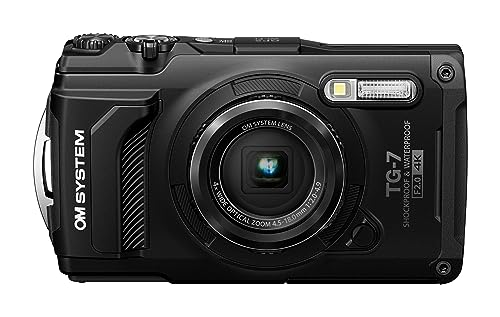
| OM System Tough TG-7 | Best reusable alternative | The linked digital escape hatch for travellers tired of buying cameras by the trip. |
How did we judge cameras with no settings to adjust?
With almost nothing to configure, the judging moved to the physical and the photographic fundamentals. Sealing integrity came first: how the housing closes, whether the shutter and wind-on controls work with wet, sunscreen-slick fingers, and how honestly the depth rating matches snorkeling reality. Lens quality followed, judged by the standards of fixed plastic optics — centre sharpness in good light, dignity at the edges, and a focal length wide enough for reef scenes yet not so wide that a turtle becomes a rumour.
Film choice mattered more than brand badges. The loaded film’s speed decides which days the camera can work: brighter emulsions forgive cloud and depth, while slow film in blue water returns blue disappointment. We favoured cameras whose film and lens are sensibly matched for tropical shallows, and we noted which models reward the snorkeler who stays shallow and patient over the one who chases subjects downward.
Finally we weighed the afterlife. A disposable camera’s story ends at a processing lab and a recycling stream for its shell, and brands differ in how completely that stream functions. The reloadable and reusable picks exist in this guide partly as evidence that the category itself is evolving toward less waste, a direction this guide supports without scolding the holidaymaker who buys one camera a year.
Fujifilm QuickSnap Waterproof — Best all-round disposable
Fujifilm has refined the waterproof disposable longer than anyone, and the QuickSnap Waterproof shows that accumulated sense in small decisions. The housing seals with a confidence-inspiring closure, the thumbwheel winds with enough resistance to work under a wet thumb, the shutter fires with a click you can feel through cold fingers, and a proper wrist strap arrives fitted rather than as an afterthought in the box. None of this is glamorous; all of it is the difference between a camera that returns photographs and one that returns explanations.
On the reef, its lens and film pairing suits the classic snorkeling envelope: a metre or three of bright water, coral heads in full sun, turtles crossing sandy patches at midday. Colours come back warm and saturated in the way holiday film has always flattered the sea, skin tones survive the blue cast better than rivals manage, and the fixed focus keeps everything from arm’s length to the horizon acceptably sharp.
Depth discipline still applies. The housing’s rating extends well past snorkeling, yet the photographs do not improve as you descend; light dies, colour dies first, and the film’s fixed exposure cannot bargain with physics. Treat the rating as insurance against accidents — a dropped camera retrieved from four metres — rather than as an invitation to become a freediver with a film camera.
Processing is this model’s home advantage. Fujifilm’s film is the dialect every remaining lab speaks fluently, and scans return quickly with colour the technicians understand. Buyers planning to shoot several cameras across a family should standardise on this model so everyone’s film develops in one batch with consistent results.
As the category’s reference point, the QuickSnap Waterproof earns the first slot by having no weakness that matters at snorkeling depth. Buy it, strap it, stay shallow, shoot the whole roll — that complete sentence is the user manual its owners actually follow.
- Class: Disposable film camera, factory-sealed housing
- Film: Pre-loaded colour film, lab-friendly emulsion
- Focus: Fixed, arm’s length to horizon
- Handling: Large thumbwheel, tactile shutter, fitted strap
- Depth story: Rated beyond snorkeling; best pictures near surface
Strengths
- Most refined sealing and controls in the class
- Film that every processing lab handles well
- Warm, forgiving colour in tropical shallows
Trade-offs
- No flash usefulness beyond a metre or so
- Fixed exposure helpless in dull, deep water
- Single-use shell raises the waste question
Best for: families and first-time snorkelers wanting dependable holiday film
Not suited for: cloudy-water coasts or anyone planning to dive deep
Shoot half the roll in the first two swims. Beginners pace themselves like the film is precious, then rush the last frames at the airport; the reef deserved the generosity the departure lounge received.
Kodak Sport Waterproof — Best for rough handling
Kodak’s Sport wraps its film in a shell that feels borrowed from a toolbox: chunky bumpers, a shutter control sized for clumsy thumbs, and a general air of expecting to be dropped. On hire boats, club trips and family beaches where a camera passes through six pairs of hands before lunch, that toughness is the specification that decides whether any photographs exist at all.
The photographic personality leans cheerful rather than refined. Its lens covers the wide reef scene generously, the film renders blues and holiday colours with the saturated enthusiasm Kodak built an empire on, and the fixed focus forgives the point-and-hope technique of a snorkeler who is also, at that moment, trying not to swallow the sea. Underwater portraits of grinning companions at arm’s length are its party trick.
Sunscreen is this camera’s natural enemy and its design admits it. The housing’s surfaces wipe clean without harbouring grease in seams, and the controls keep working with the slippery film of sun cream that turns lesser cameras into soap bars. Rinse it in fresh water each evening regardless; salt crystallises in any mechanism given time and neglect.
Where the Fujifilm pick feels like an instrument, the Sport feels like equipment, and some buyers will prefer the Kodak’s honesty about its destiny. It will be sat on, lent, buried briefly in sand and floated face-down in a rock pool, and it will still wind on to frame twenty with its dignity intact.
Choose it when the trip’s cast includes children, boats and borrowed hands. The best disposable for a rough itinerary is the one whose photographs survive the itinerary, and survival is the Sport’s entire design brief.
- Class: Disposable film camera, ruggedised shell
- Film: Pre-loaded colour film, saturated rendering
- Focus: Fixed, optimised for close group shots
- Handling: Oversized controls, wipe-clean surfaces
- Depth story: Snorkeling depths with margin for accidents
Strengths
- Shell shrugs off boats, sand and children
- Controls work with sunscreen-slick hands
- Flattering colour for people pictures
Trade-offs
- Bulkier than sleeker rivals
- Lens refinement trails the Fujifilm pick
- Same fixed-exposure limits in poor light
Best for: group trips, hire boats and cameras that change hands constantly
Not suited for: careful solo photographers chasing the finest lens here
Tie the wrist strap to a bright float if your boat allows it. A rugged camera that sinks ruggedly is still sunk, and the Sport’s toughness deserves a retrieval plan.
AgfaPhoto LeBox Ocean — Best value twin-pack thinking
The LeBox Ocean is the disposable that European holidaymakers meet in airport shops, resort supermarkets and photo stores from the Algarve to the Aegean, and its virtues are availability and simplicity in equal measure. It asks nothing, promises the essentials — a sealed housing, pre-loaded colour film, a lens matched to bright water — and prices the promise for buyers who would rather spend on the boat trip than the camera documenting it.
Photographically it plays the class standards competently. In full tropical sun over white sand, its pictures carry the bright, blue-green cheerfulness the category is loved for, and its fixed focus handles the reef scene from a companion’s portrait to the coral garden without decisions. Cloud cover narrows its world quickly, as with every disposable, and its lens softens toward the edges more noticeably than the Fujifilm’s when prints grow.
The twin-pack logic is where this pick earns its place. Two modest cameras beat one precious one on family trips: one lives on the boat, one at the beach bag; one belongs to the parents, one is surrendered to a teenager’s artistic direction. Loss, flooding or a finished roll stops being an incident and becomes a shrug, because the spare is already packed.
Availability cuts both ways, so inspect before paying. Stock in resort shops can sit through seasons of heat, and film ages gracelessly in a sunlit window. Check the expiry date printed on the packaging, prefer boxes stored away from the shopfront glass, and buy from the photo retailer in town over the kiosk of last resort when the choice exists.
As value thinking rather than value corner-cutting, the LeBox Ocean respects the holiday budget. It is the camera for travellers who want film’s look and disposability’s freedom at the lowest honest cost, bought fresh and used in bright water.
- Class: Disposable film camera, widely distributed in Europe
- Film: Pre-loaded colour film; check expiry at purchase
- Focus: Fixed, reef-scene range
- Buying pattern: Sold singly and in pairs for family trips
- Depth story: Shallow snorkeling with factory sealing
Strengths
- Lowest-cost honest entry to underwater film
- Found easily across European resorts
- Twin-pack strategy suits families perfectly
Trade-offs
- Edges soften sooner than pricier rivals
- Resort stock may be old or heat-aged
- Controls less refined with wet hands
Best for: European beach holidays and families buying cameras in pairs
Not suited for: once-a-decade trips where every frame must count
Write each swimmer’s name on their camera with a permanent marker at the villa. Identical disposables breed ownership disputes that end with somebody developing a stranger’s reef.
Intova Snap Sights — Best from dive shops
Snap Sights cameras live where the other picks vacation: in dive-shop baskets, on snorkel-boat counters and in rental fleets that send them out daily. Intova’s background in underwater housings shows in the details shops care about — a housing that survives being opened by staff for film loading across many cycles in its reusable siblings, clear depth guidance, and a form that clips to a buoyancy vest without swinging like a pendulum.
For the holiday buyer, the practical advantage is counsel. A disposable bought across a dive-shop counter comes with local knowledge no airport shop provides: which bay stays clear after wind, what time the turtles feed, whether this week’s visibility forgives film at all. The camera itself performs to class standards — bright-water competence, fixed everything, cheerful colour — while the shop around it upgrades the photographer.
Boat manners deserve their paragraph. The Snap Sights’ compact shell and lanyard-friendly design suit the choreography of a snorkel tour: mask in one hand, fins under an arm, camera clipped rather than gripped. Its shutter arrangement fires without the two-handed ceremony that loses moments when a ray passes beneath the boat ladder.
Availability is the honest limitation. Outside dive retail, this camera hides; online listings appear and vanish, and prices wander. Buyers who find it at a destination shop should treat that as the intended channel and skip the pre-trip hunt. It is a camera bought at the water’s edge, minutes from its purpose.
Choose the Snap Sights when your snorkeling comes with a boat, a guide and a dive shop — the ecosystem it was born into — and let the people who rinse a hundred cameras a week point you toward the bay where its film will shine.
- Class: Disposable film camera, dive-retail channel
- Film: Pre-loaded colour film, class-standard speed
- Focus: Fixed, close-to-reef range
- Handling: Clip-friendly shell for vest and lanyard
- Depth story: Rated for snorkeling with shop-grade guidance
Strengths
- Sold where local snorkeling knowledge lives
- Boat-friendly size and attachment
- Brand heritage in underwater housings
Trade-offs
- Hard to source away from dive shops
- Prices vary sharply by location
- Performance matches, not beats, the class
Best for: boat snorkelers buying at the destination with local advice
Not suited for: planners who must pack every item before flying
Ask the shop which bay they would shoot this week, and write the answer on the camera box. Local visibility knowledge is worth more than any specification in this entire category.
Lomography Analogue Aqua — Best reloadable film option
The Analogue Aqua challenges the premise of this guide politely: a simple film camera, loaded by its owner, sealed inside a waterproof case, ready to be opened, dried and loaded again next trip. Lomography built it for experimenters, so the camera embraces colour filters, multiple exposures and the happy accidents of lo-fi photography, while the case handles the snorkeling part of the bargain.
Freedom of film choice transforms the underwater equation. Load a faster emulsion for a cloudy coast, a beloved portrait film for a family trip, or black and white for a wreck swim rendered as pure shape and light. Every other pick in this guide decides your film for you at a factory; this one hands the decision, and its consequences, to the photographer, which is precisely its charm and its risk.
The case demands respect rather than trust. Unlike factory-sealed disposables, its integrity depends on the owner’s ritual: inspect the seal, close it evenly, test it empty in a sink before the trip, and never open it with wet hands at the beach. Snorkelers who enjoy that ritual gain a reusable camera; snorkelers who resent it should return to the sealed picks above without shame.
Image character leans artistic. The lens vignettes, colours drift toward the dreamy, and sharpness is a suggestion the film makes rather than a promise. Holiday documentarians may find that frustrating; creative swimmers find it the entire point, returning with frames that look like memories rather than evidence.
On waste, the Aqua threads the needle for film lovers: one case, one simple camera, many rolls, no shell discarded per trip. For the snorkeler who shoots film several times a year and enjoys its unpredictability, it is the most defensible film answer in this guide.
- Class: Reloadable simple film camera in waterproof case
- Film: Owner’s choice of standard 35mm rolls
- Focus: Fixed, lo-fi character by design
- Sealing: Owner-maintained case; test before trips
- Creative tools: Colour filters and multiple exposures
Strengths
- Film choice answers dull or bright water
- Reusable across trips; far less waste
- Creative effects built into the concept
Trade-offs
- Case sealing depends on owner discipline
- Soft, vignetted image character divides opinion
- Costs more upfront than any disposable
Best for: film enthusiasts who snorkel several times a year
Not suited for: one-trip buyers wanting zero rituals
Do the empty-case sink test the night before every trip, without exception. The Aqua’s whole bargain rests on a seal that only its owner can certify.

OM System Tough TG-7 — Best reusable alternative
Every disposable guide should end with the question of whether to stop disposing, and the TG-7 is the strongest answer the reusable world offers. This compact is waterproof far beyond snorkeling, shockproof, freezeproof and crushproof, with a bright lens, a proper macro mode for reef close-ups and 4K video beside its stills. It costs what many holidays’ worth of disposables cost, which is exactly the arithmetic a frequent snorkeler should perform.
The photographic leap is not subtle. A real sensor with real processing returns detail in blue water that film disposables cannot approach, the screen confirms each shot while the turtle is still present, and the macro mode opens an entire reef miniature world — shrimps, nudibranchs, coral polyps — that fixed-focus film cameras blur into suggestion. Underwater white-balance modes fight the blue cast at the source rather than at the lab.
Ownership changes the rituals rather than removing them. The TG-7 needs its seals inspected, its battery charged and its memory card emptied, and it rewards a rinse in fresh water after every salt session. In exchange it asks for no film budget, no processing hunt and no plastic shell per trip, and it doubles as a rugged family camera on land for the other fifty weeks of the year.
Honesty about fit matters. A once-a-year snorkeler renting a mask at the beach gains little from owning this camera; the disposables above serve that life beautifully and cheaply. The TG-7 belongs to the traveller who snorkels on most holidays, hikes in rain, skis, sails and generally treats cameras as equipment rather than occasion purchases.
As this guide’s only linked pick, it stands as the considered alternative rather than the default. Buy disposables for the trip you are taking; buy the TG-7 for the decade of trips you intend to keep taking.
- Class: Rugged compact digital camera
- Waterproofing: Rated well beyond snorkeling depths
- Imaging: 4K video, macro mode, underwater colour modes
- Build: Shockproof, freezeproof, crushproof body
- Economics: One purchase replacing years of disposables
Strengths
- Image quality in another league from film disposables
- Macro mode reveals the reef’s miniature world
- Serves as an all-weather camera year-round
Trade-offs
- Costs many disposables’ worth upfront
- Needs charging, cards and seal care
- More camera than a casual snorkeler requires
Best for: frequent snorkelers and rugged-travel photographers
Not suited for: once-a-year swimmers on a strict holiday budget
Learn its underwater modes at the hotel pool before the reef trip. The TG-7’s colour correction is powerful, but only for owners who find the settings before the turtle does.
Why does bright, shallow water decide everything for film underwater?
Water drinks light in a strict order: reds vanish within the first few metres, oranges follow, and by snorkeling’s deeper edge the world is rendered in blue and green alone. A disposable camera cannot raise its sensitivity, open its aperture or lengthen its exposure intelligently; it carries one fixed answer to light, tuned for a sunny surface. Every metre descended and every cloud that crosses the sun spends from a budget the camera cannot replenish.
Snorkeling’s saving grace is geometry. The snorkeler floats at the brightest layer of the sea, looking down at subjects a metre or three below, which is precisely the envelope these cameras were designed around. Photograph across and slightly down rather than steeply down, close the distance to your subject instead of descending toward it, and let the sun sit behind your shoulder when the reef allows a choice of angle.
Sand is the secret accomplice. White sandy patches between coral heads act as reflectors, bouncing light upward into subjects and lifting exposures that plain blue water would starve. The classic disposable-camera reef photograph — a turtle over pale sand in full sun — is not luck; it is the one composition where every physical factor agrees to help.
How should you shoot a disposable camera while snorkeling?
Get closer than feels polite. Water between lens and subject is fog with good public relations, and the fixed-focus lens is happiest with subjects between arm’s length and a few metres. Approach slowly from the side, let fish resume their business, and frame with your whole body position rather than waiting for a zoom that does not exist.
Wind on immediately after every shot. The habit sounds trivial until a second turtle crosses five seconds after the first and the camera in your hand is still unwound. Experienced film snorkelers wind as reflexively as they breathe through the tube, and their rolls show pairs and sequences where beginners’ rolls show single, startled frames.
Shoot more than instinct suggests. A roll holds a limited number of frames, yet the economics favour generosity: processing costs the same whether the roll returns three keepers or ten, and underwater film forgives nothing about chimping, because there is no screen to chimp on. Divide the roll deliberately across the trip’s swims rather than saving frames for a final day that weather may cancel.
What happens to the film after the trip?
Processing begins with finding a lab, a hunt that rewards planning. Dedicated photo labs and mail-in services handle disposable cameras daily: they crack the housing, develop the film, scan the frames and return digital files alongside the negatives. Keep the negatives. Scans can be redone at higher quality later, while a discarded negative is a memory’s master copy in a landfill.
Timing matters because film is patient but not immortal. Develop within a few weeks of the trip, keep the unprocessed camera cool and out of sun-baked cars meanwhile, and never leave a finished camera in a hot beach bag for the rest of the season. Heat ages exposed film faster than unexposed stock, quietly draining the colours you swam for.
The empty shell’s fate deserves its sentence. Many labs route disposable housings into manufacturer recycling streams where the bodies are refurbished or broken down responsibly, which is one more reason to choose a proper lab over the cheapest developing offer. Ask the lab what happens to the shell; the good ones answer without blinking.
How does the waste question change the buying decision?
A disposable camera is mostly a plastic shell around a short roll of film, and a traveller who snorkels monthly will accumulate shells at a rate that eventually argues with itself. The honest spectrum runs from the once-a-year holidaymaker, whose single camera is a rounding error in a trip’s footprint, to the weekly snorkeler, for whom reusable gear is both the environmental and the economic answer.
The middle paths in this guide exist for the middle traveller. The reloadable Lomography spreads one case across years of rolls. A used rugged digital compact, bought second-hand, spreads an existing camera across a second life. Even choosing disposables with manufacturer recycling behind them, and returning every shell through a lab that participates, moves a small habit in the right direction.
What this guide will not do is scold. A family taking one reef trip, buying one camera each and developing a roll of joyful, imperfect photographs has committed no crime worth a lecture. Buy with open eyes, match the tool to your frequency, and let the frequency — not guilt — make the decision.
How do you choose between the disposable brands on a real shop shelf?
Start with the expiry date, the single most informative number on the box. Film loses speed and colour fidelity as it ages, and heat accelerates the ageing, so a fresh camera from a cool shelf beats a famous brand baked for two seasons in a resort window. Turn every box over before paying; the date is printed for exactly this moment, and shops expect knowledgeable buyers to check it.
Next, weigh the housing in your hand and work its controls dry. The thumbwheel should turn with a firm, even resistance; the shutter should fire with a click you can feel rather than a mush you must guess at. Two cameras of the same model can differ after rough shipping, and the one that feels mechanically honest on land is the one that will behave honestly in the water.
Film speed is the third check, where the packaging states it. Brighter-rated film forgives cloud, depth and the shade of a boat’s canopy, while slower film rewards only perfect tropical noon. For most holiday water, the faster emulsion is the safer servant, and choosing it deliberately beats inheriting whatever the nearest shelf happened to stock.
Finally, count your swims and buy the fleet to match. One camera per keen snorkeler per two swims is a sane planning rhythm, with a spare for the group. A shelf decision made with the itinerary in mind — rather than at the airport in a hurry — is worth several frames of quality all by itself.
What should a snorkeler practise on land before the first swim?
The wind-on reflex heads the list. Sit with the camera — a finished one from a previous trip makes a perfect trainer — and practise the sequence until it is one gesture: shoot, wind, ready. Underwater, with a mask limiting your view and a current editing your position, every action that is not a reflex costs a photograph.
Framing deserves dry rehearsal too. A disposable’s viewfinder shows approximately the scene and lies cheerfully at the edges, so learn its habits by photographing a doorway, a friend, a garden from known distances. Note where the finder crops compared with where the lens sees; underwater subjects will not wait while you rediscover the offset at the reef.
Distance sense is the third skill, and it can be learned in a garden. The fixed focus is kindest between arm’s length and a few metres, so pace out those distances until your body knows them: a turtle at two paces, a companion at three, a coral head at five. Snorkelers who carry that ruler in their bones compose faster than any camera can be wound.
Lastly, rehearse the boring logistics: strap adjusted to your wrist, camera clipped where your hand falls naturally, a plan for where it lives during the boat ride out. Fumbled logistics at the ladder, with fins on and a queue behind, is how cameras meet the sea floor before their first frame.
How do disposable cameras behave in different kinds of water?
Tropical reef water is the homeland: clear, bright, shallow and floored with pale sand that bounces light like a studio reflector. Every disposable in this guide was effectively designed there, and a traveller whose holiday matches that description can buy almost any fresh example and come home happy.
Temperate coasts rewrite the contract. Greener water, weaker sun and deeper colour casts push film to its limits by mid-morning, and the honest advice is to shoot only in the brightest hours, stay very shallow, and choose subjects within a metre or two. Some temperate swims will still defeat the film entirely, and recognising a no-camera day is a skill rather than a surrender.
Freshwater surprises everyone. Quarry and lake water can be darker than the sea at the same depth, with particles that scatter light into fog, yet a bright day over a shallow, sandy swimming area can produce charming, soft-toned frames unlike anything salt water returns. Rivers add current to the handling exam and reward the wrist strap above all other accessories.
Pool water, finally, is the classroom: controlled, clear and close. A disposable sacrificed to a hotel pool session teaches winding, framing and distance at zero risk, and the developed roll — however silly its subjects — is the cheapest tuition in underwater photography.
What makes a developed roll succeed or disappoint, frame by frame?
Exposure is decided by the scene you chose, not the camera you held. Frames aimed across bright sand in full sun return rich and confident; frames aimed down into blue shadow return as atmosphere rather than evidence. When a roll disappoints, read it as a map of where you pointed, and the next roll improves before any equipment changes.
Distance writes the second verdict. The frames beginners love are almost always the closest ones, where the subject fills the frame and the water between lens and subject is too thin to fog. The frames they discard are the distant specks — a turtle-shaped rumour in blue — that looked enormous through a mask’s magnification and tiny through the lens’s honesty.
Stillness governs the third. A snorkeler drifting over the reef photographs motion blur they never felt, because water moves the photographer as surely as the subject. Bracing against nothing is impossible; the craft lies in timing the shot to the calm between surge and breath, a rhythm the second swim teaches better than any guide.
And generosity redeems the rest. A roll shot completely, across every swim and subject, returns a story with keepers distributed through it. A roll hoarded for a perfect moment that never announced itself returns twenty frames of the boat ladder. Film rewards the swimmer who commits.
How do you pack and carry film cameras through a whole holiday?
Hand luggage is the rule already stated, and the details around it decide whether the rule survives contact with a real itinerary. Keep the cameras together in one clear pouch inside your cabin bag, where security staff can see what they are and you can request a hand inspection without unpacking a suitcase’s archaeology. On journeys with several connections, each additional scan is a small tax on the film; consolidating flights protects photographs as surely as it protects tempers.
At the destination, the cameras live where the swimming happens, not in a sun-baked car or a hotel safe you will forget to open. A shaded spot in the beach bag, inside a dry pouch when boats spray, keeps film at the temperatures it prefers and the camera within reach at the moment a turtle is announced. Heat is film’s slow enemy across a whole week, quietly draining the saturation that tropical water promised.
Boats demand their own choreography. The camera rides clipped or strapped, never loose on a bench where the first wake rearranges the furniture. Agree with companions where finished cameras go — a single designated pocket or pouch — because a camera that has shot its roll and a fresh one feel identical in a hurry, and the frame counter is a small thing to check with wet hands and a boarding ladder moving.
On the journey home the priorities invert: exposed film is now the valuable cargo, more precious than the cameras were outbound. The same hand-luggage rule applies with double force, the pouch stays with you rather than in an overhead locker across the cabin, and processing begins within days of landing rather than whenever the suitcase is finally emptied.
What can go wrong with the housing, and how do you notice in time?
Flooding is the headline failure and the rarest when seals are respected, but its early warnings are humble: a shutter that feels different, a thumbwheel that grinds faintly, condensation beading inside the housing’s window on a warm deck. Any of these ends the swim for that camera. A disposable cannot be opened, dried and forgiven like a housed digital camera; its one seal is its whole life, and suspicion is a sufficient verdict.
Sand is the usual assassin. A single grain on the closure from a beach-bag afternoon can hold a seal open by exactly the width of a disaster, which is why the cameras should be handled with rinsed hands and opened — where the design allows handling at all — nowhere near the beach itself. Keep the camera in its pouch until the water’s edge, and let the pouch take the sand’s attention.
Sun and heat wage the slower war. A disposable left on a dashboard or a sun lounger cooks its film and stresses its housing across an afternoon, producing a roll whose colours have aged a decade and a shell whose seal has softened at the worst moment. Shade is a genuine photographic accessory for film, as real as any filter.
The final failure is simply forgetting what the camera is. It will not warn, beep, review or forgive, and owners who treat its silence as brokenness sometimes shake, squeeze or force controls that were merely waiting to be wound. When in doubt: wind the wheel, listen for the click, and trust the counter. The camera’s simplicity is not an absence of feedback; the feedback is mechanical, and it rewards hands that learned it on land.
How do the six snorkeling picks compare side by side?
| Camera | Type | Film or files | Strongest suit | Best owner |
|---|---|---|---|---|
| Fujifilm QuickSnap Waterproof | Disposable film | Lab-developed roll | Refinement and reliability | First-time snorkelers |
| Kodak Sport Waterproof | Disposable film | Lab-developed roll | Rough handling survival | Groups and boats |
| AgfaPhoto LeBox Ocean | Disposable film | Lab-developed roll | Value and availability | European beach families |
| Intova Snap Sights | Disposable film | Lab-developed roll | Dive-shop ecosystem | Boat tour snorkelers |
| Lomography Analogue Aqua | Reloadable film | Owner-loaded 35mm | Film choice and reuse | Film enthusiasts |
| OM System Tough TG-7 | Reusable digital | Cards and instant review | Quality and macro | Frequent travellers |
The table traces a single gradient: commitment. Money, ritual and image quality all rise together from the top row to the bottom, while carefree disposability falls. The correct row is the one whose commitment matches how often you actually snorkel, a number worth answering honestly before any purchase.
Which snorkeling camera mistakes ruin the most rolls?
Saving the whole roll for the last day leads the casualty list. Weather turns, boats cancel, ears equalise badly — and the camera returns home unexposed or rushed through in a grey final swim. Spread frames across every swim; the reef offers its best light early in a trip as often as late.
Chasing subjects downward comes second. Beginners follow a turtle into deepening blue, firing frames that return as silhouettes in fog. The snorkeling camera’s art is patience at the surface: stay shallow, stay still, and let the reef’s residents forget you are there.
Third, packing the camera in checked luggage. Hold-baggage scanners are built stronger than cabin ones, and their fog accumulates invisibly until the developed roll tells the story in milky shadows. Hand luggage, every time, with the camera asked for hand inspection on multi-flight journeys where local rules allow.
Finally, forgetting the camera is single-purpose. Owners surface from a swim and photograph the beach bar, the sunset and the taxi queue, spending reef frames on scenes any phone handles better. The disposable’s film belongs to the water; guard it for the world only it can enter.
How should groups and families organise cameras across a shared trip?
Assign cameras to people, not to the group bag. A camera with a named owner gets wound, carried and finished; a communal camera gets admired, borrowed and returned unshot at the holiday’s end. Write names on shells with a permanent marker at the villa on the first evening, and let each owner’s roll become their own edit of the trip — the same reef written by four hands is four different holidays, which is precisely the charm worth developing.
Stagger the fleet across the days. If every camera starts on the first swim, every camera risks finishing before the last, and the final day’s turtle arrives to a chorus of empty counters. Hold one fresh camera back for the last full day, the way a good host holds back one bottle, and the trip’s ending receives the same photographic generosity as its beginning.
Pool the knowledge as deliberately as the cameras. One swimmer’s discovered bay, one teenager’s framing trick with the viewfinder’s offset, one parent’s discovery that the boat’s shaded side photographs kinder at noon — shared at dinner, these compound across the group’s remaining rolls. A family’s second-half photographs are visibly better than its first-half ones when the learning is communal, and that improvement is the best souvenir the film brings home.
Finally, develop together and print generously. A single lab order for the whole fleet keeps colours consistent and costs sane, and a table of actual prints — passed around, argued over, claimed for bedroom walls — completes a ritual that phone galleries never quite reproduce. The disposable camera’s last gift is that its photographs arrive as objects, and objects get kept.
How do you photograph people underwater with a camera that cannot focus?
Portraits are the disposable’s secret strength, because its fixed focus is tuned almost exactly to the distance of a companion at arm’s length. Agree the game before the swim: the subject hangs still, exhales gently to stop the bubble curtain, and looks toward the light rather than into the lens, while the photographer closes to a metre, frames the face in the upper half of the finder and fires two frames against the blink that film cannot preview. Bright water over pale sand flatters skin through the blue cast, a snorkel pushed up onto the forehead cleans the portrait’s lines, and a subject in a bright rash vest gives the fixed exposure something cheerful to aim at. Shoot people early in the swim, while patience and breath are fresh, and the developed roll will contain the holiday’s most-kept photographs — faces, laughing, in a world made of light.
Why do snorkel guides and boat crews still hand these cameras to guests?
Because crews understand failure economics better than anyone. A guest’s phone in a bargain pouch is a claim waiting to happen; a guest’s expensive compact is a grief no briefing can prevent; a disposable is a camera whose worst day costs the price of lunch and whose best day returns photographs the guest will keep for decades. Guides also know the behavioural secret: a swimmer holding a simple camera slows down, looks longer and kicks less coral than a swimmer chasing the perfect screen-verified shot. The disposable’s limitations, which this guide has catalogued honestly for pages, turn out at reef level to be a form of instruction — and the reef, like the guest, is better off for it.
Final Recommendation
For the classic holiday brief — one or two reef trips, bright water, family memories — the Fujifilm QuickSnap Waterproof remains the disposable to beat, with the Kodak Sport the tougher choice for boats and borrowed hands and the AgfaPhoto LeBox Ocean the value play across European resorts. Buy the Intova where dive shops sell it and local advice comes free. Step beyond single-use when your habits justify it: the Lomography Analogue Aqua keeps film’s soul while reusing its body, and the OM System TG-7 ends the disposable question entirely for frequent travellers. Whichever you choose, stay shallow, shoot generously and develop promptly — the reef does its half beautifully when the photographer does theirs.
Frequently Asked Questions
How deep can I actually take a disposable underwater camera?
Most are rated well beyond snorkeling depths, often to around ten metres or more depending on model, but picture quality fades long before the housing does. Light and colour drain with every metre, so treat the rating as accident insurance and do your real photographing in the top few metres.
Can I open the camera to check how many shots remain?
Never. Opening the housing outside a lab admits water, breaks the seal and can expose the film. The frame counter beside the thumbwheel is the only window you get, and it is enough; wind on after each shot and the counter stays honest.
Will airport security ruin my film?
Cabin-baggage scanners are generally gentle with ordinary film speeds, especially for a single pass, while hold-baggage scanners are strong enough to fog it. Carry disposables in hand luggage, and on journeys with many flights ask politely for hand inspection where the airport offers it.
Why did my underwater photos come back blue and dark?
Depth, distance and cloud are the usual trio. Water strips red light quickly, so subjects more than a few metres away or a few metres down record in blue gloom. Shoot shallower, closer and in full sun, preferably over pale sand that bounces light back into the scene.
Is one disposable enough for a week of snorkeling?
For a couple of gentle swims, yes; for daily reef time, most snorkelers finish a roll by the third swim. Two cameras per keen photographer is the comfortable planning number, and a spare also insures against a lost or flooded first camera.
What should I do with the camera when the roll is finished?
Hand the whole camera to the lab unopened; extracting the film is their job and their tools do it without light leaks. Ask whether the shell enters a recycling stream, keep your negatives when the scans return, and store the finished camera cool and dry until you can deliver it.
Related Guides
Water changes every camera decision, so keep reading with best diving cameras for beginners when snorkeling turns into scuba ambitions, best action cameras for underwater for reusable video-first options, and best cameras for snorkeling for the wider reusable shelf.


