reviewstook.com is reader-supported. When you buy through links on our site, we may earn an affiliate commission.
Where to buy
The keyword that brought you here is ambiguous, so this guide will interpret it in the open before spending your money: “compact photography cameras” is read here as compact cameras for still photography — cameras bought primarily to take photographs, judged as photographic instruments — under a five-hundred-dollar budget frame. Not video-first creator tools wearing a stills badge, not action cameras whose photographs are a bonus feature. The best compact photography cameras under 500 are the six below: pocketable stills cameras whose lenses, sensors and controls serve the photograph first, spanning travel zooms, a rugged all-weather instrument, a big-sensor creator compact used as a stills camera, and an honest budget option for buyers whose five hundred is a ceiling rather than a target.
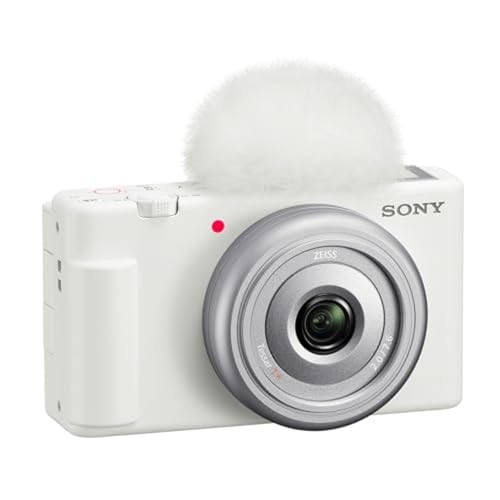
- Sony ZV-1F: check price on Amazon
- OM SYSTEM Olympus Tough TG-7: check price on Amazon
- Canon PowerShot SX740 HS: prose-only pick, the travel zoom
- Sony Cyber-shot DSC-HX99: prose-only pick, the long-zoom pocket camera
- Kodak PIXPRO FZ55: prose-only pick, the budget stills compact
- DJI Osmo Pocket 3: check price on Amazon
Three picks are linked and three are prose-only, and at this budget the reason matters enough to explain carefully. This guide links only listings verified against the maker’s own data. The Canon, the second Sony and the Kodak are established models whose marketplace listings vary by seller, bundle and production year; they are recommended as models — buy the exact name from a reputable seller — while the linked three carry the guide’s verification. No pick in this guide is priced in the text, because compact prices drift with seasons and sellers; the five-hundred frame is the keyword’s own boundary, and every pick was selected to live honestly within or beneath that class of budget, with any borderline case flagged in its section rather than hidden.
What does the stills-first brief change? Almost everything a video-led guide would rank. Zoom range matters again, because photographs are framed rather than filmed. Shutter response and shot-to-shot speed matter, because a photograph is an instant seized rather than a stream recorded. Viewfinders, control dials and raw files rise in value; flip screens for self-presentation fall. Buyers cross-shopping this guide against vlogging roundups should expect different winners, and should trust the difference: the camera that films you best is rarely the camera that photographs the world best at the same money.
The budget frame itself deserves one honest paragraph. Five hundred dollars in the current compact market buys either a specialised excellence — one thing done very well — or a competent generality. It does not buy the premium one-inch zoom compacts at their full stature, and this guide will not pretend a pick is something it is not: where a famous model sits above the frame, it is excluded rather than smuggled, and the picks below are the strongest stills cameras that honestly belong in the conversation at this level.
Key Takeaways
- Interpretation, stated openly: compact stills-first cameras within a five-hundred-dollar frame.
- Sony’s ZV-1F earns a stills place on its one-inch sensor and wide lens, not its video fame.
- The TG-7 is the frame’s rugged stills instrument, with raw files and macro talents.
- Canon’s SX740 HS and Sony’s HX99 deliver the long travel zooms stills shooters actually use.
- Kodak’s FZ55 serves the budget’s lower floor with AA-powered simplicity.
- The Pocket 3 closes the list as the stabilised stills-and-panorama specialist.
In this guide
Quick Picks
| Camera | Badge | Why it is here |
|---|---|---|
| Sony ZV-1F | Best sensor quality | One-inch stills quality and a wide lens for scenes, streets and interiors. |
| OM SYSTEM Olympus Tough TG-7 | Best rugged stills | Raw photographs in any weather, plus macro modes no rival here matches. |
| Canon PowerShot SX740 HS | Best travel zoom | A long optical zoom in a pocket body for holidays and family travel. |
| Sony Cyber-shot DSC-HX99 | Best long-reach pocket | Serious telephoto reach with a pop-up viewfinder for bright days. |
| Kodak PIXPRO FZ55 | Best budget stills | Simple, zoomed, AA-powered photography for the frame’s lower floor. |
| DJI Osmo Pocket 3 | Best stabilised stills | Gimbal-steady photographs and panoramas from a one-inch sensor. |
How were stills cameras ranked inside this budget frame?
Photographic fundamentals were restored to the top of the scoring, in the order stills shooters actually feel them. Lens quality and range first — a stills camera lives or dies by its glass, because every photograph is the lens’s opinion of the world. Sensor and file quality second, with raw support credited where it exists, because the stills workflow ends at an editing desk or a printer. Handling third: shutter response, control access and the viewfinder question on bright days. Video was scored last and lightly, as a bonus the stills buyer may enjoy rather than a reason to choose.
The budget frame was applied as a class, not a fiction of precision. Compact prices move with promotions, bundles and remaining stock, so picks were judged on the tier they inhabit — the cameras a five-hundred-dollar stills budget genuinely shops among — and any model whose natural home is clearly a tier above was excluded even when a stray listing might dip. That discipline is why some famous names are absent, and their absence is the guide’s honesty made visible.
Longevity closed the judging. A stills camera at this level is a multi-year companion, and picks were credited for build, battery availability and the maker’s support trail — the unglamorous properties that decide whether the camera is still photographing in year four. Marketplace mirages with inflated numbers were refused throughout, as they are in every guide in this series.

Sony ZV-1F — Best sensor quality
Judged purely as a stills camera — which is this guide’s brief, whatever the camera’s video reputation — the ZV-1F holds the strongest sensor in this price class: one inch of light-gathering area behind a wide, fast lens, producing photographs with a depth, cleanliness and low-light composure that the small-sensor zooms below cannot match. Streets at dusk, interiors without flash, portraits with genuine background separation at arm’s length — the stills genres where sensor size speaks — are this camera’s home ground, and it speaks there with an authority nothing else under the frame approaches.
The wide fixed lens defines the stills it takes: environmental scenes, architecture, group photographs, the subject in its place. Photographers raised on zoom discipline sometimes misread a fixed wide lens as a limitation until a month of carrying it teaches the older grammar — walk closer, compose with foregrounds, let the scene’s geometry do the arranging. The ZV-1F’s stills reward exactly that education, and its compact size means the lesson happens daily rather than on planned outings.
Sony’s autofocus, built for faces, serves stills portraiture directly: eyes found and held, subjects tracked across a room, the keeper rate on family photographs rising in a way owners notice within the first weekend. Colour is tuned for people and publishes without a grading habit, which suits the stills buyer whose editing ambitions are modest.
The stills-first caveats belong in print. The controls lean toward video work, the lens does not zoom, and the photographer who frames distant subjects — the far end of the zoo, the stage across the hall — should read the zoom picks below as their true home. Battery life is a day’s shooting rather than a trip’s, in the modern compact pattern.
Choose the ZV-1F as a stills camera when your photographs are scenes, people and places at conversational distance, and when sensor quality outranks reach in your priorities. Within this budget frame, it is the quality benchmark — the pick the others are measured against whenever light gets difficult.
- Type: fixed-lens compact, one-inch sensor
- Lens: wide and fast for scenes and people
- Focus: eye-priority for portrait keepers
- Role: the frame’s stills quality benchmark
Strengths
- Largest sensor quality under the frame
- Low-light stills rivals cannot match
- Face autofocus raises family keepers
Trade-offs
- Fixed lens, no zoom reach
- Controls lean toward video
- Day-length battery planning
Best for: scenes, streets, interiors and portraits. Not suited for: distant subjects or zoom-led travel.
Street photographers on a budget quietly adopted this camera for its invisibility: a small, unthreatening compact with a wide lens and fast face detection is the street genre’s classic toolkit, and its stills from markets and metros have a candour that bigger rigs announce themselves out of.

OM SYSTEM Olympus Tough TG-7 — Best rugged stills
The TG-7 is the stills camera for the photographs other compacts are not present for: the waterfall’s spray zone, the winter summit, the beach where sand is a weather condition, the building site and the boat deck. Waterproof, freeze-proof and shock-resistant, it records raw stills — a combination almost unheard of in the rugged class — and its macro modes photograph the small world at a level that wins competitions: frost, insects, rock crystals and the textures of a coastline, all from a camera that can be dropped on the subject’s habitat without consequence.
Raw matters to its stills case more than its size suggests. Rugged scenes are contrast scenes — white water, black rock, snowfields, wet stone — and the unprocessed file lets the photographer rebalance them at the desk instead of accepting the camera’s on-the-spot compromise. Owners who develop TG-7 raw files with restraint produce prints that reliably surprise viewers told what camera made them, which is the rugged class’s favourite party trick and this model’s genuine photographic credential.
The field-sensor logging — position, altitude, temperature written into the files — serves the documentary stills shooter: the survey, the site record, the long-term coastal project. Combined with the camera’s indifference to conditions, it makes the TG-7 the frame’s default choice for photographs that must exist regardless of weather, from insurance-adjacent documentation to the family holiday that rained for six days and still deserved an album.
Its photographic limits are the familiar ones, printed without varnish: a compact-class sensor whose dusk detail trails the Sony above, a modest zoom, and controls designed for gloved survival rather than studio finesse. It is a stills camera of attendance and toughness first, finesse second — and in the conditions it is bought for, attendance is the whole game.
Choose the TG-7 when your photography happens outdoors in the full sense of the word — wet, cold, dropped and carried on. Under this budget frame it is the only pick whose stills come with a weather guarantee, and entire photographic genres live inside that guarantee.
- Type: rugged compact, raw stills
- Build: waterproof, freeze-proof, shock-resistant
- Macro: microscope-class close focusing
- Logging: position and conditions in the files
Strengths
- Raw stills in any weather on earth
- Macro work beyond the class
- Documentation-grade file logging
Trade-offs
- Sensor detail trails the one-inch pick
- Modest zoom range
- Survival-first control layout
Best for: coasts, mountains, sites and all-weather families. Not suited for: dusk portraiture or long-reach subjects.
Gardeners and naturalists form an unexpected TG constituency: the macro modes turn a single garden into a multi-year stills project — dew, frost, pollinators, seed heads — photographed at dawn in weather that keeps the delicate cameras, and most of the gardeners, indoors.
Canon PowerShot SX740 HS — Best travel zoom
The SX740 HS is the travel stills camera in its classic form: a genuinely pocketable body carrying a long optical zoom, Canon’s colour and a control layout a holiday can be photographed on without a manual. Travel stills are reach stills — the tower detail, the distant headland, the child on the far side of the square — and this is the pick that brings them home framed rather than cropped, which at compact sensor sizes is the difference between a photograph and a rumour of one.
Canon’s rendering serves the holiday palette specifically: blue skies that stay believable, skin that survives noon sun, greens that do not turn to plastic. The zoom’s stabilisation keeps the long end usable in real hands, and the camera’s scene intelligence handles the common travel cases — backlit monuments, mixed museum light, the sunset everyone photographs — with a competence that lets the owner stay a tourist first and a photographer second, which is the correct order on holiday.
Digging one level deeper, the SX740’s stills workflow is pleasingly complete for its class: raw is not its emphasis, but its JPEG output is good enough that most owners never miss it, Wi-Fi moves the day’s keepers to a phone for the evening share, and the battery and card economy suits a trip’s rhythm. It is a camera designed by people who understood that travel photographs are judged by grandchildren, not by pixels.
The limits are the travel zoom’s eternal ones. The small sensor asks for daylight and rewards it; dusk softens detail, and the long zoom at full stretch in low light tests both stabilisation and patience. Video exists capably but is not the reason to buy it — this guide chose it as a stills instrument, and stills are where its value concentrates.
Choose the SX740 HS when the photographs are holidays, family travel and days out — when reach and pocketability outrank sensor size and the camera must vanish into a jacket between landmarks. It is the frame’s most complete travel stills answer.
- Type: pocket travel-zoom compact
- Zoom: long optical range for reach stills
- Colour: Canon’s holiday-proven rendering
- Sharing: Wi-Fi to phone for the day’s keepers
Strengths
- Real reach in a true pocket body
- Travel colour that flatters places and people
- Tourist-first simplicity of operation
Trade-offs
- Small sensor softens after dusk
- Raw is not its emphasis
- Full-zoom low light tests patience
Best for: holidays, family travel and sightseeing. Not suited for: evening events or raw-first workflows.
Cruise travellers are its natural flock, again for arithmetic reasons: one pocket camera that covers the wide deck shot, the port’s skyline and the companion’s portrait at the rail replaces a bag, and ship days are precisely the days a bag stays in the cabin.
Sony Cyber-shot DSC-HX99 — Best long-reach pocket
The HX99 pushes the pocket-zoom idea to its logical extreme: a very long optical zoom — the kind of reach that frames birds, boats and architectural detail from genuinely far away — inside one of the smallest bodies Sony ever built, with a pop-up electronic viewfinder for the bright days when screens surrender. For stills shooters whose subjects live at a distance, it offers something nothing else under this frame attempts: telephoto photography that fits a shirt pocket.
The viewfinder deserves emphasis, because it changes the camera’s class. Bright sunlight is the travel photographer’s daily condition and the screen-only compact’s daily defeat; the HX99’s pop-up finder restores composition, focus checking and a braced, steady shooting posture exactly when they are needed most. Combined with the zoom’s stabilisation, it makes long-reach stills a deliberate act rather than a hopeful one.
Sony’s processing gives the small sensor its best chance: raw recording is available for the serious frames — a rarity in the long-zoom pocket class — and the JPEG engine’s noise handling keeps daylight and early-evening files clean and printable at sensible sizes. Eye autofocus, inherited from the company’s serious line, serves the portrait end of the zoom range surprisingly well.
The taxes on extreme reach in a tiny body are physical and should be accepted knowingly. At the longest settings the lens is slow, demanding light or a steady rest; the sensor is compact-class small, so the dusk limits of its travel-zoom sibling apply with interest; and the body’s miniature controls ask for fingertip precision. None of this diminishes the central achievement — reach, in a pocket, under the frame — but buyers should want that achievement specifically rather than generally.
Choose the HX99 when your stills subjects are distant and your carry must be minimal: birders who walk, sailors, architecture hunters, travellers who photograph the far shore. It is the frame’s reach specialist, and specialists should be bought on purpose.
- Type: long-zoom pocket compact
- Finder: pop-up electronic viewfinder
- Files: raw available for serious frames
- Reach: telephoto framing from a shirt pocket
Strengths
- Extreme reach, genuinely pocketable
- Viewfinder for bright-day composition
- Raw in a class that rarely offers it
Trade-offs
- Slow lens at full telephoto
- Small sensor after dusk
- Miniature controls throughout
Best for: distant subjects and minimal carry. Not suited for: low-light work or large-print ambitions.
Harbour towns made this camera a local institution: the boat across the bay, the lighthouse detail, the gull on the far buoy — a whole genre of pocket telephoto stills exists along every coast, and this is the instrument its practitioners pass hand to hand.
Kodak PIXPRO FZ55 — Best budget stills
Not every buyer’s five hundred is a target; for many it is a distant ceiling, and the FZ55 serves the frame’s lower floor with dignity. It is a simple point-and-shoot with an optical zoom, a flash and AA battery power, producing bright, honest daylight photographs of the subjects budget cameras have always served: birthdays, beaches, school events, the family archive. Its presence in this guide is a deliberate statement — that a stills camera recommendation should exist for the buyer whose real budget is a fraction of the frame, without condescension and without invented specifications.
AA power remains its quietly radical feature. The camera never waits for a proprietary charger, never dies permanently on a trip, and can be handed to a child, a grandparent or a glovebox for a year and still wake instantly when fresh AAs arrive. In a guide full of rechargeable systems, that independence reads as a design philosophy: the camera as appliance, fuelled by the world’s most available battery.
The optical zoom earns the stills brief properly — real framing of the school stage and the zoo enclosure, rather than the digital crops that disgrace so many budget listings — and the camera’s simplicity keeps the photograph the point. Video is a souvenir function, low light is flash territory, and the sensor is modest; all of this is stated here as plainly as the guide states the flagship picks’ limits, because honesty at the bottom of a budget matters more, not less.
Choose the FZ55 when the stills camera’s job is family memory at the lowest sensible cost — a first camera, a spare camera, a camera whose loss would be an anecdote rather than a claim. It photographs the same birthdays as everything else in this guide, and the album will not care which shelf the camera came from.
- Type: simple point-and-shoot compact
- Zoom: optical, for real framing
- Power: AA batteries, universal and instant
- Role: the frame’s honest lower floor
Strengths
- Optical zoom at a fraction of the frame
- AA independence anywhere on earth
- Simple enough for any owner
Trade-offs
- Video is a souvenir function
- Flash-led low-light results
- Modest sensor and files
Best for: first cameras, spares and family duty. Not suited for: dusk events or print ambitions.
School departments buy this class of camera by the box for a reason worth respecting: art trips, science fairs and sports days get documented by students themselves, on equipment whose loss is a shrug, and the resulting archives are often the most joyful stills a school owns.

DJI Osmo Pocket 3 — Best stabilised stills
The Pocket 3 closes the list as the stills specialist nobody expected: a gimbal camera whose one-inch sensor, mechanical steadiness and panorama discipline make it a genuine photographic instrument for the scenes that move or sprawl. Its stills benefit from the gimbal in a way hand-held compacts cannot imitate — slower exposures in dawn light, held steady by motors rather than by breath control — and its automated panoramas stitch wide scenes with a precision that turns a coat-pocket device into a landscape tool.
The sensor’s quality anchors the case. One-inch files with raw available, colour that landscape and city shooters praise, and low-light behaviour that extends the photographic day at both ends: the Pocket 3 photographs interiors, evenings and city nights with a composure the small-sensor zooms cannot follow. As a stills camera it is unorthodox in shape and entirely serious in output.
Its photographic method differs from the traditional compacts and should be chosen knowingly. Composition happens on a small screen or through the phone app; the lens is fixed and wide; and the gimbal head asks for careful packing. What the method returns is unique in this guide: stills and panoramas gathered while walking, travelling light, filming the same scene a moment later — the hybrid day, documented by one device that never needed a bag.
Battery sessions and the absence of a zoom bound the case honestly. This is the stills pick for the photographer whose other hand holds a itinerary rather than a camera bag, and whose subjects are scenes and cities rather than distant details.
Take the Pocket 3 along when stills and filming share the same trip, when panoramas and dawn exposures matter, and when the smallest possible kit is a photographic value in itself. It is the frame’s modernist pick — proof that a stills camera no longer has to be shaped like one.
- Type: gimbal compact, one-inch sensor
- Stills: raw-capable with motor-steadied exposures
- Panorama: precise automated stitching
- Carry: the smallest complete kit here
Strengths
- Steady slow exposures at dawn and dusk
- One-inch stills quality in a pocket wand
- Panoramas without tripod ritual
Trade-offs
- Fixed wide view, no zoom
- Gimbal head needs careful packing
- Small screen for composition
Best for: travelling hybrid shooters and panoramas. Not suited for: distant subjects or rough handling.
City-break photographers give it its most modern use: one device in a coat pocket photographs the cathedral at dawn — stills, panorama, a slow gimbal walk-through — before breakfast, and the traditional camera bag never leaves the hotel, because it was never packed.
How do the best compact photography cameras under 500 compare side by side?
| Camera | Home ground | Signature strength | Watch out for |
|---|---|---|---|
| Sony ZV-1F | Scenes and people | One-inch stills quality | Fixed wide lens |
| OM SYSTEM Olympus Tough TG-7 | Weather and macro | Raw stills, total toughness | Dusk detail |
| Canon PowerShot SX740 HS | Travel days | Long zoom, Canon colour | Small sensor evenings |
| Sony Cyber-shot DSC-HX99 | Distant subjects | Extreme reach, viewfinder | Slow lens at full zoom |
| Kodak PIXPRO FZ55 | Family duty | AA simplicity, low cost | Modest files |
| DJI Osmo Pocket 3 | Hybrid travel | Steady stills and panoramas | No zoom, delicate head |
What should a stills buyer check in the shop?
Shutter response, with your own hands. Press the button on a moving subject — a companion walking across the shop — and feel whether the camera seizes the instant or negotiates with it. Stills photography is a reflex sport at family scale, and the lag you can feel in the shop is the photograph you will miss at the birthday. Check the zoom’s speed and sound, the screen’s behaviour in the doorway’s daylight, and whether the controls fall under your fingers without a search. A stills camera is operated by touch for years; ten minutes of handling predicts more than a month of reviews.
Then check the unglamorous logistics: which battery it eats and whether a second is sensibly priced, which card it takes, whether the charger travels well, and what the maker’s support looks like in your country. Under this budget frame, ownership costs decide satisfaction as surely as image quality, and the camera whose spare battery is findable in five years is the camera still working in five years.
Which mistakes do stills buyers make at this level?
Buying video specifications for a stills job leads the list — paying for filming features while the lens, the stills sensor performance and the shutter go unexamined. This guide exists in its stills-first form precisely because the market’s noise runs the other way. Read your own intention honestly: if nine of ten outings end in photographs, buy the photograph’s camera and let video be the bonus it is in these picks.
Chasing megapixels runs second, and at compact sensor sizes it is actively misleading: more pixels on a tiny sensor can mean worse low-light stills, not better ones. Judge by sensor size and lens quality — the properties this guide ranked — and let the pixel count be whatever honest number the maker fitted. Third is ignoring the return window’s first weekend: a stills camera reveals itself across one family day, one walk and one evening, and buyers who test all three inside the window own the right camera by Monday.
How do you get sharper stills from a compact?
Hold it like a camera, not a phone: two hands, elbows in, the shutter pressed rather than jabbed. Compacts are light enough that camera shake is their native blur, and the classic stills posture — inherited from a century of heavier equipment — cures more softness than any setting. Where the pick offers a viewfinder, use it on bright days: the braced face is a tripod you always carry.
Then mind the shutter speed the camera chooses. Indoors and at dusk, compacts drift toward slow speeds that turn moving children into ghosts; raising sensitivity one stop, accepting a little grain, buys the speed that keeps the subject. Grain can be forgiven by everyone who loves the photograph; motion blur of the main subject cannot. The stills shooters whose family albums stay sharp learned that trade once and never unlearned it.
What about printing from these cameras?
Print with confidence at the sizes family life actually hangs. The one-inch picks produce files that enlarge handsomely to the classic album and wall sizes; the travel zooms print their daylight work happily at moderate sizes; the budget pick prints the sizes its photographs are for — the fridge, the frame, the grandparents’ mantelpiece — without apology. Printing is also the finest quality audit a stills buyer owns: one enlargement per camera outing teaches more about the lens and sensor than a folder of screen views.
Keep the original files as the negatives they are. Cards get reused and phones get replaced, but a simple archive — the year’s photographs in two places, named by month — preserves the stills long after the camera is retired. A five-hundred-dollar camera’s true product is not the device; it is the decade of photographs, and they deserve the same care at the desk that the picks above give them in the hand.
How does the stills compact fit alongside a phone?
As the deliberate instrument beside the accidental one. The phone photographs what happens near you, automatically, always; the compact photographs what you went to see — with a zoom the phone crops to imitate, a shutter button gloves and wet hands can use, a sensor and lens chosen for the photograph rather than for the device. Owners of the picks in this guide describe the division settling naturally within a month: the phone keeps the receipts and the spontaneous snaps, the compact takes the trips, the events and the photographs intended for frames. Neither replaces the other; the compact replaces the photographs the phone was quietly failing.
How does each pick handle the family holiday examination?
Every stills camera in this frame eventually sits the same examination: two weeks, one family, weather that ignores the brochure, and a card that must come home containing the holiday as it actually felt. The travel zooms pass on coverage — nothing on a holiday is out of their reach, from the wide harbour to the distant castle — and their weakness appears only when the examination extends past dinner into the evening, where the one-inch Sony takes over the paper. The TG-7 passes a different paper entirely: the holiday where it rained, where the boat trip soaked everything, where the camera was dropped on the harbour steps on day two and photographed the remaining twelve days regardless.
The Kodak’s examination result surprises its sceptics: examined on joy rather than specifications, its album is indistinguishable in spirit from cameras at five times its cost, because family holidays are photographed in daylight, at conversational distances, by people laughing too hard to hold anything perfectly steady. The Pocket 3 writes the modern paper — stills, panoramas and moving clips interleaved — and passes with the highest marks for the journey’s narrative and the lowest for the distant detail. Knowing which examination your family sets is the whole of choosing well in this guide.
What separates a snapshot from a photograph at this level?
Intention, visible in three habits. The snapshot shooter raises the camera at the finished scene; the photographer arrives early, chooses where to stand and waits for the scene to complete itself — the cloud, the person, the wave. The snapshot accepts the camera’s framing; the photographer moves two steps left and deletes the lamppost from the composition with their feet. The snapshot takes one frame; the photographer takes three and keeps the one where the expression landed. None of these habits costs money, all of them are available to every pick in this guide, and together they explain why the same camera produces albums of wildly different quality in different hands.
Equipment contributes at the margins where habits cannot reach: the shutter that fires when the moment does, the zoom that frames from the only standing place available, the sensor that holds the evening’s light a stop longer. That is the honest size of a camera’s contribution to stills quality at this level — real, worth choosing carefully, and smaller than the contribution of the person holding it. Buyers who internalise that proportion spend wisely and photograph happily; buyers who reverse it shop forever.
How should a beginner grow with one of these cameras?
Month one belongs to automatic everything and volume: photograph daily, review weekly, and let the camera’s decisions teach the baseline. Month two introduces one manual idea at a time — exposure compensation for the bright beach and the dark room first, because it corrects the automatic system’s two favourite errors — and the beginner who masters that single control has acquired most of what separates deliberate stills from lucky ones. By month six, the camera’s scene modes feel like training wheels the rider has outgrown, and the picks with raw files and manual controls reveal why this guide valued them: they were not features for day one but headroom for year two.
The growth path also clarifies the upgrade question in advance. A beginner who outgrows the Kodak’s simplicity upgrades within the frame to a zoom or a sensor pick; a beginner who outgrows the frame itself upgrades with precise knowledge of which property failed them — reach, light or control — rather than a vague hunger for better. Cameras bought as teachers repay their price in self-knowledge even when they are eventually replaced, which is why the honest lower floor of this guide matters as much as its ceiling.
Why does the second-hand market haunt this price frame?
Because five hundred dollars is where yesterday’s premium compacts come to rest, and the temptation deserves a fair hearing rather than a dismissal. A used premium compact can out-photograph everything in this guide on the day it arrives — and can also arrive with a tired battery, a scratched lens, a shutter count in its late middle age and no warranty standing behind any of it. The new picks here trade that gamble for certainty: full battery life, clean glass, a returns window and a support trail. Neither answer is wrong; they are different risk appetites wearing the same budget.
Buyers who do go second-hand should apply this guide’s discipline in translated form: exact model names, hands-on shutter and zoom tests, battery health questions asked out loud, and a seller whose reputation is the real product. The stills fundamentals do not change with the market — lens, sensor, shutter, file — and a used camera judged by them, bought from a person who answers questions, can be the frame’s smartest purchase. It is simply not a purchase a guide can verify on your behalf, which is why the recommendations above are the cameras it can.
How do these cameras divide a photographer’s year?
Look at the calendar honestly and the picks sort themselves by season. Spring and summer — travel, sport, gardens, the long bright evenings — belong to the zooms and the rugged pick, whose reach and toughness match the year’s outdoor grammar. Autumn belongs to everyone: colour at conversational distances, family events returning indoors, the one-inch sensor beginning its annual ascendancy as the light fails earlier each week. Winter is the Sony’s season outright — interiors, celebrations, dusk at four in the afternoon — with the TG-7 holding the outdoor franchise against frost and storm for the photographers who refuse to let the season indoors them.
Few owners buy seasonally, of course; the exercise exists to expose which season’s photographs you would most hate to lose. The buyer who answers “the summer trip” and the buyer who answers “Christmas at home” need different cameras from this same shortlist, and both answers are available under the frame. That is the real shape of choice at this level — not a ladder with a best camera at the top, but a calendar with the right camera at each of its turning points, and a buyer wise enough to know which turning point is theirs.
What role does the photographer’s phone play in the archive?
A supporting one, if the compact is doing its job — and the archive’s organisation should say so explicitly. The healthiest stills workflow at this level treats the compact’s card as the master record: copied whole, backed up, named by event, while the phone’s photographs flow into the same folders as the candid layer. Photographers who merge the two streams carelessly discover, years later, that the birthday exists as forty phone snaps and three compact frames with no system distinguishing them — and that the compact’s better files, the ones worth printing, have dissolved into the general flood.
The division of labour also protects the compact’s purpose. A camera whose photographs are reviewed, selected and printed stays a camera; a camera whose card is dumped unexamined into a phone-sized archive becomes an expensive way to take phone photographs. The stills discipline this guide has praised — intention, selection, the printed audit — is mostly an archiving discipline, and it costs nothing but the ten minutes after each outing that separate a photographer from a person with a full card.
How should you spend the change from the budget?
Because several picks here land well beneath the frame, the leftover deserves the same deliberation as the camera. The hierarchy of stills accessories, in the order they improve photographs, runs: a second battery, because dead cameras take no photographs at all; a faster, larger card, because the stills burst and the raw file both eat storage the kit card rations; a proper case, because compacts die by crushing and scratching in bags that were never designed for them; and a mini-tripod, because the evening and interior genres open the moment the camera can hold still longer than its owner’s hands. Filters, lights and exotic straps wait below all four, whatever the shop’s display suggests.
There is also the non-accessory the budget’s remainder buys best: printing. A year’s worth of enlargements costs less than most accessory bundles and teaches more, faster, than any of them — about the camera, about the light the owner actually shoots in, and about which of the guide’s trade-offs genuinely matter in their hands. The stills buyer who spends the change on prints ends the year a better photographer with the same camera, which is the only upgrade that compounds.
What makes a stills camera worth keeping for a decade?
Ask the owners of decade-old compacts and their answers converge on properties no launch review measures. The lens stayed clean and its mechanism true. The battery remained buyable long after the model left the shops. The controls never required relearning after a month’s rest, because they were few, physical and where the hands expected them. And the files — this is the answer that matters most — still open, still print and still look like the day they record, because honest sensors and honest lenses age into a classic rendering rather than an obsolete one.
Every pick in this guide was chosen partly against that decade test. The makers represented here have long support tails; the designs are mature rather than experimental; the files are standard and will outlive any app. A stills camera is one of the few electronic purchases that can still plausibly serve a grandchild’s school project, and buying it as a decade instrument — rather than a season’s gadget — is the mindset that makes the five-hundred frame feel generous instead of tight.
How do you choose when two picks both fit?
Break the tie with the photograph you would frame. Imagine the single image you most want from the next year — the summit portrait, the harbour at dawn, the grandchild’s recital, the garden’s first frost — and ask which pick makes that specific frame most surely. Tie-breaks resolved by a named photograph almost never disappoint, because they force the abstract specification contest back into the only terms that ever mattered. If both picks make the frame equally surely, choose the one that is simpler to own: the cheaper battery, the tougher body, the controls your hands preferred in the shop. Ownership is a longer relationship than any single photograph, and simplicity is the property that survives it best.
Why do stills photographers distrust automatic everything?
Mostly, they do not — they distrust automatic decisions they cannot override in the second the photograph offers. The picks in this guide earn professional respect precisely where their automation is both excellent and escapable: exposure compensation under a thumb, focus that can be pointed rather than merely trusted, scene intelligence that steps aside when the photographer knows better. The stills buyer’s real requirement is not manual control everywhere but a veto anywhere — the ability to tell the camera that this face, this brightness, this moment is the one. Cameras that grant the veto get carried for years by photographers who shoot automatic ninety percent of the time, because the ten percent is where the portfolio lives.
What is the first photograph to take with a new stills camera?
Not a test chart and not the cat, however traditional the cat may be. Take the photograph the camera was bought for — the view from the hill, the child at the table, the street at dusk — within the first day, while the purchase’s intention is still vivid. That frame becomes the baseline the whole ownership is measured against: the print that proves the choice, or the honest disappointment that sends the camera back inside its return window while returning is still a sentence rather than a regret. Cameras, like resolutions, decay with delay; the first photograph taken on purpose is the one that turns a transaction into a practice.
Finally, a reassurance for the buyer paralysed between these six: the differences among them are differences of emphasis, not of worth. Each one will photograph a family’s year beautifully, each one has a community of owners who would defend it warmly, and the photograph that matters most in the coming year will be taken by whichever camera is charged, carried and pointed with intention. Choose the emphasis that matches your calendar, and then stop shopping — the photographs are waiting on the other side of the decision, and they have always been the point.
Spend the money once, spend it on the emphasis that matches your year, and then give the camera the only gift that ever improved a photograph: use. The six instruments above are ready when you are.
Final Recommendation
Choose by the photographs you actually take. Scenes and people in difficult light belong to the ZV-1F’s sensor. Weather, water and macro belong to the TG-7. Travel reach belongs to the Canon, extreme reach to the little Sony HX99, family duty at the lowest cost to the Kodak, and the travelling hybrid day to the Pocket 3. The best compact photography cameras under 500 share a discipline the video-led market forgets: they were judged here as cameras first — lens, sensor, shutter, file — and every pick earns its place on the photographs it will take in year three, not the features it lists in week one.
Frequently Asked Questions
Why are some famous premium compacts missing?
Because their natural price tier sits above this guide’s frame, and smuggling them in on a stray discounted listing would make the budget meaningless. The picks here are the strongest stills cameras that honestly live in the five-hundred class; the premium tier has its own roundups elsewhere in this series.
Is raw important in a stills camera at this level?
Where it is offered — the TG-7, the HX99, the Pocket 3 — it is a genuine asset for contrast-heavy scenes and considered editing. Where it is not, good JPEG engines from Canon and Kodak serve the family archive perfectly well. Buy raw if you edit; do not buy guilt if you do not.
Which pick is best for photographing children?
The ZV-1F for its face-finding autofocus and low-light sensor at indoor distances; the Kodak for handing to the children themselves. Between those two answers, most family photography at this budget is honestly covered.
Can these cameras handle a wedding as a guest?
As a guest, gladly — the one-inch picks for the evening, the zooms for the ceremony from the back, all of them more discreet than a phone held high. As the wedding’s photographer, no camera in this frame should carry that responsibility, and this guide will not pretend otherwise.
How long will a camera at this level last?
Years, with ordinary care: lens cloth, dry storage, a battery rotation. The travel zooms and the rugged pick are built for exactly that service life, and the makers represented here support their compacts with parts and batteries well beyond the selling season.
Should I buy the extended warranty or the accessories bundle?
Neither, usually. Spend the same money on a spare battery, a second card and a decent case — the accessories that demonstrably extend a stills camera’s working life — and let the bundle of filters and tripods wait until a specific photograph asks for a specific tool.
Related Guides
Stills shooters whose budget stretches should compare the best compact cameras for landscape photography guide, while travel specialists will find the zoom question explored in the best travel zoom cameras roundup. For the family end of the frame, see the best cameras for family photography guide.


