reviewstook.com is reader-supported. When you buy through links on our site, we may earn an affiliate commission.
Where to buy
Retro is the most abused word in modern camera marketing, so this guide begins by defining it honestly. The best compact cameras for video recording retro are not cameras in fancy dress; they are cameras whose way of working — dials instead of menus, film-born colour instead of laboratory neutrality, grain and imperfection treated as texture rather than failure — produces footage that feels like it was shot in another decade, and a shooting experience that slows the filmmaker down in the ways the footage rewards. Retro, properly understood, is a method before it is a look: the look can be filtered onto anything in an afternoon, but the method changes what you choose to film, and that is why the footage differs.
- Fujifilm X100V: check current listings and availability
- Panasonic Lumix LX100 II: check current listings and availability
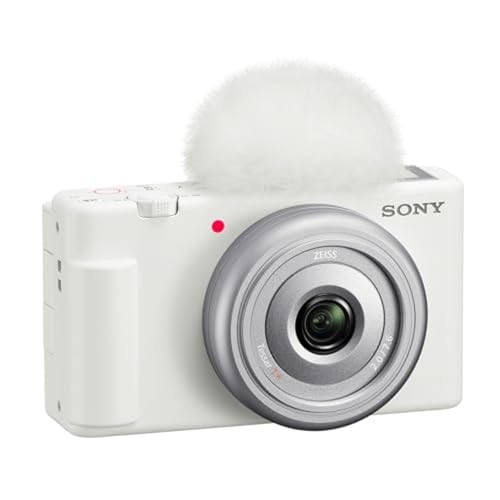
- Sony ZV-1F: check price on Amazon
- DJI Osmo Pocket 3: check price on Amazon
- Nikon Z50 II: check price on Amazon
- Insta360 GO 3S: check price on Amazon
The six below divide into the genuine article and the honest interpreters. Two are film-heritage compacts whose colour science and controls descend directly from the emulsion era. The rest are modern instruments — a creator compact, a gimbal camera, a small system, a wearable — that earn their place by serving retro projects well: as the second angle, the diary camera, the effects unit, the footage source that a film-look grade will love. A retro guide that pretended only two cameras exist would fail the filmmakers actually working in the style, most of whom mix eras on purpose.
Four picks link to pool-verified listings; the two film-heritage cameras are recommended without a link because they sit outside this site’s verified pool, and they are identified in the accompanying notes. Nothing about their ranking was influenced by that absence — they lead the guide.
Key Takeaways
- Retro video is a method — dials, restraint, film-born colour — not a filter applied afterwards.
- The Fujifilm X100V’s film simulations remain the benchmark for in-camera period colour.
- The LX100 II’s aperture ring and shutter dial make exposure a physical act, and the footage shows it.
- Modern picks earn their place as second angles and diary cameras inside a retro production.
- Grain should be chosen, not suffered: shoot clean, add texture deliberately, keep the master honest.
- Sound dates footage faster than image — period projects live or die by their audio choices.
In this guide
Quick Picks
| Camera | Badge | Why it is here |
|---|---|---|
| Fujifilm X100V | Best true retro compact | Film simulations, hybrid finder and dials — the emulsion era, digitised with respect. |
| Panasonic Lumix LX100 II | Best dial-led video compact | Aperture ring and shutter dial over a larger sensor, for deliberate period footage. |
| Sony ZV-1F | Best retro-diary camera | Soft, immediate, face-kind footage that grades into a home-movie look beautifully. |
| DJI Osmo Pocket 3 | Best for period movement | Gimbal glides that recall dolly shots, on a sensor that loves a filmic grade. |
| Nikon Z50 II | Best retro system base | Modern reliability with picture controls and vintage-style lenses for period projects. |
| Insta360 GO 3S | Best home-movie angle | A wearable that shoots life from inside it — the Super 8 spirit in a thumbnail. |
How were these six chosen for a retro brief?
Colour provenance came first. Cameras were favoured whose colour science descends from film rather than from a television studio: simulations modelled on real emulsions, highlight behaviour that rolls off the way film’s shoulder did, skin tones that stay waxy-true instead of broadcast-bright. This is a quality that survives grading and cannot be pasted on afterwards, because a filter applied to neutral footage tints the neutrality; it does not recreate the way film stocks distributed their colour decisions across a scene.
Controls came second, and they were judged as a filming experience. Does changing aperture feel like turning something? Can exposure be set by touch, eyes on the scene, the way a film camera demanded? Retro projects are usually personal projects — weddings shot like home movies, travel films, band promos, family archives — and the camera’s tactility shapes the filmmaker’s patience, which shapes the footage’s calm. Menu-driven cameras were marked down unless, like the modern picks here, their role in a retro production is a different job entirely.
Motion character formed the third test. Period footage moves differently: locked-off frames, slow pans on a tripod’s friction, the gentle weave of a handheld shot with weight in it. Cameras were credited for stabilisation that can be civilised — present but not levitating — and for shutter behaviour that lets motion blur breathe at the classic angles, rather than the staccato crispness of high-frame-rate modernity.
Finally, honesty about the modern picks’ roles. A gimbal camera is not a retro object, and this guide does not pretend otherwise; it is here because its glide recalls the dolly and its sensor grades like a dream. Each modern pick carries its role in plain language, and filmmakers who want purity above all should simply buy the first two and stop reading — the guide will not be offended.
Fujifilm X100V — Best true retro compact
The X100V is the camera the retro brief was invented for, because its retro is not styling but inheritance. Fujifilm made film for most of a century, and its simulations are that archive translated: colour responses modelled on named emulsions, each with a personality a filmmaker can choose the way a 1975 director chose a stock. Set one, shoot the wedding, the road trip, the band’s tour diary, and the footage arrives with a period coherence that grading neutral files toward the same look rarely achieves — the highlights shoulder softly, the greens sit where memory keeps them, and skin stays kind.
The controls teach the method the introduction promised. Aperture is a ring, shutter speed is a dial, sensitivity has its own lift-and-turn collar, and the hybrid viewfinder lets the filmmaker compose optically — seeing the world unprocessed, as a film camera’s finder showed it — then check the electronic truth with a flick. Working this way slows the hand and steadies the eye; rushes from an X100V shoot have a deliberateness that viewers register as authenticity without knowing why.
Its lens, a fast moderate-wide, is the home-movie focal length of the collective memory: close enough for intimacy, wide enough for the room, honest about distance. On video it renders with a gentleness that flatters faces at gatherings — precisely the retro project’s home ground — and the camera’s leaf shutter, silent and flash-friendly, serves the stills that accompany such projects, from the poster frame to the album.
The boundaries are the familiar ones, repeated because buyers keep hoping they are negotiable. The lens does not zoom, so the filmmaker moves or accepts the frame; autofocus is capable rather than relentless, asking for the deliberate focusing the method prefers anyway; weather sealing is partial and wants its adapter for full confidence; and the camera’s fame has made it scarce and sometimes strangely priced, a market fact to budget patience for.
Video specifications, deliberately, are not this pick’s headline — and that is the point the retro brief exists to make. Filmmakers chasing the highest numbers should take the modern picks below. Filmmakers chasing a feeling that survives compression, projection and twenty years of rewatching should start here, because the X100V’s footage has the one quality no specification sheet lists: it looks like it was always going to age well.
Pair it with a small tripod, a microphone for the voices, and the discipline of one simulation per project. The constraint is the aesthetic. Owners who hop stocks mid-film produce a scrapbook; owners who commit produce a period piece.
- Type: fixed-lens compact, APS-C sensor
- Colour: film simulations from real emulsions
- Controls: aperture ring, shutter and ISO dials
- Finder: hybrid optical/electronic
Strengths
- Period colour in-camera, coherent across a project
- Dial-led shooting slows and steadies the work
- Lens renders gatherings with home-movie warmth
Trade-offs
- Fixed lens; the filmmaker supplies the zoom
- Autofocus prefers deliberation to pursuit
- Scarce in shops and priced by its fame
Best for: weddings, tour diaries and personal films in a period voice. Not suited for: specification-led production or zoom-dependent shooting.
Choose the simulation before the first frame and defend it like a director defending a stock. The X100V rewards conviction with footage that looks inevitable.
Panasonic Lumix LX100 II — Best dial-led video compact
If the Fujifilm is retro by colour, the LX100 II is retro by hand. An aperture ring around the lens, a shutter-speed dial on the shoulder, exposure compensation on its own wheel: the three decisions of cinematography are physical objects here, set by touch while the scene unfolds, and the footage inherits the temperament that workflow creates — unhurried, deliberate, exposed with intent rather than by committee. For filmmakers who believe the retro look begins in the shooting rather than the grade, this is the most honest instrument in the guide.
Its sensor, larger than the one-inch class and multi-aspect in design, gives its video a depth the smaller compacts rent from processing. The aspect-ratio switch is a filmmaker’s toy with a serious purpose: frame a project in a squarer, older ratio natively, composing for the period shape rather than cropping toward it in the edit and discovering the compositions were wrong. Retro projects live and die by such coherence, and the LX100 II is the only compact here that builds the frame’s shape into the camera’s body.
The lens covers the working span of a personal film — the establishing wide, the conversational middle, the gentle close — with a fast aperture at the end where interiors live. Panasonic’s colour, less mythologised than Fujifilm’s, is restrained and true, which the experienced grader may actually prefer: a neutral-honest file with filmic highlight behaviour is a better canvas for a period grade than a strong flavour that must first be argued with.
Video is a serious capability here rather than the headline — 4K recording with the larger sensor’s depth, in a body whose stills pedigree reassures the hybrid shooter — and its limits are the era’s: autofocus that tracks politely rather than hunts, a fixed rear screen that low angles must negotiate, and no weather sealing for the rainy-day shoot. Retro projects, usually planned and deliberate, forgive all three more readily than run-and-gun work does.
The ownership experience completes the brief. This is a camera that feels like an instrument from the decades it channels — metal where hands land, resistance in the dials, a shutter sound with manners — and filmmakers consistently report that the object itself puts them in the period headspace before the first frame. Method, again: the camera as a rehearsal for the footage.
Choose it if your retro is built in the grade and the shooting discipline rather than in a simulation menu — and if your projects are composed, lit and patient enough to deserve a camera that insists on all three.
- Type: enthusiast compact, larger multi-aspect sensor
- Controls: aperture ring, shutter dial, compensation wheel
- Framing: switchable native aspect ratios
- Colour: restrained, grade-friendly
Strengths
- Exposure as a physical, eyes-up act
- Native period aspect ratios for coherent framing
- Files grade toward any era without resistance
Trade-offs
- Fixed screen limits low filming angles
- Tracking focus is polite, not predatory
- No weather sealing
Best for: deliberate personal films, period shorts and grade-led workflows. Not suited for: fast documentary pursuit or vlogging ergonomics.
Set the aspect ratio at the project’s birth and never touch it again. The LX100 II’s discipline is contagious, and the footage is the proof of infection.

Sony ZV-1F — Best retro-diary camera
The ZV-1F is a thoroughly modern object that happens to be the finest home-movie camera in this guide, and the home movie is retro’s beating heart. Its wide fast lens, its total face-priority — focus, exposure and skin all organised around the people in the frame — and its gentle, slightly soft rendering produce footage that needs only a whisper of grain and a warm grade to sit convincingly beside digitised family reels. Where the Fujifilm recreates the art film, the Sony recreates the birthday party of 1986, and for most personal projects that is the era actually being mourned.
Its simplicity is a period virtue in disguise. The home-movie cameras of the past had one control that mattered — the trigger — and the ZV-1F’s creator-first design approaches that innocence: point, record, trust the faces to be handled. Filmmakers who hand it around a family gathering, as its ancestors were handed around, collect the multi-authored diary that no single-operator production can imitate, and its flip screen makes every contributor a competent cinematographer within a minute.
The microphone input lets the diary keep its voices at modern quality, which raises the guide’s recurring audio question in its sharpest form: period image, present sound. Most retro diarists choose exactly that split — the past looked soft and sounds like itself — because voices are where the people actually are. The ZV-1F serves the choice better than any pick here, with face-kind exposure that holds a speaker against a bright window while the microphone does the remembering.
Stabilisation is adequate for the walking-and-talking diary, and its slight organic movement, honestly, suits the genre better than a gimbal’s levitation would: home movies breathe. Filmmakers chasing a more produced period look should civilise the movement with a small tripod for the set pieces and let the handheld footage be the diary it wants to be.
Boundaries, briefly: the fixed wide lens is the diary’s frame and its limit, the stills engine is a companion rather than a co-lead, and nothing about the camera’s design pretends to the Fujifilm’s tactility. It is the modern instrument a retro project uses for its heart rather than its head — and projects need both, which is why it sits third here without apology.
Buy it for the family archive, the band’s social diary, the travel film that should feel remembered rather than produced. Grade it warm, grain it lightly, and keep the voices clear.
- Type: creator compact, one-inch sensor
- Lens: wide and fast; the home-movie frame
- Face systems: focus, exposure and skin in concert
- Audio: microphone input for clear voices
Strengths
- Home-movie warmth from a modern sensor
- Anyone can film with it in a minute
- Voices recorded at full modern quality
Trade-offs
- Fixed wide lens only
- No dial-led retro handling
- Stills play a supporting role
Best for: family diaries, gatherings and social films with a period heart. Not suited for: tactile purists or zoom-dependent production.
Pass it around the table at the next gathering and review the footage a week later. The ZV-1F’s retro is not a look it applies; it is a way a room films itself.

DJI Osmo Pocket 3 — Best for period movement
Period films move like they are on rails, because they were: dollies, tracks, and the operator’s whole body committed to the glide. The Pocket 3 is the modern instrument that recovers that movement without the rails — a one-inch sensor on a three-axis gimbal that turns a walk through a period street, a push-in toward a speaker, a slow reveal of a room into the floating grammar of classical cinematography. Inside a retro production it is the movement unit, and its footage, graded warm, cuts against the Fujifilm’s locked frames like a studio picture’s two cameras.
The sensor is why the trick works. A gimbal carrying a small, noisy sensor produces smooth footage of nothing worth watching; the Pocket’s one-inch files hold evening light, keep faces composed, and accept a filmic grade — grain, halation, the gentle shoulder — with the grace of a much larger camera. Dusk exteriors, the retro project’s favourite hour, are where it quietly outclasses every stabilised rival.
Subject tracking serves the period piece’s favourite shot: the walk-and-talk. Two performers crossing a market square in conversation, held in frame by the gimbal’s patience while the operator walks backwards like a focus-puller’s ghost — the Pocket makes a small crew look like a production, and its smallness keeps the performance natural in public places where a rig would gather a crowd and ruin the period illusion with modern onlookers filming it.
Audio pairing completes the production case: wireless microphones on the performers, the camera gliding at a distance, dialogue recorded at a quality the image’s period dress belies. The guide’s audio doctrine applies — voices in the present tense, image in the past — and no pick executes the split more cleanly.
Honesty about the object itself: nothing about a gimbal wand is retro, its stabilisation must sometimes be restrained in the settings to keep a whisper of human movement in the frame, and its stills are a sideline. It earns its place as equipment, not as costume — the dolly department of a pocket-sized studio — and retro filmmakers who understand the division of labour will not ask it to be anything else.
Plan its shots like dolly shots: mark the path, rehearse the pace, let the move mean something. The Pocket rewards the classical discipline it was, by happy accident, built to serve.
- Type: gimbal camera, one-inch sensor
- Movement: three-axis glide, the pocket dolly
- Tracking: subject follow for walk-and-talk scenes
- Light: evening files that accept a filmic grade
Strengths
- Classical movement without rails or crew
- Sensor grades like a larger camera’s
- Public places stay unperformed around it
Trade-offs
- Stabilisation can feel too perfect for the genre
- Stills are a sideline
- Gimbal head needs careful packing
Best for: period shorts, music videos and wedding films with movement. Not suited for: purists who want the object itself to be retro.
Slow the glide down in the settings and walk at a mourner’s pace. The Pocket’s period voice speaks at dolly speed, not drone speed.

Nikon Z50 II — Best retro system base
Every retro production eventually meets a scene its charming compacts cannot shoot: the night exterior, the long-lens compression down a period street, the reliable all-day workhorse work. The Z50 II is the production’s insurance — a modern APS-C system whose picture controls can be tuned toward filmic colour, whose mount accepts lenses with vintage rendering character, and whose autofocus, battery discipline and video reliability belong entirely to the present. Retro as a look, professionalism as a foundation: many working filmmakers build exactly here.
The lens argument is the deep one. Older and characterful glass — soft at the edges, gentle in contrast, prone to the flares that modern coatings abolished — draws period footage at the optical level, before any grade, and a system body is the only pick here that can host such glass. Pair the Nikon’s clean sensor with a lens that dreams a little, and the footage acquires the one retro quality filters simulate worst: optical imperfection with a personality.
Its picture controls give the in-camera route for productions that cannot afford a grading suite: soften the contrast curve, warm the balance, restrain the sharpening, and the rushes arrive period-adjacent straight from the card. The discipline the Fujifilm enforces by heritage, the Nikon offers by configuration — less romantic, equally effective, and repeatable across a crew.
Reliability is the unglamorous headline. A wedding shot as a period piece, a band’s one-day promo, a short film’s single weekend: these productions cannot reshoot, and the Z50 II’s modern stamina — batteries that last the day, files that write without drama, focus that finds the bride in a dark barn — is what lets the aesthetic gamble be taken safely. Retro is a risk taken on purpose; the base camera should not add risks of its own.
The costs are the system’s standing ones: a bag, a budget that grows by lenses, and a silhouette that reads as a working camera rather than a period prop. Directors who want the instrument invisible should pair it with the diary picks above for the candid material and reserve the Nikon for the set pieces it was bought for.
Choose it as the base when the retro project is a production rather than a diary — credited, scheduled, unrepeatable — and let the compacts in this guide supply the texture around its reliability.
- Type: compact mirrorless system, APS-C sensor
- Lenses: interchangeable, including characterful older glass
- Colour: tunable picture controls for period rushes
- Stamina: modern battery and focus reliability
Strengths
- Optical retro through vintage-character lenses
- Production-grade reliability under the look
- Night and telephoto scenes the compacts decline
Trade-offs
- Bag and lens budget, not a pocket
- Retro must be configured, not inherited
- Reads as a working camera on set
Best for: period productions, weddings and shorts that cannot reshoot. Not suited for: diary spontaneity or minimalist carry.
Build one picture control for the project, name it after the film, and lock it. The Z50 II’s retro is a decision — make it once, like a director.

Insta360 GO 3S — Best home-movie angle
The GO 3S is the smallest camera in this guide and, for one specific retro job, the most truthful: it is the home-movie camera as the home movie was actually made — pointed from inside life, at arm’s length, by a participant. Thumb-sized, wearable, filming in 4K from a chest mount, a cap, a fridge door, it captures the footage that period pieces fake with actors: the cook’s view of the kitchen, the child’s view of the fairground, the dancer’s view of the hall. Graded warm and grained lightly, its clips are the flashback material of a family film, shot by the family.
Its perspective is the aesthetic argument. Every other camera in this guide observes; the GO 3S participates, and participation was the home movie’s grammar — the camera passed hand to hand, worn, forgotten, rediscovered at the moment someone laughs. Retro filmmakers spend money recreating that grammar with rigs and rehearsal; the GO 3S simply has it, because its size returns the camera to being an article of clothing rather than an instrument of observation.
Stabilisation keeps the participation watchable, smoothing the dance floor and the bicycle ride into footage that cuts against the production’s steadier angles as the diary interlude every period film needs. Its sessions are short — a wearable’s battery is a wearable’s battery — and its charging case refuels it between scenes, a rhythm that suits the diary format’s bursts of life.
The sensor’s limits are the honest price, stated in the guide’s usual terms: small, taxed by dim rooms, no friend to distant subjects. Inside its parish — close, bright, personal — those limits read as texture, and the retro grade forgives what a modern production would flag. Outside its parish it should not be sent, and this guide does not send it.
As a production tool it is the second unit that costs almost nothing and weighs almost nothing: mount it at the wedding’s dance floor, the tour van’s dashboard, the workshop’s bench, and harvest angles the main camera never saw. Retro projects, which trade in authenticity, benefit disproportionately from angles that were never directed.
Choose it as the diary’s diary — the camera inside the event, worn by the people the film is about — and let the larger picks observe from their dignified distances. The finished film will cut between the two like memory itself does.
- Type: thumb-sized wearable camera
- Mounting: magnetic — chest, cap, surfaces
- Perspective: participant, not observer
- Sessions: short bursts, refuelled by its case
Strengths
- The home movie’s true point of view
- Undirected angles no crew can stage
- Vanishes into the event it records
Trade-offs
- Small sensor struggles in dim rooms
- Short sessions between charges
- No reach, no observation distance
Best for: diary interludes, family films and second-unit texture. Not suited for: main-camera production or low-light leads.
Give it to the youngest person at the gathering. The GO 3S’s finest footage has always been shot by the participant nobody thought to direct.
How do the six compare side by side?
| Camera | Retro source | Controls | Movement character | Role in a retro production |
|---|---|---|---|---|
| Fujifilm X100V | Film simulations | Full dial set | Deliberate, locked or slow | The lead camera |
| Panasonic LX100 II | Dial method, honest colour | Ring and dials | Composed, patient | The grader’s camera |
| Sony ZV-1F | Home-movie warmth | Simplified, modern | Handheld, breathing | The diary |
| DJI Osmo Pocket 3 | Classical glide | Touchscreen, modern | Dolly-smooth | The movement unit |
| Nikon Z50 II | Vintage lenses, tuned colour | Modern system | Production-flexible | The reliable base |
| Insta360 GO 3S | Participant perspective | Nearly none | Worn, lived-in | The inside angle |
Read the table as a crew list rather than a league table. A complete retro production could employ all six without redundancy; a personal project needs one, chosen by which column describes its soul — colour, method, diary, movement, reliability or participation.
What actually makes footage look like film?
Less than the filter industry hopes and more than the sceptics admit. The foundations are photographic, not digital: motion rendered at the classic cadence with shutter angles that let movement blur the way eyes expect; highlights that roll off gradually instead of clipping to white; colour that makes its decisions as relationships — this green against that skin — rather than as uniform accuracy; and a frame that is allowed to be imperfect in the ways emulsion was, with grain that moves and edges that breathe. Every pick in this guide was chosen because its files start nearer those foundations than a laboratory-neutral camera’s do.
Grain deserves its own doctrine because it is the most abused element. Real film grain is alive — it dances, it thickens in the shadows, it unifies a frame the way weather unifies a landscape. Digital noise is none of those things, and a retro grade that confuses them produces footage that looks dirty rather than old. The professional order of operations is to shoot as clean as the light allows, then add grain as a deliberate, even layer in the grade — chosen, sized and owned — which is why this guide keeps praising sensors for their cleanliness inside a genre devoted to texture.
Halation, the red-orange bloom that bright highlights wore on film, is the second signature and the easiest to overdo. A whisper around practical lights and windows sells the period; a fog around every bright object sells the filter. Restraint, in all retro grading, is what separates the period piece from the fancy-dress party.
How should a retro project handle sound?
Deliberately, because ears date footage faster than eyes. A film that looks like 1974 and sounds like a podcast studio confuses the audience’s memory in a way it cannot name but always feels. The working choices are three, and each is legitimate when chosen rather than defaulted into: record the sound as cleanly as the present allows and let the voices be the film’s living element, the choice this guide’s diary picks serve best; age the sound with the image, rolling off the extremes and adding the room’s honest hiss, for full period immersion; or score the film as the home movies were scored, with music over silent or near-silent footage, the most forgiving and often the most moving of the three.
Microphones, therefore, are retro equipment. The picks with microphone inputs and wireless pairing — the Sony, the DJI, the Nikon by its system nature — carry a production advantage that no colour science can substitute for, because a period film with unintelligible dialogue is merely an old-looking failure. Budget for the microphone before the second lens; the audience will forgive the image’s softness long before it forgives the words it cannot hear.
Which settings build the retro look in-camera?
Start with cadence and shutter: film at the frame rate your period used and keep the shutter near the classic angle, so motion smears the way memory expects. Set white balance as a choice rather than a measurement — period footage was balanced by stock and circumstance, and a slightly warm, consistent balance across a project does more for its period coherence than any simulation’s fine print. Then restrain the modern sharpening and contrast that cameras apply by default; the era being channelled was softer than the present, and files that arrive gentle need less persuading in the grade.
Choose one colour commitment per project — a simulation, a picture control, a grading recipe — and defend it against the temptation to browse. Period coherence is a property of whole films, not of shots, and the audience reads inconsistency as carelessness even when each individual frame is beautiful. The cameras with dials help here in an unexpected way: physical settings stay set, while menu settings drift.
Which decade should your project actually live in?
Retro is not one era but a shelf of them, and the convincing projects choose a shelf and stay on it. The home-movie decades — grainy, warm, handheld, saturated like a fading slide — suit family and diary material, and the diary picks here speak that dialect natively. The cinema decades are cooler and more composed: locked frames, deliberate movement, colour with a designed palette, the world of the Fujifilm’s more restrained simulations and the LX100 II’s composed aspect ratios. The broadcast decades — video’s own past, with its interlaced softness and confident zooms — are a third dialect, currently fashionable, and the hardest to fake well because its flaws were electronic rather than chemical.
Choosing matters because the eras contradict each other in technique. Home-movie grammar forbids the tripod’s polish; cinema grammar forbids the diary’s wobble; broadcast grammar wants the zoom used as punctuation. A project that borrows from all three reads as a costume rail. A project that commits — one era, one colour commitment, one movement language — acquires the coherence that audiences register as authenticity, which is the entire commercial and emotional value of the retro exercise.
Let the subject nominate the decade. A wedding in a village hall nominates the home movie; a fashion film nominates cinema; a band’s tour diary might honestly nominate broadcast, because that is how bands were once documented. The cameras in this guide were mapped to those nominations in the comparison table, and choosing the camera after choosing the decade — never before — is the professional order of operations.
How do you shoot a wedding or a party as a period piece?
Begin with the guests’ experience, because a retro production succeeds socially before it succeeds aesthetically. The small cameras here are the method: a Fujifilm that looks like an heirloom, a Sony that passes hand to hand, a wearable that joins the dance — none of them announce a film set, and the celebration continues unperformed around them, which is the footage’s whole value. The couple who hired a period piece want their day remembered as it felt, and it felt like a party, not a production.
Structure the day in the era’s grammar. Locked, composed frames for the ceremony’s gravity — the dial-led cameras at their tripod best; diary grammar for the preparations and the reception, where the ZV-1F and the GO 3S collect the laughter the locked frames cannot; one gliding movement sequence, the Pocket’s dolly grammar, for the room dressed and empty before the guests arrive, which will become the film’s establishing memory. Three grammars, assigned in advance, never improvised into each other.
Sound carries the period piece’s heart. Record the speeches at modern quality on a proper microphone, let the band be the band, and keep the room’s own noise — glasses, laughter, the chair scrape before the toast — because in twenty years those sounds will be the film’s most powerful period detail, more evocative than any grain. The image may dress in the past; the audio should be the past’s own voice, captured before it goes quiet.
How do you make new footage survive like old film did?
Old film survived by being physical, singular and stored in a shoebox that nobody’s software update could orphan. Digital retro projects die younger deaths: a proprietary project file, a cloud account lapsed, a format abandoned. The archival doctrine for a period piece is therefore part of its authenticity — export a finished master in a common format, keep the ungraded camera files beside it, and store both in two places, one of them boring and offline. The ungraded master matters because every generation re-grades the past in its own taste; your grandchildren may want your wedding film with the grain off, and they should be able to have it.
Keep the project’s decisions written down: the simulation or recipe, the era chosen, the names of everyone in the footage, the date the period was pretending to be and the date it actually was. That single page of notes, stored with the master, is the difference between an heirloom and a mystery — and it costs less time than choosing the camera did.
Finally, screen it. Period pieces are made for rooms, not feeds: project the wedding film at the anniversary, the tour diary at the reunion, the family film at the holiday. The cameras in this guide were chosen to produce footage that holds a wall and a room’s attention — the final test that separates a period piece from a filter exercise, and the one your audience will apply without mercy or appeal.
Which mistakes turn retro into fancy dress?
The first is excess: grain like a snowstorm, halation like a fire, vignettes like a porthole, until the footage is a costume rather than a period. The second is anachronism of content — the modern car in the street scene, the contemporary signage in the frame’s corner — which no grade can rescue and which careful framing, the oldest retro technique of all, exists to prevent. The third is mixing eras unconsciously: drone-smooth movement in one scene, locked frames in the next, three colour flavours in a reel, until the film has no period to belong to.
The deepest mistake is treating retro as a deficiency of quality rather than a discipline of choices. The filmmakers whose period work convinces are the ones who could shoot the same project clean and modern — and chose, shot by shot, not to. Learn the modern craft on these cameras first; the retro voice is an accent, and accents only convince on fluent speakers.
How do you learn the retro craft without wasting a project?
Practice on material that cannot be ruined: a Sunday at home, a walk you take weekly, a pet with no opinions about cinematography. Shoot the same small scene three ways — the simulation’s way, the dial-led way, the diary way — and watch what each method did to your choices as much as to the footage, because the retro craft is mostly a set of choices wearing a colour palette. The scene you know by heart exposes the camera’s contribution with laboratory clarity, and an afternoon of it teaches more than a month of reading about film stocks.
Study the sources with the camera beside you. Watch the home movies first — any family’s, including your own — and notice how rarely the camera moves, how long the shots hold, how the light is simply the light there was. Then watch a period feature and notice the opposite discipline: nothing unconsidered, movement with intent, colour as design. Your project lives somewhere on the line between those two poles, and knowing where — before the shoot, in writing — is the difference between a style and an accident.
Keep a project notebook, paper if the era flatters you. The simulation chosen and why, the settings defended, the mistakes named while they are still embarrassing enough to remember. Retro filmmaking is a craft of convictions, and convictions that are written down survive contact with the rushes; convictions held in the head dissolve at the first beautiful accident that belongs to a different film entirely.
What does a small retro crew actually carry?
Less than a modern crew, on purpose. The lead camera — Fujifilm or Panasonic for the purists, the Nikon when the day cannot fail — a small tripod that doubles as a monopod for the long ceremony, the movement unit in its case, the diary camera in a coat, and a microphone kit that fits a jacket pocket. Two bags at most, one of them the coat itself. The period productions that convince are the ones whose footprint never announces a production, and the kit list is a creative decision before it is a logistical one.
The supporting cast is analogue in spirit: gaffer tape, a notebook, spare batteries counted like film rolls — because treating battery changes with a film loader’s ceremony, at natural breaks rather than mid-scene, is one of the small disciplines that keeps a retro shoot’s rhythm period-true. Cards are labelled by reel number. Somebody — on a one-person crew, the same somebody — calls the slate aloud, because the future editor, also the same person, will bless their name for it at midnight in the edit.
Resist the backup camera that duplicates the lead. Retro kits cohere when each instrument has one job the others cannot do — colour, movement, diary, inside angle — and fall apart into options when every bag holds an alternative to every decision. The era being channelled shot with what it brought; the discipline of bringing deliberately is the most transferable skill this entire guide can teach.
Final Recommendation
For the pure retro brief, take the Fujifilm X100V and commit to one simulation, or the LX100 II if your period is built by hand and grade. Build a production on the Nikon Z50 II when the project cannot fail, film its movement with the Pocket 3, keep its diary on the ZV-1F, and let the GO 3S shoot from inside the life being remembered. Retro done well is not nostalgia for worse cameras; it is the deliberate recovery of a way of seeing — slower, warmer, more forgiving — and every pick here serves that recovery in its own honest role.
Budget, finally, deserves the retro treatment too: spend on the microphone and the tripod before the second camera body, because period productions fail on sound and shake far more often than on colour. The used market is the retro filmmaker’s natural habitat — the dial-led compacts here are mature designs with deep second-hand stock, and a carefully inspected example leaves budget for the microphone, the case of batteries and the one prop that sells the period in every frame. Buy the example with the honest shutter count and the cared-for dials; a retro camera that has been loved will usually go on being loved, and the footage can tell.
And if the whole enterprise sounds like an elaborate way to make technically worse films, sit with a family screening of any genuine home movie from forty years ago and watch the room. Nobody reaches for their phone. Nobody asks about the resolution. The softness is the embrace, the grain is the weather of memory, and the voices — recorded, mercifully, at whatever quality the day allowed — stop the conversation entirely. That is the effect these six cameras, in their different dialects, are actually for.
One more form of insurance belongs to this genre alone: shoot a clean safety version of the day’s irreplaceable moments alongside the period treatment — the vows, the speech, the once-only performance — on whichever modern pick is riding along. Storage is cheap and regret is forever; the safety take costs ninety seconds and guarantees that a grading experiment, however beloved by its maker, can never become the only surviving record of a moment the family needed straight. Directors of period pieces have always shot coverage; the diary filmmaker who adopts the habit is not betraying the aesthetic but protecting the archive the aesthetic exists to serve.
Keep the safety takes labelled and together, one folder per project, so the editor of the future — probably you, older — can find the straight version without archaeology. The period grade is the film; the safety folder is its negative, and negatives are kept, always, in the sleeve behind the print.
Frequently Asked Questions
Can I not just add a retro filter to any footage?
You can, and for casual clips it may suffice. What a filter cannot add is the method: the dial-led shooting discipline, the film-born colour relationships, the optical character of a lens, the cadence decisions made on the day. Audiences feel the difference as authenticity without naming it — which is why this guide ranks cameras by provenance and handling, not by their filter menus.
Which pick is best for a wedding shot like a home movie?
The ZV-1F for the diary material — handed around, face-kind, effortless — ideally with the Fujifilm as the photographer’s lead camera for the set pieces. The pairing covers the wedding’s two truths: how it looked to a director, and how it felt to be inside it.
Do film simulations work for video or only stills?
On the Fujifilm they apply to video as a core design intent, which is precisely why it leads this guide: the period colour is baked coherently into the footage rather than approximated in a grade. Other picks achieve the look through picture controls or post-production, with more labour and more flexibility — the LX100 II’s honest files being the grader’s favourite starting point.
What frame rate and shutter should retro video use?
The cadence your period used — classically the cinema rate — with a shutter near the traditional angle so motion blur reads as filmic rather than video-crisp. The exact numbers matter less than consistency across the project and the discipline of never letting an automatic mode quietly change them mid-scene.
Is the GO 3S a serious suggestion or a novelty?
Serious, within its stated parish. Its participant perspective is the home movie’s authentic grammar, and no larger camera can occupy the positions it occupies. It is a second unit and a diary instrument, not a lead camera — the guide ranks it last and means the ranking as a role, not a dismissal.
How do I keep a retro project from looking like a filter advertisement?
Restraint and coherence: one colour commitment, grain added as a whisper rather than weather, period discipline in framing and content, and sound chosen as deliberately as image. If a stranger can name the effect you used, it is too strong; the goal is footage that feels remembered, not footage that looks processed.
Related Guides
Keep exploring with our guides to compact cameras for travel photography, the best compact cameras for portraits and vlogging cameras with a filmic look.


