reviewstook.com is reader-supported. When you buy through links on our site, we may earn an affiliate commission.
Where to buy
First, the spelling — because if you typed “vlogginh” into a search box, you deserve to be met honestly rather than corrected silently. “Vlogginh” is a typing slip for “vlogging”, the practice of filming your life, your skills or your opinions and publishing the result as video. This guide reads the keyword exactly that way, and it reads the person behind it, too: somebody at the very beginning, quite possibly buying their first camera, who needs the best cameras for vlogginh — for vlogging, properly spelled — chosen for a beginner’s real circumstances. Small budget or careful budget, no crew, no lighting rig, no editing suite, and a head full of formats copied from creators who have been doing this for a decade. Everything below is written for that person, and nothing in it assumes knowledge you have not had the chance to learn yet.
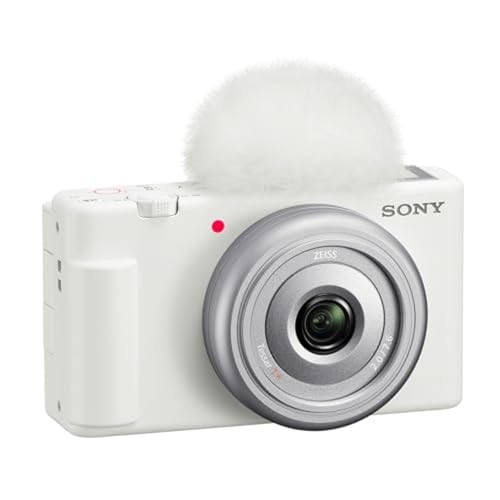
- Sony ZV-1F: check price on Amazon
- Nikon Z50 II with Two Lenses: check price on Amazon
- GoPro Hero: check price on Amazon
- Insta360 GO 3S: check price on Amazon
- NexiGo N60 Webcam: check price on Amazon
- AKASO EK7000: check price on Amazon
Beginner advice usually fails in one of two directions: it either talks down, recommending toys that will be outgrown by the third video, or it talks up, prescribing professional rigs whose complexity quietly kills the habit before it forms. This guide refuses both. The six cameras here are real instruments at genuinely different starting points — a desk webcam for the creator whose vlog is a seated conversation, a friendly compact for the presenter, a simple action camera for the life lived outdoors, a tiny wearable for the maker whose hands are the content, a budget action camera for the experimenter, and one mirrorless kit for the beginner who already suspects this will become serious. Each is judged by a beginner’s true criteria: how quickly the first good video happens, how forgiving the camera is of mistakes not yet understood, and whether it will still be earning its place at video fifty.
One promise before the names: this guide will tell you, for each camera, what your first week with it actually looks like — the first success, the first frustration, and the moment it starts to feel like yours. Beginners do not need specifications translated; they need the future described honestly enough to choose inside it.
Key Takeaways
- Sony’s ZV-1F is the friendliest first vlogging camera: wide lens, kind focus, nothing to assemble.
- Nikon’s Z50 II two-lens kit is the beginner’s growth path, bought once and learned for years.
- GoPro’s compact Hero is the simple, waterproof start for outdoor and travel vlogs.
- Insta360’s GO 3S lets makers and cooks vlog hands-free from their own viewpoint.
- NexiGo’s N60 starts a desk-based vlog this afternoon for the cost of a modest dinner out.
- AKASO’s EK7000 is the experimenter’s camera: cheap enough to risk while you find your format.
In this guide
Quick Picks
| Camera | Badge | Why it is here |
|---|---|---|
| Sony ZV-1F | Best first vlogging camera | Presenter-first design that makes the first good video happen fast. |
| Nikon Z50 II with Two Lenses | Best to grow into | A real mirrorless system with two lenses covering rooms and distance. |
| GoPro Hero | Best simple outdoor start | Compact, waterproof and operated with almost no learning curve. |
| Insta360 GO 3S | Best for hands-free beginners | Wear it, mount it, and film your hands doing the interesting thing. |
| NexiGo N60 Webcam | Best desk starter | Plug in, sit down, and publish a talking-head vlog today. |
| AKASO EK7000 | Best for experimenting cheaply | Learn action vlogging’s grammar without risking serious money. |
What does a beginner actually need from a first vlogging camera?
Speed to the first good video outranks everything, because motivation is a beginner’s scarcest resource and it is spent by friction. A camera that needs a weekend of configuration before its first acceptable clip will, for most people, produce no clip at all; the idea quietly joins the museum of abandoned enthusiasms. The picks below were therefore timed, in spirit, from box to publishable footage — and the leaders are the cameras whose designers understood that a beginner’s first session must end in a small triumph, not in a settings menu at midnight.
Forgiveness is the second need, and it is a design quality, not a specification. Forgiving cameras expose sensibly when the beginner forgets exposure exists, focus on the face because the face is obviously the subject, record sound that flatters a voice in an untreated room, and arrange their controls so that the wrong button is hard to press at the emotional moment. Every beginner makes the same dozen mistakes; the difference between cameras is whether those mistakes cost a take or cost the day. Read each review below with that question in mind — what happens when I do this wrong, as I certainly will — because the answers are where these six separate.
The third need is a future. A first camera should either be cheap enough to be a pure experiment, honestly disposable once its lessons are learned, or good enough to remain in service as the channel grows around it. The dishonest middle — expensive enough to hurt, limited enough to abandon — is where beginner budgets go to die, and this guide has excluded that middle deliberately. Each pick is explicitly one or the other: an experiment with a clear conscience, or a companion with a long horizon, and the reviews say which, in words a beginner can budget by.

Sony ZV-1F — Best first vlogging camera
Your first week with the ZV-1F is the gentlest in this guide, and that is a considered engineering achievement rather than an accident. Day one: charge it, set it on the small tripod or the table, and film yourself talking about anything — the wide lens frames you and your room from the distance a normal room allows, the face focus finds you and stays, and the colour comes out looking like a video rather than a draft of one. Most beginners watch that first clip with a specific surprise: it looks like the channels they follow. That surprise is fuel, and Sony has tuned this entire camera to deliver it before doubt arrives.
The design keeps removing beginner obstacles in ways that only become visible over the first month. There is no lens to choose, mount or set wrongly. The product-showcase focus behaviour — raise an object, watch focus step to it, lower it, watch focus return to your face — turns the classic beginner review segment from a blurry embarrassment into a party trick you will use in your third video. The directional microphone hears your voice preferentially over the room, so the echoing spare bedroom sounds closer to a studio than it has any right to. Even the record button is placed and sized for a person reaching around the camera to start their own take, a small mercy every solo beginner learns to bless.
Growth room exists, honestly bounded. A microphone input waits for the day the channel’s audio ambitions arrive; the articulating screen teaches framing and self-monitoring habits that transfer to every camera you will ever own; the discipline of a fixed lens — move yourself, not the zoom — is secretly a cinematography education. What it will not become is a system: no interchangeable lenses, no optical reach for distant subjects, stabilisation that prefers your tripod and your seated segments to a windy hillside walk. Those are the borders of a camera that knows its person.
Who should skip it? The beginner whose vlog is primarily outdoors in weather, and the beginner who already owns lenses or dreams in telephoto. Who should buy it without a second thought? The presenter, reviewer, teacher, commentator and lifestyle vlogger whose format is a person talking well in ordinary rooms — which is to say, the majority of everyone who typed a misspelling of vlogging into a search box tonight.
There is a confidence argument that closes the case. Beginners quit vlogging from embarrassment far more than from boredom — embarrassment at footage that looks amateur beside the channels that inspired them. The ZV-1F narrows that gap on the very first day, and a beginner whose early videos do not embarrass them keeps filming long enough to become good. In a hobby where survival is the whole game, the camera that protects your confidence is not a luxury. It is the strategy.
- Format: compact with wide fixed lens, white finish
- Focus: face priority with product showcase mode
- Audio: directional built-in microphone, input for later
- Screen: fully articulating for self-filming
Strengths
- First good video happens on day one
- Mistakes are forgiven by design
- Held-up products focus themselves
Trade-offs
- No zoom and no lens changes, ever
- Walking footage is its weakest trick
- Not built for weather or rough days
Best for: new presenters, reviewers and lifestyle vloggers filming mostly indoors. Not suited for: outdoor adventure formats or anyone needing distant reach.

Nikon Z50 II with Two Lenses — Best to grow into
Some beginners arrive with a suspicion about themselves: this is not a phase, and they would rather buy the serious tool once than the toy twice. The Z50 II two-lens kit is this guide’s answer to that suspicion — a genuine mirrorless camera, with a standard zoom for rooms and presenting and a longer zoom for distance, wildlife, sport and the world outside the window. It is the only pick here that asks something of its owner in return: a willingness to learn a real camera, repaid over years as the channel’s formats multiply and the kit simply keeps up.
The first week is steeper than the Sony’s, and honesty requires describing it accurately. Day one produces good footage — Nikon’s colour presets see to that, delivering warm, finished-looking video before you know what a picture profile is — but it also produces questions. Which lens for the garden segment? Why did the background blur more yesterday? The kit is a curriculum disguised as a purchase, and the beginner who enjoys that — who watches one tutorial per question and feels the craft arriving — will find the first month genuinely pleasurable. The beginner who wants the camera to disappear should choose the ZV-1F above and feel no shame; self-knowledge is also a vlogging skill.
What the learning buys is range. The same body films the seated commentary, the child’s football match from the touchline, the holiday’s landscapes and the family event, with subject detection that follows people, animals and objects through each. Channels rarely stay inside their first format — the cooking vlogger starts travelling, the gamer starts reviewing hardware in the garden — and a two-lens mirrorless kit absorbs those pivots without a new camera. That absorption is the economic heart of the recommendation: the kit costs more than the compacts here, and then stops costing, while formats change around it for free.
Handling teaches professional habits gently. A proper grip, a vari-angle screen for self-framing and overhead desk shots, controls that reward memorisation — by video twenty, the owner’s hands operate the camera while their mind performs for it, which is the precise definition of having become a filmmaker rather than a camera owner. The stills capability riding along in the same body supplies thumbnails, community photographs and the portrait for the channel’s about page, all in one colour world.
Its ceilings, stated for the beginner’s budget: lenses beyond the kit are the long-term cost of the mirrorless road, low light asks more of its crop sensor than of full-frame bodies, and the whole kit is a larger carry than any compact here. Buy it as a multi-year instrument, carry it like one, and those ceilings stay distant. Buy it as a whim, and it becomes the most expensive way in this guide to learn that you preferred the Sony.
For the committed beginner — the one who has already filmed on a phone for a season and knows the habit is real — this kit is the recommendation without reservation. It is not the easiest start in the guide. It is the longest one.
- Format: APS-C mirrorless with two kit zooms
- Colour: presets that flatter before skills arrive
- Detection: people, animals and products
- Screen: vari-angle for presenting and overhead work
Strengths
- One purchase covers years of formats
- Teaches real camera craft enjoyably
- Distance and room lenses both in the box
Trade-offs
- A learning curve the compacts do not ask
- Future lenses are the real investment
- Largest carry in this guide
Best for: committed beginners who have already filmed on a phone and want one system to grow with. Not suited for: anyone wanting the camera to vanish so only the talking remains.

GoPro Hero — Best simple outdoor start
The smallest member of GoPro’s current family makes a beginner’s argument that the flagship models cannot: simplicity as a feature. The compact Hero strips the action camera to its essence — waterproof, tough, a touch screen, 4K video — and hands it to the new vlogger whose life happens outdoors and whose patience for menus is correctly calibrated at zero. If your vlog is the hike, the ride, the swim, the dog, the boat or the building site, this is the camera that gets out of the way and lets the day be the content.
The first week teaches almost nothing, which is the point. Mount it, clip it, hold it on a short grip; the wide view forgives framing errors that would ruin a narrower camera’s footage, the stabilisation forgives the walking and the riding, and the waterproofing forgives the rain that sends other beginners home. A new creator’s scarcest skill is knowing where to point a camera; a lens that sees almost everything lets that skill develop through editing — through discovering, in the evening’s review, which parts of the wide frame held the story — rather than through missed shots in the field.
Travel and outdoor channels are built from exactly this forgiveness. The Hero rides in a jacket pocket, survives the beach bag and the toolbox, starts quickly when the moment arrives, and produces footage whose bright, deep, energetic character matches the way outdoor days feel in memory. Beginners filming family adventures, van life, fishing, skating, allotment seasons or a dog’s entire biography will find it sufficient for a long and happy first chapter, especially paired with a phone for the evening’s quick edits and uploads.
Its simplifications are real and should be chosen knowingly. There is no swappable-lens play, no front screen for precise self-framing — the wide lens makes framing approximate by design — and low light is the known action-camera compromise, acceptable at the lit campsite and strained in the dark lane. Audio from the body serves the outdoors adequately and the windy ridge poorly, as with every action camera; the presented-to-camera segments filmed at a sheltered stop will sound notably better than the ones filmed on the move, and beginners learn to schedule their talking for the sheltered stops.
As a first camera it also performs a quiet diagnostic service. A season with the Hero reveals whether the outdoor format is truly the channel’s heart — and if it is, the upgrade path to its bigger siblings is obvious and the Hero remains as the fearless second angle. If the season reveals a seated presenter hiding inside the adventurer, the lesson cost a compact’s price rather than a flagship’s.
For the beginner whose search tonight is really “I want to film my life outside”, this small GoPro is the most honest starting line in the guide: little to learn, little to break, and a whole outdoors to practise on.
- Format: compact waterproof action camera
- Video: 4K with electronic stabilisation
- Framing: ultra-wide, forgiving for beginners
- Carry: pocket-sized, mount-friendly
Strengths
- Almost no learning curve outdoors
- Survives water, drops and real life
- Wide view forgives beginner framing
Trade-offs
- No front screen for precise self-framing
- Evenings are its weakest light
- Talking segments prefer sheltered stops
Best for: new outdoor, travel and family-adventure vloggers who want to start this weekend. Not suited for: seated presenters who need polished face footage in dim rooms.

Insta360 GO 3S — Best for hands-free beginners
A whole family of beginners never appears in camera guides, because their vlog cannot be filmed by a person holding a camera at all. The cook’s hands are in the dough. The mechanic’s hands are in the engine. The climber’s hands are rather busy. The crafter, the angler, the piano teacher, the parent carrying everything — for all of them, the GO 3S is not a novelty but the enabling device: a thumb-sized 4K camera worn on a cap or pendant, or magneted to the nearest metal, filming from the viewpoint the audience actually wants — the doer’s own.
The beginner-friendliness hides inside that viewpoint. Framing a conventional camera to film your own hands is a skill involving tripods, overhead rigs and despair; wearing the GO 3S replaces the skill with a glance — if you can see your hands, so can the camera. The first cooking video, the first repair, the first sketch, emerges framed correctly almost by philosophy. Stabilisation smooths the head’s natural movement into watchable footage, and the charging pod with its flip screen lets the beginner review and reframe at the table like a normal camera between worn sessions.
Channels built on process — watch me make, fix, build, catch, grow — discover that point-of-view footage needs remarkably little narration, because the picture explains itself, and remarkably little editing, because the viewpoint never wanders from the work. For a beginner whose fear is the blank timeline, a format that assembles itself is a genuine mercy. Add a phone-filmed introduction and conclusion, and the structure of an entire sustainable channel stands revealed in the first week.
The pod system deserves a beginner’s practical note: the camera and pod together solve the tiny camera’s eternal problems of framing, battery and storage by giving it a home. Pop the camera out for the worn shot, pop it back for charging and review. Beginners lose tiny things; a bright pod that the camera lives in is a system for not losing this one, and its screen doubles as the confidence monitor that tells a new creator the shot exists before the moment passes.
Limits are plainly posted. Sessions are shorter than a full camera’s, the small sensor prefers decent light, and a channel will want a presenting camera beside it once the introductions outgrow the phone. But as the first camera for the hands-busy beginner — the one whose alternative was not filming at all — it has no rival in this guide, and its footage will keep appearing in the channel’s edits long after bigger cameras arrive, because no bigger camera can occupy its viewpoint.
If your vlogging idea starts with the words “watch me do this”, start here. The camera that films from inside the doing is the beginner tool your format has been waiting for.
- Format: miniature 4K camera with screened pod
- Mounting: magnetic, cap and pendant options
- Viewpoint: the wearer’s own, hands-free
- Stabilisation: smoothing for worn footage
Strengths
- Films processes no held camera can
- Framing is correct by philosophy
- Footage explains itself in the edit
Trade-offs
- Shorter sessions than full cameras
- Good light strongly preferred
- A presenter camera joins it later
Best for: cooks, makers, mechanics, anglers and teachers whose hands are the programme. Not suited for: being the only camera for a talking-head channel.

NexiGo N60 Webcam — Best desk starter
Somewhere tonight there is a beginner whose entire vlog is already designed: a chair, a desk, a shelf of books or games or products behind them, and opinions the world has not yet heard. For that beginner, every camera above is a delay. The N60 is the opposite of a delay — a plug-and-play 1080p webcam with a built-in microphone and a privacy cover, clipped to the monitor this afternoon, filming a publishable talking-head vlog before dinner. Its argument is not quality in the abstract. Its argument is that the first video exists, and in beginner economics an existing video beats a perfect plan by an infinite margin.
The first week’s lessons arrive in the kindest possible order. Session one teaches framing and the shock of one’s own recorded voice — universal beginner rites — with the camera contributing no complications of its own. Session two reveals the room’s light, because a webcam shows you exactly what your window does to your face at different hours, and the fix costs a curtain adjustment rather than a purchase. Session three reveals the background, the microphone’s distance, the chair’s squeak — the whole seated craft, learned on equipment whose simplicity keeps every lesson about the creator rather than about the gear. That is a better education than a complex camera provides, because the lessons are the permanent ones.
Quality, honestly framed: in a lit room, at desk distance, the N60’s picture is clean and its colours plausible, and audiences for commentary, study, gaming-adjacent and review formats judge those videos by the talk long before the texture. The built-in microphone serves a quiet room at close range; when the channel’s first upgrade itch arrives, it should be scratched by a separate USB microphone placed nearer the mouth — the single largest quality jump available to a desk vlogger at any budget — before any thought of a new camera.
Software control and the privacy cover cover the webcam’s etiquette: adjust the picture without standing up, shutter the lens when the desk returns to being a desk. Compatibility with the ordinary streaming and recording applications a beginner will meet is total and unremarkable, which is the highest praise a peripheral can earn. Nothing to configure is a feature; for the desk beginner, it is the feature.
Its borders are the desk’s borders. It will not travel, gather a room’s event, or flatter a face in a dark corner, and nobody should ask it to. It is the starting line for seated formats, priced so that starting costs less than deliberating. Channels that outgrow it keep it for calls and second angles; channels that do not outgrow it were never really about the camera anyway, which the N60 will have revealed at the lowest possible tuition.
Beginners overthink the first purchase because they imagine it as a commitment. Treat this one as a ticket instead — the cheapest ticket into the actual practice of vlogging, redeemable this afternoon.
- Format: USB webcam, 1080p
- Audio: built-in microphone for close desk work
- Extras: privacy cover, software control
- Setup: plug in and record, no configuration
Strengths
- A publishable vlog the day it arrives
- Teaches the permanent desk lessons cheaply
- Works with every ordinary recording app
Trade-offs
- The desk is its entire world
- Dark rooms expose its small sensor
- A separate microphone is the first upgrade
Best for: commentary, study and desk-review beginners who want to publish today. Not suited for: any format that leaves the chair.

AKASO EK7000 — Best for experimenting cheaply
Every craft has a sacrificial first instrument — the guitar that teaches your fingers before it deserves your money — and for action vlogging, the EK7000 has played that role for years. It is a budget 4K action camera with a waterproof case, a remote, mounts in the box and stabilisation of the honest, early electronic kind. Its presence in a beginner’s guide is deliberate and respectful: some people need to spend a season discovering whether filming their rides, dives, runs and road trips is a joy or a chore, and they should be able to run that experiment without a flagship’s price sitting on the handlebars judging them.
The experiment it enables is genuinely educational. Action vlogging has a grammar — where to mount, when to start rolling before the moment, how the wide lens bends a horizon, why wind eats voices — and the EK7000 teaches every rule of it, because the rules live in the format rather than in the price tier. A beginner who has shot a season on this camera can walk into any action camera shop afterwards and read the flagship specifications as a list of answers to problems they have personally had. That literacy is the product. The footage, bright and wide and cheerful in daylight, is almost a bonus.
Daylight is the operative word, and the honesty section matters here. In sun and bright overcast, the EK7000’s videos are lively and entirely publishable; as light falls, its small sensor and early processing show their age, and evening footage should be planned as atmosphere rather than detail. Stabilisation smooths a walk and helps a ride without matching the eerie calm of the modern flagships — the beginner learns the other half of smoothness, which is body technique, and that too is tuition the expensive cameras would have let them skip.
The included ecosystem of mounts and case deserves a beginner’s gratitude, because the first month of action vlogging is mostly mounting experiments: chest, helmet, handlebar, dashboard, the dog’s harness for exactly one glorious afternoon. Each experiment teaches framing from a new body position, and the box provides the apparatus without a second purchase. Waterproof in its case, it swims, snorkels and survives the rain that defines half the world’s adventures.
Who should not buy it: the beginner whose format is faces in rooms, for whom the Sony and the NexiGo exist; and the beginner already certain of the outdoor life, for whom the little GoPro above is the better long-term companion. Who should: the curious, the rough-handed, the lenders and sharers, the parent equipping a teenager’s first channel, and anyone whose honest position tonight is “I think I might love this” — the EK7000 exists to convert that sentence, cheaply, into knowledge.
And knowledge, at the start of vlogging, is worth more than footage. Cameras are replaced; the season of experiments that taught you your format never is.
- Format: budget action camera with waterproof case
- Extras: remote and mounts included
- Stabilisation: early electronic system
- Video: 4K at friendly file sizes
Strengths
- The cheapest honest action-vlogging education
- Mounts and case in the box for experiments
- Daylight footage is lively and publishable
Trade-offs
- Low light shows its generation
- Stabilisation trails modern flagships
- Faces in rooms belong to other picks
Best for: experimenters, teenagers and rough outdoor beginners testing whether action vlogging is their format. Not suited for: creators already certain they need flagship polish or low-light quality.
How do you film your first vlog without hating it?
Shrink the first video until it cannot frighten you. One idea, one room or one short walk, three minutes when edited, filmed in a single session with the camera you have — and a script that is not a script but five bullet points on a card, because beginners reading word-for-word sound like hostages and beginners improvising from nothing sound like weather. Talk to the lens as though it were one specific friendly person; every experienced vlogger does exactly this, and the specificness is the whole trick. Your imagined viewer should have a name, a reason to care, and a cup of tea going cold beside them.
Expect the voice shock and survive it on schedule. Everyone dislikes their recorded voice in week one, because it arrives without the resonance your skull usually adds; by week four it is simply your voice, and the audience never heard any other. The same mercy applies to your face, your gestures and your pauses. Publish the third video you film rather than the first if pride demands a rehearsal sacrifice, but publish — the channel exists only in public, and every private perfectionist week is a week the habit could have been forming.
End each early session with one written sentence: what worked. Not a critique list — beginners generate those unaided — but the single keeper, the moment the framing sang or the sentence landed. Early vlogging is a morale economy, and that sentence is its savings account. The cameras in this guide were chosen to make keeper moments frequent; the habit of recording them is how a beginner becomes the person who films the fiftieth video, which is where, every vlogger alive will tell you, it starts to get good.
What should a beginner buy after the camera?
Light before lenses, sound before software, storage before everything’s second copy. For indoor presenters, one soft light source — even a bright lamp bounced off a wall — transforms every camera in this guide more than an upgrade would, because beginner rooms are dim and cameras are honest about it. For talkers of every format, a microphone nearer the mouth than the camera is remains the largest quality leap per unit of money in all of vlogging; the desk beginner buys the USB microphone, the walker saves for the wireless, the action beginner learns to film the talking at sheltered stops in the meantime.
Storage is the unglamorous purchase that protects the whole enterprise: a drive for the footage, a second copy somewhere else, and the habit of offloading on the evening of the shoot rather than in a panic before the next one. Beginners lose early footage with heartbreaking regularity, and early footage is the channel’s childhood photographs — irreplaceable, and more precious with every year the channel survives. Buy the boring drive before the exciting accessory, and thank this paragraph at the first anniversary.
What not to buy in the first season: a second camera, a drone, a gimbal for a camera that stabilises itself, editing software beyond the capable free tier, or any course promising growth secrets. The first season’s curriculum is filming, finishing and publishing repeatedly; everything purchasable is a distraction from it except light, sound and storage. The creators you admire bought their elaborate kits with a channel’s income, in response to a channel’s needs. Sequence your spending the same way and the kit will always fit the vlogger, rather than the other way round.
How should a beginner edit without drowning in the timeline?
Edit like a person removing obstacles, not like a person building a monument. The beginner’s whole method fits in four passes. First, watch everything once and delete ruthlessly — the false starts, the repeated sentences, the walk where nothing was said — keeping a ruthlessness standard of “would a kind stranger care”. Second, arrange the survivors in the order of the bullet card you filmed from, which is why filming from a card matters: the structure was decided when you were calm. Third, trim the heads and tails of each clip until the energy starts immediately and ends before it sags. Fourth, add the minimum furniture — a title, captions for the important names and places, music only where silence would feel like a mistake — and export.
Software should be the free or included tier of whatever your computer already respects, because the beginner’s editing skills are software-independent for the entire first season: cutting, ordering, trimming and captioning are the whole craft, and every serious application performs them identically. The hours that feel like software learning are usually avoidance in a costume. A useful discipline is the timer: ninety minutes of editing for a five-minute vlog, after which the video ships with its imperfections itemised in your notebook as next week’s lessons. Shipping teaches faster than polishing, and the audience forgives a rough edge on a channel that publishes — it is absence they never forgive.
Captions deserve their sentence even in an editing section, because a large share of new viewers meet a channel silently — on trains, in waiting rooms, beside sleeping children — and the beginner who captions from video one builds the habit while it is cheap. Automatic captioning tools do the heavy lifting; your job is the ten-minute pass that corrects names and the words the machine misheard. That pass, incidentally, is also the finest scriptwriting lesson available: reading your own speech, transcribed, teaches economy faster than any tutorial.
What does a sensible first thirty days of vlogging look like?
Week one is for beginnings that cannot fail: the introduction video, one simple format video filmed in your easiest location, and a day spent learning the camera’s ten essential operations by filming nonsense around the house. Publish the introduction and one format video; keep the nonsense private and precious. Week two repeats the format with one deliberate improvement drawn from your notebook — a better-lit seat, a closer microphone position, a tighter opening sentence — because a channel improves by single, named upgrades, not by general hoping.
Week three is for range within safety: the same format in a second location, or the camera’s other talent — the Sony’s product focus, the Nikon’s long lens, the GoPro’s water, the GO 3S’s viewpoint — exercised in one low-stakes video. Week four is for the first honest review: watch all of the month’s videos in one sitting, write down the two things that visibly improved and the one thing to fix next, and check the equipment against reality — is anything in the bag unused, is anything missing that three videos asked for? Only then may the second purchase be considered, and only against that written evidence.
Notice what the month never contains: a rebrand, a new camera, a format invented to chase a trend, or a day spent studying analytics for an audience still countable on fingers. Thirty days of that discipline produce something more valuable than growth — they produce knowledge of what your channel actually is, filmed on a camera that has become familiar in your hands. Every subsequent decision, including every future camera, is made from that knowledge. Beginners who skip the month buy the knowledge later, at flagship prices, in public.
How do you film the people in your life without making it weird?
Ask, briefly and without ceremony, and make “no” cost nothing. The beginner’s family and friends are the channel’s first cast, and they will appear relaxed for years if their consent is real — which means the camera goes away when asked, the embarrassing clip is deleted without a debate, and nobody discovers themselves in a published video they did not know was public. Announce the arrangement once, in ordinary words: I am filming bits of this for a video, tell me if you want out of any of it. Most people, offered that dignity, offer back the natural, unguarded footage that no camera technique can buy.
Practically, the forgiving picks in this guide help the social side too. A small camera on a table is furniture; a tiny worn camera is forgotten; a webcam’s world is already private. Introduce the filming before the occasion rather than during it, film the event’s edges more than its emotional peaks until trust is established, and show people a finished video early — seeing themselves treated kindly on screen is what turns reluctant relatives into the channel’s most loyal recurring cast. Vlogging is a social practice wearing a technical costume, and the beginners who grasp that keep both their subjects and their friendships.
Comparison Table
| Camera | Beginner role | Strongest suit | Watch out for |
|---|---|---|---|
| Sony ZV-1F | First presenter camera | Day-one good footage | No zoom, indoor heart |
| Nikon Z50 II with Two Lenses | Long-term system | Grows with every format | Learning curve and lens costs |
| GoPro Hero | Outdoor starter | Simple, tough and waterproof | Evenings and self-framing |
| Insta360 GO 3S | Hands-free specialist | The doer’s viewpoint | Short sessions, needs light |
| NexiGo N60 Webcam | Desk ticket in | Publish this afternoon | Never leaves the desk |
| AKASO EK7000 | Experiment budget | Action grammar, cheaply learned | Ageing low-light and stabilisation |
What beginner mistakes does the right camera help you survive?
Filming against a bright window, so your face becomes a silhouette with opinions, is the rite every beginner performs once — the forgiving exposure of the picks here softens it, and the lesson (turn around; put the window in front of you) is permanent. Recording a masterpiece with the lens cap’s equivalent — a muted microphone, a full card, a dead battery — is the second rite, survived by the cameras whose status is easiest to check at a glance and by the ritual of a ten-second test clip before every real take. The third is quitting at video four because the numbers are small; no camera fixes that, but the cameras that made videos one to four pleasant to produce give the beginner a reason to reach video twenty, where the audience, as if by a law of the genre, begins to arrive.
Final Recommendation
Choose by the vlog you will actually film this month. Seated and talking: start on the N60 today, or step straight to the ZV-1F if the budget allows one kind purchase. Presenting, reviewing and demonstrating in rooms: the ZV-1F is the beginner camera this guide would hand to its own family. Outdoors and travelling: the little GoPro Hero for committed simplicity, the AKASO for the cheapest possible experiment. Hands busy with the actual content: the GO 3S, worn from the first session. Already sure this is serious: the Nikon kit, bought once and learned like an instrument. Whichever you choose, film the first video within forty-eight hours of its arrival — the spelling of the search that brought you here matters far less than the date of the first upload, and every creator you admire began exactly as unready as you feel tonight.
Frequently Asked Questions
Is “vlogginh” a different thing from vlogging?
No — it is a common typing slip for the same word, and this guide has treated it as such from its first paragraph. The cameras, formats and advice are identical whichever spelling brought you here. If anything, arriving via the typo puts you in the honest majority: most vloggers begin informally, misspellings and all, and polish comes later.
Can I just start vlogging on my phone instead?
Yes, and many successful channels did. A phone you already own is a legitimate first camera, especially for seated and walking formats in good light. The cameras in this guide earn their place when the phone’s limits start costing you videos — battery shared with your life, no wide lens for small rooms, hands that cannot be free, weather that cannot be risked. Buy the dedicated camera when a named frustration appears, not before.
How much should a beginner spend on a first vlogging camera?
Enough to remove excuses, not enough to create pressure. The desk ticket in this guide costs very little; the kind compact and the small action cameras sit in the careful middle; the Nikon kit is the spend-once tier for the already committed. The wrong amount is the one that makes each video feel like it must justify the purchase — pressure is the enemy of the beginner’s only real task, which is repetition.
Do I need 4K as a beginner?
No. A well-lit, well-framed HD video beats a murky 4K one in every way a viewer can perceive, and most audiences watch on phones. Several picks here offer 4K, which is pleasant headroom for reframing and future-proofing, but light, sound and simply finishing the video outrank resolution at every stage of a channel’s first year.
How long until a beginner’s vlogs look good?
The camera-dependent part can look good in the first week — that is what the forgiving picks here are for. The creator-dependent part, the ease and structure that make a channel magnetic, typically assembles itself somewhere between video twenty and video fifty. That sounds like a sentence and is actually the good news: the distance between you and the creators you admire is measured in finished videos, and finished videos are entirely within your control.
What is the first video I should film?
An introduction with a job to do: who you are, what this channel will film, and one small useful or beautiful thing delivered inside the same video — a tip, a tour of the desk, the view from the first walk. Viewers subscribe to a promise plus a sample, not to a promise alone. Keep it under five minutes, film it twice if the first attempt stiffens, and publish the warmer take.
One more encouragement belongs in this guide, addressed to the reader who arrived by a misspelling and stayed to the end of a long page: the research instinct that brought you here is already the vlogger’s instinct — to look something up, to prepare, to care whether it is done well. The only remaining step is the one no guide can take for you. Film the awkward first video this week, on whichever of these six cameras fits your life, and let the channel’s real education begin. A year from now you will not remember the spelling you searched by. You will remember the date you started.
And treat your future self as one of the people in your life who deserves that courtesy. Film the ordinary days as faithfully as the occasions, because a beginner’s archive becomes, with shocking speed, a family’s treasure — the kitchen as it was, the dog as a puppy, your own voice the year it all started. The camera you choose tonight is, among its other jobs, the custodian of that archive. Choose one you will actually carry, and the archive will exist.
That is the last and best reason to begin with a camera you can afford without anxiety: an archive gathered joyfully, by a creator who was never performing for a purchase, has a lightness in it that audiences can feel across decades — and it starts, as everything in this guide has tried to say, with the first video, filmed this week, spelled however it was spelled.
Begin there, and let the rest of the craft arrive the way it arrives for everyone: one finished video at a time.
The cameras above are ready when you are — and “when you are” is a date you get to choose, preferably this week.
So choose the date, tell one person who will ask you whether it happened, and let that kind accountability carry the first upload across the line from intention to evidence.
Related Guides
Every vlogger whose name you know was once a person misspelling the word into a search box at midnight, wondering if the equipment was the thing standing between them and starting. It was not, and it is not. Pick the camera above that fits your format and your nerve, and go and be a beginner in public — it is the only route to being anything else.
Related reading: best cameras for vlogging, best cameras for vlogging osmo and best cameras for youtube videos.


