reviewstook.com is reader-supported. When you buy through links on our site, we may earn an affiliate commission.
Where to buy
A toy photographer works at the scale of a thimble and thinks at the scale of a film set. The hero is four inches tall, the mountain is a folded blanket, the epic sky is a printed backdrop taped to a cereal box — and the photograph succeeds only when the viewer forgets every one of those facts. The best cameras for toy photography are therefore not the biggest or the most expensive; they are the ones that focus close without complaint, render a tiny world with serious depth, and let you work at tabletop height for an hour without your back filing a protest.
Where to buy is the easy part of this miniature world: the bodies below are current models from the usual camera retailers, Amazon included, and several arrive in kits that suit a tabletop studio from day one. The one deliberate exception is the final pick, a macro lens discussed prose-only, because in this genre the lens is so often the real purchase that it deserves its own honest section rather than a borrowed link.
Judge the list by the genre’s three governing facts. Depth of field at close range is measured in millimetres, so focus technique matters more than autofocus headlines. Light must be sculpted at the scale of a matchbox. And the camera will spend its life inches from its subject, which rearranges every ergonomic priority you thought you had.
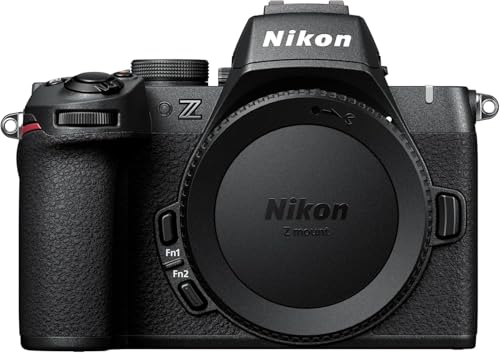
- Nikon Z50 II: check price on Amazon
- Sony Alpha 7 IV: check price on Amazon
- OM SYSTEM Olympus Tough TG-7: check price on Amazon
- Sony ZV-1F (Black): check price on Amazon
- DJI Osmo Pocket 3: check price on Amazon
- A true macro lens for your camera system: prose-only pick — see its section below; check availability at your preferred retailer
Key Takeaways
- Toy photography is macro photography wearing a costume: close focus and depth control decide everything.
- The Nikon Z50 II is the tabletop all-rounder — a real system camera at a scale and price the hobby can carry.
- The TG-7’s microscope-style close focusing makes it the tiny-world specialist nothing else here can imitate.
- Full-frame depth is a creative choice, not an upgrade: the Sony A7 IV melts backgrounds behind four-inch heroes.
- Focus stacking is the genre’s superpower, turning millimetres of sharpness into a whole sharp scene.
- The prose-only macro lens is the purchase that transforms any body in this list — read its section before buying anything.
In this guide
Quick Picks
| Camera | Badge | Why it is here |
|---|---|---|
| Nikon Z50 II | Best tabletop all-rounder | A proper system camera with forgiving depth and lenses for every scale of miniature. |
| Sony Alpha 7 IV | Best for cinematic shallow depth | Full-frame rendering that turns a toy shelf into a film still. |
| OM SYSTEM Olympus Tough TG-7 | Best for extreme close-ups | Microscope-style focusing from almost touching distance, plus toughness for outdoor dioramas. |
| Sony ZV-1F (Black) | Best simple starter | A friendly compact for desk dioramas and stop-motion-adjacent play. |
| DJI Osmo Pocket 3 | Best for toy videography | A gimbal camera for smooth tours through miniature worlds and behind-the-scenes films. |
| A true macro lens for your camera system | Best upgrade for any body | True close focusing and stacking-friendly sharpness — the genre’s defining glass. |
How did we choose the best cameras for toy photography?
We began at the working distance this genre actually uses: inches, not feet. Each candidate was judged first on how close it can focus with the lenses or optics it ships with, how honestly its screen and focus aids report sharpness at that range, and whether it supports the stacking workflows — manual focus steps or automated bracketing — that toy scenes demand when a whole diorama must be sharp.
Depth behaviour came second, and it cuts both ways in miniature work. A larger sensor melts a background into cinema but leaves a hero’s sword arm soft; a smaller sensor keeps the whole scene legible but can look flat. Neither is correct in the abstract, so the list deliberately spans the range, and each pick’s section states plainly which aesthetic it serves.
Third were the tabletop ergonomics nobody specs: screens that tilt for low angles, bodies light enough for a small tripod, tethering or app control so you can compose without breathing on the set, and close-up lighting friendliness. Toy photography is slow, fiddly and joyful, and the camera must be a patient collaborator in all three. The macro lens closes the list because, uniquely in this genre, the glass is frequently the whole argument.
Why is depth of field the toy photographer’s central problem?
Focus physics does not scale down with your subject. At the distances toy work demands, even a modest aperture leaves only millimetres truly sharp — a hero’s face in focus, their outstretched hand already a rumour. Beginners read this as a camera fault; it is simply optics, and the genre has evolved two opposite answers. Embrace it, and shoot wide for the cinematic look where one eye is sharp and the world dissolves. Defeat it, with small apertures, careful subject alignment, or focus stacking, when the whole scene must testify.
The picks below divide along exactly that line, which is why sensor size is discussed in this guide as an aesthetic, not a hierarchy. Choose your relationship with blur first — how much of the tiny world should be sharp? — and the correct camera follows from the answer more reliably than from any budget.
What is focus stacking, and why do miniature scenes love it?
Stacking is the patient cheat: the camera takes a series of frames, each focused a fraction deeper into the scene, and software merges the sharp slices into one image that is sharp throughout — a depth of field no single exposure could physically achieve at that scale. For a diorama where the foreground rubble, the hero and the backdrop’s painted mountains must all hold, it is close to magic, and it is entirely routine.
The workflow rewards method: a tripod that does not breathe, focus stepped in small even increments — by the camera’s bracketing, a focusing rail, or a careful hand on the ring — and light that does not change between slices. Several picks below support parts of this natively; all of them can stack with discipline. Learn it early, because stacking is the technique that separates toy photographs that look like product shots from toy photographs that look like worlds.
How do you light a world the size of a shoebox?
At miniature scale, a desk lamp is a sun and a phone torch is a searchlight, which makes toy photography the cheapest lighting education in all of photography. One small light, moved a few inches at a time, teaches hardness, direction and shadow more clearly than any studio course — because at this scale you can watch a whole landscape’s weather change as your hand moves.
The working kit is humble: a small LED panel or torch, baking paper or tracing paper as a softening diffuser, white and black cards as reflectors and shadow-makers, and occasionally a practical light inside the scene — a tiny lamp in a miniature room — for the glow that sells the illusion. Camera choice matters here only in one respect: a screen you can judge at tabletop angle, and exposure tools that tell the truth about small bright highlights, both of which the picks below were checked for.
How do you pose and direct a cast that cannot move its face?
You direct with everything except expression: the angle of a head, the turn of a body toward or away from the light, the distance between two figures — an inch of separation reads as estrangement, a shoulder’s touch as alliance. Toy narrative is choreography at the scale of chess, and the camera’s job is to be low enough to join the scene rather than observe it from the ceiling of the world. Shoot from the figure’s eye level or below, and the toy becomes a protagonist; shoot down at it, and it remains a product.
Hands and accessories carry the acting: a tool half-raised, a letter half-read, a lantern held toward the dark. Choose one gesture per frame and let it be legible at thumbnail size, because most viewers will meet your world first as a small image in a fast feed — and the frames that survive that meeting are the ones whose single gesture reads instantly.
What backdrops and surfaces photograph like real places?
Texture at the right scale is the whole secret: fine sand reads as a beach, coarse gravel as a quarry; a printed sky must be matte, softly out of focus and lit like the scene it pretends to join. The cheapest convincing surfaces are stolen from the real world at miniature scale — bark as cliff, moss as forest floor, a slate tile as a mountain road — and the camera’s close honesty will grade your choices without mercy, which is why the review-at-full-magnification habit in the mistakes section exists.
Keep a surfaces library as deliberately as a lens collection: a folder of printed skies, a box of soils and sands in labelled jars, two or three boards painted as roads, walls and floors. Toy worlds are built from libraries, and the photographers whose scenes convince are simply the ones whose libraries are deepest.
How do scale and story interact in a single frame?
A toy photograph tells its story through scale relationships: the hero small against a vast (folded-blanket) mountain range reads as courage; the same hero filling the frame against a dissolved background reads as importance. Neither is a camera setting, yet both are decided at the camera — by distance, by focal length, by the depth choices this guide has been circling. When a scene feels wrong, it is usually the scale grammar, not the exposure, that is lying: the backdrop too near, the hero too large for the emotion, the world too sharp for the dream.
Practise by remaking one scene three ways — vast, intimate, documentary — on whichever pick you own. The exercise costs an evening and teaches the genre’s whole visual language, because toy photography, more than any other branch, is a language of relationships measured in millimetres.
A note on photographing other people’s creations
Many toy photographers shoot figures sculpted, painted or built by other artists, and the genre’s etiquette is generous but clear: credit the maker, name the kit or artist where you know it, and never present a custom paint job as a manufacturer’s product. The camera renders their craft at macro honesty — every brushstroke visible — which makes the credit more than courtesy; it is accuracy. Communities that credit well attract better subjects, better collaborations and better commissions, and the habit costs exactly one line of caption per photograph.
How do you photograph a miniature scene at night?
Night is the miniature world’s most flattering hour, because darkness hides every scale cue that betrays the illusion: the skirting board, the shelf edge, the room beyond. One practical light inside the scene — a tiny lamp, a window’s glow made from a diffused LED — plus a whisper of fill to keep shadows legible, and a four-inch street becomes cinema. Long exposures on a locked tripod suit the stillness; the cameras above all handle the discipline, and their screens, judged at tabletop height in a darkened room, become the set’s own lighting desk.
Practise the night scene before the day one if your temperament allows it: the constraints are fewer, the forgiveness greater, and the results — a lamplit tiny street, a campfire of orange gel and patience — are the photographs that recruit most beginners permanently into the genre.
What does a miniature portfolio need beyond good frames?
Sequence and scale variety: the establishing world, the hero portrait, the extreme close-up, the night scene, the behind-the-scenes honesty of the set on a kitchen table. Judges, editors and audiences read a toy portfolio as a world with a geography, and the picks in this list map onto that geography almost one to one — which is no accident, since the list was built by asking what a complete miniature practice actually does all year. Buy toward the gaps in your portfolio rather than toward specifications, and the collection of cameras will assemble itself in the right order.
How do you keep tiny sets and tiny cameras organised?
With the seriousness of a theatre’s props department, at one-hundredth the scale: figures in compartmented cases sorted by story rather than by purchase date, surfaces and backdrops in labelled folders, lights and cards in one pouch that never gets unpacked into the house at large. Disorganisation is the miniature hobby’s silent tax — the scene that takes an hour to assemble gets photographed; the one that takes an evening of searching gets postponed forever. Every camera in this list is small enough to live in its working kit, charged and carded, and that readiness is a photographic feature as real as any sensor.
Why do toy photographs reward printing so unusually well?
Because print reverses the joke: a world built at four inches, printed at forty, confronts the viewer with detail their eye could never have taken in at the scene’s real scale — the weave of a tiny coat, the weathering on a miniature door, the painter’s hand visible in a face the size of a fingernail. Resolution and honest rendering, the qualities the Sony and Nikon picks were chosen for, become the print’s whole argument. If your toy work lives only on screens, make one large print this season; it will change what you ask of your camera more than any review, including this one.
A small ritual for finishing a scene before you strike it
Walk the set once with the camera at figure height and once with your own eyes at the ceiling, looking only for betrayals: the fingerprint, the dust boulder, the backdrop’s edge, the reflection of the room in a tiny window. Photograph the set wide, as a record, before dismantling — that record shot has saved more reshoots than any other habit in the genre, because next month’s sequel scene can be rebuilt from it exactly. Then strike the set slowly. Miniature worlds are temporary by design, and the photograph is the only citizen that gets to stay.
How does stop-motion relate to all of this?
As a cousin who shares the house: the same sets, the same lighting discipline, the same cameras locked in the same positions — with the figures moved a fraction between frames instead of the focus. Many toy photographers drift between the two crafts seasonally, and the equipment in this list serves both without complaint, which is worth knowing before you buy: a camera chosen for stills here will not strand you when a scene starts asking to move. The Pocket 3’s tours and the ZV-1F’s video are the gentle on-ramps; the system cameras are the full studio when the cousin moves in permanently.
One question to ask before any miniature purchase
What will this let me photograph that I already have a scene in mind for? The genre’s cupboards are full of equipment bought for hypothetical worlds, while its masterpieces were made with whatever served the scene already standing on the table. Let the set lead and the shopping follow — the order this guide’s picks are arranged in, from the desk starter to the defining lens, is simply that principle with prices attached.
And a closing encouragement, at full scale
Every photographer in this genre began by pointing a camera at a toy and feeling slightly foolish, and continued because the first frame that worked — the moment the plastic became a person and the blanket became a mountain — is genuinely startling, every time. The equipment above exists to make that moment repeatable. Choose the pick that matches your scenes, learn its ceremonies, and go feel foolish productively.
A final practical note on tripods at tabletop scale
Small scenes forgive small tripods and punish tall ones: a tabletop tripod or a beanbag puts the camera at the world’s own height without looming over it, and a remote release or self-timer keeps your hands’ tremor out of long exposures. Whatever support you choose, lock it and then take your hands entirely away before judging the frame — at macro distances, even a resting fingertip is an earthquake with good intentions.

Nikon Z50 II — Best tabletop all-rounder
The Z50 II is the camera this hobby would design for itself if it could: a genuine system camera, small enough for a tabletop tripod and a crowded desk set, with a crop sensor whose deeper natural depth of field is — uniquely in photography — an advantage rather than an apology. At toy distances, that extra depth keeps a hero and their companions in the same plane of sharpness without heroic measures, and for narrative scenes with several figures, it is the difference between a photograph and a focus accident.
On the miniature angle specifically, its manners are a student’s dream. The tilting screen composes at action-figure eye level without lying on the floor; the focus aids report honestly at close range; and Nikon’s lens bench includes the close-focusing and macro options the genre graduates toward, so the kit lens apprenticeship leads somewhere. Its colour is the honest kind, which matters when a figure’s paint job is the whole performance.
It stacks willingly with discipline — manual focus steps on a locked tripod — and its files are good enough to reward the effort, holding fine detail in sculpted hair, fabric weave and weathering that toy artists spend evenings creating. A camera that respects the maker’s craft in the subject tends to be respected back, and this one’s images do.
Portability extends the genre outdoors, where the best dioramas live: a figure in real moss, real water, real evening light. The body is light enough that the whole studio — camera, figure case, reflectors — travels in a small bag, and the hobby escapes the desk.
Choose it as the hobby’s centre of gravity: serious enough for competitions and printed zines, forgiving enough for a first winter of learning, and priced so the budget survives for the macro lens this list keeps recommending.
A practical ritual suits it: keep a ‘set bag’ beside the camera — figures in a foam case, cards, a small torch, Blu Tack for feet that will not stand — so a scene can be struck anywhere in ten minutes. Toy photography’s best locations are rarely studios; they are windowsills, garden walls and café tables, and the prepared photographer photographs all of them.
Its video, rarely mentioned in toy circles, quietly serves the portfolio: a slow pan across a finished scene, filmed on the same body that shot the stills, gives competition judges and clients the scale reveal that makes miniature work land. One body, both testimonies — the hobby’s economy again.
One more setting habit separates its owners from its admirers: shoot the scene at two depths — one frame for the world, one for the hero — every time. The pair costs a minute and gives every project both its establishing shot and its portrait, which is the grammar editors and audiences expect without knowing they expect it.
- Type: crop-sensor mirrorless camera
- Depth: forgiving depth of field for multi-figure scenes
- Screen: tilting, for figure-eye-level composition
- Focus: honest aids for close manual work
- Lenses: system bench with macro options to grow into
- Size: tabletop-tripod friendly, travels in a small bag
Strengths
- Depth of field that keeps miniature casts sharp together
- A real system at a hobby-carryable size and price
- Tilting screen built for low, tiny viewpoints
Trade-offs
- Stacking is manual discipline, not a one-button feature
- Full-frame background melt is beyond its sensor’s nature
- Serious macro still requires the lens in the final pick
Best for: the toy photographer building narrative scenes with several figures, indoors and out.
Not suited for: the photographer chasing the dreamiest shallow-depth portraits of single figures — the Sony’s section awaits.

Sony Alpha 7 IV — Best for cinematic shallow depth
If the Nikon is the genre’s storyteller, the Alpha 7 IV is its cinematographer. Full-frame rendering at close range produces the look that stops scrollers: one painted eye in perfect focus, the face falling into softness, the background of a bedroom shelf dissolved into colour and light until the four-inch figure reads as a film still from a movie that does not exist. For single-hero portraiture, it is the strongest instrument in this list.
That shallowness is a discipline as much as a gift. At these distances the sharp plane is a razor, and the camera’s eye detection — trained on human eyes — will sometimes hunt on a figure’s face; the practiced workflow is magnified manual focus on a locked tripod, with the camera’s excellent focus aids doing the reporting. Photographers who accept that ritual get images no smaller sensor can counterfeit.
Its resolution serves the miniature world’s other secret: cropping. A scene composed wide for safety can be recomposed in the edit with detail to spare, and the tiny weathering, decals and paint chips that makers labour over survive the crop as visible craft. In a genre where the subject’s quality is handmade, that fidelity is a form of respect.
Tethering and screen options suit the studio end of the hobby — the permanent diorama shelf, the lightbox, the competition entry composed over an evening — and the system’s macro lenses are waiting when the final pick’s advice is taken.
Choose it when your toy work aspires to cinema: single heroes, dramatic light, backgrounds like watercolour. It asks for technique and pays in a look nothing else here can sign.
Learn its one ceremony and it becomes devotion: set the scene, lock the tripod, magnify the hero’s near eye on the rear screen until the painted highlight sits exactly where you intend, and only then make the frame. That thirty-second ritual, repeated, is the difference between owners of this camera who produce portraits and owners who produce almost-portraits.
It also prints like a professional, which matters in a genre whose finest work ends up in zines and on walls at sizes that mock the subject’s inches. A four-inch knight, printed a metre tall with every paint chip honest, is the genre’s favourite joke and its proudest artefact — and this is the camera in the list built to tell it.
Its battery and card appetite on a long stacking session is a real consideration: carry the spare, format the card, and let the session’s rhythm include the small pauses where the set gets its final dusting. Ceremony, again, as quality control.
- Type: full-frame mirrorless camera
- Depth: the shallowest in this list, for cinematic portraits
- Focus: superb aids for magnified manual focusing
- Resolution: generous cropping room for tiny detail
- Workflow: tethering-friendly for a permanent tabletop studio
- Lenses: deep system bench including true macro glass
Strengths
- Background melt that turns shelves into film sets
- Detail that honours handmade paint and weathering
- A studio-grade workflow for competition-level entries
Trade-offs
- Razor depth demands tripod and manual-focus discipline
- Eye detection can hunt on painted faces
- Body and lenses are the list’s serious investment
Best for: the miniature portraitist chasing a cinematic, shallow-depth look for single heroes.
Not suited for: the scene-builder who needs whole dioramas sharp front to back without stacking.

OM SYSTEM Olympus Tough TG-7 — Best for extreme close-ups
The TG-7 does something no other camera here can do at any price: it focuses from almost touching distance, with a microscope-style mode that fills the frame with a figure’s face, a tiny sign’s lettering, a miniature meal’s texture. In a genre built on smallness, that is not a party trick — it is a whole second photography, the extreme close-up, available in a camera that also survives being dropped in the diorama’s water feature.
Its toughness writes the outdoor chapter of toy photography single-handedly. Figures in real streams, snow scenes that are actually snow, beach dioramas at the waterline — the TG-7 works in the elements that give miniature scenes their documentary shiver, and rinses clean under a tap afterward. No other pick in this list may be buried to its neck in a garden scene, and the genre’s best outdoor work exploits exactly that permission.
Depth behaves kindly here too: the small sensor keeps tiny scenes legible, and its close-up lighting accessories and modes were designed by people who clearly photograph small things for joy. Stacking support exists in its close-up toolkit, making whole miniature scenes sharp from a camera the size of a fist.
The honest trade is ultimate image size and background melt: this is a compact sensor, and its portraits will not dissolve a background like the Sony’s. What it returns instead is access — distances, places and weathers closed to every rival in the list.
Choose it when your toys go outdoors, get wet, or need to be photographed at distances measured in millimetres. It is the list’s explorer, and its films from inside the miniature world have a viewpoint nothing else here can buy.
Fieldcraft for the TG-7 toy shooter is a discipline of its own: scout the stream, the snowbank, the rockpool at figure scale before the cast arrives, because a location that reads as wilderness from four inches up may read as a ditch from five feet. The camera rewards the scout — its whole design assumes the photographer will be lying in something damp, composing at the waterline.
Its flash and close-light options, designed for macro work, double as scene lighting at this scale: a diffused pulse from the camera’s own position can play the role of a tiny sun through a miniature window. Experimentation is cheap, immediate and — in the rain, at dusk, in a rockpool — entirely its home ground.
Clean it like an instrument, not an appliance: a blower for the crevices, a rinse when the manual allows, and a dry rest before the case closes. Cameras that live in gardens and streams stay alive on exactly that liturgy.
- Type: rugged compact camera
- Close focus: microscope-style mode from almost touching distance
- Protection: waterproof, crush-resistant, freeze-proof
- Depth: small-sensor legibility for whole tiny scenes
- Stacking: close-up focus stacking support
- Lighting: close-up accessory ecosystem from its maker
Strengths
- Extreme close-ups no rival here can physically achieve
- Works in real water, snow and mud for outdoor dioramas
- Stacking and close-up modes designed for small subjects
Trade-offs
- Compact sensor limits print size and background melt
- Fixed lens — framing is by position and zoom range
- Its talents are wasted on plain shelf portraits
Best for: outdoor diorama builders and extreme close-up specialists working in real elements.
Not suited for: the studio portraitist who needs full-frame depth and the largest files.

Sony ZV-1F (Black) — Best simple starter
Every hobby needs a door that opens easily, and for toy photography the ZV-1F is that door: a compact that lives on the desk, focuses close enough for single-figure and small-scene work, and renders its subjects with a one-inch sensor’s softness that flatters plastic and paint alike. A beginner’s first diorama, shot on this, looks like a photograph rather than a phone snap of a toy — and that difference is what turns a dabble into a practice.
Its simplicity is structural. The fixed wide lens frames a tabletop scene from a comfortable distance; the autofocus, built for faces, is surprisingly willing on a figure’s head; and the whole camera asks so little that the beginner’s attention stays where the genre needs it — on the set, the light and the story, not the machinery.
Video is its second gift to the hobby: the walkthrough of a finished diorama, the behind-the-scenes build film, the stop-motion-adjacent experiments that toy communities love. A starter camera that also documents the making doubles its value to a beginner building an audience alongside a skill.
Its limits are the honest ones of its class: no interchangeable macro lens waits in its future, and its close focus serves figures and small scenes rather than the TG-7’s microscopic world. It is a beginning with a ceiling — but a ceiling high enough for a year of joyful work, and the system cameras above will still be there when you reach it.
Choose it to start this winter, on the desk you already own, with the figures already on your shelf. The genre’s first lesson is that the world was always there at thimble scale; this camera simply agrees to look at it with you.
Keep it charged and visible and it will quietly become the household’s camera for everything small and good: the child’s science project, the market stall’s products, the cat’s portrait. A starter camera that earns daily trust gets maintained like a member of the household, and maintained cameras are the ones that work on the day the perfect scene assembles itself on your desk.
Its ceiling, when you reach it, is a signpost rather than a wall: the day its fixed lens cannot get you the detail or the depth you can already see in your head, you will know precisely which system camera — and which macro lens — your work is asking for.
When you lend it — and you will, because it recruits people — lend it with one assignment attached: photograph the smallest interesting thing in your house. The assignment teaches the genre faster than the camera does, and your shelf gains a fellow practitioner.
- Build: compact body around a one-inch sensor
- Lens: fixed wide-angle for tabletop scenes
- Focus: face-friendly autofocus, willing on figures
- Video: capable, for diorama tours and build films
- Size: desk-dwelling, always ready
- Role: the hobby’s easiest front door
Strengths
- A real camera’s softness and colour from day one
- So simple the attention stays on set, light and story
- Films the making-of as happily as the final scene
Trade-offs
- No path to a true macro lens later
- Close focus serves scenes, not microscopic detail
- Fixed lens framing is done by moving the camera
Best for: beginners starting desk dioramas with the figures already on their shelves.
Not suited for: the committed macro specialist, who should begin at the final pick and work backwards.

DJI Osmo Pocket 3 — Best for toy videography
Toy photography’s moving branch — the slow push through a miniature street, the crane move over a tiny battlefield, the tour of a dollhouse that feels like a property film — belongs to this little gimbal camera. The Pocket 3’s stabilised head glides where tripods cannot fit, at figure height, through sets built in shoeboxes, and its one-inch sensor gives the footage a polish that phone gimbals chase and rarely catch.
For stills-focused readers its role is the supporting one, and the guide is honest about it: you would not choose it as your only toy camera. But the modern hobby is half film — builds documented, dioramas toured, processes timelapsed — and for that half, nothing in this list moves like it. Its close focusing covers tabletop distances, its screen flips for low angles, and its subject tracking will follow a figure through a scene like a tiny, devoted film crew.
The workflow is friction-free in the way that gets footage actually made: unfold, power, glide. Behind-the-scenes material that would need a second operator and a slider with any other camera here becomes a one-handed afterthought, and audiences for miniature work consistently reward exactly that material.
Its stills are capable snapshots rather than exhibition files, and its fixed perspective means composition is choreography — you move, it follows. Within the moving-image brief, those are not flaws; they are the terms of the instrument.
Choose it as the hobby’s film unit: the camera that tours the world the stills cameras built. Paired with any pick above, it completes a miniature studio that can both portray a scene and walk the viewer through it.
As a second unit it changes a stills photographer’s social media from a gallery into a programme: the build on Monday, the tour on Wednesday, the hero portrait on Friday, all from a two-camera studio that fits in a shoebox beside the shoebox sets. Miniature work rewards that rhythm, because its audience collects worlds, not images.
Charge it, keep its little lens cap tethered, and treat its gimbal with the respect a crane deserves — it is a film studio’s worth of movement in a coat pocket, and it will make your tiny worlds walkable.
Its footage pairs naturally with the stills picks as a set’s second witness: same scene, two grammars. Cutting between a Nikon’s still and this camera’s glide through the identical diorama is the miniature hobby’s version of a film’s trailer and feature in one post.
- Type: gimbal-stabilised compact camera
- Sensor: one-inch, for polished video
- Movement: three-axis gimbal for figure-height glides
- Screen: rotating, for low tabletop angles
- Tracking: subject tracking for moving tours
- Role: the miniature studio’s film unit
Strengths
- Glides through tiny sets at figure height like a film crane
- One-inch sensor footage with real polish
- One-handed behind-the-scenes filming, no crew required
Trade-offs
- Stills are snapshots, not exhibition files
- Fixed lens — composition is done by moving
- Not the stills camera to build a portfolio on
Best for: toy creators filming diorama tours, builds and behind-the-scenes stories.
Not suited for: the stills purist, whose budget belongs in the Nikon or Sony and the macro lens.
A true macro lens for your camera system — Best upgrade for any body
The final pick is the genre’s open secret, listed prose-only because it is a class of lens rather than one product: a true macro lens, made for whichever system you own, that focuses to life-size magnification with the flat, honest sharpness miniature work demands. Every body in this list becomes a serious toy camera behind one, and most toy photographers, asked what changed their work, name this purchase — not any camera — as the turning point.
What it buys is working distance and truth. Working distance: at a given magnification, a macro lens lets you stand further back than a close-focusing kit lens, so your lights fit between lens and subject and your shadow stops falling across the hero’s face. Truth: a macro’s rendering is corrected for exactly these distances, so straight edges stay straight, fine print stays legible, and a figure’s sculpted detail is reported rather than interpreted.
It is also the stacking instrument par excellence — focus steps through its range are the raw material of the stacked scenes in the guide above — and its manual focus ring, built for precision, turns the razor-depth work of the Sony section from a struggle into a ritual.
Choose the focal length by your sets: shorter macros suit tight tabletops and larger scenes; longer ones suit shy working distances, outdoor figures, and light that needs room. Buy it before the second body, before the backdrop printer, before almost anything — in this genre, glass is not an accessory to the camera. The camera is an accessory to moments like the one this lens creates.
If you own a body from this list and one upgrade is affordable this year, this is it. The picks above were ordered so that each leads here, and the genre’s best work is waiting on the other side of the purchase.
Buying order within the pick matters less than buying once: a macro lens is a decade-long companion that will outlive two bodies, so choose the version your system will still honour in ten years, and keep its box, its caps and its dignity. Lenses are the genre’s heirlooms; bodies are merely their current frames.
And practise the stacking discipline on forgiving subjects first — a coin, a key, a patient figure — before the competition diorama is under the lights. The lens will wait; it is the photographer’s habits that need the rehearsal.
Finally, let it teach you the genre’s patience in reverse: with working distance restored, you will stand back, light properly, and compose like a landscape photographer who happens to be indoors. That stance — unhurried, at a respectful distance from a tiny world — is the mature toy photographer’s signature, and this lens is how it is acquired.
- Type: dedicated macro lens, prose-only (system-specific versions)
- Magnification: true life-size close focusing
- Sharpness: corrected for close working distances
- Working distance: room for lights between lens and subject
- Focus: precision manual ring for stacking workflows
- Compatibility: versions exist for the Nikon and Sony picks above
Strengths
- Transforms any listed body into a serious miniature instrument
- Working distance that lets your lighting actually fit
- The stacking workflow’s natural partner
Trade-offs
- Must be bought for your specific camera system
- A single-purpose lens — it earns its keep at close range
- Quality versions are a real investment
Best for: any owner of the system cameras above, ready for the genre’s defining upgrade.
Not suited for: the compact-camera owner — your upgrade path is the TG-7’s close-up world or a system change.
Comparison Table
| Camera | Miniature role | Strongest suit | Watch out for |
|---|---|---|---|
| Nikon Z50 II | Tabletop all-rounder | Forgiving depth, system future | Manual stacking discipline |
| Sony Alpha 7 IV | Cinematic portraits | Background melt and detail | Razor depth needs ritual |
| OM SYSTEM Olympus Tough TG-7 | Extreme close-ups | Microscope focus, toughness | Compact-sensor limits |
| Sony ZV-1F (Black) | Simple starter | Friendliness and softness | A ceiling on growth |
| DJI Osmo Pocket 3 | Film unit | Gimbal tours of tiny sets | Stills are secondary |
| A true macro lens for your camera system | Defining upgrade | Working distance and truth | System-specific purchase |
What mistakes do toy photographers make with their cameras?
The first is shooting a miniature like a product: flat light, deep focus, white background — the photograph documents the toy and betrays the world. Toy photography lives on illusion, so light it like a landscape and compose it like a film still, and let the camera’s depth — shallow or stacked — serve the story rather than the catalogue. The second mistake is the opposite vanity: blur so aggressive that nothing is sharp, mistaking softness for cinema. One plane must be tack sharp and chosen; the eye forgives any amount of melt around a certainty.
Third is neglecting the set’s scale cues: a giant fingerprint on a figure’s face, dust like boulders, a backdrop seam at ankle height. The camera sees at macro honesty, so clean the cast, mind the edges, and review frames at full magnification before striking the set. Fourth is buying bodies in sequence while the kit lens does all the work — this list ends with a lens for a reason, and the reason is most toy photographers’ entire second year.
And the gentlest mistake: apologising for the hobby’s scale. The photographers in this genre build worlds the size of shoeboxes that hold more story than most landscapes. Equip it like the serious craft it is.
Final Recommendation
Build the miniature studio in the order the genre rewards. Start anywhere honest — the ZV-1F on a desk, the TG-7 in a garden — but let the Nikon Z50 II be the considered centre if scenes with casts are your ambition, and the Sony Alpha 7 IV the portrait instrument when single heroes and melted backgrounds are your signature. Add the Pocket 3 when the worlds deserve tours, and above all, take the final pick’s advice at the first opportunity: the macro lens is where toy photography stops being a pastime with a camera and becomes a craft with an instrument.
Then shrink your light, stack your focus, clean your cast — and go make a four-inch actor famous.
Frequently Asked Questions
Do I need a macro lens to start toy photography?
No — you need one to finish growing in it. Kit lenses and close-focusing compacts cover figures and small scenes happily for a first season, as the ZV-1F and TG-7 picks show. The macro lens becomes essential when you want life-size detail, comfortable working distance for lighting, and serious stacking — which is why it is this list’s recommended first upgrade rather than its entry fee.
Is a bigger sensor better for photographing miniatures?
It is different, not better. Full frame gives the cinematic shallow depth of the Sony pick but makes whole-scene sharpness a stacking project; smaller sensors keep casts legible with far less effort, as the Nikon and TG-7 show. Decide by the look you love — portrait or world — and let the sensor follow the aesthetic.
How do I keep a whole diorama sharp from front to back?
Focus stacking, as the guide explains: a locked tripod, a series of frames focused in small steps through the scene, merged in software. Keep light constant, move nothing but focus, and overlap the sharp slices generously. Several picks support parts of the process; all reward the discipline. It is the genre’s defining technique and worth learning in your first month.
Can I photograph toys outdoors with real scenery?
It is where the genre sings — real moss, water and evening light lend a scale illusion no backdrop matches. The TG-7 leads this list outdoors because weather and wet are its home turf, but any pick works on a calm day. Mind the scale cues: choose fine gravel over chunky stones, small leaves over large, and shoot low so the real world becomes the figure’s world.
What lighting do I need for tabletop toy scenes?
Less than you fear: one small LED or torch, a sheet of baking paper to soften it, and white and black cards to bounce and block. At miniature scale, moving the light two inches changes the weather of the whole scene, so experiment freely and judge on a tilting screen at the set’s own height. Expensive lighting is a later refinement; a single light, understood, is the craft’s foundation.
Are phones good enough for toy photography?
A phone will start the hobby and teach composition, and its computational depth tricks can flatter a quick share. Its limits arrive with your ambition: real depth control, true macro detail, stacking discipline and print-worthy files all live in this list. Graduate when your scenes deserve more than your phone can render — you will know the week it happens.
Related Guides
Grow the miniature studio with our guides to building dioramas that photograph like landscapes, focus stacking step by step for beginners and lighting tiny scenes with one small lamp.


