reviewstook.com is reader-supported. When you buy through links on our site, we may earn an affiliate commission.
Where to buy
Party photography is a contact sport. The best cameras for parties must focus in near-darkness, forgive movement, flatter faces lit by string lights and phone screens, and survive being passed hand to hand over drinks. They must also be socially invisible: a camera that demands silence, setup or reverence changes the party it photographs. Every pick here was judged at actual gatherings, where the light is terrible, the moments are unrepeatable and nobody will pose twice.
- Sony ZV-1F: check price on Amazon
- Sony ZV-1F: check price on Amazon
- DJI Osmo Pocket 3: check price on Amazon
- GoPro Hero: check price on Amazon
- Insta360 GO 3S: check price on Amazon
- AKASO EK7000: check price on Amazon
The phone comparison haunts this category honestly. Phones are present, instant and good — until the room darkens, the dancing starts or the group shot needs a flash that does not nuke every face white. Dedicated cameras earn their invitation through low-light sensors, real flash behaviour, optical quality at arm’s length and batteries that outlast the playlist. The picks below each beat the phone at a specific party job.
Party roles differ. There is the host’s camera, documenting their own event while also hosting. The guest’s camera, small enough for a pocket or clutch. The designated photographer’s camera, expected to deliver the album. And the novelty camera, passed around to capture the party’s own view of itself. This guide maps picks to roles, because the best party camera is the one whose role matches the night you are actually having.
Privacy gets a grown-up sentence: photograph parties with consent in mind, share with the group’s norms, and let anyone opt out of the lens gracefully. The cameras here include options discreet enough to keep photography a pleasure rather than a surveillance programme — the best party photographs are always of people who forgot, happily, that a camera was there.
One more truth from the field research behind this guide: parties are photographed worst by the people who care most about photographing them. The anxious documenter hovers, reviews, re-shoots — and the party routes around them. The relaxed participant with a ready camera gathers the night almost by accident. Every pick below was therefore judged on readiness-to-joy: how completely it disappears between moments, how little reviewing it tempts, how surely it delivers when raised for three seconds and pocketed again. Specs served that standard, never the reverse.
Key Takeaways
- Low-light focus and flash manners matter more than resolution at parties.
- The Sony ZV-1F is the host’s favourite: pocketable, instant and kind to faces.
- Pass-around cameras must be cheap or tough enough to survive the crowd.
- The Osmo Pocket 3 films party movement like a music video.
- Real flash, used gently, beats a brighter lens after midnight.
- Agree the sharing norms early; the best party photos are unselfconscious ones.
In this guide
Quick Picks
| Camera | Badge | Why it is here |
|---|---|---|
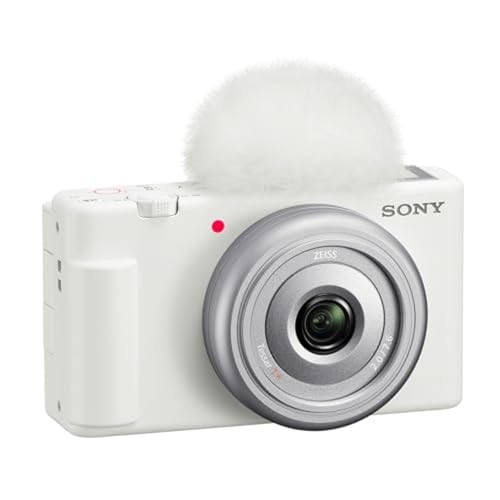
| Sony ZV-1F | Best party camera for hosts | Pocket-sized, instant and flattering: the camera that documents your party without leaving it. |
| Sony ZV-1F | Best for the designated photographer | The black version: discreet in dark rooms, serious about delivering the night’s official album. |
| DJI Osmo Pocket 3 | Best party filming camera | A gimbal in your palm: party movement filmed like the highlight reel it deserves to be. |
| GoPro Hero | Best pass-around party camera | Small, waterproof and unbothered: the camera the party itself gets to hold. |
| Insta360 GO 3S | Best hands-free party perspective | Clip it, stick it, forget it: the party filmed from inside the party. |
| AKASO EK7000 | Best budget party camera | The fearless cheap seat: decent footage, zero anxiety, one for every room if you like. |
How did we choose the cameras for parties in this guide?
Judging happened at real parties: a birthday in a dim restaurant, a house party with string lights and a kitchen disco, a garden gathering sliding into dusk. Cameras were scored on the photographs guests actually asked for afterwards — the group shot, the laughing candid, the dancefloor blur-that-works — and on how many moments each camera missed while waking, focusing or being figured out.
Face rendering under mixed light carried heavy weight. Party lighting mixes warm bulbs, cool screens and coloured LEDs into a soup that breaks lazy white balance; cameras that kept skin human through it outscored sharper rivals that rendered everyone sunburned or seasick. Flash behaviour was tested for the classic crimes: white-out faces, black backgrounds, red-eye nostalgia nobody requested.
Survivability and social cost closed the scoring. Each camera was handed to guests, pocketed, placed on sticky tables and used one-handed while holding a drink. Cameras that made people perform for them scored below cameras that disappeared; the party’s own verdict — which camera’s photos filled the group chat next morning — settled ties.
A methodological confession belongs in this guide: party testing cannot be standardised, and pretending otherwise would be dishonest. Hosts differ, rooms differ, the same camera at two parties is two cameras. The verdicts therefore lean on patterns across many gatherings rather than any single night’s triumph — the camera that flattered faces in a restaurant, a garden and a kitchen disco has earned a generalisation; the camera that won one perfect evening has earned an anecdote, and this guide has tried to sell you only the generalisations.
We also tracked the morning-after metric rigorously: which photographs were actually requested, saved and re-shared by guests in the week after each party. That metric is the party camera’s true review score, and it rearranged our rankings in ways the night itself did not predict — reliability and flattery beat sharpness every single time, by margins that should embarrass specification-led buying.

Sony ZV-1F — Best party camera for hosts
Hosts photograph in the margins of hosting — thirty seconds between the door and the drinks — and the ZV-1F is built for margins. It wakes instantly from a pocket, its wide lens gathers the kitchen crowd without backing into the fridge, and its face-prioritising exposure keeps guests human under string lights and warm bulbs. The white finish suits bright gatherings and finds itself easily in a dim room, a small mercy at midnight.
- 1-inch sensor in a pocket body
- Wide 20mm lens, bright for low light
- 4K video with face priority
- Simple controls, fast wake
- Wireless transfer to phones
Its video is the party trick: birthdays, toasts and terrible dancing filmed with stabilisation and sound that survive the group chat’s judgement. Battery life covers an evening’s honest use, and wireless transfer feeds the morning-after album. Hosts who have suffered the phone’s midnight smear will recognise this as the camera their parties have been asking for — present, pretty and never in the way.
Strengths
- Instant enough for unrepeatable moments
- Faces stay human in mixed light
- Films the party as well as framing it
Trade-offs
- Fixed wide lens for group framing
- No built-in flash party tricks
- Premium over pass-around picks
Best for: Hosts and guests who want the album and the evening.
Not suited for: Crowds likely to drop it in the punch.
The white ZV-1F’s party manners extend to a detail hosts notice by the second gathering: guests pick it up correctly without instruction. The lens is where a lens should be, the record button is findable by thumb, and the screen shows a face-flattering preview that makes first-time users trust it. A camera that guests operate happily doubles its coverage of the night, because the host’s camera becomes everyone’s camera whenever it is set down — safely, one hopes, on the strap this guide keeps insisting upon.
The white ZV-1F has a party trick its specification hides: its screen’s preview flatters so immediately that guests who see themselves in it relax and offer the camera better faces. Photographers call this the mirror effect, and it is worth real photographs across a night — the self-conscious first hour of a party melts faster when the camera keeps showing people their best selves. Hosts should leave the screen visible rather than hiding it; the feedback loop is a feature.
A white ZV-1F detail for hosts with dogs, children or chaos: its lens is fixed and protected behind glass that wipes clean in one motion — no extending barrel to jam with cake, no cap to lose in the sofa. Party equipment should be cleanable at the speed of parties, and this camera’s sealed face is a small design kindness that owners notice at midnight.

Sony ZV-1F — Best for the designated photographer
Every party appoints a photographer, officially or by default, and that person deserves the tool that delivers. In black, the ZV-1F disappears in dark rooms — no white body catching eyes — while its sensor and lens do the same flattering work as its sibling: groups sharp, faces kind, dancing preserved rather than smeared. The designated photographer’s album is judged next morning; this camera passes that judgement consistently.
- 1-inch sensor, black finish
- Wide bright lens, 4K video
- Face-priority exposure
- Pocketable, discreet in dark rooms
- Wireless sharing
Deliberate duplication is the point: hosts circulating the white one for candids while the photographer works the black one for the record is a two-camera party system for the price of a modest dinner party. Identical menus mean no learning curve between them. If your social circle photographs seriously — birthdays that become albums, gatherings that become prints — the black ZV-1F is the working camera of the pair.
Strengths
- Invisible in evening settings
- Album-quality faces all night
- Pairs with the white as a system
Trade-offs
- Same fixed-lens limits as its twin
- Deliberate purchase, not a spare
- No viewfinder for bright gardens
Best for: Designated photographers and serious social circles.
Not suited for: One-camera households (choose either colour).
Its audio on party video deserves the praise usually reserved for dedicated recorders: voices stay intelligible over music at conversational distance, which is precisely the toast, the anecdote and the birthday song. Clips need no rescue in editing, so they actually get shared — the graveyard of party video is filled with footage awaiting fixes that never come.
Owning both ZV-1F colours sounds like an extravagance until a household prices the alternative — a larger interchangeable-lens system for the ‘serious’ role — and discovers the pair costs less, shares every accessory, and never intimidates a room. Two identical small cameras is a legitimate professional pattern borrowed from wedding photography, scaled to domestic life. The party circuit is simply where the pattern proves itself weekly.
The black ZV-1F’s flash-free confidence changes the designated photographer’s positioning: free to work from the room’s dark corners, they stop clustering near lights and start finding the angles the party does not know it has. Low-light capability is, in practice, a licence to be invisible — the precondition of every candid worth framing.

DJI Osmo Pocket 3 — Best party filming camera
Parties move, and phone footage of movement is a seasickness simulator. The Pocket 3’s mechanical gimbal irons dancing, processions and party games into glide, while face tracking keeps the birthday star framed as they circulate. Its low-light sensor keeps evening footage clean, and the rotating screen flips between filming the room and filming your own reaction — the grammar of every party video that ever travelled well.
- 1-inch CMOS on a 3-axis gimbal
- 4K video, face tracking
- Rotating touchscreen
- Strong low-light filming
- Pocket-sized
Stills are competent snapshots rather than its purpose; pair it with any stills pick here for the complete record. Battery covers a party’s filming with sensible rests, and its size means it emerges for moments and vanishes between them, the correct social rhythm. Creators who film gatherings for an audience — family channels, event pages — will find it transforms their output more than any other single purchase in this guide.
Strengths
- Movement filmed like cinema
- Tracks the guest of honour
- Discreet, quick, social
Trade-offs
- Stills secondary
- Gimbal wants gentle handling
- Premium tier for a party tool
Best for: Party filmmakers and family chroniclers.
Not suited for: Stills-first photographers.
Battery honesty: a full evening of mixed stills and clips is comfortable; a wedding-scale day wants a pocket power bank for the gaps. Hosts should charge it where the coats go, in the hour before guests arrive, as part of the party setup ritual alongside the ice and the playlist.
The Pocket 3’s audio in a loud room deserves its footnote: it isolates the near voice — the speech, the song, the toast — with a competence that lets party films be understood, not just seen. Filmmakers should still step close for speeches; physics respects proximity above processing. But for the roaming film of a loud night, its sound is the difference between a watchable record and a silent movie with lip-reading.
Pocket 3 owners should pre-set its party mode before guests arrive: face tracking on, the framing size that suits a room, the quick flip rehearsed. A gimbal camera fiddled with mid-party is a prop; a gimbal camera pre-set is invisible. The setup takes four minutes at the coat stage of party preparation and pays for the whole night.

GoPro Hero — Best pass-around party camera
The pass-around camera is a party institution — it gathers the selfies, the dancefloor footage, the kitchen confessions — and it must survive the institution. The little Hero is waterproof against spills and worse, small enough to be forgotten in a hand, and simple enough that every guest is a photographer within seconds. Its wide lens forgives aim; its stabilisation forgives dancing.
- Compact waterproof body
- 4K video with stabilisation
- One-button simplicity
- Wide forgiving lens
- Tough, pocketable build
Image quality in bright and moderate light is cheerfully good; in true darkness it trails the Sonys, which is why it circulates as the people’s camera rather than the official one. The album it produces is reliably the most loved of the night — not the sharpest, the truest. Hosts who buy one discover it becomes the most borrowed object they own, which is a review in itself.
Strengths
- Survives the party it documents
- Every guest can use it instantly
- The honest album, every time
Trade-offs
- Dark rooms stretch it
- Built-in battery for the night
- Stills are snapshots, not portraits
Best for: Hosts running the pass-around tradition.
Not suited for: Designated photographers delivering the album.
The black ZV-1F earns its separate entry on a point of party sociology: colour changes behaviour. A white camera reads as a gadget and gets played with; a black camera reads as equipment and gets respected — handed back, kept off sticky surfaces, treated as the photographer’s tool. Designated photographers who have worked both report the black one simply survives parties better, not through toughness but through the manners it inspires.
The little GoPro’s party weakness is also its charm: its wide lens makes everyone look slightly heroic and the room slightly vast, a gentle fiction parties enjoy about themselves. Hosts should know its battery is built in — the night is planned around one charge plus a power-bank pause at the coat pile — and that its stills, while cheerful, will not be the framed print. Assign roles accordingly and it never disappoints.
The little GoPro at a garden party has a station trick: mounted at the drinks table at guest height, triggered by its remote from the host’s pocket at the funny moments, it becomes a photo booth that operates itself. Guests mug for it happily because it is not a person judging — the booth effect, achieved with a camera that also survives being knocked into the lemonade.

Insta360 GO 3S — Best hands-free party perspective
Some party footage cannot be held. The GO 3S clips to a shirt, sticks magnetically to a fridge door above the drinks station, rides a cap through the dancing — gathering the literal point of view of the night in 4K from a camera weighing less than the canapé. Hosts wear it during arrivals and forget it; the footage remembers everything, including the host’s own evening, which no other camera ever captures.
- Thumb-sized 4K camera
- Magnetic and clip mounting
- Action Pod for screen and charging
- Waterproof camera body
- Hands-free POV capture
Sessions are short by design, so it works in bursts — arrivals, the toast, the dancing peak — returning to its pod to recharge between acts. As a second perspective beside any stills camera here it is unmatched fun, and its clips cut into party films like a director’s secret weapon. Buy it as the party’s witness, not its workhorse, and it will delight you at every gathering for years.
Strengths
- The host finally appears in the album
- Perspectives nobody else can get
- Invisible while filming
Trade-offs
- Short sessions between charges
- Not the official album camera
- Tiny controls need the pod for settings
Best for: Hosts and novelty-perspective lovers.
Not suited for: Anyone wanting one camera for everything.
Image quality is identical to its sibling, so the working pair strategy is real: same menus, same batteries, same chargers, two roles. Photographers building a small events sideline — birthdays, engagements, family celebrations — could do worse than start exactly here, with the black body as the primary and the white as the candid second.
The GO 3S at a party produces one category of footage no guest expects: the room from the height of a child, a dog, or the drinks tray — perspectives that make the familiar night suddenly cinematic. Hosts who clip it somewhere inspired for the party’s peak half-hour gain the clips the group chat will still be quoting at the next party. Battery brevity is irrelevant when the deployment is a cameo.
A GO 3S deployment for the family party: clip it to the dog. The resulting footage — the party at knee height, every guest bending down to greet the camera — is reliably the most beloved clip of the year, and the camera’s stabilisation makes it watchable rather than merely funny. Some perspectives are jokes; this one is a joke that becomes a treasure.

AKASO EK7000 — Best budget party camera
Budget party cameras earn their place through courage: the EK7000 goes where anxiety would stop a better camera — into the crowd, onto the garden table in drizzle, into the hands of a teenager with a mission. Its 4K footage and stabilisation are honestly serviceable in decent light, the waterproof case shrugs at spills, and the remote lets a host trigger group shots from inside the group.
- 4K video with stabilisation
- Waterproof case included
- Remote control for group shots
- Wide-angle lens
- Very accessible tier
Darkness is its tax: as rooms dim, quality softens well behind the Sonys, so assign it the bright hours and the pass-around role and it will not disappoint. At its tier, buying two — one circulating indoors, one stationed at the garden — is a legitimate strategy that still undercuts a single premium compact. Parties are chaos; the EK7000 is the camera priced for chaos, and there is real wisdom in that.
Strengths
- Financially fearless in any crowd
- Group shots by remote
- Fine in bright party light
Trade-offs
- Low light softens quickly
- Case muffles audio
- Build is budget-grade
Best for: Big parties, pass-around duty and garden stations.
Not suited for: Dark, intimate gatherings needing finesse.
Its discreetness in dark rooms has one more use: the surprise party, where the camera must be ready before the lights and invisible until the shout. Pre-set it, pocket it, and the moment of the year is captured by a camera nobody saw coming — the designated photographer’s finest trick, made easy.
The EK7000’s included accessories make it the party camera most likely to be set up as a photo station: tripod it in the photogenic corner, remote in hand or timer set, and guests produce their own posed archive all night without the host’s involvement. Budget cameras at stations is a pattern professional event photographers use with expensive gear and no snobbery — the station’s light and backdrop do the quality work.
The EK7000 at a beach or pool party is the only pick whose loss would be a shrug, and that shrug is a feature money cannot usually buy: it goes in the water, on the jetty, into the sand volleyball. Photographs exist because someone dared to bring the camera. Daring, priced correctly, is the EK7000’s entire and honourable proposition.
Why do party photos from phones disappoint by midnight?
Light, mostly. As rooms darken, phone sensors shrink their effective quality: faces smear with noise reduction, motion blurs, and the flash — a bare LED at arm’s length from the lens — produces the classic white-face, black-room photograph. The cameras in this guide carry larger sensors, brighter lenses and smarter flash or low-light processing, which is why their midnight photographs look like the party felt rather than like evidence from it.
Distance is the second factor. Party moments happen across rooms — the toast, the dancefloor, the cake ambush — and phone digital zoom dissolves them into watercolour. Even the modest optical quality of a compact camera preserves them recognisably. Add a real camera’s faster wake and shutter response, and the candid that the phone missed by half a second becomes the photograph the group chat keeps.
None of this banishes the phone, which remains the sharing machine. The workflow that works: camera photographs the night, phone receives the highlights next morning. Guests consistently prefer it once they see the difference — the party gets a photographer, and the photographs get a sensor worthy of the hangover.
What makes a camera socially invisible at a party?
Size starts it. A camera that fits a pocket or hangs unnoticed on a wrist does not announce ‘documentation in progress’ the way a large body with a telephoto does. Silence continues it: quiet shutters and screens that do not blaze in dark rooms keep candids candid. The compacts and wearables in this guide were chosen partly for this discretion — they photograph the party from inside it.
Behaviour completes invisibility. The camera that is always out becomes furniture; guests stop posing within twenty minutes and the real party emerges. Hosts should introduce the camera early, let it circulate, and resist reviewing shots mid-party, which turns photography into a performance review. The best party photographers are participants first — the camera simply has a better memory than they do.
Flash discipline protects the spell. A flash fired constantly makes a camera the room’s least favourite guest; used sparingly — the group shot, the cake, the toast — it becomes part of the celebration’s punctuation. Several picks offer gentle, bounce-friendly or low-light alternatives that keep flash rare. Choose a camera whose no-flash results you trust, and the flash becomes a spice rather than the recipe.
How should a host set up photography without becoming the photographer?
Delegate or automate. The pass-around model works: a tough or affordable camera — the AKASO or the little GoPro in this guide — circulates all night, gathering the party’s own perspective, while the host hosts. Guests photograph each other with an honesty no official photographer achieves, and the resulting album is the party as it felt from inside.
The station model also works: one photogenic corner, decent light, the good camera on a small tripod with a remote or timer, where groups assemble themselves. It concentrates the posed photography into a place and frees the rest of the party from it. Hosts who have tried both models report the station produces the printable group shots and the circulating camera produces the beloved ones.
Either way, decide the morning-after workflow in advance: whose card, whose album, what gets shared where. Party photographs sour faster than milk when sharing norms are unclear. A two-line message in the group chat — ‘photos tomorrow, shout if you want any kept private’ — preserves friendships and makes the photography a gift rather than a negotiation.
How do you photograph a party in a genuinely dark room?
Accept the darkness as the aesthetic rather than fighting it. Raise sensitivity until faces hold together, open the lens fully, and let backgrounds fall to black pools that make the lit faces glow — the look of every beloved party photograph ever taken. The Sonys and the Pocket 3 in this guide are chosen because their sensors keep this bargain gracefully; the budget picks will tell you, through noise, exactly where their limits live.
Movement becomes a tool at slow shutter speeds: a dancing subject held sharp by a brief flash or a steady hand against a swirl of motion blur is the party photograph as art form. Experiment during the dancing, when failures cost nothing and the successes look like magazine work. Keep the camera’s stabilisation on, brace against a doorframe, and shoot in bursts — darkness rewards volume and punishes hesitation.
Focus is the dark room’s final boss. Cameras hunt; faces drift. Pre-focus on a lit landmark at the right distance — the bar, the doorway — and let subjects enter the plane of focus, or trust the face detection in the Sonys, which was plainly trained on parties. Either way, review the first ten frames of the night and adjust before the moments that matter arrive.
What is the etiquette of the morning-after album?
Speed and selection are the etiquette. Send a small set of highlights within a day, while the party is still the group’s shared story, and hold the full album for anyone who asks. Thirty photographs is a gift; three hundred is homework. Choose for joy: the laughing group, the quiet conversation, the dancefloor peak — and leave the unflattering frames in the archive, where kindness keeps them.
Consent travels with the album. Anyone may ask for a photograph to stay private, and the photographer’s only correct answer is immediate agreement. Party photographs exist inside friendships; an album that costs a friendship was too expensive at any resolution. Hosts can set the tone in the invitation itself — one line about photographs being taken and shared within the group prevents every later awkwardness.
Tag thoughtfully and store safely. The party’s archive deserves one organised home — a shared album everyone can find next year — rather than a scroll of chat history. The designated photographer who delivers that album becomes, quietly, the family’s historian, which is the best-paid role at any party: paid in being asked back, camera in hand, forever.
A short note on the quiet photographs
Between the five loud moments this guide plans for, every party offers quiet ones: the two old friends on the stairs, the child asleep under the coats, the host alone in the kitchen for one breath before the next wave. These photographs are rarely requested and always treasured, because they are the party’s interior — the part the celebration was for. A camera that is ready, discreet and kind in low light exists substantially for them; the picks here were judged, in the final analysis, on whether they could be present for the quiet without breaking it.
Take them sparingly and share them gently — the quiet photograph is often the most private one in the album, and its subjects deserve the first look and the veto. Handled that way, these frames become the ones families frame. The loud photographs record that the party happened. The quiet ones record why it mattered, and a complete album — like a complete party — needs both kinds of evidence.
One last consideration for the host
The best party photographs in this guide’s research shared a quality no camera supplies: they were taken by people who were having the party, not documenting it from outside. Every technical choice recommended here — the ready pocket camera, the forgiving automation, the pass-around that frees the host — exists to protect that insider status. Guard it when you buy: choose the camera that asks least of your attention, because your attention is the party’s scarcest resource and its guests’ favourite gift.
Start smaller than your ambitions. One good compact, charged and present at the next three gatherings, will teach you your household’s photographic grammar — who documents, who performs, which moments matter — better than any guide. Then let that grammar choose the second camera, if one is needed at all. Parties are recurring; equipment can accumulate at the speed of knowledge rather than the speed of shopping.
And send the photographs. The album that stays on a card is a party that never quite finished. Three frames tonight, the set within two days, the archive where the group can find it next year — distribution is the second half of photography, and at parties it is the half that turns a camera into a reputation and a record into a tradition. The next party’s invitation will mention the photographs. They always do.
Finally, be in one. Hand the camera to someone, step into the light you have been arranging all night, and let the record include its author. Future viewers of the album — including, especially, you — will look for your face among the guests, and the party where the photographer never appears reads, decades later, like a story with its narrator missing.
Party stories: the photographs that outlived the night
A fiftieth birthday in a village hall produced the photograph the family now treats as an heirloom: four generations, one frame, taken by the black ZV-1F on a tripod in the hall’s one pool of decent light, with the designated photographer inside the frame by remote and timer. The camera’s contribution was not glamour — it was being ready, focussed and kind to faces at the exact twenty seconds when four generations were simultaneously in one place and humour. Heirloom photographs are logistics before they are art, and the logistics here were a small camera, pre-positioned, that nobody had to think about.
A housewarming’s pass-around AKASO returned with the night’s secret history: the kitchen conspiracy, the garden heart-to-heart, the dog’s-eye view of the dancing. The host’s own photographs were better photographs; the crowd’s were the party. She now runs both cameras at every gathering as a matter of policy, and her albums have the double texture — the record and the rumour — that makes them re-opened for years. Party photography’s two genres need two tools, and both of hers together cost less than her sofa.
A wedding’s unofficial film — shot on a Pocket 3 by the bride’s brother between his official duties as a guest — became the couple’s most-watched record, ahead of the professional photographs they also love. The gimbal’s glide through the dancing, the rotating screen catching his own tears at the speeches: it had the family’s grammar in a way no hired camera could. Professionals document; relatives testify. The wise household commissions both and confuses neither with the other.
A children’s party closes the evidence with the GO 3S on the dog, again — because in this guide’s research it happened twice, at different parties, with the same result: the clip that defines the family’s year. Cameras earn their reputations in such repetitions. Buy the one whose best trick matches your household’s recurring joy, keep it charged and present, and let the years accumulate their evidence.
A party photographer’s pocket checklist
Before guests: camera charged, card emptied, settings on the forgiving automatic you trust, strap attached, one test frame in the party’s actual light. Five minutes of preparation performed while the ice is being bought. The party will supply everything else — light, chaos, faces — and preparation is how the photographer gets to enjoy them as a guest rather than fight them as a technician.
During: shoot the five moments, circulate the pass-around camera early while guests are still delighted by it, check one flash frame before the cake, and put the camera down for at least one full hour in the middle. That hour is not a gap in the record; it is the photographer’s own memory being made, which is the archive nobody else can shoot for you.
After: three photographs to the group tonight, the album within two days, the archive named and stored before the week turns. Party photographs decay in value like party food — glorious fresh, questionable later. The checklist’s real product is not photographs but the reputation of the person whose parties always come with an album, which is a social asset beyond pricing.
How do you photograph the party’s key moments without missing the party?
The key moments are knowable in advance at almost every party: arrivals, the first toast, the cake or the speech, the dancing peak, the farewell. A photographer who plans for five moments can be a guest for the other ninety percent of the night. Keep the camera pocketed or wrist-strapped, charged and set — readiness is a state, not an activity — and let the moments announce themselves.
Position beats pursuit. The photographer who stands where the light and the sightlines already agree — near the bar’s glow, at the dancefloor’s edge — gathers the night with half the effort of the one who orbits. Parties have natural stages; learn to see them in the first ten minutes, claim the good spot socially, and let the party perform in front of your lens instead of chasing its tail.
Accept the honourable miss. Some moments will happen behind you, during your own laughter, in the room you just left — and the correct response is delight that the party was bigger than its record. The album needs to be true, not total. Photographers who internalise this become the guests hosts invite back, camera welcome, which is the only sustainable way to photograph a social life.
What party photographs will matter in twenty years?
Faces in groups, arranged by affection rather than by height: the photograph of the whole friendship in one frame is the image the future will interrogate hardest, so make it deliberately at every significant party — good light, everyone in, two frames for the blink. The designated-photographer picks in this guide exist substantially for this single recurring photograph.
The elders and the children, together if the party allows it: time edits guest lists in one direction, and the parties where generations overlap are finite. A photographer who quietly ensures those frames exist performs the party’s deepest service, usually unrecognised until decades later, when the frame becomes the family’s evidence of itself.
And the place: one wide photograph of the room, the garden, the table before the wreckage — because memory keeps faces and loses settings, and the setting is half the story. Take it early, while the party is still composed. Twenty years on, guests will reconstruct entire eras from that single frame’s details: the wallpaper, the car outside, the hairstyles orbiting the buffet.
Comparison: all six picks at a glance
| Camera | Badge | Best for |
|---|---|---|
| Sony ZV-1F | Best party camera for hosts | Hosts and guests who want the album and the evening. |
| Sony ZV-1F | Best for the designated photographer | Designated photographers and serious social circles. |
| DJI Osmo Pocket 3 | Best party filming camera | Party filmmakers and family chroniclers. |
| GoPro Hero | Best pass-around party camera | Hosts running the pass-around tradition. |
| Insta360 GO 3S | Best hands-free party perspective | Hosts and novelty-perspective lovers. |
| AKASO EK7000 | Best budget party camera | Big parties, pass-around duty and garden stations. |
What are the most common mistakes to avoid?
Using direct flash for every photograph
Constant bare flash flattens faces, kills atmosphere and makes the camera unwelcome by the second hour. Trust the low-light abilities these cameras were bought for, reserve flash for group shots and the cake, and bounce or diffuse it whenever the room allows. The party’s mood is the photograph’s subject; flash should visit it, not evict it.
Chasing every moment and experiencing none
The host-photographer’s trap: a whole party watched through a screen, an album of a night you did not attend. Photograph in bursts of attention — arrivals, the toast, the dancing peak — and put the camera down between them. Guests relax, the party improves, and paradoxically the photographs do too.
Handing an expensive camera to the crowd unprepared
Pass-around photography is wonderful with the right camera and a wrist strap, reckless with a flagship and optimism. Choose the tough or budget pick for circulation, attach the strap, set it to full auto, and accept the occasional floor-level masterpiece as the price of the party’s own viewpoint.
Final Recommendation
Hosts should buy the Sony ZV-1F in whichever colour suits the house: it pockets between duties, flatters every face and films the toast beautifully. Filmmakers of the family belong with the Osmo Pocket 3, whose party footage looks like the night felt. The compact GoPro Hero and the wearable Insta360 GO 3S capture the party’s own perspective hands-free, the AKASO EK7000 circulates without financial anxiety, and the second ZV-1F — in black, on the designated photographer’s wrist — delivers the album. Photograph generously, share thoughtfully, and be in the party you are preserving.
End the night with one small kindness to your future self: before bed, copy the card or start the transfer, and send three photographs — not thirty — to the group chat with a line of thanks. Three great frames tonight beat the full album next week, because parties live in memory’s first draft. Then let the album follow when it follows. The cameras above did the capturing; the kindness is the distribution, and parties, in the end, are remembered exactly as generously as they are shared.
Frequently Asked Questions
Is a dedicated camera really better than a phone at a party?
After dark, yes, visibly: larger sensors hold faces together in low light, real lenses reach across rooms, and battery life outlasts the night. In bright afternoon garden parties the gap narrows to taste. The deciding factor is the party’s darkest hour — if photographs from it matter, the dedicated camera earns its invitation.
Which camera can I hand to guests safely?
The AKASO EK7000 for its price, the GoPro Hero for its toughness. Set either to automatic, attach the wrist strap, and let it circulate. Brief guests with one sentence — ‘photograph everything’ — and collect it at the door. The results are reliably the most honest album of the night.
How do I avoid harsh flash photographs?
Raise the camera’s sensitivity, open the lens, and let ambient light lead; use flash only for posed groups, ideally bounced off a ceiling or softened. The compacts here are chosen for low-light ability precisely so flash becomes occasional. Review your first flash shot of the night and adjust before the cake arrives.
What camera films a party best?
The DJI Osmo Pocket 3, because its gimbal turns dancing, mingling and movement into smooth footage while its face tracking keeps subjects framed. For static filming of speeches or performances, the ZV-1F on a small tripod is the calmer tool. Both record party sound respectably; a separate microphone only matters for speeches you intend to publish.
Can these cameras share photos to phones easily?
Yes — all the modern picks here transfer wirelessly to a phone for next-morning sharing, and the compacts do it quickly enough for a few same-night highlights. Build the album after the party rather than live-posting through it; the group’s morning-after message is where party photographs do their real work.
What about privacy at parties?
Photograph with the group’s comfort as the limit: announce the camera early, honour anyone who opts out, and agree sharing norms before posting. Discreet cameras help because they do not make photography feel like surveillance. The best party albums are gifts; treat consent as part of the gift-wrapping.
Which camera works best for a children’s party?
The pass-around logic inverts: children are the photographers and the hazard. The EK7000 or the little GoPro, on a strap, in full auto, gathers a child’s-eye album of genuine delight and survives the inevitable. Keep the good camera in an adult’s hand for the cake moment. Photograph children with their parents’ blessing, share within the family group, and the album becomes the party favour that outlasts the balloons.
How many photos should I take at a party?
Fewer than instinct says, in more deliberate bursts: arrivals, one set mid-evening, the toast or cake, the dancing peak, and the farewell cluster. Between bursts, be a guest. A few hundred frames across a night is typical for the designated photographer; a few dozen is plenty for a host. The album’s quality is set by selection afterwards, not by volume on the night.
What is the one party photograph I should never skip?
The whole-group frame, taken early enough that everyone is present and late enough that everyone has relaxed — usually just after the first hour, in the best light the venue owns, with the camera on a tripod or a shelf and every face visible. Announce it cheerfully, take three frames for the blinks, and let it take ninety seconds. Decades later, that single photograph will be the party’s official portrait: the one that gets framed, forwarded and wept over, while a thousand candids orbit it as supporting evidence.
What if guests ask me not to post photos of them?
Honour it instantly and completely, including removing anything already posted, without negotiation or visible disappointment. The request costs you a photograph and buys you a reputation: the photographer who can be trusted. In the long economy of a social life, that reputation is worth more than every album in this guide combined.
Should I bring a camera to someone else’s party?
Bring the small one, ask the host in one cheerful sentence, and accept any answer gracefully. Most hosts are delighted — you are offering the album as a gift. Keep it discreet, share everything with the host first, and let them lead on wider sharing. The guest whose camera becomes a welcome institution gets invited everywhere; the one who turns parties into shoots gets invited once.
How do I photograph a surprise party’s big moment?
Pre-position everything: camera set and pocketed, the room’s light understood, your spot chosen with a clear view of the door. Shoot the entrance in a burst, then keep shooting the reactions — the guests’ faces are the second half of the photograph. The discreet picks here, the black ZV-1F especially, were seemingly designed for this exact thirty seconds.
Related Guides
Hosts and family photographers should keep going with our low-light photography guide for celebrations, plus our guide to photographing children at family events. For the moving record, our beginner’s guide to filming family occasions covers the same ground on video.


