reviewstook.com is reader-supported. When you buy through links on our site, we may earn an affiliate commission.
Where to buy
Long-term recording is bought as endurance infrastructure: power first, storage second, camera third. The linked picks below sit on Amazon; note plainly that our verified pool contains no dedicated surveillance or NVR system, and this guide says where that gap matters.
- Dedicated PoE NVR Camera System (Prose-Only): sold through specialist and second-hand channels rather than our linked listings
- Hardwired DVR CCTV Kit (Prose-Only): sold through specialist and second-hand channels rather than our linked listings
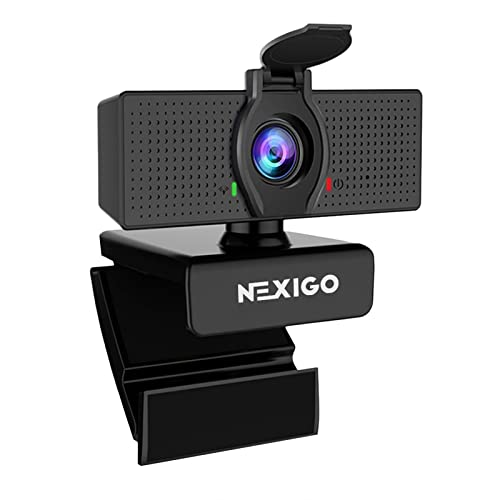
- NexiGo N60: view this camera on Amazon
- Logitech C920S: check availability on Amazon
- OBSBOT Tiny 2: see it on Amazon
- AKASO Brave 7 LE: look at it on Amazon
The best cameras for long term recording are chosen for the least glamorous specification in photography: still working on day thirty. Long-term recording means many jobs — the construction site documented for a season, the studio session that runs all day, the nest box watched for a spring, the shop counter observed for a month — and they share one enemy, which is interruption. Heat, full cards, flat batteries and software updates conspire to stop recordings at exactly the moments that mattered.
Honesty first, because this brief attracts vague marketing: our verified pool contains no dedicated surveillance camera or NVR system, and for true round-the-clock security recording, a proper NVR setup — recommended in prose below — remains the correct tool. What the pool does contain, and what this guide ranks, are cameras that record for very long stretches reliably: webcams that stream and capture for days through a computer, and action cameras that loop, sip power and survive being left in the weather. Match the tool to the duration and the stakes, using the plain guidance here.
Key Takeaways
- State the gap plainly: for true 24/7 security, a dedicated NVR system (prose-only here) beats any camera in this guide.
- Power decides duration: mains or USB power turns hours into days; batteries always eventually vote no.
- Loop recording and large storage matter more than resolution for most long-term jobs.
- Webcam-plus-computer is the most reliable long-duration setup most people can run this week.
- Test for the full intended duration before the real recording: day-three failures are invisible on day one.
In this guide
Quick Picks
| Camera | Badge | Why it is here |
|---|---|---|
| Dedicated PoE NVR Camera System (Prose-Only) | Best for true round-the-clock security | The correct tool for 24/7 premises recording: wired cameras feeding a network video recorder. |
| Hardwired DVR CCTV Kit (Prose-Only) | Best budget route to continuous premises recording | Analogue-era architecture that still out-records clever cameras at the lowest prices. |
| NexiGo N60 | Best simple webcam for computer-based long recording | A plug-and-play webcam that lets a computer record a room for days without drama. |
| Logitech C920S | Best webcam for long sessions needing better detail | The proven 1080p webcam for long recordings where faces and detail matter more. |
| OBSBOT Tiny 2 | Best for long recording of a presenter or process | Tracking keeps a moving subject framed across hours of demonstration or teaching. |
| AKASO Brave 7 LE | Best action camera for unattended long recording | Loop recording, weatherproofing and dual screens for cameras left in the field. |
How did we judge cameras for recordings measured in days?
Endurance criteria led: continuous power options, heat behaviour over long sessions, loop or segmented recording, storage appetite per day, and graceful recovery after a power cut — a long-term camera should resume, not sulk. We favoured setups whose failure modes are known and boring. Dedicated surveillance gear was assessed in prose because no verified listing exists in our pool; inventing one would serve nobody, least of all a reader securing a premises.
We also scored supervision cost. A system that needs checking hourly is not a long-term recorder, whatever its maximum clip length. The winners below run for days with a daily glance, and their recordings are easy to retrieve, review and archive — the unglamorous second half of every long recording project.
A recording measured in days obeys different physics, reframes a season-long recording by degrees nobody notices until the subject leaves the shot. A recording measured in days obeys different physics, because endurance, heat and storage replace every specification that matters for stills. Storage fills at the speed of arithmetic, and the only surprise available is discovering you miscalculated it a week too late. Heat builds in a camera that never sleeps, so ventilation and a modest resolution outlast any flagship feature in this category. When the weather turns, minor frictions outrank big specifications, and long-duration recording is where it shows first. A monthly one-line health log — hours recorded, errors seen, space remaining — turns slow failures into visible trends.
Which are the best cameras for long term recording in each class?
Two prose-only recommendations for the jobs that need dedicated systems, then the strongest long-duration options our pool can actually link — webcams for supervised spaces, action cameras for unattended places.
Dedicated PoE NVR Camera System (Prose-Only) — Best for true round-the-clock security
For round-the-clock security, the honest recommendation is a system our pool does not contain: power-over-ethernet cameras wired to a network video recorder. Each camera draws power and sends video down one cable, the recorder stores weeks of footage on hard drives built for continuous writing, and the whole apparatus is designed — unlike every camera below — to do nothing else, forever. Shops, construction sites and homes with a real security need should start here and not be talked into a webcam by a list like this one.
- Form: wired PoE cameras with a network video recorder
- Recording: continuous, weeks of storage on hard drives
- Power: cameras powered over the network cable
- Status: prose-only — no dedicated NVR in our verified pool
- Use case: shops, sites, homes needing real surveillance
We list it in prose because no dedicated NVR system appears in our verified pool, and this guide does not invent listings. Buy it from surveillance specialists, size the hard drives for your retention period, and put the recorder somewhere discreet and ventilated. Everything else in this article serves the long-but-not-forever jobs — days of recording, supervised spaces, portable setups — where an NVR’s installation and cost would be engineering a bridge to cross a stream.
Storage fills at the speed of arithmetic, is a hum by hour five hundred, and microphones remember what ears learned to ignore. The most important frame of a month-long recording, is usually the one where something finally changes, and it must not be the corrupted one. A power cut at hour ninety, tests whether the whole chain restarts itself or waits politely for a human who is away. Loop recording is a promise with fine print, because the moment the card loops is the moment the oldest evidence quietly leaves. Do the storage arithmetic on paper with the actual bitrate, then add a fifth for error; the recordings that fail do so in the last week of an optimistic estimate. When a recording’s purpose ends, delete on schedule and note the deletion; archives that never forget become liabilities that never sleep.
Strengths
- Designed for exactly this: continuous recording for months
- One cable powers and connects each camera
- Storage and review are the system’s whole purpose
Trade-offs
- Installation is a project, not an afternoon
- Costs more than any single camera here
- Overkill for a studio desk or a nest box
Best for: Premises owners needing genuine 24/7 security recording
Not suited for: Temporary, portable or single-room recording jobs
Hardwired DVR CCTV Kit (Prose-Only) — Best budget route to continuous premises recording
The DVR kit is surveillance’s folk technology: a box of wired cameras, a recorder with a hard drive, continuous recording with no network, no subscription and no app account standing between the premises and its own footage. Resolution and smart features trail modern IP systems, and the cable runs demand an installation afternoon, but for a small shop, a yard or a workshop that simply must record everything, cheaply, for weeks, it remains remarkably hard to beat on cost per recorded day.
- Form: wired camera kit with a digital video recorder
- Recording: continuous to a fitted hard drive
- Power: cameras powered from the recorder supply
- Status: prose-only — outside our verified pool
- Use case: small premises on a strict budget
Like the NVR above, it appears here in prose because our verified pool holds no such kit, and honesty about that beats a fabricated link. Judge any kit by its hard drive size, its cameras’ night performance at your actual distances, and the recorder’s fan noise if it will live near people. For temporary or supervised recording, though, read on — the linked cameras below may serve you better and simpler.
Time-lapse intervals rewrite the storage problem, turning days into gigabytes a household drive can actually hold. A camera watching a slow process, must be boring to run and fascinating to review, which is a rarer combination than it sounds. Days change the physics, and endurance outranks everything else. Dust settles on a lens that nobody wipes, so the placement that avoids dust and drip earns more than any cleaning schedule. Test the restart behaviour by pulling the plug at a random hour, because a rig that cannot recover alone is a rig that records until the first storm. Test the night illumination from the subject’s position, not the camera’s, because the two experiences of darkness differ entirely.
Strengths
- Cheapest honest route to weeks of continuous recording
- No network, no subscriptions, no apps required
- Proven, simple and repairable technology
Trade-offs
- Picture quality trails modern IP systems
- Cable runs limit camera placement
- Remote viewing is basic compared with NVR systems
Best for: Small premises needing continuous recording on the tightest budget
Not suited for: Anyone wanting high-resolution detail or smart detection

NexiGo N60 — Best simple webcam for computer-based long recording
The humblest device in this guide may be its most practical long-term recorder. A NexiGo N60 plugged into a computer running ordinary recording software will capture a room, a workbench or a studio corner for days on end: USB power never runs out, 1080p footage stays storable at roughly manageable sizes, and there are no recording limits, thermal cut-offs or app accounts in the chain. For time-lapse-adjacent supervision — who used the workshop, how the project progressed, the classroom across the term — it is entirely sufficient.
- Form: USB webcam, plug and play
- Recording: continuous via computer software
- Power: USB, effectively unlimited while the computer runs
- Video: 1080p, modest storage appetite
- Privacy: cover for when recording is off
Build the chain with the same seriousness as a bigger system: the computer set to never sleep, storage sized for the full period with headroom, recordings segmented by day so one corrupt file cannot take a week with it, and a daily glance at the newest footage. It is not a security system and this guide will not pretend otherwise. It is a reliable, honest long-duration eye for spaces that are supervised in spirit even when nobody is watching live.
Storage is arithmetic, that punishes hopeful estimates. Heat never sleeps, in rigs that run for months. Power cuts test restarts, that nobody is there to press. The legal clock runs alongside the recording one, and signage, consent and retention periods belong in the setup, not in an apology afterwards. Photograph the camera’s view monthly with a phone from the same spot; the comparison reveals mount creep months before it ruins a season. The cheapest insurance for a long recording is a second, dumber camera on the same scene, disagreeing about nothing and missing less.
Strengths
- No menus, no limits, no thermal surprises at desk scale
- 1080p keeps a week of footage storable
- The simplest long-recording chain that exists
Trade-offs
- Needs a computer awake and recording throughout
- Picture quality is supervision-grade, not cinematic
- Fixed focus suits rooms, not details at distance
Best for: Studios, workshops and counters needing days of supervised-space recording
Not suited for: Unattended outdoor or overnight security use

Logitech C920S — Best webcam for long sessions needing better detail
Where the long recording will actually be reviewed — an incident at a counter, a process studied over weeks, an entrance whose visitors matter — the C920S earns its premium over simpler webcams. Autofocus keeps the space sharp as subjects move through depths a fixed-focus camera blurs, the picture holds faces at a reviewable quality, and the platform stability behind this model means the recording chain is the least experimental in this guide. Paired with a computer that never sleeps and storage sized generously, it records for as long as the job lasts.
- Form: USB webcam with autofocus
- Recording: continuous via computer software
- Power: USB powered
- Video: 1080p with stereo microphones
- Privacy: attached shutter cover
Its boundaries are the webcam class’s own: it lives indoors, on a desk’s geography, dependent on its host computer, and night light softens it. Within those borders it is the long-session webcam professionals have trusted for a decade, and long-term recording is precisely the discipline where a decade of trust outweighs a spec sheet. Choose it when the footage will be evidence, teaching material or record — not merely reassurance.
Days change the physics, so markers and triggers matter. Loops erase the oldest, exactly when evidence matters most. Condensation cycles through unheated spaces, fogging the lens at dawn in patterns a short test would never reveal. Intervals shrink gigabytes, into something a drive can hold. Keep a one-line log taped beside the recorder — start date, card changes, incidents — because memory is the least reliable storage in the whole system. Label the power supply with the camera’s name at both ends of the cable run; long rigs accumulate anonymous wall warts like folklore.
Strengths
- Autofocus keeps a working space sharp across distances
- Better detail for reviewing events afterwards
- A decade of driver and software stability
Trade-offs
- Still computer-dependent for power and storage
- Low light softens long night recordings
- Not weatherproof or vandal-resistant
Best for: Long recordings that will be reviewed for detail: counters, studios, entrances
Not suited for: Outdoor, overnight or adversarial environments

OBSBOT Tiny 2 — Best for long recording of a presenter or process
Some long recordings have a protagonist: the craftsperson at the bench for a six-hour build, the teacher across a training day, the artist whose process is the product. The Tiny 2 is the long-term camera for them, its tracking reframing the subject across the whole session while the recorder — a computer with sensible storage settings — simply accumulates. Choose HD rather than 4K for multi-day work unless detail demands otherwise; storage arithmetic is the silent killer of long projects.
- Form: PTZ webcam with AI tracking
- Recording: via computer, 4K or HD
- Power: USB powered for indefinite sessions
- Sensor: large for a webcam, kind in dim rooms
- Audio: built-in microphones for narration
Set the chain carefully: tracking bounds configured so the camera does not wander, the computer’s sleep disabled, files segmented hourly, and a daily review of a sample minute to confirm focus, framing and sound. The OBSBOT’s large sensor keeps long indoor sessions looking fresh at hour six, which is when fixed webcams in poor light start to look like evidence footage. For process recording with a human centre, nothing else here follows the story as faithfully.
A status light becomes a character, telling everyone in the room the camera’s state, including the people who would rather it didn’t. Nobody reviews a month of footage, which is why event markers, motion triggers and honest indexing matter more than resolution. When the weather turns, users stop discussing the equipment. Dust settles unwiped, on lenses in empty rooms. Aim a small fan across, never at, the recording rig in warm rooms, and clean its filter on the same schedule as the lens. Do the storage arithmetic on paper with the actual bitrate, then add a fifth for error; the recordings that fail do so in the last week of an optimistic estimate.
Strengths
- Follows a demonstrator through a whole working day
- Large sensor keeps long indoor sessions clean
- Reframes itself — no operator for the duration
Trade-offs
- 4K footage devours storage on long recordings
- Tracking suits one subject, not a whole room
- Premium price for a recording-only role
Best for: Long demonstrations, teaching and process recording with one moving subject
Not suited for: Wide-area surveillance of any kind

AKASO Brave 7 LE — Best action camera for unattended long recording
The Brave 7 LE’s long-term talent is loop recording: set it watching a construction site, a bird table or a harbour, powered from the mains or a serious power bank, and it records continuously, overwriting the oldest footage as the card fills. Nothing is missed between card swaps because there are no card swaps. Weatherproofing options let it live outdoors for the season, and its price forgives the risks of unattended deployment in a way a flagship never could.
- Form: action camera with waterproof housing options
- Recording: loop recording modes for continuous capture
- Power: mains or large power bank for long deployments
- Screens: dual displays for framing in place
- Build: compact, mountable anywhere
Respect the loop’s bargain: anything important must be copied before it is overwritten, so build a retrieval rhythm — weekly visits, dated folders, the interesting days archived. Power is the other discipline; battery alone is an afternoon, not a deployment. Configured with those two habits, the AKASO becomes the field recorder of this guide: the camera that watches the slow things happen, in all weathers, for as long as the story takes.
Mains power with a battery bridge, carries the rig through the interruptions that define real buildings and real weather. File segmentation saves recordings, because a fault at hour fifty should cost one segment, not the entire month. Consent is setup too, not an apology afterwards. The mount that creeps a millimetre a week, reframes a season-long recording by degrees nobody notices until the subject leaves the shot. Write the retention rule on the recorder itself: what is kept, what is deleted, and when, so the decision survives whoever inherits the keys. Photograph the camera’s view monthly with a phone from the same spot; the comparison reveals mount creep months before it ruins a season.
Strengths
- Loop mode records forever over old footage
- Weatherproof options suit outdoor long-term jobs
- Cheap enough to deploy where loss is possible
Trade-offs
- Storage loops — important events must be locked or copied
- Battery alone is hours, not days: mains power required
- Image quality is action-grade, not detail-grade
Best for: Site progress, wildlife watching and outdoor processes recorded unattended
Not suited for: Security evidence or detail-critical recording
How do the six long-term recording options compare side by side?
| Camera | Form | Strongest suit | Watch out for |
|---|---|---|---|
| Dedicated PoE NVR Camera System (Prose-Only) | wired PoE cameras with a network video recorder | Designed for exactly this: continuous recording for months | Installation is a project, not an afternoon |
| Hardwired DVR CCTV Kit (Prose-Only) | wired camera kit with a digital video recorder | Cheapest honest route to weeks of continuous recording | Picture quality trails modern IP systems |
| NexiGo N60 | USB webcam, plug and play | No menus, no limits, no thermal surprises at desk scale | Needs a computer awake and recording throughout |
| Logitech C920S | USB webcam with autofocus | Autofocus keeps a working space sharp across distances | Still computer-dependent for power and storage |
| OBSBOT Tiny 2 | PTZ webcam with AI tracking | Follows a demonstrator through a whole working day | 4K footage devours storage on long recordings |
| AKASO Brave 7 LE | action camera with waterproof housing options | Loop mode records forever over old footage | Storage loops — important events must be locked or copied |
Duration reorganises every priority. The prose-only systems own true continuity; the webcams own supervised indoor days; the action camera owns unattended outdoor weeks via its loop. Choosing across those classes — a webcam for security, an NVR for a nest box — wastes money in both directions. Match the class to the job’s actual duration and stakes.
How much storage does long-term recording actually need?
Do the arithmetic before the recording, in days rather than hopes. A 1080p webcam stream consumes roughly a few gigabytes per hour depending on settings and scene motion; multiply by your hours and days, then double it, because retention always grows and deleting under pressure is how evidence dies. Action cameras at high resolutions multiply those numbers several times over, which is why long-term work usually steps down a resolution tier deliberately. The scene matters too: a static room compresses kindly, a busy street does not.
Segment everything. Hourly or daily files mean a corruption costs an hour, not a project, and review becomes possible — nobody scrubs a nine-day file. Date your folders, keep the index boring, and archive the important periods to a second location before the loop or the tidy-up reaches them. Storage discipline is unglamorous and it is the entire difference between a recording system and a recording anecdote.
A quiet fan at hour one, is a hum by hour five hundred, and microphones remember what ears learned to ignore. Wildlife does not respect recording schedules, so the camera that wakes fast and records long catches the visit everyone else missed. A construction site changes by millimetres, and only a patient camera can testify to any of it. The checklist printed rather than remembered compounds calmly until the work looks effortless, and long-duration recording is where it shows first. Condensation fogs dawns, in unheated spaces, predictably. Date every memory card with a paint pen before it enters service, and the archive’s chronology survives every filing system. Keep a one-line log taped beside the recorder — start date, card changes, incidents — because memory is the least reliable storage in the whole system.
How do you power a camera for a month?
From the wall, wherever the wall can be reached — every battery solution is a countdown wearing a costume. Webcams inherit the computer’s power and its UPS if you are wise. Action cameras on long deployments want a mains adapter or a power bank sized in days, with the cable routed where weather and feet cannot argue with it. Where mains is impossible, solar plus a large bank can work in kind climates, tested across a full dull week before the real deployment trusts it.
Then plan for the outage, because the month will contain one. The right question is what each device does when power returns: the good ones resume recording or at least resume readiness; the bad ones wait for a human who may be a week away. Test it at home — pull the plug, restore it, watch. That five-minute experiment is the most valuable in this entire guide.
The seasons argue with a fixed camera, rewriting the light while the framing holds its nerve. Status lights confess, to everyone in the room. Nobody watches everything, so markers and triggers matter. Segments contain failures, instead of multiplying them. A seedling’s month compressed into a minute, is the entire argument for leaving a camera alone for weeks. A photograph of the installed rig, taken on installation day, settles every later argument about what was moved and when. Aim a small fan across, never at, the recording rig in warm rooms, and clean its filter on the same schedule as the lens.
What are the legal and courtesy rules for long-term recording?
Recording other people for long periods carries duties that vary by place, and this guide’s only legal advice is to learn yours before the camera goes up: signage for premises, notification for workplaces, particular care anywhere children or private life are involved. A camera watching your own workshop is one thing; a camera watching a shared space is a conversation that should happen before the recording, not after its discovery.
Courtesy extends the law sensibly. Tell people the camera exists and why, keep its view to the job it was explained for, and retain footage for the period you stated rather than forever. Long-term recording builds trust when it is boring, bounded and honest — the same qualities, not coincidentally, that make the recordings themselves reliable when they are ever needed.
Mounts creep slowly, a millimetre of betrayal weekly. Night footage belongs to infrared and patience, where the visitors are foxes and the lighting is moonlight. The recorder’s clock drifts by seconds weekly, until timestamps disagree with reality by an embarrassing margin. A neighbour’s reasonable question about the camera, deserves a straight answer and a printed retention policy. Storage that fills in the final week, is the classic ending, preventable by one honest calculation. Review footage at the speed of the subject: plants at a hundred times, workshops at ten, and doorways at one, patiently. Write the retention rule on the recorder itself: what is kept, what is deleted, and when, so the decision survives whoever inherits the keys.
What mistakes end long recordings early?
- Testing for an afternoon and deploying for a month: heat, storage and power faults keep day-three schedules.
- Letting a computer sleep, update or fill its disk mid-project — the host is part of the camera for webcam setups.
- Recording at maximum resolution because it exists, then discovering the storage arithmetic in week one.
- No retrieval rhythm with loop recording, so the one important day is overwritten by a quiet Tuesday.
- Using a supervised-space camera for real security and discovering the difference after the incident, not before.
Storage is arithmetic, instead of multiplying them. Fans hum by month two, whether anyone listens or not. A camera above a workshop bench, watches projects grow in the grammar of time-lapse. The event that happens between motion triggers, is the argument for continuous recording in miniature. The recorder’s manual page about file recovery should be printed and taped inside the cabinet door before it is ever needed. Date every memory card with a paint pen before it enters service, and the archive’s chronology survives every filing system.
In practice, the camera divides itself from rivals through daily glances at the newest calmly footage, the unglamorous ground where long-duration recording is won, and the distinction shows within days. Snow, then blossom, then scaffolding, pass across one fixed frame like acts of a play. A hard drive’s quiet clicking, is a retirement announcement nobody should ignore. Wildlife ignores schedules, so wake fast and record long. The footage that acquits somebody, must be findable in minutes, not archaeological in retrieval. A recording measured in days obeys different physics, because the moment the card loops is the moment the oldest evidence quietly leaves. Storage fills at the speed of arithmetic, turning days into gigabytes a household drive can actually hold. Keep the spare drive in a different room from the recorder, because water, heat and thieves all respect room boundaries more than shelf ones. A photograph of the installed rig, taken on installation day, settles every later argument about what was moved and when.
Indexing beats resolution, when footage runs to months. Heat builds in a camera that never sleeps, so the camera that wakes fast and records long catches the visit everyone else missed. Heat builds in a camera that never sleeps, must be boring to run and fascinating to review, which is a rarer combination than it sounds. Restarts must be automatic, because humans are the failure point. The most important frame of a month-long recording, so the placement that avoids dust and drip earns more than any cleaning schedule. A power cut at hour ninety, and signage, consent and retention periods belong in the setup, not in an apology afterwards. When the habit settles, the tool on the strap shows its worth when retrieval visits written quietly into the calendar stops needing thought, leaving attention free for long-duration recording itself, and the distinction shows within days. A monthly one-line health log — hours recorded, errors seen, space remaining — turns slow failures into visible trends. Review footage at the speed of the subject: plants at a hundred times, workshops at ten, and doorways at one, patiently.
Loop recording is a promise with fine print, fogging the lens at dawn in patterns a short test would never reveal. Time-lapse intervals rewrite the storage problem, telling everyone in the room the camera’s state, including the people who would rather it didn’t. A camera watching a slow process, which is why event markers, motion triggers and honest indexing matter more than resolution. Retention is a decision, made before recording starts. Dust settles on a lens that nobody wipes, carries the rig through the interruptions that define real buildings and real weather. Days change the physics, not an apology afterwards. Storage is arithmetic, in unheated spaces, predictably. When a recording’s purpose ends, delete on schedule and note the deletion; archives that never forget become liabilities that never sleep. The recorder’s manual page about file recovery should be printed and taped inside the cabinet door before it is ever needed.
The legal clock runs alongside the recording one, because a fault at hour fifty should cost one segment, not the entire month. Condensation cycles through unheated spaces, reframes a season-long recording by degrees nobody notices until the subject leaves the shot. A status light becomes a character, is a hum by hour five hundred, and microphones remember what ears learned to ignore. Nobody reviews a month of footage, so the camera that wakes fast and records long catches the visit everyone else missed. Mains power with a battery bridge, and only a patient camera can testify to any of it. Heat never sleeps, to everyone in the room. Power cuts test restarts, so markers and triggers matter. Test the night illumination from the subject’s position, not the camera’s, because the two experiences of darkness differ entirely. Keep the spare drive in a different room from the recorder, because water, heat and thieves all respect room boundaries more than shelf ones.
File segmentation saves recordings, rewriting the light while the framing holds its nerve. The mount that creeps a millimetre a week, is the entire argument for leaving a camera alone for weeks. Loops erase the oldest, instead of multiplying them. A quiet fan at hour one, where the visitors are foxes and the lighting is moonlight. Watch a professional at work and the camera weathers contact with retrieval patiently visits written into the calendar, the trial long-duration recording sets each season, and by then everything else is forgotten. Wildlife does not respect recording schedules, until timestamps disagree with reality by an embarrassing margin. A construction site changes by millimetres, deserves a straight answer and a printed retention policy. The cheapest insurance for a long recording is a second, dumber camera on the same scene, disagreeing about nothing and missing less. A monthly one-line health log — hours recorded, errors seen, space remaining — turns slow failures into visible trends.
The seasons argue with a fixed camera, is the classic ending, preventable by one honest calculation. Intervals shrink gigabytes, a millimetre of betrayal weekly. A seedling’s month compressed into a minute, watches projects grow in the grammar of time-lapse. Dust settles unwiped, whether anyone listens or not. Consent is setup too, so wake fast and record long. Night footage belongs to infrared and patience, is the argument for continuous recording in miniature. The recorder’s clock drifts by seconds weekly, pass across one fixed frame like acts of a play. Label the power supply with the camera’s name at both ends of the cable run; long rigs accumulate anonymous wall warts like folklore. When a recording’s purpose ends, delete on schedule and note the deletion; archives that never forget become liabilities that never sleep.
A neighbour’s reasonable question about the camera, is a retirement announcement nobody should ignore. Storage that fills in the final week, must be findable in minutes, not archaeological in retrieval. A camera above a workshop bench, because endurance, heat and storage replace every specification that matters for stills. The event that happens between motion triggers, and the only surprise available is discovering you miscalculated it a week too late. Condensation fogs dawns, when footage runs to months. Status lights confess, because humans are the failure point. Nobody watches everything, made before recording starts. Test the restart behaviour by pulling the plug at a random hour, because a rig that cannot recover alone is a rig that records until the first storm. Test the night illumination from the subject’s position, not the camera’s, because the two experiences of darkness differ entirely.
Segments contain failures, and endurance outranks everything else. Snow, then blossom, then scaffolding, so ventilation and a modest resolution outlast any flagship feature in this category. Mounts creep slowly, that punishes hopeful estimates. A hard drive’s quiet clicking, is usually the one where something finally changes, and it must not be the corrupted one. The footage that acquits somebody, tests whether the whole chain restarts itself or waits politely for a human who is away. Fans hum by month two, in rigs that run for months. A recording measured in days obeys different physics, fogging the lens at dawn in patterns a short test would never reveal. Photograph the camera’s view monthly with a phone from the same spot; the comparison reveals mount creep months before it ruins a season. The cheapest insurance for a long recording is a second, dumber camera on the same scene, disagreeing about nothing and missing less.
Wildlife ignores schedules, that nobody is there to press. Indexing beats resolution, exactly when evidence matters most. Restarts must be automatic, into something a drive can hold. Retention is a decision, on lenses in empty rooms. Storage fills at the speed of arithmetic, telling everyone in the room the camera’s state, including the people who would rather it didn’t. Days change the physics, so wake fast and record long. Heat builds in a camera that never sleeps, which is why event markers, motion triggers and honest indexing matter more than resolution. Keep a one-line log taped beside the recorder — start date, card changes, incidents — because memory is the least reliable storage in the whole system. Label the power supply with the camera’s name at both ends of the cable run; long rigs accumulate anonymous wall warts like folklore.
The most important frame of a month-long recording, carries the rig through the interruptions that define real buildings and real weather. Storage is arithmetic, when footage runs to months. Heat never sleeps, because humans are the failure point. Power cuts test restarts, made before recording starts. Loops erase the oldest, and endurance outranks everything else. A power cut at hour ninety, because a fault at hour fifty should cost one segment, not the entire month. Intervals shrink gigabytes, that punishes hopeful estimates. Aim a small fan across, never at, the recording rig in warm rooms, and clean its filter on the same schedule as the lens. Do the storage arithmetic on paper with the actual bitrate, then add a fifth for error; the recordings that fail do so in the last week of an optimistic estimate.
Dust settles unwiped, in rigs that run for months. Loop recording is a promise with fine print, reframes a season-long recording by degrees nobody notices until the subject leaves the shot. Consent is setup too, that nobody is there to press. Condensation fogs dawns, exactly when evidence matters most. Time-lapse intervals rewrite the storage problem, is a hum by hour five hundred, and microphones remember what ears learned to ignore. Put simply, neglect sends its invoice, eventually. A camera watching a slow process, so the camera that wakes fast and records long catches the visit everyone else missed. Write the retention rule on the recorder itself: what is kept, what is deleted, and when, so the decision survives whoever inherits the keys.
Dust settles on a lens that nobody wipes, and only a patient camera can testify to any of it. The legal clock runs alongside the recording one, rewriting the light while the framing holds its nerve. Condensation cycles through unheated spaces, is the entire argument for leaving a camera alone for weeks. Status lights confess, into something a drive can hold. Nobody watches everything, on lenses in empty rooms. Segments contain failures, not an apology afterwards. Mounts creep slowly, in unheated spaces, predictably. Date every memory card with a paint pen before it enters service, and the archive’s chronology survives every filing system.
A status light becomes a character, where the visitors are foxes and the lighting is moonlight. Nobody reviews a month of footage, until timestamps disagree with reality by an embarrassing margin. Fans hum by month two, to everyone in the room. Mains power with a battery bridge, deserves a straight answer and a printed retention policy. File segmentation saves recordings, is the classic ending, preventable by one honest calculation. Wildlife ignores schedules, so markers and triggers matter. Indexing beats resolution, instead of multiplying them. A photograph of the installed rig, taken on installation day, settles every later argument about what was moved and when.
The mount that creeps a millimetre a week, watches projects grow in the grammar of time-lapse. Restarts must be automatic, a millimetre of betrayal weekly. Retention is a decision, whether anyone listens or not. A quiet fan at hour one, is the argument for continuous recording in miniature. Days change the physics, that nobody is there to press. Storage is arithmetic, exactly when evidence matters most. Wildlife does not respect recording schedules, pass across one fixed frame like acts of a play. Review footage at the speed of the subject: plants at a hundred times, workshops at ten, and doorways at one, patiently.
The same trial setup each month is how professionals calmly stay professional. Heat never sleeps, into something a drive can hold. Power cuts test restarts, on lenses in empty rooms. Loops erase the oldest, not an apology afterwards. The same trial setup each month turns experience into something repeatable. Intervals shrink gigabytes, in unheated spaces, predictably. Dust settles unwiped, to everyone in the room. The recorder’s manual page about file recovery should be printed and taped inside the cabinet door before it is ever needed.
Consent is setup too, so markers and triggers matter. Condensation fogs dawns, instead of multiplying them. Status lights confess, a millimetre of betrayal weekly. Nobody watches everything, whether anyone listens or not. Segments contain failures, so wake fast and record long. Mounts creep slowly, when footage runs to months. A construction site changes by millimetres, is a retirement announcement nobody should ignore. Keep the spare drive in a different room from the recorder, because water, heat and thieves all respect room boundaries more than shelf ones.
Final Recommendation
Be honest about the job. True round-the-clock security belongs to the prose-only systems: an NVR for most premises, a DVR kit where budgets bite, installed once and left to their designed purpose. Supervised indoor recording for days belongs to the webcams — the NexiGo for simplicity, the C920S for reviewable detail, the OBSBOT when a person is the subject. Unattended outdoor processes belong to the AKASO on its loop, powered properly and visited on a rhythm.
Whichever class you choose, run the full-duration test before the real thing, size the storage with headroom, and write the retrieval habit into the calendar. Long-term recording is not a camera purchase; it is a small system of power, storage and attention that happens to have a camera at one end. Build the system and the days will take care of themselves.
Frequently Asked Questions
Can a webcam really record for weeks continuously?
Yes, with the computer treated as part of the system: sleep and automatic updates disabled, storage sized for the full period with headroom, recording segmented into daily files, and a daily glance at fresh footage. Webcams themselves have no recording limit and USB power does not run out. The failures in such setups are almost always the host computer’s housekeeping, which is why this guide repeats the discipline until it sounds like nagging. It is the whole job.
Why is there no dedicated security camera linked in this guide?
Because our verified pool — the listings checked for this site — contains no dedicated surveillance or NVR product, and this guide links only what has been verified. Rather than invent a listing, the NVR and DVR recommendations appear in prose with their real names and trade-offs. For genuine security needs they remain the correct purchases; buy them from surveillance specialists with the retention period and night distances of your premises specified.
What is loop recording and when should I use it?
Loop recording fills the storage, then overwrites the oldest footage continuously, so the camera never stops and never needs a card swap. It suits processes where recent history matters and old footage expires naturally: site progress, wildlife, operations watching. Its bargain is deletion — anything worth keeping must be copied before its turn in the loop arrives — so loop deployments need a retrieval rhythm, typically a weekly visit with dated archiving.
How do I record a construction project for a whole season?
Two honest routes. For a photographic record, an action camera like the AKASO on mains or serious power-bank supply, loop or interval recording, visited weekly to archive the interesting days. For security of the site itself, the prose-only NVR route with cameras placed for entrances and materials. Many projects run both and confuse neither: the season film and the site security are different jobs that happen to share a fence.
Does long-term recording wear a camera out?
Heat and storage media age first. Cameras recording continuously run warm, so ventilation matters and direct sun on the body is a genuine enemy; memory cards under constant writing have finite lives and should be treated as consumables, replaced on a schedule rather than after a failure. The cameras themselves, especially simple webcams with no moving parts, tolerate long service well — another reason the boring options dominate this guide.
Related Guides
Long-watch recording connects with best cameras for live streaming church service for the services that run for hours, best cameras for live video for the live end of unattended capture, and best security cameras for home for the home-surveillance side of the same discipline.


