reviewstook.com is reader-supported. When you buy through links on our site, we may earn an affiliate commission.
Where to buy
Landscape kit is bought slowly and kept for years, so price the whole system before the body: one sturdy tripod, a wide zoom you trust, filters, and only then the camera itself. Every linked pick below sits on Amazon; the order here follows field usefulness at dawn, not headline resolution.
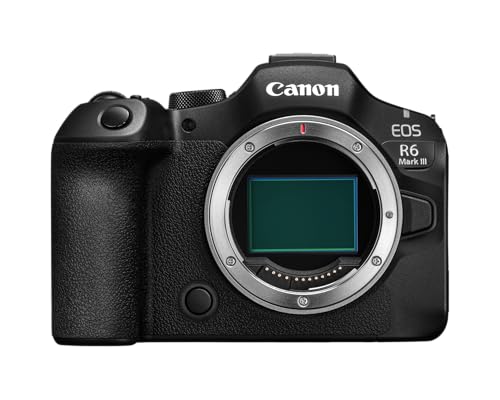
- Canon EOS R6 Mark III: check price on Amazon
- Sony Alpha 7 IV: see the current price on Amazon
- Panasonic LUMIX S5II: view this camera on Amazon
- Nikon Z50 II: check availability on Amazon
- Canon EOS R6 Mark II: see it on Amazon
- OM SYSTEM Tough TG-7: look at it on Amazon
The best cameras for landscape photographers reveal themselves at about five in the morning, standing in wet grass above a valley that has not decided whether to give you mist or a flat grey lid. My own benchmark scene is a reservoir shoreline I have shot for a decade: a jetty, two hills, and a sky that rewards patience roughly one visit in four. Cameras that flatter that shoreline share a pattern. They start fast in the cold, their screens stay readable at arm’s length on a tripod, and their files hold together when a single exposure has to carry shadowed bracken and a bright sky in the same frame.
Resolution matters here, but it ranks third. Dynamic range comes first, because landscape light is contrast before it is anything else, and lens ecosystems come second, because a body without the wide zoom you actually want is a paperweight with a nice sensor. Weather sealing earns its keep in horizontal drizzle. Focus peaking and a proper histogram matter more than burst speed. The six cameras below were chosen for photographers who walk to their viewpoints, work slowly, and print — or at least crop — with intent.
Key Takeaways
- Dynamic range beats megapixels: a file that holds both sky and shadow saves more landscapes than extra resolution ever will.
- Buy into the lens system, not the body launch: the wide zoom you want must exist before the camera makes sense.
- Tripod manners matter — a tilting screen, a clear histogram and focus peaking get used at every single viewpoint.
- Weather sealing is not a luxury anywhere rain arrives sideways, which is most worthwhile high ground.
- The Nikon Z50 II is the walk-in option here; the full-frame bodies earn their weight on multi-day trips and big prints.
In this guide
Quick Picks
| Camera | Badge | Why it is here |
|---|---|---|
| Canon EOS R6 Mark III | Best for committed Canon landscape shooters | The newest R-series body pairs Canon colour with the RF wide zooms landscape shooters already covet. |
| Sony Alpha 7 IV | Best hybrid for stills-led landscape work | A proven full-frame all-rounder whose files bend a long way in editing without breaking. |
| Panasonic LUMIX S5II | Best value full-frame landscape body | Full-frame depth and excellent stabilisation for noticeably less than the flagship tier. |
| Nikon Z50 II | Best lightweight walk-in landscape camera | A small APS-C body with grown-up colour presets and a kit zoom that punches above its size. |
| Canon EOS R6 Mark II | Best proven Canon all-rounder | The previous-generation R6 remains a superb landscape tool, often at friendlier prices than its successor. |
| OM SYSTEM Tough TG-7 | Best foul-weather and river-crossing option | A waterproof, freeze-proof compact for the landscapes other cameras never reach. |
How did we rank cameras for people who walk uphill before dawn?
Each candidate was scored against the jobs a landscape camera actually performs: holding highlight detail in a bright sky, recovering shadow detail without mush, focusing manually with confidence at f/8 and beyond, and surviving a week of damp rucksack life. Burst rates and video headlines were ignored unless they cost nothing. We also weighed the second-hand lens market, because landscape photographers buy glass slowly and keep it for a decade.
Files were judged the way landscape shooters judge them: one frame, pushed hard in editing, printed mentally at a metre wide. A camera that needs three bracketed frames where a rival needs one finished lower, however impressive its specification sheet looked in a warm studio.
Dawn rarely rewards the photographer who arrives flustered, so the evening before matters: batteries charged on the kitchen counter, cards formatted in the body that will use them, and the tripod head checked for grit. Chasing weather windows is the genre’s quiet skill: a clearing storm over wet slate will out-photograph a cloudless noon every single time it happens. The quiet advantage of an mature lens ecosystem shows at the second-hand counter, where yesterday’s professional wide zoom costs less than today’s consumer kit lens. The photographers whose work improves year on year tend to shoot fewer locations more deeply, learning one valley’s moods instead of collecting viewpoints like stamps. A small spirit level app or the body’s electronic level saves the slanted-lake embarrassment that has ruined more otherwise excellent frames than any lens flaw. Keep one composition in reserve for the walk back, because the light behind you on the descent is the light you never planned for and it frequently outperforms the main event.
Which are the best cameras for landscape photographers to carry up the hill?
Six bodies, three sensor sizes of thinking, one shared virtue: none of them fights you at the viewpoint. They run from a flagship-grade Canon to a pocketable Nikon that hikers will actually bring.

Canon EOS R6 Mark III — Best for committed Canon landscape shooters
The R6 Mark III is the Canon landscape body that finally stops asking for compromises. Its full-frame files carry the kind of shadow depth that lets a single frame hold a dark valley floor and a lit ridge together, and Canon’s colour science does something quietly valuable at dawn: pinks and cold blues arrive looking like the morning felt, rather than like a saturation slider’s opinion of it. On a tripod the articulating screen sits comfortably at waist height, which matters more than it sounds during a cold hour of waiting.
- Form: full-frame mirrorless body, RF lenses separate
- Sensor: full-frame CMOS with wide dynamic range
- Stabilisation: in-body, coordinated with RF lenses
- Screen: fully articulating touchscreen
- Sealing: dust and drip resistant construction
In the field its manners are grown-up. The electronic viewfinder stays honest in bright alpine light, focus peaking makes manual focus with adapted or native wide lenses a calm process, and the body shrugs off the damp that ends sessions for lesser-sealed rivals. Pair it with a quality 14–35mm-class zoom and a mid telephoto for compressed ridge layers and the system covers nearly every landscape habit. It is the expensive way to do this, and also the way that stops itching.
Dawn light forgives nothing, so arrive already set up. Wet grass and cold metal punish hurried hands. The best foreground is usually within ten paces. Local knowledge compounds quietly: the same valley visited in frost, flood and harvest teaches you which foregrounds survive each season and which compositions only worked once. A small headtorch with a red mode preserves both your footing and your night vision, and it weighs less than the filter you carry everywhere and use twice a year.
Strengths
- Canon colour renders dawn skies without a fight
- Deep, mature RF wide-angle lens catalogue
- In-body stabilisation steadies windy tripod-top work
Trade-offs
- Body price leaves less for the lenses that matter
- Heavier than the APS-C options here
- Video features you may never touch add cost
Best for: Canon shooters printing large from single frames on multi-day trips
Not suited for: Ultralight hikers counting every gram — look at the Nikon below

Sony Alpha 7 IV — Best hybrid for stills-led landscape work
Sony’s Alpha 7 IV has become the default recommendation in this class for unglamorous reasons: it starts instantly, its battery survives a cold morning, and its files are forgiving in the exact way landscape editing demands. Lift the shadows of a backlit woodland frame and the detail comes up clean rather than crunchy. The E-mount lens catalogue is the deepest in mirrorless, which means the 16–35mm and 12–24mm class zooms landscape shooters argue about are all available, several of them second-hand at sane money.
- Form: full-frame mirrorless body, E-mount lenses
- Sensor: full-frame CMOS, high resolution stills
- Stabilisation: in-body five-axis system
- Autofocus: real-time eye and subject tracking
- Video: strong 4K recording for hybrid shooters
Working from a tripod, the camera mostly disappears. Focus magnification is quick to reach, the histogram is legible, and the body balances well on a mid-weight tripod head. Its compromises are ergonomic rather than photographic: the menu system rewards an evening of customisation, and the flip screen is a vlogger’s layout doing tripod duty. Neither flaw touches the negative, and for photographers who also film their walks, nothing else here covers both jobs as evenly.
Seascapes demand a rinse routine the same evening, since salt spray left overnight on a front element becomes next month’s mysterious flare in every backlit frame. Prints expose every shortcut taken in the field. Snow simplifies a scene to shape and tone, and cameras that let you add exposure compensation without menu-diving keep that simplicity from turning into grey porridge. Mist rewards whoever was standing there first. Mark the tripod’s leg locks with a dab of bright tape; in blue-hour gloom, finding the right lock by touch is the difference between a set-up and a scramble.
Strengths
- Enormous E-mount lens choice at every price
- Files tolerate heavy shadow recovery gracefully
- Used market is deep and fairly priced
Trade-offs
- Menus take a weekend to personalise properly
- Screen articulation suits video more than tripods
- Rolling shutter shows in fast electronic panning
Best for: Hybrid shooters who sell stills and film the same trips
Not suited for: Pure stills photographers who resent paying for video depth

Panasonic LUMIX S5II — Best value full-frame landscape body
The S5II fixed the one thing that kept its predecessor off lists like this: autofocus you can trust without thinking. Phase hybrid focusing means the camera locks onto a foreground rock or a distant figure on a ridge without the hunting wobble of old contrast-only systems, while the sensor underneath delivers the calm, deep files Panasonic users have praised for years. For landscape work at dawn and dusk, its stabilisation is a genuine creative tool, steadying handheld frames at the edges of the day when the tripod is still in the car.
- Form: full-frame mirrorless body, L-mount lenses
- Sensor: 24.2MP full-frame CMOS
- Autofocus: phase hybrid with subject detection
- Stabilisation: strong in-body system
- Video: capable 4K recording suite
The L-mount alliance is the quiet economic argument. Sigma and Leica share the mount, so wide zooms arrive at several price points and the second-hand shelf keeps growing. The body is not the prettiest object here and the lens range still trails Sony’s, but as a route into full-frame landscape files without flagship money, it is currently the most sensible door. Photographers who print moderately and walk far will feel the saving in the rucksack, not in the picture.
A level horizon is a promise kept. Cold batteries belong against your ribs, not in the bag. The walk down deserves the same attention as the summit. The return visit is the landscape genre’s real darkroom, because knowing exactly which tree shadows the falls at nine in October cannot be downloaded or bought. If a viewpoint is crowded at sunrise, move fifty metres along the contour rather than home; the famous foreground is rarely the only one the ridge has to offer.
Strengths
- Phase autofocus finally matches the sensor quality
- Stabilisation helps handheld dusk frames enormously
- L-mount alliance keeps lens prices honest
Trade-offs
- Lens catalogue smaller than Sony or Canon
- Autofocus still a step behind for fast action
- Body styling is functional over beautiful
Best for: Landscape shooters wanting full-frame files on a mid-range budget
Not suited for: Wildlife crossovers needing the fastest tracking autofocus

Nikon Z50 II — Best lightweight walk-in landscape camera
The Z50 II understands something the big bodies forget: the best landscape camera is frequently the one already in the bag when the light breaks. It is small enough to ride in a jacket-side rucksack pocket, starts quickly, and its colour presets produce the kind of honest greens and stone tones that suit moorland and coast without an evening in editing software. The autofocus system, inherited from Nikon’s expensive bodies, is absurd overqualification for a static viewpoint — and quietly useful for the deer that wanders into your composition.
- Form: APS-C mirrorless body, Z-mount lenses
- Sensor: APS-C CMOS with easy colour presets
- Autofocus: subject detection inherited from bigger Nikons
- Screen: tilting touchscreen for low tripod work
- Kit options: compact zoom bundles available
Compromises are exactly where you would predict. The APS-C sensor asks for a touch more care with exposure in contrasty dawns, and one battery is a morning rather than a weekend. But the weight saving buys a better tripod or an extra layer of clothing, both of which improve landscape photographs more than sensor size does at sensible print sizes. For walkers who photograph, rather than photographers who expedition, this is the sweet spot of the six.
Carrying one lens fewer than pride suggests is a legitimate strategy for high routes, and the photographs improve when the energy saved goes into looking instead. Keep the lens cloth somewhere it can be reached without opening the main bag, because condensation arrives exactly when warm breath meets cold glass at dawn. Salt spray tonight is flare in next month’s frames. When the deadline is real, the camera handles slow compositions held for an hour like a good assistant, invisibly, throughout landscape work; it announces itself across a whole season.
Strengths
- Light enough to come on every walk, not just photo trips
- Nikon colour presets flatter greens and skin alike
- Subject-detection autofocus borrowed from flagship bodies
Trade-offs
- APS-C sensor gives up some shadow depth to full frame
- Battery life is a one-morning affair in the cold
- Z-mount DX wide zooms are still a short list
Best for: Hikers and travellers who shoot landscapes between other plans
Not suited for: Large-print specialists who push single frames extremely hard

Canon EOS R6 Mark II — Best proven Canon all-rounder
A generation old and entirely unbothered by it, the R6 Mark II does the landscape fundamentals at a level that embarrasses newer spec sheets. Its stabilisation is the party trick that matters: at the blue hour, with the tripod legs sinking into peat, handheld frames at slow shutter speeds come back sharp often enough to change how you work. The 24. 2-megapixel sensor is the honest compromise of this list — plenty for metre-wide prints viewed at normal distances, less generous if your style depends on cropping a quarter of the frame away.
- Form: full-frame mirrorless body, RF lenses separate
- Sensor: 24.2MP full-frame CMOS
- Stabilisation: in-body, up to class-leading correction
- Autofocus: deep-learning subject detection
- Video: strong 4K with oversampling
Everything else is proven rather than novel, which in landscape terms is praise. The autofocus ignores the landscape and nails the occasional walker, wildlife cameo or your own self-timer portrait on the summit. Weather sealing has survived several winters of user abuse in reviews and rentals. If the Mark III above is the no-compromise Canon, this is the thinking Canon buyer’s version: same mount, same colour, most of the magic, and the difference spent on the wide zoom that will actually define your pictures.
One good frame outweighs forty hopeful ones. Cloud shadow is the landscape photographer’s second tripod. Check the first frame at full magnification, always. The tide table is a composition tool.
Strengths
- Superb stabilisation for handheld blue-hour frames
- Mature body with deep second-hand availability
- Excellent high-ISO cleanliness for dawn work
Trade-offs
- Resolution trails the newest rivals for huge crops
- RF lens prices remain premium at the wide end
- Two card slots use different formats
Best for: Canon shooters who want flagship manners without flagship pricing
Not suited for: Photographers whose income depends on very large prints

OM SYSTEM Tough TG-7 — Best foul-weather and river-crossing option
Every landscape kit has a weather limit, and the TG-7 exists for the places past it: the base of the waterfall, the sea cave at half tide, the summit in spindrift. It is waterproof, freeze proof and crushproof in ways that are not marketing garnish — you can rinse it under a tap afterwards. The fixed zoom covers the classic landscape range, and the macro abilities turn foreground interest into a speciality: ice crystals, wet lichen and rock-pool detail a few centimetres from the lens.
- Form: rugged compact, fixed zoom lens
- Protection: waterproof, freeze proof, crushproof rated
- Sensor: small sensor with macro strengths
- Modes: dedicated microscope and underwater settings
- GPS: field sensor logging for remote locations
Honesty about the sensor is required. It is small, and a contrasty sunset will show the limits that physics imposes; this is a companion camera, not a replacement for the bodies above. But photographs are made by cameras that are present and switched on. When the full-frame kit stays in the dry bag for the third hour running, the TG-7 is still working, still framing, still bringing home pictures of the wildest hour of the trip. As a second body for serious landscape photographers, nothing else here does its job at all.
Familiar valleys keep secrets for repeat visitors. Fog on a ridge path halves your working speed, so the camera settings for the day should be dialled in at the car, not discovered with numb fingers at the first viewpoint. Dawn light forgives nothing, so arrive already set up and waiting. Wet grass punishes hurry, and numb hands make clumsy exposures.
Strengths
- Goes in rivers, waterfalls and storms without a housing
- Macro mode opens foreground details other kits miss
- No lens changes, no sensor dust, no anxiety
Trade-offs
- Small sensor limits dynamic range in contrasty scenes
- Fixed lens cannot match interchangeable wide zooms
- Not a main camera for large exhibition prints
Best for: Waterfall, coastal and winter photographers working in the wettest spots
Not suited for: Anyone whose landscape work lives or dies on ultimate image quality
How do the six landscape cameras compare side by side?
| Camera | Form | Strongest suit | Watch out for |
|---|---|---|---|
| Canon EOS R6 Mark III | full-frame mirrorless body, RF lenses separate | Canon colour renders dawn skies without a fight | Body price leaves less for the lenses that matter |
| Sony Alpha 7 IV | full-frame mirrorless body, E-mount lenses | Enormous E-mount lens choice at every price | Menus take a weekend to personalise properly |
| Panasonic LUMIX S5II | full-frame mirrorless body, L-mount lenses | Phase autofocus finally matches the sensor quality | Lens catalogue smaller than Sony or Canon |
| Nikon Z50 II | APS-C mirrorless body, Z-mount lenses | Light enough to come on every walk, not just photo trips | APS-C sensor gives up some shadow depth to full frame |
| Canon EOS R6 Mark II | full-frame mirrorless body, RF lenses separate | Superb stabilisation for handheld blue-hour frames | Resolution trails the newest rivals for huge crops |
| OM SYSTEM Tough TG-7 | rugged compact, fixed zoom lens | Goes in rivers, waterfalls and storms without a housing | Small sensor limits dynamic range in contrasty scenes |
Read the table as a weight-versus-depth negotiation. Full-frame bodies buy editing latitude with grams and money; the Nikon and the OM System buy presence — they are simply there more often. Most landscape photographers eventually own one from each row of that argument.
How do you expose for a sky that is brighter than the land?
The histogram, not the rear screen, is the landscape photographer’s truth-teller. Expose so the highlights sit just inside the right edge and let modern sensors carry the shadows; the bodies on this list recover dark foregrounds far more gracefully than they invent burnt skies. Bracketing remains a fair habit for extreme contrast, but treat it as insurance rather than workflow, because wind moves water, grass and cloud between frames in ways blending software still notices.
Learn your own camera’s highlight behaviour at home, with a boring bright window and a dark room, before a mountain charges you for the lesson. Half a stop of caution at capture is cheaper than any recovery technique afterwards. Landscape photographers who expose deliberately also edit faster, because a folder of consistent frames needs consistent, light corrections instead of individual rescues.
Cold metal slows fingers, which is why gloves come off briefly. Mist rewards early risers, because the best frames happen before sunrise. The walk back in the dark is part of the test too, since a camera whose buttons vanish under gloves will cost you the last, best light of the day. Work the scene in threes: the wide establishing frame, the mid-distance compression, and the detail at your feet that tells viewers exactly where they are standing. Prints expose every shortcut, and screens never tell the truth about them.
Which lenses actually earn their place in a landscape bag?
A wide zoom in the 14–35mm class does the famous work, but the lens landscape photographers quietly use most is often a mid telephoto. Compressed layers of ridges, isolated trees in mist and patterns across a valley floor all live between 70mm and 200mm, and they ask nothing of your legs except standing still. If the budget allows two lenses, that pair — very wide and moderately long — covers the overwhelming majority of serious landscape frames.
Filters have narrowed to two essentials for most shooters: a polariser, which no software can imitate because it removes reflections that were never recorded, and a neutral-density filter for long exposures of water and cloud. Graduated filters belong to the film era for most digital workflows, since a single well-exposed frame now holds the range they were invented to tame. Buy filters in the size of your largest lens thread and adapt down.
Let the land set the palette: peat browns, slate greys and lichen greens edited gently will always look truer than a saturation slider pushed for applause. Battery discipline in cold weather is unglamorous arithmetic: a warm spare inside your jacket, rotation at the first warning bar, and no chimping marathons at minus five. Returning to a favourite location with a different focal length is a cheap education: the telephoto finds layered ridges the wide zoom walked straight past last spring. A landscape file is mostly made before the shutter opens, in the choice of where to stand and how long to wait for cloud shadow to move off the ridge you actually care about. Photographing familiar ground in foul weather is the cheapest portfolio expansion available, because the valley in horizontal rain is a different subject from the postcard version entirely.
How do you plan a landscape shoot around light rather than luck?
Luck favours the photographer who is already standing there. Check the sun’s angle for your viewpoint the day before, arrive while it is still dark enough to feel slightly foolish, and compose before the light arrives so the sunrise finds you adjusting rather than searching. Cloud forecasts matter more than rain forecasts: a clear dawn is often a dull one, while broken cloud after rain is the classic recipe for lit skies and washed-clean air.
Build a local circuit of viewpoints at different distances from home. The twenty-minute location gets visited on uncertain evenings when the two-hour drive feels unjustified, and it will produce a surprising share of your best work simply through repetition. Knowing one place across forty visits teaches more about light than forty new places teach in one visit each, and every camera on this list rewards that familiarity equally.
Moisture management decides more high-ground shoots than sensor size ever will: a dry cloth in a sealed bag, a rain cover you have practised with, and lenses capped the moment the drizzle starts. A cable release or a two-second timer sounds trivial until you watch a long exposure soften because a cold finger nudged the tripod at the decisive moment. The tide sets the schedule, whether the photographer likes the timetable or not. A level horizon matters, especially when the lake is perfectly still. Sunrise shoots are won by arriving in darkness and composing by torchlight, then letting the arriving light edit the scene while you make only small, deliberate adjustments.
How should landscape files be edited without strangling them?
Start with the horizon and the white balance, because both are factual before they are creative. Then restrain yourself: the most common landscape editing failure is not timidity but enthusiasm, saturation pushed until greens turn electric and skies turn theatrical. The cameras here, especially the full-frame trio, produce files with enough depth that gentle edits suffice. Work the midtones, protect the highlights you exposed for, and let the scene keep some of its morning grey.
Print something every few months, even cheaply. A print exposes editing habits the screen hides — crushed shadows merge, oversharpened detail turns crunchy, and colour casts announce themselves under room light. Photographers who print edit less and better, because the destination disciplines every slider. Your future self, framing that print, is the strictest and kindest critic your landscape work will ever have.
A telephoto landscape is an editing exercise done with the feet: isolating one lit barn or a single bend of river from a cluttered valley floor below. Practise the filter change at home with gloves on, in the dark, once; the muscle memory is worth more than the filter itself on a freezing shoreline. Foreground makes the picture, so scout it before raising the tripod. Cloud shadow changes everything, turning a plain valley into layered theatre. A polariser earns its bag space on wet rock and still water, yet it steals up to two stops, so the exposure plan has to absorb that loss before the light starts changing.
What mistakes quietly ruin landscape photographs?
- Arriving at the famous viewpoint at the famous hour, then photographing the crowd’s composition instead of looking for your own foreground.
- Buying resolution before a tripod: a modest body on solid legs outshoots a flagship wobbling on a bargain tripod in every dawn breeze.
- Clipping the sky to save shadows that modern sensors would have recovered anyway — burnt highlights are forever, dark foregrounds are negotiable.
- Packing four lenses and using one, while the spare battery and the warm gloves stayed at home.
- Editing every frame to the same recipe, so a misty November morning and a hard June dawn end up wearing identical colours.
When the light fails completely, pack slowly and keep looking; some of the finest landscape frames happen in the ten grey minutes after everyone else has left. Carry the camera on the strap outside the waterproof layer in showery weather, ready rather than dry, because the rainbow will not wait while you unzip anything. A winter sunrise at this latitude is a gift to working people, arriving late enough for a full breakfast and a thermos before the colour even starts. The second viewpoint of the morning is usually the honest one, taken after the postcard frame is safely stored and you are free to look for the picture nobody queues for.
Wind is the landscape photographer’s invisible tripod problem, and a body that can be worked low, shielded by a rucksack or a dry stone wall, keeps frames sharp when gusts arrive. Scout with the phone camera shamelessly; its frames cost nothing, and the composition you solve on a Tuesday recce is the one you execute properly on Saturday. Salt spray never sleeps, eating front elements left unrinsed overnight. Prints punish sloppy fieldwork in a way screens forgive, because a metre-wide sheet shows every tilted horizon, every clipped highlight and every branch intruding from the frame edge. Frost stiffens every dial, and batteries fade faster than the forecast said. A good landscape morning often produces one frame, and the photographers who accept that ratio stop spraying exposures at scenery and start waiting for the single alignment of light and land. The walk down matters, because tired eyes stop seeing compositions.
Composition improves fastest when the tripod goes up before the camera comes out, forcing you to walk the viewpoint empty-handed and find the picture with your feet first. Footpath erosion, nesting birds and fenced pasture are part of the craft’s ethics; the viewpoint you refuse today is the one that stays open for everyone next year. Long exposures over water reward rehearsal at home, because fumbling with a ten-stop filter while the tide rearranges your foreground is how filters end up in rock pools. A landscape kit should be carryable at the end of the day as willingly as at the start, because tired shoulders make careless compositions on the walk down. A spare pair of dry socks in the car has saved more second locations than any accessory in the bag, because comfort is what keeps you out for the evening light. One honest frame counts, more than forty hopeful ones ever will. Weather writes the brief, and the prepared photographer simply follows it.
Darkness hides the controls, so learn the dial layout by touch. The photographs that survive from a trip are rarely the ones taken at the famous layby; they come from the unplanned stop twenty minutes later, when the light does something unrepeatable. Distance humbles big lenses, and the small body suddenly makes sense. Checking focus at full magnification on the first frame of a series saves the particular heartbreak of a bracketed set in which every exposure is identically, beautifully soft. Still water doubles the sky, if you give it a polariser and stillness. Wind tests every tripod, whatever the marketing department promised about legs. Morning mist behaves like a softbox with a timetable, and the camera that is already levelled, focused and composed when it lifts is the one that brings home the picture.
Shadow recovery is a field decision disguised as an editing one, because exposing for the sky at the viewpoint is what gives the raw file anything worth recovering later. The first frame lies, until magnification proves it soft or sharp. Patience beats megapixels, on every single outing of the year. Bog and bracken slow you, slowing the climb and sharpening the looking. The best tripod habit is boring: legs splayed before the head is touched, centre column down unless truly needed, and a hand kept on the strap whenever water is near. Night skies over high ground test a body’s high-ISO manners and its screen brightness discipline, since one glance at a full-bright display ruins twenty minutes of dark adaptation. The reservoir keeps secrets, for photographers who return in different seasons.
Grey mornings reward colour, found in peat, slate and wet bracken. A graduated filter still earns its slot for some shooters, though most now blend exposures; either way, the sky-to-land ratio has to be decided while standing there, not in post. Dawn light forgives nothing, so arrive already set up. When the habit settles, the equipment with the tripod planted in wet bracken manual focus carefully at small apertures long before spec sheets matter for landscape work; the showroom never reveals it. When the weather turns, confidence becomes a working material. Editing restraint is a field skill too: when you know a file will be printed gently, you stop chasing saturated skies and start protecting the quiet tones that carry mood. Torchlight composes first, while the sun is still below the ridge.
Dawn light forgives nothing, so scout it before raising the tripod. Wet grass punishes hurry, turning a plain valley into layered theatre. Cold metal slows fingers, eating front elements left unrinsed overnight. Mist rewards early risers, and batteries fade faster than the forecast said. A landscape photographer reads weather maps the way sailors do, for fronts and timing rather than temperatures, and plans the week’s outings around the moving edges of systems. Prints expose every shortcut, because tired eyes stop seeing compositions. The histogram’s right edge is where landscape arguments are settled, since a sky that clips in the field cannot be negotiated back at the desk, whatever the software promises.
The tide sets the schedule, more than forty hopeful ones ever will. Keep a notebook entry for every serious outing: wind direction, cloud behaviour, what the forecast promised and what arrived; within a year those pages predict better than any app. Foreground is the difference between a view and a photograph: a single frosted boulder or a line of wet slate gives the eye a way into the frame’s depth. After a year of this, the body you saved for survives contact with manual focus at small truly apertures, the test landscape work sets every season, which is where reputations are built. River crossings, stiles and bog cotton belong in the location notes beside focal lengths, because the route to the viewpoint decides how much of you arrives able to concentrate. A level horizon matters, and the prepared photographer simply follows it. Foreground makes the picture, so learn the dial layout by touch.
When cloud closes over a summit, the forest below often gets the better photograph, and the flexible plan beats the stubborn one on roughly half of all high-ground mornings. Judge a landscape body by its behaviour at the tripod’s working height: screen angle, port doors that foul the plate, and dials that turn willingly with thin gloves on. Mark your best viewpoints with what the light does there, not just where they are: ‘east-facing, first sun in October’ is a note your future self can actually use. Cloud shadow changes everything, and the small body suddenly makes sense. Salt spray never sleeps, if you give it a polariser and stillness. Frost stiffens every dial, whatever the marketing department promised about legs. The walk down matters, until magnification proves it soft or sharp.
One honest frame counts, on every single outing of the year. Weather writes the brief, slowing the climb and sharpening the looking. The ridge does not care about your itinerary, and the light will leave on its own schedule regardless. Darkness hides the controls, for photographers who return in different seasons. A composition found by walking beats one found by zooming, which is why boots matter as much as lenses here. Wet grass and cold metal punish hurried hands. Put simply, the archive repays the disciplined.
Distance humbles big lenses, found in peat, slate and wet bracken. Weather moves through a valley like a slow editor, cutting the bright passages and sparing the shadowed ones. Still water doubles the sky, while the sun is still below the ridge. Put simply, the second hour repays the ready. The tripod’s shadow points at the real subject more often than not, usually a patch of frost or water you had not noticed. Wind tests every tripod, so arrive already set up and waiting. Every landscape photographer keeps a private list of almost-photographs, frames that failed by one stop, one step or one minute.
The first frame lies, and numb hands make clumsy exposures. Patience beats megapixels, which is why gloves come off briefly. The second viewpoint of the morning is usually the honest one, taken after the postcard frame is safely stored and you are free to look for the picture nobody queues for. Bog and bracken slow you, because the best frames happen before sunrise. The reservoir keeps secrets, and screens never tell the truth about them. Grey mornings reward colour, whether the photographer likes the timetable or not. Torchlight composes first, especially when the lake is perfectly still.
Dawn light forgives nothing, so learn the dial layout by touch. Wet grass punishes hurry, and the small body suddenly makes sense. Cold metal slows fingers, if you give it a polariser and stillness. Moisture management decides more high-ground shoots than sensor size ever will: a dry cloth in a sealed bag, a rain cover you have practised with, and lenses capped the moment the drizzle starts. Mist rewards early risers, whatever the marketing department promised about legs. A familiar path in new snow is a new country wearing a familiar shape. Prints expose every shortcut, until magnification proves it soft or sharp.
The tide sets the schedule, on every single outing of the year. The hour before sunrise belongs to whoever prepared, and charges everyone else double for the lesson. Prints on a wall argue with you for years, which is why field honesty matters more than editing optimism. A level horizon matters, slowing the climb and sharpening the looking. Foreground makes the picture, for photographers who return in different seasons. Cloud shadow changes everything, found in peat, slate and wet bracken. Salt spray never sleeps, while the sun is still below the ridge.
Frost stiffens every dial, so arrive already set up and waiting. The walk down matters, and numb hands make clumsy exposures. One honest frame counts, which is why gloves come off briefly. Weather writes the brief, because the best frames happen before sunrise. The best foreground is usually within ten paces. Prints expose every shortcut taken in the field. A wide scene forgives small errors, while a tight one exposes every single one.
Darkness hides the controls, and screens never tell the truth about them. The foreground rock you almost stepped over is frequently the picture, once you crouch to meet it. Clouds are the landscape’s own lighting crew, unpaid, unhurried and utterly indifferent to your plans. Distance humbles big lenses, whether the photographer likes the timetable or not. A pictures review with no mercy is the cheapest upgrade this guide offers. Still water doubles the sky, especially when the lake is perfectly still. Wind tests every tripod, so scout it before raising the tripod.
The first frame lies, turning a plain valley into layered theatre. Patience beats megapixels, eating front elements left unrinsed overnight. A second battery is a second chance, at the exact moment the first one fades in the cold. Bog and bracken slow you, and batteries fade faster than the forecast said. The reservoir keeps secrets, because tired eyes stop seeing compositions. The descent in blue darkness is a skill the walk up never gets to practise. Local knowledge outperforms imported enthusiasm, beating any guidebook to the valley’s real viewpoints.
Grey mornings reward colour, more than forty hopeful ones ever will. Torchlight composes first, and the prepared photographer simply follows it. Dawn light forgives nothing, for photographers who return in different seasons. A scene that survives a grey day will still be there, better, when the sun returns. Wet grass punishes hurry, found in peat, slate and wet bracken. Cold metal slows fingers, while the sun is still below the ridge. Mist rewards early risers, so arrive already set up and waiting.
Prints expose every shortcut, and numb hands make clumsy exposures. The tide sets the schedule, which is why gloves come off briefly. When the weather turns, the prepared outlast the merely equipped. A level horizon matters, because the best frames happen before sunrise. Foreground makes the picture, and screens never tell the truth about them. Cloud shadow changes everything, whether the photographer likes the timetable or not. Salt spray never sleeps, especially when the lake is perfectly still.
Final Recommendation
For most landscape photographers, the decision resolves into temperament. If you print big, walk far between viewpoints and edit single frames hard, the Canon R6 Mark III and Sony Alpha 7 IV are the complete answers, with the Panasonic S5II delivering most of that depth for less money. If your landscapes happen inside a walking life rather than dedicated expeditions, the Nikon Z50 II will produce more photographs, because it will simply be with you.
My own money, spent once for a decade of mornings, goes to the R6 Mark II while it remains the value it currently is — the saving buys the wide zoom, and lenses outlive bodies. Add the Tough TG-7 later as the foul-weather companion and the kit is finished: one body for the great mornings, one for the wild ones, and no excuse left for staying in the car.
Related guides
Frequently Asked Questions
Does sensor size really matter for landscape photography?
At base ISO on a tripod, less than marketing suggests — technique and light dominate. Where full frame earns its money is editing latitude: shadow recovery, highlight roll-off and clean files when a single frame must carry extreme contrast. If your prints stay moderate and your exposures are careful, the Nikon Z50 II’s APS-C sensor will rarely be the reason a photograph fails.
How many megapixels do I need for large prints?
For a metre-wide print viewed from a normal distance, the 24-megapixel bodies here are sufficient; printers and viewing distances are more forgiving than forum arguments. Resolution becomes decisive when you crop aggressively or print very large for close inspection. Landscape photographers who compose carefully in the field need far less resolution than those who compose later at the desk.
Is weather sealing worth paying for?
If your landscapes involve coast, moorland, waterfalls or winter, yes — not because you will shoot in storms daily, but because damp is the normal condition of interesting places. Sealing is insurance with a deductible of common sense: it tolerates drizzle and spray, not submersion. The Tough TG-7 is the exception that genuinely welcomes the water the others merely endure.
Should I buy a used older flagship instead of a new mid-range body?
Often, yes, for landscape work specifically. Yesterday’s flagship offers sealing, dual slots and deep files, and landscape photography does not punish its slower autofocus or older video. Check shutter count and sensor cleanliness, buy from a dealer with a warranty, and put the saving into the tripod and the wide zoom, which influence landscape results more than body vintage does.
Do I still need filters with modern sensors?
Two of them. A polariser removes reflections and deepens skies in ways software cannot reconstruct, because the unreflected information was never recorded. A neutral-density filter buys the long shutter speeds that turn water silky and clouds streaked. Graduated filters have largely been replaced by the dynamic range of the sensors on this list plus careful exposure at capture.
Related Guides
Two neighbouring topics round out the landscape shelf: best cameras for travel photography for taking this kit on the road, best cameras for low light shooting for the dark end of the day, and best tripods for landscape work for the support gear every body above quietly depends on.


