reviewstook.com is reader-supported. When you buy through links on our site, we may earn an affiliate commission.
Where to Buy One Camera for the Photographer Who Also Films
If you searched for the best cameras for both photo and video amauter work — amateur spelled however your fingers landed — you are describing the most common serious hobbyist alive: someone who photographs family, travel and landscape through the year, and increasingly films the same life in clips and short features. The best cameras for both photo and video amauter use are hybrids in the true sense, not stills cameras with a record button bolted on or video cameras that grudgingly take a photograph. They switch crafts without switching personalities, and they reward the amateur’s scarcest resource — practice time — by making both crafts feel like one instrument.
Four picks below link to hybrid bodies in our verified pool, spanning full-frame flagships-in-spirit down to an APS-C body an amateur can buy without a family meeting. Two more beloved hybrids outside the pool appear prose-only. The ranking weighs the amateur’s real calendar: photography on weekends and holidays, video at birthdays, school events, travel days and the occasional ambitious short project — with editing done on a home computer, in the evening, by someone with a day job. Laboratory video specifications matter less here than honest autofocus in both modes, stabilisation that saves handheld footage, and colour that looks finished before it meets a timeline.
A word about the word “amateur”: in this guide it is a compliment with a budget attached. It means the camera is bought with your own money, carried for love rather than invoices, and expected to serve for years. Every pick was judged on that horizon — lens systems you can grow into one purchase at a time, bodies that will not feel antique in three years, and video features deep enough for your ambitions to grow into rather than out of.
Key Takeaways
- A true hybrid gives stills and video equal engineering: autofocus, stabilisation and colour must work in both crafts.
- Full-frame picks lead in low light and depth; the APS-C pick leads in value, size and total system cost.
- In-body stabilisation is the amateur’s best video feature, forgiving handheld footage no gimbal is present to save.
- Buy the lens system, not the launch specification — your second and third lenses decide the camera’s real life.
- Every pick here produces attractive colour straight from the camera, because amateur editing time is precious.
- Video depth varies honestly across the list; match it to the filming you actually do, not the filming you daydream about.
In this guide
Quick Picks
| Pick | Badge | Why it serves the photo-and-video amateur |
|---|---|---|
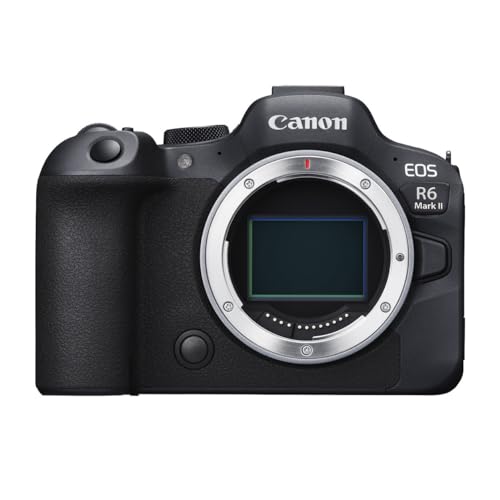
| Canon EOS R6 Mark II | Best all-round hybrid | Superb stills, confident video autofocus and stabilisation that make one body feel like two specialists. |
| Panasonic LUMIX S5IIX | Best for the video-leaning amateur | The deepest video toolkit here, with phase autofocus and cooling for long, ambitious shoots. |
| Sony Alpha 7 IV | Best resolution and lens choice | High-resolution stills, strong video and the widest affordable lens catalogue an amateur can grow into. |
| Nikon Z50 II | Best amateur value | Colour presets, friendly handling and genuine 4K video at a system cost that leaves budget for lenses. |
| Fujifilm X-T5 | Best for the photography romantic | Dials, film simulations and glorious stills, with video far stronger than its retro looks suggest. |
| OM System OM-5 | Best travel hybrid | A small, sealed, stabilised companion whose stills and video both punch above its travel weight. |
How Did We Choose the Best Cameras for Both Photo and Video Amauter Use?
We scored both crafts at full weight and refused to let either subsidise the other. Stills were judged on sensor quality across the light an amateur actually meets — bright travel days, dim living rooms, golden evenings — plus autofocus that finds faces and animals without a settings seminar, and colour that flatters straight from the camera. Video was judged on the amateur’s real productions: handheld clips, family events, travel sequences and seated pieces to camera, where stabilisation, autofocus trustworthiness, recording stamina and microphone options matter more than cinema specifications.
The switching experience received its own score, because a hybrid that punishes the change of crafts will be used as a single-craft camera with regrets. How fast does the camera move from a considered still to a rolling clip? Do the video settings remember themselves separately from the stills settings? Does the screen articulate for the self-filmed piece and the low-angle still alike? Amateurs film opportunistically — the grandchild’s song, the heron lifting off — and the camera that is ready in two seconds collects footage the deliberate camera only hears about afterwards.
Finally, total system honesty: what does the second lens cost, does the mount welcome affordable third-party glass, and will the body accept the accessories — microphone, cage, monitor — that an amateur’s growing ambition eventually requests? The four linked picks answer those questions in four different dialects, and the two prose-only cameras widen the choice for romantics and travellers respectively.
What Does an Amateur’s Year of Photo and Video Really Look Like?
Photography owns the calendar’s peaks: the holiday album, the autumn landscape trip, the portrait session when family gathers. Video owns the moments in between — thirty-second clips of a toddler’s negotiation with a staircase, the pan across a viewpoint, the birthday song — plus one or two deliberate projects a year: a travel film, a grandparent interview, a short documentary about a hobby or a place. A hybrid camera for an amateur must therefore be a stills camera of real quality that films beautifully on impulse, and the deliberate projects will stretch its video features a few weekends a year rather than daily.
That rhythm explains this guide’s weightings. Recording limits and heat matter, but on project weekends rather than wedding-professional marathons. Log profiles and raw video are welcome headroom, not entry requirements. What cannot be compromised is the impulse layer: wake speed, a record button that starts filming from any mode, autofocus that behaves while you are also the talent, and stabilisation that forgives the walk-and-talk. Read the six reviews with your own year in mind and the ranking will rearrange itself honestly around your life.

Canon EOS R6 Mark II — Best all-round hybrid
The R6 Mark II is the camera amateurs graduate to and then stop shopping, because it refuses to be the weak half of any hybrid assignment. Stills come from a full-frame sensor with autofocus that finds eyes — human, animal, vehicular — and declines to let go, backed by bursts deep enough for sport and wildlife detours. Video inherits the same autofocus confidence, adds stabilisation that steadies handheld clips to near-tripod calm in good light, and records long enough for school concerts and grandparent interviews without the heat drama that haunts lesser hybrids.
What seals its amateur case is forgiveness. The colour is Canon’s — skin tones that look like the people you love — the menus are the friendliest in full-frame, and the body balances beautifully with the mid-size zooms amateurs actually buy. Dual card slots protect the unrepeatable day. Its resolution is the deliberate trade: enough for large prints and sensible crops, chosen for speed and low-light cleanliness rather than billboard bragging. For the amateur who wants one body to photograph the wedding and film the speeches, this is the safest pair of hands in the guide.
- Format: mirrorless, full-frame
- Autofocus: deep-learning subject and eye detection
- Stabilisation: in-body, strong for handheld video
- Video: high-quality 4K with long recording stamina
- Extras: dual card slots, weather sealing
Strengths
- Autofocus trust in both crafts removes the amateur’s commonest failure.
- Handheld video looks deliberate thanks to excellent stabilisation.
- Low-light stills stay clean at the ISOs family events demand.
Trade-offs
- Resolution trails the Sony for heavy cropping of distant subjects.
- Full-frame lenses make the grown-up kit a serious, if gradual, investment.
- Video professionals will want the deeper tools of the Panasonic below.
Best for: the amateur who wants one excellent body for every family and travel assignment.
Not suited for: pixel-counters who crop distant wildlife as their main craft.

Panasonic LUMIX S5IIX — Best for the video-leaning amateur
The S5IIX is what happens when a video-first manufacturer decides stills photographers deserve the whole camera too. Its video specification is the deepest here — professional recording formats, waveform monitoring, SSD recording over USB, active cooling that films a whole school play or wedding without thermal surrender — now paired with phase-detection autofocus that finally tracks subjects with the confidence the rest of the camera always promised. An amateur whose filming is graduating from clips to projects will not outgrow this body for years.
Stills are full-frame and excellent, with stabilisation that leads the class for handheld work in both crafts, and the L-mount lens shelf — Panasonic, Sigma, Leica — includes the affordable zooms and bright primes an amateur budget actually reaches. The X variant’s darker, monitor-friendly design signals its intent. It is the largest commitment to video on this list and its stills autofocus, while now genuinely good, remains a half-step behind Canon and Sony for chaotic action. For the amateur whose heart is drifting filmward, that trade is not a compromise but a compass.
- Format: mirrorless, full-frame
- Autofocus: phase-detection with subject detection
- Video: professional formats, SSD recording, active cooling
- Stabilisation: class-leading in-body system
- Lenses: L-mount alliance including Sigma value glass
Strengths
- Video headroom no other pick matches at the amateur tier.
- Cooling removes recording-length anxiety for events and projects.
- Stabilisation flatters handheld footage and slow-shutter stills alike.
Trade-offs
- Stills autofocus for erratic action trails the Canon and Sony slightly.
- The video depth is wasted on amateurs who only ever shoot clips.
- Menus reward the deliberate user more than the grab-and-go shooter.
Best for: amateurs building toward short films, events and serious video projects.
Not suited for: stills-only shooters or minimalists who want the simplest possible camera.

Sony Alpha 7 IV — Best resolution and lens choice
The Alpha 7 IV splits the amateur difference with arithmetic: a high-resolution full-frame sensor for stills that crop gracefully and print large, video that borrows the same sensor’s quality with eye autofocus in both crafts, and a lens catalogue so deep — Sony’s own plus Sigma, Tamron and a thriving used market — that every amateur budget finds its next lens already waiting. Bird eye autofocus in video, focus-breathing compensation for film work and a flip screen for the self-shot piece show a maker designing for the hybrid amateur specifically, not tolerating one.
In practice it is the system camera: the body you buy once and feed lenses for a decade, each purchase widening both crafts at once — a bright prime that transforms evening portraits and evening filming in the same week. The compromises are a burst rate that sports specialists will notice, menus that take a weekend to personalise, and video rolling-shutter behaviour that fast pans should avoid. None of these touches the amateur’s core year described above, and the resolution advantage quietly rescues the shots distance tried to steal, in stills and reframed video alike.
- Format: mirrorless, full-frame high-resolution
- Autofocus: eye detection for people, animals and birds
- Video: 4K with focus-breathing compensation
- Lenses: deepest third-party catalogue in mirrorless
- Extras: dual slots, extensive customisation
Strengths
- Resolution buys cropping freedom in both stills and reframed video.
- Third-party lenses make growing the system unusually affordable.
- Eye autofocus while filming keeps solo pieces effortlessly sharp.
Trade-offs
- Burst speed is merely good, where rivals are exceptional.
- The menu system needs a personalisation session to feel friendly.
- Fast side-to-side pans in video can show skew; pan gently.
Best for: amateurs investing in a decade-long system with cropping headroom.
Not suited for: action specialists who live on maximum burst rates.

Nikon Z50 II — Best amateur value
Every hybrid guide needs its reality check, and the Z50 II is a delightful one: an APS-C body whose total system cost undercuts the full-frame picks so thoroughly that the amateur can afford the camera and the second lens in the same season. Its hybrid credentials are genuine — 4K video with eye-detection autofocus, a product-review focus mode for the amateur’s unboxing-and-craft filming, and stills lifted by Nikon’s shareable colour presets that make photographs look finished at the moment of capture, which matters enormously when editing time competes with family time.
The crop sensor’s smaller size is also its portability: the body and its compact zooms travel in a small bag that goes to the school play and the hill walk alike, and cameras that go places collect both photographs and footage. Low light is where the full-frame picks pull away — the Z50 II works harder and grains earlier in the darkest rooms — and there is no in-body stabilisation, so video smoothness leans on stabilised lenses. For the amateur whose budget is real and whose light is mostly decent, it is not the compromise pick; it is the sensible one, with a lens ladder that climbs as the hobby deepens.
- Format: mirrorless, APS-C
- Autofocus: subject and eye detection in stills and video
- Video: 4K with product-review focus mode
- Stills helpers: live colour presets, shareable looks
- Size: compact body and lenses for everyday carry
Strengths
- Total system cost leaves real budget for the lenses that matter.
- Colour presets minimise editing across an amateur’s whole archive.
- Small size means the hybrid actually attends both crafts’ occasions.
Trade-offs
- Low-light ceiling sits below the full-frame picks in both crafts.
- No in-body stabilisation; choose stabilised lenses for video.
- The deepest video tools of the Panasonic are absent by design.
Best for: budget-honest amateurs who want genuine hybrid ability now.
Not suited for: low-light specialists or professionals-in-disguise.
Fujifilm X-T5 — Best for the photography romantic
The X-T5 argues that an amateur hybrid should feel like a classic camera and behave like a modern one. Its dials set shutter, aperture and ISO by touch and by eye, its film simulations give stills a finished, analog-flavoured character that no other pick replicates, and its high-resolution sensor makes it a landscape and travel stills camera of the first rank. The surprise, for those who know the brand’s history, is the video: genuinely strong 4K recording with capable autofocus and stabilisation, good enough that the romantic’s occasional film project looks like a deliberate production rather than an apology.
We cover it prose-only, outside the verified pool, with its honest caveats: video autofocus trails the three full-frame leaders for erratic subjects, and the lens system, while gorgeous, prices its best glass firmly. But for the amateur whose photography is the main love and whose filming is a growing side chapel, the X-T5’s daily pleasure in the hand is a feature no specification table captures — cameras that delight get carried, and carried cameras make both photographs and films.
- Format: mirrorless, APS-C high-resolution
- Controls: traditional dials for core settings
- Stills character: film simulations with finished colour
- Video: strong 4K with stabilisation
- Build: compact, weather-sealed, tactile
Strengths
- The most pleasurable stills experience here, full stop.
- Film simulations give an archive a coherent, beloved look.
- Video quality surprises everyone who judged it by the retro styling.
Trade-offs
- Video subject tracking is a step behind the hybrid leaders.
- The finest Fujifilm lenses are priced as the premium objects they are.
- No flip screen; the tilting screen suits photographers more than vloggers.
Best for: stills romantics whose filming is growing but photography leads.
Not suited for: self-filming creators who need a fully articulating screen.
OM System OM-5 — Best travel hybrid
The OM-5 is the hybrid for amateurs whose photo and video life happens on trails, in old towns and out of one bag. Micro Four Thirds keeps body and lenses small enough that the whole kit undercuts a full-frame body alone, while in-body stabilisation — the system’s party piece — steadies handheld video and slow stills to a degree that feels like a tripod you cannot see. Weather sealing shrugs off mountain weather, and computational features like in-camera neutral-density simulation serve the travel filmmaker’s long-exposure water and the photographer’s silky falls with the same trick.
Its prose-only review carries the format’s standing caveat: the smaller sensor reaches its low-light limits before the full-frame picks, in stills and video alike, and ultimate resolution for cropping is modest. In daylight and travel light — which is where its owners live — neither matters nearly as much as the kilograms it saves, and a hybrid that is present for the whole trip outperforms a superior camera resting at the hotel. For the travelling amateur, presence is the specification that counts.
- Format: mirrorless, Micro Four Thirds
- Stabilisation: excellent in-body system
- Video: capable 4K with computational assists
- Build: compact and weather-sealed
- System: small, light lenses for one-bag travel
Strengths
- The lightest complete hybrid system here by a wide margin.
- Stabilisation rescues handheld travel footage daily.
- Sealing and size suit the trips amateurs actually take.
Trade-offs
- Low-light performance trails every larger-sensor pick.
- Cropping headroom is limited for distant subjects.
- The lens ecosystem is a one-way commitment to the format.
Best for: travelling amateurs who shoot and film everything on foot.
Not suited for: night-event specialists or heavy croppers.
How Do the Best Cameras for Both Photo and Video Compare?
| Camera | Stills character | Video character | Carry weight | Amateur sweet spot |
|---|---|---|---|---|
| Canon EOS R6 Mark II | Confident, low-light strong | Confident, stabilised | Moderate | The one-body answer |
| Panasonic LUMIX S5IIX | Excellent, deliberate | Deepest toolkit here | Moderate | Film-leaning projects |
| Sony Alpha 7 IV | Highest resolution | Strong, flexible | Moderate | System building |
| Nikon Z50 II | Colour-rich, compact | Capable 4K | Light | Value and everyday carry |
| Fujifilm X-T5 | Romantic, dial-driven | Surprisingly strong | Light | Photography-first joy |
| OM System OM-5 | Travel-sharp | Stabilised and handy | Lightest | One-bag adventures |
The pattern to notice: no pick is second-rate at either craft — the differences are of emphasis, ecosystem and weight. An amateur cannot buy a mistake from this table, only a mismatch with their own calendar.
Which Lens Should a Hybrid Amateur Buy After the Kit Zoom?
A fast prime in the classic portrait range, and the reasoning is hybrid to the core: the same wide aperture that melts a portrait’s background also rescues evening video, gathers light at family events and gives seated pieces to camera their professional softness. It is the single purchase that improves both crafts on the same day, which no second zoom can claim. Buy it after the kit zoom has taught you which focal length your eye prefers — the zoom’s exif data is a free consultation — and let the prime become the default lens your camera wears at home.
Second in the queue depends on your evidence: travellers reach for a wider zoom, wildlife dabblers for a telephoto, product and craft amateurs for a macro. Let the archive argue. The photographs you attempted and the clips you abandoned are a more honest shopping list than any forum, and every system here offers its answer at amateur prices if you let third-party shelves compete for the full-frame mounts.
How Do You Set Up One Camera for Two Crafts?
Exploit the separation the cameras offer. Save stills settings and video settings independently where the body allows — most of these do — so the stills side can live in aperture priority with single-point focus habits while the video side keeps its shutter discipline, eye autofocus and picture profile untouched. Assign the record button and a custom mode to filming so the switch between crafts is a button, not a menu expedition. Set the screen’s information display for each craft: histogram and level for considered stills, audio meters and recording time for video.
Then build the two-bag habit: the camera wears its stills strap configuration for photo days and its microphone-and-grip configuration for project days, with the impulse clips in between shot as it stands. Amateurs lose hybrid footage to friction, not capability; a camera that is always two seconds from filming collects the birthday song, while a camera that needs its rig assembled collects the story of the birthday song. Configure for the two seconds.
Which Mistakes Do Hybrid Amateurs Make?
Judging video by its specification sheet instead of its autofocus
An amateur films alone, at family distance, in mixed light. In that world, trustworthy eye autofocus and stabilisation outrank every codec and bit-depth brag. Buy for the footage you will actually shoot, and test any candidate by filming a person walking toward it in a living room before reading a single chart.
Editing like a professional with an amateur’s evenings
Log footage, heavy grades and elaborate pipelines collapse under a day job’s schedule. Shoot the flattest profile you will actually finish — for most amateurs, the camera’s standard colour with modest adjustments — and let finished films accumulate instead of perfect ones. Every pick here was chosen partly for colour that respects an amateur’s evening.
Splitting the budget into two mediocre cameras
A dedicated stills body plus a dedicated video body sounds specialised and usually means two ageing compromises, two battery systems and one camera always left behind. The hybrid bodies here exist because one excellent instrument, present for both crafts, beats the theoretical best of each craft sitting in different bags.
Ignoring audio until the first important film
The grandparent interview recorded through a windy garden on internal microphones is the amateur’s classic heartbreak. A modest external microphone, bought before the irreplaceable shoot rather than after it, is the highest-value accessory in hybrid work. Every pick here accepts one; use that socket before you need it.
Final Recommendation
For most amateurs the Canon EOS R6 Mark II is the hybrid to buy once and keep: balanced, forgiving and excellent at both crafts on the same day. Film-leaning amateurs should take the Panasonic’s deeper toolkit, system builders the Sony’s resolution and lens shelf, and honest budgets the Nikon without a whisper of apology — it will make both photographs and films to be proud of while leaving money for the lenses that complete it. Choose for the year you actually live, and let one good camera serve both of the crafts you love.
Related guides
Frequently Asked Questions
Is full-frame necessary for an amateur hybrid?
No. Full-frame leads in low light and shallow depth, but the APS-C and Micro Four Thirds picks produce excellent stills and video in the light most amateurs shoot in, at a fraction of the system cost and weight. Choose the sensor for your light and your luggage, not for status.
What video features should an amateur actually care about?
Eye autofocus, stabilisation, a flip screen, a microphone input and recording stamina for your longest typical event. Codecs, raw video and cinema colour tools are growth headroom — pleasant to have, rarely decisive at amateur scale.
Can one lens serve both photography and video?
A good standard zoom covers most of both crafts, and a fast prime transforms both at once. The kit zoom plus one prime is the classic amateur pairing precisely because it answers nearly every still and every clip an amateur year contains.
Do hybrid cameras overheat when filming?
Compact bodies recording high-resolution video in warm rooms can time-limit; the Panasonic’s active cooling exists for exactly that duty. For typical amateur clips and events, every pick here records comfortably — match the body to your longest honest filming session.
Should an amateur shoot RAW stills and log video?
Only if the editing time genuinely exists. RAW and log are options these cameras offer, not obligations. A finished archive in the camera’s standard colour beats an unfinished one in the most flexible format ever devised.
How Does a Hybrid Camera Handle an Amateur’s Big Occasions?
Take the family wedding, the amateur’s highest-stakes assignment. Stills demand discretion and low-light cleanliness through a dim ceremony; video demands the vows captured whole, with audio that survives a echoing hall. The full-frame picks divide the labour between their strengths — the Canon’s autofocus certainty, the Sony’s resolution for the group-shot crop, the Panasonic’s recording stamina — while the amateur’s technique matters as much as the body: a seat on the aisle, the fast prime mounted before the light drops, a microphone placed near a speaker rather than hoped across the room. Every pick here has produced wedding albums and wedding films in amateur hands; the failures in those stories are never the sensor’s.
Travel days test the opposite virtues: weight, weather and the two-second impulse. The OM-5 and the Nikon earn their places in this section — kits that stay on the shoulder from breakfast to nightfall collect stills at the viewpoint and clips in the market, while a heavy system edits its own day down to the sights nearest the hotel. School and stage events, the third great amateur occasion, reward reach and recording stamina together: a mid-telephoto zoom on any of these bodies, an aisle seat, and the discipline to film whole songs rather than highlights, because parents archive wholes and highlights are what phones are for.
What Editing Workflow Suits an Amateur With Two Crafts?
One library, one habit, two exports. Keep stills and video from an event in the same dated folder, cull both in the same sitting while memory can still caption them, and finish the photographs before touching the film — stills are faster, and finishing something sustains the evening’s momentum. Edit video to the length the occasion deserves rather than the length the footage allows: the three-minute travel film assembled from forty clips will be watched for decades, while the forty clips themselves will be watched never. Every camera here supports the simple version of this workflow beautifully, because their files arrive well-coloured and their formats open in ordinary editing software without a conversion ritual.
Back the archive up as if it were the family silver, because it is: the working drive, a second local copy and a cloud copy of the finished pieces. Hybrid amateurs generate the most irreplaceable media in a family’s life — the interview, the first steps, the last holiday with everyone present — and the cameras’ dual slots and easy transfers exist to protect exactly those files. Storage is the cheapest insurance in this entire guide, and the only purchase nobody has ever regretted making early.
How Long Should a Hybrid Body Serve Before It Feels Old?
Judged by output rather than launch cycles, these bodies age slowly. Sensors have been excellent for years and improve by increments an amateur’s wall prints cannot detect; autofocus and stabilisation, the features that do visibly improve, are already strong in every pick here. The realistic amateur horizon is five to eight years on a body, with lenses outliving it — which is why this guide keeps steering money toward glass and technique. A body bought for its ecosystem in 2026 will be fed by that ecosystem’s lenses long after its own name sounds vintage.
Plan the accessory arc alongside: year one adds the microphone and the prime lens, year two the support and lighting the projects demand, and later years add reach or width as the archive argues. Amateurs who follow that arc find their hybrid kit quietly becomes a small production company; amateurs who chase annual body upgrades find their lens shelf — the part that actually shows — stuck in first gear. The picks above were chosen to reward the first biography.
Which Microphone and Support Gear Does a Hybrid Amateur Need?
One microphone first: a compact shotgun for the camera’s hot shoe covers events, travel and pieces to camera at home distances, and every pick here drives one without adapters or drama. Add a wireless lavalier when interviews and distance talking become habits — the grandparent project again — and stop there until a production genuinely demands more. Support follows the same restraint: a small travel tripod that fits the bag you own, a mini tripod that doubles as a vlogging grip, and nothing with a fluid head until a project asks for pans smooth enough to justify it.
The discipline is sequencing. Hybrid amateurs are offered an entire industry of cages, monitors, recorders and rigs, most of which serve workflows they do not have. Buy against a named frustration from a finished project — the audio that failed, the shot that shook — and the kit stays lean, current and actually carried. A camera bag that closes without a negotiation is worth more to an amateur’s archive than any accessory left at home for weight reasons.
How Do You Practise Two Crafts Without Doubling the Time?
Shoot the same subject both ways, deliberately, for a season. The portrait session ends with a sixty-second filmed conversation; the landscape outing ends with a slow pan and a piece of ambient sound; the family lunch ends with one clip of the table’s noise and laughter. The exercise costs minutes and teaches the essential hybrid instinct — seeing in sequences as well as frames — faster than any course. Review the pairs together and notice how often the film explains the photograph and the photograph dignifies the film; that interplay is the amateur hybrid’s unique art, unavailable to single-craft specialists at any level.
Set one craft goal per month rather than a curriculum: March is handheld video steadiness, April is portrait light, May is event audio. Small, finished goals compound into a style, and a style — recognisable, personal, consistent across stills and film — is the true destination of the amateur’s years with one of these cameras. The bodies above were chosen to stay out of that journey’s way, which is the highest compliment a hybrid can earn.
Is a camcorder better than a hybrid camera for an amateur?
For pure event filming, a camcorder’s zoom range and ergonomics remain charming. But it cannot make the stills half of an amateur’s archive, and its small sensor shows in dim halls. The hybrid bodies here film events nearly as conveniently and photograph them incomparably better, which is why the camcorder has become the specialist’s tool and the hybrid the amateur’s.
How Do the Picks Suit an Amateur Upgrading From a Phone?
The phone graduate’s shock is rarely quality — it is vocabulary. Aperture, shutter and ISO arrive as a trio of dials where the phone offered a button, and the picks divide by how gently they teach. The Nikon leads the induction: its colour presets reward immediately, its menus explain themselves, and its automatic modes are good enough that the vocabulary can arrive over months. The Canon is nearly as kind and adds the viewfinder discipline that turns phone-snappers into photographers. The Sony and Panasonic assume a reader; their manuals and menus repay an evening’s study with years of control, and the amateur who enjoys systems will feel at home rather than instructed.
Whichever body carries the upgrade, keep the phone in the workflow without shame: it remains the always-present third camera, the quick-share device and the behind-the-scenes recorder of the big camera at work. Hybrid amateurs who treat the phone as a colleague rather than a discarded toy end up with the richest archives of all — the considered stills and films from the dedicated body, and the unrepeatable candids only a phone was present to catch.
What Should an Amateur Photograph and Film in the First Season?
People first, because they are the archive’s future value: portraits of everyone you love, in ordinary light, at ordinary moments, plus one deliberate filmed conversation with the oldest voice in the family. Places second: your street through its seasons, one landscape location returned to until it teaches you light, and the interior of your own home photographed as if for a magazine — a strangely moving exercise a decade later. Events third, with the hybrid discipline running: stills for the album, one whole-song film for the archive, and the restraint to put the camera down for the last hour and be a guest in your own life.
By the season’s end the camera will have stopped feeling like equipment and started feeling like a witness, which is the amateur hybrid’s whole ambition. The six bodies above reach that state by different roads — Canon’s ease, Panasonic’s depth, Sony’s system, Nikon’s value, Fujifilm’s romance, OM’s lightness — and the right road is the one matching the traveller. Pick yours, charge both batteries, and begin the season this weekend.
How Do You Judge a Hybrid Camera in a Shop in Ten Minutes?
Ignore the demonstration wall and run the amateur’s tests. Switch the camera from stills to video and back three times and time the friction honestly. Film the salesperson walking toward you and watch whether the eye focus holds without hunting — then photograph them mid-sentence and check the same. Hold the body with the lens you will actually buy, not the flagship glass on the demo unit, and raise it for a full minute; weight lies are told in the first ten seconds and confessed at minute one. Finally, find the record button with your eye at the viewfinder, because that is where you will need it at the birthday.
Ask the shop two system questions as well: what does the fast prime for this mount cost, new and used, and what is the trade-in story if you outgrow the body? The answers reveal the ecosystem’s true amateur price better than any body discount. A camera is a membership as much as a machine, and ten honest minutes with the membership’s terms beat a month of specification comparison — a truth every pick in this guide survives comfortably, which is rather the point of the exercise.
Can an amateur hybrid replace a dedicated video camera for YouTube?
For the overwhelming majority of channels, yes — the S5IIX and the Sony in particular were designed with creators in view, and their autofocus, colour and audio paths serve talking-head and location formats completely. Dedicated cinema cameras enter the conversation at team productions and specific colour pipelines, a stage at which the amateur has usually stopped describing themselves that way.
What Do Stills and Video Each Teach the Other Craft?
Photography teaches the hybrid amateur composition with consequences: a frame must say everything at once, so photographers learn edges, backgrounds and the discipline of the decisive fraction. Video teaches duration: the shot that holds, the pause that breathes, the sound that carries a scene the lens cannot show. Amateurs who practise both find the crafts cross-fertilising within a season — their photographs gain a storyteller’s patience, their films gain a photographer’s eye for the frame’s corners — and that compound interest is the deepest argument for one hybrid body over two specialists. The camera becomes the shared instrument of a single visual education.
It is also why this guide resists ranking the six by a single score. The Canon teaches reliability, the Panasonic teaches production, the Sony teaches system thinking, the Nikon teaches economy, the Fujifilm teaches pleasure and the OM teaches presence. An amateur choosing among them is really choosing a tutor for the next five years of looking at the world — and should choose the tutor whose lessons their own life most needs, then go and be taught by the simple act of carrying the camera everywhere.
How Should an Amateur Divide a Hybrid Budget Across Five Years?
Year zero is the body and the kit zoom, bought as a pair and used without apology. The first anniversary buys the fast prime and the microphone — the two upgrades that transform both crafts simultaneously, as argued earlier. The second buys the lens your archive demands, identified by the photographs you attempted and the films you abandoned: reach, width or macro, in whichever order your life files the complaint. The third and fourth years belong to light and support — a modest panel, a proper tripod, the bag that finally fits the grown kit — and to the unglamorous insurance of storage and backup as the archive becomes irreplaceable.
Notice what the plan never buys: a second body “just in case”, a lens for a genre you have not tried, or an upgrade purchased because a launch event made your current camera feel old in a week when it had felt wonderful the week before. The six cameras here were chosen to anchor exactly this kind of patient, compounding plan — each of them still earning its place in year five, surrounded by lenses and skills that no single purchase could have provided in year zero.
What Does Hybrid Shooting Look Like on a Single Ordinary Day?
Morning: the camera sits on the kitchen table from breakfast, because hybrid discipline begins with presence. It photographs the light on the fruit bowl because the light is there, films twenty seconds of the kettle-and-radio routine because the sound is the house’s signature, and both files take ninety seconds. Midday, at the market, the stills lead — stalls, hands, colour — with two short clips where motion is the story: the fishmonger’s ice, the busker’s hands. Nothing was planned; everything was available, because the camera was charged, carded and wearing the zoom that covers the day.
Evening is the hybrid’s reward. The photographs are culled over tea; the clips, joined by the simplest edit, become a two-minute film of an ordinary day that the family will watch more often than the holiday epic. This is the amateur hybrid’s quiet revolution: not better equipment for special occasions, but a witness for ordinary ones. Every pick in this guide performs that day beautifully — the differences in this guide are about the special occasions layered on top, and about which ecosystem you want standing behind the ordinary days for the next decade.
How Do You Keep a Hybrid Camera Ready for Both Crafts Every Day?
End every outing with the same ninety-second ritual: files copied, battery on charge, the camera returned to your saved stills mode with the kit zoom mounted and the card formatted only after the copies verify. A camera reset to a known state is a camera that can be grabbed for either craft without a settings audit, and grab-ability — measured across a year of birthdays, weather and visitors — is worth more footage than any feature on a specification sheet. Keep the microphone in the bag’s same pocket, the spare battery in the other, and the camera itself somewhere it can be reached in one motion from the room where life happens.
The ritual sounds clerical because it is, and clerical habits are what separate archives from anecdotes. Ask any amateur with a decade of family films what their secret was and they will not name a camera; they will describe a charging corner, a card routine and a camera that was always, boringly, ready. The six bodies here reward that readiness equally — which leaves the choice where this guide began: the ecosystem, the weight and the tutor whose lessons your next five years most need.
One final encouragement for the amateur still deciding: your future audience — which is mostly your future family — will never ask which body you used. They will ask whether you were there, camera in hand, when the song was sung and the light was kind. Every camera in this guide answers that question with a yes, provided it is charged, carried and understood well enough to disappear into the moment. Buy the one that will disappear most completely into your life, and let the photographs and the films — accumulating quietly, year on year — make the argument no review can. Start this weekend, with whichever occasion arrives first, and shoot it both ways: the still for the wall, the clip for the years. That double habit, repeated until it is reflex, is the entire craft this guide exists to equip — and every camera above is ready when you are.
What if an amateur only films twice a year?
Then weight the stills column of the comparison table almost completely and treat video competence as insurance: the Canon and the Fujifilm become the natural finalists, with the Nikon as the value answer. The insurance still matters — the two filming occasions in an amateur’s year tend to be the unrepeatable ones, a wedding and a farewell — which is why even a stills-led buyer should insist on the eye autofocus and microphone input every pick here provides. Buying a stills-only body in this decade is possible; this guide simply notes that the hybrid premium has shrunk to the point where insuring those two days costs very little.
What if an amateur only photographs twice a year?
The mirror image: weight the video column, take the Panasonic or the Sony, and let the stills be the excellent by-product they will be anyway. Creators who describe themselves as filmmakers but take the family portraits at Christmas are hybrids whether they use the word or not, and they are served by exactly the same shortlist read in the opposite order.
And if the decision still feels heavy, borrow the amateur’s oldest trick: rent the finalist for one real weekend — a family event, a day trip, an ordinary Saturday — and shoot it both ways in your own light, with your own people. The body that comes home with the fuller card and the fewer frustrations has answered the question in the only laboratory that matters. Every camera in this guide has won that weekend for somebody; the rental simply tells you whether it will win it for you. Treat the rental fee as tuition rather than cost — it is the cheapest education in this entire purchase, and the one most likely to still be paying dividends when the body it chose is old, loved and covered in the small scars of a decade well photographed and well filmed.
Related Guides
Keep reading with best cameras for blogging and vlogging, best cameras for birders and best cameras for capturing movement.


