reviewstook.com is reader-supported. When you buy through links on our site, we may earn an affiliate commission.
Where to Buy a Camera Before the Baby Arrives
The best cameras for baby photos are bought in a strange emotional weather system: excitement, exhaustion and the knowledge that the newborn phase lasts about fifteen minutes. A camera for this job must be silent enough for a sleeping infant, fast enough for a first smile that vanishes mid-breath, and simple enough to operate one-handed while the other hand holds the actual baby. Specifications that matter elsewhere — weather sealing for storms, frame rates for sport — matter less here than hush, softness and speed of trust.
New parents also shoot in the worst light of their lives: dim nurseries, yellow hospital wards, living rooms at 3 a.m. So this guide weights high-sensitivity cleanliness, bright lenses and autofocus that finds a tiny eye in near-darkness far above headline resolution. Skin tone matters enormously too. Baby photographs are kept for decades, and the cameras below were chosen partly for colour that renders newborn skin as parents remember it — soft, warm and alive, not plastic or grey.
Four cameras below carry links from our verified pool; two favourites appear in prose only. One caution before the list begins: buying the camera is honestly the simple part. The later sections deal with the gentle craft — soft window light, safe supported poses, shutters quiet enough for a sleeping household — because treasured baby photographs come from calm adults holding ready cameras, not from costly sensors alone.
Key Takeaways
- A silent or near-silent shutter is non-negotiable around sleeping newborns — it changes what you dare to photograph.
- Bright lenses and clean high sensitivity matter more than resolution, because baby life happens in dim rooms.
- Eye autofocus that works on tiny, half-closed eyes turns frantic moments into keepers.
- One-handed operation is a real specification when the other hand is permanently occupied.
- Skin-tone colour you love unedited saves exhausted parents from an editing backlog they will never clear.
- The camera must live where the baby lives — charged, carded and within arm’s reach of the sofa.
In this guide
Quick Picks
| Pick | Badge | Why it made the list |
|---|---|---|
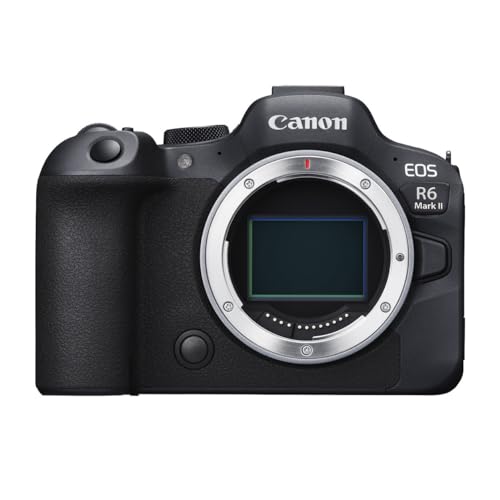
| Canon EOS R6 Mark II | Best overall for baby photos | Silent shooting, superb eye focus and beautiful colour make it the first-year camera parents dream about. |
| Sony ZV-1F | Best for one-handed everyday moments | Tiny, wide and instantly ready — the camera that captures sofa life while your other hand does everything else. |
| Sony Alpha 7 IV | Best for heirloom-quality portraits | Full-frame depth and gentle files for the photographs that will hang on walls for thirty years. |
| Nikon Z50 II with Two Lenses | Best value family starter | A complete kit whose presets flatter newborn skin and whose zoom covers first steps without lens swaps. |
| Canon PowerShot G7 X Mark III | Best pocket camera for grandparents | Bright-lensed and pocketable, prose-only here — the grandparent favourite for hospital visits and homecomings. |
| Fujifilm X100VI | Best for timeless documentary style | Quiet leaf-shutter manners and film-like colour for parents who want the first year to look like memory feels. |
How Did We Choose the Best Cameras for Baby Photos?
Silence was the first gate. Every pick can shoot with an electronic or leaf shutter quietly enough to work beside a sleeping newborn without flinching the household. We also favoured cameras whose screens articulate for floor-level and crib-side angles, because baby photography is contortion photography: the good frames live at blanket height, and a tilting screen saves a parent’s back across a year of them.
Low-light honesty came second. We judged files the way exhausted parents produce them — handheld, at sensitivities that would embarrass a spec sheet, under lamps never designed for photography. Bodies whose colour stayed kind to skin as sensitivity climbed outranked sharper bodies that turned faces waxy or grey. Autofocus was tested conceptually against the hardest baby target: a drowsy eye, half-lidded, in a dim room, moving slightly.
Third, we weighed the ownership fog of new parenthood. Menus must forgive, batteries must last a chaotic day, and sharing to a phone must take seconds, because a photograph that waits a month for a laptop is a photograph grandparents never see. Cameras that demand a hobbyist’s attention to reward their owner were marked down, however lovely their best files can be.
Which Baby Camera Fits Your Household’s Rhythm?
If photography is already your hobby, the Canon R6 Mark II or Sony Alpha 7 IV will feel like coming home with better reasons. If the camera is really for the household — partner, grandparents, whoever is free — the Nikon’s presets and the Sony ZV-1F’s simplicity produce more keepers across more hands. Grandparent-heavy families should read the prose-only Canon compact section with particular care.
Consider also where the baby actually spends time. Floor-play families benefit from articulating screens; babywearing families from tiny bodies; families with toddlers already underfoot from the fastest eye focus in the budget. The right pick is the one that disappears into your routine, because the first year’s photographs are taken by the camera that was simply present.

Canon EOS R6 Mark II — Best overall for baby photos
Canon’s colour science and eye detection were practically designed for this assignment, and its silent shooting lets you work through a whole nap. It is the body keen photographers will still be using at the fifth birthday.
A sleeping newborn rearranges a photographer’s priorities within minutes. The Canon EOS R6 Mark II finds the tiny closed eye, or the lashes of the open one, and holds focus there while grandparents lean in and curtains shift the light. Working silently matters more than any headline feature, because a mechanical clatter at the wrong moment ends the session and possibly the afternoon’s peace. Parents can creep around a Moses basket adjusting angles freely, confident the camera is not the household’s loudest participant. That discretion, repeated daily, becomes the foundation of a first-year archive. Its dual card security and weather sealing are adult comforts in the background, quietly protecting the archive and the investment while attention stays where it belongs: on the smallest person in the room.
Handheld shooting dominates new-parent photography, since the other hand usually holds the baby, a bottle or a cup of tea going cold. The Canon’s in-body stabilisation forgives the slight sway of a tired adult rocking gently beside a cot at midnight. Images stay usable even when shutter speeds drop to levels that would smear on lesser bodies. Over weeks this forgiveness accumulates into trust: the camera comes out at the difficult hours, not only the golden ones. The photographs made at those difficult hours — bleary, tender, unrepeatable — are often the ones families describe as priceless later. There is a learning hidden here for partners who consider themselves shaky-handed: with stabilisation sharing the work, their photographs stop being the family’s deleted folder and start appearing in the shared album alongside everyone else’s.
Dim nurseries defeat most cameras politely bought for the occasion. This Canon produces clean files in the gloom after night feeds, where a single lamp and a crack of landing light provide the entire illumination. Skin stays skin-coloured rather than turning waxy or grey, and shadow detail survives for gentle brightening afterwards. A parent can photograph the exact expression a baby makes at dawn without flooding the room with flash. When relatives receive those images, they frequently ask what studio took them. The honest answer — a chair beside the cot, at six in the morning — surprises everyone. The electronic shutter’s silence completes the package, since a photograph that costs a nap is a photograph no parent will attempt twice, however beautiful the result might have been.
Think about longevity, because babies refuse to stay babies. The body that photographs a sleeping newborn this winter will chase a crawling explorer by autumn and a sprinting toddler next year, and its tracking speed covers that entire acceleration curve. Lenses can join gradually as the child’s world expands from cot to garden to sports day. Nothing about the purchase expires when the newborn phase ends, which protects it from the fate of most baby equipment. It grows alongside the subject, quietly, without demanding a replacement conversation at the first birthday party. Even the grandparents’ generation benefits indirectly, because a body this capable produces the large, clear prints that end up framed in hallways hundreds of miles from the nursery where they were taken.
There is also a division-of-labour benefit. One parent often becomes the designated photographer, yet this Canon’s automatic intelligence lets the other parent pick it up and succeed immediately. Grandparents visiting for the weekend produce respectable frames after a two-minute briefing. That shared competence means the usual photographer appears in photographs too, holding the baby instead of merely documenting everyone else’s holds. Family archives are full of absent parents behind cameras; a forgiving flagship helps correct the record. The first year deserves both parents in the frame, and this body makes that practical. Its menus, while deep, stay out of the way in automatic modes, so nobody needs to study on the night the baby comes home; the studying can happen gradually, during naps, across the year.
- In-body stabilisation
- Fast continuous shooting
- Full-frame sensor
- 24.2 megapixel CMOS sensor
Strengths
- Stabilisation that steadies handheld work that directly serves one-handed friendly handling
- Build quality suited to regular baby photography
- Support, lenses and accessories around silent shutter operation
Trade-offs
- Overkill if your baby photography stays casual
- Video depth outruns most baby photography needs
- Overkill if your baby photography stays casual
Best for: photographer-parents wanting the complete first-year tool
Not suited for: parents wanting the absolute smallest carry

Sony ZV-1F — Best for one-handed everyday moments
The ZV-1F understands exhausted parents: wide enough for arm’s-length cuddles, instant for video of first sounds, and small enough to live on the coffee table. Its simplicity is not a limitation here; it is the entire feature set that matters.
The Sony ZV-1F was practically designed around a parent’s occupied hands. Its wide lens frames an arm’s-length cuddle without amputating foreheads, and a single button starts video when a first laugh arrives unannounced. Lying on the coffee table between feeds, it asks for no lens decisions, no mode debates, nothing that competes with the baby for attention. Parents reach for it the way they reach for a muslin — instinctively, one-handed, half asleep. Equipment that fits the choreography of early parenthood gets used; equipment that interrupts it gets sold. Its defocus-smoothing presentation mode even helps when products — in this case, a favourite toy or a grandparent’s face — are held toward the camera during video calls with relatives overseas.
Video diaries are this little Sony’s home ground. A thirty-second clip of bath-time kicking, filmed from the side of the tub while the other hand guards the baby, captures something stills cannot: the sound. Its face priority keeps a parent’s tired commentary in focus during midnight updates filmed for distant grandparents. The microphone handles a small room kindly, and the files move to a phone quickly enough to be shared before the next feed. Months later those fragments assemble into a moving record no album matches. The camera’s modesty hides how much of the first year it can carry. Battery life stretches across a day of fragments, which suits a schedule made entirely of fragments, and charging happens from the same cable ecosystem already colonising the kitchen worktop.
Clean results in dim rooms keep the ZV-1F relevant after sunset, when much of baby life actually happens. Night feeds, story lamps and the blue gloom of early winter afternoons all produce watchable, printable material rather than noisy regret. Its sensor is small compared with the flagships here, yet the lens and processing make sensible bargains on a parent’s behalf. Nobody at a christening cares which body recorded the yawn; they care that the yawn is clear, warm and saved. This Sony saves yawns, first rolls and lopsided smiles with dependable cheerfulness. The flip screen earns gratitude during floor-level play, sparing a parent’s knees and back during the long tummy-time sessions that produce the month’s most expressive portraits.
Ownership costs stay gentle, which new parents appreciate more than they expect. There are no lenses to research at 2 a.m., no sensor-cleaning anxieties, no system decisions at all. The camera charges, waits and performs, and its small size means it migrates between changing bag, pram organiser and kitchen counter without a dedicated carrying ritual. Friends borrowing it for their own newborns return it with thanks rather than questions. In a year when every purchase seems to generate three more purchases, a complete, finished product is a small mercy. It also survives the social reality of new parenthood: being grabbed by visiting friends, aimed at the baby, and returned with the settings exactly as innocent as they were before.
Judge the ZV-1F by the moments only it was present for. A flagship left upstairs misses the first unsupported sit on the rug; this Sony, already beside the sofa, does not. Its simplicity also lowers the stakes of handing it to a visiting teenager or a nervous grandfather. Everyone succeeds, so everyone keeps shooting, and the archive grows from many hands instead of one exhausted volunteer’s. For households whose priority is coverage of real life rather than technical perfection, that democratic usefulness is the strongest argument in this entire guide. Its wide lens flatters the chaos of a real living room, gathering parents, grandparents and the dog into one honest frame instead of cropping the story down to a floating face.
- 4K video recording
- Compact vlogging design
- 1-inch sensor
- Fixed 20mm wide lens
Strengths
- Support, lenses and accessories around silent shutter operation
- Controls arranged for talking to camera that directly serves silent shutter operation
- Files with editing headroom for baby photography
Trade-offs
- Honest weight checks precede a 3 a.m. feed in a dim nursery
- Overkill if your baby photography stays casual
- Overkill if your baby photography stays casual
Best for: everyday moments, video diaries and one-handed shooting
Not suited for: distant subjects like stage performances later on

Sony Alpha 7 IV — Best for heirloom-quality portraits
Choose the Sony when the goal is heirloom work — shallow depth, gentle rendering and files that print large and lovely. Its lens shelf includes the fast primes that make dim nurseries glow rather than merely suffice.
The Sony Alpha 7 IV is the choice for parents who already imagine framed prints above the fireplace. Its sensor rewards careful exposure with files of unusual depth: curtain light falling across a sleeping face renders with a gradation that smaller sensors flatten. Portraits made in the last minutes before bedtime carry a painterly quality that justifies the learning curve involved. This is the heirloom instrument of the list, bought by people who intend to print large, keep everything, and hand the archive down. It treats the first year as material worthy of permanence. The viewfinder experience helps too, because composing through an eyepiece shuts out the cluttered room and leaves only the sleeping subject, the light and the decision about when to press.
Working with the Alpha demands a little more of its owner, and repays the effort visibly. Choosing where to place focus, watching how window light models a cheek, adjusting exposure deliberately — these small disciplines elevate a snapshot into a portrait. Parents who enjoy that involvement describe the camera as the one hobby that survived the baby’s arrival, because it photographs the baby. Its lens catalogue includes fast primes that make dim rooms glow, turning the nursery’s limitations into an aesthetic. Skill grows quickly when the subject is beloved and constantly available. Its colour science deserves credit for restraint: newborn redness is softened by careful exposure rather than erased by processing, keeping photographs truthful enough to trust and kind enough to frame.
Files from this Sony tolerate the enthusiastic editing new parents attempt at midnight. Shadows under a cot lift without crumbling, highlights on a christening gown hold their detail, and skin tones stay believable through it all. That robustness matters because first-year photographs are edited by amateurs with strong feelings and little restraint. A forgiving file protects the memory from the editor. When the same images are printed for grandparents, the quality difference against phone pictures is obvious across the room, in ordinary light, without anyone needing to explain resolution. Grandparents receiving prints often assume a professional visited weekly, and the family rarely corrects them, because the compliment belongs partly to the camera and partly to a parent who learned to use it.
The Alpha’s hybrid design earns its keep as babies become performers. Stills document the morning; video catches the first steps across the landing in the afternoon, with focus that follows the tottering subject rather than the sofa behind. Parents who film milestone attempts appreciate a body that treats motion as a first-class citizen. Its handling suits long sessions at family gatherings, where it moves between portraits of great-grandparents and chaos at the paddling pool. One body covering both crafts simplifies the changing-bag logistics considerably. Its build inspires the confidence to carry it everywhere the baby goes, from first health-visitor appointments to the seaside, rather than reserving it for occasions judged worthy in advance.
Resale strength and an enormous lens shelf protect this purchase across childhood. A parent can begin with the kit zoom, add a fast prime for the portrait years, and eventually borrow telephoto glass for school sports without changing bodies. The camera’s reputation among working photographers means it holds value if family priorities shift. More importantly, it holds its place in the household: capable enough that the photographically ambitious parent never feels equipped for last year instead of this one. Babies become teenagers quickly; this Sony is ready for the whole journey. Photographers who already own Sony lenses from pre-baby life find the transition painless, which is no small thing when every other part of life is being renegotiated simultaneously.
- Hybrid stills and video design
- Extensive native lens catalogue
- Full-frame sensor
- Interchangeable-lens mirrorless body
Strengths
- Controls that stay learnable during bath time splashes under warm bathroom light
- Support, lenses and accessories around one-handed friendly handling
- A sensor that rewards careful exposure that directly serves silent shutter operation
Trade-offs
- Lens costs rival body costs in baby photography
- Video depth outruns most baby photography needs
- Menus reward setup before bath time splashes under warm bathroom light
Best for: heirloom portraits and large prints
Not suited for: households wanting zero learning curve

Nikon Z50 II with Two Lenses — Best value family starter
Nikon’s kit is the household purchase: presets that flatter skin, a zoom for the garden, a standard lens for the sofa, and sharing tools grandparents can receive without instruction. Nothing else needs buying before the first birthday.
The Nikon Z50 II with Two Lenses arrives as a complete answer in a single box, which is exactly what expectant households need. One lens handles the wide context of a nursery; the other reaches across a garden to a toddler on a swing. Presets flatter newborn skin without a colour-science lecture, and sharing tools deliver photographs to grandparents before the kettle boils. Silent operation lets a parent work through nap time without becoming the villain of the household. No second purchase lurks behind the first, and that completeness has genuine emotional value in an expensive year. The kit’s balance on a small body matters during long cuddle-photography sessions, since a front-heavy camera tires the wrist that is also supporting a sleeping head.
Value here is not only financial, although the arithmetic is kind. Two lenses purchased later, separately, would cost more and arrive after the newborn weeks they were needed for; this kit covers the ground from the first morning. Its clean performance in dim rooms means the nursery lamp is a workable studio, and its autofocus finds small eyes among blankets and soft toys without hunting theatrically. Parents learning photography on it progress from presets toward manual curiosity at their own pace. The kit behaves like a thoughtful gift from someone who understood the assignment completely: everything required, nothing superfluous, ready tonight. There is a further, quieter economy: because the kit satisfies immediately, parents resist the forum-driven urge to research upgrades during night feeds, and the money and attention stay with the baby. The two-lens coverage also means the first family holiday needs no rental decisions, no borrowed glass, and no anxious evening spent comparing charts while the suitcase sits open. Everything simply packs, travels and works, which is the highest praise exhausted people can offer any product.
During bath time the Nikon’s virtues rearrange themselves helpfully. One parent photographs while the other manages splashing, and the camera’s friendly handling tolerates being grabbed with damp fingers between moments. Its focus locks onto a delighted, dripping face rather than the bath toys bobbing in front. Afterwards, images transfer to phones while the baby is being dried, so the evening’s joy circulates immediately to everyone waiting. Small workflow kindnesses like that decide which camera a household actually loves. Specification sheets cannot measure affection, but affection is what keeps a camera charged and present. Its screen tilts helpfully for the low angles baby photography constantly demands, because the best portraits of a crawling explorer are made from carpet level, not from a standing adult’s altitude.
The kit also respects the learning parent. Presets produce lovely results immediately, while the dials sit waiting for the day curiosity arrives — usually around the first birthday, when movement speeds up. Nothing needs replacing when that day comes; the same body simply gets used more knowingly. Its two lenses teach focal length by experience, showing why the garden portrait and the nursery wide shot ask for different glass. Education delivered through one’s own child is education that sticks. By the second year, owners are choosing settings deliberately and calling it fun. The wireless sharing deserves a second mention, since a photograph of a first tooth that reaches a grandparent within the hour becomes part of that day’s family conversation rather than next month’s catch-up.
For many households this Nikon becomes the family camera in the fullest sense: the one at christenings, first days of school and eventually university graduations. Its completeness at purchase, silent manners around sleeping babies and kind rendering of skin give it a long domestic career. Parents who bought it for the newborn phase report, years later, that it simply never gave them a reason to shop again. In a marketplace built on upgrade itches, that contentment is remarkable. The first year is where the loyalty begins, earned one nap-friendly photograph at a time. Its menus reward the curious without punishing the tired, a balance many cameras claim and few achieve across the sleep-deprived reality of the first twelve months.
- Easy colour presets
- Wireless photo sharing
- Compact mirrorless body
- Two-lens kit in the box
Strengths
- Composed behaviour during bath time splashes under warm bathroom light
- Support, lenses and accessories around one-handed friendly handling
- Build quality suited to regular baby photography
Trade-offs
- Lens costs rival body costs in baby photography
- Menus reward setup before bath time splashes under warm bathroom light
- Overkill if your baby photography stays casual
Best for: households buying one complete, friendly kit
Not suited for: shooters set on full-frame depth from day one
Canon PowerShot G7 X Mark III — Best pocket camera for grandparents
Grandparents and hospital bags agree on this Canon: pocket-sized, bright-lensed and kind to faces straight from the camera. It is covered prose-only, and for many families it will quietly take the most photographs of all.
The Canon PowerShot G7 X Mark III has a special constituency: grandparents. It fits a coat pocket, its lens drinks in dim nursery light, and its colour flatters a newborn’s face without any post-processing penance. A grandmother can carry it in a handbag for a year and produce the family’s most-loved images simply by being present and willing. Although it appears here without a link, this is the compact families most often find beside a hospital bed during the first week, charged and ready. Small, bright and kind is a powerful combination for this assignment. Its zoom, modest on paper, matches the geography of grandparent photography perfectly: across a room, across a garden, never across a stadium, and always close enough to matter.
Hospital bags reveal a camera’s true priorities. This Canon needs no lens case, no charger brick the size of a novel, no decision about which glass the birth requires. It emerges, photographs a father’s first hold under ward lighting, and returns to the pocket before the midwife needs the space. Later it handles the homecoming, the first bath and the stream of visitors with the same unobtrusive competence. Its bright lens is the technical hero, gathering light that lets faces stay soft and natural. Families remember the photographs, not the equipment, which is the highest compliment available. Its colour in artificial light deserves particular praise, because hospital wards and winter kitchens mix light sources cruelly, and this Canon keeps faces believable where phones turn them green or orange. The stabilisation inside helps slower shutter speeds stay sharp in those same dim spaces, which is why so many of its photographs look calm rather than snatched.
Grandparents shooting with the G7 X consistently praise how little it asks of them. Buttons are few, results are forgiving, and the screen shows a bright, honest preview that builds confidence. A grandfather who considers himself hopeless with technology produces a sharp portrait of his granddaughter’s first smile and prints it for the mantelpiece within the very same week, proudly and deservedly so. That success encourages more photographs from the generation with the most time to take them. A camera that recruits grandparents into the family archive multiplies the archive’s perspectives beautifully. It also starts quickly, an underrated virtue when the photograph is a first laugh that will not be repeated for the camera that was still waking up.
The little Canon also handles the social side of new-baby life gracefully. At the first family lunch it photographs across the table without dominating it, and its files are good enough that the designated photographer parent can finally appear in some frames, holding the baby, taken by a confident auntie using the Canon. Sharing afterwards is painless, so images escape the card. When a camera is this easy to lend, the whole family’s photographic coverage improves, and no single person carries the documentation burden alone through the year. Its battery routinely survives a full visiting day, so the camera is still alive for the evening bath photographs that often turn out to be the day’s best.
Long after the newborn phase, the G7 X keeps a role as the household’s pocket witness: school gates, seaside weekends, the dog’s birthday. Its lens remains bright enough for restaurant light, and its size keeps it invited where bigger cameras feel like work. Owners who later buy systems often retain it for exactly these duties. For baby photography specifically, its mixture of brightness, simplicity and flattering colour makes it the prose-only pick families most frequently thank us for mentioning. Some recommendations need links; this one survives on reputation. For families splitting photography between generations, it may be the most democratic camera here: nobody needs lessons, nobody feels excluded, and the baby gets documented from every loving angle available.
- Live-streaming support
- Bright maximum aperture
- 1-inch sensor compact
- Pocketable fixed zoom lens
Strengths
- Files with editing headroom for baby photography
- Build quality suited to regular baby photography
- Files with editing headroom for baby photography
Trade-offs
- Video depth outruns most baby photography needs
- Video depth outruns most baby photography needs
- Accessories for clean dim-room files add up quietly
Best for: grandparents and pocket-carrying parents
Not suited for: parents planning a lens collection
Fujifilm X100VI — Best for timeless documentary style
The Fujifilm is the romantic pick — a quiet, beautiful object whose film simulations make the first year look like the seventies albums parents grew up loving. Prose-only here, and adored by documentary-minded families.
The Fujifilm X100VI photographs a baby’s first year the way memory itself will later tell it: softly, warmly, with a slight glow around the edges. Its film simulations turn an ordinary Tuesday feed into something resembling a frame from a seventies family album. The leaf shutter is so quiet that sleeping babies remain sleeping, undisturbed by the act of being documented. Parents who love the documentary aesthetic — real rooms, real light, no staging — find their instrument here. It asks for patience and rewards it with atmosphere no preset can fake. Its dials and aperture ring slow the photographer down in the best way, introducing a small ceremony before each frame that suits the stillness of a sleeping subject.
Working with a fixed lens changes a parent’s photography for the better. Unable to zoom, the photographer moves — closer for the eyelashes, back for the whole scene of grandparents on the sofa — and the photographs gain intimacy from that physical involvement. The X100VI’s hybrid viewfinder suits this deliberate style, and its colour modes make straight-from-camera files feel finished. There is a learning curve, certainly, and families who climb it produce the most distinctive archives in this guide. Distinctiveness matters when a thousand phone photographs all look alike. Its colour modes are not gimmicks here; a monochrome setting turns a night feed into a study of hands and lamplight that parents describe as the most honest photograph of their year. Visiting relatives initially sceptical of a camera without zoom usually convert after seeing one printed frame.
Quietness deserves its own paragraph, because nurseries run on silence. The Fujifilm’s shutter whispers where other cameras announce themselves, letting a parent document an entire nap cycle — the flung arm, the dreaming smile, the slow waking — without influencing a single frame. That invisibility produces honest photographs. Combined with film-like colour, the results feel less like records and more like recollections, which is precisely how the first year will be experienced in hindsight. The camera photographs the past in the tense memory will use for it. Its files need so little intervention afterwards that parents actually finish processing them, and a finished photograph is worth a folder of superior raw files nobody ever opened.
Limitations shape this pick’s character and should be accepted knowingly. There is no zoom for the far end of the christening, and growing toddlers will eventually outrun a fixed wide lens at sports day. Families choose the X100VI for the newborn and baby period specifically, where its focal length matches crib distance and living-room geography beautifully. Within that territory it is unmatched for mood. Many owners describe it as the camera that made them photographers, because its constraints forced them to see rather than merely capture. The viewfinder’s optical mode offers a calm, battery-sipping way to compose during long waits beside a cot, when the photograph is being anticipated rather than chased.
As a long-term family object, the Fujifilm has unusual staying power. It is beautiful enough to live on a shelf rather than in a drawer, and objects left visible get used. Its files need so little editing that the archive stays current instead of accumulating an unprocessed backlog. Years later, its photographs of the first year will look intentionally timeless rather than dated by processing fashions. For documentary-minded parents, that is the entire argument. The first year passes once; this camera tells it like a story instead of a spreadsheet. Its single focal length also gives the year’s photographs a visual consistency that mixed phone and zoom archives lack, so the album reads as one story told by one voice.
- Hybrid viewfinder
- Leaf-shutter quiet operation
- Fixed-lens premium compact
- Film simulation colour modes
Strengths
- Composed behaviour during bath time splashes under warm bathroom light
- A whisper-quiet leaf shutter and film-like colour that directly serves one-handed friendly handling
- Controls that stay learnable during a first birthday with candles and chaos
Trade-offs
- Honest weight checks precede a grandparent’s first hold at the hospital
- Honest weight checks precede a grandparent’s first hold at the hospital
- Accessories for tiny-eye autofocus add up quietly
Best for: documentary families who love film-like colour
Not suited for: families needing zoom for growing, running children
How Do the Best Cameras for Baby Photos Compare?
Baby cameras are judged in whispers and dim light — the table shows which kind of quiet excellence each pick offers your household.
| Pick | Badge | Standout quality |
|---|---|---|
| Canon EOS R6 Mark II | Best overall for baby photos | Most complete blend of silence, focus and colour |
| Sony ZV-1F | Best for one-handed everyday moments | Fastest route from moment to memory |
| Sony Alpha 7 IV | Best for heirloom-quality portraits | Deepest heirloom image quality |
| Nikon Z50 II with Two Lenses | Best value family starter | Friendliest complete household kit |
| Canon PowerShot G7 X Mark III | Best pocket camera for grandparents | Brightest pocket option for dim rooms |
| Fujifilm X100VI | Best for timeless documentary style | Most characterful, timeless rendering |
What Should You Check Before Buying a Camera for Baby Photos?
Check the shutter sound first, in person if possible, and check whether silent mode carries any restrictions that annoy you. Then check the screen: it should tilt for floor-level work and flip for the occasional parent-and-baby self-portrait. Finally, check the minimum focus and the wide end — baby photography happens close, in small rooms, and a camera that cannot focus at arm’s length will frustrate daily.
Lens brightness deserves a plain-English translation: a brighter lens lets the camera use gentler sensitivity in dim rooms, which keeps skin smooth and colour warm. When comparing kits, favour the brighter standard zoom or add an affordable fast prime early. That single lens will likely make your favourite photographs of the entire first year.
Round out the audit with parent-proofing: battery life across a broken day, charging from a common cable, a strap or grip that survives one-handed grabs, and a sharing flow your least technical family member can receive. Babies generate the most-requested photographs on Earth; the pipeline to grandparents is part of the product.
How Do You Photograph a Newborn Gently and Well?
Live by window light. Place the basket or blanket near the largest window, turn off the yellow ceiling lights that fight the daylight, and let soft sidelight sculpt tiny features. Shoot during the deep sleep that follows a feed, keep the room warm, keep sessions short, and never trade the baby’s comfort for a composition — the photographs of a content baby outshine any posed arrangement.
Work in quiet bursts of attention: details first — fingers, lashes, the curl of an ear — then wider frames with hands for scale, then the family context. Shoot siblings and grandparents generously; years later those frames carry the story. And put the camera down sometimes. The first year deserves a present parent as much as a documented one, and the best baby photographers learn that rhythm early.
Before You Commit: Notes on Baby Photography
A final consideration for the Nikon kit, because its completeness shapes the whole first year. Everything a household needs is in the box on day one, so the camera is ready before the baby is — charged during the hospital-bag week, familiar by the homecoming. Its silent shutter and kind presets handle the nursery, while the second lens waits for garden weather and visiting relatives. Parents never face the demoralising discovery that the moment required equipment still sitting in a shopping basket. Readiness is a feature, and this kit has it from the start. Its presets deserve credit for making tired parents look competent in the family group chat within hours of the birth, long before any skill has had time to develop.
Tummy time, bath time and the first birthday all test a camera differently, and the Nikon answers each without new purchases. Its focus finds small faces among cushions and bubbles; its handling suits a parent kneeling on a rug with one eye on a wobbling baby. Photographs move to phones quickly, keeping distant family inside the daily story. Over months, that reliability turns the camera into household furniture in the best sense — always there, always ready, never the centre of attention. The baby remains the centre of attention, which is as it should be. There is a social dividend too: because the kit is approachable, visiting friends can be handed the camera, and the parents finally appear together in photographs of their own child’s first weeks.
One-handed operation sounds like a minor convenience until a parent tries to photograph while holding a baby, a bottle and a door open simultaneously. The Nikon kit’s friendly handling was designed for real domestic multitasking, and its presets mean the free hand is the only one required. Results stay consistent across the chaos, so the archive does not lurch between brilliant and unusable depending on who was holding what. Consistency is what lets a family relax about documentation and simply live the moments, trusting the record is being kept. Its battery endurance across a full day of visitors removes the last-minute charging panic that has ruined many a first-bath photograph on lesser cameras.
By the first birthday, households using this kit own something valuable beyond photographs: confidence. They know the camera will handle candlelight, cake and a roomful of relatives, so they can host the party instead of staffing it. The two lenses cover the wide chaos and the small face at its centre. Nothing about the system needs urgent upgrading, and the money saved can fund printing the year’s best frames. A first camera that ends the year as a trusted family member has done its job completely. That arc — from hospital corridor to birthday candles — is the measure of a family camera, and few purchases in the baby category complete it as gracefully as this unassuming two-lens box. The photographs remain, the equipment fades into the household, and the story continues into childhood with the same trusted tool.
Which Mistakes Do New Parents Make With Baby Photography?
Posing the baby like the internet does
Elaborate posed newborn images belong to trained specialists with safety spotters and heated studios. At home, simple, supported, natural positions photograph beautifully and keep everyone calm. Chasing elaborate poses with a phone torch and a cushion tower helps nobody.
Using the on-camera flash at close range
A direct pop of flash startles babies and flattens the gentle modelling that makes newborn portraits lovely. Window light, lamps bounced off walls, and brighter lenses all exist precisely so the flash can stay off through the entire first year.
Waiting for the perfect tidy moment
The house will not be tidy and the baby will not schedule smiles. Photograph the real rhythm — feeds, naps, chaos, grandparents in dressing gowns — because authenticity is what the family will treasure when the tidy portraits all blur together.
Letting photographs pile up unshared and unbacked
Newborn photographs are the most emotionally irreplaceable files a family owns. Share favourites weekly, keep a simple backup habit from the first month, and print a handful early — paper survives every platform and password ever invented.
Final Recommendation
For most households the honest answer is the Nikon kit for completeness or the Canon R6 Mark II for the photographer-parent, with the little Sony ZV-1F as the always-present second camera that catches what planned photography misses. The prose-only Canon compact and Fujifilm serve grandparents and romantics respectively, and serve them beautifully.
Whichever arrives before the baby does, charge it, learn its silent mode, and place it where life will happen. The first year will not repeat itself for any specification. Be ready, be gentle, and shoot the ordinary days — they are the ones that become extraordinary in retrospect.
Related guides
Frequently Asked Questions
When should I buy the camera — before or after the birth?
Before, ideally by a few weeks, so the controls are familiar and the battery is charged when the first photographs present themselves. Hospital and homecoming frames cannot be reshot. A camera learned during pregnancy is a camera that disappears during the moments that matter.
Is a phone not enough for baby photos?
Phones do charming work in good light and struggle exactly where baby life lives: dim rooms, motion, and skin tones under lamps. A dedicated camera’s bright lens, real focus tracking and silent shutter produce the frames families print. Many parents use both — phone for reach, camera for keepsakes.
How do I photograph a sleeping baby without waking them?
Use silent or electronic shutter, disable focus beeps and lights, work from window light rather than flash, and prepare the scene before the baby is placed in it. Short, calm sessions after feeds are the professional secret — the rest is patience.
What lens is best for newborn portraits?
A fast standard prime is the classic answer: bright enough for nurseries, gentle in depth, and honest in perspective at crib distance. Kit zooms handle the wider family story. If budget forces one choice, brightness beats reach for the newborn months.
Are these cameras still useful as the child grows?
Entirely — the focus systems that track a baby’s eye will track a toddler’s sprint and a school play with ease. The picks here were chosen as family cameras first and newborn tools second, which is why the kits and step-up bodies anchor the list.
What Do Parents Learn About Photography in the First Year?
They learn that light has a schedule, and that the ten minutes after the morning feed, beside the big window, will produce more beauty than any equipment discussion ever held. They learn to photograph hands — grandparents’ hands, siblings’ hands, their own — because scale and tenderness live there, and because those hands change almost as fast as the baby. They learn the discipline of the small edit: choosing five frames from fifty while the kettle boils, so the archive stays loved rather than looming. They learn that video of ordinary sounds — breathing, babbling, a first laugh in the bath — becomes priceless on a delay of about eighteen months. They learn to include themselves, handing the camera over or using the flip screen, because children eventually ask where their parents were in all these photographs.
Related Guides
The first year is the beginning of a longer family archive — these guides help it grow: best cameras for family photography best cameras for low light photography best cameras for beginners


