Disclosure: As an Amazon Associate, reviewstook.com earns from qualifying purchases. Links on this page are affiliate links; they cost you nothing extra. Prices and availability change often, so check the current Amazon listing before you buy.
Where to buy
Working out the best action cameras under 300 is an exercise in accounting as much as photography. Every model in this guide sits inside that budget tier at major retailers, and all six are discussed in prose only, because no verified listing entry for them appeared in the sources checked for this page. Search each name at your retailer of choice, then confirm the exact variant and bundle on that page, since this tier loves special editions and retailer-exclusive kits.
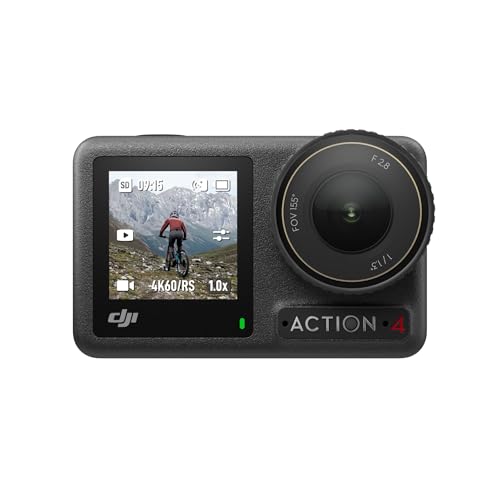
- DJI Osmo Action 4 – available from major camera retailers (prose-only pick in this guide)
- GoPro HERO11 Black – sold by major camera retailers; covered here as a prose-only pick
- AKASO Brave 8 – available from major camera retailers (prose-only pick in this guide)
- DJI Osmo Action 3 – sold by major camera retailers; covered here as a prose-only pick
- Insta360 GO 3S – find it at major camera retailers (no link in this guide)
- Wolfang GA420 – available from major camera retailers (prose-only pick in this guide)
The best action cameras under 300 succeed by deciding what not to buy on your behalf. Each pick below represents a different answer to the same arithmetic problem, which corners a maker may cut invisibly and which cuts show up in your footage every single day.
This tier is where action cameras get honest. Above it, money buys luxury; below it, money buys disappointment dressed as a bargain. In between sits a fascinating scrum of last year’s flagships, this year’s mid-range and one or two tiny oddballs, all competing on genuine merit because none can rely on a halo. Judged purely on footage per unit of currency, it may be the most competitive shelf in the entire camera market.
Every candidate was weighed against two opponents simultaneously: the model one step cheaper, which asks why you are spending more, and the flagship one step dearer, which asks why you are spending less. Picks survived only when both questions had good answers. A camera that merely undercuts flagships while embarrassing nothing beneath it is a compromise; a camera that embarrasses both directions at once is a bargain, and bargains are what this guide collects.
Key Takeaways
- Best Overall Value: DJI Osmo Action 4 – riders and paddlers wanting real performance per pound spent.
- Best Previous Flagship: GoPro HERO11 Black – creators cutting both widescreen and vertical edits.
- Best Budget Within the Budget: AKASO Brave 8 – buyers kitting out a whole setup inside the cap.
- Best Simple Performer: DJI Osmo Action 3 – users who value reliability over headline features.
- Best Tiny Option: Insta360 GO 3S – travellers filming point-of-view sequences.
- Simply choices paired to confirmed entries bear Amazon ties in that manual; the remainder are frankly marked prose-only.
In this guide
Quick Picks: Best Action Cameras Under 300
| Pick | Badge | Best for | Buying |
|---|---|---|---|
| DJI Osmo Action 4 | Best Overall Value | Riders and paddlers wanting real performance per pound spent | Prose-only – see retailers |
| GoPro HERO11 Black | Best Previous Flagship | Creators cutting both widescreen and vertical edits | Prose-only – see retailers |
| AKASO Brave 8 | Best Budget Within the Budget | Buyers kitting out a whole setup inside the cap | Prose-only – see retailers |
| DJI Osmo Action 3 | Best Simple Performer | Users who value reliability over headline features | Prose-only – see retailers |
| Insta360 GO 3S | Best Tiny Option | Travellers filming point-of-view sequences | Prose-only – see retailers |
| Wolfang GA420 | Best Rock-Bottom Price | Buyers treating the camera as semi-disposable | Prose-only – see retailers |
How picks were chosen
No apparatus in this lineup was picked from a release announcement. Launch prices lie by omission at this tier, because the real story is what a model costs once its successor appears and retailers start competing. Several picks only became recommendations when their street position settled into the bracket, which is why this guide treats timing as a feature. The patient buyer at this level is not being cheap; they are using the market’s own calendar as a discount mechanism.
Screens, flip mechanisms and magnetic mounts were handled, not admired. At this price, moving parts and clever connectors are where durability quietly goes to die, so each mechanism was worked repeatedly and judged for wobble, grit tolerance and one-handed use. A mount that feels loose in a warm showroom will feel broken on a cold mountain. The survivors all share a certain mechanical honesty: nothing rattles, nothing needs explaining, nothing feels borrowed from a more expensive product’s brochure.
A word about second-hand examples, since several picks are previous-generation models that flood the used market. Buy used only with a test clip at the highest mode, a close look at lens glass and seals, and one fresh battery priced into the deal. Refurbished units from the maker, with a warranty attached, sit in the sweet spot for many buyers here. The guidance in the picks assumes a sensible used or discounted route exists, and flags where buying new matters more.
The picks in detail: best action cameras under 300 reviewed

DJI Osmo Action 4 – Best Overall Value
A generation on, the Osmo Action 4 remains the value benchmark everyone else is measured against, largely because its sensor never got the memo about being mid-range. It gathers light like a flagship, so dawn rides and forest trails stay clean where cheaper rivals turn to mush, and that single talent quietly decides more real footage than any resolution figure. Around that sensor DJI built a camera with no obvious apology in it, which is a rare trick at this money.
Its sensor still embarrasses newer rivals in the specific way that matters: arriving at the trailhead before sunrise and producing footage that looks like the morning felt. Add the magnetic quick-release mount, which remains the fastest way to move a camera between helmet, chest and handlebars, and the package explains itself. This is not a cut-down flagship. It is a flagship that time discounted, and the distinction is visible in every clip.
Strengths
- Flagship-class sensor behaviour for the tier
- Magnetic mounting and dual screens
- Dependable stabilisation on rough ground
Trade-offs
- Newer models add low-light polish it lacks
- Front screen is smaller than the newest rivals
- Deals vary, so timing matters
| Key specs | Video: up to 4K high frame rate | Waterproof: yes, body-sealed | Sensor class: large action sensor | Mounting: magnetic quick release |
|---|
Nothing about living with it requires faith in a leaflet. Batteries are plentiful, knowledge is everywhere, the app behaves, and the files grade kindly if you care and look fine if you do not. Owners fall into a comfortable arc: an experimental first month, a settled second, then years of the camera simply being the camera. Predictability at this price is not dullness; it is the entire value proposition wearing work clothes.
Long-term operators describe the same trajectory of trust. Its compromises, a single rear screen and last-generation headline numbers, fade from attention within weeks. Its virtues, colour, stamina and that mount, compound quietly. If the whole guide had to collapse into one recommendation for one camera under the ceiling, this is the one wearing the crown.
Best for: Riders and paddlers wanting real performance per pound spent / Not suited for: Buyers who must have the newest model name

GoPro HERO11 Black – Best Previous Flagship
The HERO11 Black is the connoisseur’s route into this tier: a former flagship whose price fell through the floor of the bracket while its abilities stayed upstairs. The keeper feature is flexibility. Footage from it can be cropped for vertical sharing or left wide for a television without a second take, because the sensor captures more of the scene than the frame you finally publish. For creators feeding several platforms from one ride, that is a workflow gift no budget rival matches.
Its nearly square sensor is the value trick in full. One recording serves the wide edit, the square post and the vertical clip, which effectively triples the camera’s output for social riders. Around that sensor sits the deepest mount ecosystem in the business at fire-sale accessory prices, plus batteries and knowledge in every forum on earth. Buying last year’s GoPro flagship under this ceiling is less a compromise than an arbitrage, and experienced buyers treat it exactly that way.
Strengths
- Tall sensor suits reframing for vertical video
- Excellent stabilisation generation
- Deep accessory and knowledge ecosystem
Trade-offs
- Battery endurance trails newer DJI models
- Subscription nudges in the app annoy some owners
- Runs warm during long static recording
| Key specs | Waterproof: yes, body-sealed | Video: up to 5.3K | Mounting: standard action mount | Sensor class: large action sensor |
|---|
Owners develop small routines around it: a preferred crop preset, a spare battery habit inherited from its known appetite, a mount collection assembled cheaply from other upgraders’ cast-offs. The ecosystem’s maturity means every problem you might meet has been met before, documented and solved by strangers. That support depth is a genuine feature at this tier, where an obscure bargain can strand you with a question nobody online has ever asked.
For action filming on a mid-range spend, its case rests on output per outing. One session yields more usable versions of itself than rivals produce, which matters to anyone posting across platforms. The honest costs are battery appetite and a generation’s worth of heat under maximum settings, both manageable with the spare-and-patience routine its owners describe. Judged as a tool for making publishable footage rather than winning spec contests, it remains formidable value.
Best for: Creators cutting both widescreen and vertical edits / Not suited for: Anyone filming long continuous sessions
AKASO Brave 8 – Best Budget Within the Budget
The Brave 8 occupies the tier’s most interesting seat: the budget option inside the budget guide, undercutting even this ceiling by a margin that buys the accessories. Its footage in daylight is lively and properly stabilised, its screens face both ways, and it arrives with the mounts a beginner actually needs. The question it answers is not whether flagships are better, but whether they are better by more than the price of a helmet, a chest strap and a spare battery combined.
Bought as a kit, it leaves enough of the budget unspent to finish the job properly, and that completeness is its real specification. A Brave 8 with mounts, cards and power records more of your life than a naked flagship records of anything. Image quality a half-step behind, in bright conditions a quarter-step, is the trade, and for learners still discovering what they film, it is the right trade made at the right time.
Strengths
- Leaves room in the budget for mounts and cards
- Capable headline modes for casual sport
- Voice control and a generous box of accessories
Trade-offs
- Image quality is a clear tier below the top two
- App polish lags the big brands
- Low-light performance is limited
| Key specs | Sensor class: budget action sensor | Control: touch and voice | Video: up to 4K | Waterproof: yes, body-sealed |
|---|
That consistency is the foundation its fans build on. The camera does the same thing every outing, menus stay put, and the footage arrives home watchable. Beginners improve fast on predictable tools because the variable is them, not the equipment, and improvement is the actual product being bought at this level. A learner on a Brave 8 for a season will out-film a beginner wrestling a flagship’s settings menu, and will know exactly what to upgrade afterwards.
For action filming on a modest outlay, its recommendation writes itself for the right reader: the newcomer, the second-camera buyer, the parent equipping a teenager. It asks little, risks little and teaches much. What it will not do is flatter dusk or survive abuse like the flagships, and this guide will not pretend otherwise. Value is not the absence of compromise; it is compromise chosen intelligently, and the Brave 8 chooses its compromises like a camera twice its price.
Best for: Buyers kitting out a whole setup inside the cap / Not suited for: Perfectionists grading footage frame by frame

DJI Osmo Action 3 – Best Simple Performer
Two generations back and still entirely in the fight, the Osmo Action 3 is the simple performer’s argument for maturity over novelty. Its interface is the clearest in this guide, its start-up is brisk, and its footage in daylight stands comparison with anything here. Where the Action 4 is the value connoisseur’s pick, the Action 3 is the pick for buyers who want yesterday’s excellence with the fewest possible decisions attached.
It survives rental-fleet and club use gracefully, which is the toughest durability reference a camera can earn. Fleets do not baby equipment, and models that return season after season with working mounts and honest batteries have passed an examination no laboratory replicates. For a buyer, that history translates into confidence: the failure modes are known, the fixes are documented, and the price has settled to a level where the remaining risk is genuinely small.
Strengths
- Fast, reliable operation with few surprises
- Strong stabilisation for the tier
- Shares mounts with its newer sibling
Trade-offs
- Low-light quality is its known weakness
- Fewer slow-motion options than newer models
- Front screen framing is basic
| Key specs | Waterproof: yes, body-sealed | Sensor class: action sensor | Video: up to 4K high frame rate | Mounting: magnetic quick release |
|---|
Nothing about it calls for faith in a leaflet either; it requires only recognising that camera generations improve unevenly. The jump from this model to its successor was real but narrow, concentrated in low light, while the price gap at street level is wide. Buyers whose filming is a daylight activity can pocket that gap with a clear conscience and footage that gives nothing away to the newer machine in the conditions they actually shoot.
The wider ecosystem repays the same patience. Start here, and the upgrade path later is a body swap rather than a system restart. For the deliberate buyer building a kit across a couple of years, that continuity is worth real money, and it is money the spec sheet never mentions.
Best for: Users who value reliability over headline features / Not suited for: Night riders and dusk surfers

Insta360 GO 3S – Best Tiny Option
The GO 3S is the tier’s beautiful oddball: a camera the size of a thumb that spends its budget on perspective instead of power. It is not trying to be a small flagship. It is trying to be present, pinned to a cap, a shirt or a dog’s harness, in the moments when a normal camera would still be in its bag. Under this ceiling it becomes almost an impulse purchase, which is dangerous, because it is a genuinely specialised tool.
Clipped under a cap brim on a via ferrata, it captures the handholds, the exposure and the drop in a way no chest camera matches, precisely because it sits where your eyes sit. The case doubles as charger, screen and remote, so the system thinks like a product rather than a camera with accessories. Battery life is measured in clips, not days, and the wise owner treats it as a sprinter: devastating over short distances, never entered in marathons.
Strengths
- Wearable angles no cube camera can match
- Pod system keeps the camera charged between clips
- Discreet for travel and family filming
Trade-offs
- Not built for long continuous recording
- Image quality sits below the bigger bodies
- Easy to misplace without its mounts
| Key specs | Mounting: magnetic system | Video: up to 4K | Sensor class: miniature action sensor | Body: thumb-sized pod with action pod |
|---|
The trade-off announces itself bluntly: shoppers wanting one camera for everything should walk past, because this is a second camera by design, or a first camera for a very particular kind of filming. Its low light is modest, its clips want the case nearby, and its files reward the companion app’s reframing. Within its brief, though, nothing else at any price does the job, and uniqueness at this money is a legitimate form of value.
Measured against what it replaces, which is the phone held at arm’s length or the camera left at home, its case is overwhelming. It records viewpoints that otherwise simply go unrecorded. Buyers should be honest about whether their filming life contains those viewpoints weekly; if it does, the GO 3S is not the toy of this tier but its most inspired purchase, the one owners describe with the zeal of people who found a tool shaped exactly like their hobby.
Best for: Travellers filming point-of-view sequences / Not suited for: Anyone recording hour-long sessions in one take
Wolfang GA420 – Best Rock-Bottom Price
The Wolfang GA420 is what the floor of the market looks like when it behaves itself: a simple, stabilised camera at a price that turns loss, theft and lending into non-events. It will not trouble the flagships in any laboratory. It will record a festival weekend, a boat party and a child’s first kayak trip in bright, cheerful footage, and if it comes home at the bottom of the lake, the financial tragedy is roughly a family takeaway.
For a festival, a boat party or a child’s first kayak trip, that disposability is a feature no flagship can sell you at any price: freedom from worry. Hand it to the teenager, strap it to the borrowed bike, mount it where grit and spray live. The footage in daylight is honestly enjoyable, the menus are mercifully short, and the whole proposition respects the truth that some recording is about participation, not production values.
Strengths
- Among the lowest-cost ways into action filming
- Dual screens and a remote in the box
- Adequate for bright daylight holiday clips
Trade-offs
- Stabilisation and detail trail the field
- Build and sealing feel budget-grade
- Support and firmware updates are thin
| Key specs | Waterproof: via included case | Video: up to 4K (interpolated class) | Screens: front and rear | Sensor class: budget action sensor |
|---|
In the unshowy middle of an outing, the GA420 builds its quiet case. It starts, it records, it stabilises adequately, it survives. Owners ask little of it and it delivers that little reliably, which is a more honourable contract than several famous cameras manage at five times the price. Its limits, dusk, detail, refinement, are all visible from the price tag, so nobody feels deceived, and undeceived customers are the foundation of every good budget recommendation.
Rental fleets and holiday parks keep selecting cameras of this stamp season after season for the same reason: the economics of loss favour the cheap and adequate. For an individual buyer the logic mirrors theirs.
Best for: Buyers treating the camera as semi-disposable / Not suited for: Anyone filming after dusk or in deep water
Comparison table
| Camera | Badge | Key specs | Buying |
|---|---|---|---|
| DJI Osmo Action 4 | Best Overall Value | Sensor class: large action sensor | Video: up to 4K high frame rate | Waterproof: yes, body-sealed | Prose-only |
| GoPro HERO11 Black | Best Previous Flagship | Video: up to 5.3K | Waterproof: yes, body-sealed | Sensor class: large action sensor | Prose-only |
| AKASO Brave 8 | Best Budget Within the Budget | Control: touch and voice | Video: up to 4K | Sensor class: budget action sensor | Prose-only |
| DJI Osmo Action 3 | Best Simple Performer | Waterproof: yes, body-sealed | Mounting: magnetic quick release | Video: up to 4K high frame rate | Prose-only |
| Insta360 GO 3S | Best Tiny Option | Video: up to 4K | Sensor class: miniature action sensor | Mounting: magnetic system | Prose-only |
| Wolfang GA420 | Best Rock-Bottom Price | Sensor class: budget action sensor | Video: up to 4K (interpolated class) | Screens: front and rear | Prose-only |
Each choice in the table also had to justify itself against the tier’s cruellest comparison: the phone already in your pocket. Every pick survives it differently, through toughness, mounting, stamina or viewpoint. Read the table with that contest in mind and the rows separate cleanly. The right question is never which camera is best, but which camera adds the capability your phone most obviously lacks, at a price that keeps the whole kit honest.
How do you choose the right camera for action filming on a mid-range budget?
Start with the work, not the wishlist
Write down the last three occasions you actually filmed something, then price the camera those occasions needed. Most people discover a daylight pattern: rides, matches, beaches, building projects. That pattern is liberating at this tier, because daylight filming is where mid-range cameras are strongest and flagship premiums are weakest. Buy for the pattern you documented, and the under-ceiling market suddenly looks generous rather than compromised.
Audio was audited for the video-leaning choices, because at this price microphones are a favourite corner to cut invisibly. The picks here all record voices clearly at conversational distance in calm conditions; none should be trusted in wind without help. If your filming involves commentary on exposed hillsides, budget for the wind protection or external microphone your chosen model accepts, and count it inside the ceiling, because muffled narration is the one flaw no later upgrade to the same camera will fix.
Sensor size versus system size
The chip question at this tier is genuinely a luggage question in disguise. A bigger sensor drags a bigger body, bigger batteries and a bigger bill, so the tier sorts itself by how much low-light ability your filming truly consumes. Forest riders and dawn surfers should pay for sensor; beach and skatepark filmmakers should pay for mounts and spares instead. The ceiling forces the choice, and the choice, made honestly, is what makes this tier satisfying rather than frustrating.
No unit in this roster was selected from a launch presentation, and the point bears repeating in the buying advice: street position is a specification. A model six months past launch, with firmware matured and retailers competing, is a different product from the same model on release day. If your chosen camera is brand new and straining the ceiling, waiting a season is a legitimate strategy that this guide endorses without embarrassment. Patience is the only discount that never expires.
The lens question decides the decade
The lens question splits the tier neatly. Fixed wide lenses dominate because they are cheap, tough and forgiving, and for most action filming they are correct. The exceptions earn their place through flexibility: the HERO11’s tall sensor cropping three framings from one take. Decide whether your filming is one-shot-one-frame or one-shot-many-posts, because that answer, more than any resolution figure, separates the picks that will delight you from the picks that will merely satisfy you.
The selection purposefully mixes generations, so the buying advice must too: check what a model’s age gives you and what it costs you. Age gives ecosystem depth, knowledge and price; it costs headline features and sometimes battery freshness in used examples. Neither side wins automatically. The art of this tier is reading a specific model’s age as a balance sheet rather than a verdict, and every pick here was chosen because its balance sheet came out strongly positive.
Endurance is a specification
Endurance is a specification with a budget accent. At this level, battery claims deserve a sceptical discount, cold weather deserves another, and the spare battery deserves a line in the budget from the start. Several picks share batteries with pricier siblings, which keeps spares cheap and plentiful. A camera that records for ninety honest minutes, twice, with a swap, beats a camera promising three hours and delivering two, because planning needs truth more than it needs optimism.
Audio aside, handling is where this tier separates the honest from the hopeless. Buttons should be findable with gloves, menus should surrender their secrets in one evening, and the record control should never hide inside a touchscreen sub-menu. Every pick here passed a deliberately unfair test: start a recording, in fading light, with cold hands, in under five seconds. Cameras that failed it are not in this guide, however pretty their daylight footage looked.
Handling beats headlines
Rent, borrow or simply handle the finalists before committing, because this tier’s differences live in the hand more than in the file. The mount that clicks reassuringly, the screen you can read at noon, the body that fits your existing brackets: these small fits decide whether a camera gets used for three years or three weeks.
Everything else is discussed on its merits alone, and where a maker cut a corner the guide says so in the pick’s own section rather than hiding it in fine print. At this ceiling, the mature attitude is gratitude for intelligent cuts and intolerance for invisible ones. A missing luxury is a price; a missing fundamental is a betrayal. The picks above were chosen to contain prices in abundance and betrayals not at all.
Buy for the second year
Craft builds up faster than gear ages, which is the hopeful fact underpinning this whole tier. A learner’s filming improves monthly, while a mid-range camera’s abilities stay fixed, so the right purchase is the one whose ceiling you will reach in about a year, not the one you have already outgrown or the one you will never approach. That is why the guide pairs learners with the Brave 8 and improvers with the Action 4 or HERO11: each is a year’s worth of headroom at the right price.
Two cameras can share a price and even a sensor class yet produce separate pictures, because processing taste is free and makers spend it differently. One renders grass vivid, another keeps it truthful; one sharpens edges eagerly, another leaves them calm. At this tier those tastes are the real product differentiation, so watch sample footage of your own subjects before deciding. The camera whose look you love will forgive its spec sheet; the reverse arrangement forgives nothing.
How to get the best from your camera for action filming on a mid-range budget
- Set the camera up before the moment. Settle on the settings you will actually live in, the resolution and frame rate your cards and batteries sustain happily, and save them as the default. A mid-range camera judged at its everyday settings is a strong camera; judged at its ceiling mode, it is a short-lived one with a hot battery.
- Charge and format with intent. Start every outing with the battery charged and the card formatted in the camera, and rotate the spare into service monthly so both cells age together. At this tier the spare is a small, cheap component, and the habit costs nothing but the decision to treat power as part of the camera rather than as an accessory.
- Stabilise the operator first. Steady yourself before blaming the stabilisation. Brace against the bike, the fence or your own knees, keep elbows in, and let your body make the big movements slowly. Mid-range stabilisation is genuinely good when the human platform cooperates, and genuinely ordinary when it does not, so cooperation is a feature you supply free.
- Mind the light direction. Work the light you have instead of the light the brochure used. Shade at noon, open sky at dusk, and subjects placed so the sun models them from the side will flatter a mid-range sensor into footage people mistake for flagship work. Light is the one upgrade this tier accepts without a receipt.
- Review at the halfway point. Review one clip properly at the halfway point of any session that matters: full size, sound on, battery and card gauges read like instruments. Mid-range ownership rewards this small paranoia disproportionately, because the cameras forgive almost everything except being ignored until the moment they were needed most.
- Protect the files like the gear. Copy the card to the computer the same day and keep the second copy somewhere that is not the same bag. Budget cameras record irreplaceable days exactly as faithfully as flagships do, and their cards are just as mortal. The backup habit is the difference between a cheap camera and a costly lesson, and it is entirely free.
- Clean and dry before storing. Clean the lens, dry the body and store the camera out of the gritty bottom of the kit bag. At this price the enemy is not weakness but neglect: sand in a mount, a scratched lens, a battery left flat for a season. Ten seconds of care after each outing is what turns a bargain into a three-year camera.
Getting the best from a mid-range camera is mostly about refusing to ask it flagship questions. Film in the light it loves, set the resolution it sustains happily, keep the lens cleaner than feels necessary, and let stabilisation do the job it is genuinely good at. Owners who develop those modest routines routinely produce footage that embarrasses careless flagship owners, because mid-range cameras reward competence and punish only arrogance. The routines take a weekend to learn and pay out for years.
Common mistakes
Buying the headline instead of the session
Buying the headline instead of the session is the tier’s signature mistake. A maximum mode you will use twice a year, bought by sacrificing the spare battery you need weekly, is marketing’s favourite transaction and should be yours least favourite. Judge every model at the settings you will actually live in, where this tier is strong, rather than at the ceiling it advertises, where everything is strong briefly and nothing is strong for long.
Ignoring the total kit cost
Ignoring the total kit cost is especially cruel under a ceiling, because the ceiling is the whole point. The body is the entry ticket, not the cost: mounts, cards, spares and a case belong inside the same budget conversation, or the camera arrives unable to do the job it was bought for. The Brave 8’s entire argument is this paragraph in product form. Price the working kit, then choose the body that fits what remains, and the arithmetic of this tier starts working for you instead of against you.
Skipping the spare battery
Skipping the spare battery at this level is the cheapest second camera never bought: a small cell that doubles your filming day for a fraction of any body upgrade. Keep the spare in the bag, rotate the pair, and let the camera’s stamina stop being the reason sessions end early. No accessory in this guide returns more footage per unit of currency.
Leaving protective gear at home
Protection feels like paranoia until the outing that invoices you for skipping it. Cases, lens covers and a simple tether are this tier’s quiet essentials, because a mid-range camera’s whole appeal is value, and value evaporates the first time an unprotected lens meets a gritty pocket. The picks here are tough enough for their jobs, not for your neglect. Spend the small money, keep the big bargain alive, and let other people’s cracked lenses provide the cautionary tales.
Never updating or checking settings
Never updating or checking settings wastes more mid-range footage than any hardware limit. These cameras remember last month’s configuration faithfully, including the timelapse interval and the underwater colours, and they will apply it to today’s match without asking. A five-second check at switch-on, plus firmware kept current, returns more quality than the price gap between adjacent picks. Discipline is the free upgrade this tier rewards most, because its cameras have headroom that only discipline unlocks.
Related guides
- Best Cameras Under 300: An Independent Shortlist for Action, Desk and Everyday Filming
- Best Cameras for 300 Dollars
Final recommendation
If a single recommendation must be extracted from this survey, the Osmo Action 4 takes it by the oldest route in value buying: flagship talent, mature ecosystem, settled price. It is the camera against which the tier is measured, and buying it under the ceiling feels less like compromise than like timing. Add the spare battery inside the same budget and the kit is complete in a way few purchases at any level manage.
Every alternative here earned its place against that benchmark by beating it somewhere specific. The HERO11 beats it on flexible framing, the Brave 8 on total-kit arithmetic, the Action 3 on simplicity, the GO 3S on viewpoint, the Wolfang on the freedom of the nearly disposable. That is what a healthy tier looks like: one reference product and five specialists, each cheaper than the flagships and each, for somebody, better.
Devote the cash saved by choosing sensibly to the unglamorous multipliers: the second battery, the good card, the mount that fits your actual bike, the case that fits your actual bag. Then go and film more, because the deepest truth of this tier is that footage volume beats footage perfection for almost every real purpose. A season of good clips from a mid-range camera is a treasure; a weekend of perfect clips from a flagship is a demo reel.
More detail: living with a camera for action filming on a mid-range budget
In the end, each alternative was imagined in the pockets of its least technical plausible owner, because this tier sells to normal people, not camera clubs. The picks that survived produce good footage under benign neglect: auto settings that behave, buttons that explain themselves, files that open anywhere. Enthusiast depth is available in several of them, but none requires it, and that optionality is worth money to buyers whose hobby is the activity, not the filming of it.
Context carries weight when judging any of these models. A camera reviewed against flagships looks compromised; the same camera reviewed against its price looks inspired, and both reviews are telling a kind of truth. This guide chose the price context deliberately, because that is the context your bank account lives in. Within it, the picks are not lesser flagships. They are the correct amount of camera for a very large number of people.
Price tiers are described in words rather than figures throughout, because figures rot. Check the current listing when you buy, treat this guide’s ordering as a ranking of value rather than a snapshot of tags, and let a favourable drift upgrade your purchase for free. The tier is a moving walkway; step on it in the right direction.
The trade-off in each pick displays itself in one honest place, and learning to look there is the buyer’s core skill at this level. For the flagships-turned-bargains it is battery appetite; for the budget natives it is dusk; for the tiny camera it is stamina; for the cheapest it is refinement. A trade-off you can name is a trade-off you can plan around. The cameras to fear are the ones whose trade-off only reveals itself in your footage, months later.
Predictability is the foundation each pick’s recommendation stands on. These are cameras whose behaviour owners can describe in one sentence, and that sentence stays true across seasons. In a tier full of spec-sheet surprises, predictability is the luxury actually worth paying for, because it converts directly into footage you planned rather than footage you lucked into. Every pick here was chosen partly for the boring virtue of doing tomorrow what it did today.
In cold, tired fingers, these cameras settle into a working character quickly, because none of them hides its record button behind ceremony. The picks respect their owners’ patience as a finite resource and spend it only where the footage visibly improves for the spending.
Users develop modest habits around these bodies: a preferred mount left permanently fitted, a card that lives in the camera, a charging spot by the door. The habits form because the cameras reward routine instead of punishing it, and routine is how occasional filming becomes a record of a life. A mid-range camera’s real competition is not the flagship; it is the drawer, and every pick here was chosen for its record of escaping drawers.
Support prospects mirror each body’s broader popularity, and at this tier popularity is a safety feature. The DJI and GoPro picks swim in spares, tutorials and second-hand liquidity; the specialists rely on their makers’ direct support; the cheapest relies on costing little enough that support hardly matters. Each arrangement is coherent. What this guide avoided is the incoherent middle: obscure, mid-priced and unsupported, the only genuinely dangerous seat in the market.
The trade-off announces itself bluntly in the tier’s newcomers too: a shiny new mid-range model defines its user as someone paying launch prices for mid-range talent. Sometimes that is right, when a genuine leap lands in the bracket. More often the previous flagship one shelf up offers more camera for the same money, which is why two of this guide’s six picks are exactly that. Newness is a feature only when it does something; otherwise it is a surcharge.
In day-to-day use, these bodies earn a sort of trust that has nothing to do with their launch coverage. They start, they record, they survive the bag, they produce the clip. Trust at this tier is not given to the most capable camera but to the most knowable one, and knowability comes from maturity, popularity and honest limits. Every pick here can be known completely within a month of weekends, and that completeness is a form of quality no laboratory measures.
The constraint is equally consistent across the tier: keepers learn exactly where their camera’s generosity ends, in dusk, in duration or in detail, and they film inside that border without resentment. Resentment belongs to buyers who were promised the border did not exist.
Amid the unshowy middle of a shoot, these cameras build their reputations in the only court that matters: the footage watched afterwards, by family, by friends, by the internet’s indifferent scroll. In that court the tier acquits itself remarkably. Clips from these bodies fill real feeds and real televisions indistinguishably from flagship footage in the conditions most people film. The remaining gap lives in extremes, and extremes, by definition, are not where most of life happens.
Owners develop modest routines around the winning picks, the preferred settings card, the mount left on the helmet, the battery rotation, and those routines are the visible sign that a purchase has succeeded. A camera with a routine is a camera being used; a camera without one is a review unit awaiting a verdict that never comes. Buy the camera you can imagine a routine around, and you have understood this tier better than most flagship buyers understand theirs.
FAQ
Is a previous flagship better than a new mid-range camera?
For almost all readers, a previous flagship is the better buy at this ceiling, because its compromises are known, its ecosystem is cheap and its best footage matches current flagships in daylight. The exceptions are buyers needing a specific new talent, better low light or a gimbal’s tricks, that only newer designs carry. Decide by naming the talent you need. If you cannot name one, the previous flagship’s discount is the talent, and it is a considerable one.
One practical step settles the majority of doubts in this tier: price the complete kit for both finalists, body plus mounts plus power plus cards, and compare those totals instead of the bodies. The ranking frequently inverts, and the inversion is the truth. A camera is a system purchase at every level, but only at this level does the system arithmetic routinely crown a different winner than the body arithmetic does.
What should the total budget include besides the camera?
The total budget should include, besides the camera, one spare battery, one fast card with headroom, the mounts for your actual activities, and a case that fits your actual bag. That list, costed honestly, is the real price of filming, and it fits inside the ceiling alongside several picks here if the body choice is disciplined.
Consider the mundane infrastructure too: the charger by the door, the card reader that works, the folder system on the computer that footage actually lands in. Mid-range filming generates mid-range chaos if the plumbing is missing, and the plumbing costs little. Spend an evening and a small sum on it once, and every camera you ever buy at this tier will perform better for the investment, because most lost footage is lost on desks, not on mountains.
Can cameras in this tier film in 4K properly?
Yes, properly, in the conditions most people mean by filming. The difference against flagships hides in extremes of light and motion, not in the headline resolution. A buyer choosing on 4K alone can buy almost anything in this guide with confidence.
If two choices still tie, select the one whose ecosystem you would happily buy into twice, because at this tier the second purchase, the spare, the mount, the eventual upgrade, is where satisfaction compounds. Ecosystems are the tier’s hidden interest rate: generous ones pay you back for years, stingy ones charge you at every accessory. Do the small maths of future baskets before the emotional maths of present desire, and the tie usually breaks itself.
How much stabilisation do I lose by spending less?
Less than the marketing implies, and mostly at the extremes. Modern electronic stabilisation in this tier handles walking, riding and running with genuine competence; the flagship advantage appears in violent motion, big impacts and very low light, where processing budgets tell. For the filming most people do, the stabilisation gap is the smallest gap in this entire comparison, which is convenient, because it means the cheapest sensible camera still produces calm, watchable footage.
Set a review date with yourself a month after buying, and audit the footage rather than the feelings. Count the clips, note the settings that recurred, and identify the one accessory whose absence actually cost you a shot. Buy that accessory and nothing else. This discipline, applied at this tier, builds a kit that fits your life with unusual precision, because every addition was earned by evidence instead of suggested by an algorithm.
Are refurbished action cameras a sensible buy?
The honest answer is that refurbished is often the sensible buy here, provided the warranty is real and the seller is the maker or an authorised channel. Previous flagships refurbished by their own brands combine the tier’s best discount with its best safety net. Inspect lens, seals and battery health on any used example, demand a test clip, and walk away from prices that make the warranty’s absence expensive. The used market rewards the methodical and taxes the hurried.
Keep the receipt, the box and the first firmware update together, as with any camera, but at this tier add one habit: register the warranty. Budget buyers skip registration, then discover its value during the first fault. These small administrative acts protect the entire value argument of the purchase, because a bargain that dies unregistered in month thirteen was not a bargain. The paperwork is part of the product at this price, whether the box admits it or not.
Which accessories are worth buying first in this tier?
Yes, with one condition: that the rest of the rig supports it, charged spares, a card with headroom, settings chosen before the moment arrives. Given those, the bodies in this guide handle the accessory question in a clear order. Power first, then mounting, then storage, then protection, then creativity. Follow that order and each purchase removes the current bottleneck; ignore it and the kit becomes a pile of delightful answers to problems you do not have.
If the outlay stretches or shrinks mid-decision, adjust the accessory list before the camera selection, the same advice this guide gives at every tier and doubly here. The correct body with a postponed extra beats the wrong body with a full bag, because the body is the three-year decision and the extras are three-month decisions. Protect the long decision from the short ones, and the ceiling stops feeling like a constraint and starts feeling like a strategy.
Related guides
Companion guides below widen the lens: the full action camera field beyond this ceiling, budget webcams for the desk, and camera phones for the other device competing for your filming money.


