The best low radiation smartphones are the phones to consider when you want to limit radio-frequency exposure while keeping a fast, modern phone. Every phone emits radio-frequency energy when it talks to a tower, and the amount is measured as SAR, the specific absorption rate, which makers publish for each model. A phone with a lower published SAR, used with hands-free habits, is the practical answer for a buyer who thinks about exposure.
A low radiation smartphone suits the buyer who wants a current phone and a lower exposure at the same time. The phones in this guide are all current unlocked smartphones, and all six give a fast processor, a good camera, and a big battery, so the buyer does not give up the phone to limit exposure. The guide explains SAR, shows how to check it before buying, and gives practical habits that cut exposure more than any single model choice.
The phones in this guide cover the main choices. The Motorola Moto G Power 2025 is the battery pick, the Motorola Moto G Stylus 2025 is the stylus pick, the Motorola Moto G 2026 is the value pick, the Google Pixel 10 is the camera pick, the Google Pixel 10a is the affordable Pixel pick, and the Samsung Galaxy A17 5G is the Samsung pick. All six are current unlocked smartphones, and all six are sold as new listings.
This guide covers six best low radiation smartphones: three Motorola Moto G, two Google Pixel, and one Samsung Galaxy. All six are unlocked, all six give a modern camera and battery, and all six state their storage, camera, and model in the listing title. The comparison table below gives the short version, and the sections after it give the detail.
In this guide
Quick picks: best low radiation smartphones
| # | Product | Where to buy |
|---|---|---|
| 1 | Motorola Moto G Power 2025 | Check on Amazon |
| 2 | Motorola Moto G Stylus 2025 | Check on Amazon |
| 3 | Motorola Moto G 2026 | Check on Amazon |
| 4 | Google Pixel 10 | Check on Amazon |
| 5 | Google Pixel 10a | Check on Amazon |
| 6 | Samsung Galaxy A17 5G | Check on Amazon |
How the picks were chosen for the best low radiation smartphones
Every phone below started as a listing returned by the reviewstook.com product lookup, and every listing was checked the same way. First, the title had to name the exact brand and the exact model, because a Motorola Moto G Power 2025 is not a Moto G Stylus 2025, and a Google Pixel 10 is not a Pixel 10a, and a buyer who orders the wrong model gets the wrong phone. Second, the title had to state the storage and the camera, because a 128GB phone and a 256GB phone are different listings, and a buyer should know which one is being bought.
The phones were also checked for the details that decide real use. The model decides the features, and the phones here cover Motorola, Google, and Samsung, so the guide covers the main brands. The storage decides the room for apps and photos, and the phones here give 128GB or 256GB, so a buyer can choose. The camera decides the photos, and the phones here give a 50MP camera on the Motorola models and an advanced camera on the Pixel models.
One more check shaped the list: the phone must be a smartphone, not a book, not a case, not a headset, and not a renewed listing. Listings for EMF books, for EMF pouches, for air-tube headsets, for mini button phones, and for renewed phones were left out, because a buyer searching for the best low radiation smartphones wants a new smartphone. The six phones below are all current unlocked smartphones, sold as new listings, with the brand, the model, the storage, and the camera stated in the title. Before buying any phone for its radiation level, check the maker’s published SAR for the exact model, because SAR varies by model and by region, and the listing title does not state it.
What a low radiation smartphone is, and who should buy one
A low radiation smartphone is a phone with a lower published SAR, the specific absorption rate, which measures how much radio-frequency energy the body absorbs when the phone is used. Makers publish SAR for each model, and regulators set limits for it, so a buyer can compare models before buying. A phone with a lower SAR is the pick for a buyer who thinks about exposure, and the habits around the phone matter as much as the model.
A low radiation smartphone suits the buyer who wants a current phone and a lower exposure at the same time. It is the right choice when the buyer wants a modern camera, a big battery, and a fast processor, and also wants to check SAR before buying and use hands-free habits. It is not the right choice for a buyer who wants a guarantee about health, because no phone can give one, and it is not the right choice for a buyer who wants a phone with no signal, because every phone must talk to a tower to work.
The six phones in this guide cover the main buyers. The Motorola picks are for the buyer who wants a big battery and a good camera at a modest cost, the Pixel picks are for the buyer who wants a smart camera and long software support, and the Samsung pick is for the buyer who wants a large screen and a wide ecosystem. All six are current phones, and all six are unlocked, so they work on many carriers.
A low radiation smartphone also suits a buyer who uses the phone a lot, because the habits matter more than the model. A buyer who uses speakerphone, a wired headset, and text instead of long calls will limit exposure more than a buyer who holds the phone to the ear for hours. The right phone is the one that fits the hand, the budget, and the habits, and the SAR check is part of the purchase.
What makes a good low radiation smartphone
Published SAR is the first test, and it decides the comparison. Makers publish SAR for each model, usually for the head and the body, and a buyer should check the maker’s site for the exact model before buying, because SAR varies by model and by region. The phones here are current models from Motorola, Google, and Samsung, and a buyer should look up the SAR for the exact model and the exact region, because the listing title does not state it.
Signal strength is the second test, and it matters more than most buyers think. A phone in a weak signal area raises its power to reach the tower, so a buyer who wants lower exposure should use Wi-Fi calling at home, keep the phone where the signal is strong, and avoid long calls in lifts or basements. The phones here all support Wi-Fi calling on most carriers, and a buyer should check the carrier support before buying.
Hands-free use is the third test. A phone held to the ear gives more exposure than a phone on speaker or on a wired headset, because distance is the strongest factor, and a buyer who uses speakerphone or a wired headset will limit exposure more than any model choice. The phones here all support speakerphone, wired headsets, and Bluetooth, so a buyer can choose the hands-free way that suits the day.
Battery and camera are the fourth test, because a phone that is bought for its radiation level must still be a good phone. The phones here give a big battery, a good camera, and a fast processor, so the buyer does not give up the phone to limit exposure. A good low radiation smartphone is a good phone first, and a lower SAR is the second test.
Quick picks at a glance
| Phone | Storage and camera | Display and battery | Best for |
|---|---|---|---|
| Moto G Power 2025 | 8/128GB, 50MP camera | Big battery | Battery life |
| Moto G Stylus 2025 | 8/256GB, 50MP camera | Built-in stylus | Notes and sketching |
| Moto G 2026 | 4/128GB, 50MP camera | Value | Everyday value |
| Google Pixel 10 | 128GB, triple rear camera | 6.3-inch display | Smart camera |
| Pixel 10a | 128GB, Camera Coach | 30+ hour battery | Affordable Pixel |
| Galaxy A17 5G | 128GB, 5G | Large AMOLED | Samsung value |
The best low radiation smartphones


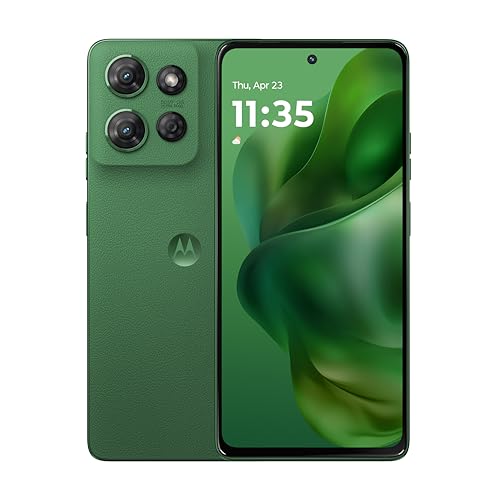
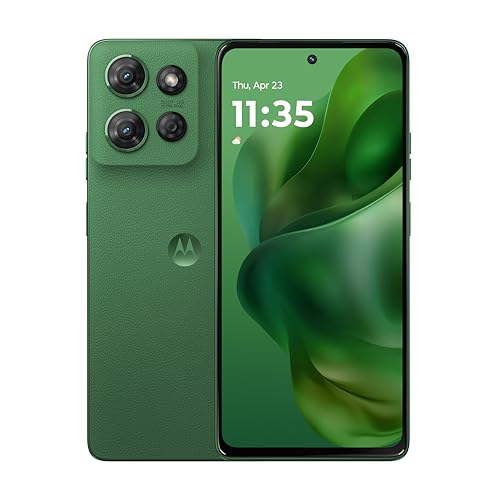
Motorola Moto G Power – 2025 | Unlocked | Made for US 8/128GB | 50MP Camera | Leaf Green
The Motorola Moto G Power 2025 is the battery pick, and it is the longest-lasting phone in this guide. An unlocked phone made for the US with 8GB of RAM and 128GB of storage gives room for apps and photos, and the 50MP camera takes sharp pictures, while the big battery keeps the phone going through a long day. The title states the brand, the Moto G Power 2025 model, the unlocked status, the 8GB and 128GB memory, and the 50MP camera, and it names the Leaf Green color.
A battery phone should last the day, and this one does, with a power-efficient design that suits a buyer who uses the phone a lot. The phone is unlocked, so it works on many carriers, and the 50MP camera takes good pictures in daylight. It suits a buyer who wants a phone that lasts and a brand with a wide range.
Key specs:
- Model: Moto G Power 2025
- Memory: 8GB RAM, 128GB storage
- Camera: 50MP
- Status: unlocked, made for US
- Color: Leaf Green
Strengths:
- Big battery for a long day
- Unlocked for many carriers
- 50MP camera for sharp photos
Trade-offs:
- 128GB storage is smaller than the 256GB picks
- No stylus, unlike the Stylus model
- Camera is best in daylight
The Motorola Moto G Power 2025 fits the buyer who wants a phone that lasts. It is the pick for long days, for travel, and for a buyer who charges once a day, and it rewards a buyer who wants battery first.
Best for: Long battery life in an unlocked phone. Not suited for: A buyer who wants a stylus, or 256GB of storage.
Check price on Amazon: Motorola Moto G Power 2025


Motorola Moto G Stylus – 2025 | Unlocked | Made for US 8/256GB | 50MP Camera | Pantone Gibraltar Sea
The Motorola Moto G Stylus 2025 is the stylus pick, and it is the only phone in this guide with a pen built in. An unlocked phone made for the US with 8GB of RAM and 256GB of storage gives room for apps, photos, and notes, and the 50MP camera takes sharp pictures, while the built-in stylus takes notes and sketches. The title states the brand, the Moto G Stylus 2025 model, the unlocked status, the 8GB and 256GB memory, and the 50MP camera, and it names the Pantone Gibraltar Sea color.
A stylus phone should be a notebook and a phone in one, and this one is, with a pen that slides out for notes, lists, and sketches. The phone is unlocked, so it works on many carriers, and the 256GB storage takes a large library. It suits a buyer who writes notes by hand.
Key specs:
- Model: Moto G Stylus 2025
- Memory: 8GB RAM, 256GB storage
- Camera: 50MP
- Stylus: built-in
- Status: unlocked, made for US
Strengths:
- Built-in stylus for notes and sketching
- Large 256GB storage
- Unlocked for many carriers
Trade-offs:
- Stylus adds cost a buyer may not need
- 256GB is more than some buyers need
- Camera is best in daylight
The Motorola Moto G Stylus 2025 fits the buyer who writes notes by hand. It is the pick for lists, for sketches, and for a buyer who wants a pen always at hand, and it rewards a buyer who likes to write.
Best for: Notes and sketching with a built-in stylus. Not suited for: A buyer who never uses a pen, or who wants a smaller phone.
Check price on Amazon: Motorola Moto G Stylus 2025

Motorola Moto g – 2026 | Unlocked | Made for US 4/128GB | 50MP Camera | Pantone Cattleya Orchid
The Motorola Moto G 2026 is the value pick, and it is the most affordable phone in this guide. An unlocked phone made for the US with 4GB of RAM and 128GB of storage gives room for everyday apps, and the 50MP camera takes sharp pictures, while the 2026 design brings a current look at a modest cost. The title states the brand, the Moto G 2026 model, the unlocked status, the 4GB and 128GB memory, and the 50MP camera, and it names the Pantone Cattleya Orchid color.
A value phone should cover the basics well, and this one does, with a 50MP camera and 128GB of storage for everyday use. The phone is unlocked, so it works on many carriers, and the modest RAM suits a buyer who uses a few apps at a time. It suits a buyer who wants a current phone at a modest cost.
Key specs:
- Model: Moto G 2026
- Memory: 4GB RAM, 128GB storage
- Camera: 50MP
- Status: unlocked, made for US
- Color: Pantone Cattleya Orchid
Strengths:
- Good value for a current phone
- 50MP camera for sharp photos
- Unlocked for many carriers
Trade-offs:
- 4GB RAM is smaller than the 8GB picks
- Not made for heavy multitasking
- Camera is best in daylight
The Motorola Moto G 2026 fits the buyer who wants a current phone at a modest cost. It is the pick for everyday calls, for messages, and for photos, and it rewards a buyer who wants value first.
Best for: Everyday value in a current unlocked phone. Not suited for: Heavy multitasking, or a buyer who wants 8GB of RAM.
Check price on Amazon: Motorola Moto G 2026
Google Pixel 10 – Unlocked Smartphone with Gemini – Indigo – 128 GB
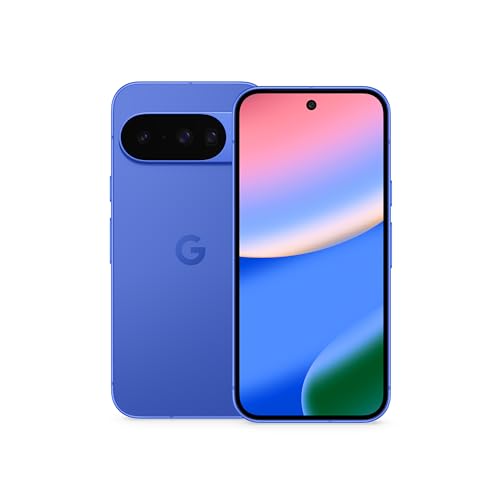
The Google Pixel 10 is the camera pick, and it is the smartest phone in this guide. An unlocked smartphone with Gemini and 128GB of storage gives a fast, clean Android experience, and the advanced triple rear camera with 20x zoom takes sharp pictures, while the 24-hour-plus battery keeps the phone going. The title states the brand, the Pixel 10 model, the unlocked status, the Gemini features, and the 128GB storage, and it names the 6.3-inch display and the Indigo color.
A Pixel should take great pictures with little effort, and this one does, with a camera that handles night, zoom, and portraits well. The phone is unlocked, so it works on many carriers, and the Gemini features help with calls, messages, and photos. It suits a buyer who wants a smart camera and a clean phone.
Key specs:
- Model: Google Pixel 10
- Storage: 128GB
- Camera: advanced triple rear, 20x zoom
- Display: 6.3-inch
- Features: Gemini, fast charging, 24+ hour battery
Strengths:
- Excellent camera with 20x zoom
- Gemini features for calls and photos
- Clean Android with long support
Trade-offs:
- 128GB storage is smaller than the 256GB picks
- Costs more than the Motorola picks
- No stylus
The Google Pixel 10 fits the buyer who wants a smart camera. It is the pick for photos, for night shots, and for a clean Android phone, and it rewards a buyer who likes Google features.
Best for: Smart photography on a clean Android phone. Not suited for: A buyer who wants a stylus, or 256GB of storage.
Check price on Amazon: Google Pixel 10

Google Pixel 10a – 30+ Hours Battery, Camera Coach, Gemini – Obsidian 128GB
The Google Pixel 10a is the affordable Pixel pick, and it is the longest-lasting Pixel in this guide. A phone with a 30-hour-plus battery, Camera Coach, and Gemini gives a smart camera and a long day, and the 128GB of storage takes apps and photos, while the durable design and seven years of Pixel Drops keep it current. The title states the brand, the Pixel 10a model, the 30-hour-plus battery, the Camera Coach, and the Gemini features, and it names the 128GB storage and the Obsidian color.
An affordable Pixel should give the Pixel camera without the flagship cost, and this one does, with Camera Coach that helps frame a shot and Gemini that helps with calls and messages. The phone gives a long battery and a durable design, so it suits a buyer who wants a Pixel that lasts.
Key specs:
- Model: Google Pixel 10a
- Storage: 128GB
- Battery: 30+ hours
- Camera: Camera Coach
- Features: Gemini, 7 years of Pixel Drops
Strengths:
- Very long 30-hour-plus battery
- Camera Coach helps frame photos
- Seven years of Pixel Drops
Trade-offs:
- 128GB storage is smaller than the 256GB picks
- Camera is simpler than the Pixel 10
- No stylus
The Google Pixel 10a fits the buyer who wants a Pixel at a modest cost. It is the pick for photos, for long days, and for a phone that stays current for years, and it rewards a buyer who wants value with smarts.
Best for: An affordable Pixel with a long battery. Not suited for: A buyer who wants the best camera, or 256GB of storage.
Check price on Amazon: Google Pixel 10a

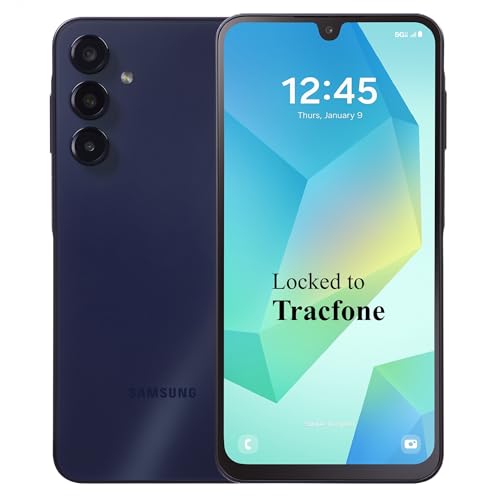
Samsung Galaxy A17 5G Smart Phone 128GB, US 1 Yr Manufacturer Warranty Blue
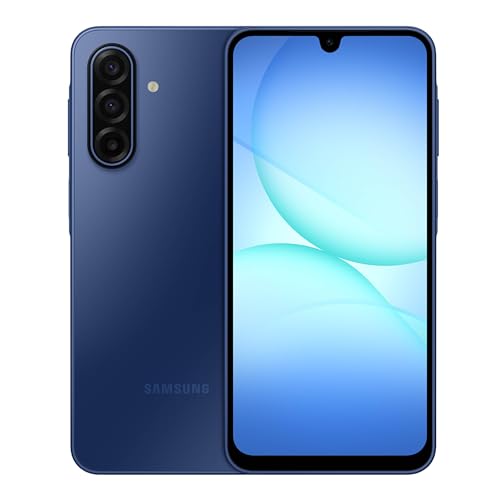
The Samsung Galaxy A17 5G is the Samsung pick, and it is the best-value Samsung in this guide. A 5G smartphone with 128GB of storage gives room for apps and photos, and the large AMOLED display shows bright colors, while the high-resolution camera takes sharp pictures and the super-fast charging tops the battery up quickly. The title states the brand, the Galaxy A17 5G model, the 128GB storage, and the 5G support, and it names the large AMOLED display, the expandable storage, and the US one-year manufacturer warranty.
A Samsung value phone should give a big screen and a good camera at a modest cost, and this one does, with an AMOLED display that looks bright and a camera that handles daylight well. The phone gives expandable storage, so a memory card can add room, and the one-year warranty covers the first year. It suits a buyer who wants a Samsung phone at a modest cost.
Key specs:
- Model: Samsung Galaxy A17 5G
- Storage: 128GB, expandable
- Display: large AMOLED
- Camera: high-resolution
- Warranty: US 1 year manufacturer
Strengths:
- Large AMOLED display with bright colors
- Expandable storage for more room
- 5G support and fast charging
Trade-offs:
- 128GB storage is smaller than the 256GB picks
- Camera is best in daylight
- No stylus
The Samsung Galaxy A17 5G fits the buyer who wants a Samsung phone at a modest cost. It is the pick for a big screen, for photos, and for a buyer who likes the Samsung ecosystem, and it rewards a buyer who wants value with a warranty.
Best for: Samsung value with a large AMOLED screen. Not suited for: A buyer who wants a stylus, or 256GB of storage.
Check price on Amazon: Samsung Galaxy A17 5G
Buying guide for the best low radiation smartphones
Check the published SAR before buying
Start with the SAR, because it is the only number that compares phones on radiation. Makers publish SAR for each model, usually for the head and the body, and a buyer should look it up on the maker’s site for the exact model and the exact region, because SAR varies by model and by region. The listing title does not state SAR, so a buyer must check it separately, and should compare the head SAR of the models on the shortlist.
A buyer should also check the limit, because regulators set a SAR limit, and every phone sold must stay under it. A lower SAR is the pick for a buyer who thinks about exposure, but the difference between models is often small, and the habits matter more. Check the SAR, and then look at the habits, because both decide the exposure.
Signal strength matters more than the model
The signal strength matters more than the model, because a phone in a weak signal area raises its power to reach the tower. A buyer who wants lower exposure should use Wi-Fi calling at home, keep the phone where the signal is strong, and avoid long calls in lifts, basements, or moving cars, because those places have weak signals. The phones here all support Wi-Fi calling on most carriers, and a buyer should check the carrier support before buying.
A buyer who travels should also think about the signal, because a phone that roams will search for towers and use more power. Use Wi-Fi where it is available, and keep the phone in airplane mode when it is not needed, because a phone that is not talking to a tower is not emitting. The signal is the exposure, and a strong signal is the answer.
Hands-free habits cut exposure the most
The hands-free habits cut exposure the most, because distance is the strongest factor. A phone held to the ear gives more exposure than a phone on speaker or on a wired headset, because the phone is farther from the head, and a buyer who uses speakerphone or a wired headset will limit exposure more than any model choice. The phones here all support speakerphone, wired headsets, and Bluetooth, so a buyer can choose the hands-free way that suits the day.
A buyer should also text instead of calling when the message is short, because a text uses the radio for a moment, while a call uses it for minutes. Keep the phone out of the pocket when it is not needed, and use a bag or a desk, because distance is the answer. The habits are the exposure, and the habits are free.
Storage, camera, and battery: the phone must still be good
The phone must still be a good phone, because a buyer who chooses only for SAR may get a phone that is slow or short-lived. Check the storage in the title before buying, because 128GB suits most buyers and 256GB suits a buyer with many photos, and check the camera, because a 50MP camera takes sharp pictures in daylight. Check the battery too, because a phone that lasts the day is the phone that is used.
A buyer should also check the software support, because a phone that gets updates for years will stay safe and current. The Pixel 10a in this guide gives seven years of Pixel Drops, and a buyer who wants a long life should look for it. The phone is the purchase, and the SAR is the second test.
Unlocked phones and carriers
An unlocked phone works on many carriers, and the phones here are all unlocked, so a buyer can choose the carrier with the best signal. A buyer should check the carrier support before buying, because a phone that does not support the carrier’s bands will have a weak signal, and a weak signal means more power. Check the bands in the listing before buying, because they decide the signal.
A buyer who changes carriers should also check the warranty, because an international model may have a different warranty than a US model. The Galaxy A17 5G in this guide gives a US one-year manufacturer warranty, and a buyer should check the warranty in the title before buying. The carrier is the signal, and the signal is the exposure.
Using and caring for a low radiation smartphone
Use speakerphone and headsets for long calls
Use speakerphone or a wired headset for long calls, because distance is the strongest factor in exposure. A phone on speaker sits on the desk, and a phone on a wired headset sits in the ear with the phone away from the head, so both limit exposure more than a phone held to the ear. A buyer should make hands-free the habit for long calls, because the habit matters more than the model.
After a call, check the time, because a short call is better than a long one. A buyer who texts instead of calling for short messages will limit exposure further, because a text uses the radio for a moment. Take the time to build the habit, because it is free and it works.
Keep the phone charged and the software current
Keep the phone charged, because a phone with a low battery may search harder for a signal, and keep the software current, because updates fix bugs and improve the radio. A buyer should update the phone when an update arrives, and should check the battery health now and then, because a phone that is cared for will last longer. A clean phone will run well, and a neglected one will not.
Use the original charger or a good one, because a poor charger can heat the phone. A phone that is charged well will last the day, and one that is charged poorly will not. Good habits keep the phone working well.
Look after the phone for the long term
Check the phone once in a while, because a phone that is used every day can wear out. Check the screen for cracks, and check the battery for swelling, because a swollen battery should be replaced. A phone that is checked will last for years, and one that is ignored will fail at the worst moment.
Keep the phone out of damp and heat, because both can damage the battery. A buyer who drops the phone should check the screen, and a buyer who changes the case should check the fit. A little care keeps the phone working.
Common mistakes when buying low radiation smartphones
Trusting the listing title for SAR
The most common mistake is trusting the listing title for SAR, because the title does not state it. A buyer should check the maker’s published SAR for the exact model and the exact region, because SAR varies by model and by region, and a title that says low radiation does not give a number. Check the maker’s site before buying, because the number is the test.
A buyer who is unsure should search the maker’s site for the model name and the word SAR, and should compare the head SAR of the models on the shortlist. The SAR is the purchase, and the title is only the start.
Ignoring the signal strength
The second mistake is ignoring the signal strength, because a phone in a weak signal area raises its power to reach the tower. A buyer who wants lower exposure should use Wi-Fi calling at home, keep the phone where the signal is strong, and avoid long calls in lifts or basements. Check the carrier coverage before buying, because it decides the signal.
A buyer who travels should also think about the signal, because a phone that roams will search for towers. Use Wi-Fi where it is available, and keep the phone in airplane mode when it is not needed. The signal is the exposure, and a strong signal is the answer.
Holding the phone to the ear for long calls
The third mistake is holding the phone to the ear for long calls, because distance is the strongest factor in exposure. A buyer should use speakerphone or a wired headset for long calls, because the phone sits farther from the head, and should text instead of calling when the message is short. The habits matter more than the model, and the habits are free.
A buyer who makes long calls every day should build the hands-free habit first, and then choose the phone. The habit is the exposure, and the habit is the answer.
Buying a renewed phone by mistake
The fourth mistake is buying a renewed phone by mistake, because a renewed listing may look like a new one. A buyer should check the title for the word renewed before buying, and should buy a new listing, because a renewed phone may have a worn battery and a shorter life. The phones in this guide are all new listings, and a buyer should check the title twice.
A buyer who is unsure should read the title in full, because renewed hides at the end. The new listing is the purchase, and a renewed phone is a different buy.
Final recommendation
The best low radiation smartphone for most buyers is the Google Pixel 10a, because its long 30-hour-plus battery, its Camera Coach, and its seven years of Pixel Drops give a smart phone that lasts, and its affordable cost leaves room for a wired headset. A buyer who wants a Pixel that stays current for years should buy this one, because it is smart, durable, and good value, and it rewards a buyer who wants a phone that lasts.
A buyer who wants a big battery should buy the Motorola Moto G Power 2025, because it lasts the day with ease, and a buyer who wants a pen should buy the Motorola Moto G Stylus 2025, because its built-in stylus takes notes anywhere. A buyer who wants value should buy the Motorola Moto G 2026, because it covers the basics at a modest cost, and a buyer who wants the best camera should buy the Google Pixel 10, because its triple rear camera and 20x zoom take sharp pictures. A buyer who wants a Samsung phone should buy the Galaxy A17 5G, because its large AMOLED screen and expandable storage cover the basics well.
Whichever phone is chosen, check the maker’s published SAR for the exact model before buying, use speakerphone or a wired headset for long calls, use Wi-Fi calling at home, and keep the phone where the signal is strong, because the habits limit exposure more than any single model, and a good phone bought well will serve for years.
Related reading on Reviewstook: see our guides to best 5G phones list, best 5G gaming phones, best 128GB micro SD cards for more on this topic.
Frequently asked questions about low radiation smartphones
What is SAR on a smartphone?
SAR is the specific absorption rate, and it measures how much radio-frequency energy the body absorbs when the phone is used. Makers publish SAR for each model, usually for the head and the body, and regulators set limits for it, so a buyer can compare models before buying. A lower SAR is the pick for a buyer who thinks about exposure, but the difference between models is often small, and the habits matter more. Check the maker’s site for the exact model and the exact region, because SAR varies by model and by region.
How can I check the SAR of a phone before buying?
A buyer can check the SAR of a phone on the maker’s site, because makers publish SAR for each model, usually in the specifications or the legal section. Search the maker’s site for the model name and the word SAR, and compare the head SAR of the models on the shortlist. The listing title does not state SAR, so a buyer must check it separately, and should check the exact model and the exact region, because SAR varies by both.
Does using speakerphone reduce radiation exposure?
Using speakerphone reduces exposure, because distance is the strongest factor, and a phone on speaker sits on the desk, farther from the head than a phone held to the ear. A wired headset also helps, because the phone sits away from the head, and texting instead of calling helps too, because a text uses the radio for a moment. The habits limit exposure more than any single model choice, and a buyer who uses speakerphone for long calls will limit exposure the most.
Is a low SAR phone safer than a high SAR phone?
A phone with a lower SAR gives lower measured exposure, and every phone sold must stay under the regulator’s SAR limit, so all phones meet the same safety standard. A buyer who wants lower exposure should choose a lower SAR model and use hands-free habits, because the model and the habits together decide the exposure. No phone can give a guarantee about health, and a buyer who wants advice about health should talk to a clinician, because a phone guide cannot give it.
Should I buy a phone with Wi-Fi calling to limit exposure?
A phone with Wi-Fi calling can limit exposure at home, because Wi-Fi calling uses the home network instead of the cell tower, and the phone does not need to raise its power to reach a far tower. A buyer should check that the carrier supports Wi-Fi calling, and should turn it on at home, because a strong Wi-Fi signal is better than a weak cell signal. Use Wi-Fi where it is available, and keep the phone where the signal is strong, because the signal is the exposure.